Vegan Protein For Athletes
(0 Results)
Vegan protein for athletes offers a plant-based option that may support active lifestyles and training goals. With a variety of sources available, vegan protein could fit seamlessly into different routines, whether you’re powering through intense workouts or focusing on recovery. Explore options that may align with your nutritional preferences and help fuel your performance journey.


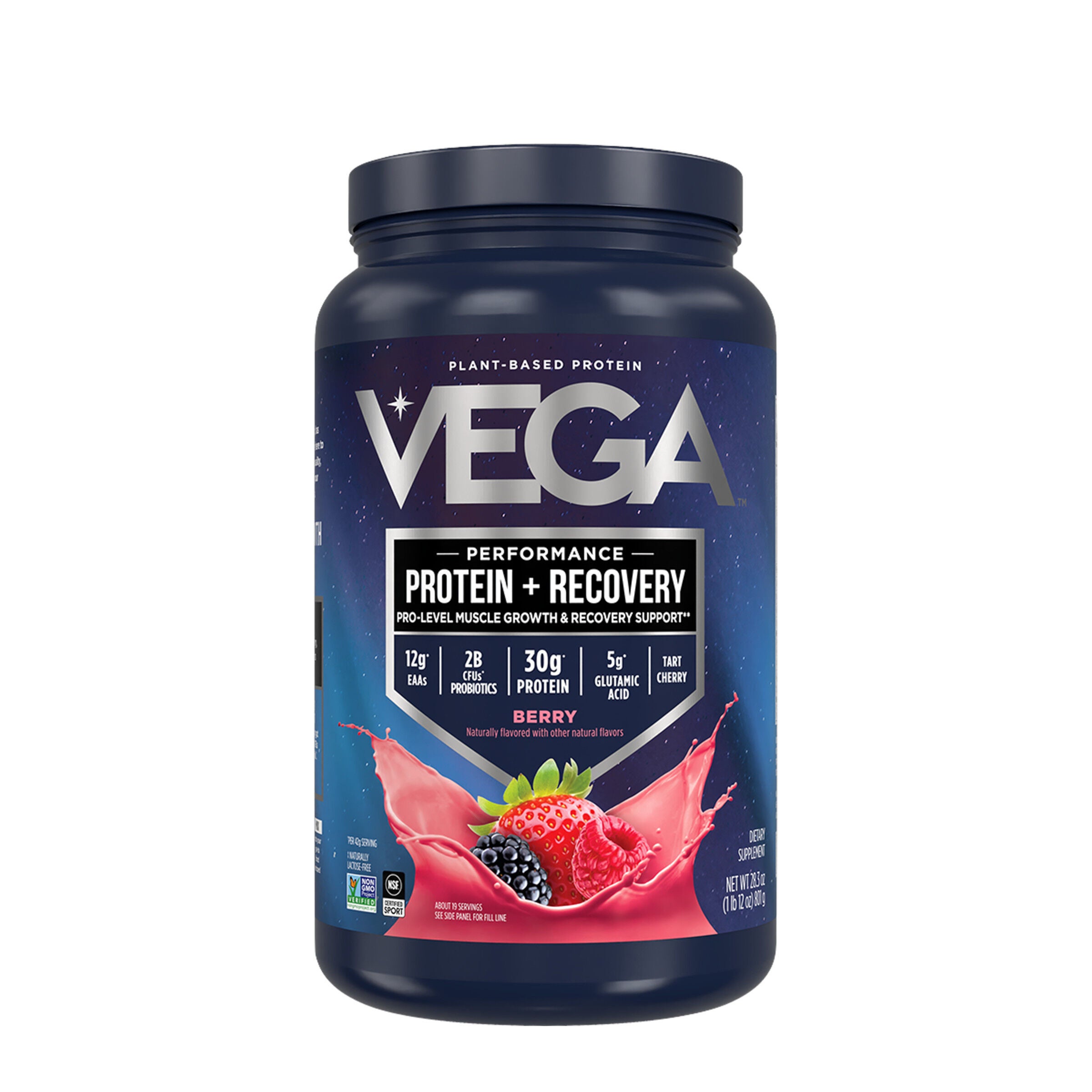
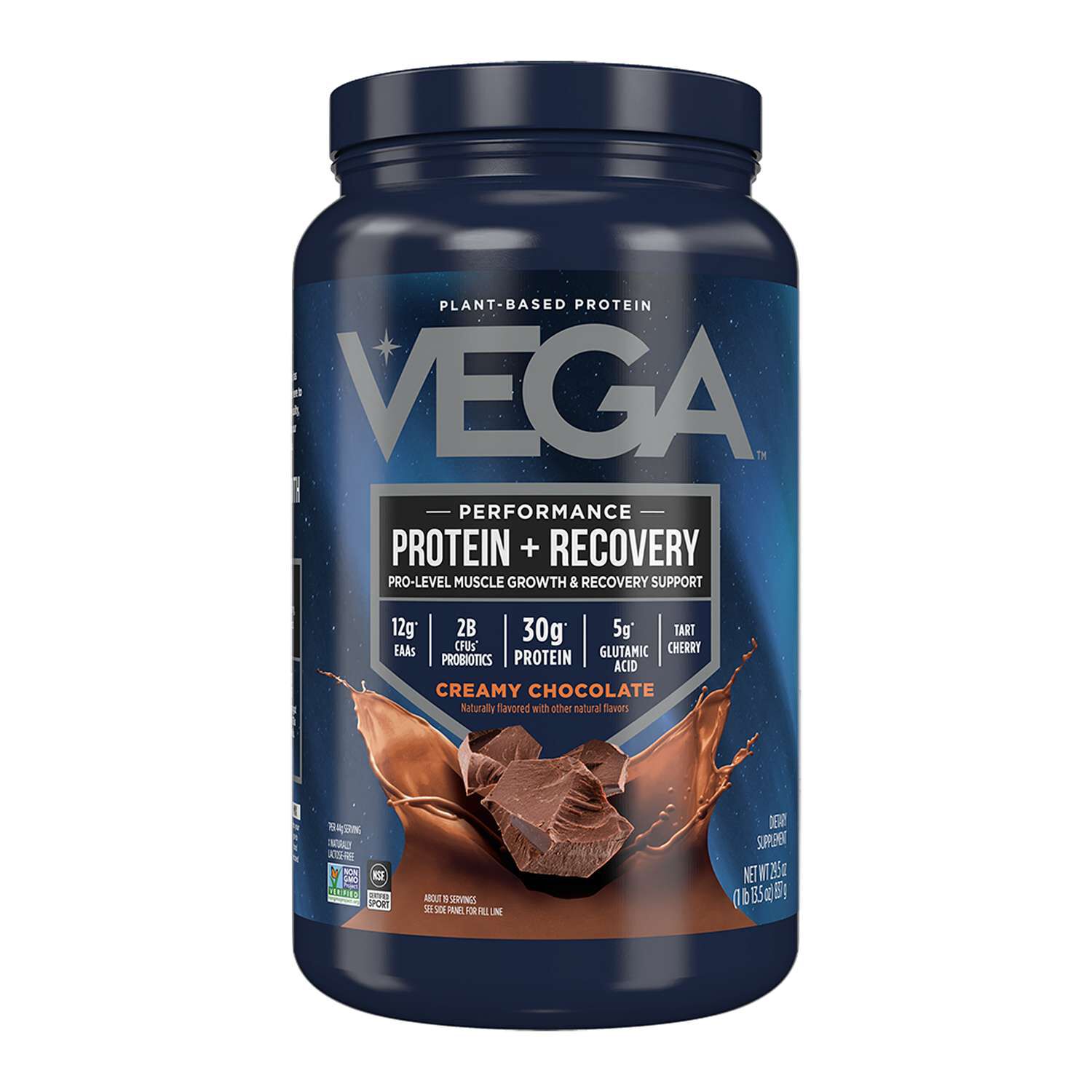

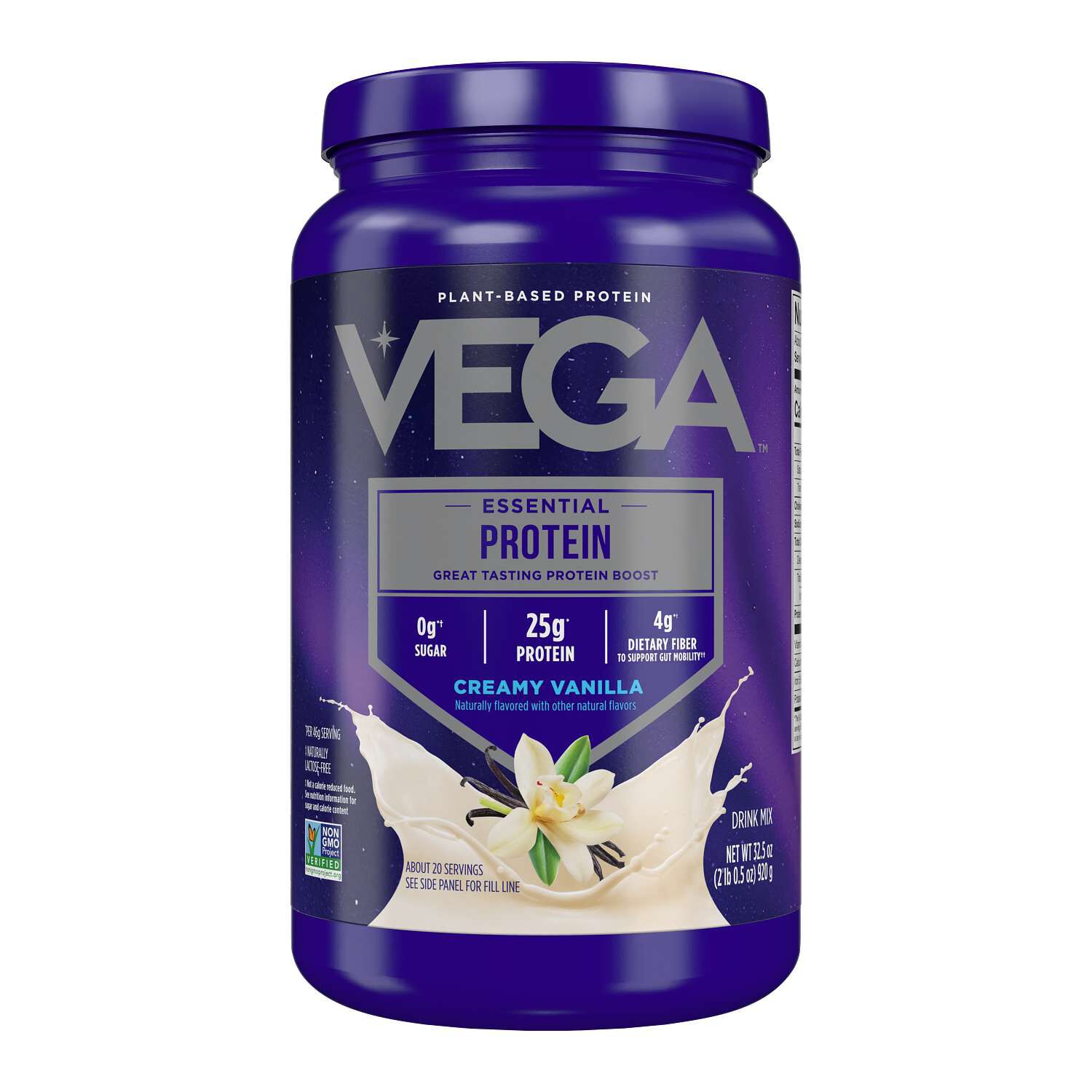


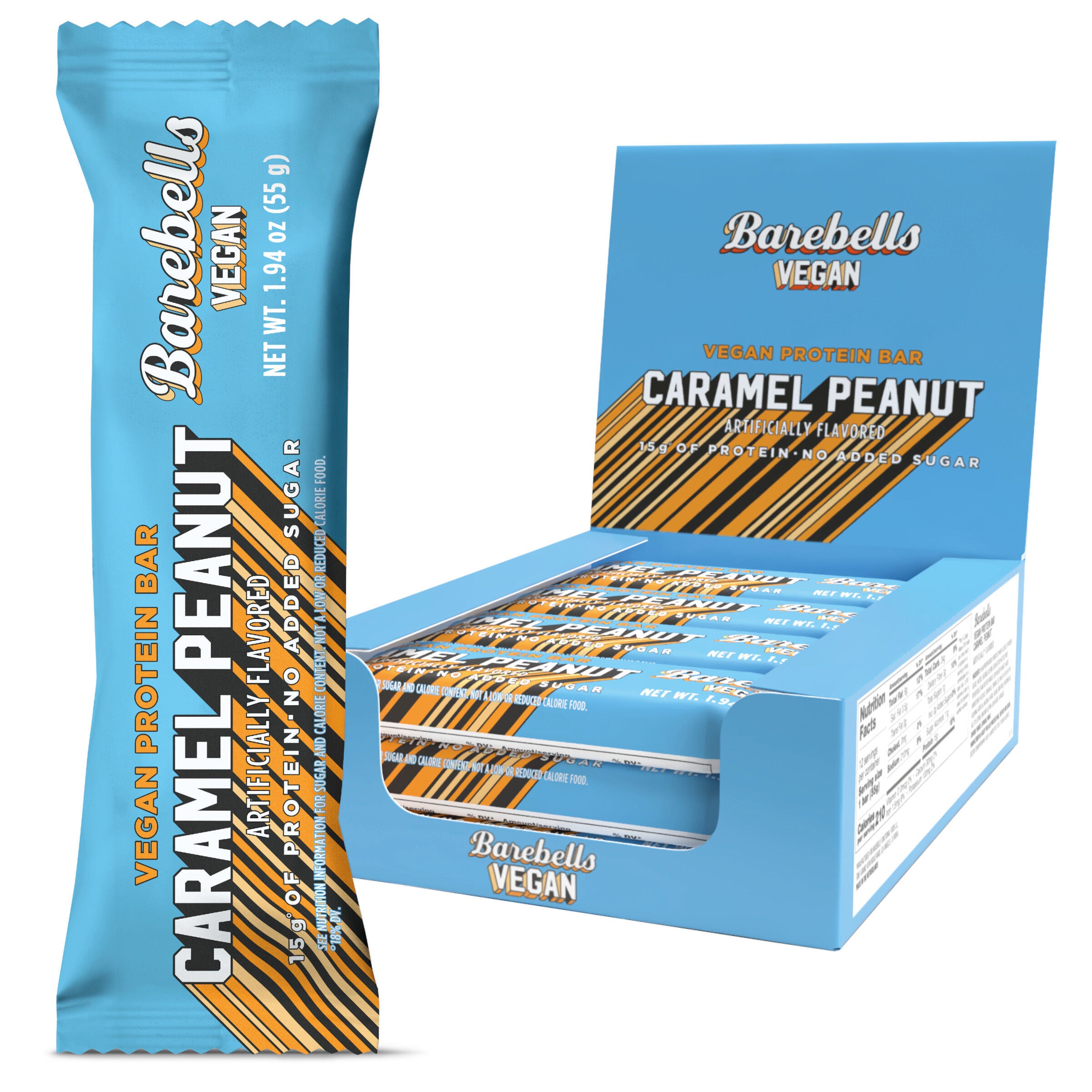
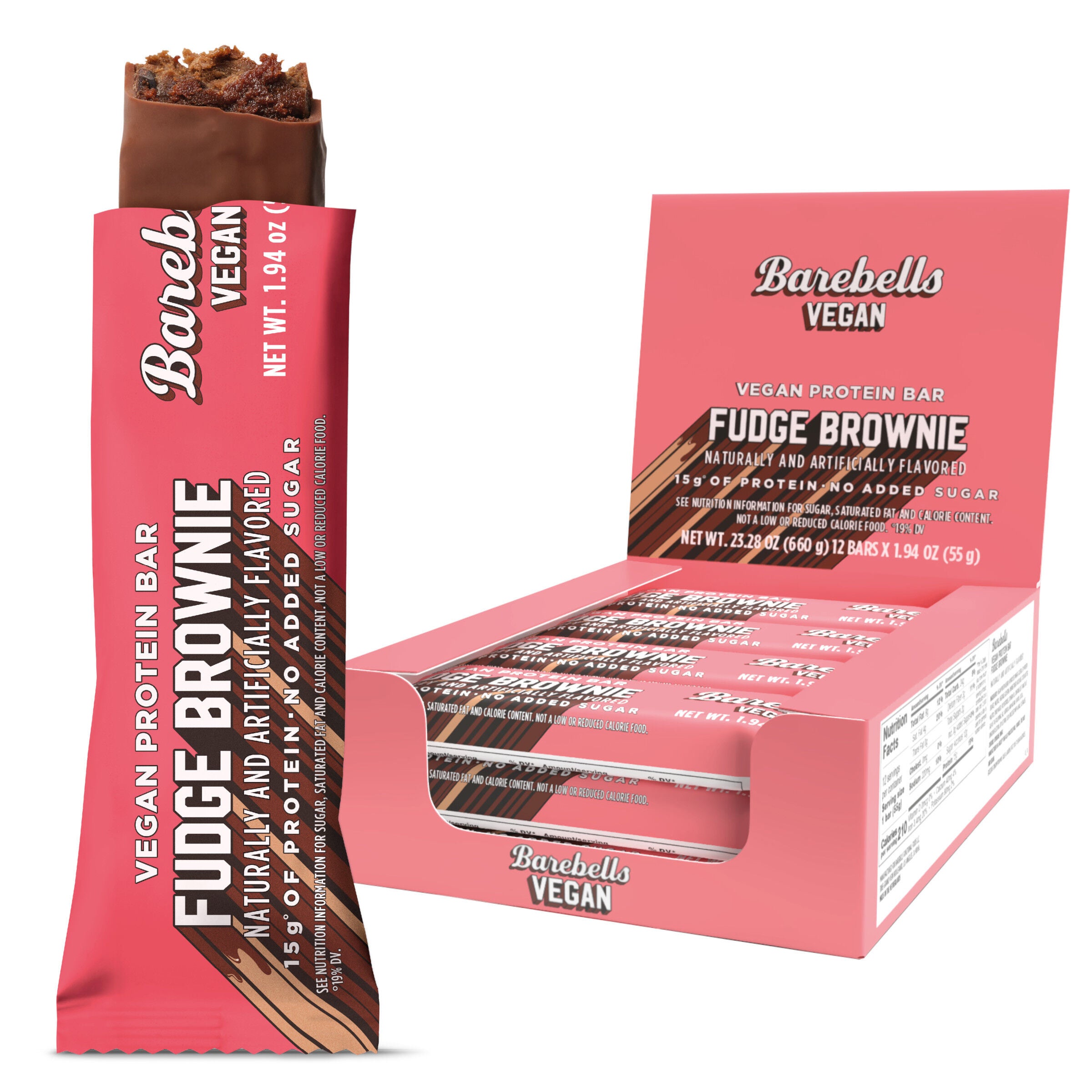
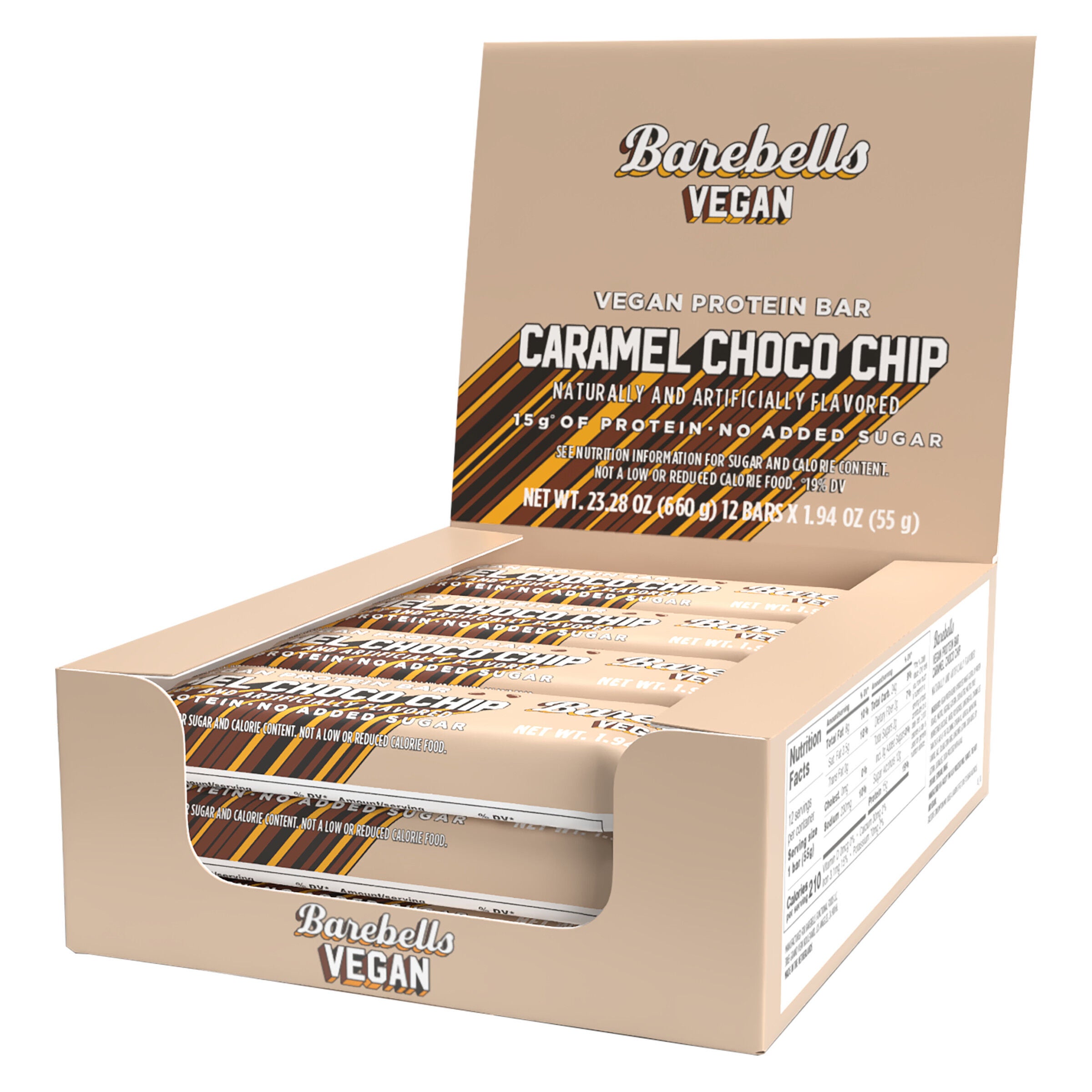


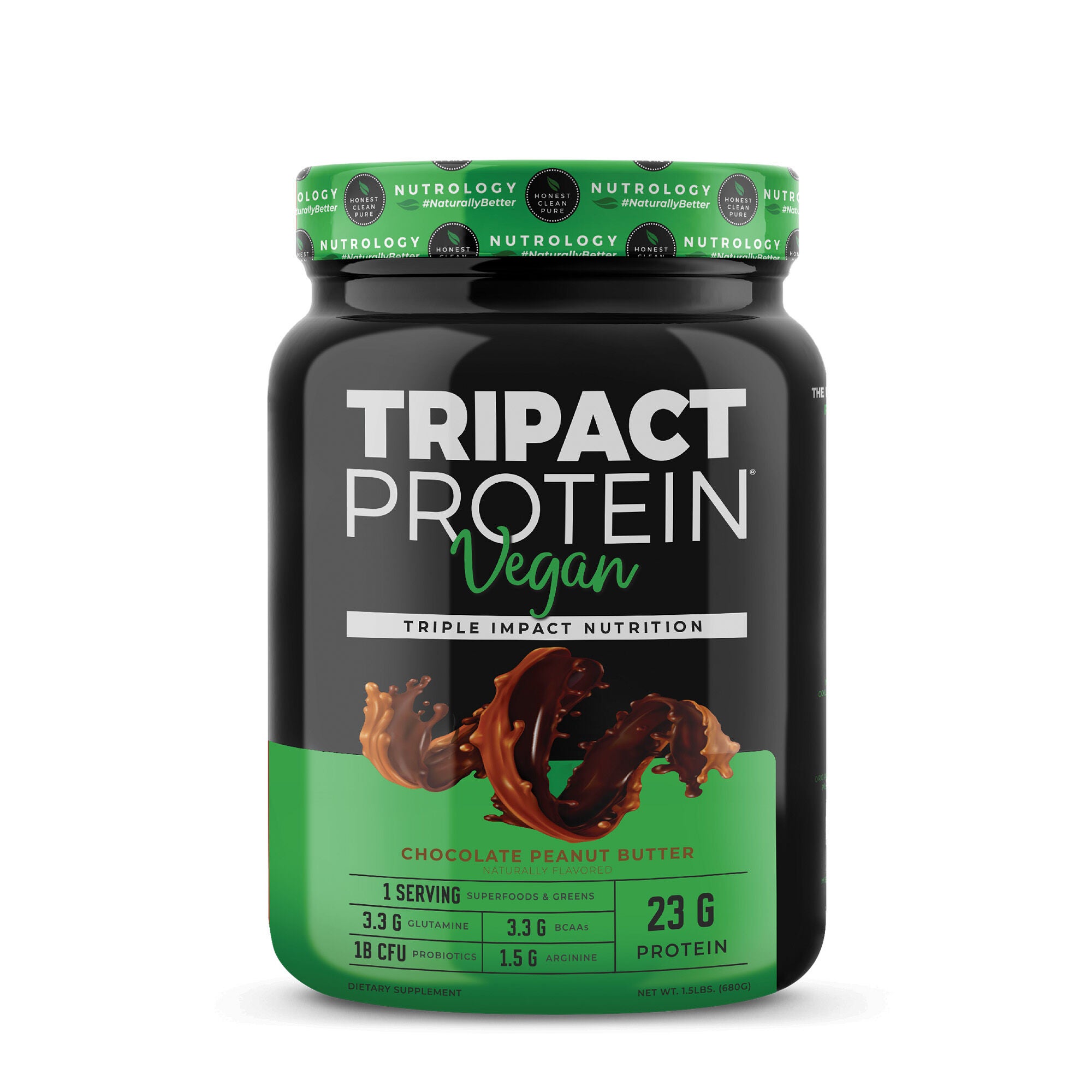


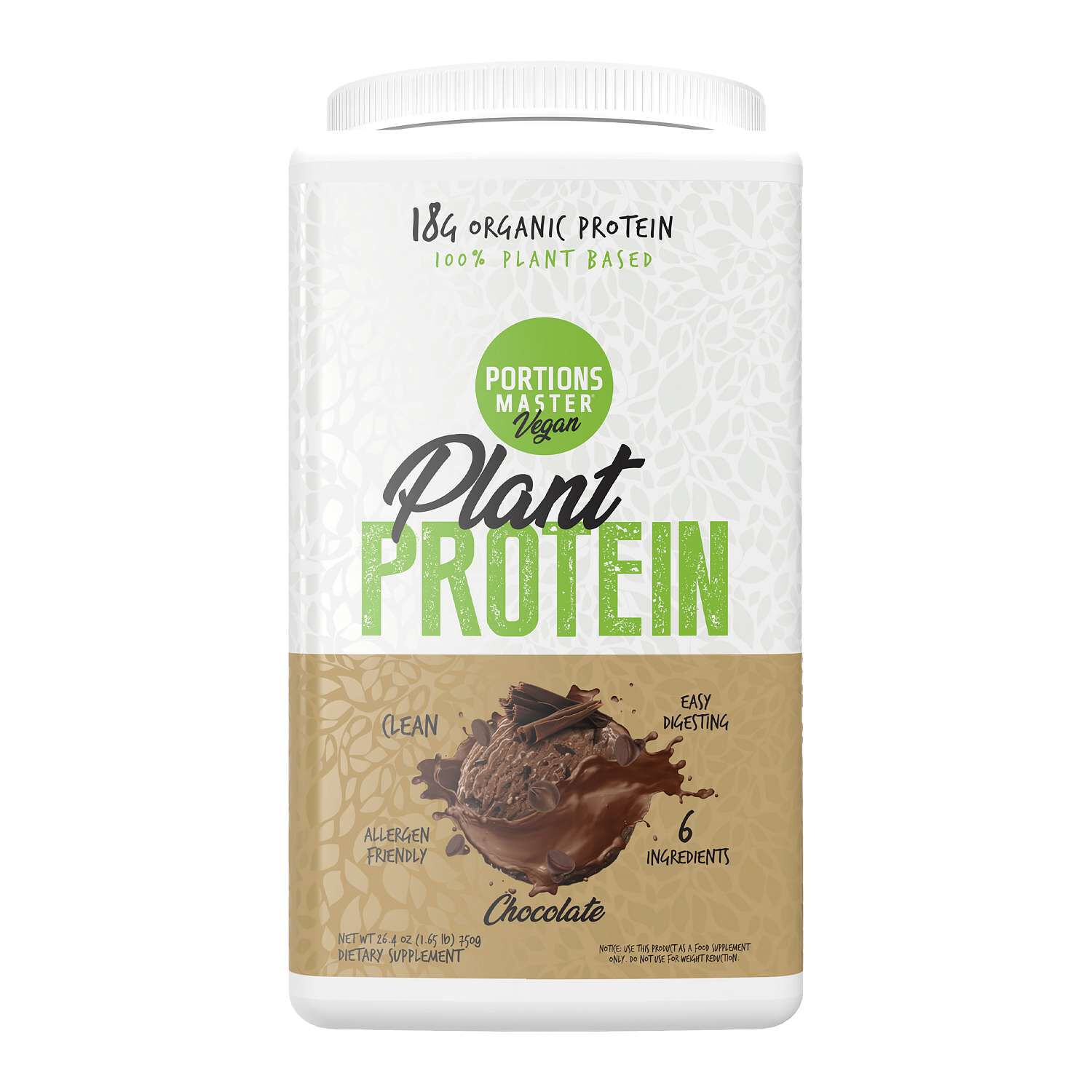
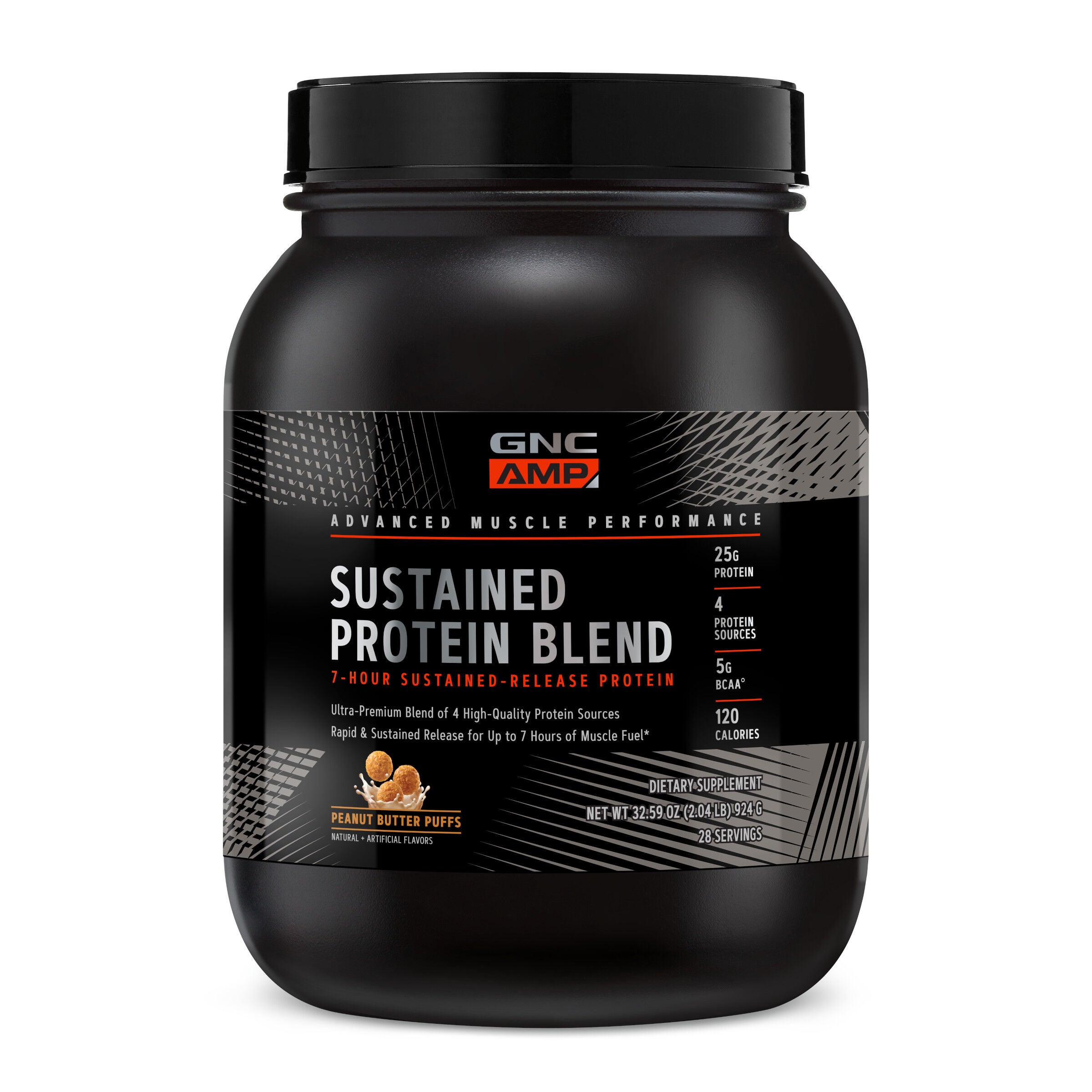
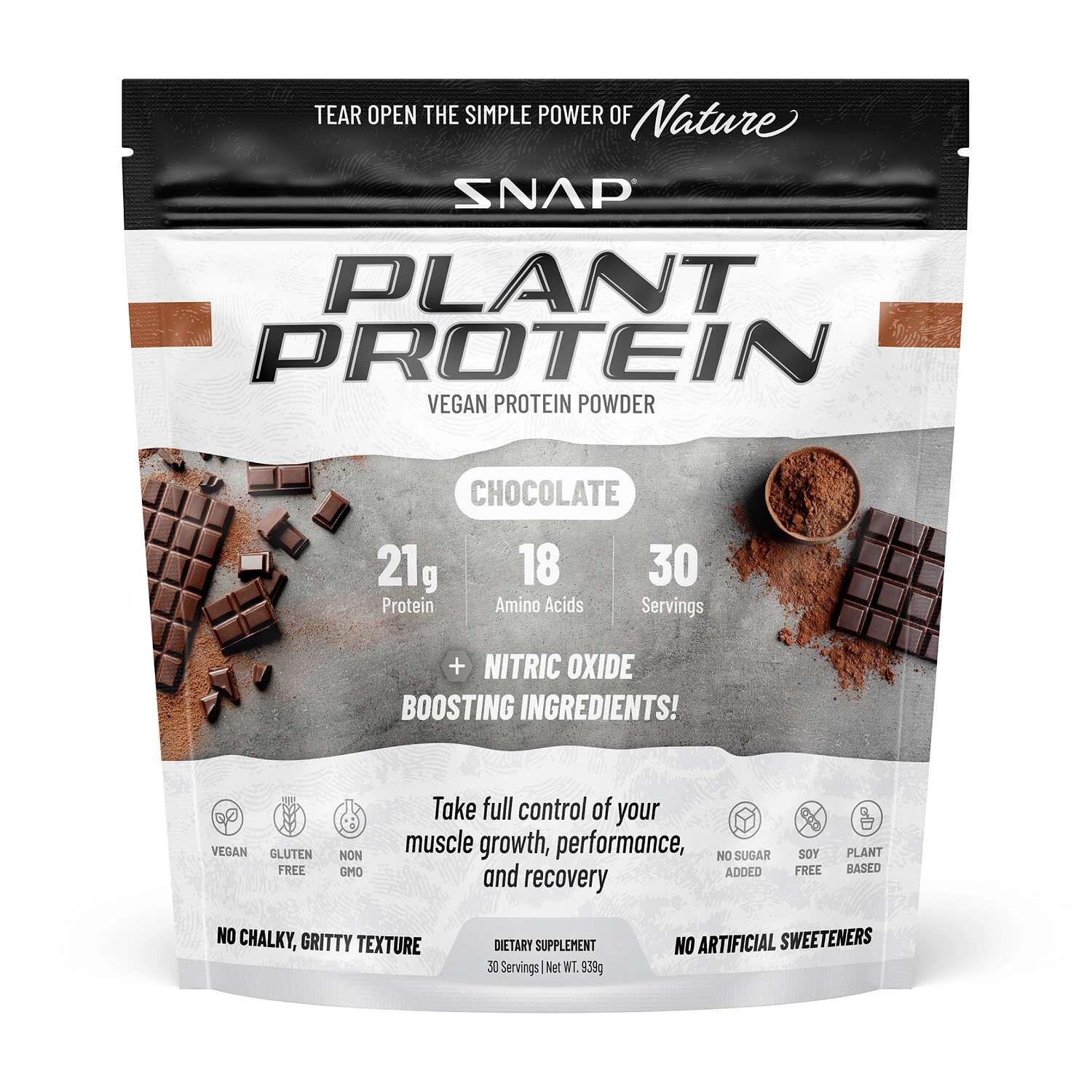
Vegan protein for athletes includes plant-based protein powders and blends intended to complement meals, snacks, and training routines without animal-derived ingredients. Common protein sources include peas, soy, brown rice, and pumpkin seeds, with formulas ranging from a single plant source to combinations of several. These products may support muscle maintenance and post-exercise recovery while offering a convenient way to add protein to everyday eating patterns. Their intended audience extends from runners and cyclists to strength athletes, recreational swimmers, and people balancing team practices with school or work. A vegan eating pattern is not a requirement for choosing plant-based protein; some athletes prefer it for its ingredients, flavor, or compatibility with familiar foods. The distinction between a protein supplement and a meal matters, though. Protein powder is typically one component of a broader eating routine that includes foods such as beans, lentils, tofu, tempeh, grains, nuts, fruits, and vegetables. A shake mixed with water has a different nutritional profile from a smoothie made with oats, a banana, nut butter, and a fortified plant beverage. That difference can matter when the occasion is a quick drink after lifting rather than breakfast before a busy morning. Protein needs also vary with training demands, body size, activity, and the rest of the diet, so a large number on the front of a container does not tell the whole story. Serving size, protein grams per serving, ingredient composition, and preparation directions offer a more useful picture of how a powder fits an athlete’s routine. For someone heading from an early workout to the office, a straightforward mix may be practical. For someone returning from a long ride, a blended snack with additional ingredients may better match the occasion. Vegan sports nutrition encompasses both approaches, with the product’s role shaped by the food and activity around it rather than by a single training style or dietary label.
The plant source is one of the most meaningful differences among vegan protein powders for athletes. Protein consists of amino acids, and individual plant ingredients provide them in different proportions. Soy protein contains all nine amino acids that the body cannot make on its own, while combinations such as pea and rice bring together sources with complementary amino acid profiles. A blend is not automatically a better choice than a single-source powder; the amount of protein, the overall formula, and the athlete’s broader food choices remain relevant. Vegan Protein Blends bring several plant sources into one formula, providing another format for athletes who prefer a combination rather than one primary ingredient. Label details also distinguish a simple protein powder from a formula with added carbohydrates, fiber, vitamins, minerals, or other ingredients. Two powders with similar protein amounts can differ noticeably in serving size, sweetness, and consistency once mixed. Comparing the stated serving weight alongside protein grams helps put those differences in context, especially because one scoop is not a uniform measurement across containers. Ingredient preferences deserve the same attention as the nutrition panel. Vegan describes the absence of animal-derived ingredients, but it does not mean a formula is suitable for every food allergy. Soy, wheat, and tree nut ingredients, as well as manufacturing statements, may be relevant to an individual shopper. For athletes participating in organized competition, independent sport certification can be another useful distinction. The particular certification program and its testing scope matter more than broad athletic language on packaging, and certification does not establish suitability under every organization’s rules. Clear labeling, recognizable protein sources, and preparation instructions make comparisons more grounded. A runner seeking a lightly flavored addition to breakfast and a lifter wanting a thicker afternoon shake may choose different formulas even when both are looking for plant-based protein for training. Neither preference requires an elaborate ingredient list; sometimes a simpler formula is the better match for an established routine.
Taste, texture, and everyday handling often determine whether vegan protein becomes a regular part of an athlete’s kitchen. Pea-based powders can have an earthy character, rice-based formulas sometimes feel slightly grainy, and blends vary according to their ingredients and processing. Cocoa, vanilla, fruit, and spices create different flavor combinations, while unflavored powders leave more room for the ingredients already in a meal. A cocoa-flavored shake alongside an afternoon snack offers a different experience from vanilla powder blended with frozen berries at breakfast. Water generally produces a lighter drink than a thicker plant beverage, and the amount of liquid changes the consistency considerably. A shaker bottle is convenient at a gym or office, while a blender is better suited to additions such as frozen fruit, oats, or nut butter. Powders also behave differently when stirred into oatmeal or yogurt alternatives; a small amount of liquid can make a dense mixture easier to stir. Preparation directions remain useful because scoop size and recommended mixing amounts vary. During the cooler months, indoor training sessions and warm breakfasts may make these kitchen uses particularly appealing, without tying plant protein to one season or sport. Packaging and storage deserve practical attention as well. A securely closed container, a dry scoop, and storage according to the label may help protect powder quality between uses. Moisture from a recently rinsed scoop or a damp gym bag is an avoidable complication, and prepared shakes have different storage needs from dry powder. Cleaning bottles and lids after use helps keep yesterday’s drink from affecting the next one. For travel between home, practice, and work, container dimensions and secure closures can matter as much as flavor. As a gift for an active friend or family member, plant-based protein is most personal when dietary preferences, familiar flavors, and ingredient restrictions are already known. For everyday use, a suitable choice is one whose composition, preparation, and taste fit naturally into the athlete’s existing meals and schedule.