Chocolate Protein For Athletes
(0 Results)
Chocolate protein for athletes offers a delicious way to support your fitness routine. With a variety of options available, athletes may find these protein choices fit seamlessly into their training schedules and post-workout rituals. Whether you’re looking to mix up a shake or add flavor to your favorite recipes, chocolate protein for athletes combines taste with the convenience many active individuals seek. Explore the selection to discover how chocolate protein might complement your athletic goals.
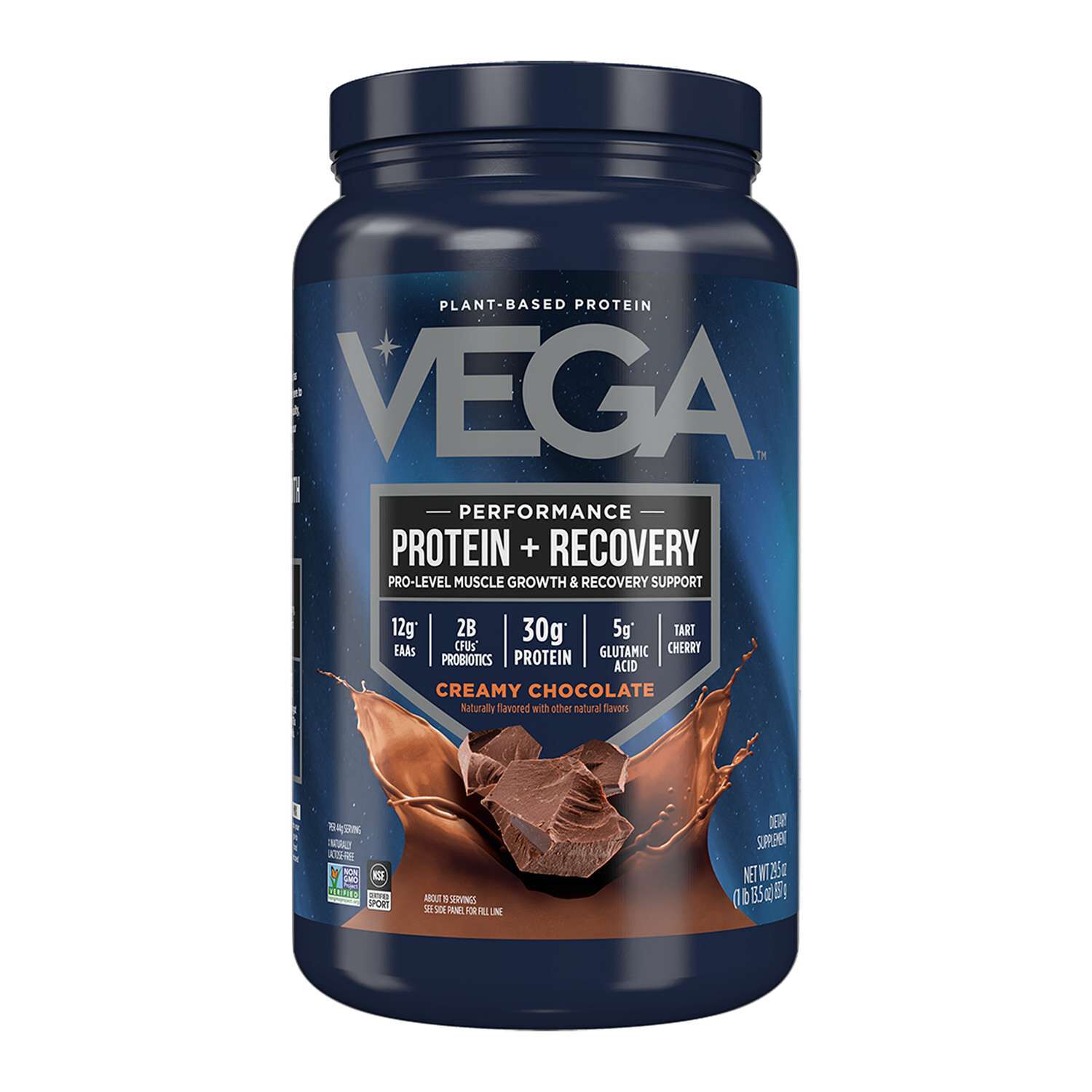

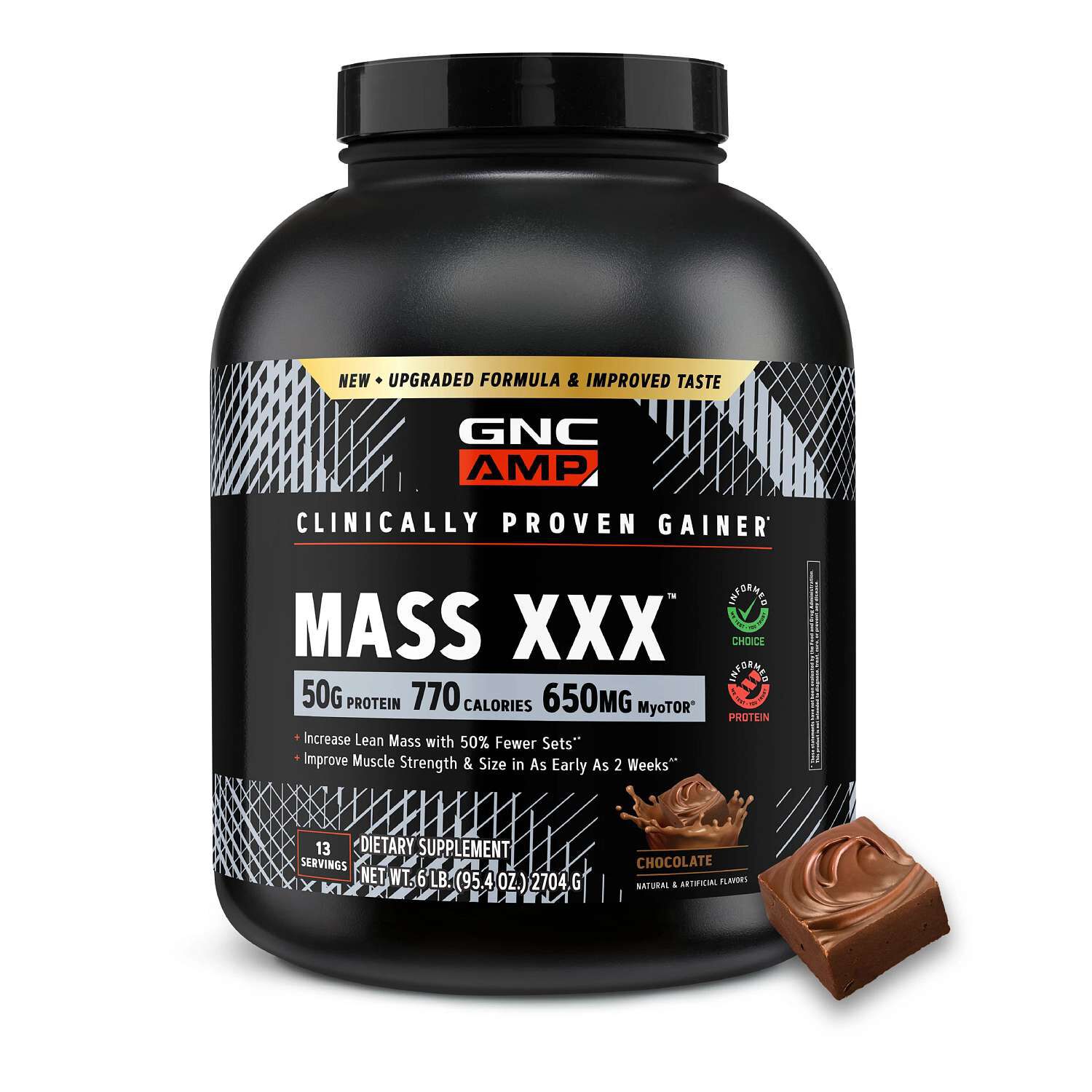
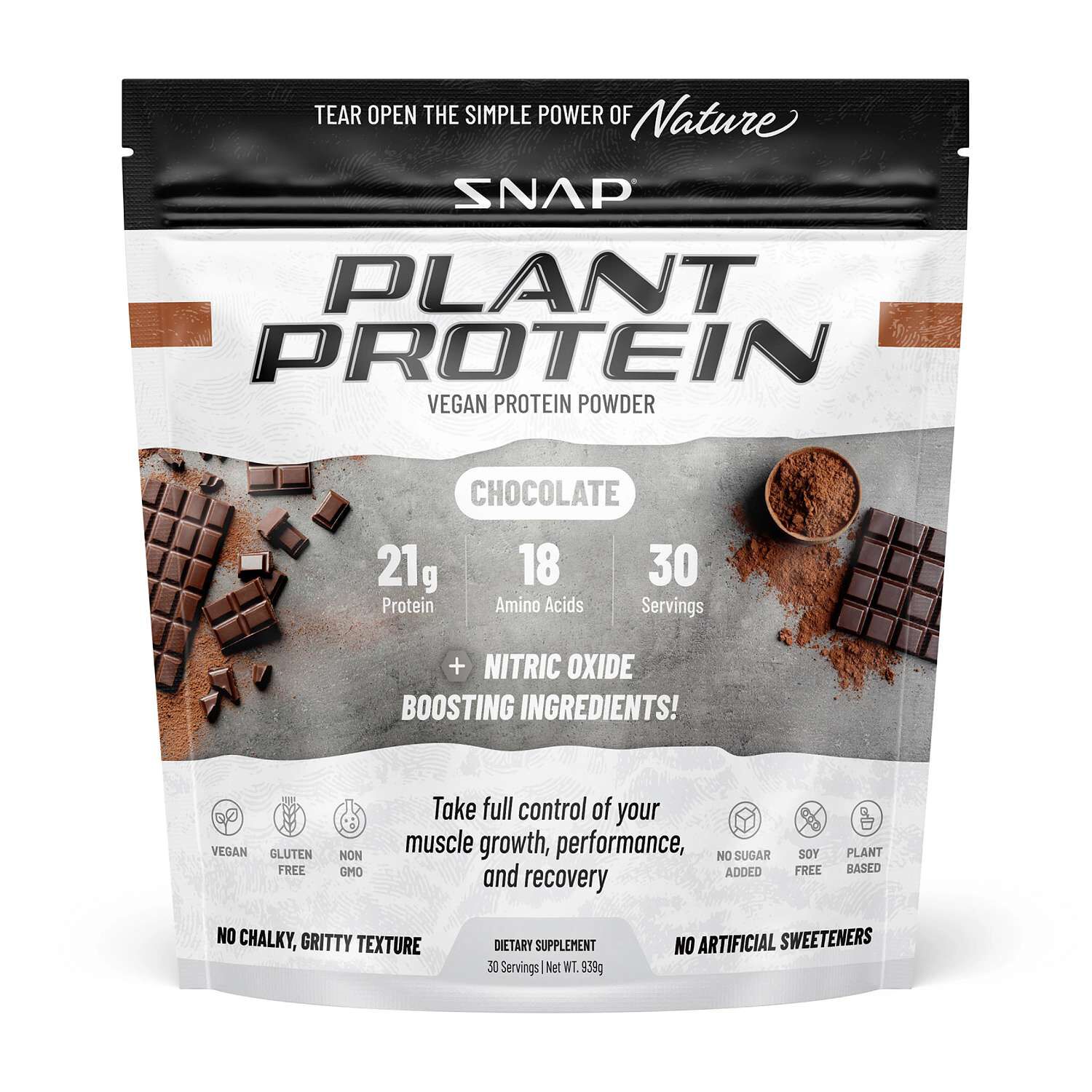


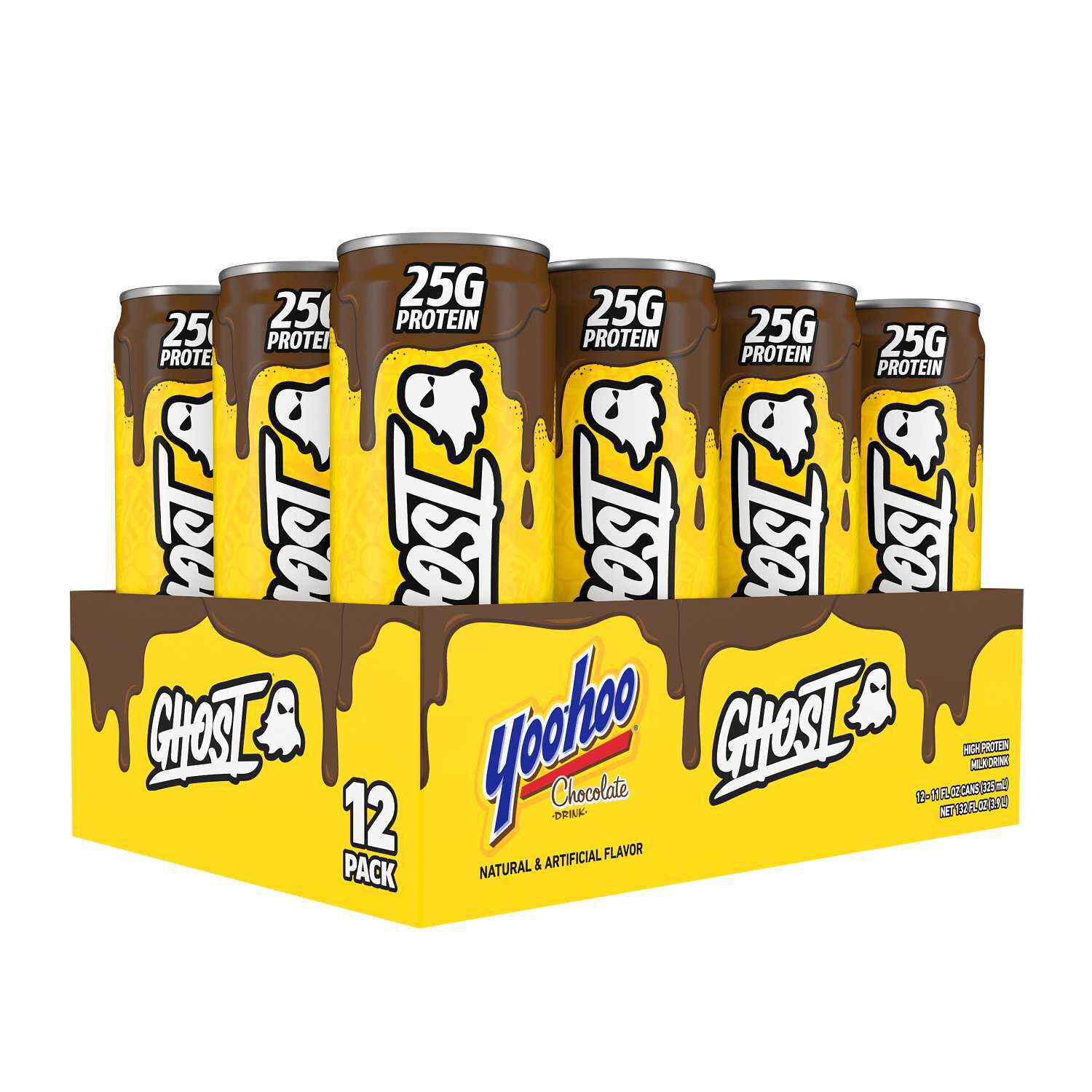


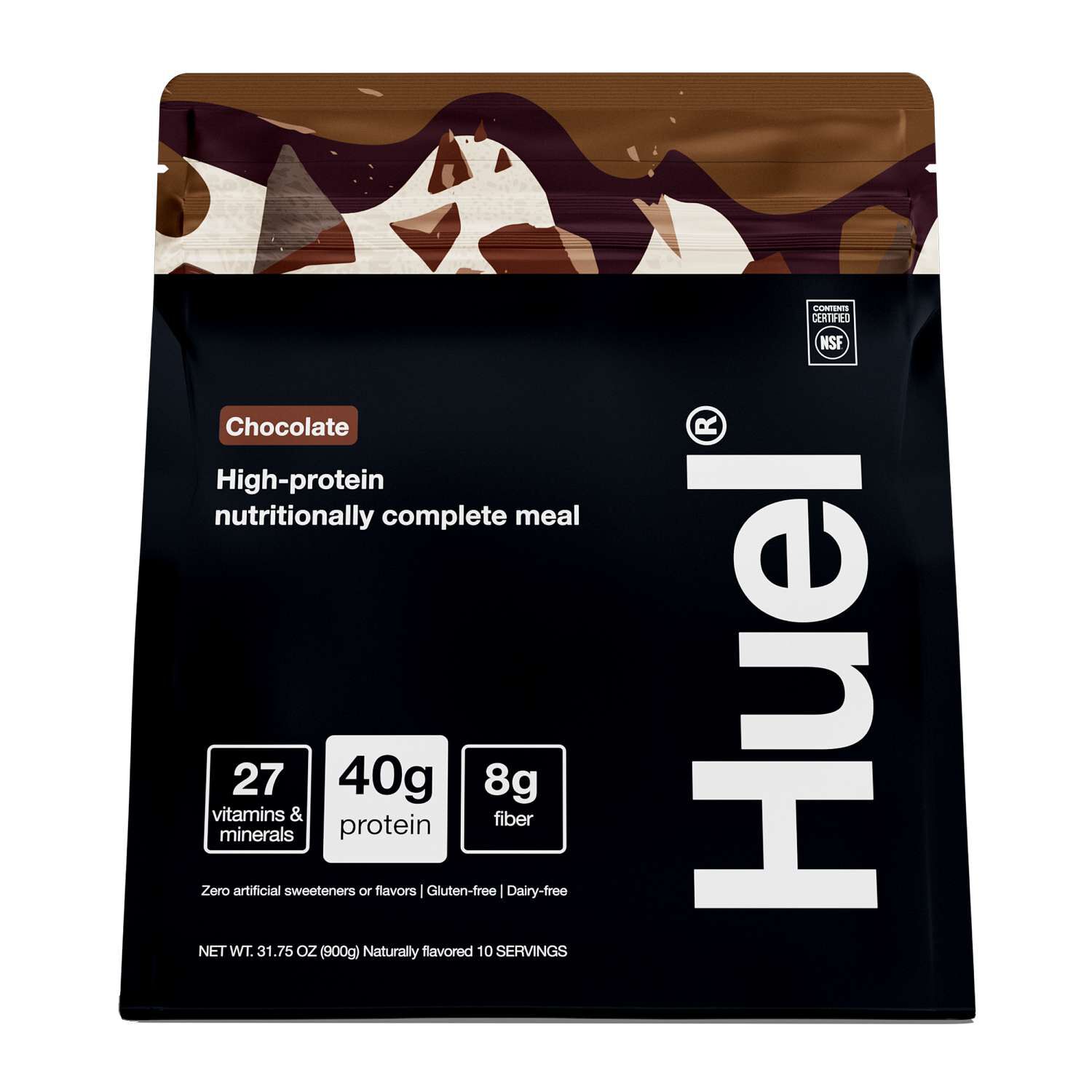
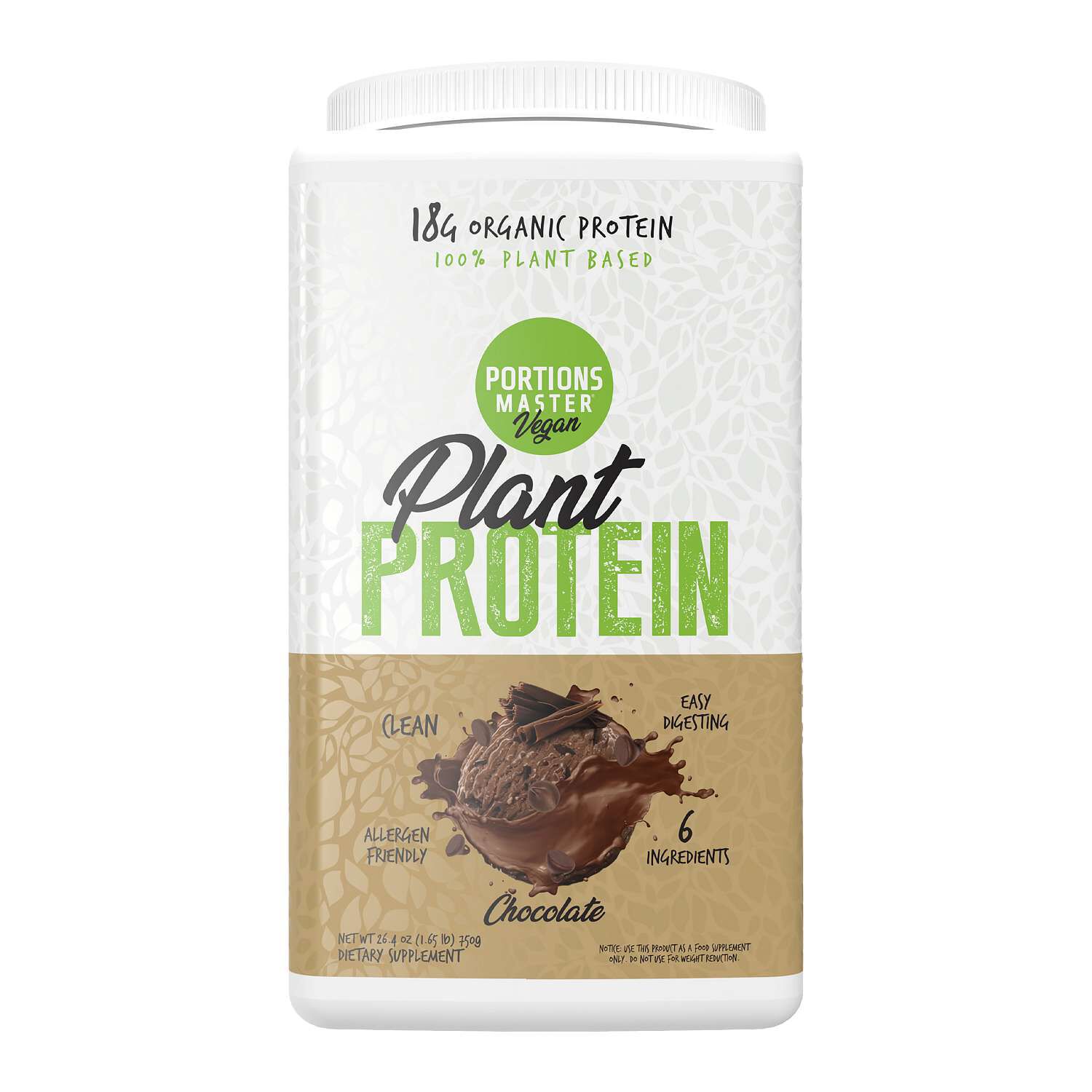

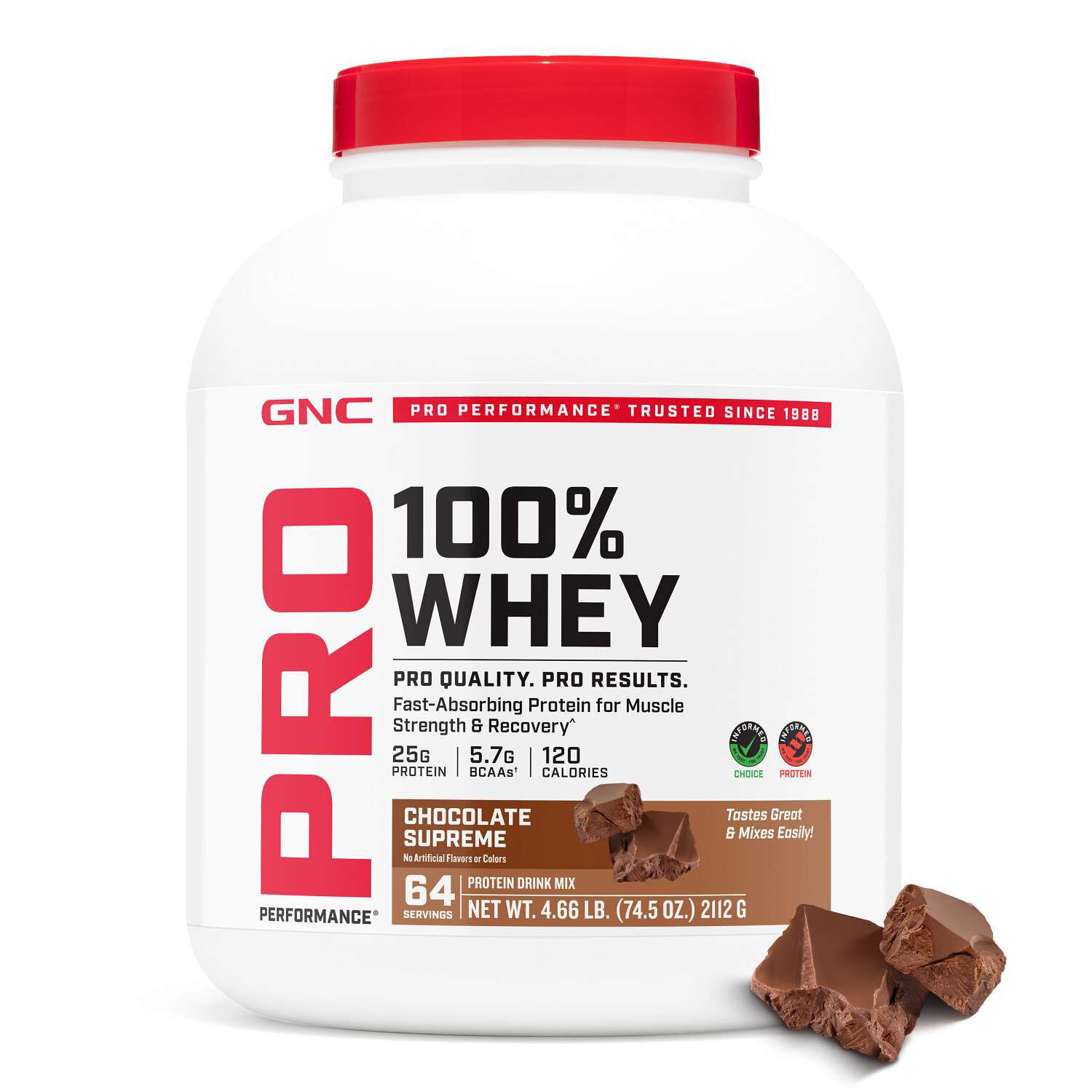
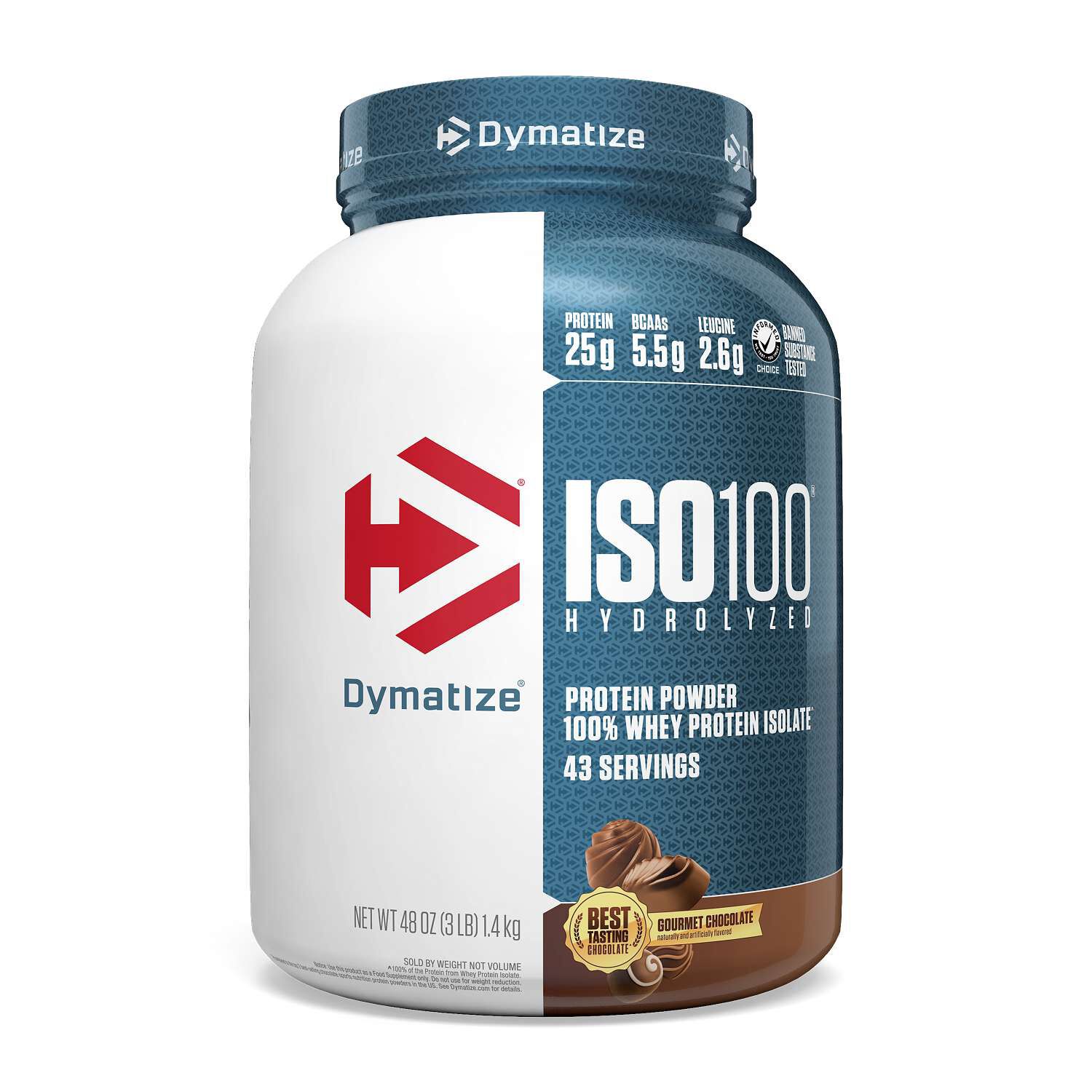
Chocolate protein for athletes includes whey, casein, and plant-based powders suited to different eating preferences, training routines, and mixing habits. Useful distinctions include the protein source, grams of protein per labeled serving, ingredient list, and any independently verified sport certification. Chocolate flavor provides a familiar starting point, but two powders with similar names can differ considerably in sweetness, texture, and composition. Whey concentrate and whey isolate are both derived from milk; isolate typically contains a higher proportion of protein by weight and less lactose, though the exact composition varies by formula. Casein is another milk-derived protein, often associated with a thicker consistency when mixed. Plant-based options may use pea, soy, rice, or a blend of sources, giving athletes alternatives that align with vegetarian or vegan eating patterns when the full ingredient list meets those preferences. Blended formulas combine protein sources, so the front label alone does not always tell the whole story. For athletes doing resistance training, distance running, cycling, or team sports, a chocolate protein shake may offer a convenient way to add dietary protein around a busy practice schedule. Protein may support muscle maintenance and recovery following exercise as part of an eating pattern that supplies enough food for the demands of training. A powder is one format among many, alongside ordinary protein-containing foods, rather than a substitute for varied meals. Many formulas provide approximately 20 to 30 grams of protein per labeled serving, although amounts outside that range also exist. Serving weight matters: a scoop is a measuring tool, not a standardized quantity across different containers. The number of servings, amount of powder required, and suggested mixing volume provide a clearer picture of how a formula fits into a daily routine. A runner blending a shake with breakfast and a lifter mixing one after an evening session may prefer different textures and portions, even when both want a straightforward chocolate flavor.
Ingredient details give chocolate protein powders much of their individual character. Cocoa can contribute a darker, more roasted taste, while other flavorings may create a sweeter, milk-chocolate-style profile. Sugar, alternative sweeteners, salt, and flavor blends all influence the finished drink, and a powder mixed with water will not necessarily taste the same when prepared with milk or a plant-based beverage. Thickeners and emulsifiers are common formulation ingredients that affect body and mixing behavior; their presence is separate from the amount or source of protein. A shorter ingredient list is not automatically a better match for every athlete, just as a longer list does not explain how a shake will taste. The nutrition panel and ingredient statement provide more useful detail than flavor names alone. Carbohydrate and fat amounts also vary, which matters when comparing a simple protein powder with a formula containing additional ingredients. A chocolate label does not establish whether a product contains milk, soy, or other allergens, and plant-derived protein does not by itself establish that every ingredient meets a particular dietary preference. Athletes with ingredient restrictions have reason to examine both the ingredient list and allergen statement. For competitors subject to sport testing rules, third-party certification is a separate consideration from flavor and nutrition. Programs such as NSF Certified for Sport and Informed Sport evaluate products under their own testing standards. Certification applies to the specific formula covered by the program, not automatically to every powder from the same manufacturer. The certifying organization’s product directory provides a place to verify the listed formula and certification status. An ordinary quality seal, an organic designation, and a sport-specific testing mark serve different purposes and should not be treated as interchangeable. Clear labeling makes these distinctions easier to assess, particularly for collegiate competitors, organized team athletes, and others whose sports have defined supplement policies.
Everyday use often comes down to the details encountered between the kitchen counter and the gym bag. A powder intended for a shaker bottle may be appealing to someone heading from work to practice, while a thicker blend could suit an athlete who prefers a spoonable yogurt mixture or a blender-made snack. Water keeps the preparation simple; milk, plant-based beverages, fruit, oats, and nut or seed butter each change the taste, texture, and nutrition of the finished serving. Chocolate pairs naturally with banana, peanut butter, berries, and coffee flavors, leaving room for variety without requiring a different powder for every recipe. The liquid amount and mixing method listed on the package provide a useful starting point, since an extra-thick smoothie and a lighter shake call for different proportions. Powder may also be stirred into foods such as oatmeal or yogurt, although texture and sweetness will vary with the recipe. For a broader view of this flavor category, Chocolate Protein Powders brings together options beyond a single protein source or preparation style. Packaging deserves attention, too: tubs and resealable pouches have different storage footprints, and a secure closure matters when a container is opened repeatedly. Keeping the scoop dry, closing the package after use, and following the labeled storage directions are practical parts of caring for the powder. A clean, dry shaker with a securely fitting lid is useful for transport; prepared drinks require storage appropriate to the powder and any added ingredients. Athletes packing for a training session may prefer to carry powder separately and mix it when needed. Chocolate protein can also be a thoughtful gift for an adult training partner or recreational athlete when their preferred protein source, dietary restrictions, and flavor preferences are already known. The most suitable choice is not necessarily the most elaborate formula, but one whose ingredients, serving size, testing credentials, and preparation style fit the person who will use it.
- Q: What makes chocolate protein a popular choice for athletes?
A: Chocolate protein is often chosen by athletes for its enjoyable flavor, which can make it easier to incorporate into daily routines and post-workout shakes. - Q: How can athletes use chocolate protein powder in their diets?
A: Athletes might mix chocolate protein powder with water, milk, or plant-based beverages, or blend it into smoothies, oatmeal, or baked goods for a convenient way to add protein to meals and snacks. - Q: Are there different types of chocolate protein available for athletes?
A: Yes, chocolate protein powders may be made from various sources such as whey, casein, soy, pea, or other plant-based proteins to suit different dietary preferences. - Q: Can chocolate protein be used before or after workouts?
A: Many athletes choose to enjoy chocolate protein shakes either before or after workouts as part of their nutrition routine. - Q: Is chocolate protein suitable for athletes with dietary restrictions?
A: There are chocolate protein options that may be suitable for those following vegetarian, vegan, dairy-avoiding, or gluten-avoiding diets. It's helpful to check the label for specific ingredients.
Best Sellers
-
 GNC Pro Performance
-
 GNC Pro Performance
-
 GNC Pro Performance
-
 GNC Pro Performance