Vitamin C Energy
(0 Results)
Vitamin C energy options may offer a convenient way to support your daily routine. Whether you're looking for chewables, powders, or capsules, there are a variety of choices that could fit your needs. Explore vitamin C energy selections that might help you stay refreshed and ready for whatever the day brings.
-
-

-
-

-
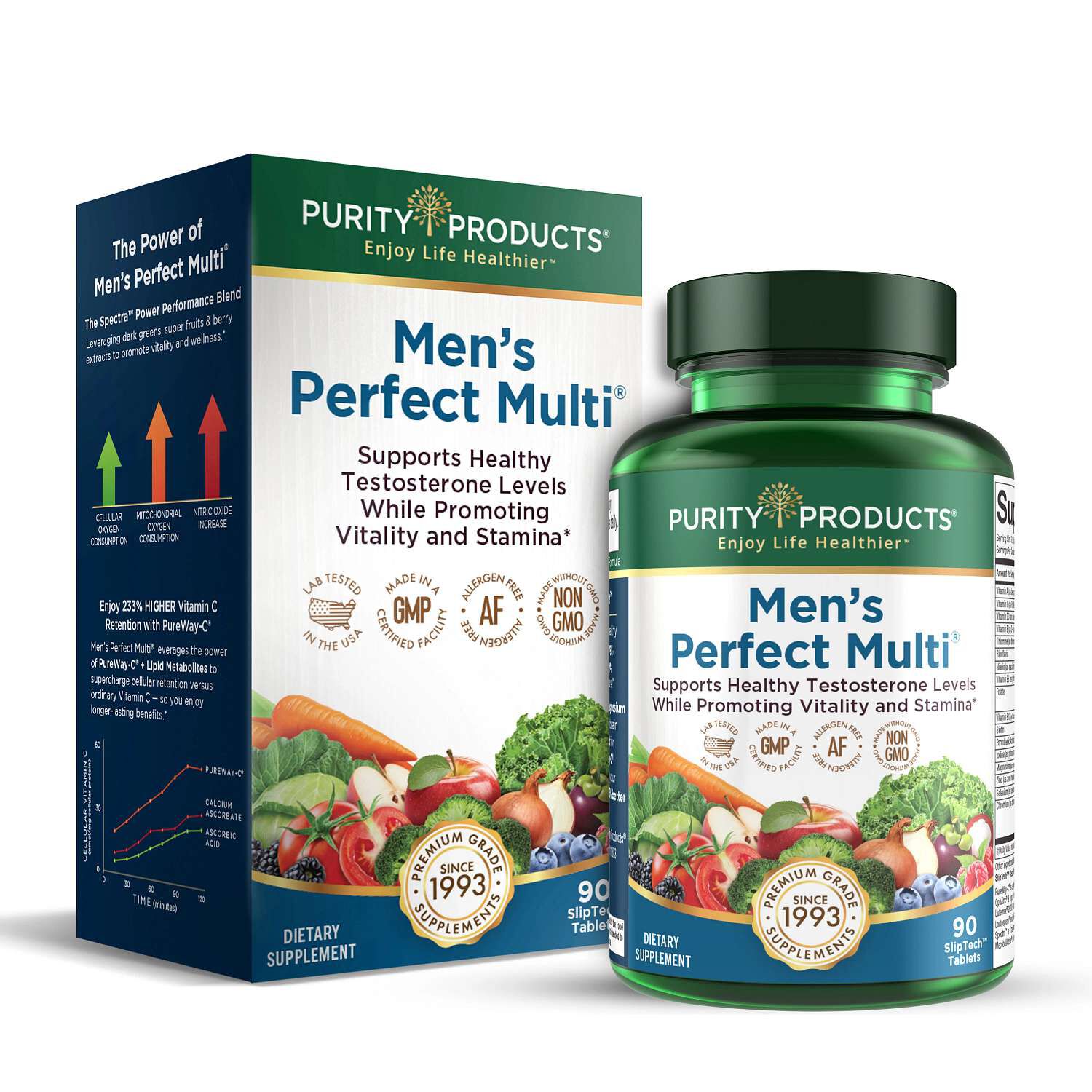
 Purity Products$19.99
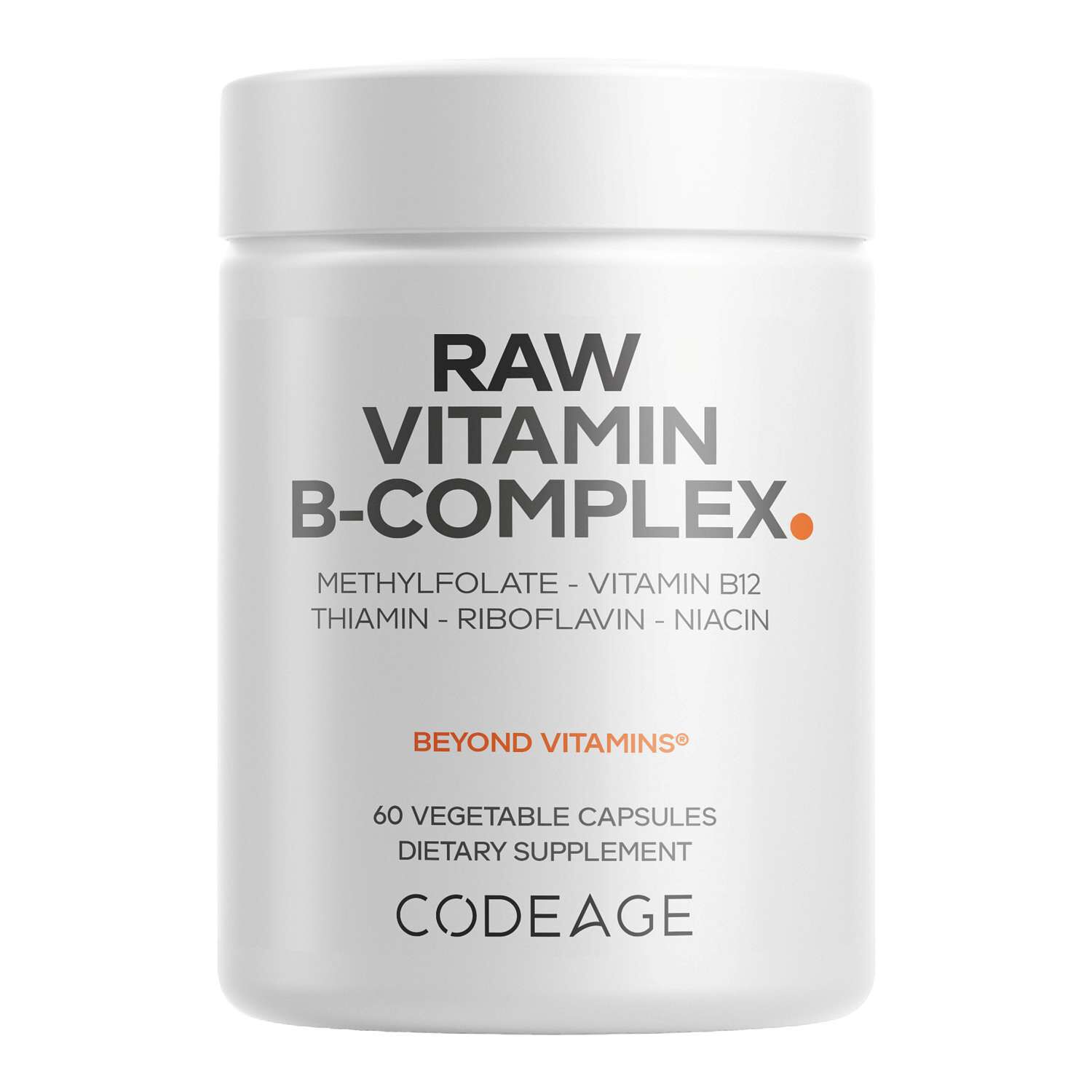
Vitamin C energy supplements sit at the intersection of everyday nutrition and energy-focused formulas, but vitamin C itself is not a stimulant or a source of calories. The word “energy” on a supplement label deserves a closer look at the ingredients behind it. Some formulas pair vitamin C with B vitamins, while others include minerals, caffeine, or additional ingredients that give the product a different purpose. B vitamins may support normal energy metabolism, the process through which the body converts nutrients from food into usable energy. That is different from the stimulating experience associated with caffeine, and a vitamin C amount on its own does not describe a product’s stimulant content. For shoppers comparing Vitamin C And B Vitamins, the distinction starts with the Supplement Facts panel: which nutrients are included, how much a serving contains, and whether the formula includes a separate caffeine source. Vitamin C content is typically listed in milligrams alongside a percentage of the Daily Value. That percentage provides nutritional context rather than a rating of how energetic someone might feel. Vitamin C also appears naturally in foods such as oranges, strawberries, bell peppers, and broccoli, so supplements belong within the broader picture of daily eating habits. An energy-focused formula may appeal to adults who prefer several nutrients in one serving, while a simpler vitamin C formula may suit someone who wants a more narrowly focused supplement. Neither format needs to be complicated to understand. The most useful differences are often practical ones: the ingredient combination, serving size, preparation method, and whether the product matches an established routine. A powder stirred into water at breakfast and a capsule taken according to its label are different experiences, even when both feature vitamin C. The category name provides a starting point; the formula and directions describe what is actually in the package.
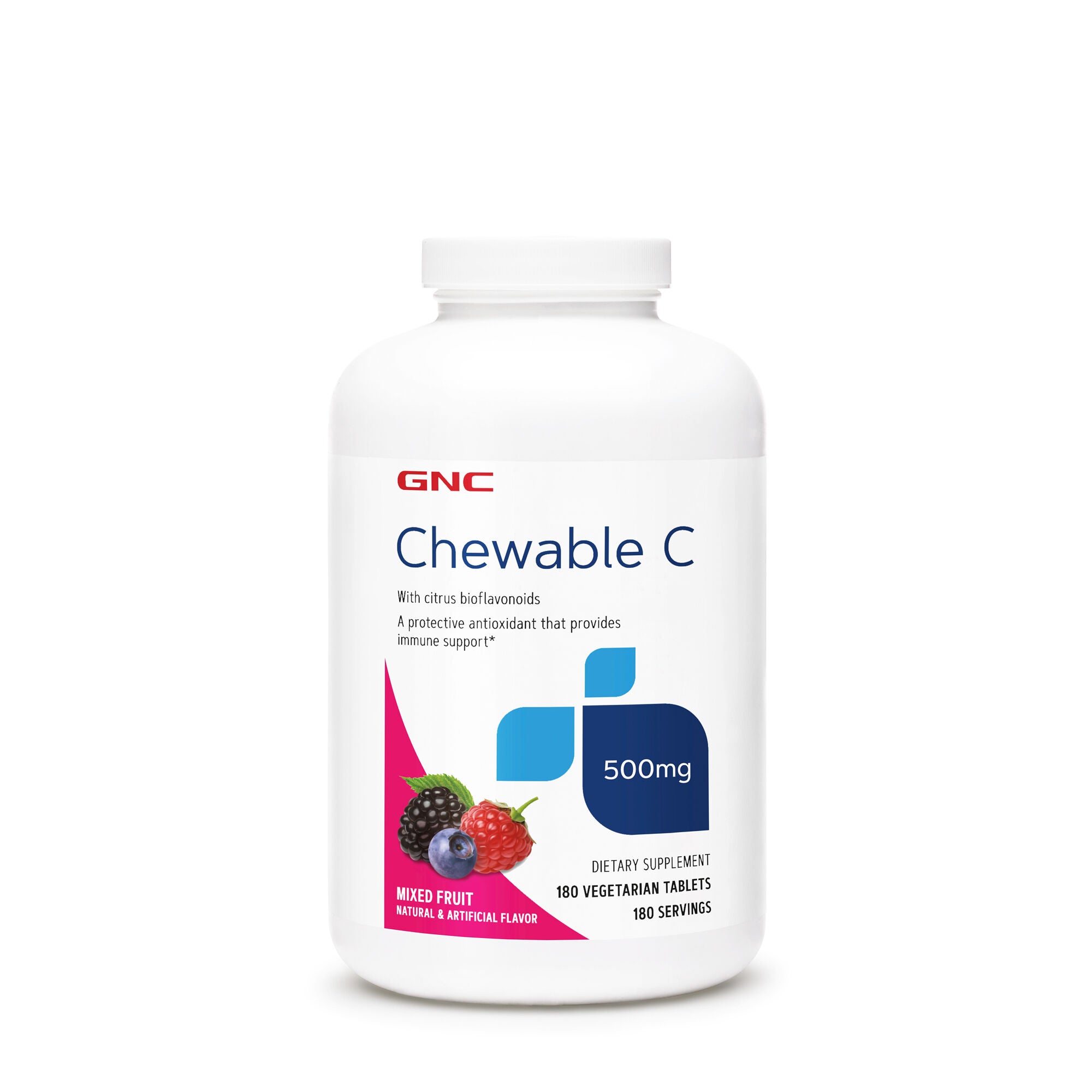
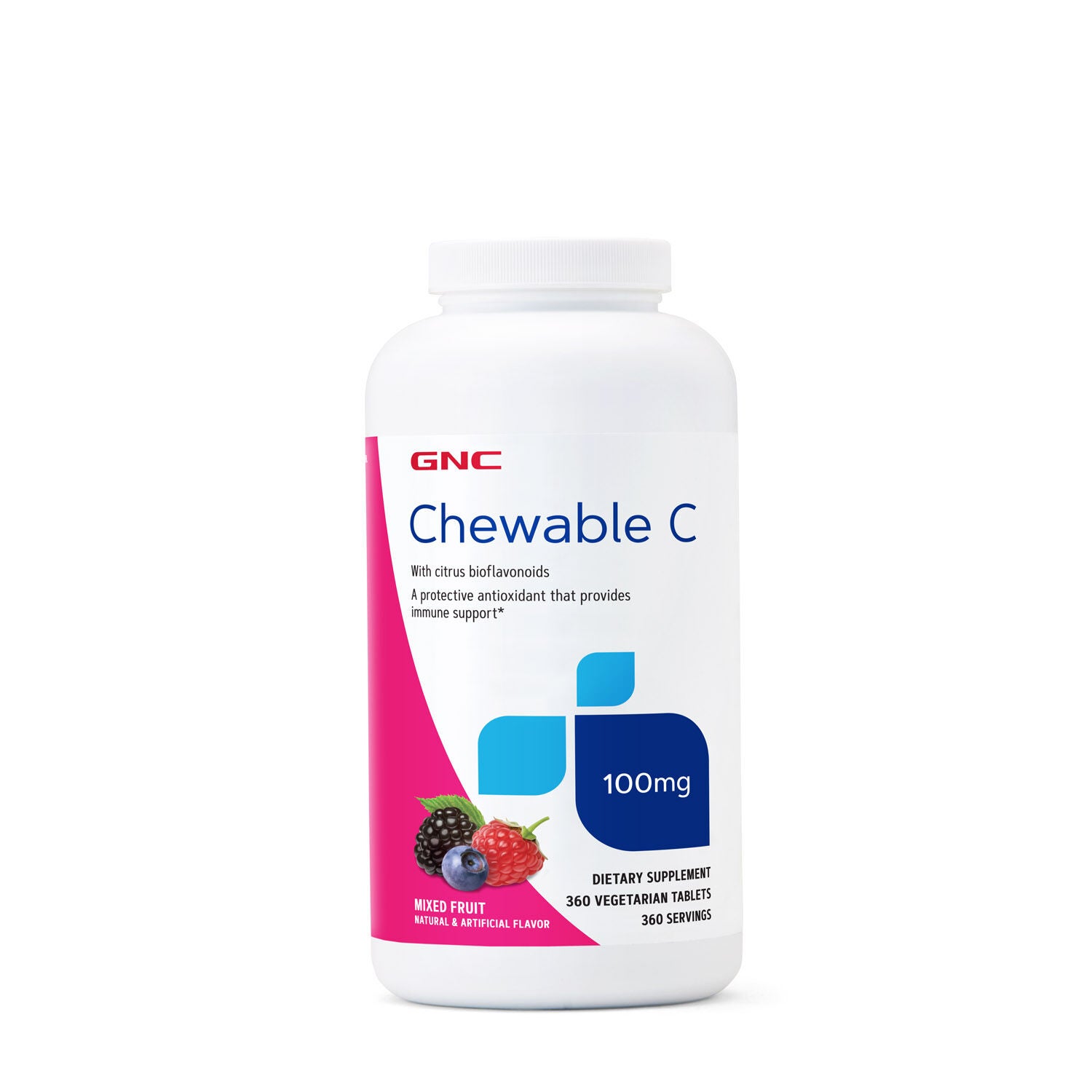
Format makes a noticeable difference in how vitamin C energy products fit into daily life. Capsules and tablets have a defined serving size and require no mixing, although the number needed per serving varies. A bottle containing many tablets may have fewer servings than its tablet count suggests, making the serving information more useful than the front-panel count alone. Chewables and gummies bring flavor and texture into the decision, along with ingredients such as sweeteners, colors, gelatin, or pectin. Powders and drink mixes involve another set of preferences: the amount of water specified, the intensity of the flavor, and whether the finished drink is still or fizzy. A citrus-flavored powder mixed in a breakfast glass offers a different routine from a sealed packet tucked beside a lunch container. Neither format is inherently the better choice; the distinction is how preparation, portability, and serving instructions match the person using it. Added sugar, sugar alcohols, sodium, and other ingredients also deserve attention, especially when the supplement is part of a day that includes other flavored drinks or nutritional products. Some formulas list vitamin C as ascorbic acid, while others use mineral ascorbates, such as calcium ascorbate or sodium ascorbate. These names identify ingredient forms, not a universal ranking of product quality. Mineral-containing forms also make the wider nutrient panel relevant, rather than just the vitamin C line. For products that combine vitamin C with B vitamins, the label may list nutrients such as thiamin, riboflavin, niacin, vitamin B6, vitamin B12, pantothenic acid, or biotin. The combination and quantities vary by formula. Additional minerals or caffeine should be considered separately rather than treated as an automatic part of every vitamin C energy supplement. Someone choosing a drink for a desk-side routine may care most about flavor and mixing directions, while someone organizing a daily supplement container may prefer a capsule or tablet. Those everyday details give the category a practical shape beyond the word “energy.”
Packaging, storage, and intended use round out the comparison. Individual packets provide a premeasured portion, while tubs require attention to the scoop and the serving instructions printed on the container. Bottles, pouches, and tubs also differ in how they close and how easily they fit into a kitchen cabinet, work bag, or travel organizer. For powders, keeping the original container tightly closed and following its storage directions matters more than transferring the contents into a decorative jar. Capsules, tablets, chewables, and gummies likewise belong in the conditions specified on their labels, with the expiration date and original product information kept accessible. Packaging durability is particularly relevant for a supplement carried between home and work: a secure closure and an intact packet are practical considerations, not just design details. A mixed drink has its own preparation and storage directions, which may differ from those for the dry powder. Intended age group, serving frequency, and label cautions are equally important parts of the product description. An adult formula should not be treated as interchangeable with a product labeled for another age group, and a larger serving is not a shortcut to a different nutritional purpose. When several supplements share a place on the counter, comparing their nutrient panels helps identify repeated ingredients, including vitamin C and B vitamins. The same attention applies to caffeine from coffee, tea, and other drinks when a supplement contains it. For a household where one person prefers a flavored drink and another prefers an unflavored capsule, separate format preferences may matter more than choosing matching products. Vitamin C energy supplements are best understood through this combination of nutritional context and everyday usability. Their formulas may support normal nutritional functions, but the label’s energy language should not be read as an assured feeling or an immediate change. Clear ingredient information, an understandable serving size, a suitable format, and straightforward storage requirements provide concrete points of comparison. Together, those details help distinguish a simple vitamin C supplement from a broader nutrient blend without treating every energy-focused formula as the same kind of product.
- Q: What is vitamin C energy and how does it work?
A: Vitamin C energy products typically combine vitamin C with other nutrients or natural ingredients designed to support energy production and help reduce fatigue. Vitamin C itself supports overall wellness, while added ingredients like B vitamins or herbal extracts may help promote alertness and vitality. - Q: Who might benefit from using vitamin C energy supplements?
A: Individuals looking for a convenient way to support their daily energy, especially those with busy lifestyles or increased physical demands, may benefit from vitamin C energy supplements. They are also popular among people seeking an alternative to traditional caffeinated beverages. - Q: How do vitamin C energy products differ from regular vitamin C supplements?
A: Vitamin C energy products often include additional ingredients such as B vitamins, green tea extract, or natural caffeine sources to help promote energy. Regular vitamin C supplements typically contain only vitamin C and are intended primarily for immune support. - Q: Can I take vitamin C energy supplements every day?
A: Many people incorporate vitamin C energy supplements into their daily routine as part of a balanced diet and active lifestyle. However, it's important to follow the usage instructions on the product label and consult with a healthcare professional if you have any questions about your supplement regimen. - Q: Are there different forms of vitamin C energy products available?
A: Yes, vitamin C energy products come in various forms including tablets, powders, effervescent drinks, gummies, and ready-to-drink beverages. This variety allows you to choose the format that best fits your preferences and lifestyle.