





Vitamin D3 Kosher Supplements
(0 Results)
Boost your overall health and well-being with Vitamin D3 Kosher supplements. Specially formulated to support bone health, immune function, and mood regulation, Vitamin D3 is an essential nutrient that many people may not get enough of through sunlight exposure alone. Our Kosher Vitamin D3 supplements provide a convenient way to ensure you're meeting your daily vitamin D needs, all while adhering to your dietary preferences. Discover how Vitamin D3 Kosher can help you feel your best every day.


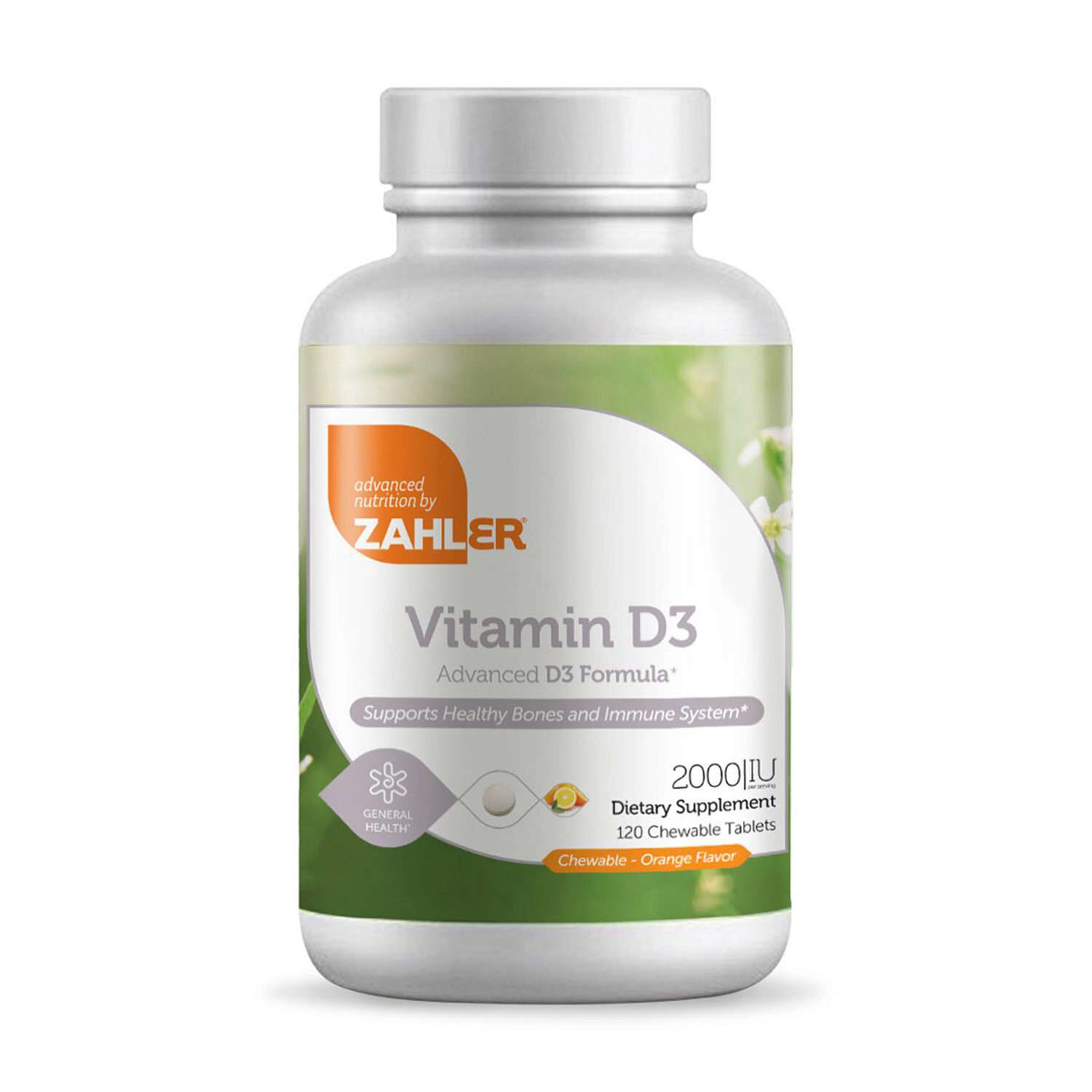


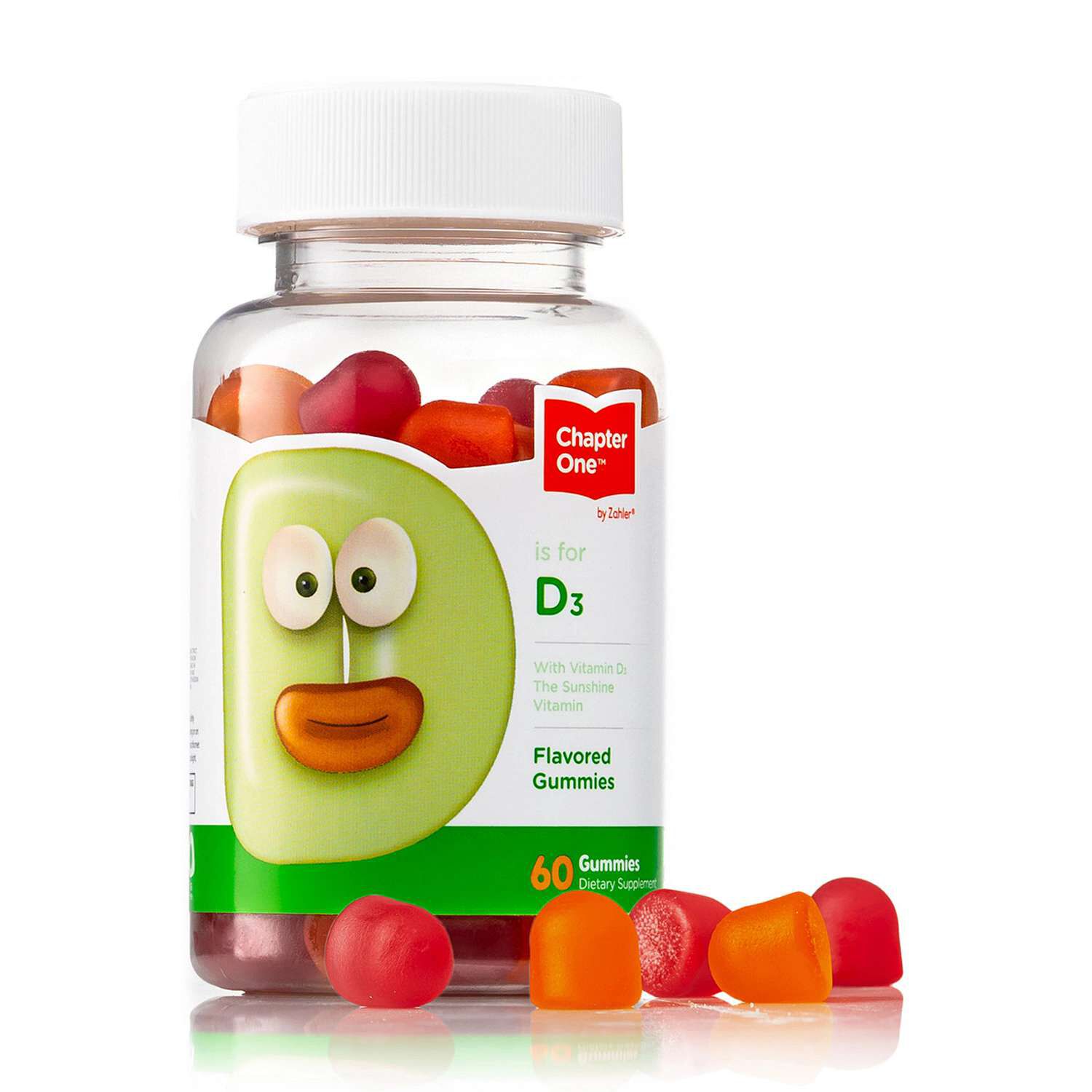
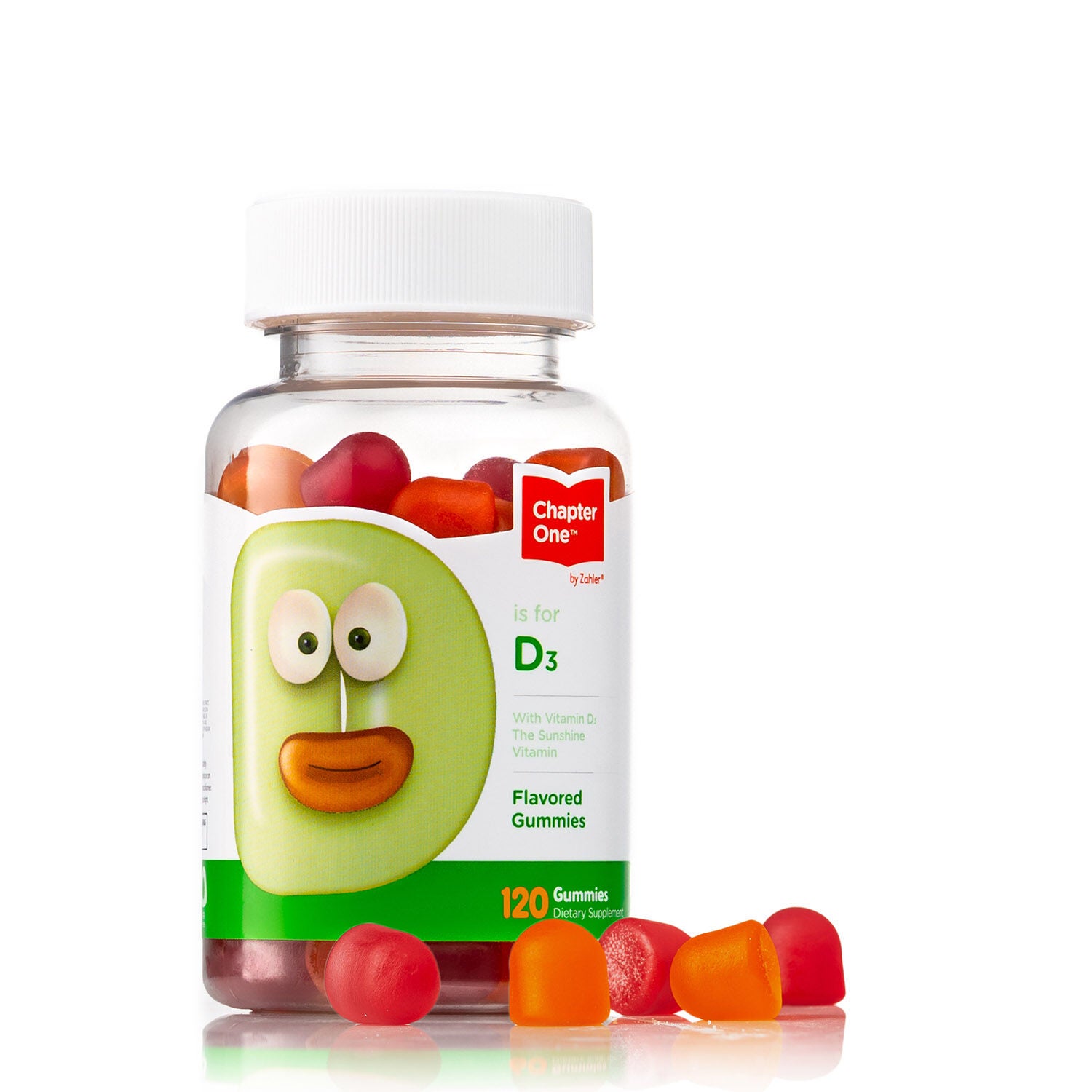

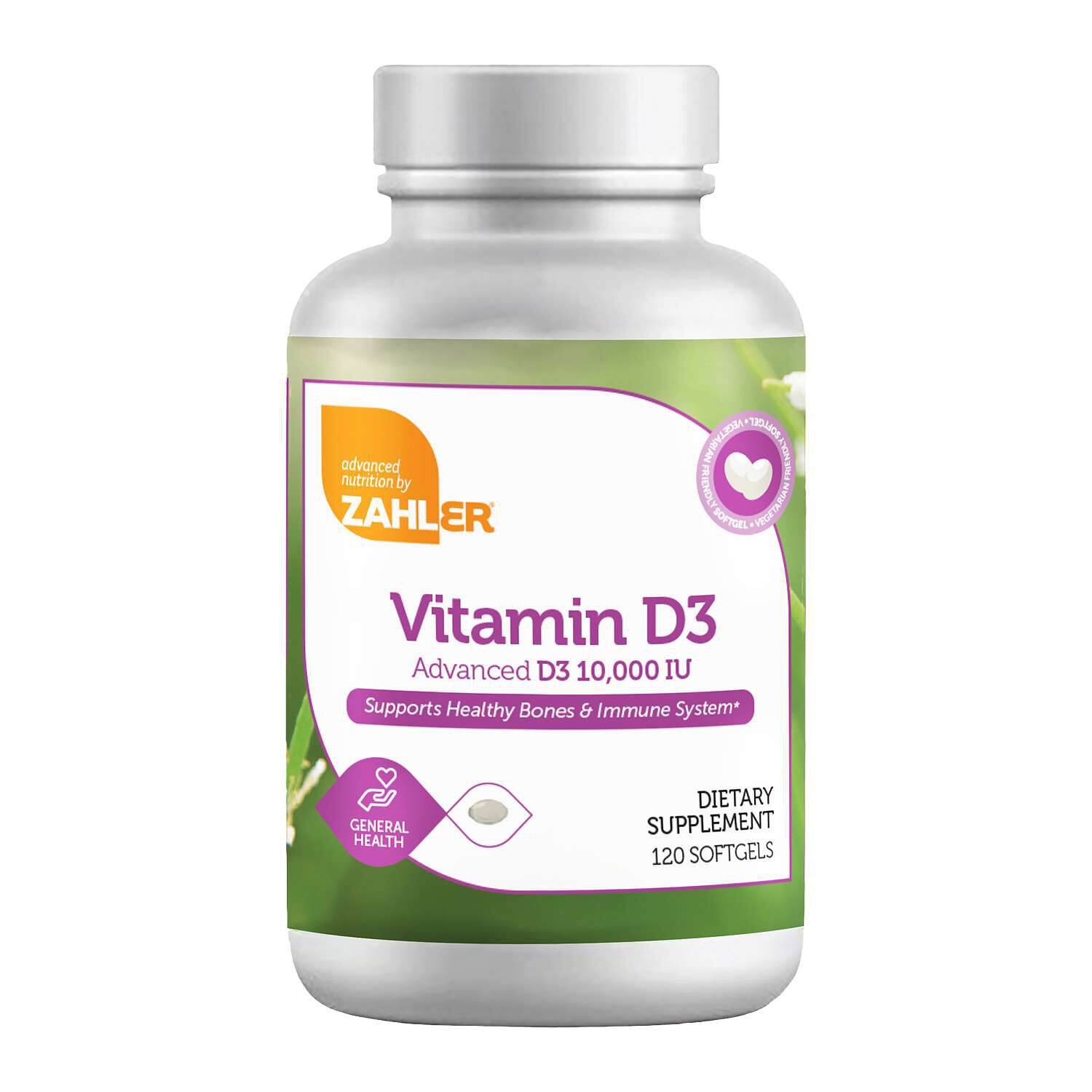


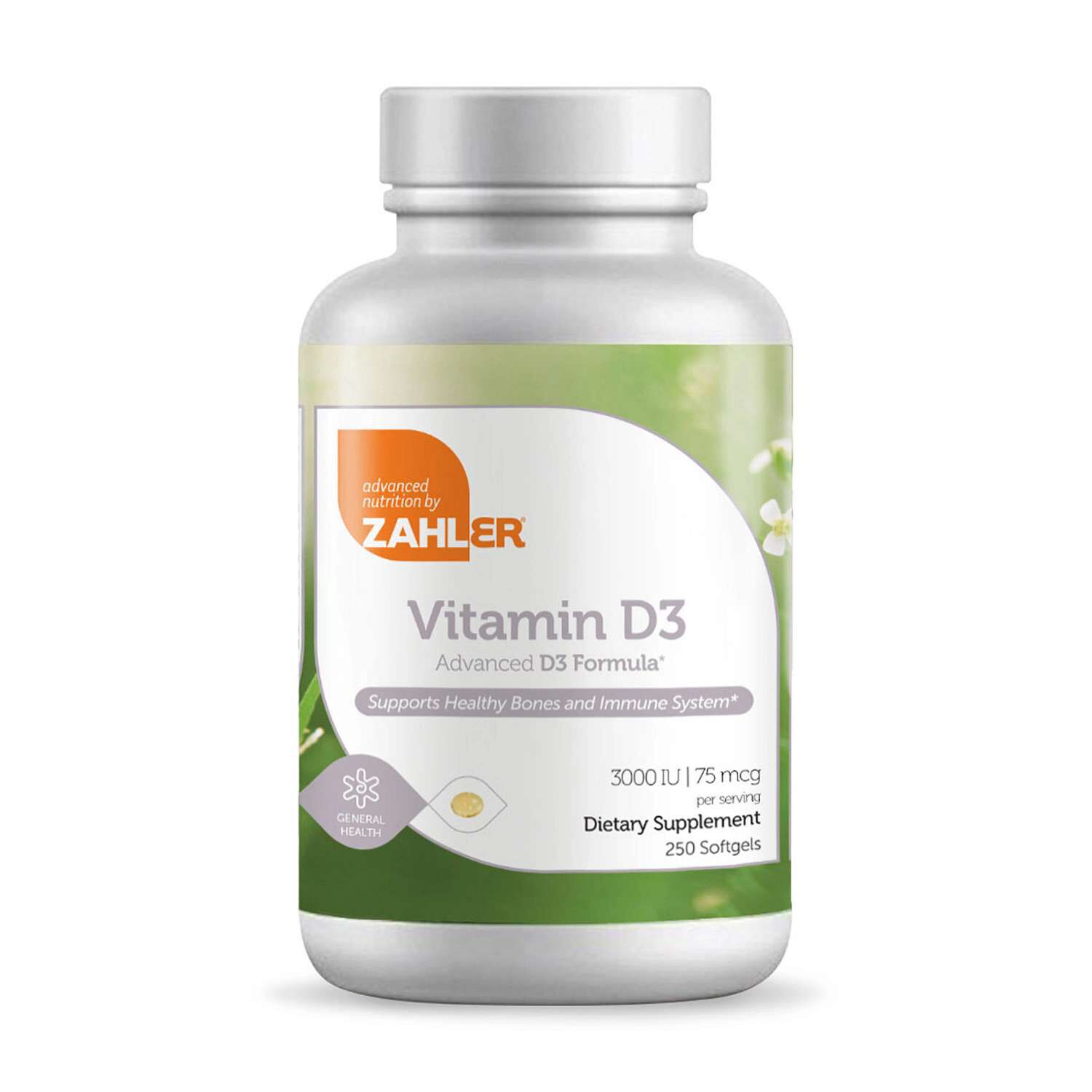
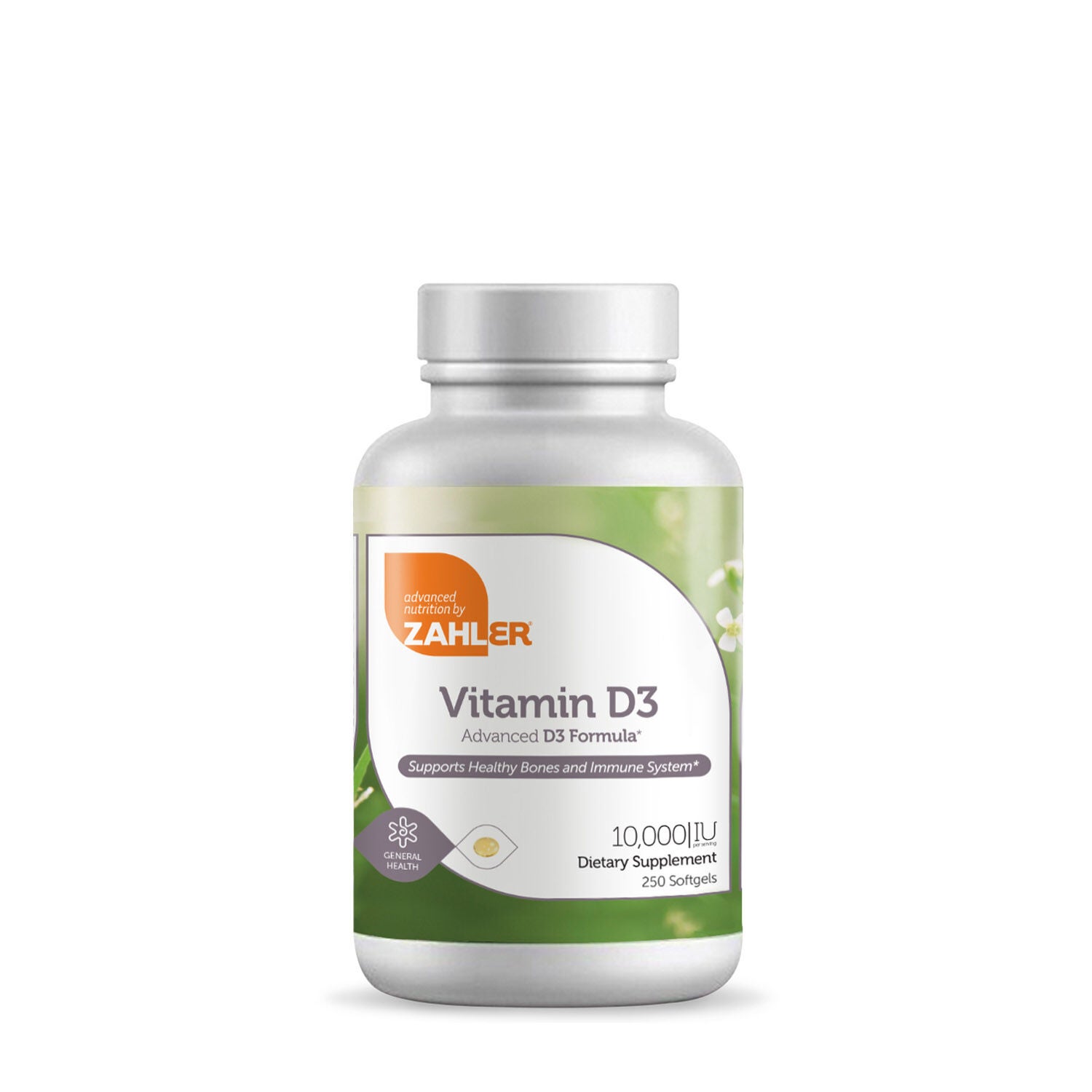


Kosher vitamin D3 supplements are dietary supplements whose ingredients and manufacturing processes have been reviewed by a kosher certifying organization for compliance with Jewish dietary laws. Vitamin D3, also called cholecalciferol, is one form of vitamin D used in supplements, and its source is an important part of the kosher review. D3 can come from lanolin, a wax obtained from sheep’s wool, or from sources such as lichen. Neither source alone establishes that the finished supplement is kosher; the surrounding ingredients and production process also matter. A tablet, for example, includes more than its named vitamin, while a softgel includes both its contents and its outer shell. Kosher certification addresses the finished formulation rather than simply the word “vitamin” on the front of a bottle. Recognizable certification marks include those of the Orthodox Union, often shown as OU, and Kof-K. The mark on the exact package is more useful than a general statement about a manufacturer, since different formulas from the same company can have different certifications. For households that distinguish between dairy and pareve supplements, that designation deserves particular attention. Pareve generally means that a product is classified as neither meat nor dairy under the certifier’s standards; it does not automatically mean vegan. Likewise, a formula described as vegetarian does not establish kosher status. Lanolin-derived D3 illustrates why these distinctions matter: the vitamin’s origin, the dietary description, and the kosher classification answer different questions. Someone looking specifically for lichen-derived vitamin D3 can check the stated source alongside the certification mark, rather than treating either detail as a substitute for the other. Certification also should not be assumed to carry across every package size, flavor, or format bearing a similar name. Reading the exact label brings the source, dietary designation, and certification together in one place, making those details part of the selection rather than relying on the category name alone.
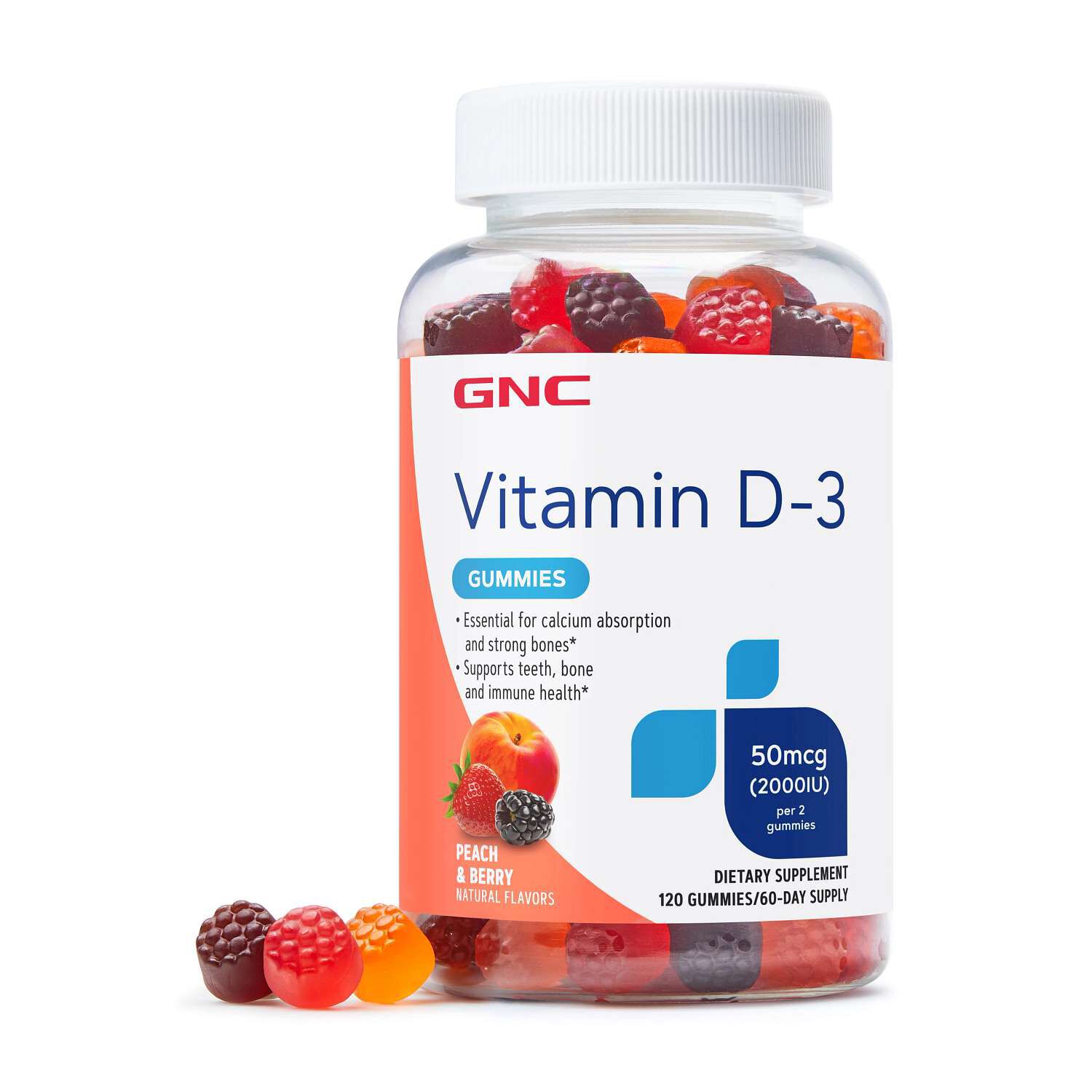
Format is another meaningful distinction among kosher D3 supplements. Tablets, capsules, softgels, chewables, gummies, and liquids each have a different place in a daily routine, and each format brings its own ingredient considerations. A shopper accustomed to a simple tablet may prefer that familiar presentation, while someone who avoids swallowing tablets might consider a labeled chewable or liquid. The outer shell matters for capsules and softgels: gelatin and other shell ingredients need to be considered within the finished product’s kosher certification. Gummies also deserve a close look because their texture can come from gelatin, pectin, or other ingredients, and the presence of pectin alone does not establish kosher status. Chewables may include flavorings, sweeteners, and color ingredients; liquid formulas may use an oil carrier. These details describe how a supplement is made and presented, not whether one format is automatically preferable to another. For liquids, the serving instructions and measuring device are especially relevant. A labeled serving might be measured in drops or by a marked dropper, so the package directions matter more than an assumption based on another bottle. For tablets and gummies, the serving size may be one piece or more than one. Comparing the amount per serving, rather than the front-label number alone, creates a clearer picture of what each format contains. Vitamin D amounts can be expressed in micrograms, abbreviated mcg, and international units, abbreviated IU; one microgram of vitamin D equals 40 IU. Those units describe the same vitamin amount in different ways, not different ingredients. A single-vitamin D3 formula also differs from a combination formula containing additional nutrients, so the Supplement Facts panel remains important even when the front labels look similar. The intended age group and directions are equally relevant, particularly in a household where adults and children use different supplements. Keeping those distinctions visible may make a shared cabinet easier to organize without treating similar-looking bottles as interchangeable.
Choosing kosher vitamin D3 also involves matching the package details to the way dietary observance works at home. A household that keeps a pareve supplement routine may prioritize a clearly identified pareve designation, while another shopper may be comfortable with a certified dairy formula. The exact certification remains important in either case. Kosher status is separate from food-allergen information, and a kosher mark should not replace reading the allergen statement or ingredient list. Similarly, a plant-derived vitamin source does not describe every other ingredient in the bottle. For shoppers comparing several dietary categories, Kosher Vitamins offers a broader category to consider alongside the more specific focus on D3. Within any category, the most useful comparison brings together the certifying organization, dairy or pareve designation, vitamin source, serving amount, and preferred format. Packaging and storage deserve the same attention as those label details. Follow the stated storage directions, keep the container properly closed, and retain the original label so the serving instructions, certification mark, and expiration date stay accessible. A bathroom cabinet near a shower and a kitchen shelf beside a stove present different storage conditions from a location that meets the package instructions. Liquid supplements may have particular directions after opening, so refrigeration should not be assumed necessary or suitable unless the label specifies it. When packing for travel, keeping supplements in their labeled container preserves access to the information used to select them in the first place. Store bottles out of children’s reach, especially when chewable formats resemble familiar snacks. For a shared household, a clearly marked place for each person’s bottle keeps the practical details straightforward. A well-matched kosher D3 supplement is ultimately about an identifiable certification, a suitable dietary designation, a clearly understood serving, and a format that fits the intended user’s routine.
Best Sellers
Related Pages


Top Collections
- Zinc Supplements For Men
- Daily Collagen Supplements | Top Brands & Deals | GNC
- Supplements For Yoga Joint Flexibility
- Chronic Fatigue Supplements
- Capsule Supplements For Energy And Stamina
- Adult Vitamins
- Supplements For Balance
- Vitamins For Hair Loss
- Burnout Support Supplements
- Metabolism Boost For Weight Loss