Vitamin D3 Soft Chews 60 Count
(0 Results)
Vitamin D3 soft chews in a convenient, easy-to-take format could be a great addition to your daily routine. The vitamin d3 soft chews, available in a generous count of sixty per package, offer a simple way to incorporate this essential nutrient into your lifestyle. With their enjoyable texture and flavor, these soft chews might make it easier to remember your daily intake. Perfect for those who prefer an alternative to traditional pills or capsules, vitamin d3 soft chews may fit seamlessly into your wellness goals.
-
-

-

-
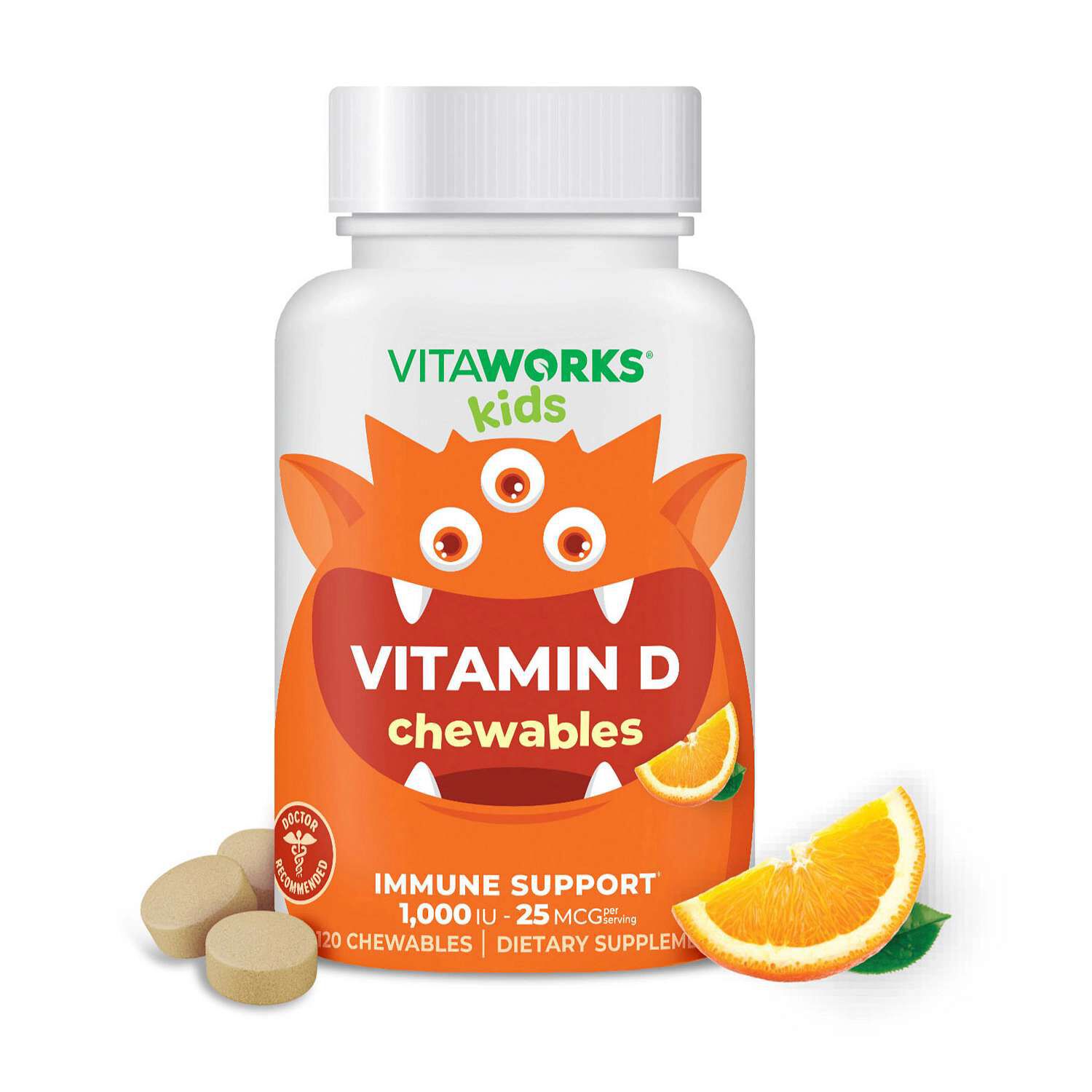 $17.99

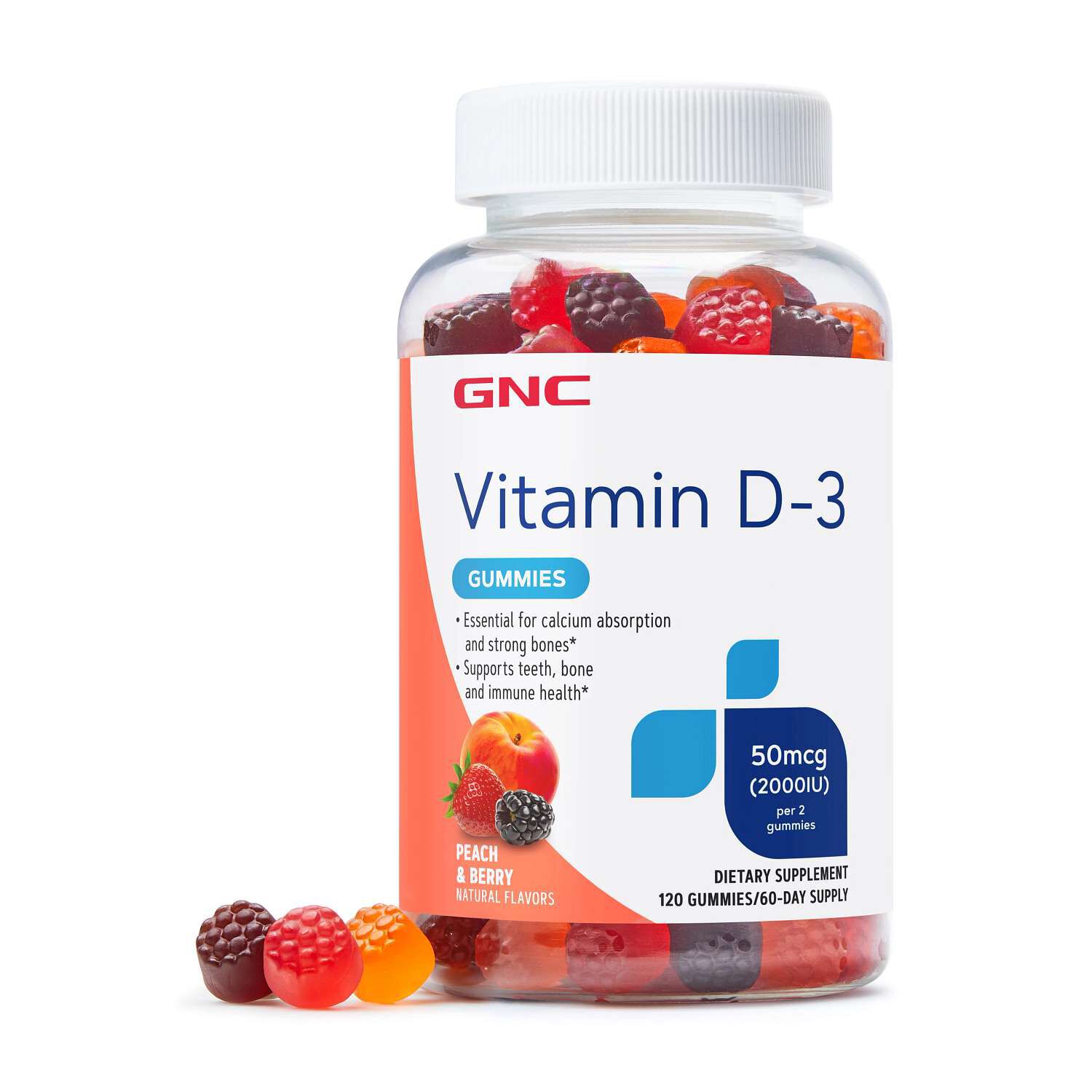
Vitamin D3 soft chews in a 60-count package bring a familiar supplement ingredient into a chewy format rather than a traditional tablet or capsule. Vitamin D3, also called cholecalciferol, is one form of vitamin D used in dietary supplements. The category includes formulas centered on vitamin D3 as well as combinations that contain calcium or other nutrients, so similar-looking packages can have different ingredient profiles. The name on the front provides a starting point; the Supplement Facts panel explains what each serving contains. A 60-count package refers to the number of chews, not necessarily the number of daily servings. If the labeled serving is one chew, the package contains 60 servings; if it is two chews, it contains 30. That distinction matters when comparing containers that look alike or planning space in a kitchen cabinet. Vitamin D amounts may be listed in micrograms, abbreviated mcg, and international units, abbreviated IU. These are different ways of expressing the quantity: 1 microgram of vitamin D equals 40 IU. Comparing amounts on the same basis makes the differences between formulas clearer, especially when one label emphasizes IU and another emphasizes micrograms. The percentage Daily Value provides another label reference, although the amount per chew and the amount per serving still deserve separate attention. With combination formulas, calcium has its own listed quantity, and the presence of vitamin D3 does not mean that every chew contains calcium. Likewise, a calcium chew with added D3 is not the same formulation as a chew centered on vitamin D3 alone. Flavor names, package size, and a similar appearance do not establish that two formulas are interchangeable. For shoppers browsing vitamin D3 soft chews, 60 count is therefore most useful as one part of the comparison, alongside nutrient amounts, serving size, intended age group, and the directions printed on the package. Those details describe the supplement more clearly than the count alone.
Texture and flavor are central to the appeal of soft chews. Depending on the formula, a chew can have a dense, confection-like consistency, a smooth coating, or a softer center, with chocolate or caramel among the familiar flavor profiles in this category. A soft chew is distinct from both a gummy and a firm chewable tablet, even though all three formats are intended for chewing. The ingredient list helps explain those differences. Sweeteners, oils, milk ingredients, gelatin, pectin, flavorings, and other ingredients can appear in different combinations; not every formula contains the same components. Shoppers with food preferences or ingredient restrictions can compare the full ingredient statement and any allergen information rather than relying on a flavor name or an image of the chew. A chocolate flavor, for example, does not by itself describe the sweetener system or establish whether milk ingredients are present. The listed serving also matters when reviewing calories, sugars, and other nutrition information, since those amounts may represent more than one piece. Packaging adds another practical distinction. Some soft chews are individually wrapped inside a larger container or pouch, while others use different packaging arrangements. Individual wrappers may make a chew convenient to carry, but the outer package holds important details such as directions, ingredient information, and the date marking. Keeping that information with the chews is useful when a package moves between a pantry shelf, a work bag, and a desk drawer. Storage directions deserve attention because moisture, excess heat, and an open container can affect the texture of a chewy supplement. A securely closed package and storage consistent with the label may help preserve its intended consistency. Wrappers and closures also warrant a glance before use, particularly after travel. Although the flavor and presentation can resemble a treat, vitamin D3 soft chews are dietary supplements, not candy. Their packaging belongs apart from everyday sweets and out of children’s reach, with use determined by the labeled directions rather than by the size or taste of each piece.
For adults who prefer a chewable supplement, the practical appeal often comes down to how the format fits into an ordinary day. Someone who dislikes the feel of a hard tablet might prefer a softer bite, while another shopper might favor a compact tablet with a less confection-like texture. Flavor preference is personal, too: a rich chocolate-style chew and a caramel-style chew offer different eating experiences, even when their nutrient labels appear similar. A 60-count container may suit a designated spot beside other daily-use items, but its footprint, closure, and wrapper arrangement can matter as much as the number printed on the front. A wide container occupies a different kind of space than a flexible pouch, and individually wrapped pieces create a different opening routine than an unwrapped format. For travel or time away from home, the original labeled packaging keeps the supplement’s identity and directions accessible; loose pieces in an unmarked snack bag lose that context. When comparing soft chews with other formats, High Potency Vitamin D3 Chewable Tablets offers a related category to browse. A high-potency description concerns the nutrient amount, not the softness, flavor, or suitability of a formula for every shopper. The same label-reading approach applies across formats: distinguish the quantity in each piece from the quantity in a serving, check whether other nutrients are included, and note the intended user described on the package. A larger number on the label is not a reason by itself to choose one formula over another. For a shared household, keeping different supplements in their own labeled containers also makes them easier to distinguish. The most useful comparisons remain concrete: D3 alone or a combination formula, one chew or multiple chews per serving, preferred flavor, ingredient preferences, and packaging that suits the intended setting. Together, these details give vitamin D3 soft chews their character beyond a 60-count label, helping shoppers compare the actual format and formulation rather than treating every chewy supplement as the same.
Best Sellers
-
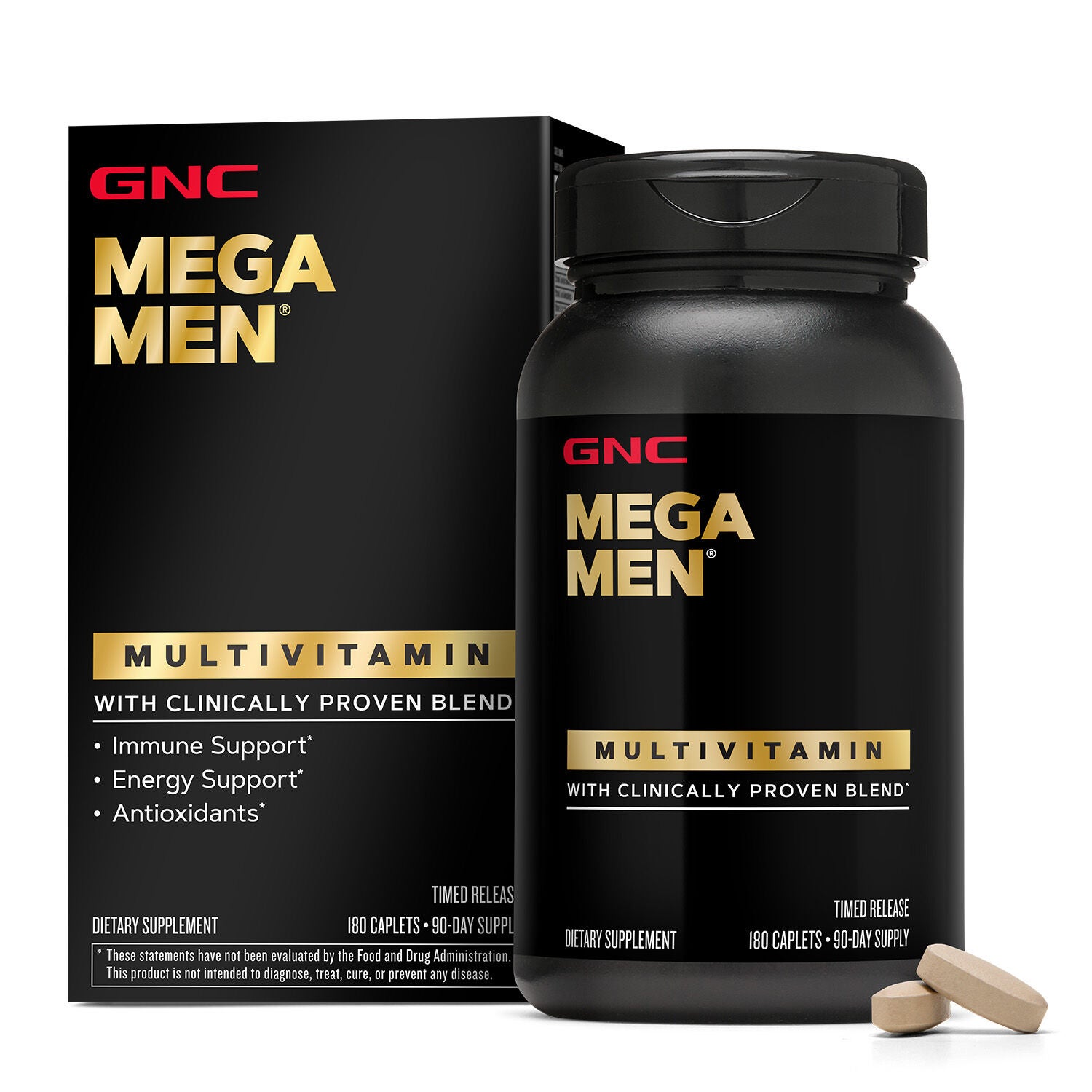 GNC Mega Men
-
 GNC Mega Men
-
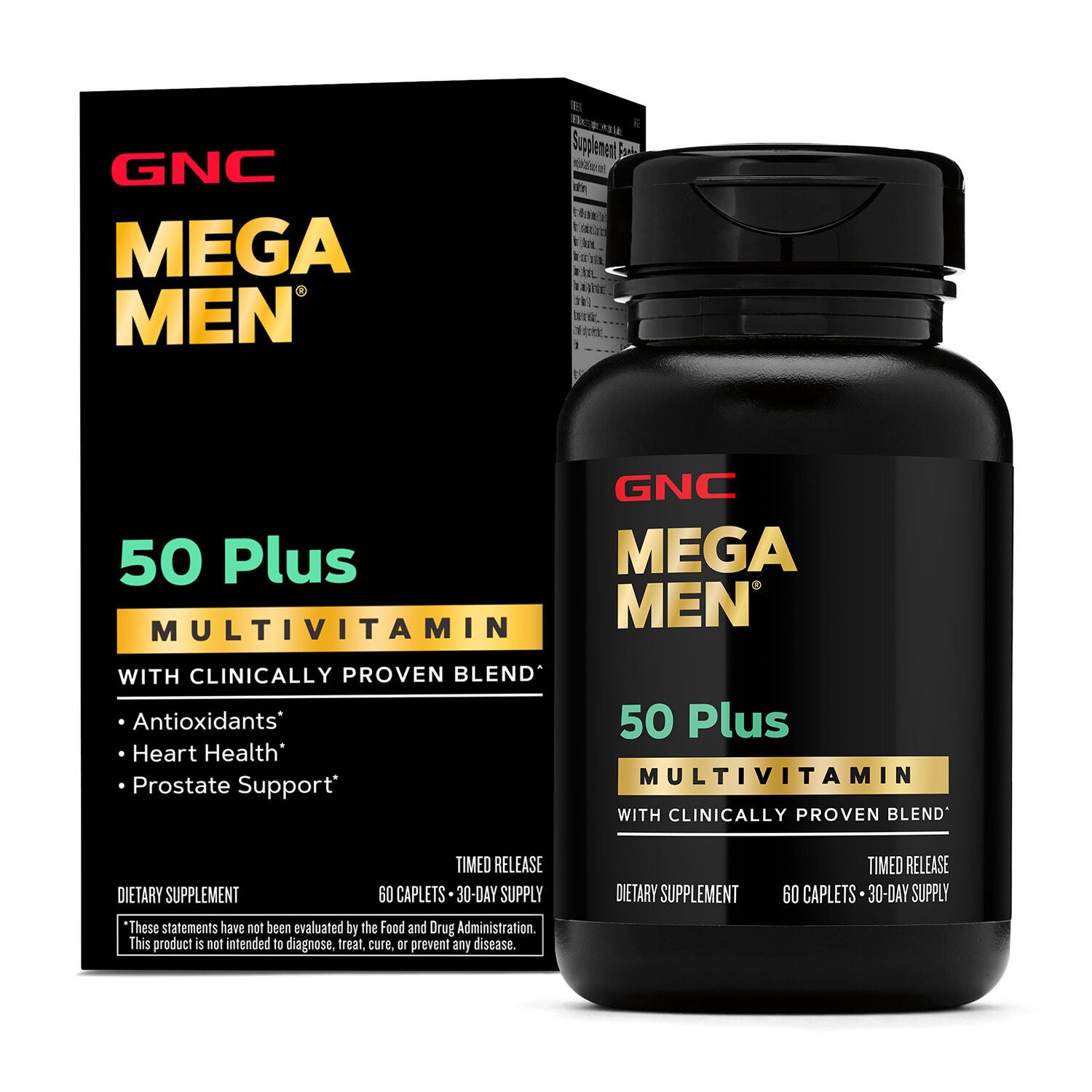 GNC Mega Men
-
 GNC Mega Men