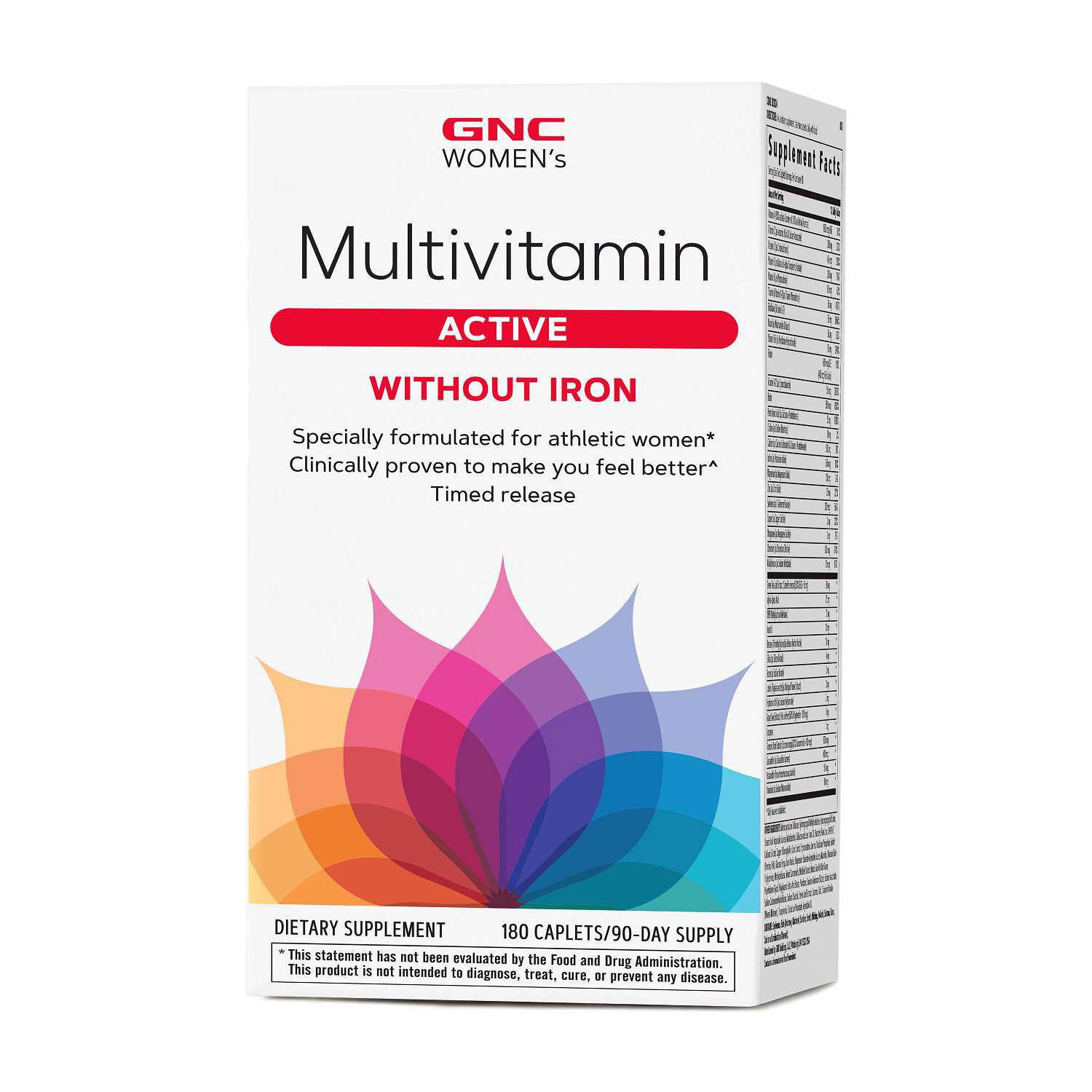
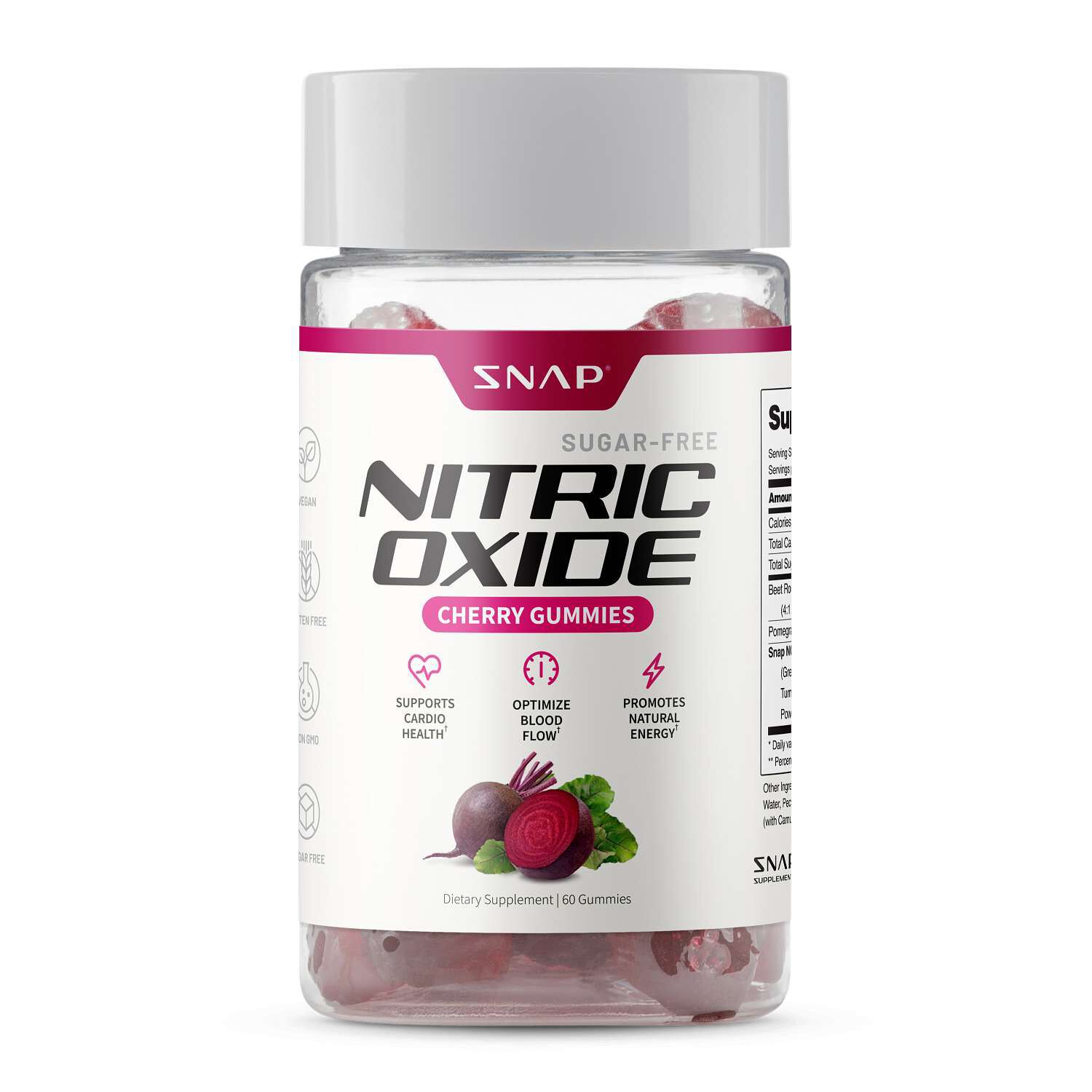
Vitamins For Energy Metabolism
(0 Results)
Explore the potential benefits of vitamins for energy metabolism, designed to support your body's natural processes. These specially formulated supplements could play a role in converting food into fuel, helping you maintain energy throughout your day. Whether you're looking to support an active lifestyle or simply seeking ways to manage daily demands, vitamins for energy metabolism might offer the nutritional support you need. Discover a range of options that may help you feel revitalized and ready to take on whatever comes your way.
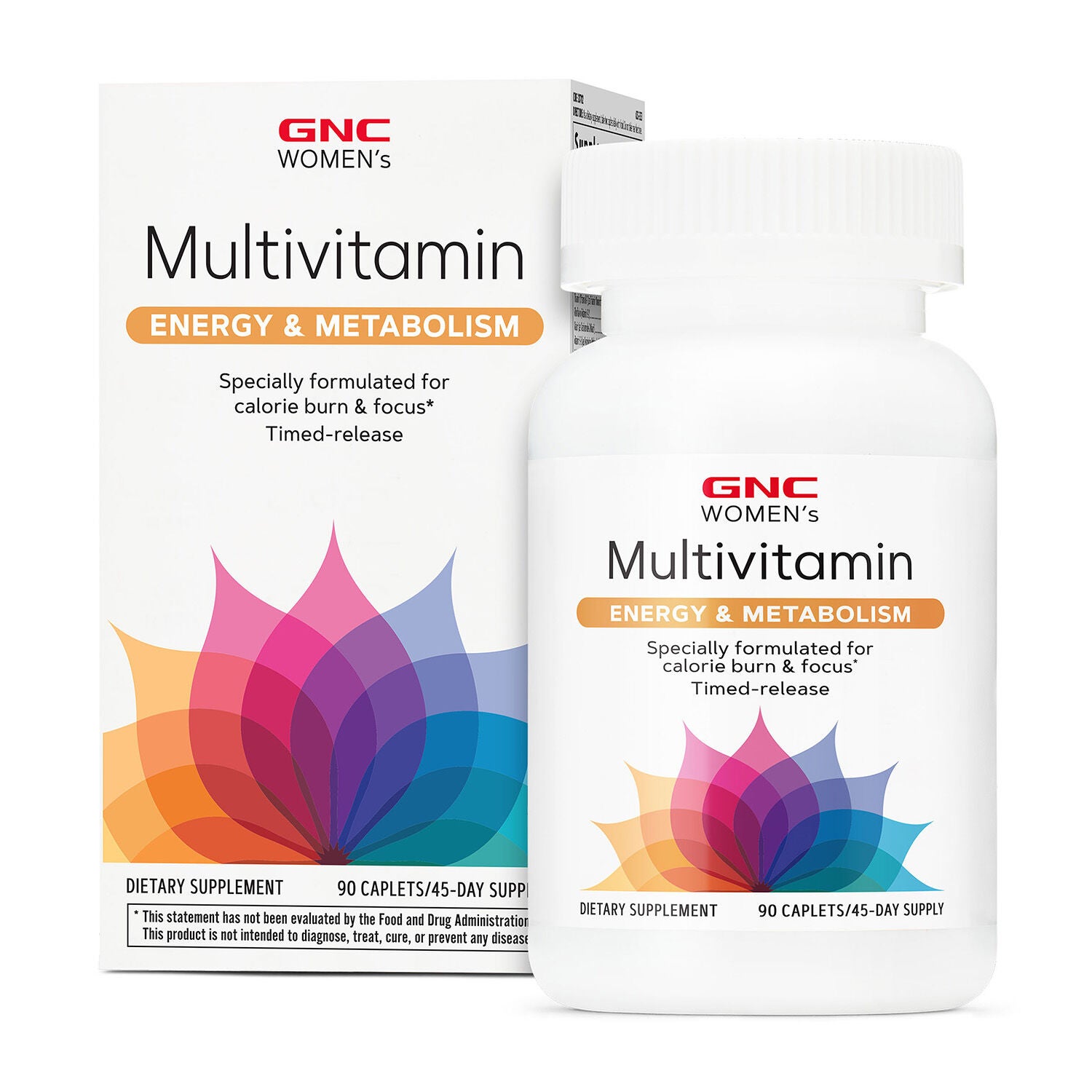


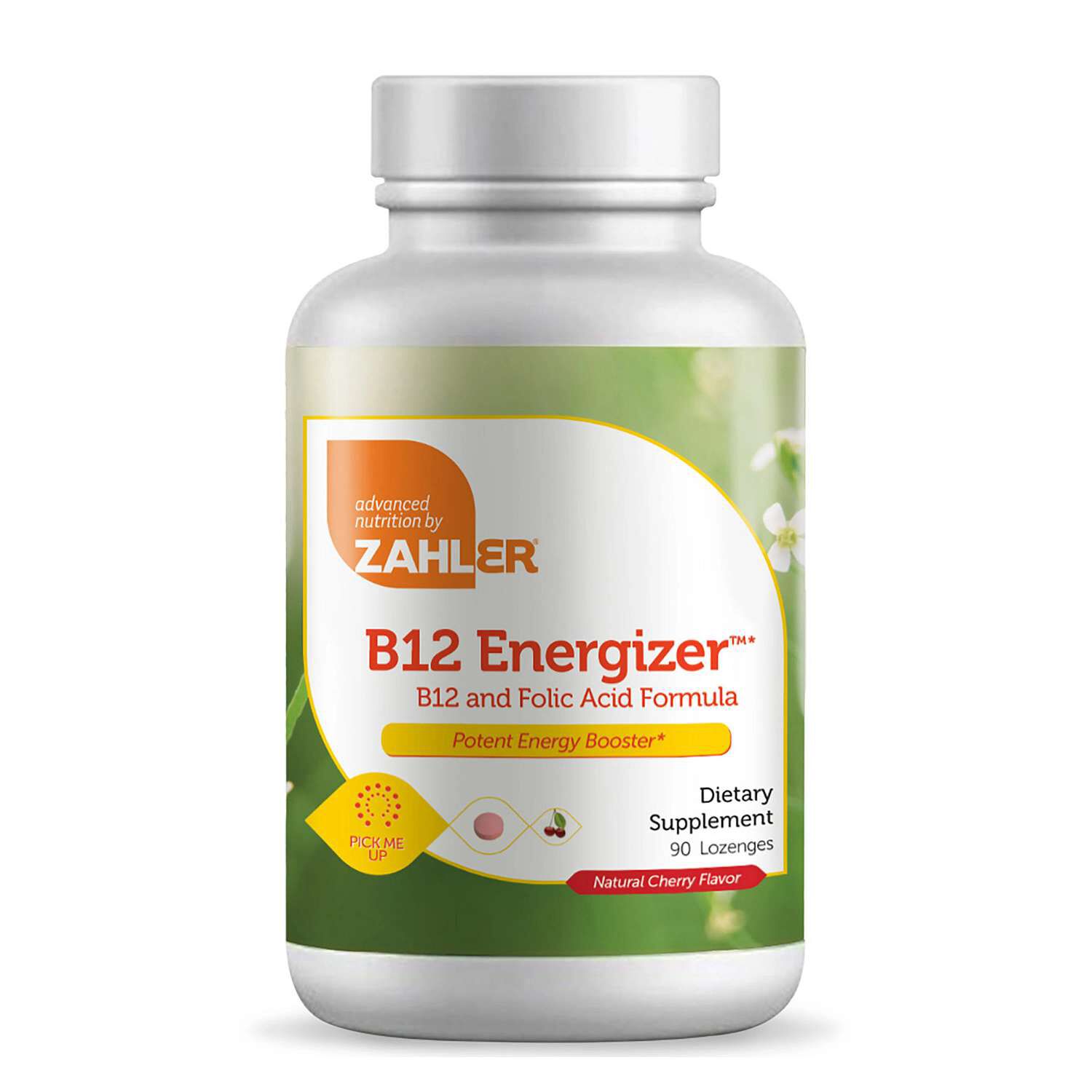

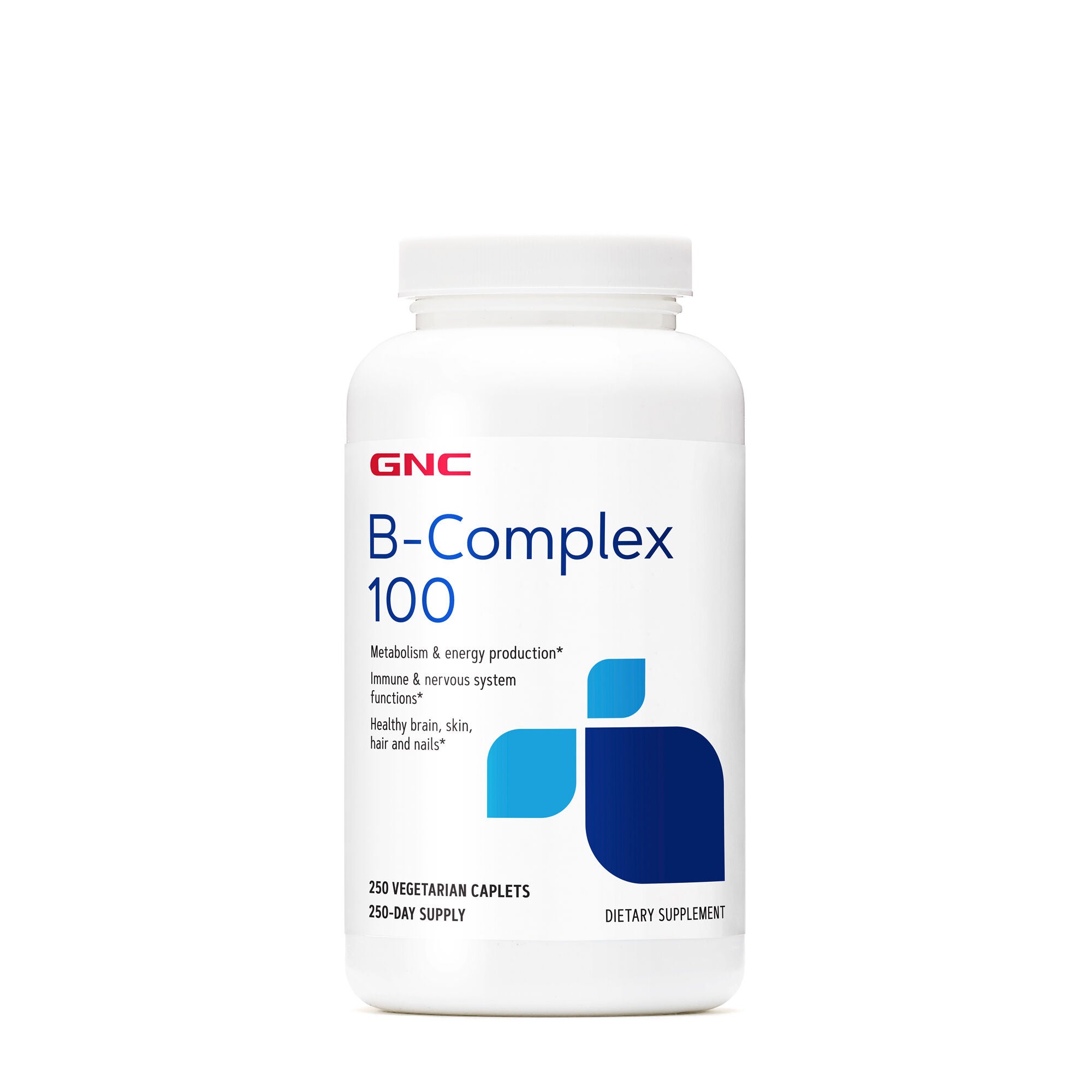
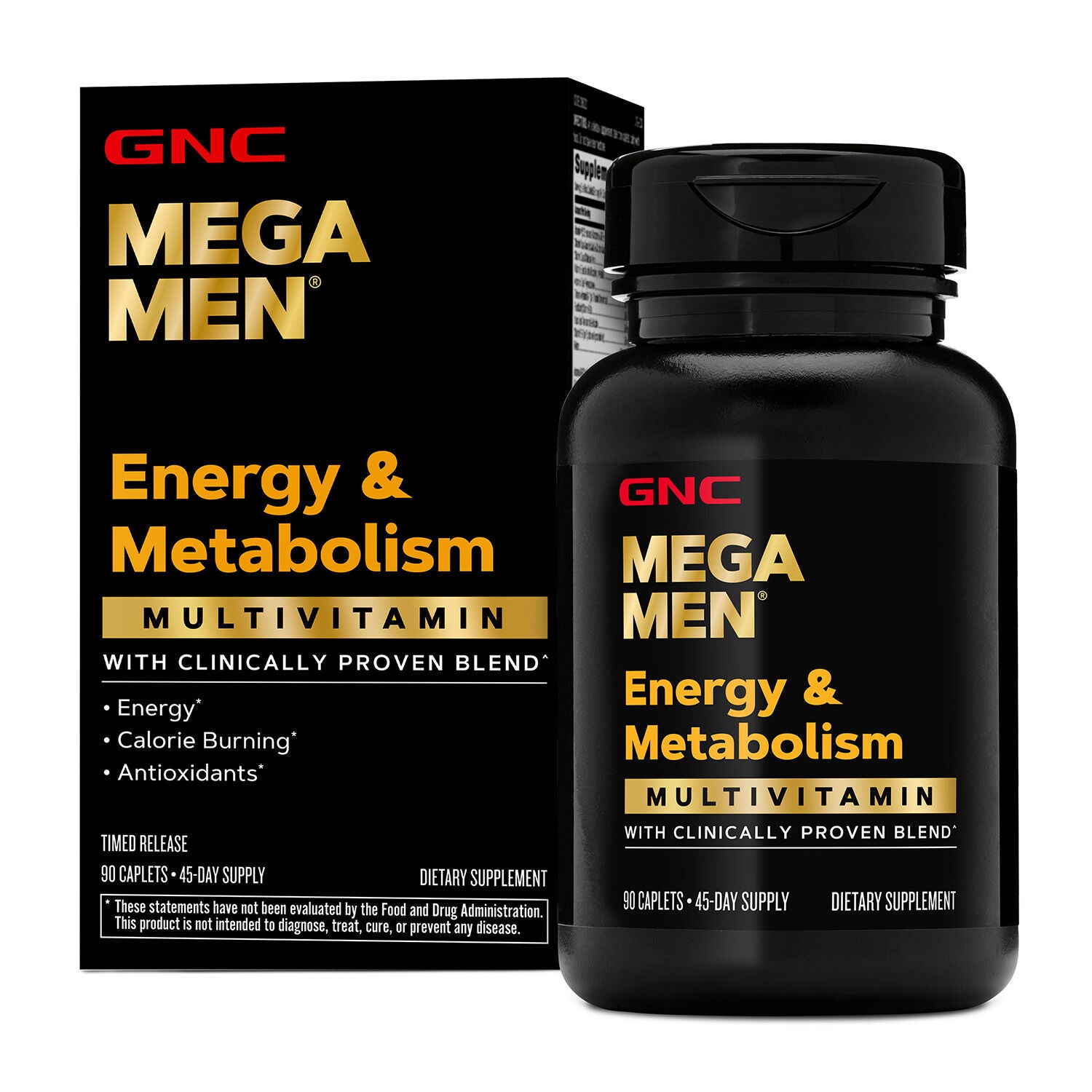
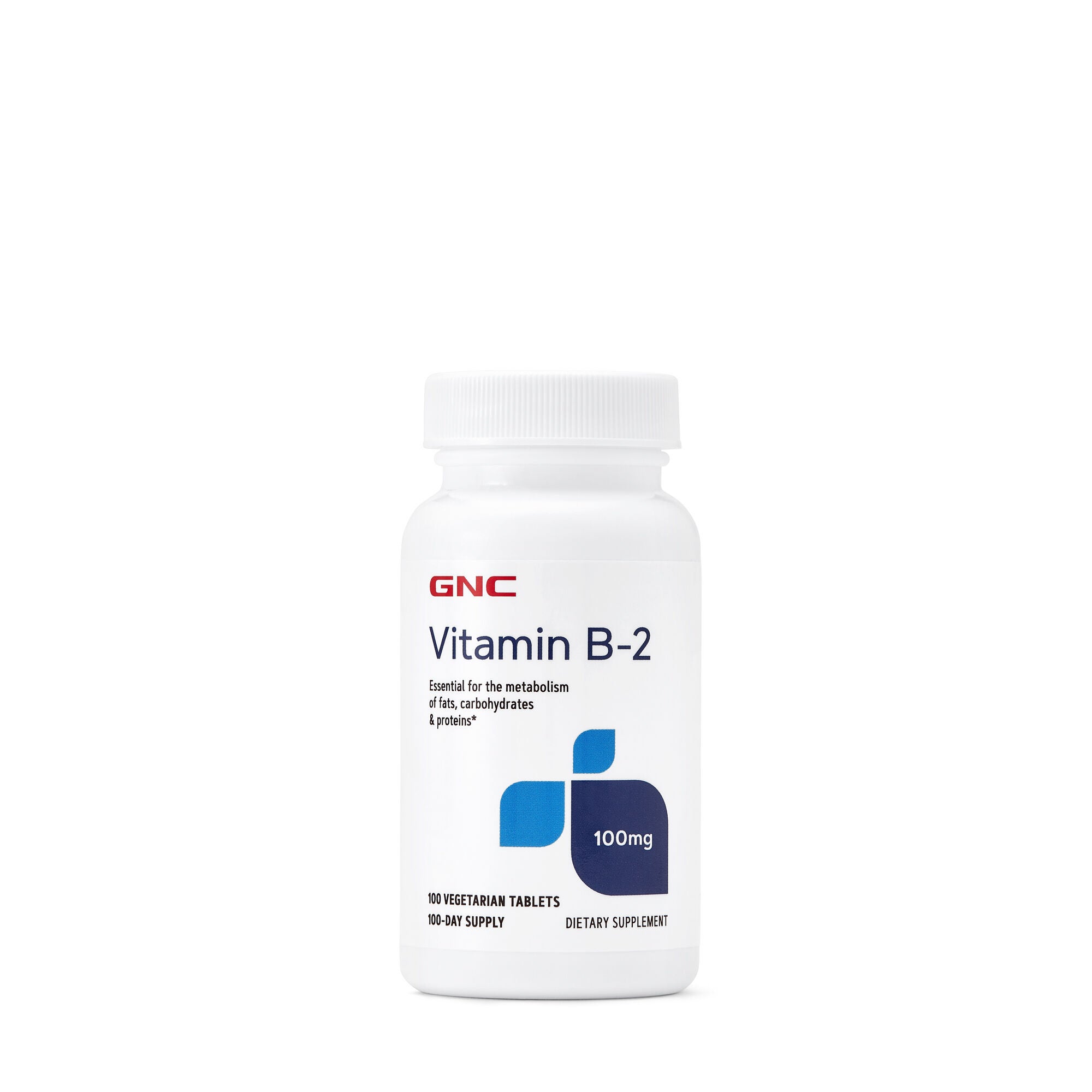

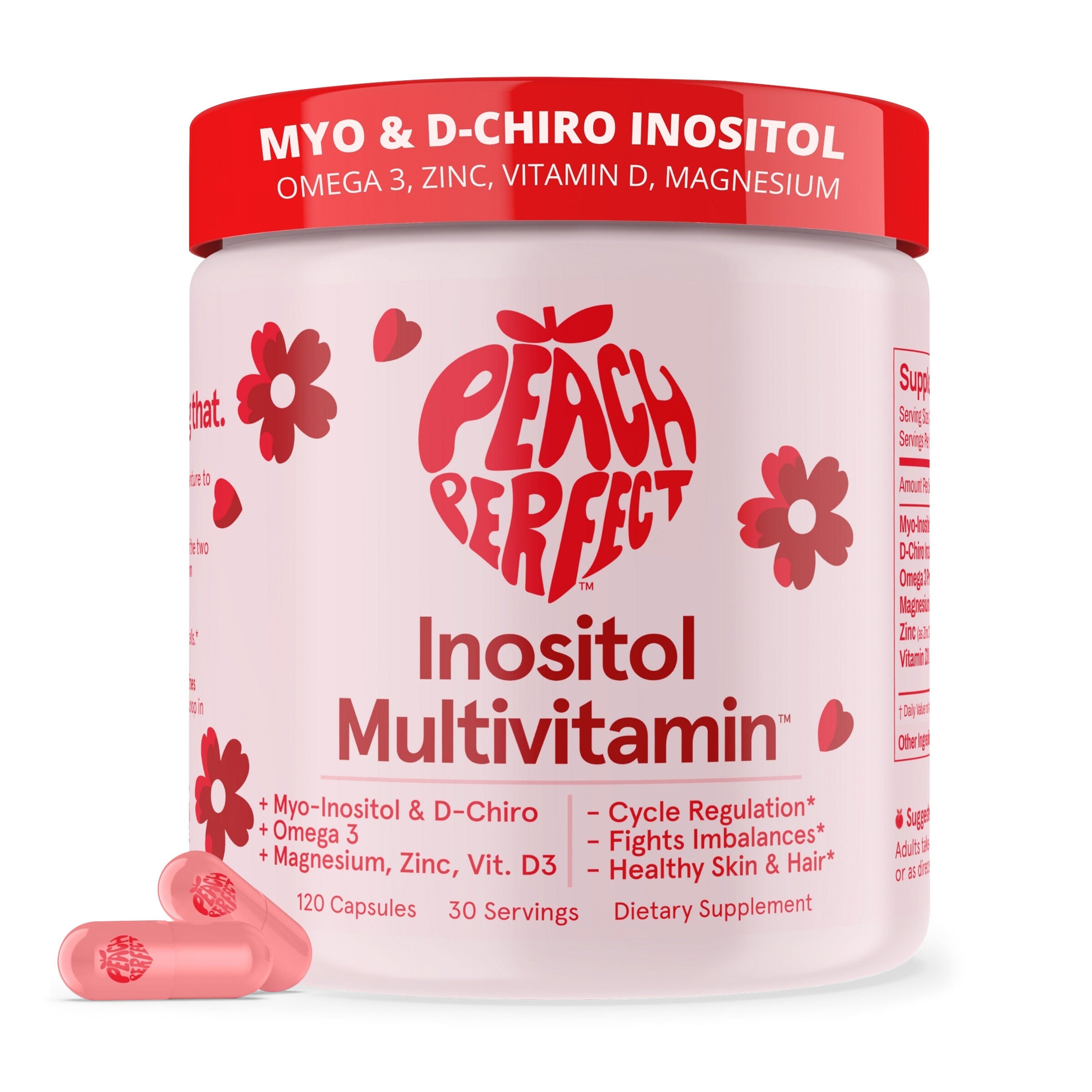


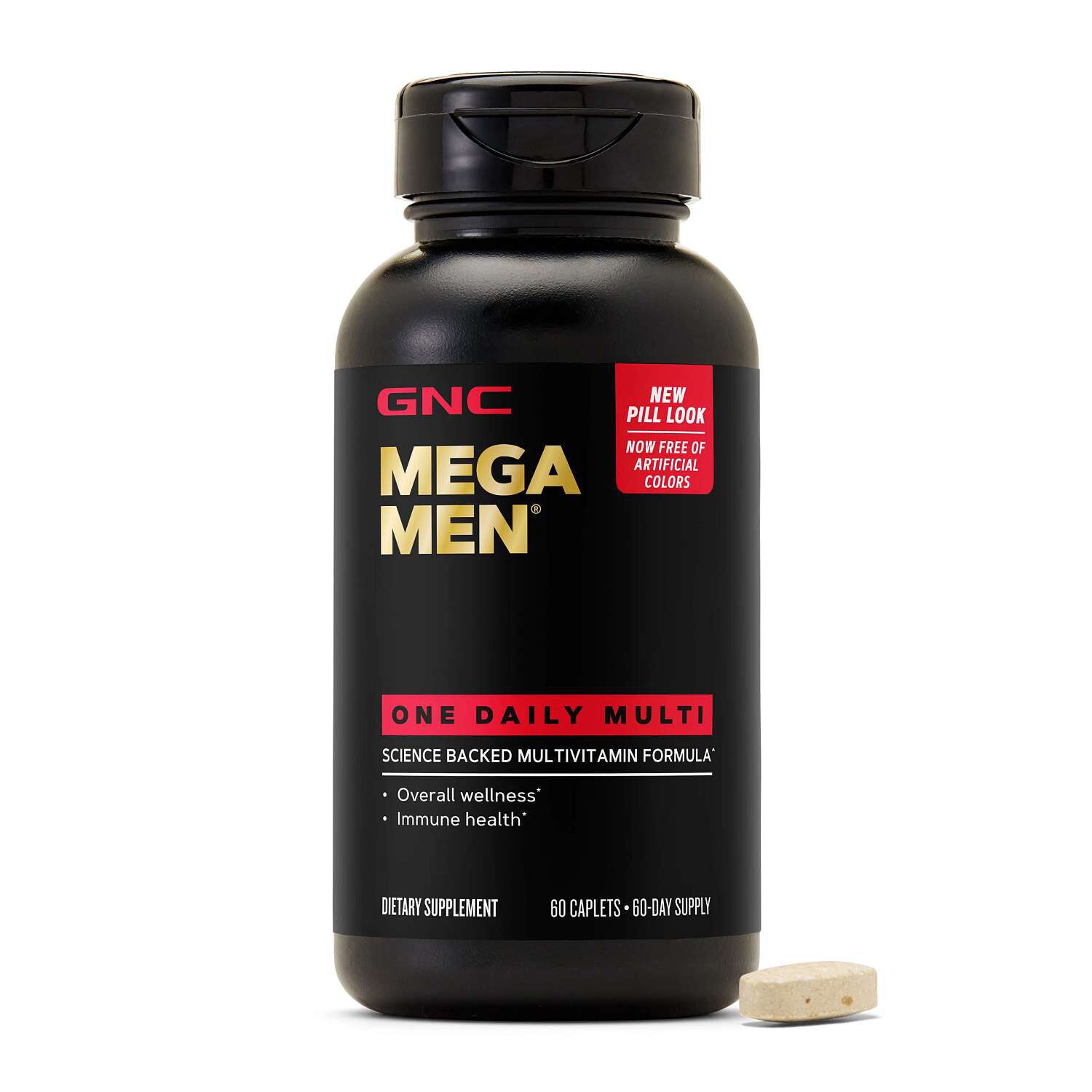


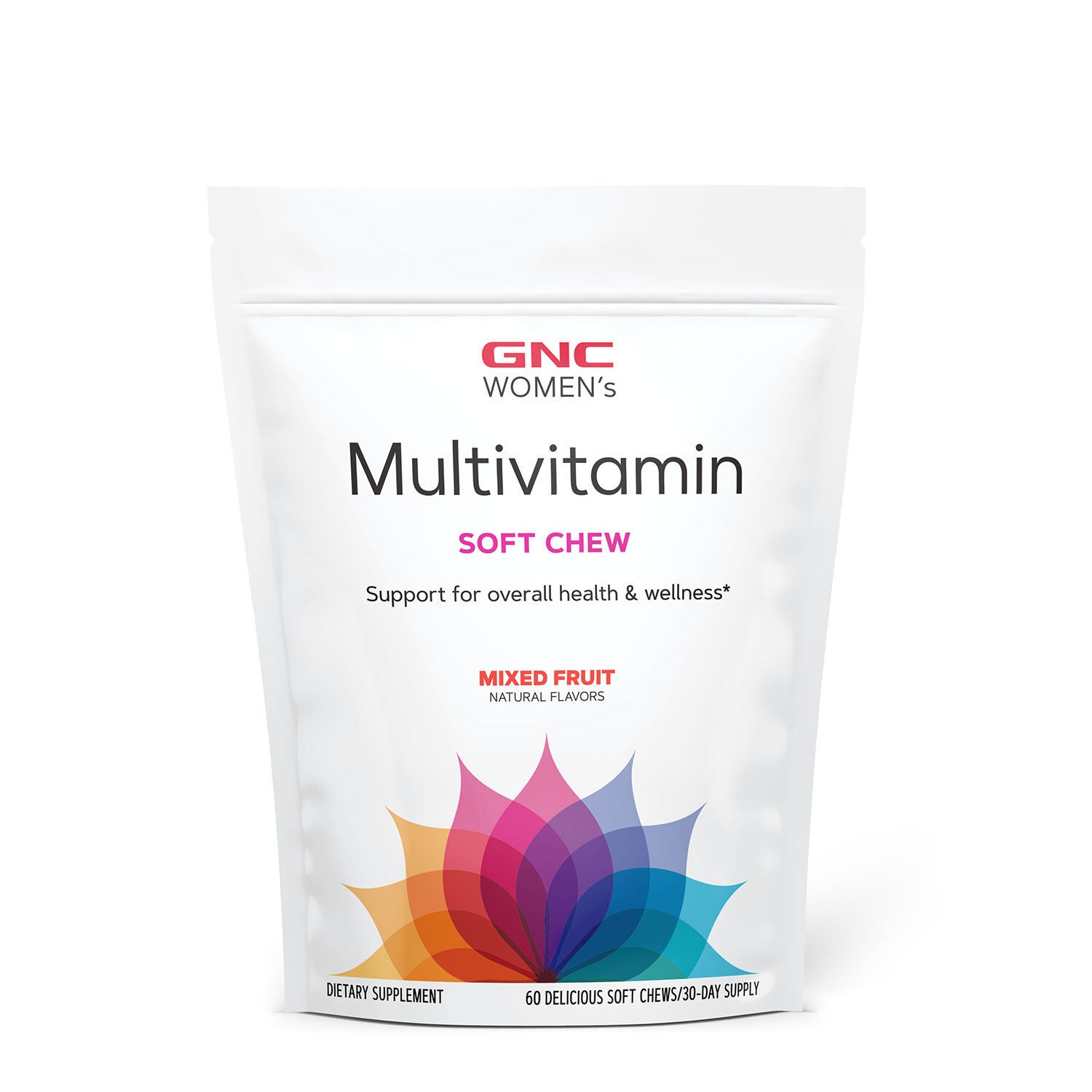

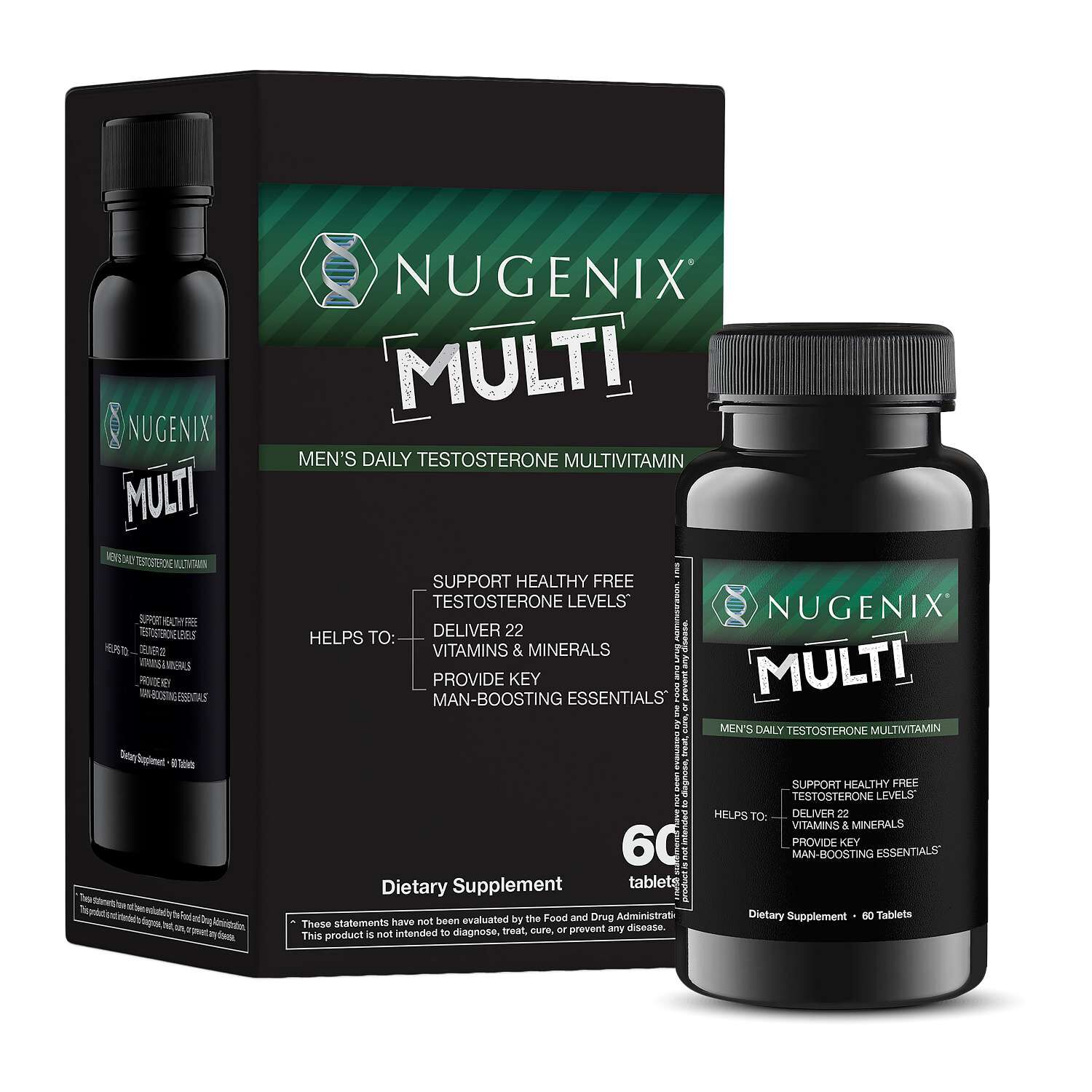
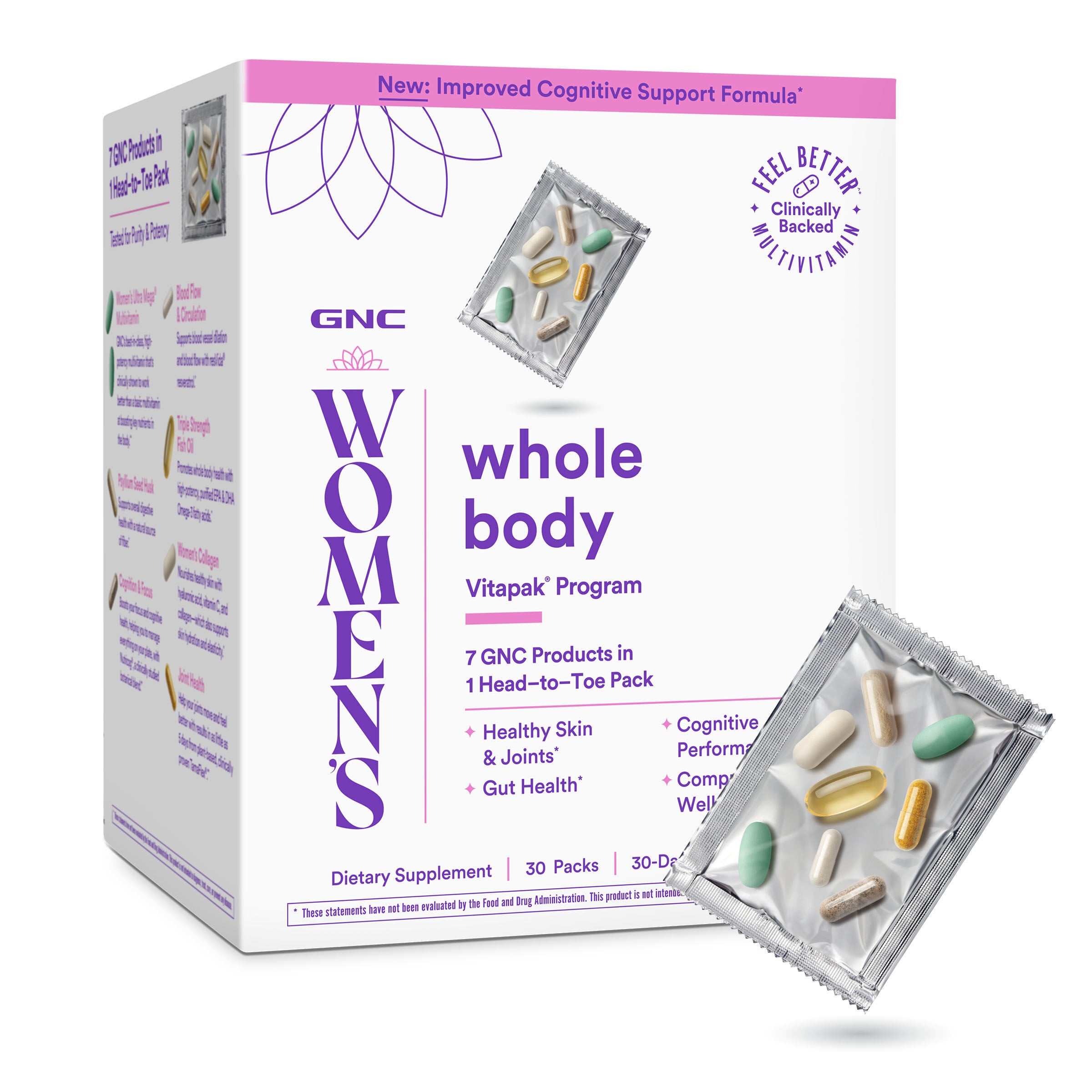

Vitamins for energy metabolism are selected by many people who want to support the body’s normal process of turning food into usable fuel. Vitamins do not provide calories in the way carbohydrates, fats, and proteins do; instead, several vitamins and minerals may help enzymes take part in the steps involved in processing those nutrients. B vitamins are often central to this conversation. Thiamine, also known as vitamin B1, may help the body process carbohydrates, while riboflavin, or vitamin B2, and niacin, or vitamin B3, may support reactions involved in releasing usable fuel from food. Pantothenic acid, or vitamin B5, may participate in pathways that process carbohydrates, fats, and proteins. Vitamin B6 may support normal protein and amino acid metabolism, and vitamin B12 may contribute to normal red blood cell formation and nerve function. Vitamin C may help the body make carnitine, a compound involved in transporting fatty acids within cells. Vitamin D, magnesium, and zinc may also play roles in normal muscle, cellular, and nutrient-processing functions. These nutrients work as part of a broader routine that includes balanced meals, hydration, restorative sleep, and regular movement, rather than serving as a substitute for any of them. For someone moving from a quiet morning into a long commute, a demanding workday, an afternoon workout, or an evening spent caring for family, a thoughtfully chosen formula may fit naturally alongside everyday habits. The best choice can depend on dietary patterns, age, lifestyle, existing supplement use, and personal preferences, so reading the Supplement Facts panel and comparing serving sizes may help shoppers select an option that suits their routine.
When comparing vitamins for energy metabolism, shoppers may want to look beyond a prominent front-label message and review the details that shape daily use. Consider which nutrients are included, how much of each nutrient appears per serving, whether the serving is one capsule, several tablets, a powder, or a liquid, and whether the format feels realistic for the way you move through the day. People who rarely sit down for breakfast may prefer a portable powder or a small serving that can be mixed into water, while someone who keeps supplements beside a morning coffee mug may appreciate a straightforward tablet or capsule. Flavor, sweetness, texture, dietary preferences, and storage can matter just as much as the nutrient list. A powder that dissolves easily in a shaker may suit a gym bag, desk drawer, or travel tote; a single-serve packet may make a practical addition to a care package for a student, a new parent, a frequent traveler, or a loved one adjusting to a busier schedule during the cooler months. Those exploring B12 in a convenient format may also wish to browse Vitamin B12 Energy Powders. It may be useful to check whether a product contains caffeine, sweeteners, flavors, or other added ingredients, particularly when it will be paired with coffee, tea, pre-workout beverages, or other supplements. Labels may also identify whether nutrients are provided as individual compounds or as part of a broader multivitamin formula. More is not automatically better: water-soluble vitamins such as many B vitamins and vitamin C may be excreted when the body does not need additional amounts, and taking several products with overlapping ingredients could result in unnecessary duplication. Anyone managing a health condition, following a restricted diet, taking prescription products, or considering a new supplement routine may wish to ask a qualified healthcare professional for individualized guidance.
A useful way to think about these products is as a small piece of a dependable daily rhythm. Someone might keep a vitamin container near the pantry as a reminder to take it with breakfast, while another person may mix a measured powder into cold water before heading out for a walk on a crisp morning. Taking a product according to its label may make it easier to use consistently, and pairing it with an established habit—such as the first meal of the day or packing a work bag—could help it become part of a familiar routine. Food remains an important source of these nutrients, with B vitamins found in foods such as whole grains, beans, eggs, dairy foods, fish, poultry, and meat, while vitamin C appears in fruits and vegetables and magnesium and zinc occur in a variety of grains, legumes, nuts, seeds, and animal foods. A supplement may be a convenient way to complement meals when schedules, preferences, or dietary choices make variety more difficult, but it may not replace a varied eating pattern. Product selection can also change with personal circumstances: a person following a vegetarian or vegan diet may review the B12 section especially carefully, someone who spends little time outdoors may ask a professional about vitamin D, and an active shopper may favor a portable format that fits before or after exercise. During the transition from warmer days to cooler mornings, simple routines can feel particularly helpful, whether the product is purchased for personal use or placed in a seasonal gift basket with a shaker bottle, water bottle, or snack container. By comparing nutrient forms, serving instructions, ingredient lists, and format preferences, shoppers may find vitamins for energy metabolism that fit comfortably into the rhythm of everyday life.
Best Sellers
-
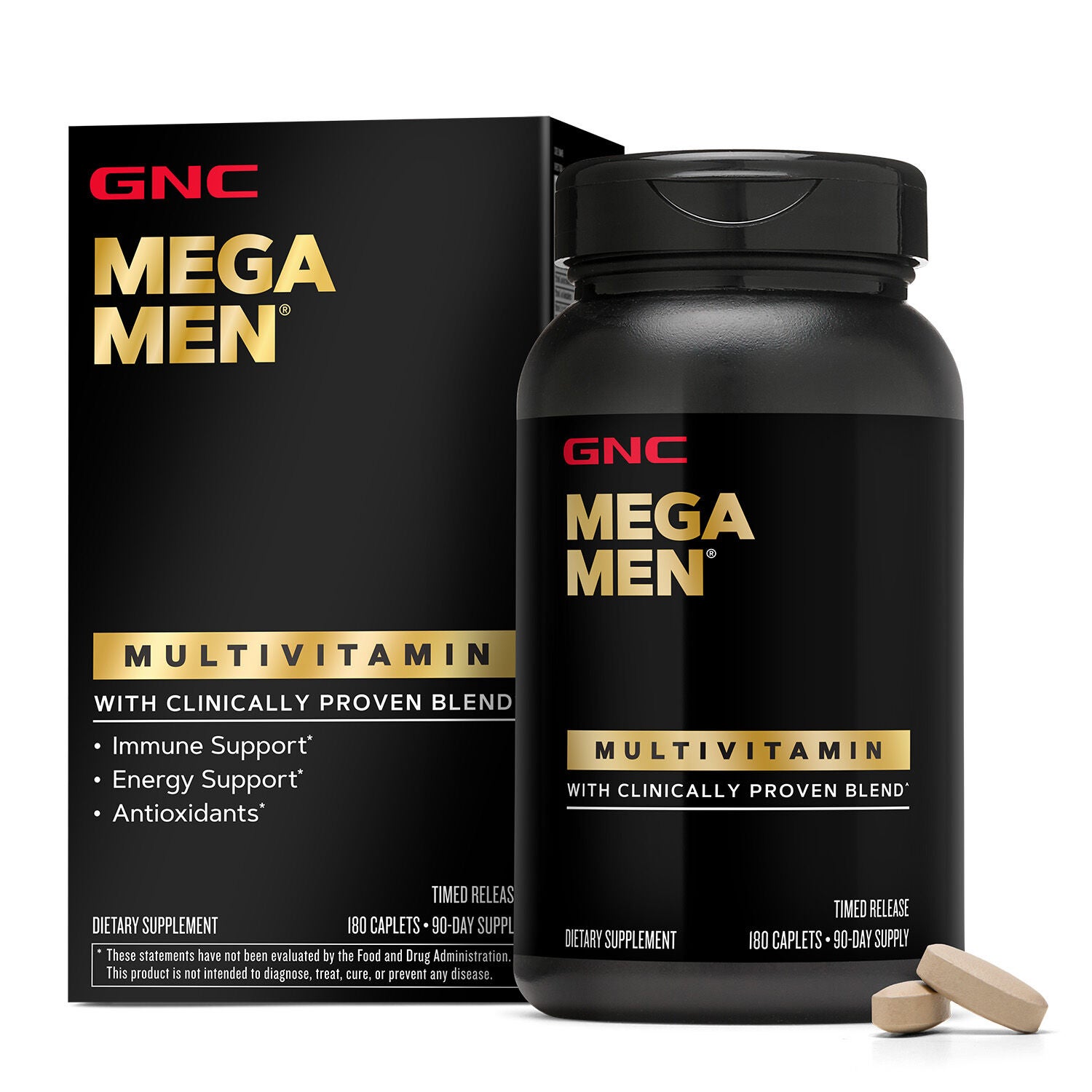 GNC Mega Men
 -
 GNC Mega Men
 -
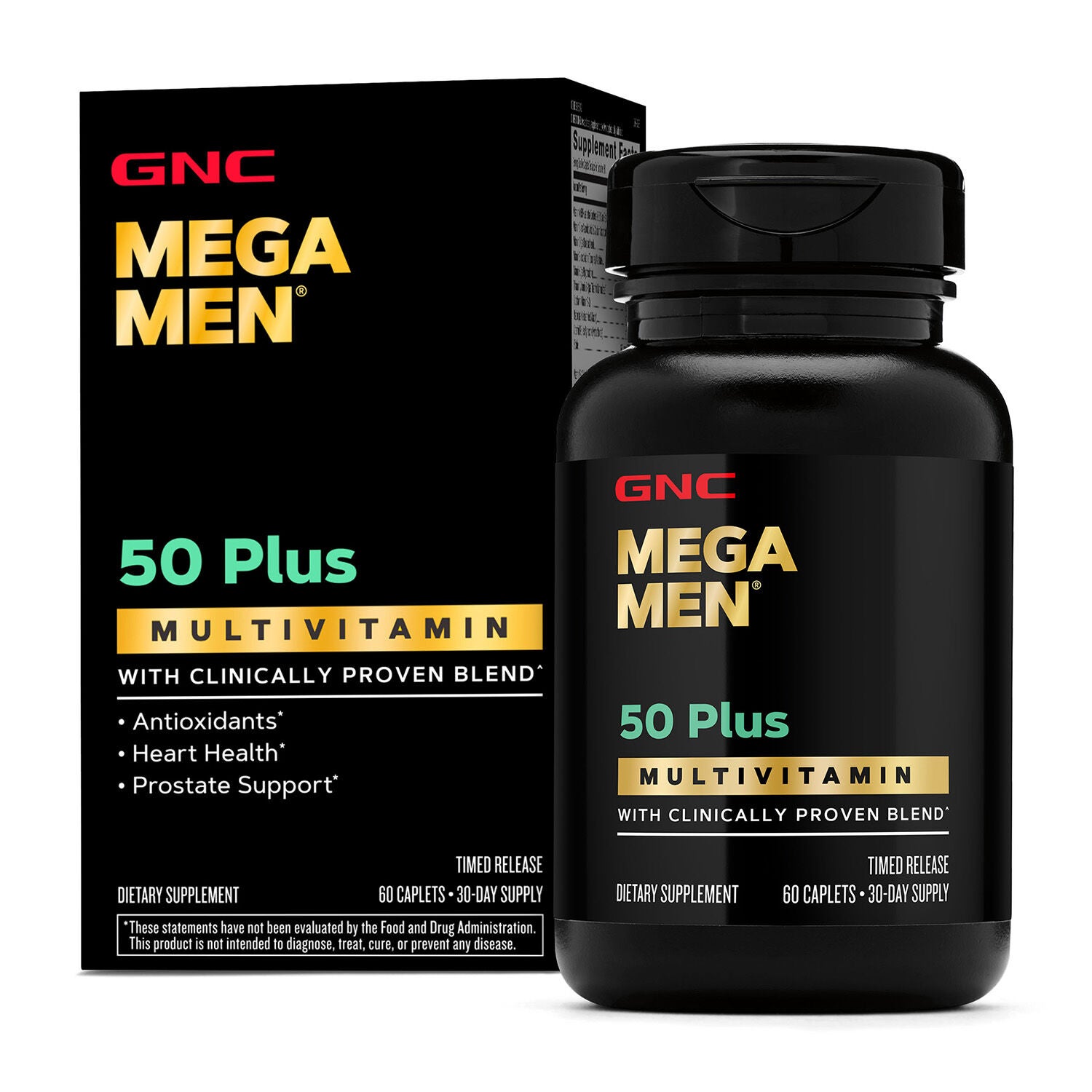 GNC Mega Men
 -
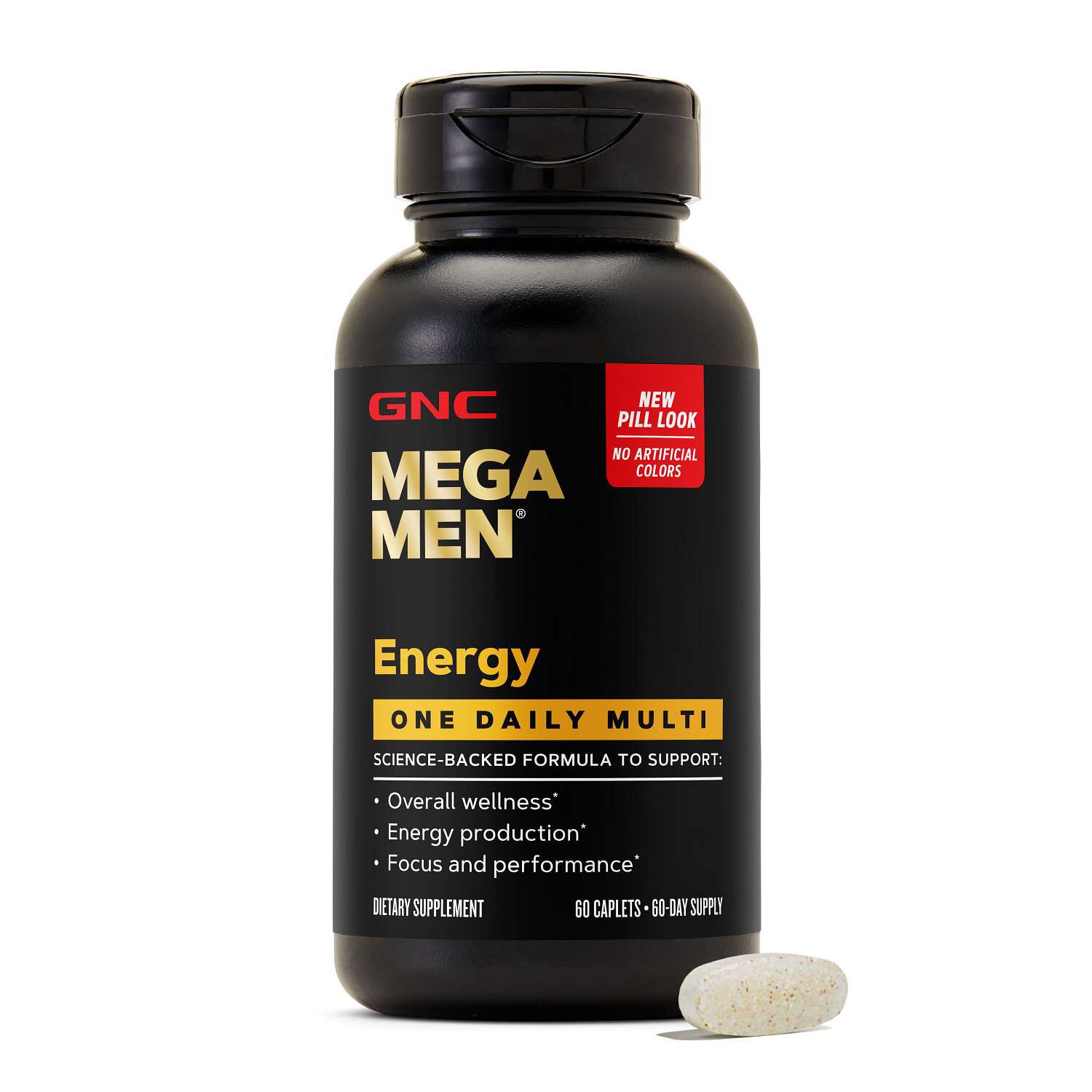 GNC Mega Men