





Vitamins With Cranberry
(0 Results)
Explore the potential benefits of vitamins with cranberry, a dynamic combination that may support your wellness journey. Cranberries are celebrated for their rich antioxidant content and unique properties, which could complement the nutritional support provided by vitamins. Whether you're seeking to maintain overall health or target specific wellness goals, these supplements might offer an enticing option. Discover how integrating vitamins with cranberry into your routine could be a refreshing step toward enhanced vitality and well-being.


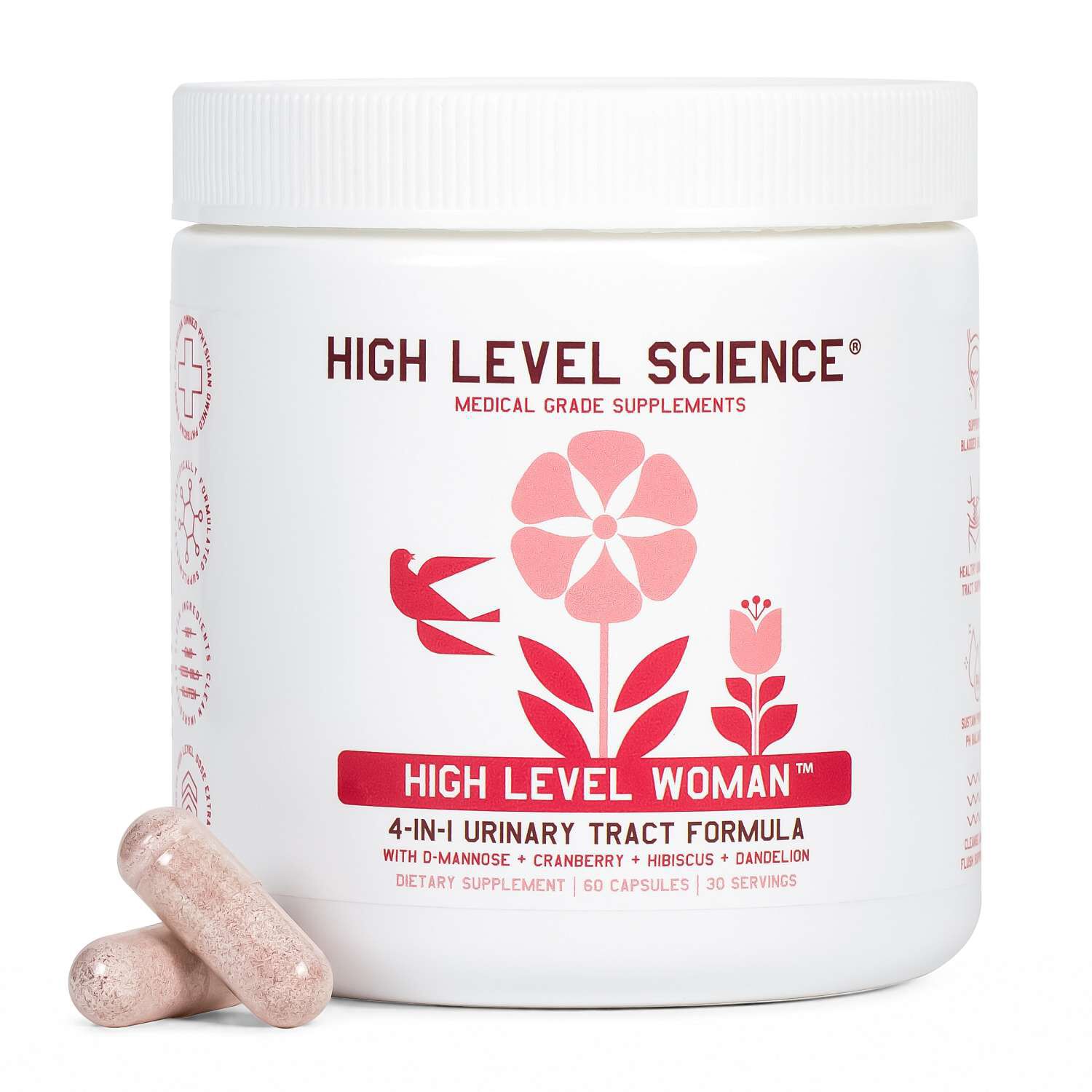
Vitamins with cranberry bring together familiar nutrients and a fruit-derived ingredient in formats designed for everyday supplement routines. Cranberry is not itself a vitamin; it is a botanical ingredient that can appear alongside vitamins, minerals, or other components in a blended formula. Some cranberry combinations include vitamin C or vitamin E, while others feature a broader selection of nutrients. The distinction matters when comparing labels: a cranberry supplement and a multivitamin containing cranberry are not necessarily the same type of formula. Cranberry is commonly associated with urinary wellness routines, but that association does not establish what any particular blend will do. Its composition provides a useful starting point for understanding the category. Cranberries naturally contain plant compounds called proanthocyanidins, often abbreviated as PACs, which belong to a larger family of polyphenols. Depending on the formulation, a label might identify cranberry fruit powder, juice concentrate, or an extract, and those descriptions refer to different preparations of the fruit. Fruit powder generally comes from dried cranberry material, while an extract involves processing selected components into a concentrated ingredient. The amount of cranberry listed in milligrams is not automatically the amount of PACs, and an extract ratio is a separate measurement rather than a vitamin quantity. When a formula specifies a PAC amount, that information adds detail about its composition; when it does not, the cranberry weight alone does not reveal the PAC content. Vitamin amounts are listed separately, often with a percentage of Daily Value for each nutrient. This makes the Supplement Facts panel more informative than a large cranberry number on the front of a bottle. For shoppers drawn to fruit-based ingredients, vitamins with cranberry offer a category worth exploring through those distinctions, whether the preference is a straightforward blend with a few named nutrients or a formula with a longer ingredient list. The defining feature is the combination of cranberry and vitamins, not a single recipe shared by every option.
Format shapes the everyday experience of vitamins with cranberry just as much as the ingredient blend. Capsules, tablets, softgels, gummies, and chewables differ in texture, size, taste, and serving requirements. A capsule may appeal to someone who prefers a format without a chewable flavor, while a gummy or chewable may suit someone who enjoys a more noticeable fruit taste. Cranberry imagery on a package does not necessarily mean the formula will taste like tart cranberry juice: flavorings, sweeteners, coatings, and the other ingredients all contribute to the finished experience. Gummies can have a soft, springy texture, while tablets are firmer and may have a coating; softgels usually have a smooth outer shell. These physical details are part of finding a format that fits an established routine. For someone who keeps supplements beside a breakfast bowl, the serving size and package directions may be especially relevant. For someone who packs a bag before leaving home, the original container’s size and closure may matter more. A serving can consist of more than one capsule, tablet, or gummy, so the amount listed per serving deserves attention alongside the number of pieces in the bottle. Dietary preferences also influence the fit. Capsule shells and gummy ingredients may include gelatin or plant-derived alternatives, and formulas can contain different sweeteners, colors, flavors, and binding ingredients. Ingredient lists and clearly stated dietary attributes provide more useful detail than assumptions based on the format alone. Vitamin C and vitamin E can also appear in different ingredient forms, with their names shown on the label. A shopper already familiar with a daily multivitamin may want to understand how a cranberry blend compares in its nutrient amounts, rather than judging it only by its fruit ingredient. The labeled age group, directions, and caution statements help describe the intended use of each formula. Those details make this category relevant to adults exploring a cranberry-containing supplement, while keeping the focus on the individual formulation rather than treating all cranberry vitamins as interchangeable.
Storage, packaging, and the rhythm of daily life round out the practical considerations for vitamins with cranberry. A tightly closed bottle in a location that follows the package’s storage directions offers a different setting from a container left in a humid bathroom or tucked into a car for an extended period. Moisture, light, and heat can affect supplement quality, and different formats have different handling needs. Gummies may stick together or change texture under unsuitable conditions, while capsules and tablets can be affected by moisture. The original package keeps the ingredient panel, serving directions, storage information, and date markings together, which is useful when a bottle is used over time. Packaging details such as an inner seal, a secure closure, and readable labeling also contribute to the experience of bringing a supplement into a household routine. Keeping the label accessible is particularly helpful when several family members have different supplement preferences or when a cranberry blend sits beside other vitamin bottles. Although cranberry is a familiar food ingredient, a concentrated supplement is distinct from a glass of cranberry juice or a serving of fruit. Juice beverages vary in their ingredients and sweetness, and supplement formats have their own serving measurements and nutrient profiles. That distinction helps keep comparisons grounded in what each format actually contains. Shoppers interested in exploring the fruit ingredient across related formulas can also browse Cranberry Antioxidant Support for another view of the category. Within vitamins with cranberry, the most meaningful differences remain concrete: the cranberry preparation, any stated PAC content, the accompanying vitamins, the serving size, and the format. A compact capsule bottle, a chewable with a distinct fruit flavor, and a multinutrient blend can all belong to the same broad theme while offering different compositions and handling characteristics. Clear labels and a format suited to personal preferences make those differences easier to recognize, allowing cranberry-containing vitamins to be considered on their own details rather than on the familiarity of the berry alone.
Best Sellers

Related Pages
Top Collections
- Joint Mobility Supplement Packs
- Daily Collagen Supplements | Top Brands & Deals | GNC
- GLP 1 Support For Adults
- Zinc Supplements | Top Brands at Great Prices | GNC
- Supplements For Yoga Joint Flexibility
- Supplements For Balance
- Capsule Supplements For Energy And Stamina
- Adult Mobility Supplements
- Chronic Fatigue Supplements
- Vitamins For Hair Loss