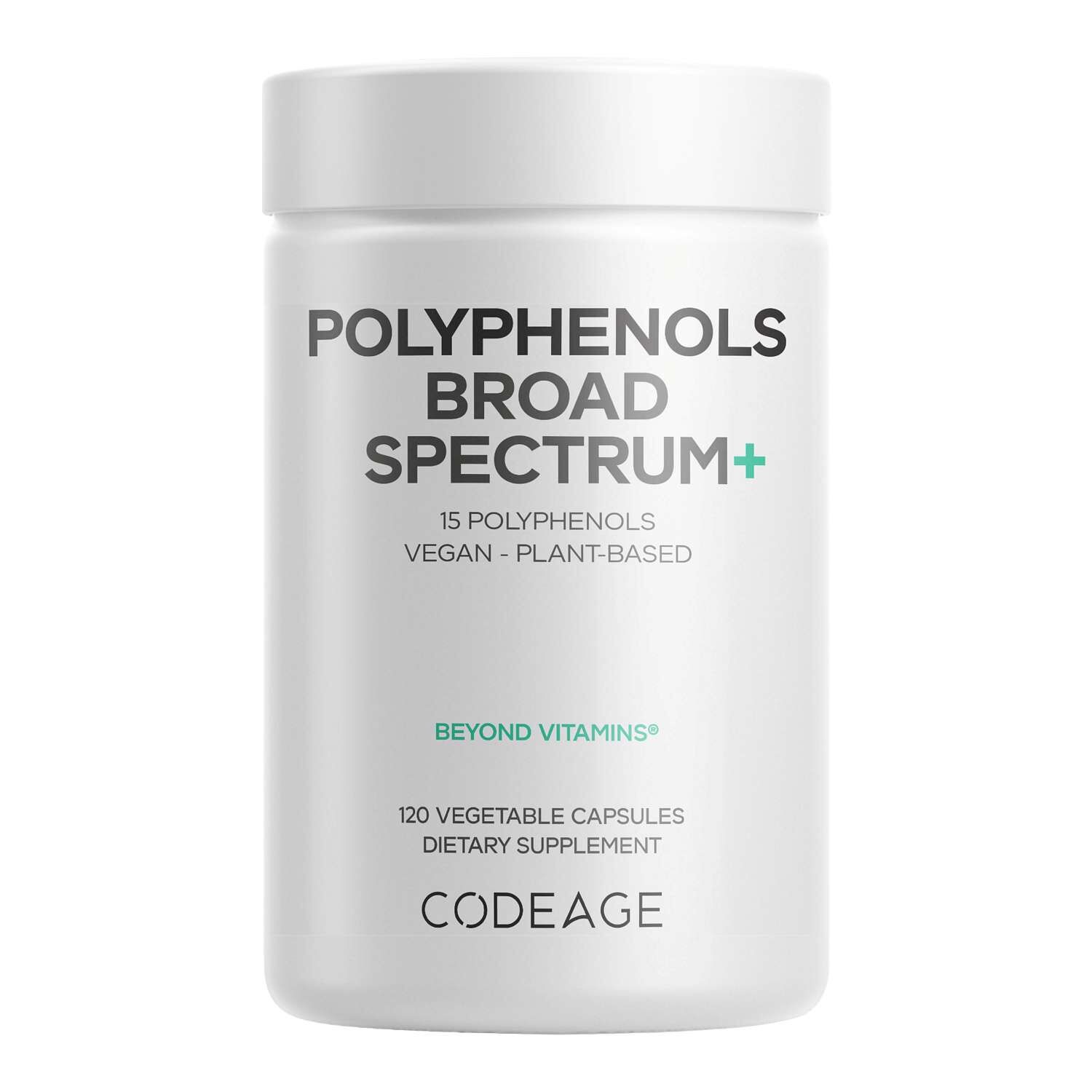
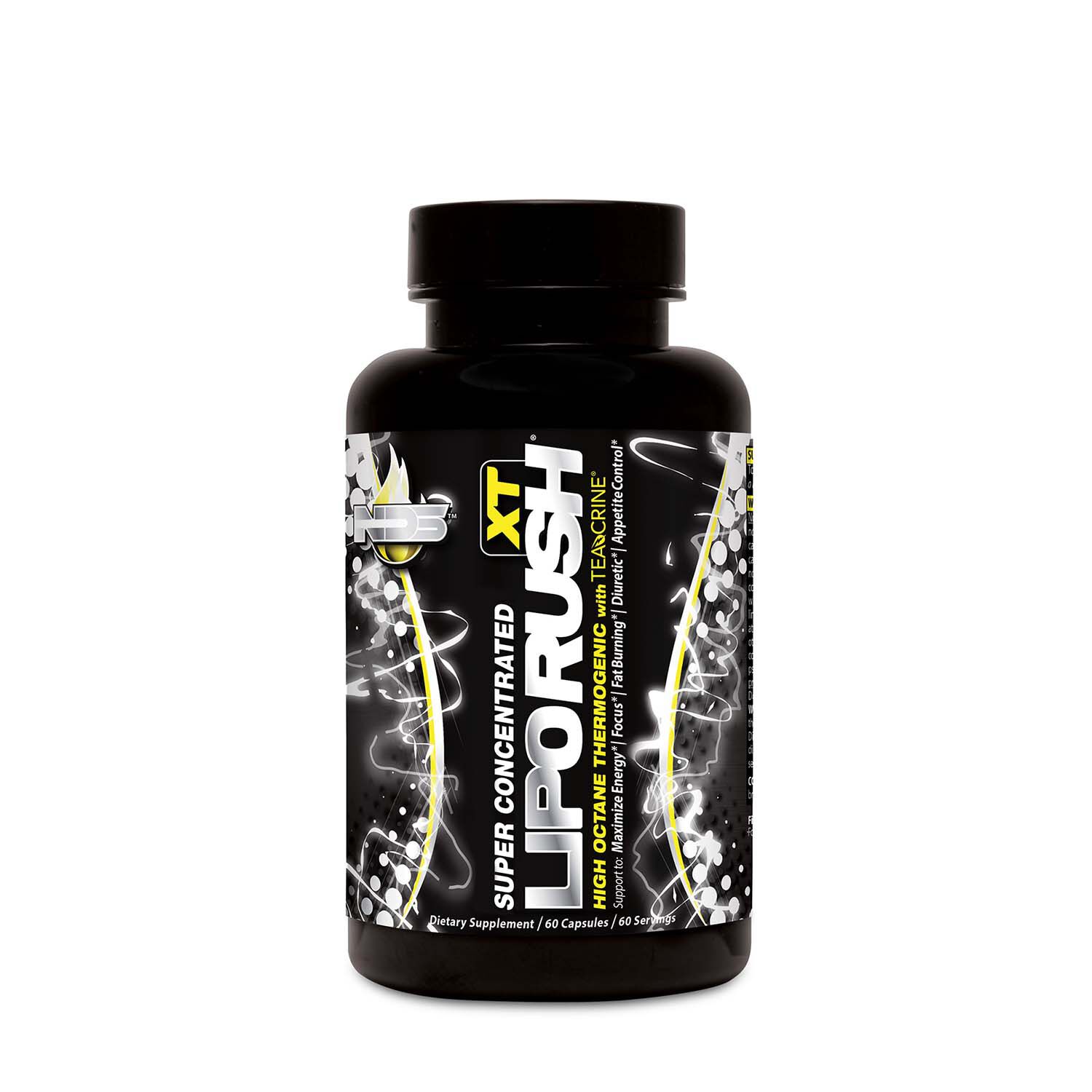
Vitamins With Green Tea
(0 Results)
Vitamins with green tea offer a convenient way to incorporate the benefits of this popular botanical into your daily routine. These supplements combine important nutrients with green tea, making them a great option for those looking to support their wellness journey. Explore a wide variety of vitamins with green tea that may fit seamlessly into your lifestyle and help you prioritize your overall well-being.
-
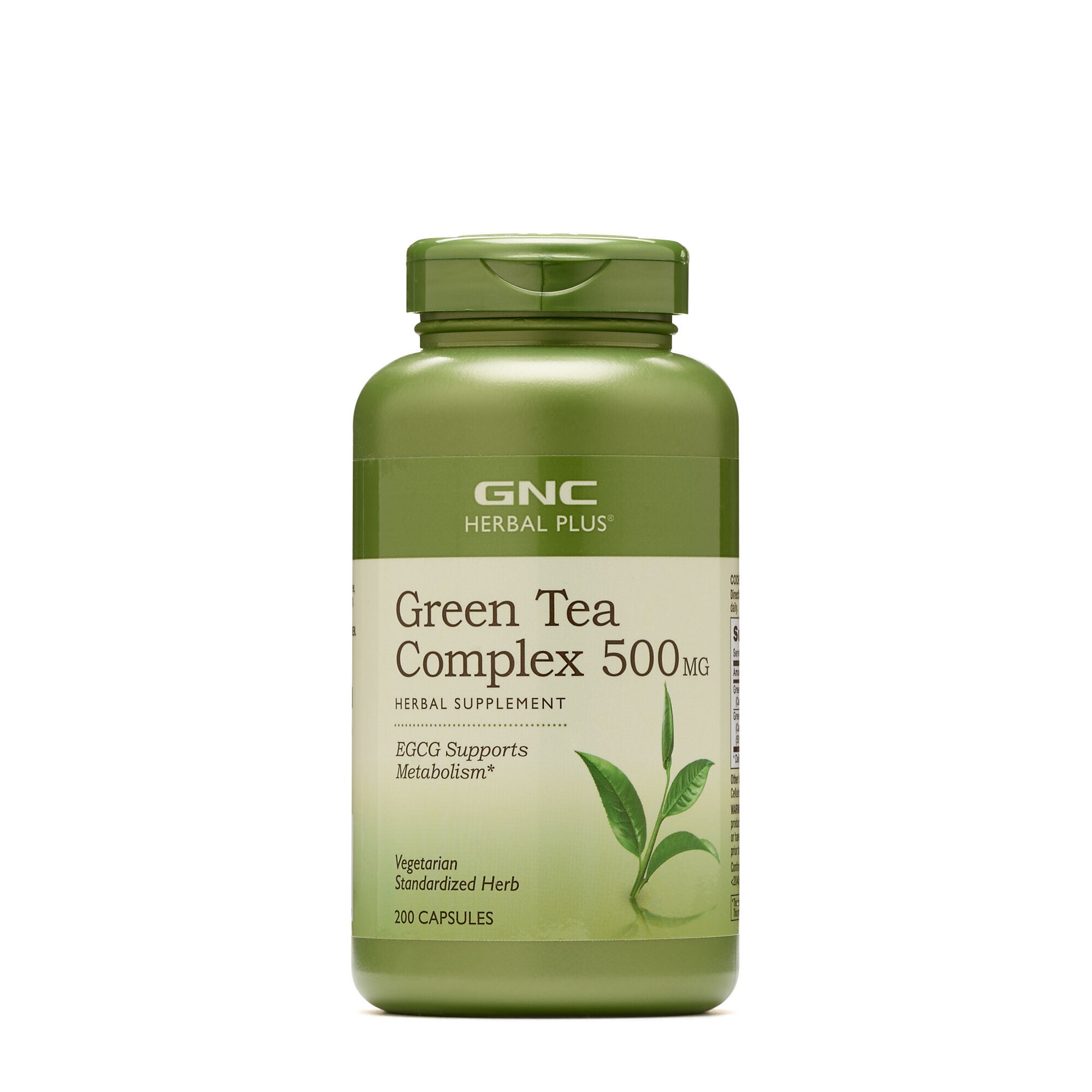
-
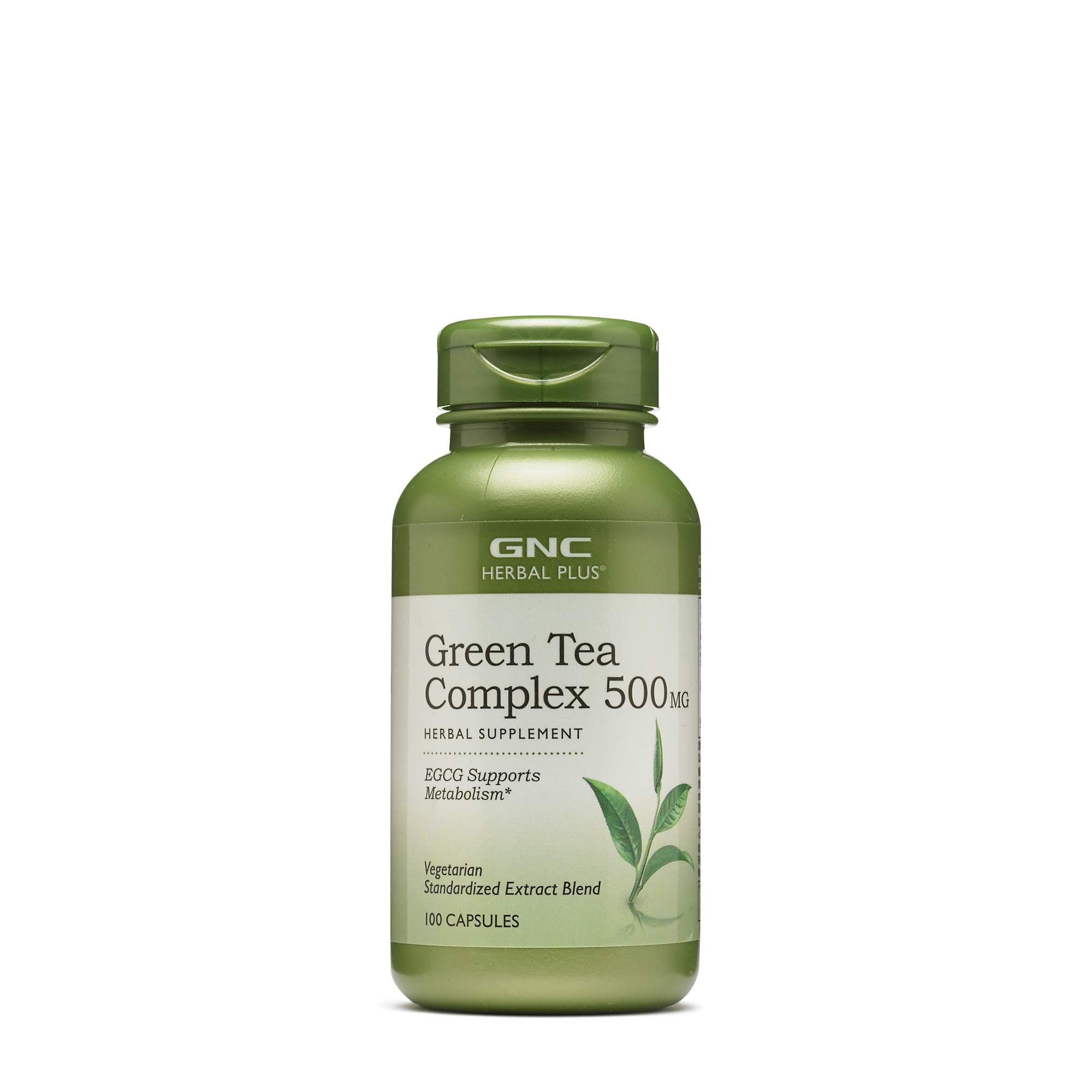
-
 Angry Supplements3$15.99
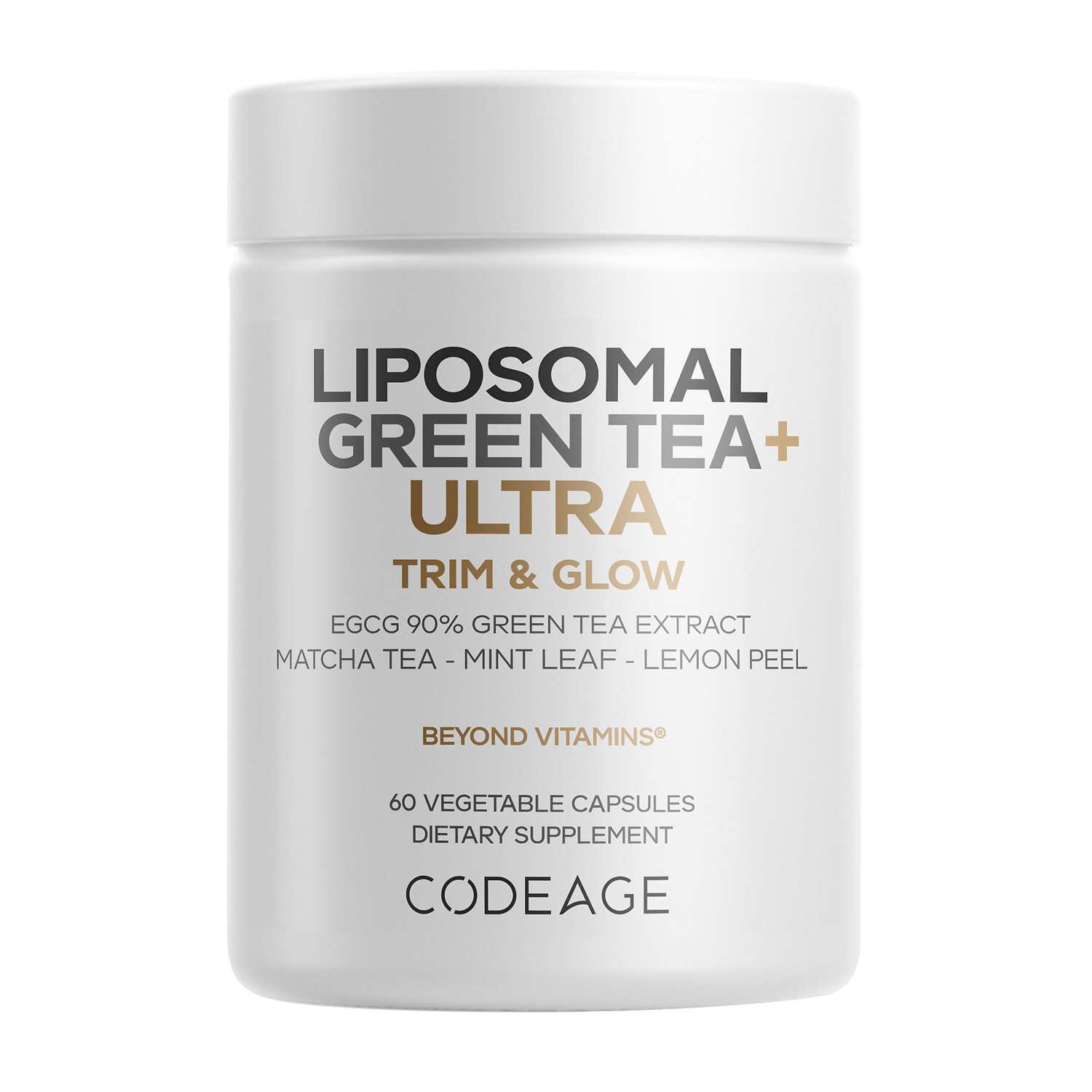

Vitamins with green tea are dietary supplements that combine one or more vitamins with green tea leaf, green tea powder, or green tea extract derived from the Camellia sinensis plant. The category brings vitamin ingredients and a botanical component into the same formula, rather than treating green tea itself as a vitamin. Some formulations contain a broad range of vitamins, while others pair green tea with a narrower selection of nutrients. Minerals and other botanical ingredients may also appear, depending on the formula. This distinction matters when comparing a multivitamin that includes green tea with a green tea supplement that contains an added vitamin: similar wording on the front of the package can describe different ingredient profiles. Green tea comes from the same plant used for several other types of tea, with processing methods that distinguish its composition and character. Its leaves contain naturally occurring plant compounds called polyphenols, including a group known as catechins. Epigallocatechin gallate, often shortened to EGCG, is one catechin that may be identified on a supplement label. These terms describe components of green tea, not additional vitamins. In a blended supplement, the vitamin content and the green tea ingredient are separate parts of the formula. A capsule included in an everyday routine is also a different experience from brewing a cup of tea: the supplement has its own serving information, ingredient amounts, and directions, and it does not necessarily provide the flavor or ritual of a beverage. For adults who prefer a combined formula, the appeal may be the convenience of having selected nutrients and a tea-derived ingredient in one format. Someone who already uses a multivitamin, on the other hand, may be more interested in how another blended supplement compares with the products already on the kitchen shelf. The actual formula offers more useful context than the presence of green tea in the name alone.
The Supplement Facts panel provides a closer look at what a vitamin and green tea combination contains. Serving size is an important detail because the amounts listed may refer to two or more capsules or tablets rather than a single unit. Vitamins are listed in their applicable units, along with a percent Daily Value when one has been established. Botanical ingredients such as green tea do not have an established Daily Value, so their entries need a different kind of comparison. Green tea leaf powder and green tea extract are not interchangeable descriptions, and equal ingredient weights do not necessarily indicate matching compositions. An extract label may identify a standardized proportion of catechins, polyphenols, or EGCG; a leaf powder label may simply identify the amount of ground leaf. An extract ratio, when provided, describes a relationship between starting plant material and extract, but it does not by itself establish the caffeine or catechin content of a serving. The distinction between an extract’s weight and the amount of a named compound within it is especially useful when comparing labels with several botanical entries. Caffeine deserves its own consideration because green tea naturally contains it, and the amount in a supplement depends on the ingredient and how it was processed. A decaffeinated ingredient may still contain a small amount of caffeine, while a formula that includes other tea ingredients may have a different caffeine profile. Someone who drinks coffee with breakfast or enjoys tea throughout the afternoon may find that information relevant to the routine they already have. Flavor is not a dependable way to judge caffeine content, and a vitamin-focused product name does not establish whether a formula contains caffeine. Beyond the tea ingredient, the vitamin list also matters: two blends can feature green tea while differing substantially in which vitamins they include and the amounts listed per serving. Side-by-side label reading makes those differences more visible than front-label descriptions alone.
Format and ingredient preferences shape how vitamins with green tea fit into daily life. Capsules and tablets come as discrete units, while powdered formulas involve measuring and mixing according to their directions. Capsule dimensions, tablet shape, serving size, and any coating can all matter to someone with a strong preference for one format. A powder may bring the tea ingredient’s flavor into the experience, although flavor depends on the full formulation rather than the botanical name alone. For a person who keeps a simple breakfast routine, preparation steps may matter as much as the number of ingredients on the label. For someone with vegetarian preferences, the capsule shell and supporting ingredients deserve the same attention as the green tea itself. Plant-derived tea does not establish that an entire supplement is vegetarian; gelatin, vitamin sources, coatings, and other ingredients can affect that designation. Cellulose-based capsules are one format shoppers may encounter, but the full ingredient statement and any dietary designation provide a clearer picture than capsule appearance. The related selection of Green Tea Supplements for Vegetarians offers another way to explore that preference. Other Ingredients lists can also identify flavorings, sweeteners, colors, and materials used to form a tablet or capsule, helping distinguish otherwise similar formulas. Once a supplement becomes part of a household routine, storage and packaging remain practical considerations. The manufacturer’s storage directions are the reference point, and keeping the original container preserves access to the ingredient list, serving directions, and expiration date. A tightly closed bottle stored as directed is a better match for regular use than loose capsules left in an unmarked container. A bathroom shelf exposed to shower moisture or a bag left in direct sunlight may not match the conditions specified on the label. Keeping supplements out of children’s reach is another important part of household storage. These everyday details—format, preparation, dietary preferences, labeling, and storage—help distinguish vitamin and green tea combinations beyond their shared headline ingredient.
- Q: What are vitamins with green tea?
A: Vitamins with green tea are dietary supplements that combine traditional vitamins with green tea extract, which is derived from the leaves of the Camellia sinensis plant. - Q: Who might consider taking vitamins with green tea?
A: Individuals looking to add both a variety of nutrients and botanical ingredients like green tea extract to their daily routine may consider these types of supplements. - Q: How do vitamins with green tea differ from regular multivitamins?
A: Vitamins with green tea typically include a blend of standard vitamins along with added green tea extract, offering a combination of nutrients and plant-based ingredients. - Q: Can vitamins with green tea be taken alongside other supplements?
A: Many people choose to incorporate vitamins with green tea into their supplement regimen, but it may be helpful to review your overall intake and consult a healthcare professional if you have questions about combining products. - Q: Are there different forms of vitamins with green tea available?
A: Yes, these supplements may come in various forms such as capsules, tablets, or gummies, allowing individuals to choose the option that best fits their preferences.