Ways To Increase Testosterone
(0 Results)
Exploring ways to increase testosterone may support your journey toward vitality and wellness. Many individuals look for lifestyle changes, nutritional strategies, and targeted supplements that could help maintain healthy testosterone levels. Whether you’re focused on fitness goals or overall well-being, discovering different approaches to support testosterone may make a positive impact on your daily routine. Dive into a variety of options that might align with your personal health objectives and active lifestyle.






.png?sw=305&sh=305&sm=fit "T-Booster - 90 Capsules (30 Servings) | GNC")
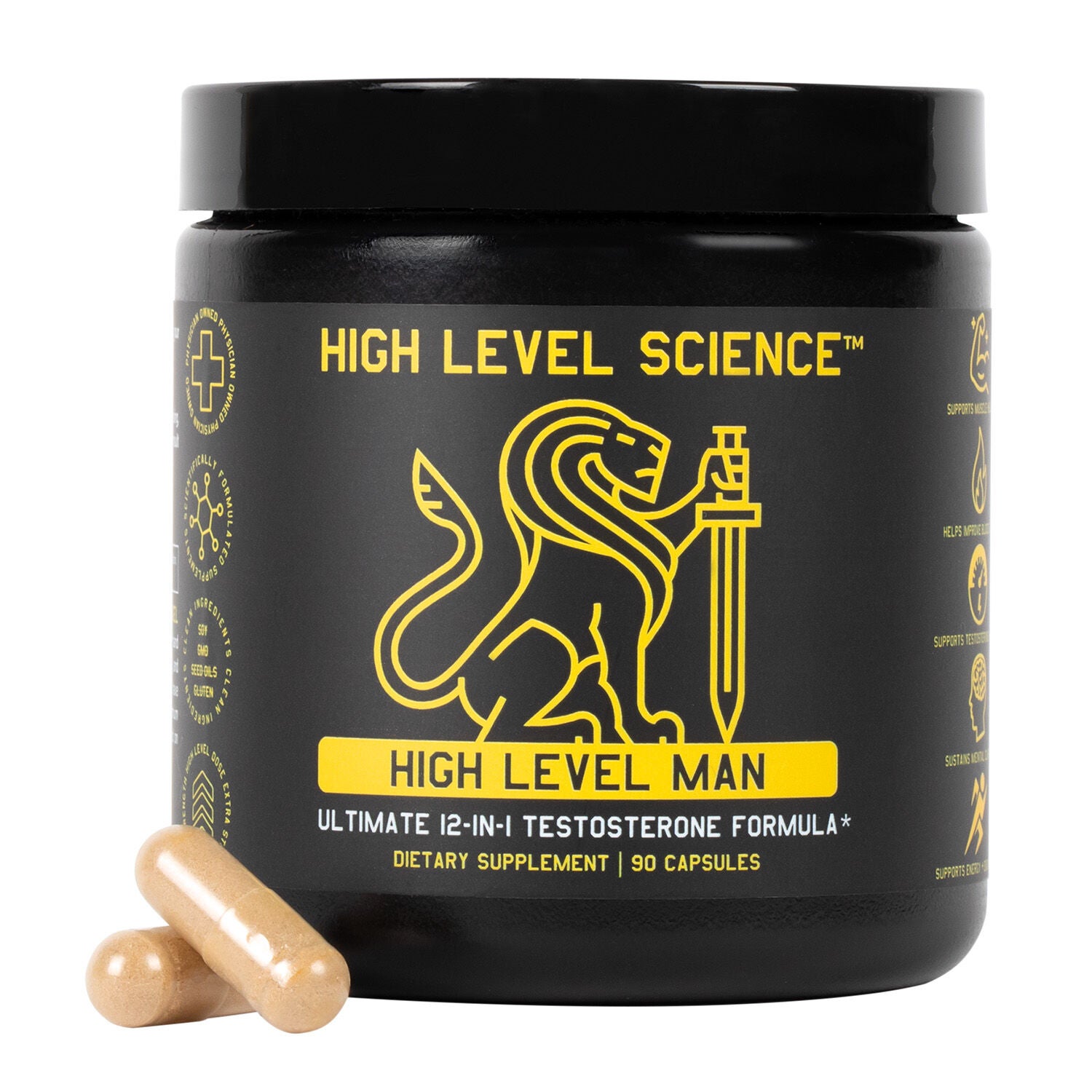
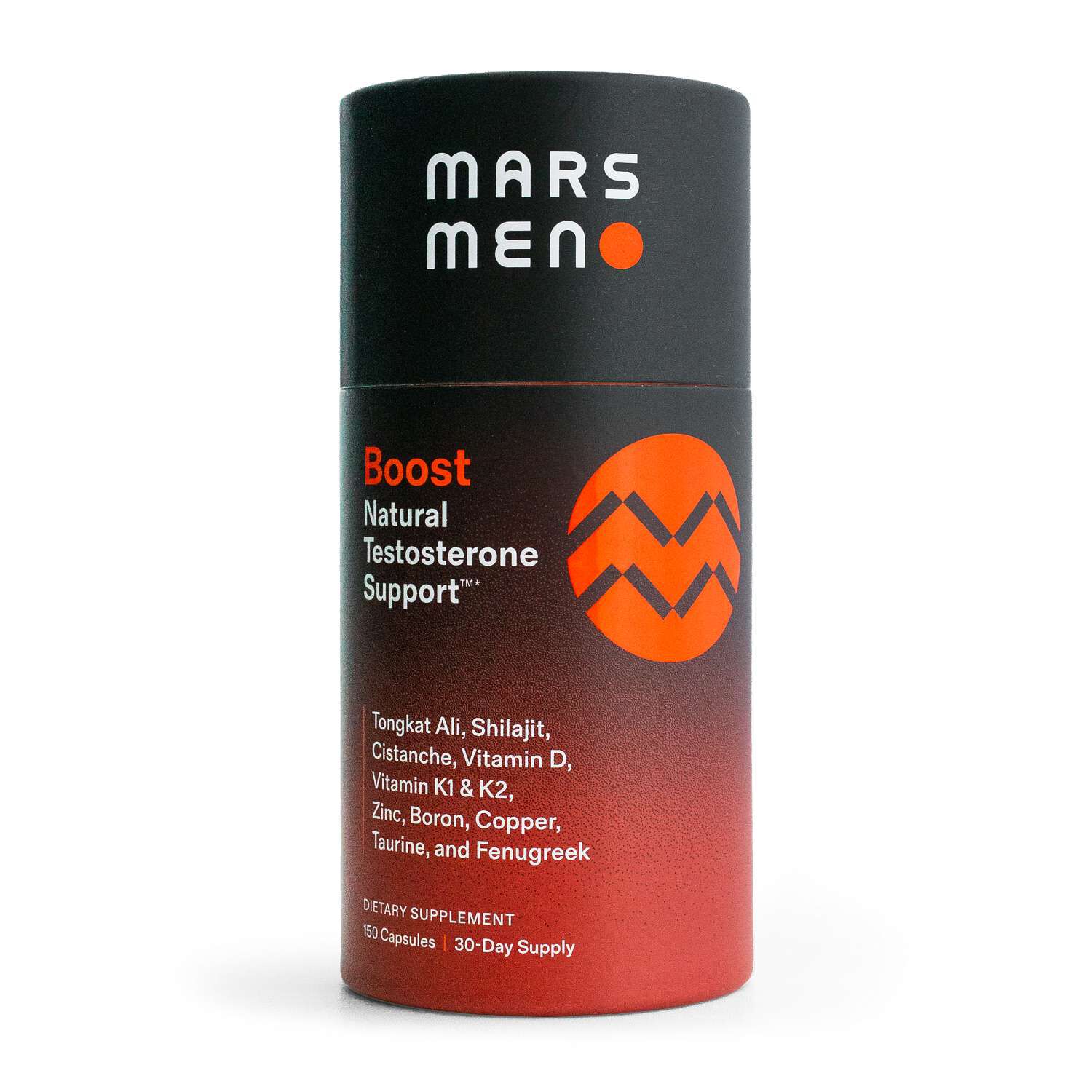
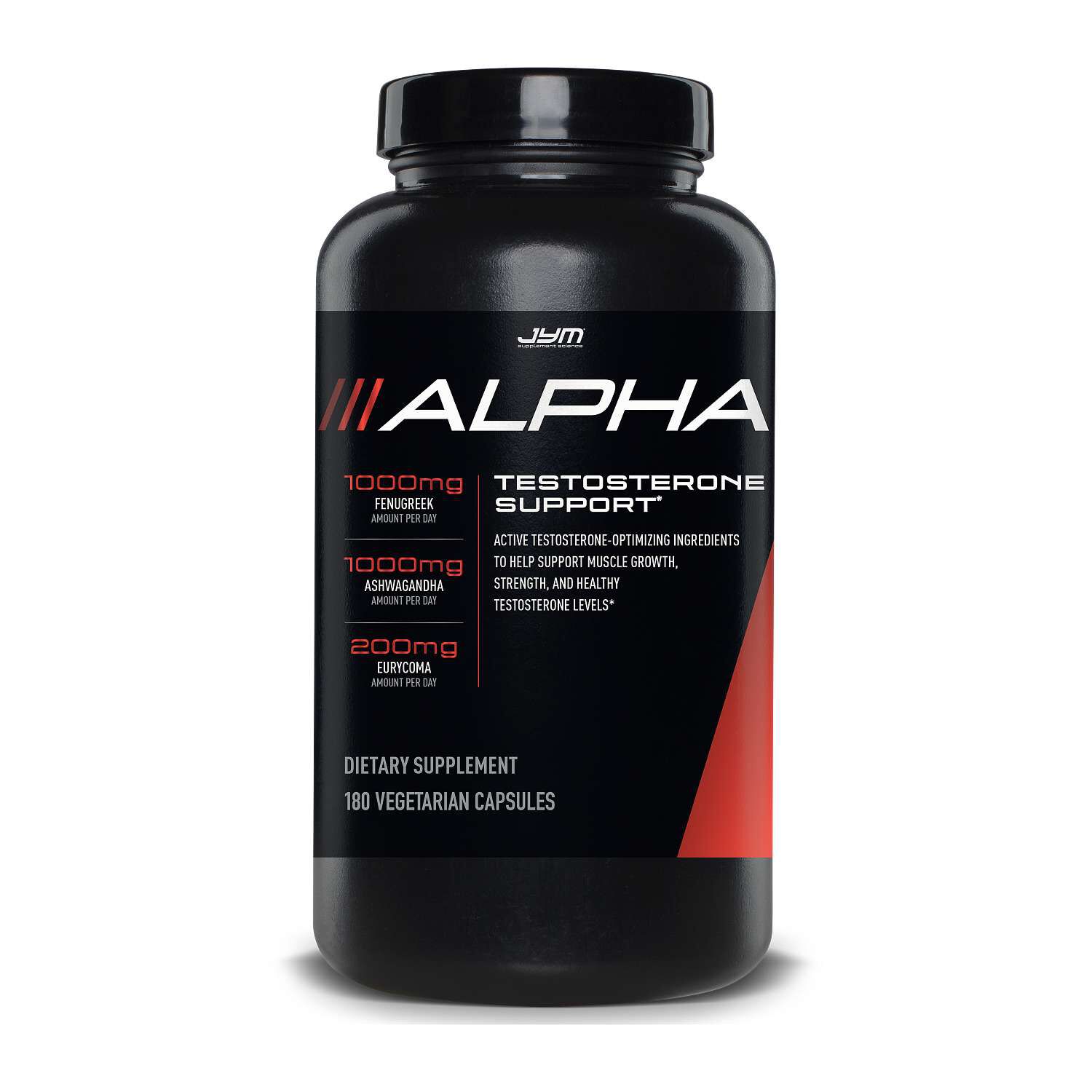
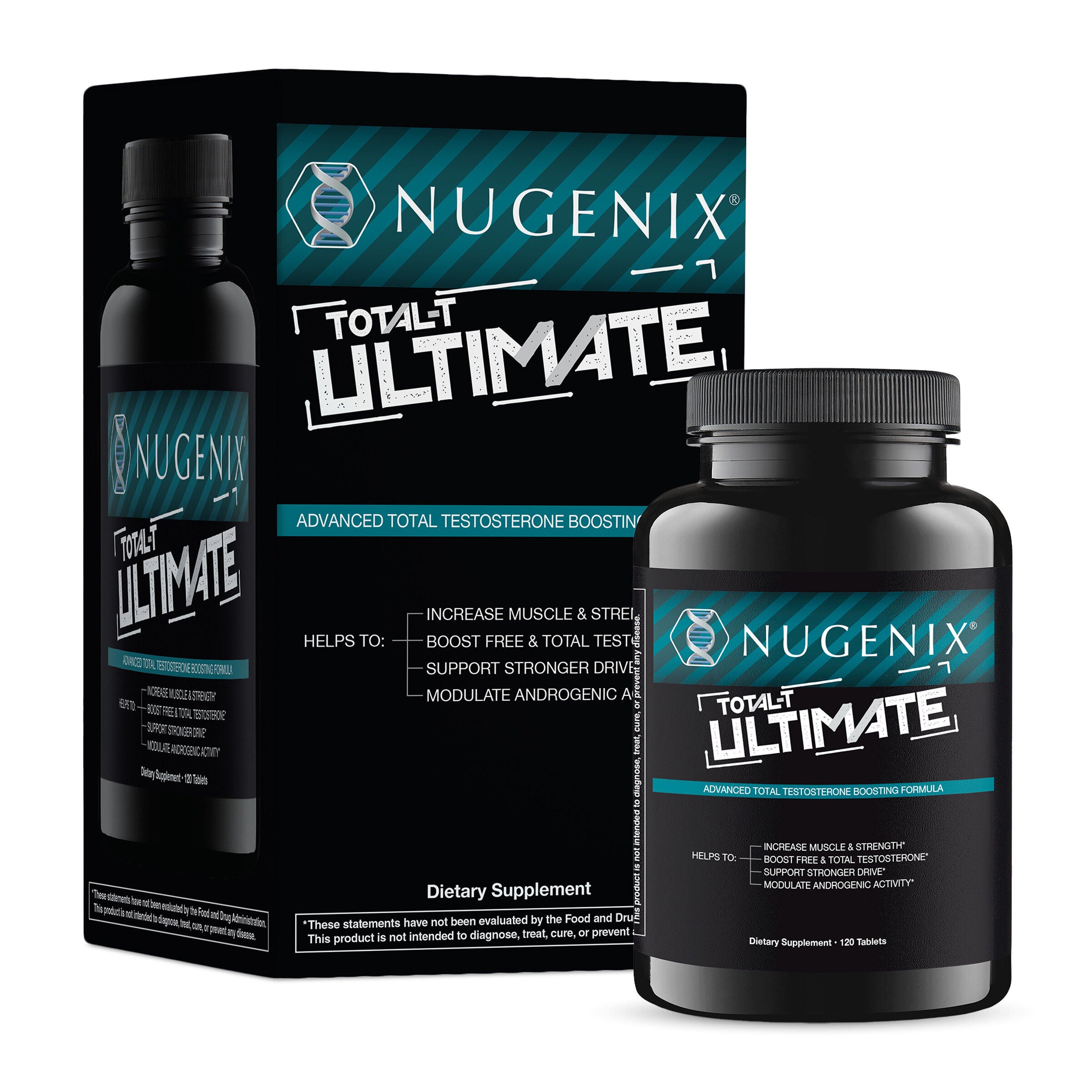
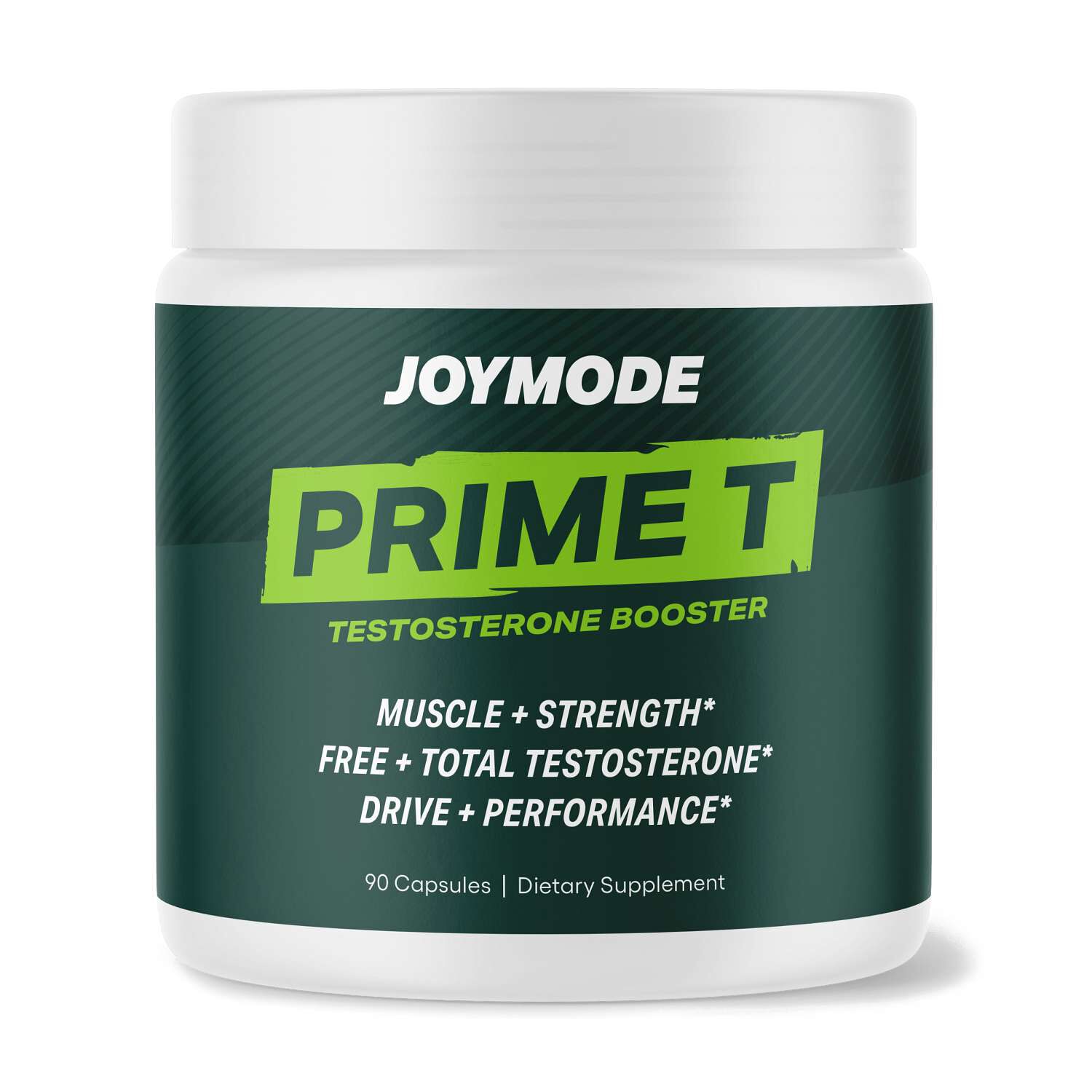
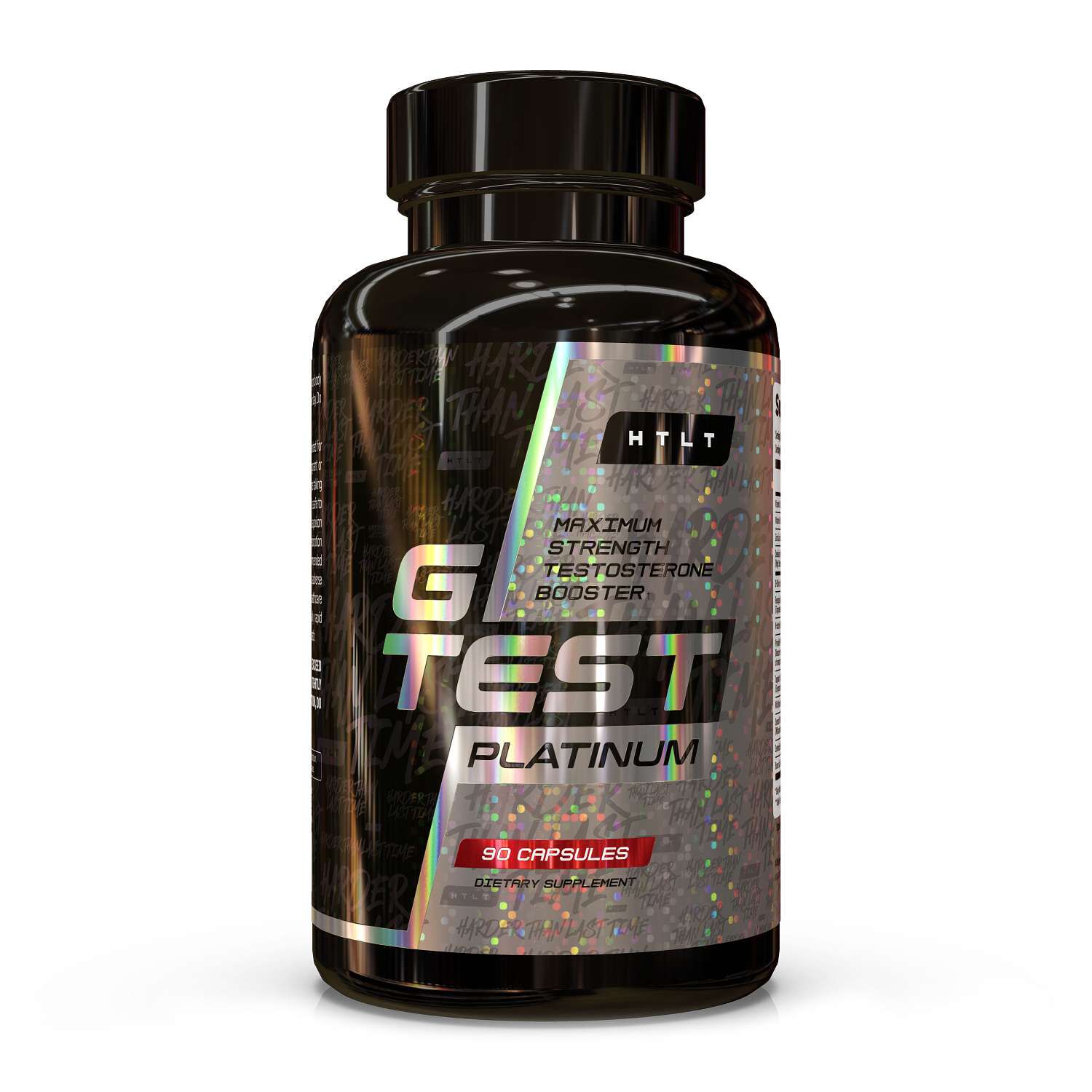
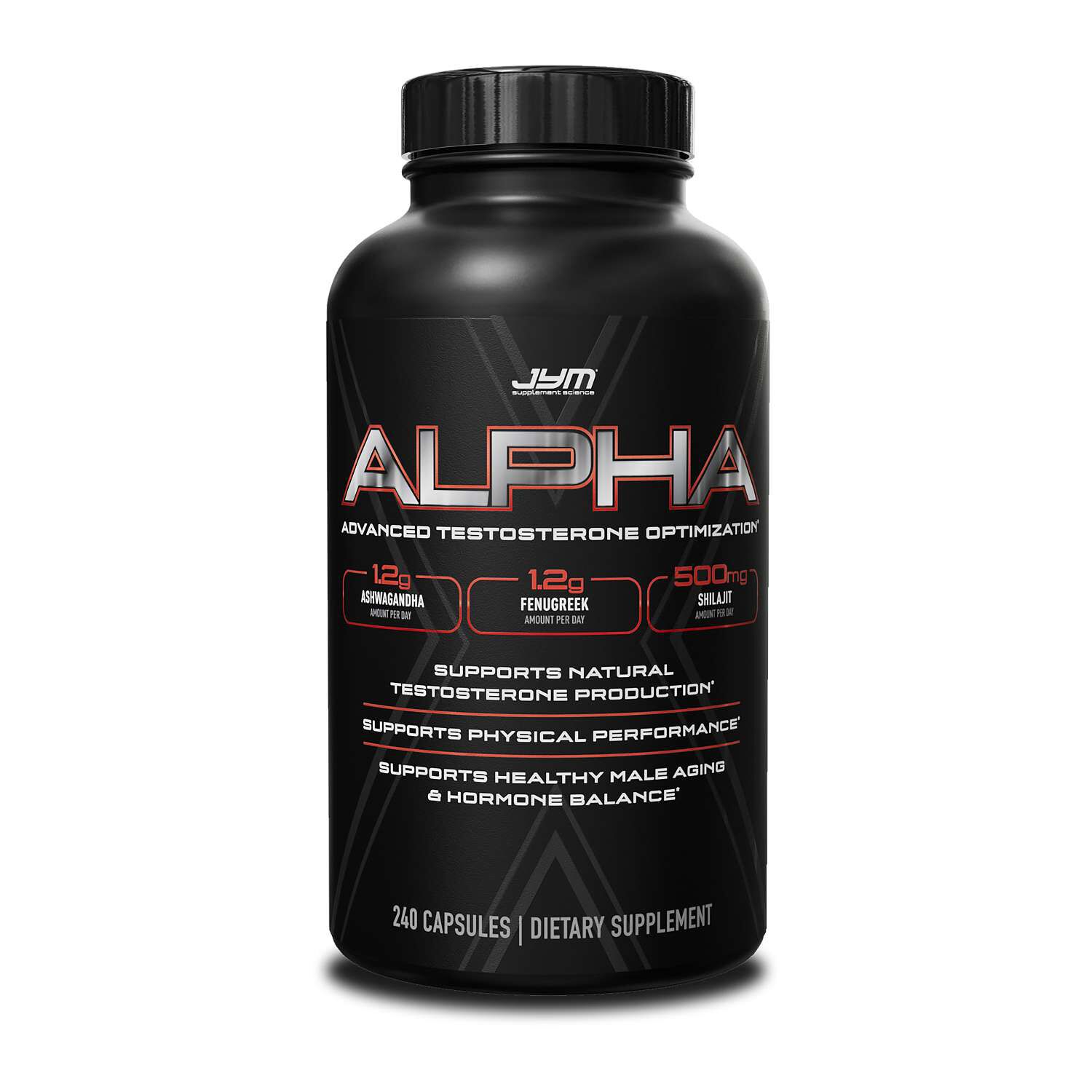
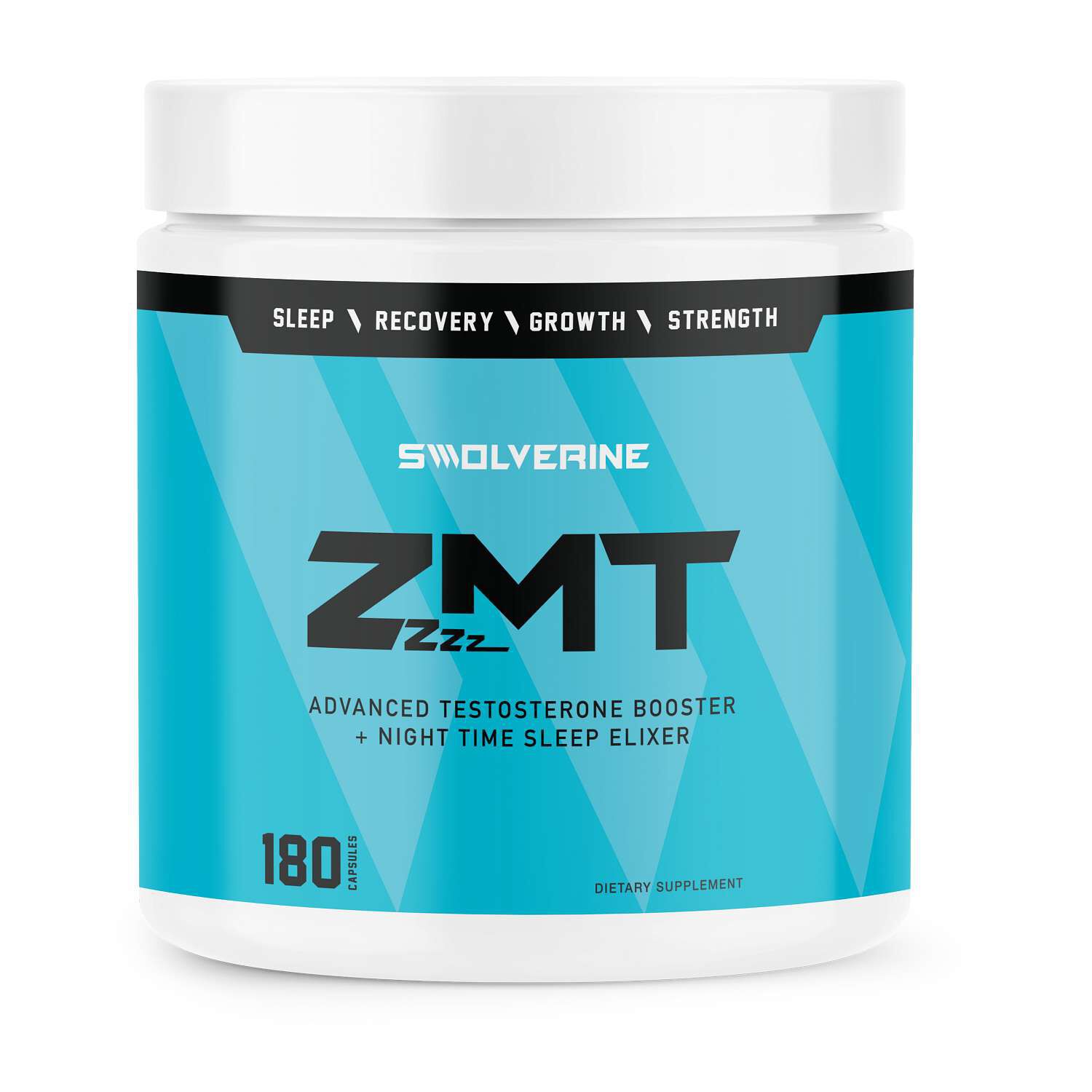
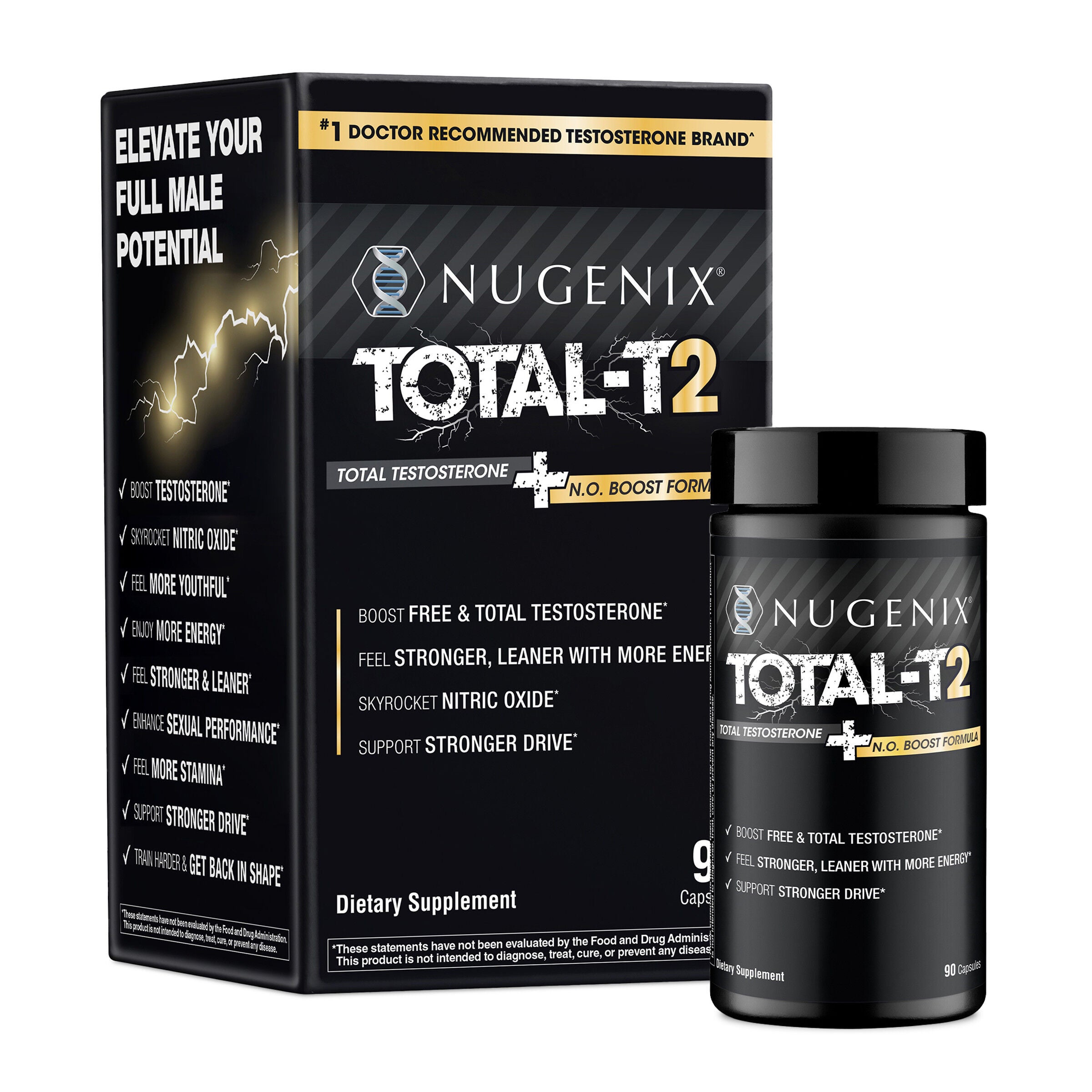
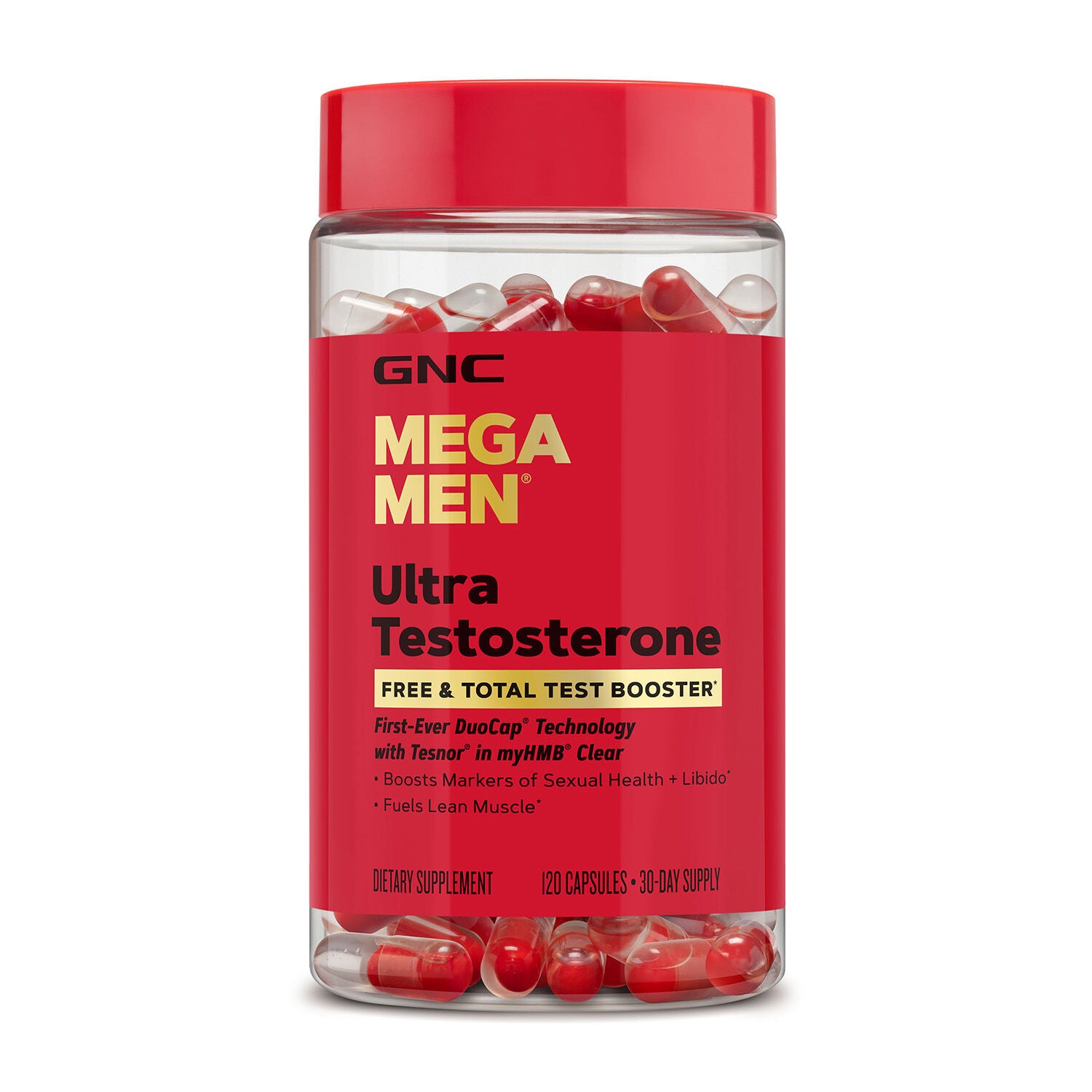
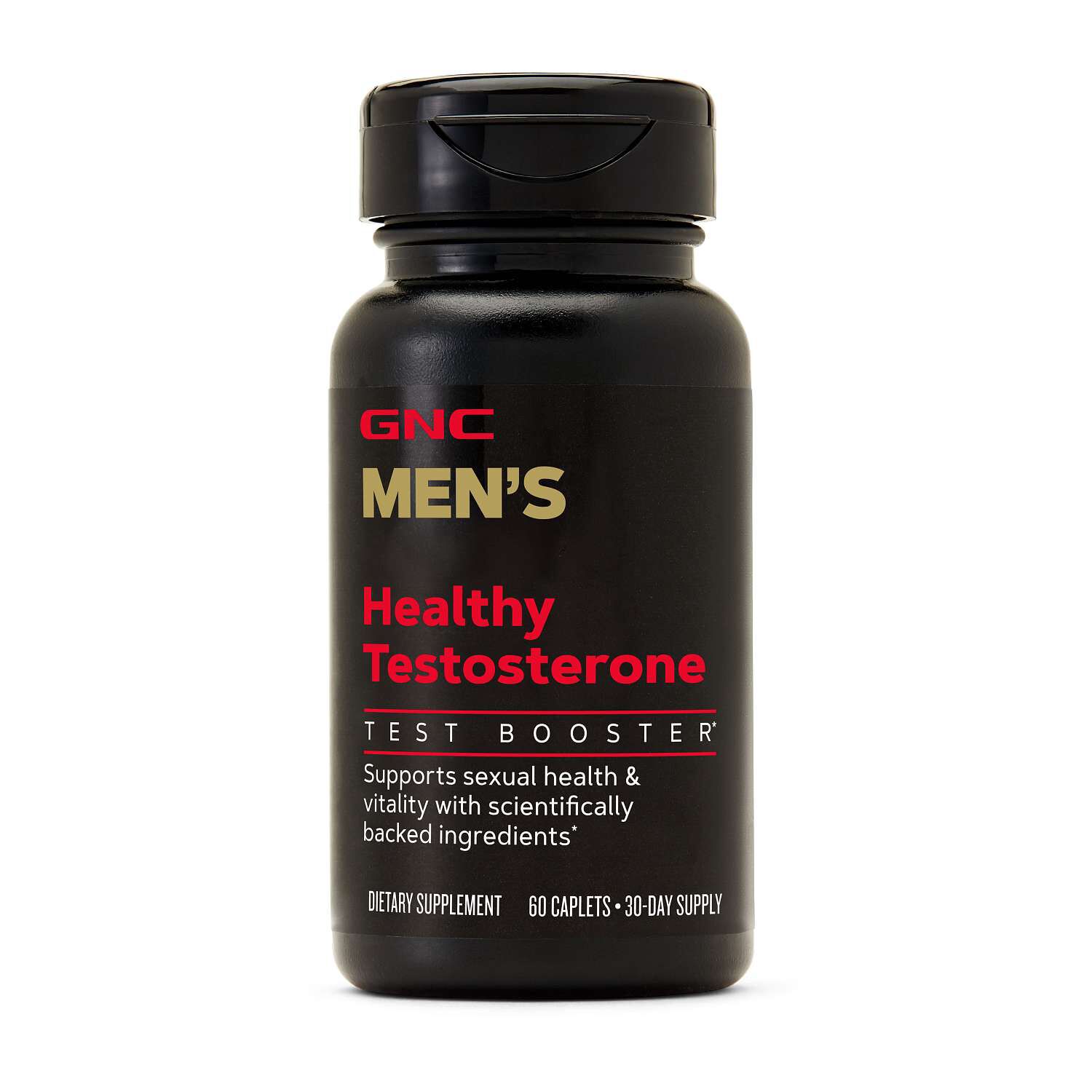
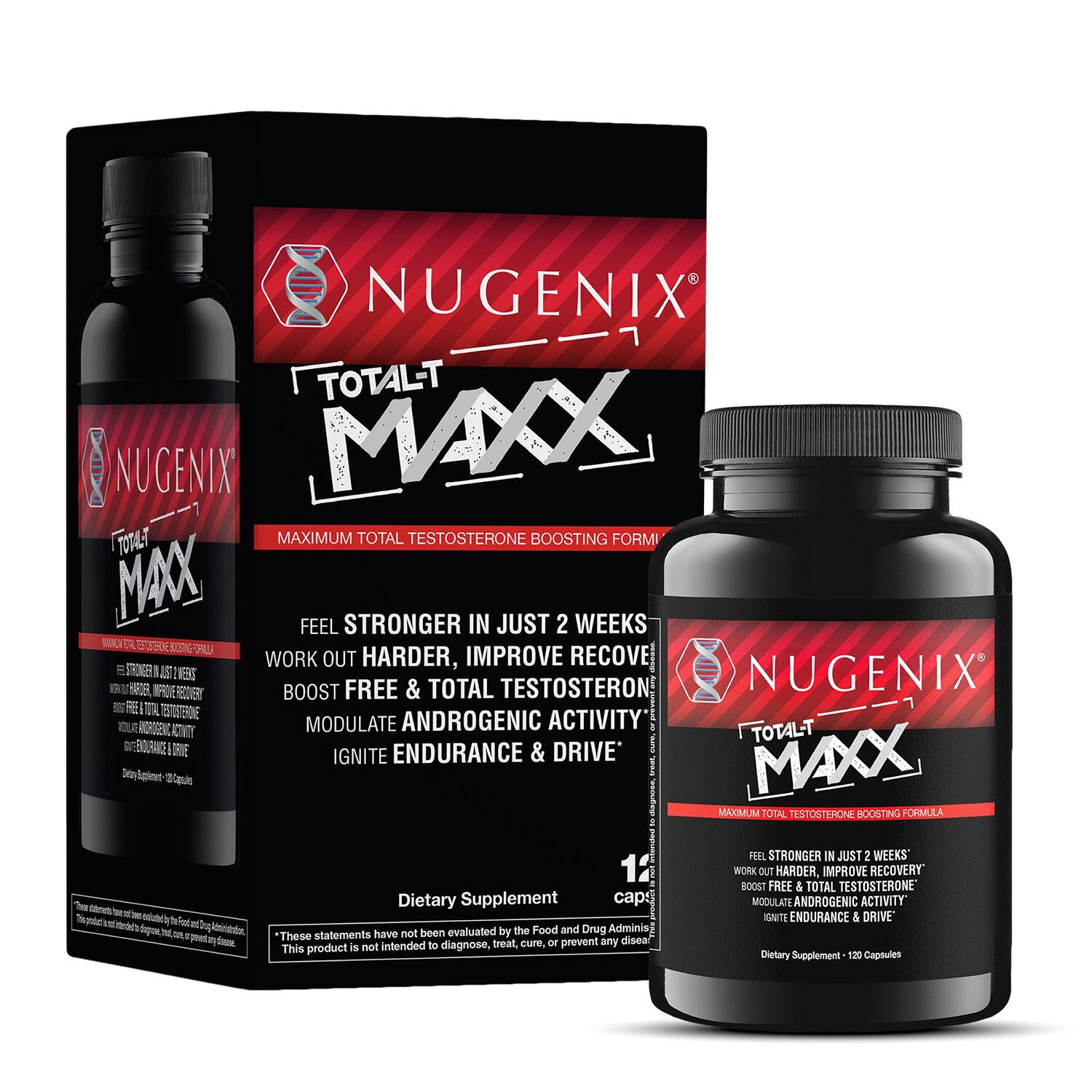
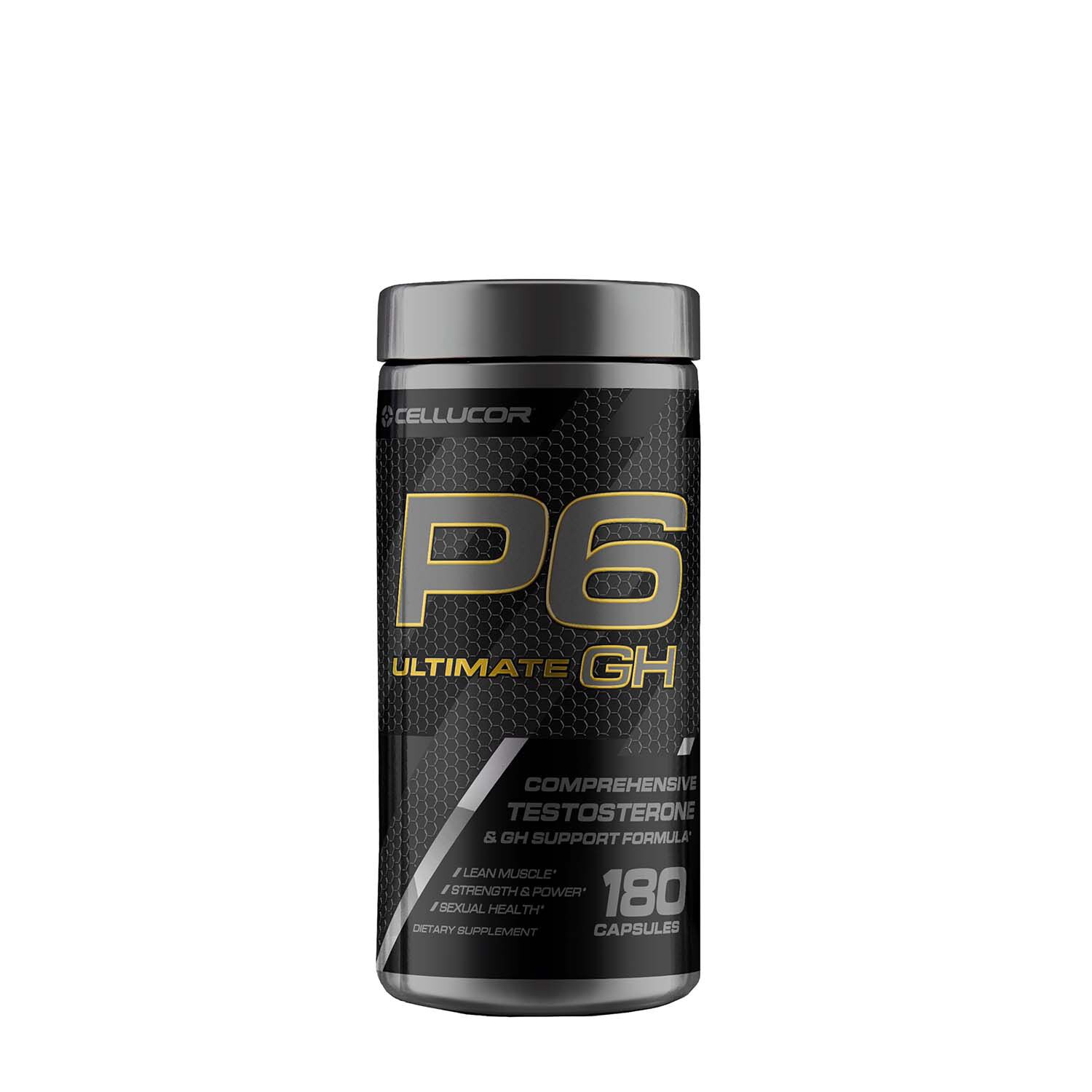
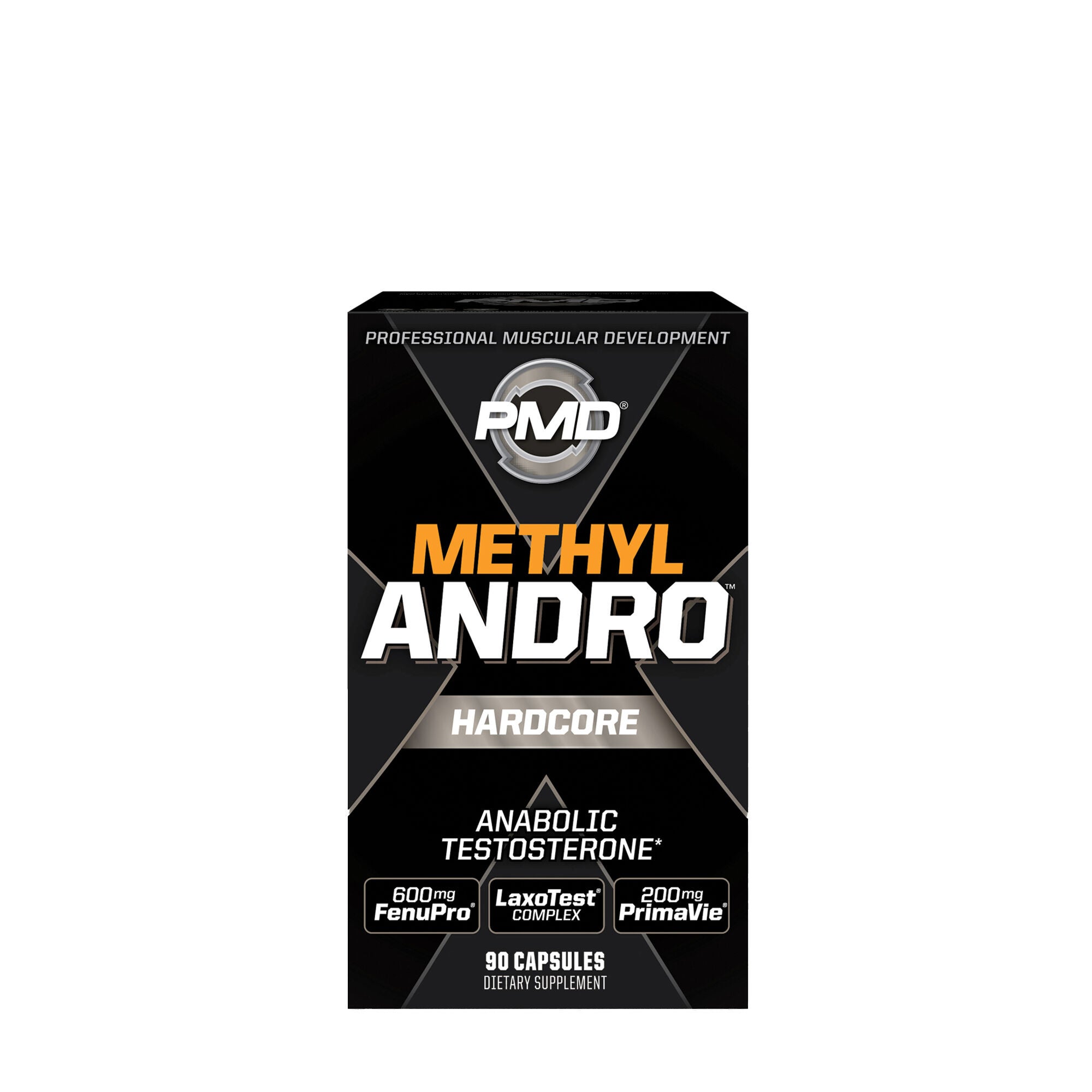
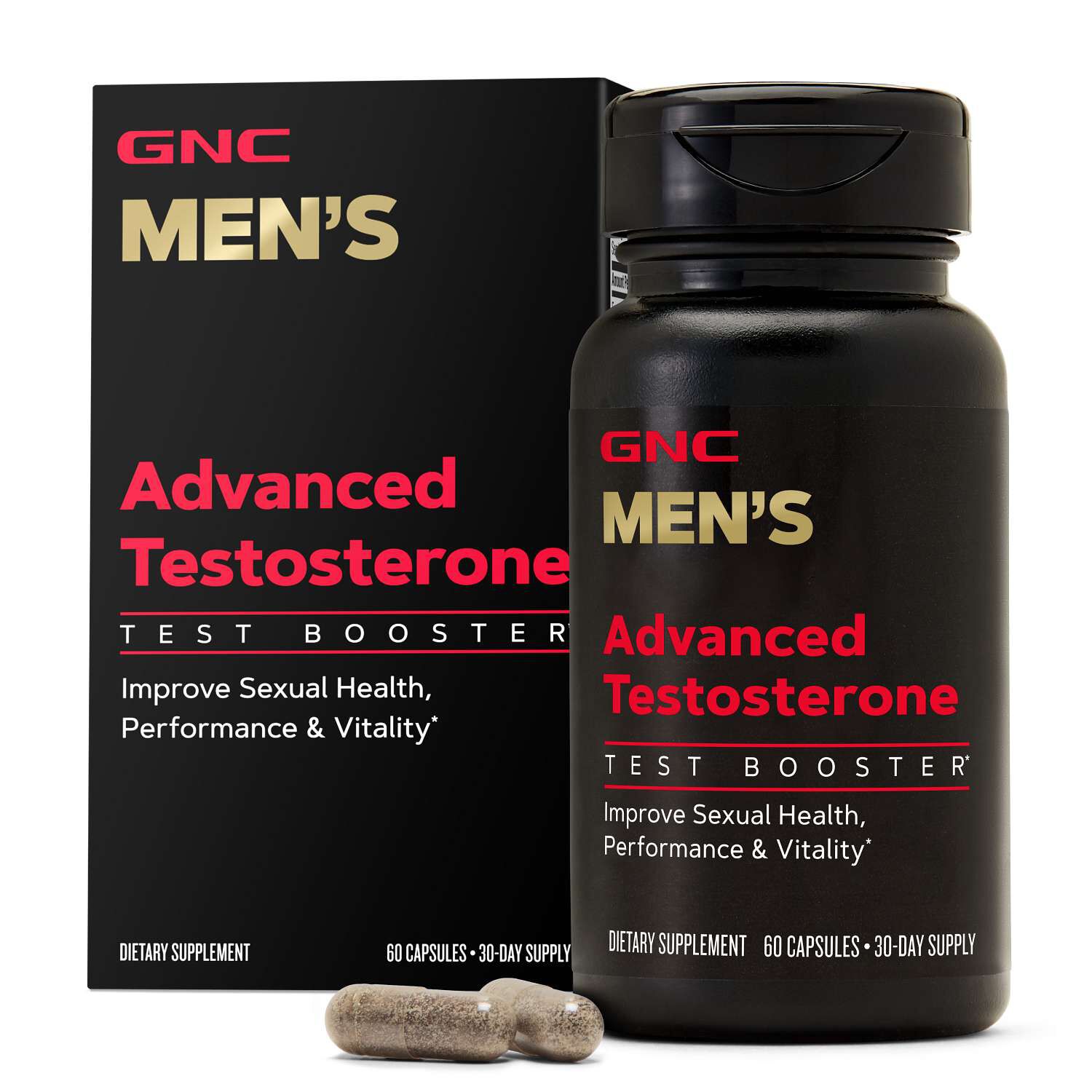
Adults exploring ways to increase testosterone may encounter a wide range of supplements with different ingredients, serving formats, and intended uses. Testosterone supplements are a shopping category rather than a single type of formula, so two bottles with similar descriptions can have very different contents. Some formulas center on botanical ingredients, while others combine vitamins, minerals, and plant extracts. The useful distinctions appear in the Supplement Facts panel: the ingredients included, the amount listed per serving, the number of capsules or tablets in that serving, and the other ingredients used to make the finished product. A bottle containing 90 capsules, for example, does not necessarily provide 90 servings. That detail matters for someone comparing a once-daily format with a formula that involves several capsules throughout the day. Intended use matters as well. An adult who already uses sports nutrition products may be looking for a straightforward addition to an established routine, while another shopper may prefer a formula with fewer ingredients and a label that is easier to compare. Neither a longer ingredient list nor a larger number on the front label establishes that a product will change testosterone. Food choices, exercise habits, sleep routines, and personal goals provide context for the purchase, but a supplement’s name does not establish its effects. For this category, a grounded comparison focuses on what is actually in the container and how the labeled directions fit everyday life. Capsule size, serving frequency, dietary preferences, and ingredient transparency all deserve attention alongside the product’s stated purpose. That approach keeps the shopping experience centered on clear, observable differences rather than dramatic language or expectations about how quickly someone might notice a change. It also leaves room for preferences that have little to do with the front label, such as whether a container fits in a gym bag or whether a flavored powder suits an existing beverage routine.
Botanical ingredients are one point of comparison within testosterone-focused supplements. Shoppers interested in Ashwagandha Fenugreek Testosterone Supplements can compare formulas by looking at the named plants, the plant parts used, and whether the label identifies a powder or an extract. Ashwagandha and fenugreek are distinct botanicals, and their appearance together on a label does not make every formula containing them equivalent. A label may identify a root, a seed, an extract ratio, or a standardized constituent; each detail describes something about the ingredient rather than establishing an outcome for the person taking it. Extract ratios and milligram amounts also describe different things, so a larger printed number is not, by itself, a reason to favor one formula. Some blends disclose an individual amount for every ingredient, while others list a combined blend amount. That difference affects how much detail is available for comparison. Vitamins and minerals, including vitamin D, zinc, and magnesium, may also appear in this category. Their presence adds another consideration for adults who already use a multivitamin or other daily supplements, because the same nutrient can appear across several labels. The listed nutrient amount and its percentage of Daily Value offer a more consistent comparison than front-label wording alone. Other ingredients can matter just as much to the shopping decision. Capsule shells may contain gelatin or plant-derived materials, while tablets can include coatings and binding ingredients. Powders and chewable formats may contain flavors, sweeteners, or colors that influence taste and texture. Allergen statements and dietary designations provide additional information for people with particular preferences or ingredient exclusions. A short formula may appeal to someone who wants a smaller set of ingredients to review; a combination formula may appeal to someone who prefers several ingredients in one serving. Those are differences in composition and convenience, not evidence that either approach produces a particular hormonal result. Clear labeling makes these distinctions easier to understand without relying on the size of the container or the prominence of a featured ingredient.
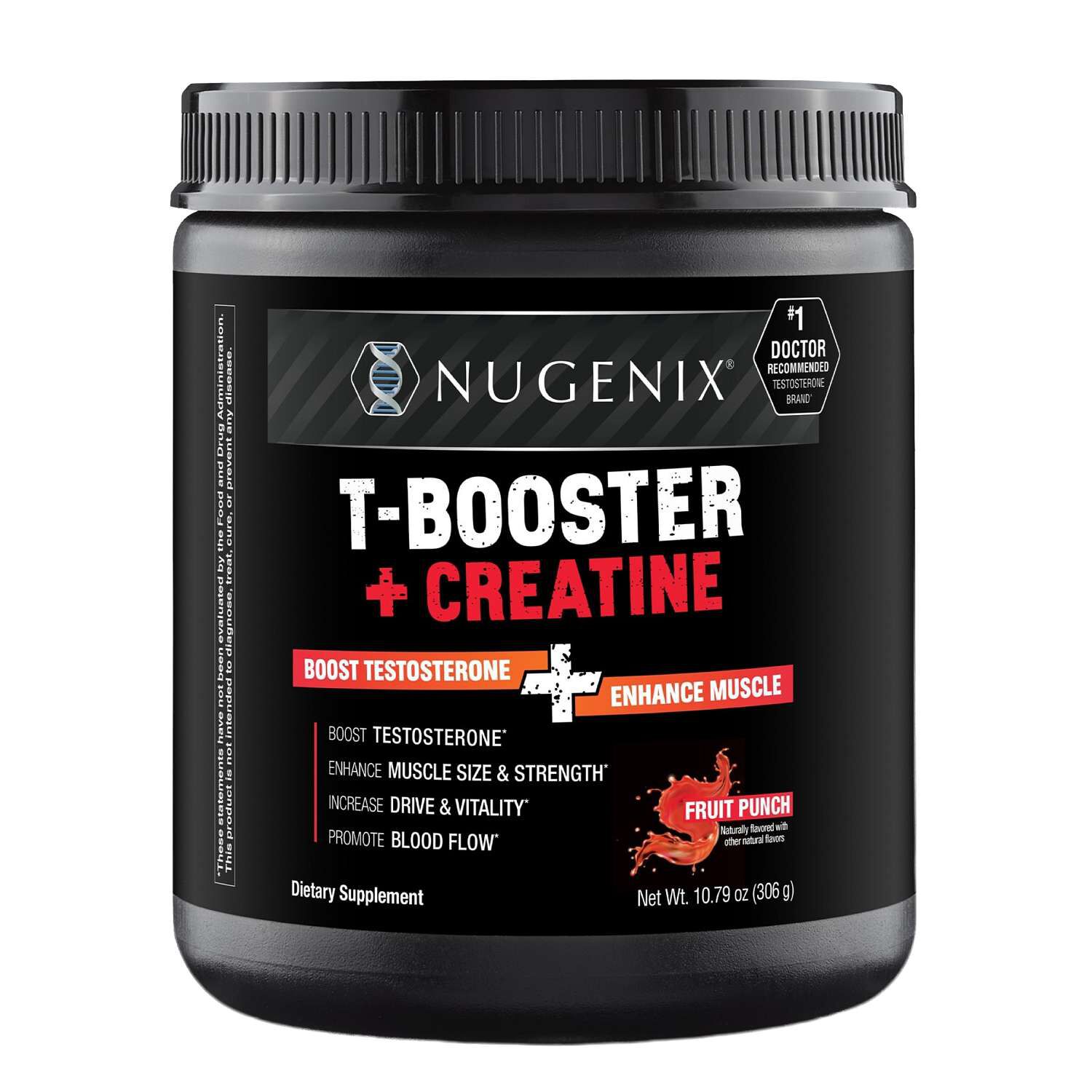
Everyday practicality becomes especially important when a supplement is intended for an ongoing routine. Capsules and tablets arrive in measured units, whereas powders involve measuring and mixing according to the package directions. A powder’s serving weight, suggested liquid amount, flavor description, and mixing instructions give a clearer picture of the experience than the container’s appearance. Someone heading from breakfast to an early workout may prefer a format without preparation, while a person who already mixes a daily beverage may find a powder easier to accommodate. Neither format establishes a different effect on testosterone simply because it is swallowed or mixed. Texture and portability are practical distinctions: a coated tablet feels different from a capsule, and a large tub takes up more room than a small bottle. Packaging also matters after purchase. A secure closure, readable label, intact inner seal where provided, and visible date marking are useful details when evaluating a supplement container. Storage directions explain the conditions intended for that particular formula; a steamy bathroom shelf, an open kitchen counter beside the sink, and a closed cabinet are not interchangeable environments. The original container keeps the ingredient list, serving directions, warnings, and lot information together, which can be convenient when several supplements share the same shelf. For households with more than one adult using nutrition products, clearly identified containers also make different formulas easier to distinguish. Personal preferences deserve the same care as these practical details. Taste, capsule size, animal-derived ingredients, and the amount of preparation involved can all influence whether a format feels manageable. Because testosterone-focused supplements are a personal purchase, familiarity with the intended user’s preferences matters more than choosing a formula based on packaging alone. The most useful comparison brings the ingredient profile, labeled serving, intended use, and storage requirements into the same picture, with realistic expectations about what a supplement label can establish.
Best Sellers
-
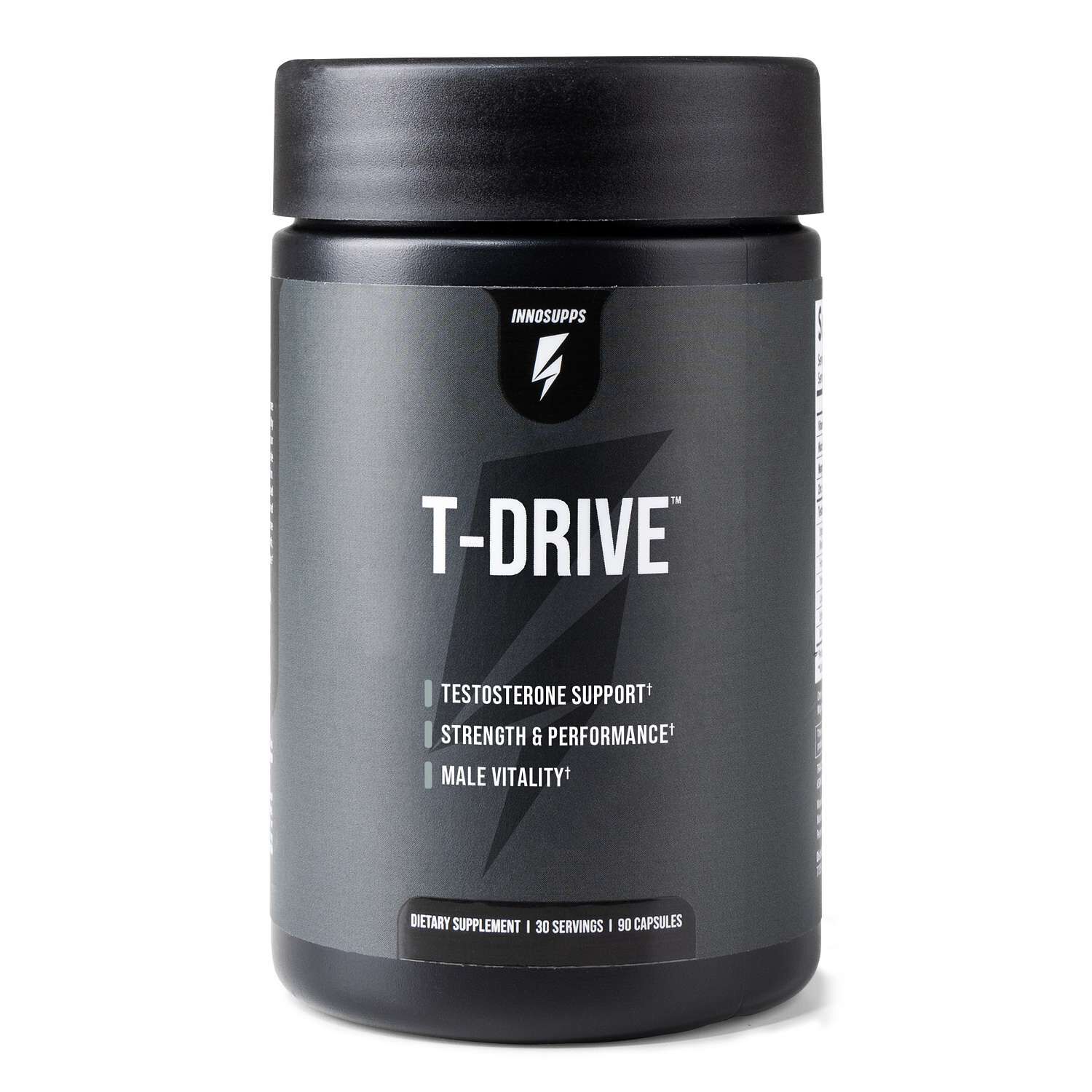 Inno Supps
-
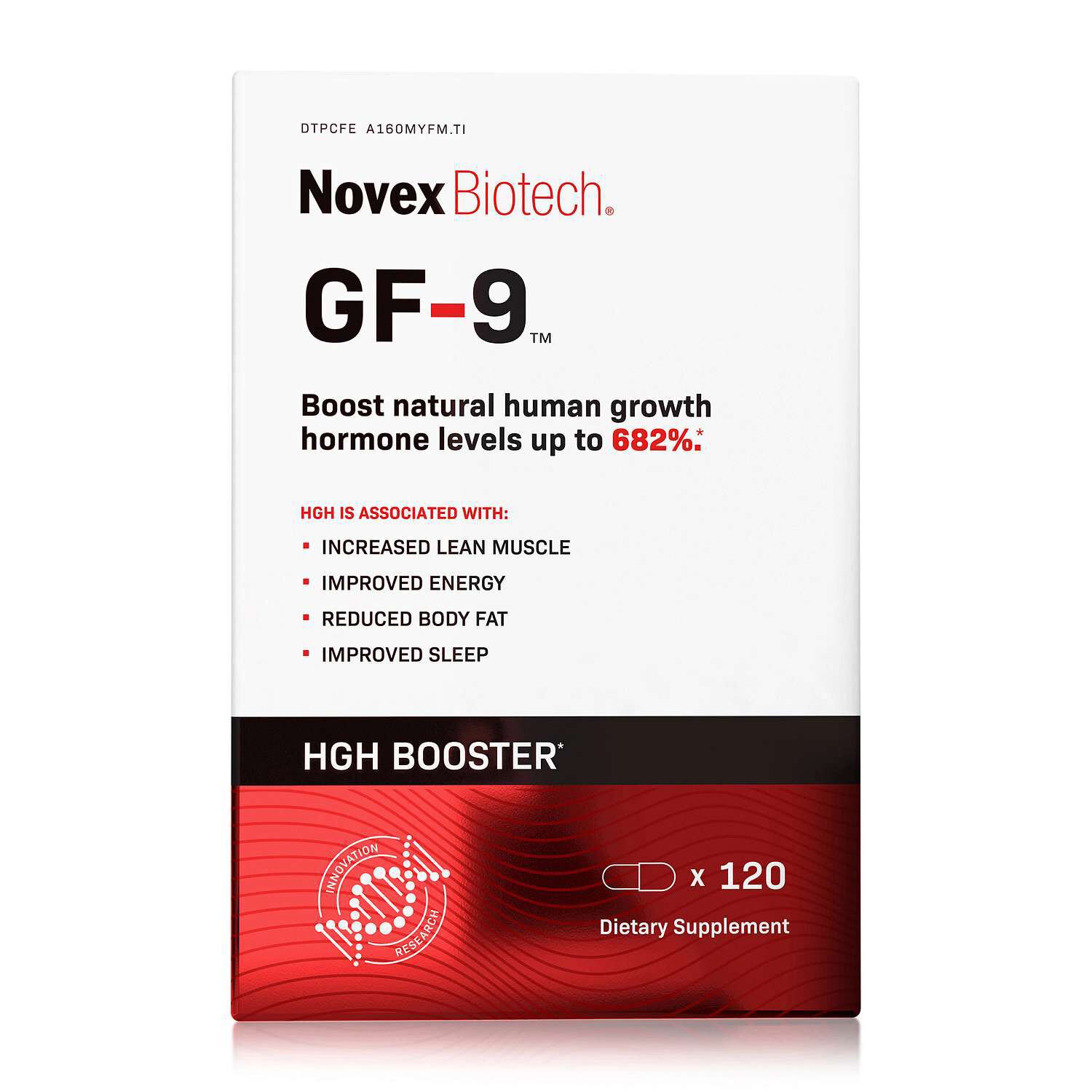 Novex Biotech
-
 SNAP Supplements