Wellness Complex Supplement Tablets
(0 Results)
Wellness complex supplement tablets could offer a convenient way to support your daily wellness routine. Designed with a blend of carefully selected ingredients, these tablets may help you prioritize your overall well-being. Whether you're looking to fill potential nutrient gaps or simply enhance your everyday health regimen, wellness complex supplement tablets might be a great addition to your lifestyle. Explore options that could complement your personal wellness goals and fit seamlessly into your day.




_Front.jpg?sw=305&sh=305&sm=fit "Pure Way-C Vitamin C and Bioflavonoids 1000+ mg - 90 Tablets (90 Servings) | GNC")


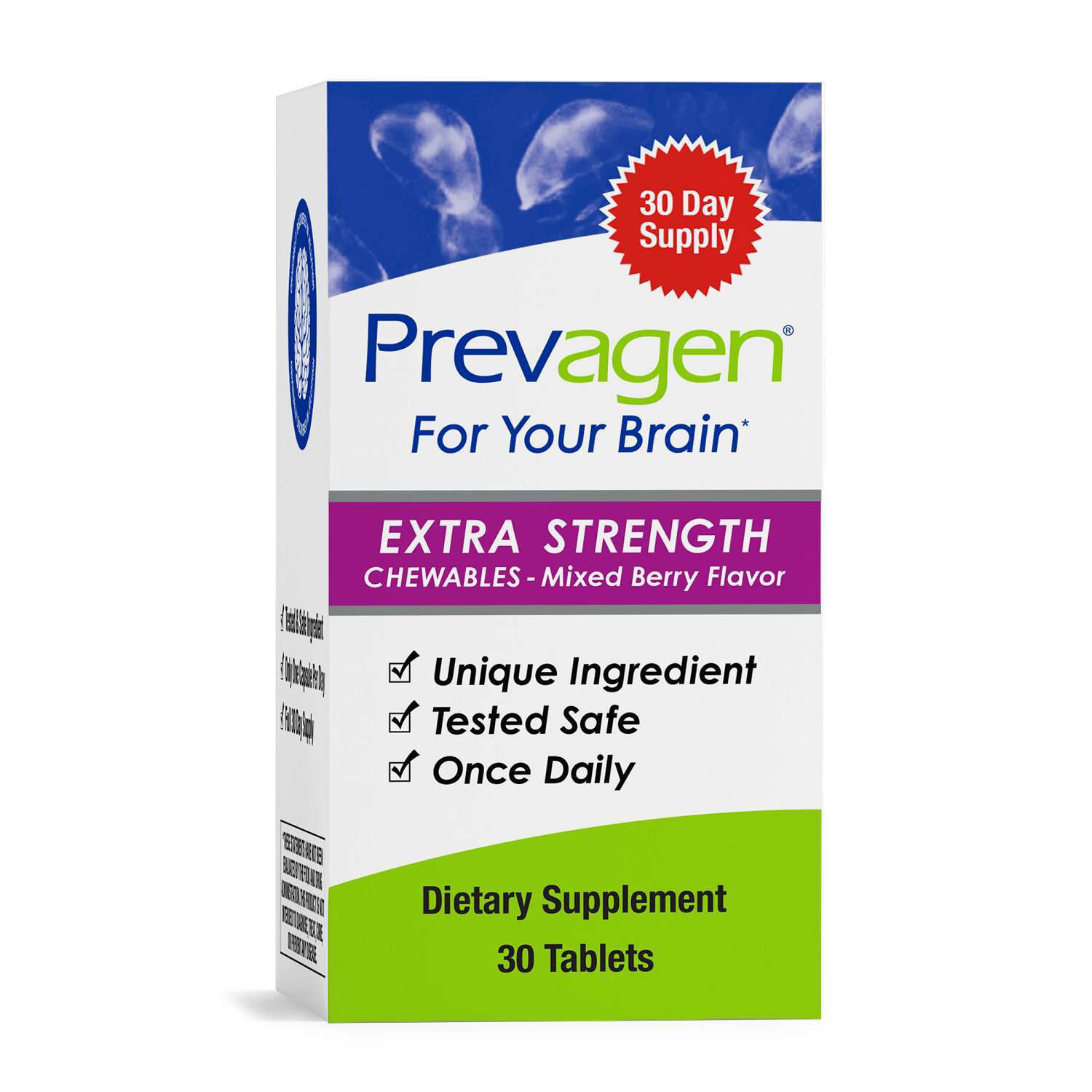
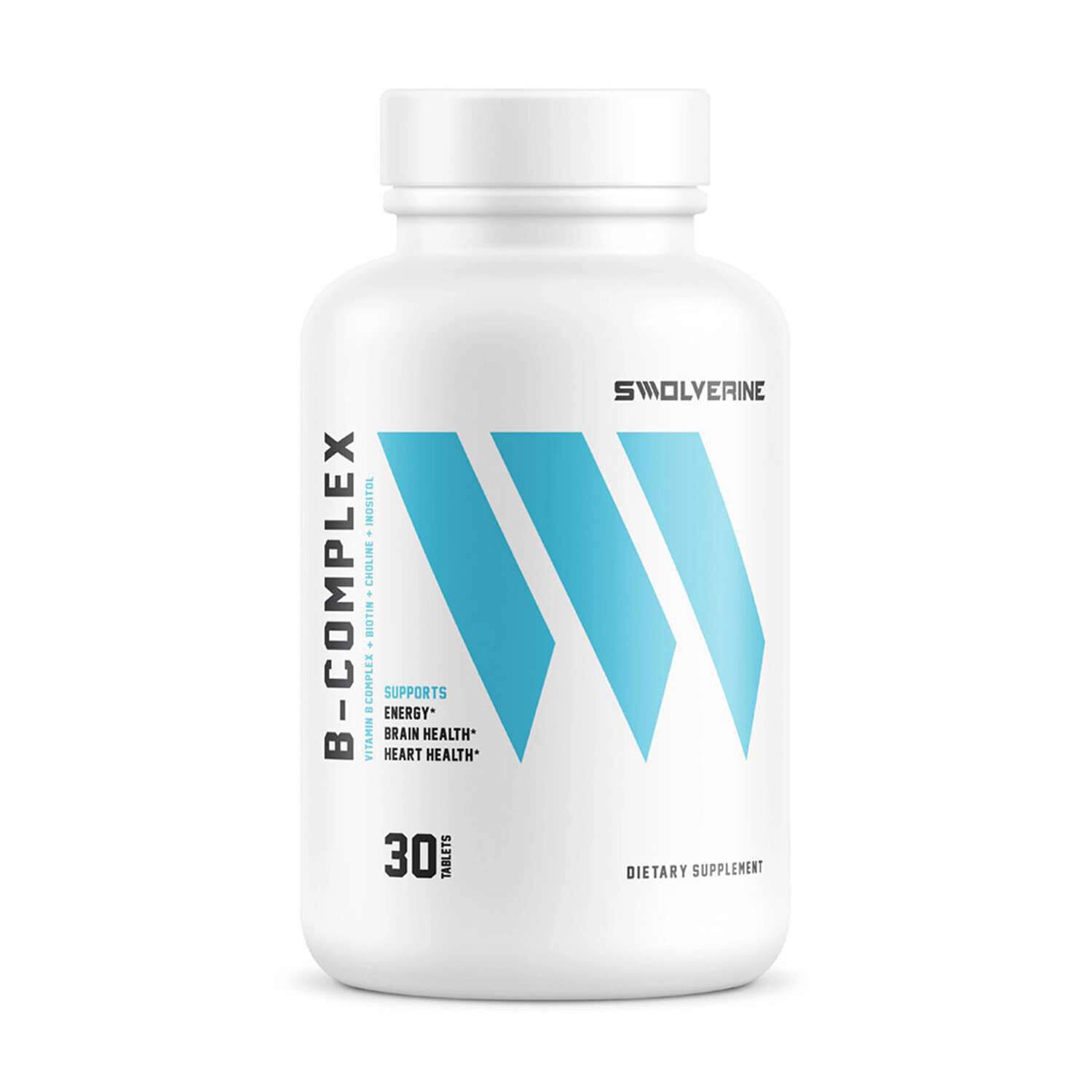
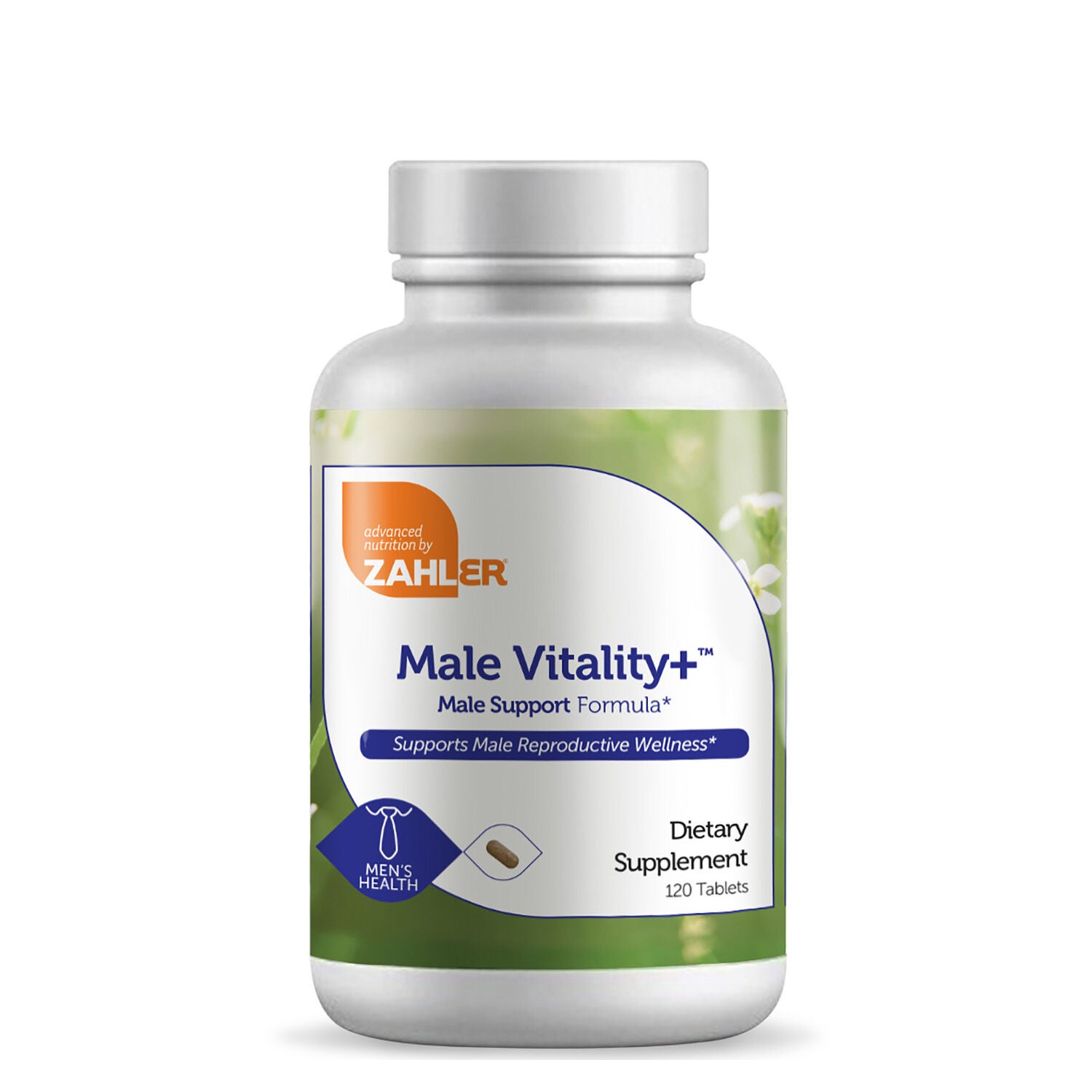


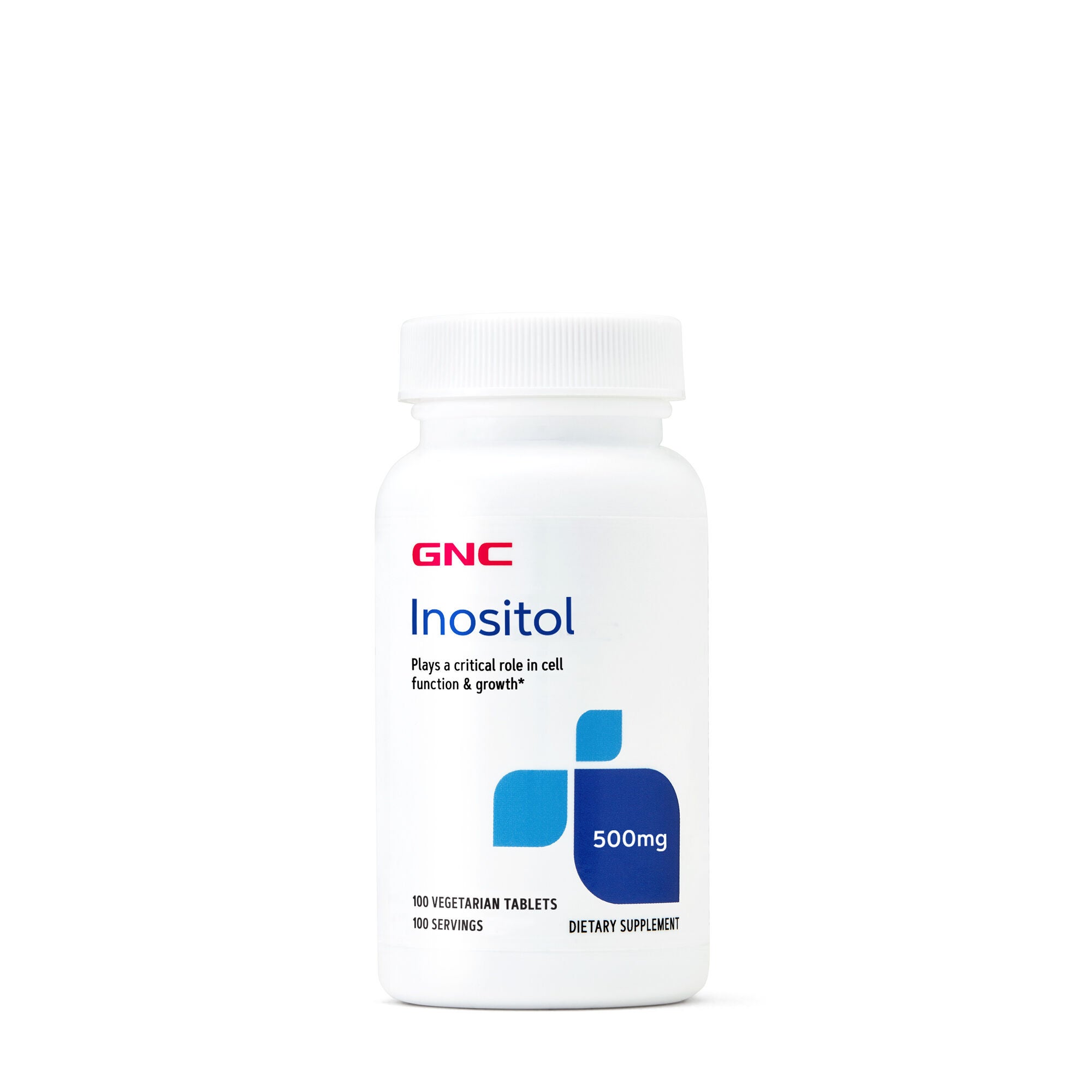
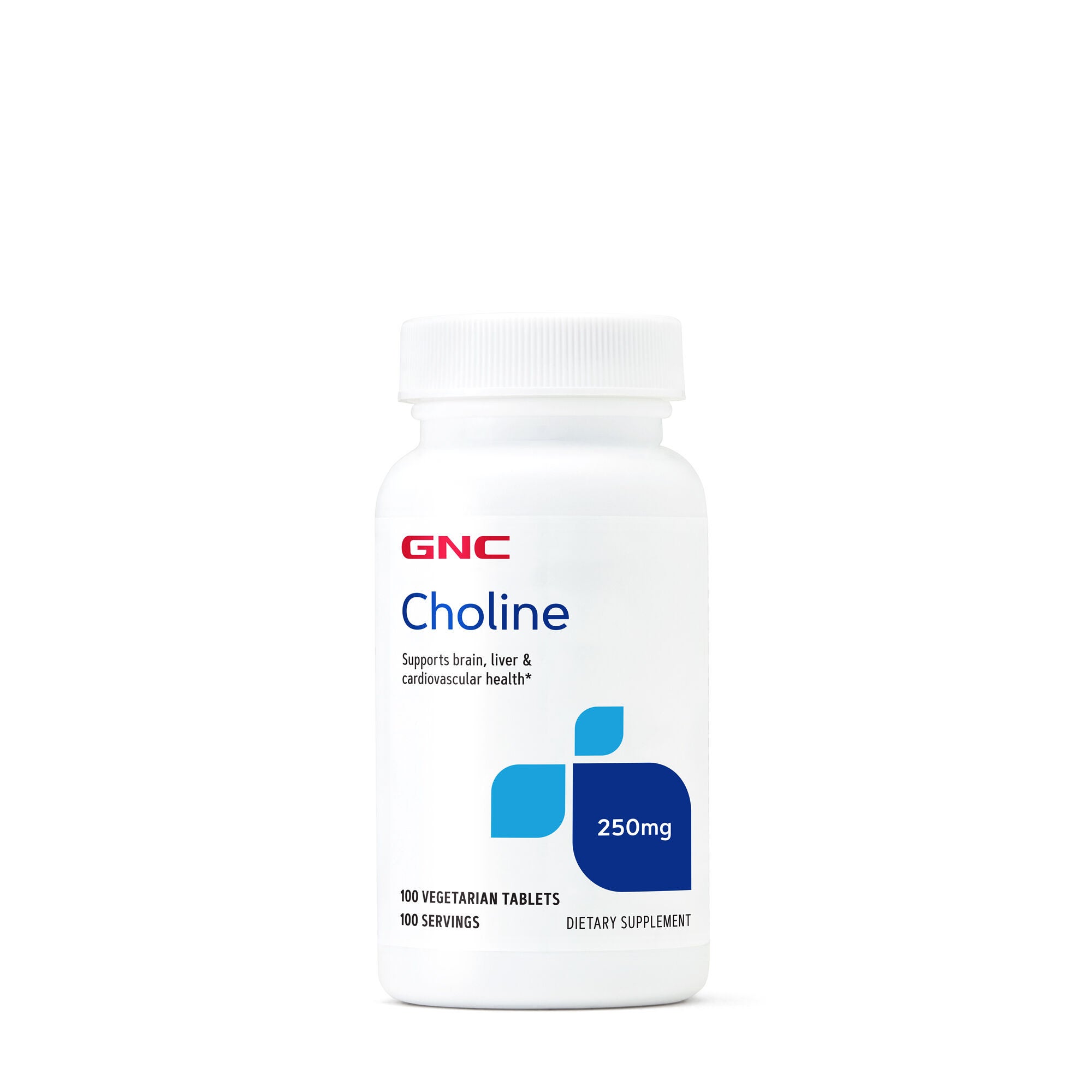
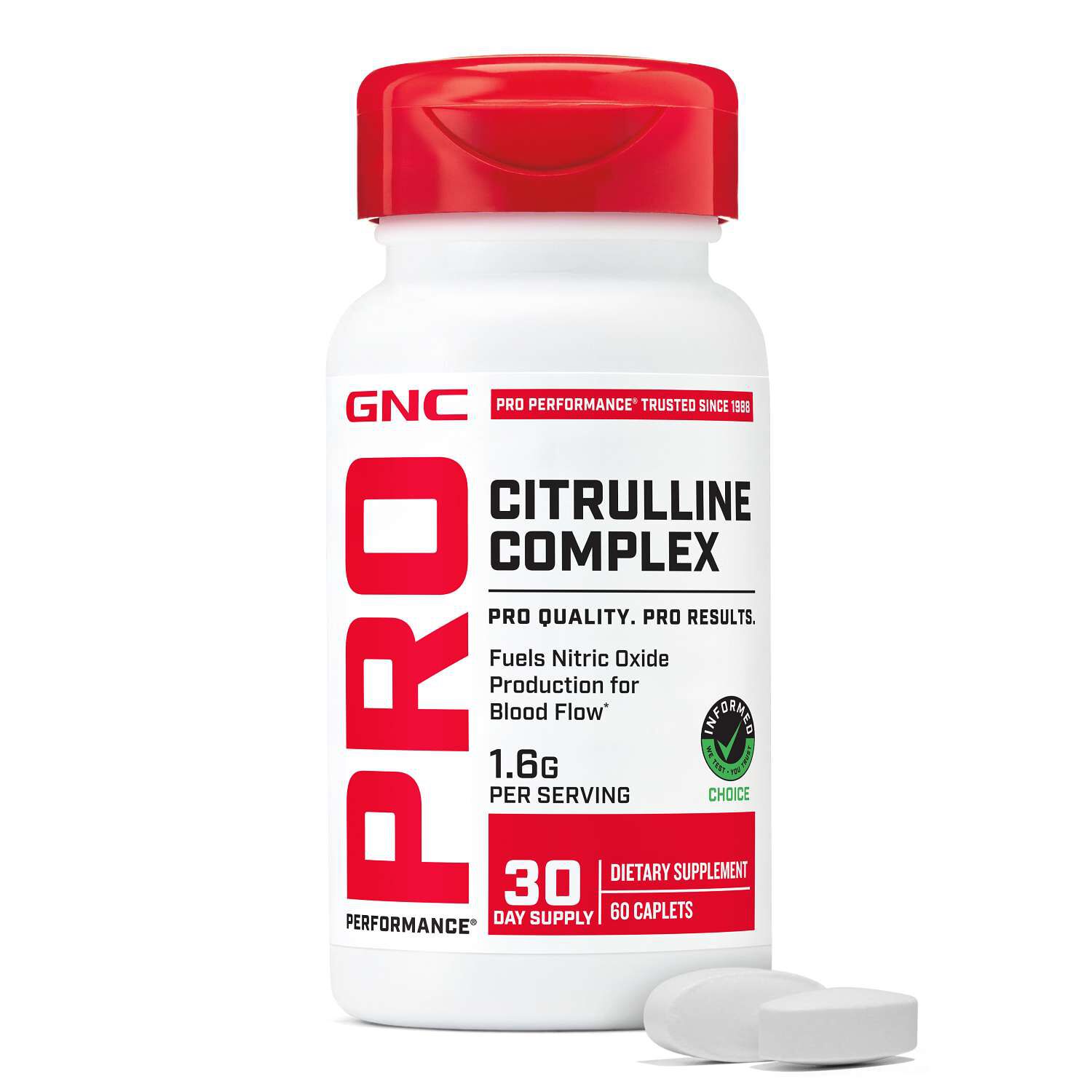


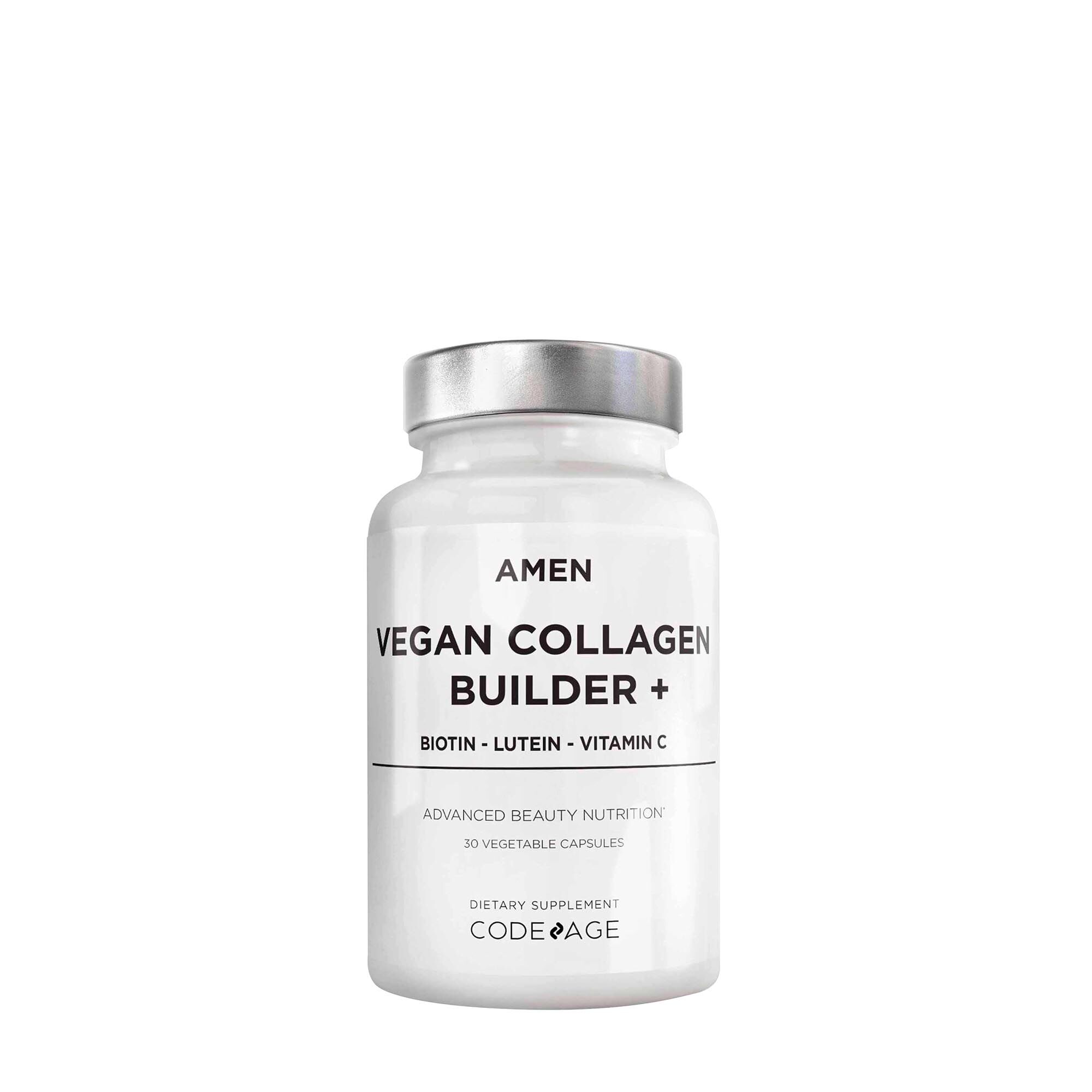
Wellness complex supplement tablets are a broad category of dietary supplements that combine vitamins, minerals, botanicals, or other nutritional ingredients in a solid tablet format. The word “complex” generally points to a blend rather than a single ingredient, but it does not describe one standard formula. One blend might focus on B vitamins, another might pair vitamins with minerals, and another might bring together nutrients and botanical extracts. That variety makes the ingredient panel more informative than the category name alone. A B-vitamin complex, for example, may contain thiamin, riboflavin, niacin, vitamin B6, folate, vitamin B12, biotin, and pantothenic acid, while a broader nutrient blend may include vitamins A, C, D, and E alongside minerals such as zinc or selenium. Botanical formulas may feature ingredients such as elderberry or ginger, with the exact combination depending on the formulation. These distinctions matter to adults comparing a broad daily supplement with a more narrowly focused nutrient blend. Tablets also have a distinct place among supplement formats: they contain compressed ingredients and usually have little preparation involved, unlike powders that need measuring and mixing. Their solid form may suit someone who prefers a bottle in a kitchen cabinet over a shaker cup on the counter. Still, the tablet format says little about the range of ingredients inside or the number of tablets in a serving. Two bottles with similar descriptions can differ in nutrient amounts, serving directions, tablet dimensions, and additional ingredients. Wellness complex supplement tablets are intended to complement food choices, not take the place of meals or dietary variety. For a shopper whose routine already includes breakfast at home, a packed lunch, and dinner with family, the practical comparison is often about the formula’s contents and how its labeled use fits that existing routine. A clear understanding of the blend starts with its composition, not with an expectation that every wellness tablet serves the same purpose.
The Supplement Facts panel brings those differences into focus by listing serving size, dietary ingredients, amounts per serving, and Daily Value percentages where established. Amounts are especially worth distinguishing from tablet count: a bottle containing sixty tablets does not necessarily contain sixty servings. Some formulas list one tablet per serving, while others list two or more, so the front label alone may not tell the whole story. Percent Daily Value offers another point of comparison, but a larger percentage is not automatically a closer match for every shopper. Ingredient forms also vary. Labels may identify vitamin D as D2 or D3, for example, or name a particular mineral compound rather than listing only the mineral itself. Botanical details can be equally specific, including the plant name, the plant part used, and whether an ingredient is a powder or an extract. When a label identifies a blend without giving a separate amount for every component, that presentation differs from a formula that lists each ingredient individually. Beyond the featured nutrients, the other ingredients list describes materials involved in making the tablet, such as cellulose, starches, binders, coatings, or coloring ingredients. Those details are relevant to shoppers comparing plant-based preferences, ingredient sources, or particular dietary requirements. A tablet’s appearance does not establish its suitability for those preferences; the label’s ingredient and dietary statements provide a firmer basis for comparison. For those interested specifically in combinations of several nutrients, Multi Nutrient Wellness Tablets offers a related category to explore alongside wellness complexes that include botanicals or other ingredients. The distinction is useful because “wellness complex” and “multi nutrient” can overlap without describing identical compositions. Someone seeking a vitamin-and-mineral blend may compare differently from someone interested in a botanical-centered formula. Reading the category through those concrete differences keeps the focus on what is actually in a serving, how the ingredients are presented, and whether the format matches personal preferences.
Everyday fit involves the physical tablet and its packaging as much as the ingredient blend. Tablets vary in length, width, shape, and surface finish; some are round, others are oblong, and some have a smooth coating. A compact bottle does not necessarily contain small tablets, and photographs may not make dimensions obvious. Product descriptions and labeled directions can help distinguish tablets intended to be swallowed from chewable formats, which are a separate consideration. Serving instructions may also specify timing or use with food, details that affect how a supplement fits into an ordinary day. An adult who eats a leisurely breakfast at home may have different format preferences from someone who carries breakfast to an office and wants fewer things to organize. Neither scenario changes the formula, but each makes practical details such as serving count, closure style, and label readability more noticeable. Packaging care matters, too. Supplement tablets are not durable household goods; their condition depends in part on appropriate handling, storage, and attention to the printed expiration information. The original container keeps the ingredient panel, directions, lot information, and storage instructions together. A properly closed bottle stored according to its label is a different setup from loose tablets carried in a bag or left beside a damp sink. For households with children, storage out of their reach is another important consideration. Comparing a new wellness complex with supplements already in the household can also reveal repeated ingredients that may be easy to overlook when the bottles have different names. That comparison is about understanding the labels rather than assuming that more ingredients make a better choice. These tablets are generally a personal purchase because dietary preferences, tablet size preferences, and existing routines differ from person to person. Even for someone who enjoys thoughtful wellness-related gifts, a supplement calls for more familiarity with their preferences than a water bottle or lunch bag. Across this category, the most useful distinctions remain straightforward: the type of blend, the amount and form of each listed ingredient, the labeled serving, the tablet’s physical characteristics, and the care its packaging requires. Together, those details give wellness complex supplement tablets a clearer identity than broad wellness language alone.