Wellness Gifts Under 25 Dollars
(0 Results)
Wellness gifts under $25 could be the perfect way to show someone you care—without stretching your budget. Thoughtful options for self-care, relaxation, and daily support might help make any occasion extra special. Whether you’re shopping for a friend, family member, or coworker, these affordable finds may inspire healthy habits and add a little positivity to their routine. Discover wellness gifts under $25 that could bring a smile to anyone’s day.
-
-

-
 Oak and Reed$15
-
-
 Oak and Reed$15
-

-
-
-
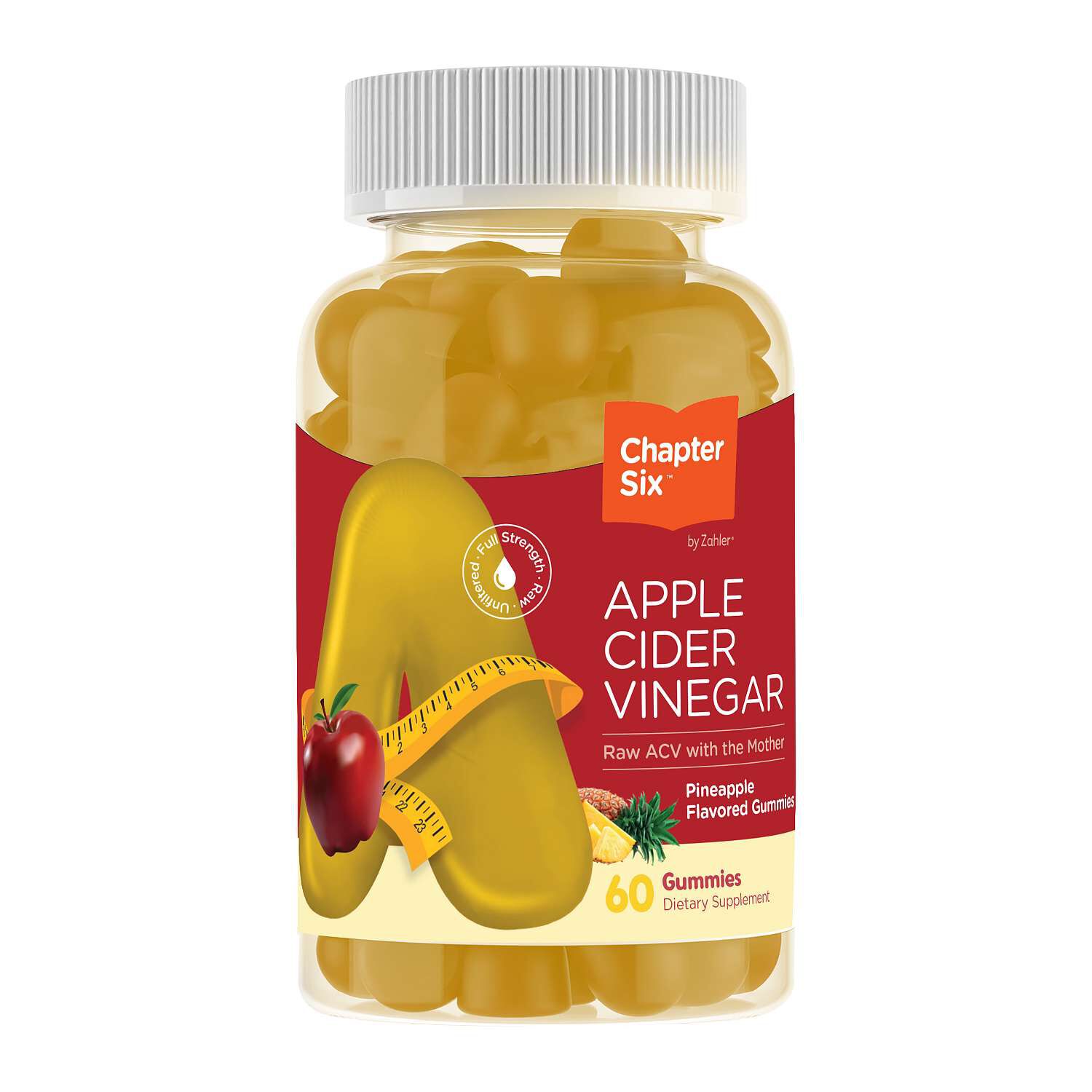
-
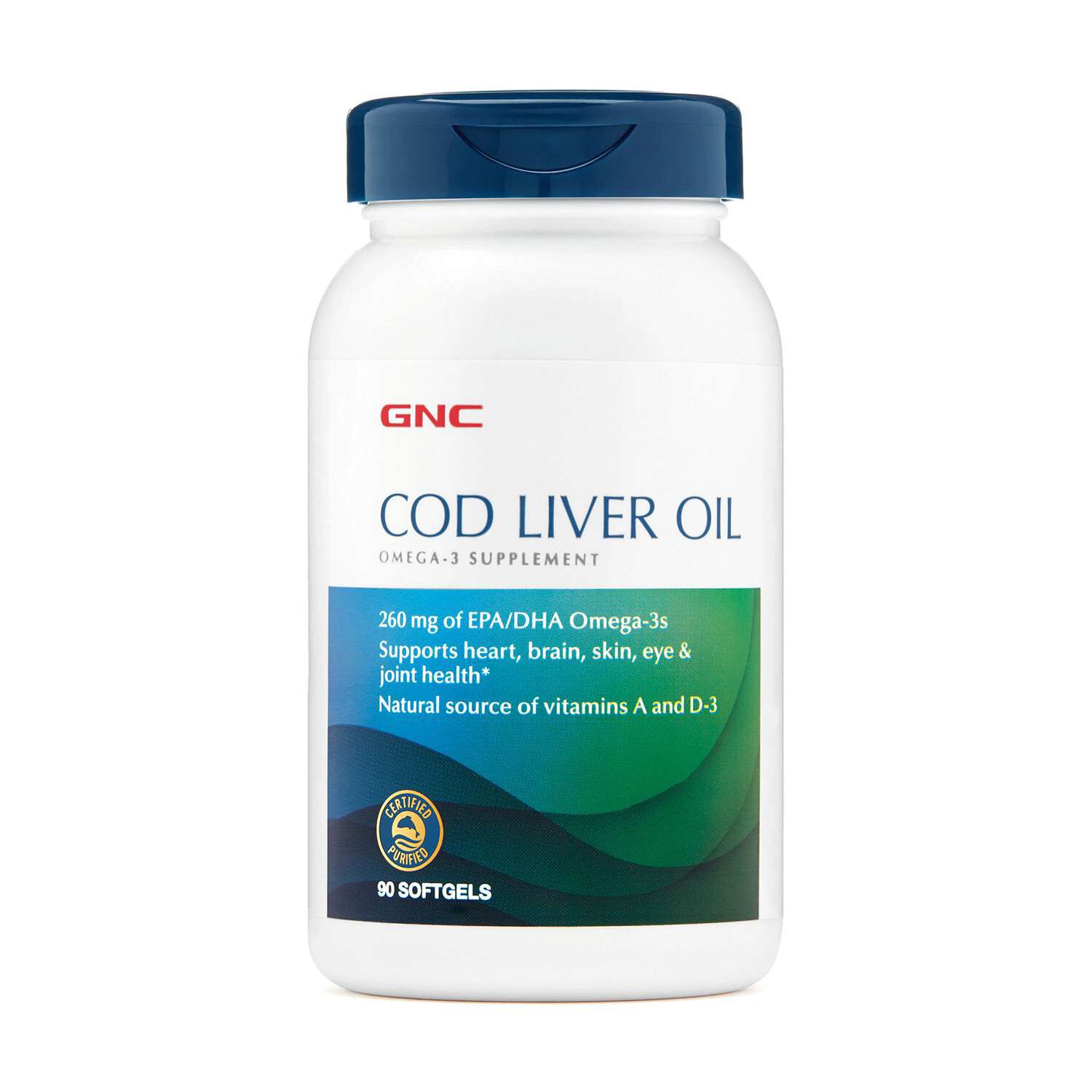
-
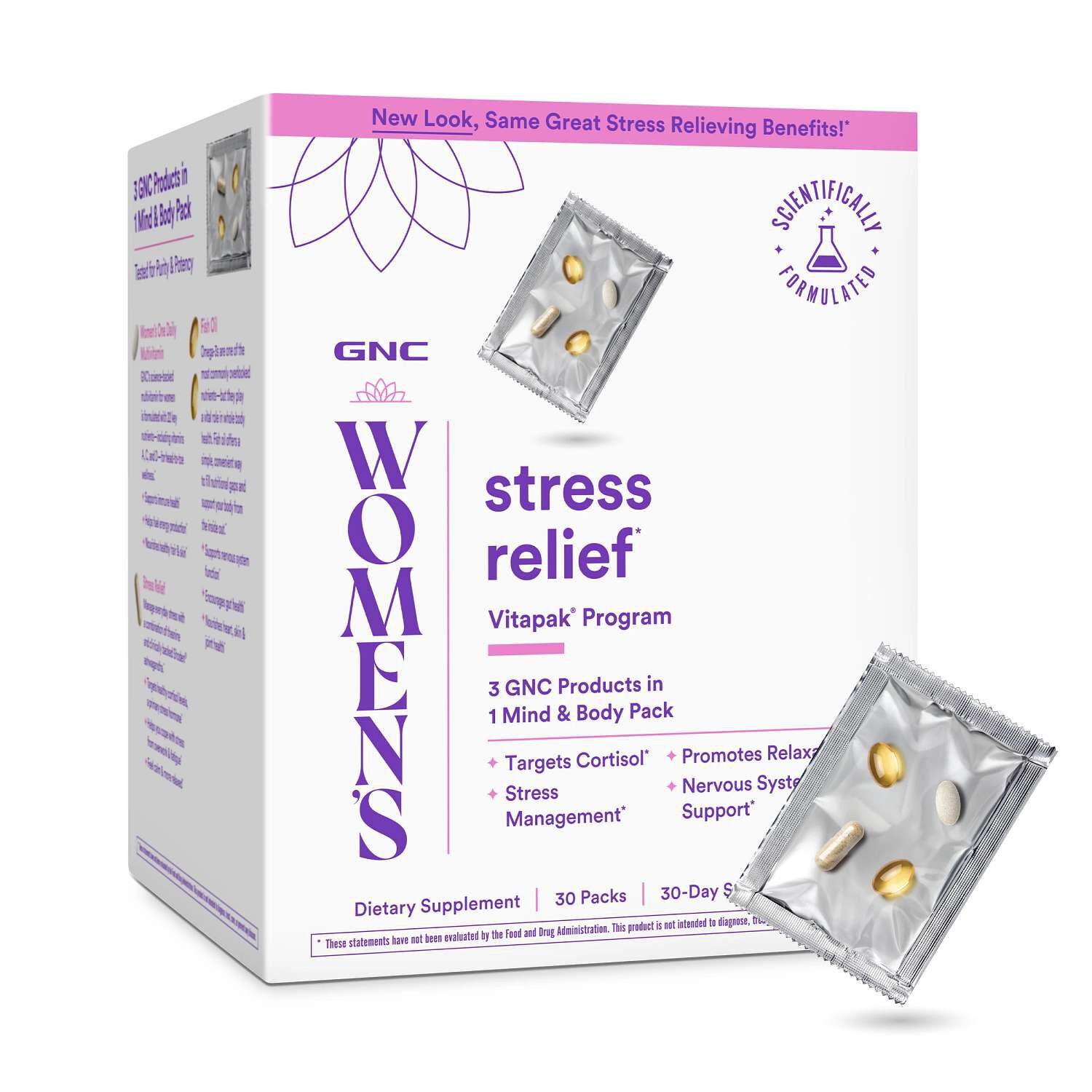
-
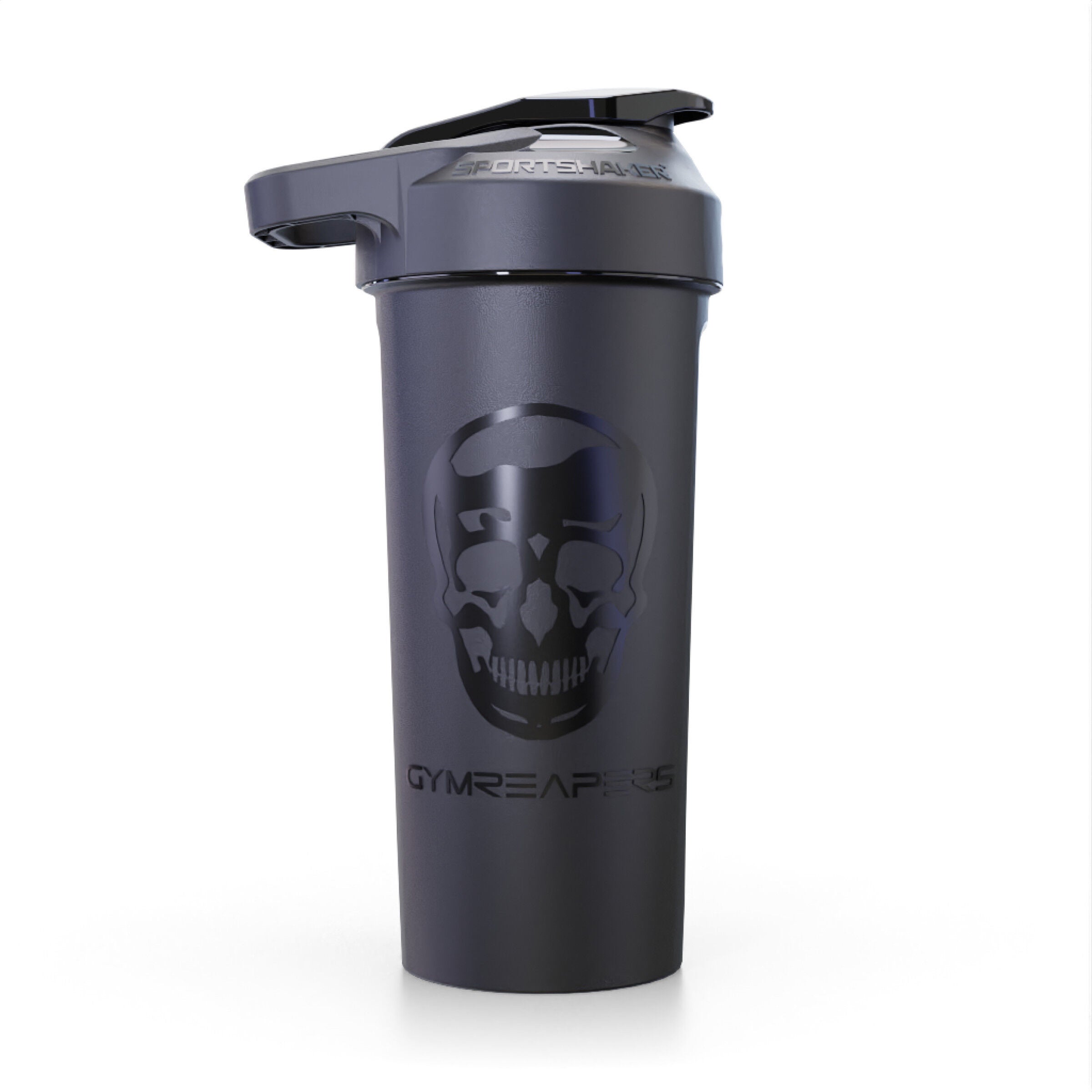
-

-

-

-
-

-
-
-

-


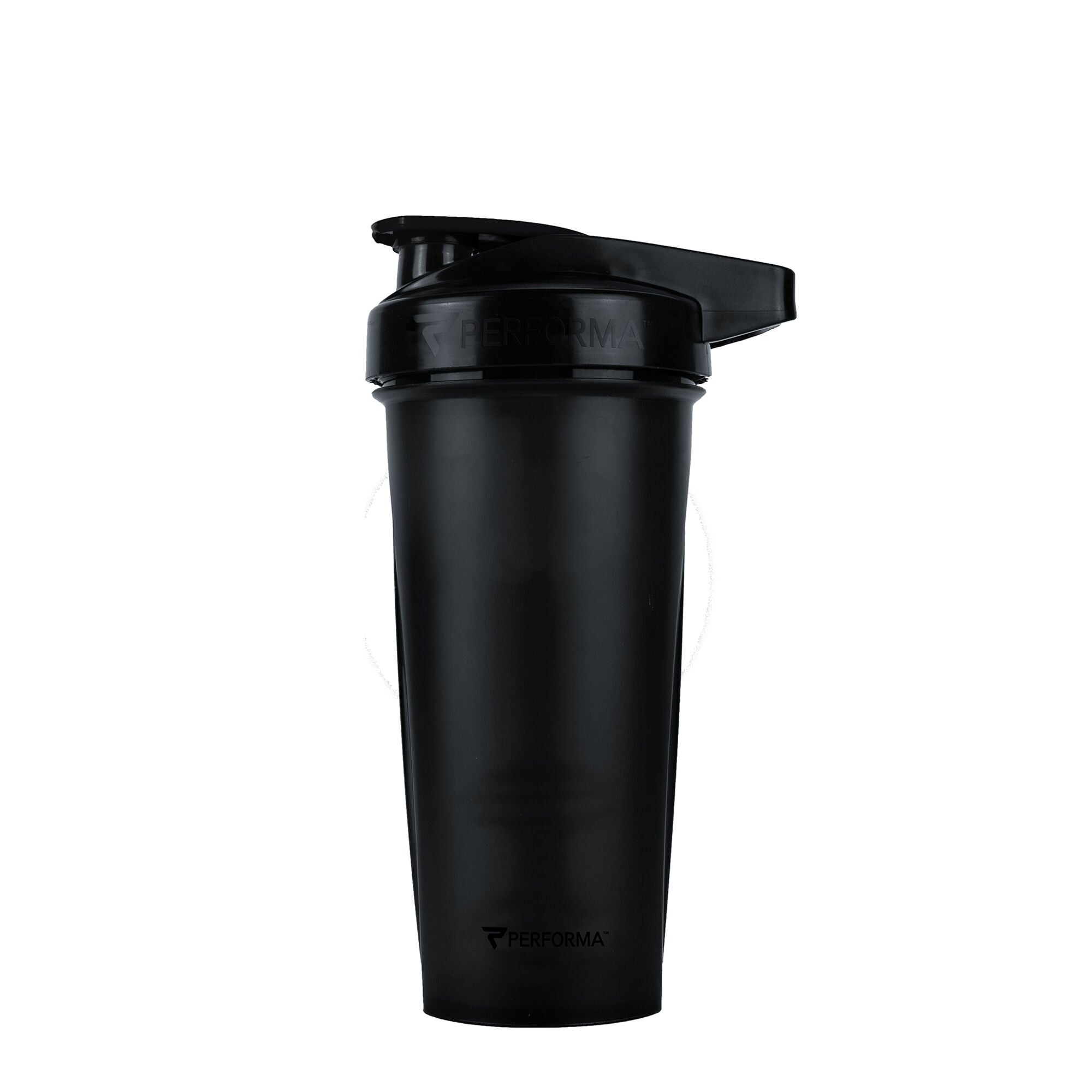
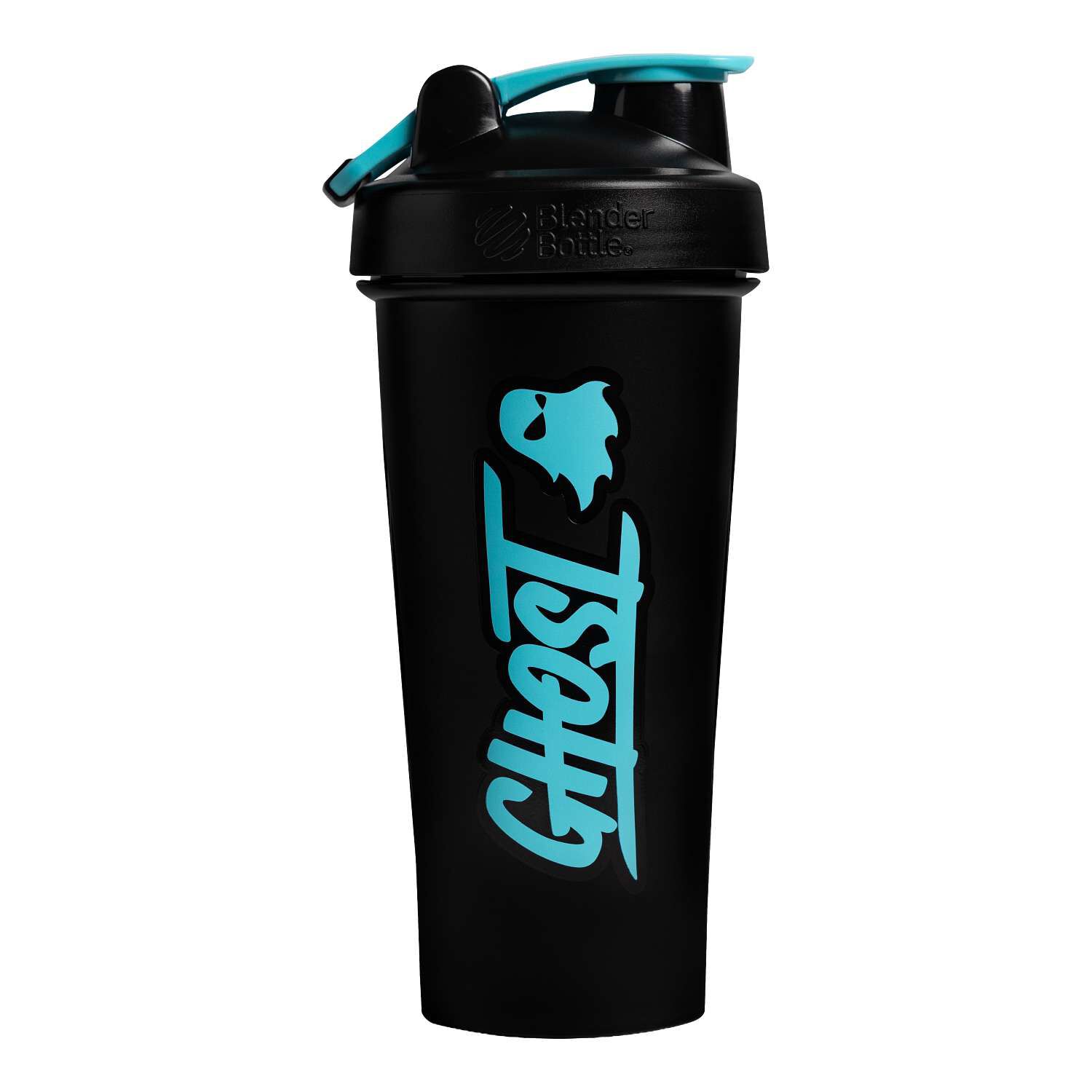
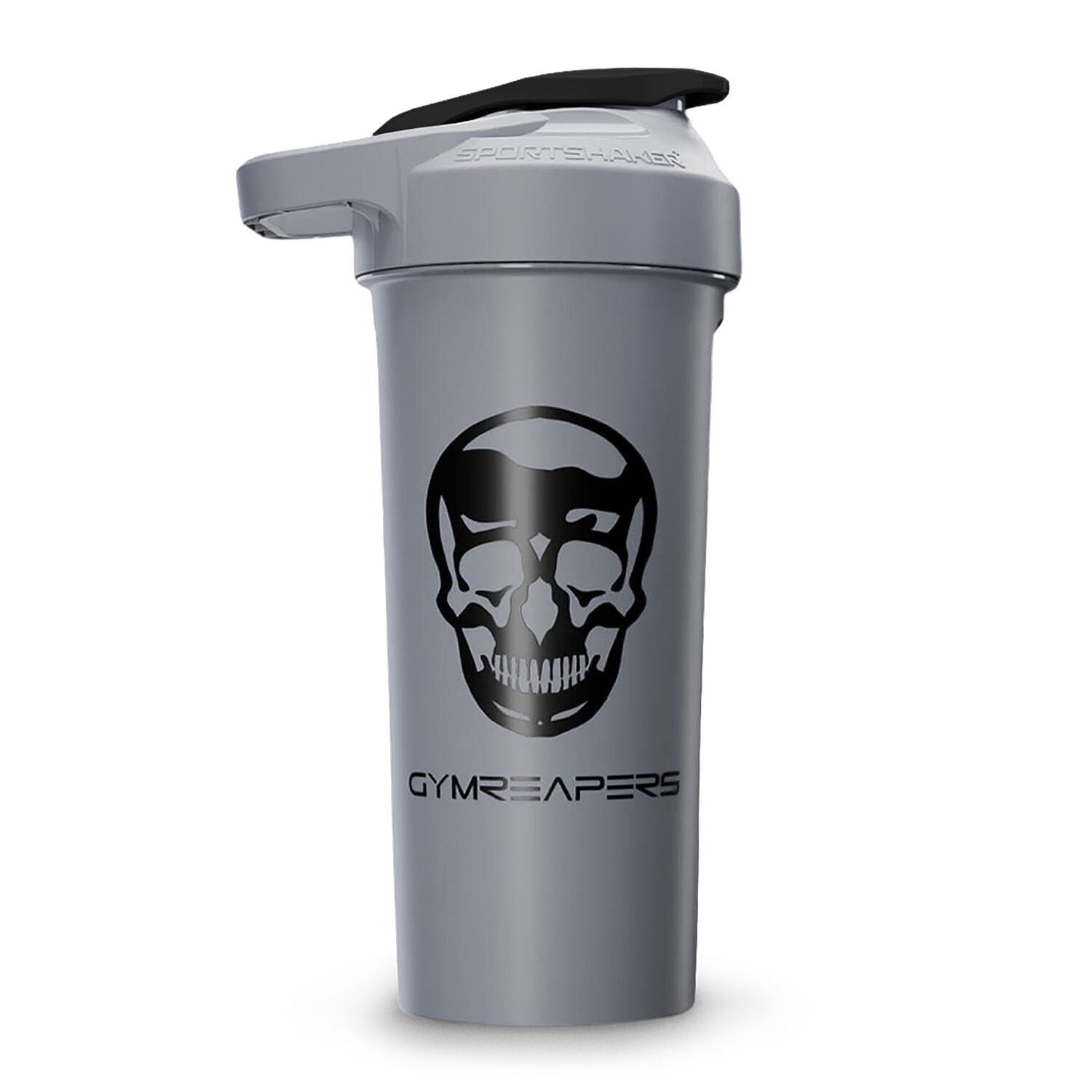
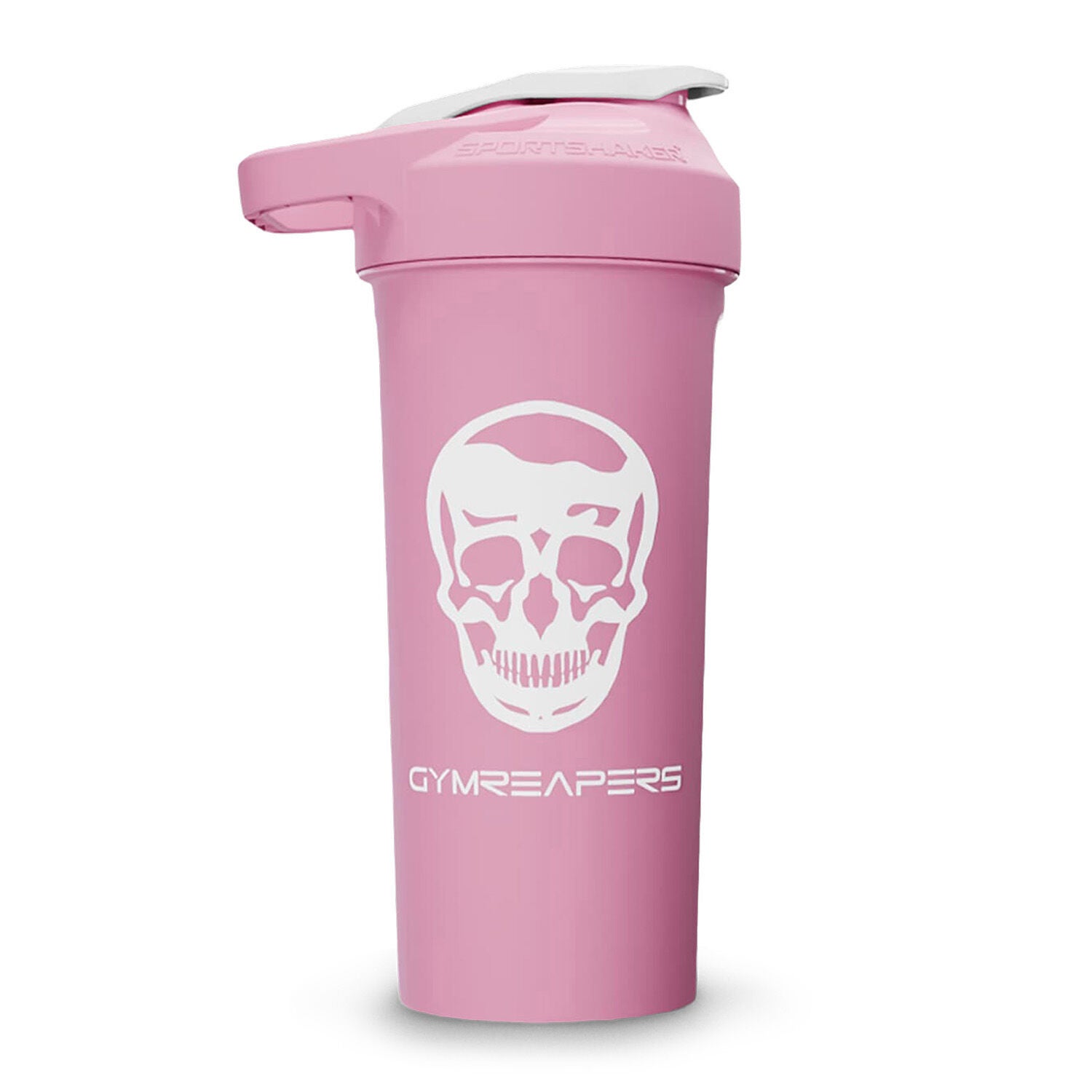
Wellness gifts may include drinkware, fitness accessories, nutrition options, and personal-care accessories selected around the routines a recipient already enjoys. The most personal choices often reflect an ordinary detail: a friend who mixes a drink before heading to the gym, a sibling who packs snacks for a long commute, or a partner who keeps exercise gear by the door. These categories may suit birthdays, thank-you gestures, milestones, and small celebrations without requiring elaborate presentation. Intended use gives each category its context. Portable drinkware fits into commuting, desk time, and exercise, while compact storage accessories may appeal to people who like a designated place for the things they carry. Fitness accessories may feel more personal when their shape, resistance, or handling suits activities the recipient already practices. Nutrition gifts involve familiarity with the person’s existing preferences, including favorite flavors, preferred formats, and plant-based or dairy-based ingredients. A familiar format may feel more welcome than an unfamiliar addition to a daily routine. For a coworker or casual acquaintance, a neutral color and a straightforward design may be appropriate; for a close friend, a detail drawn from a shared workout or a regular lunch break may carry more meaning. Wellness gifting does not need to imply a new goal, a change in appearance, or an expectation about how someone should spend their time. It can simply acknowledge something they enjoy doing already. A recipient who likes careful organization may appreciate a compact design with distinct compartments, while someone who travels between home and a gym may prefer fewer parts to manage. Personal style matters, too: understated shapes, bright colors, and subtle textures each appeal to different tastes. The connection between the person and the gift matters more than an ambitious message about personal change.
Materials, construction, and care distinguish everyday wellness accessories that otherwise look similar. Drinkware materials include stainless steel, glass, and plastic, each with different considerations for weight, handling, and cleaning. Stainless steel may appeal to someone who likes a substantial feel, while glass may suit someone who wants a clear view of the contents. Lightweight plastic designs may be preferable when carrying weight is a priority. Lid construction, seals, and opening size matter as much as the body material, particularly for someone who carries a drink beside a laptop or changes bags throughout the day. A secure closure may make carrying more convenient, while a broad opening may make handwashing and filling simpler. Manufacturer care directions determine whether a design belongs in the dishwasher or calls for washing by hand; removable components also deserve attention because each part has its own cleaning needs. Storage accessories have another set of considerations, including compartment dimensions, closure style, and the ease of opening and closing them. A slim profile may fit a small bag, but a larger format may be more comfortable for someone who prefers room between compartments. For fitness accessories, material texture, stitching, adjustable sections, and contact points all contribute to the design. Fabric surfaces may feel different against clothing than smooth or textured synthetic materials, and dimensions relate to the intended activity as much as appearance. Durability depends on construction, appropriate use, and care, not simply on how substantial something looks. Drying directions, cleaning methods, and recommended storage conditions belong alongside color and shape when comparing designs. A recipient who uses shared workout spaces may prefer a design with fewer folds or hard-to-reach areas, while someone with a dedicated exercise corner may have room for a less compact format. Packaging dimensions matter for the person carrying the gift home as well as for the space where it will live. Everyday usability often comes down to small details: a comfortable handhold, a manageable closure, readable care information, and a shape suited to its intended setting.
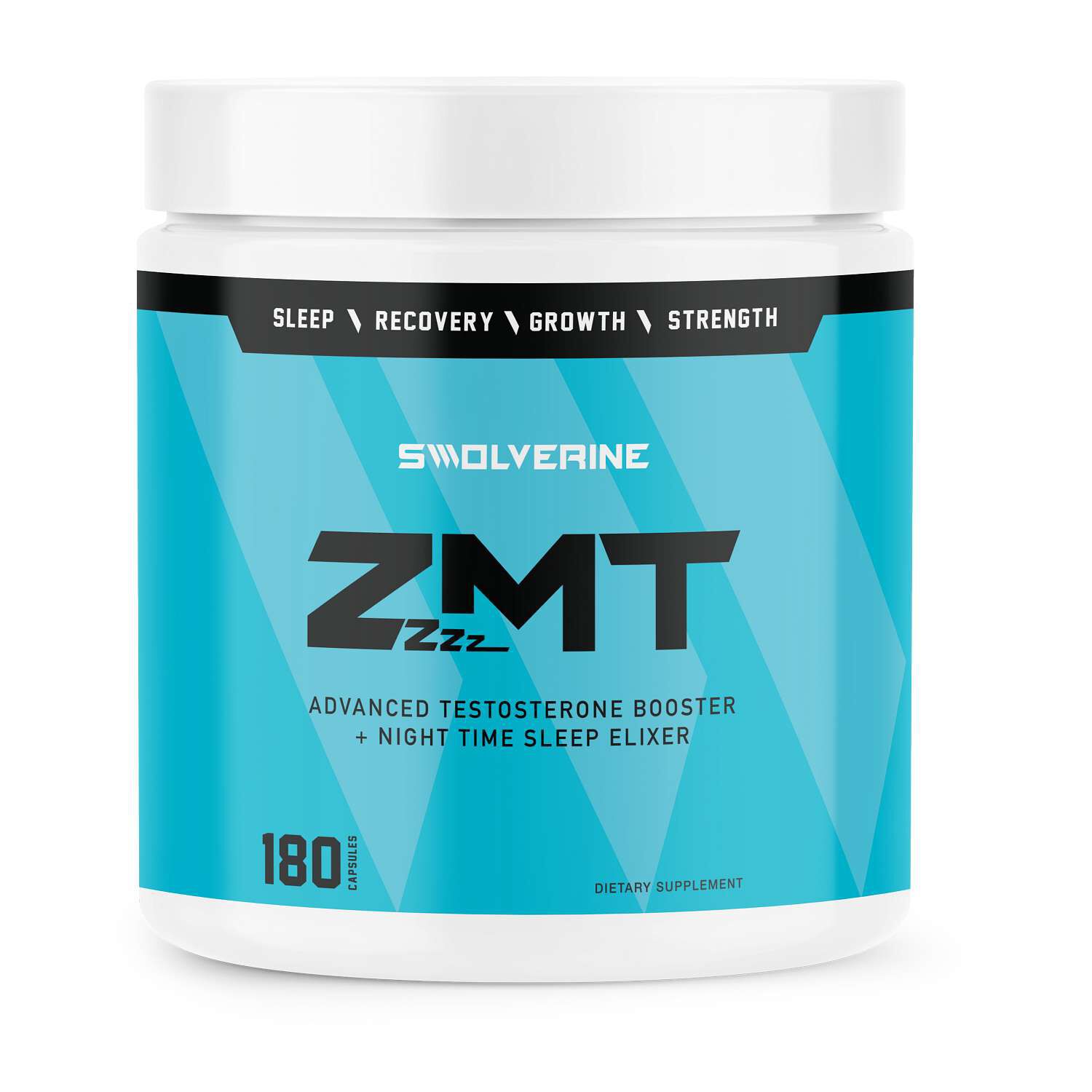
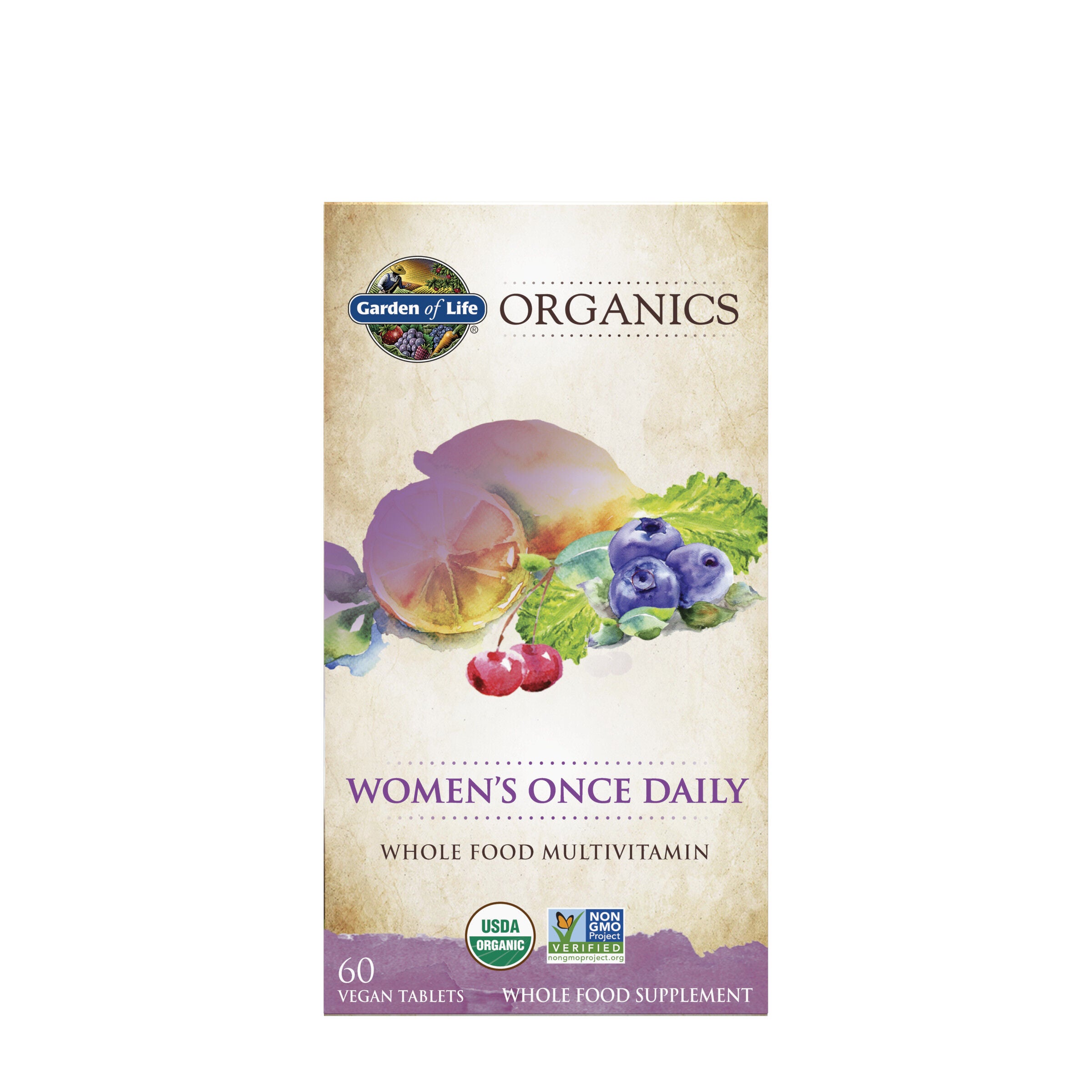
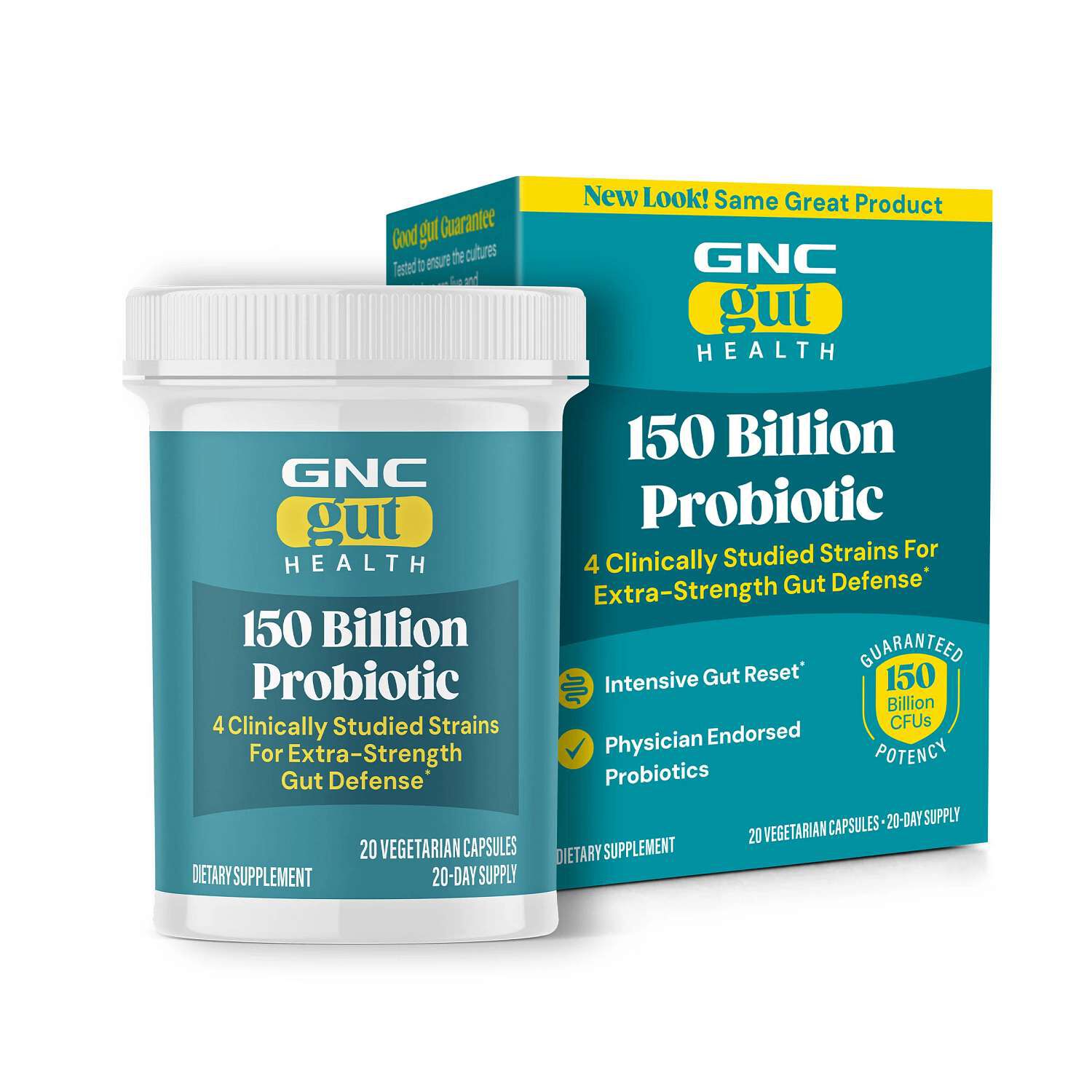
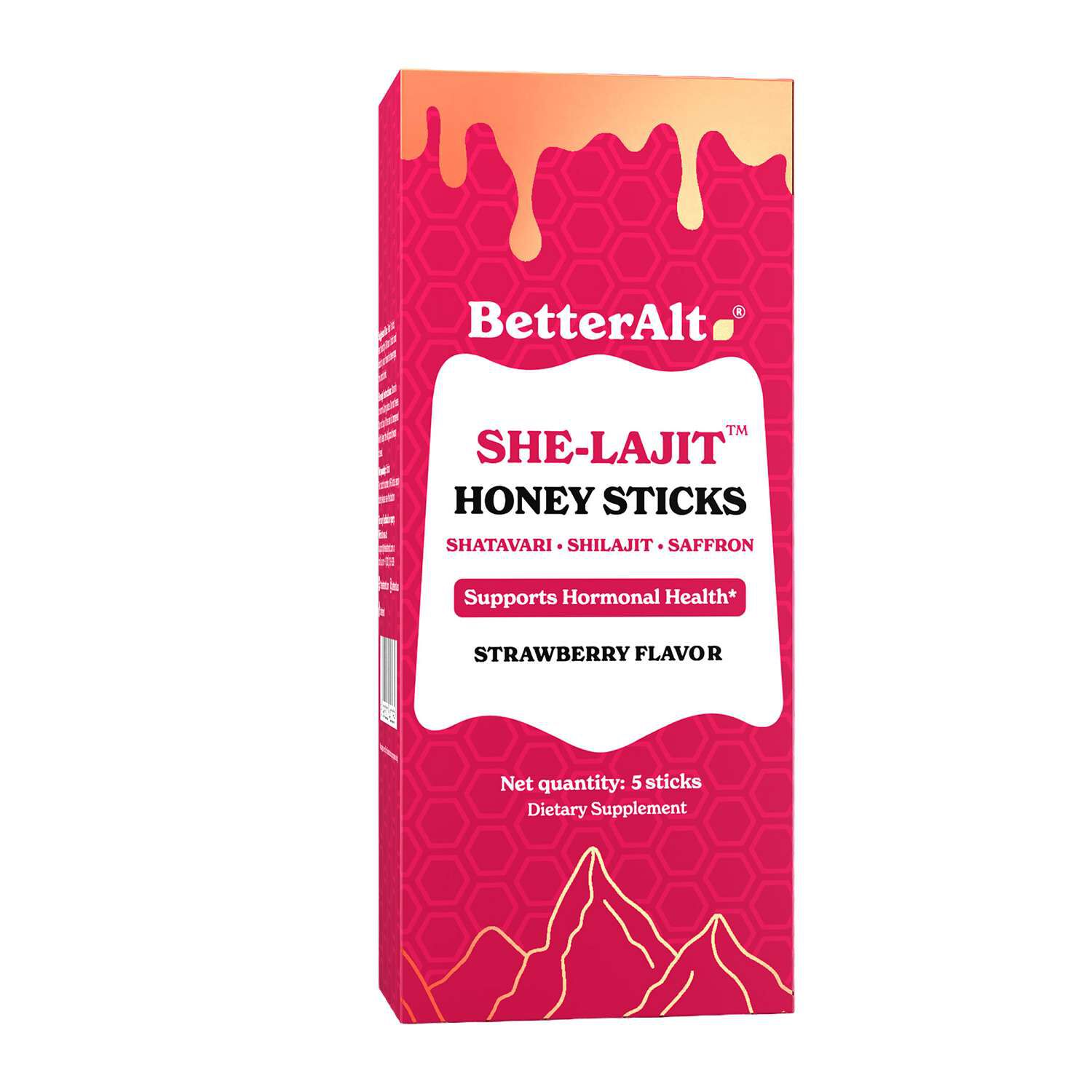
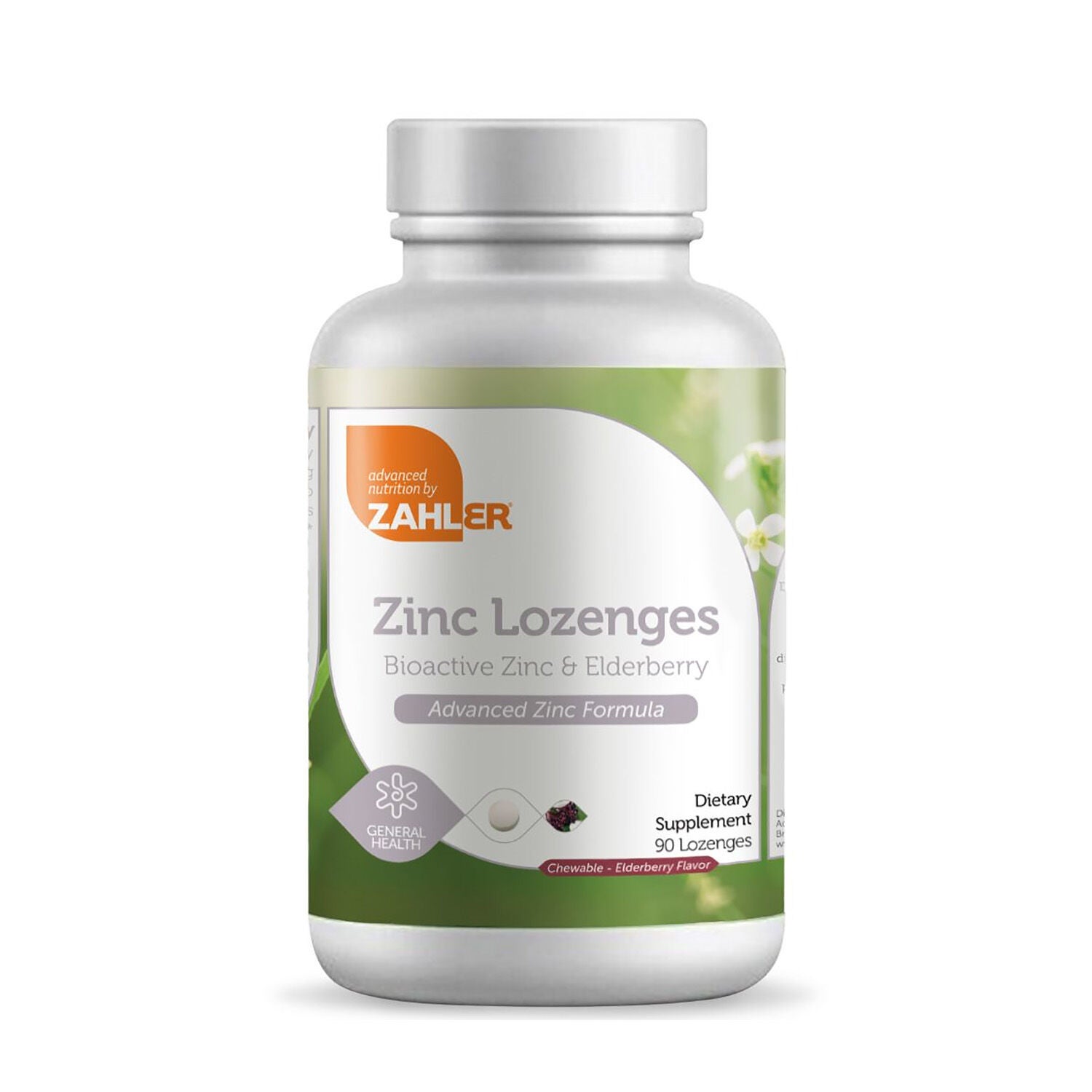
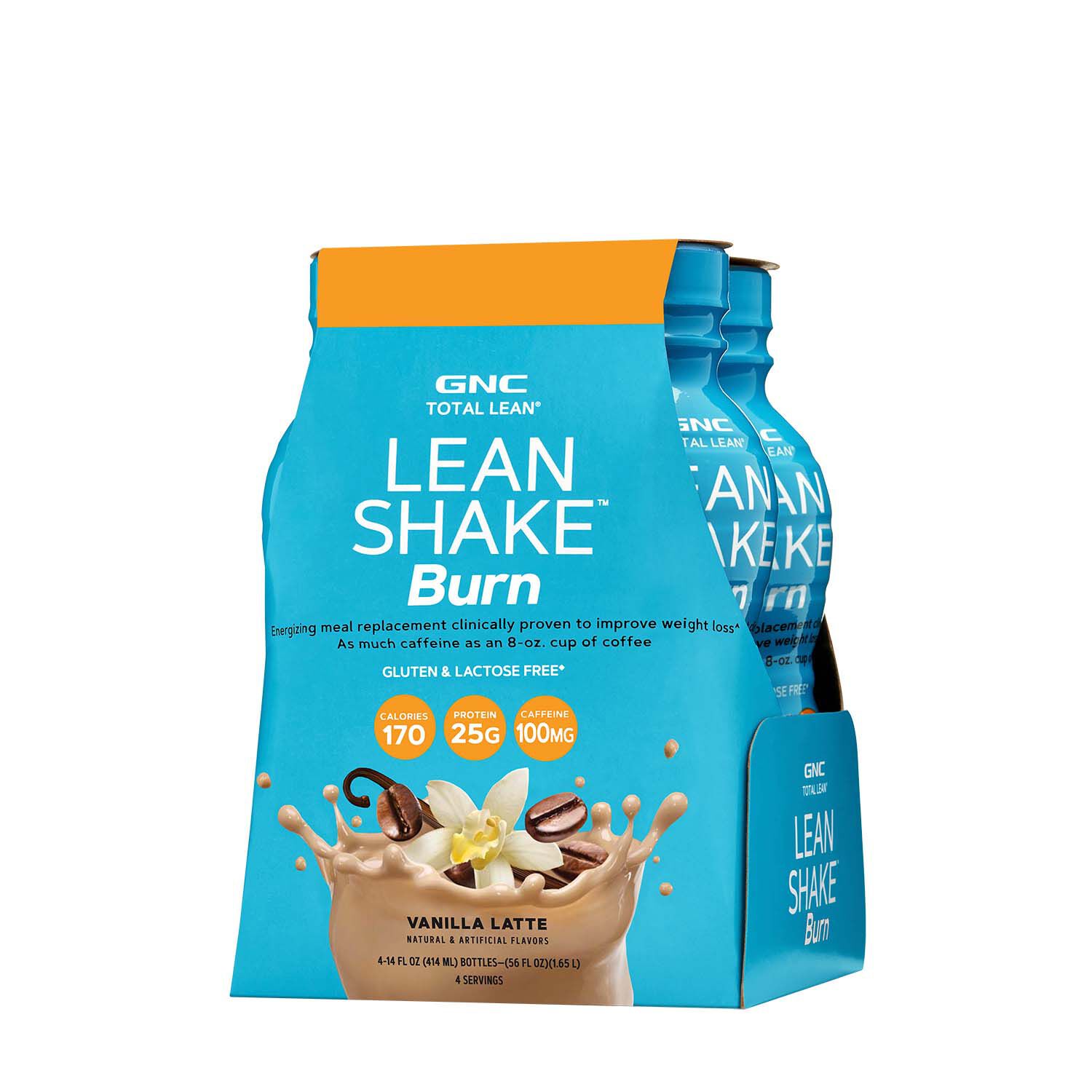
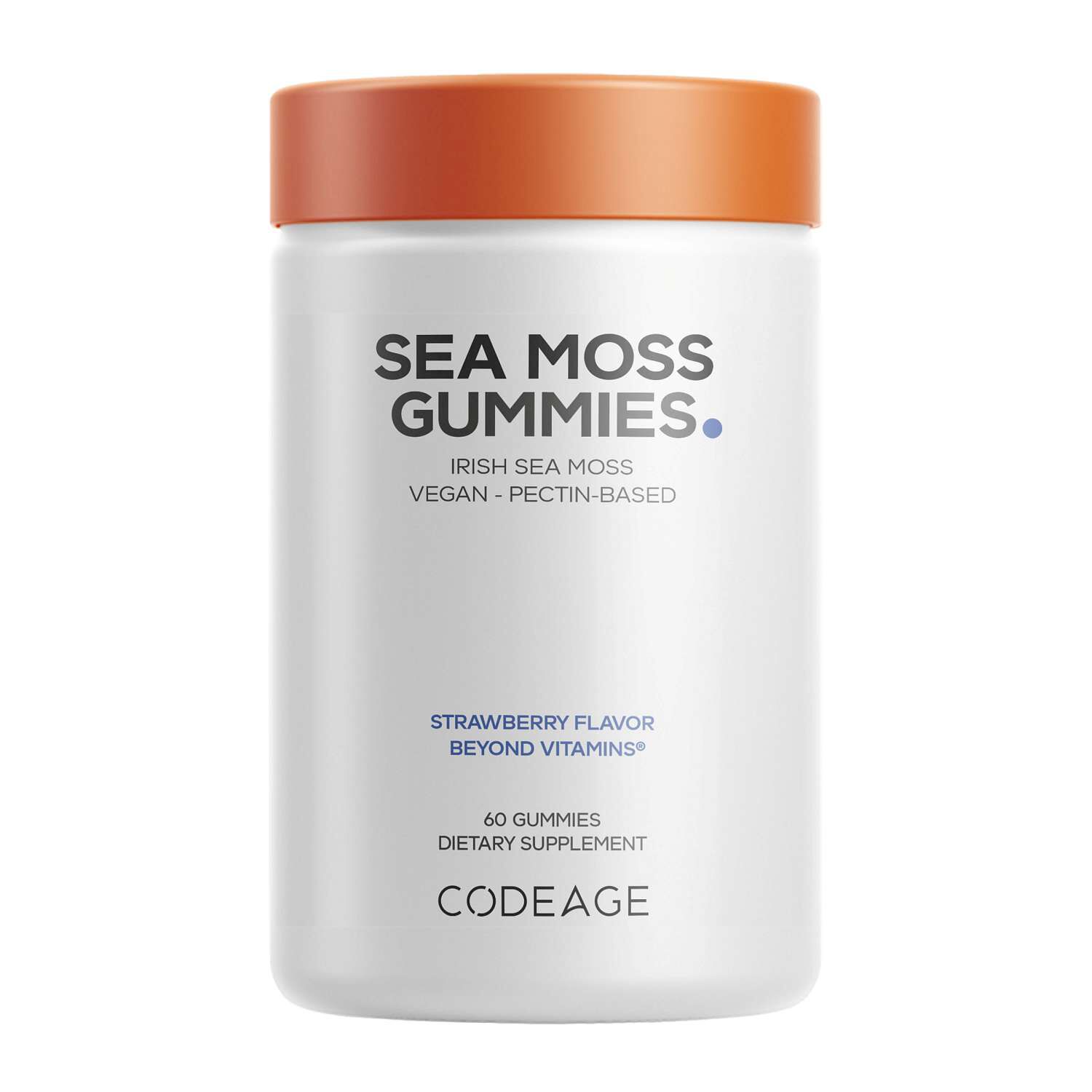
Flavor, aroma, texture, and preparation style often matter as much as the format itself. Someone who already enjoys powdered nutrition may have a strong preference for a smooth drink, a particular flavor family, or a recipe used after a familiar workout. Serving information, ingredient lists, preparation directions, and stated dietary suitability provide useful context without turning the gift into a recommendation to change an established eating pattern. Packaging also deserves attention: a larger container requires shelf space, while individually portioned formats may suit someone who regularly packs a bag for the day. For personal-care accessories, relevant details include surface texture, handle shape, cleaning directions, and whether the intended use matches the recipient’s existing routine. Fragrance is especially personal, so familiarity with a recipient’s taste matters more than an assumption that a particular scent suits everyone. Gifts for a partner can draw on similarly specific observations, such as a preference for coordinated gym gear, neatly arranged shelves, or accessories that move easily between a work bag and an exercise bag. Gifts For Wellness Focused Boyfriends offers another way to browse with that relationship in mind. A simple pairing within the same routine may feel cohesive, such as coordinating drinkware with a familiar nutrition format or matching a storage accessory to the bag someone already uses. Presentation can remain understated, with care directions and ingredient information left readable rather than hidden beneath layers of wrapping. A handwritten message about a shared activity adds personal context without assigning the gift a purpose the recipient never asked for. The connection is practical and personal: something that belongs on the recipient’s counter, beside their gym bag, or in the small pocket they reach for every morning. Across wellness gift categories, familiar preferences, suitable dimensions, straightforward care, and everyday context may make a selection feel considered without suggesting that the recipient needs to become a different person.