Whey And Casein Powders
(0 Results)
Fueling your fitness journey starts with the right nutrition, and whey and casein powders may be a convenient option for those looking to support their active lifestyle. Whether you’re seeking options that could fit into your daily routine or exploring different protein sources, whey and casein powders offer versatile choices for a variety of wellness goals. Discover an array of options that might help you power through workouts, recover after exercise, or simply add more protein to your day.

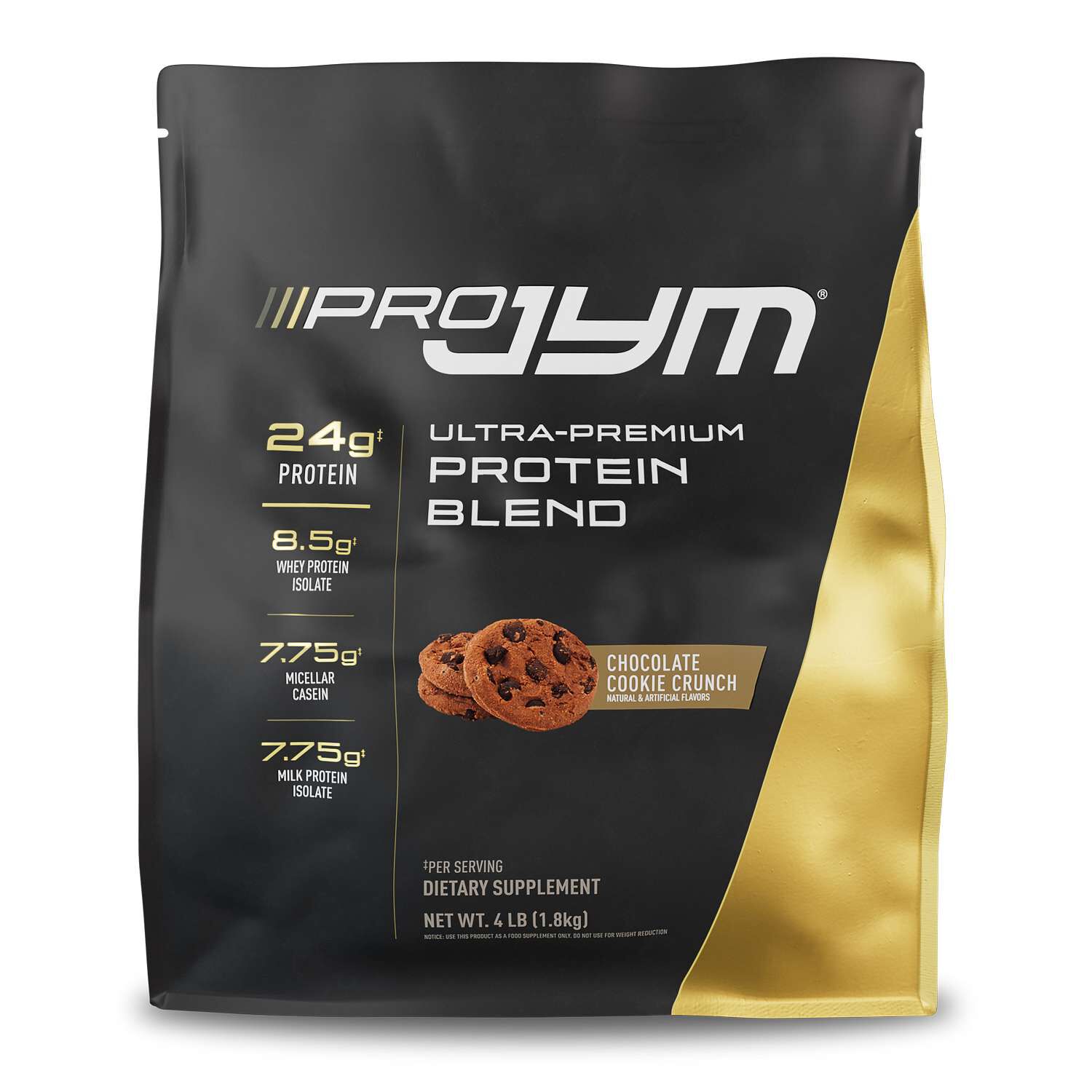

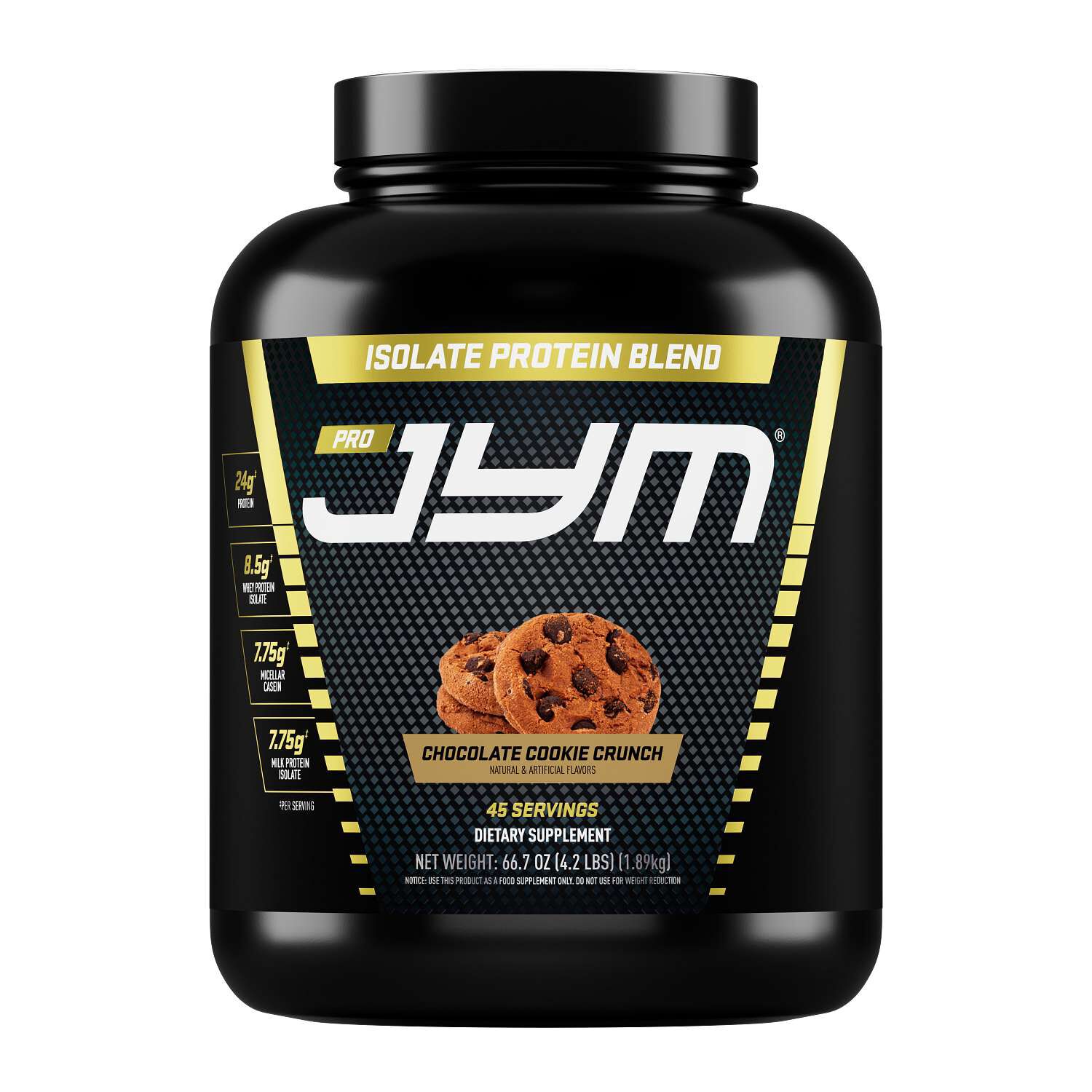
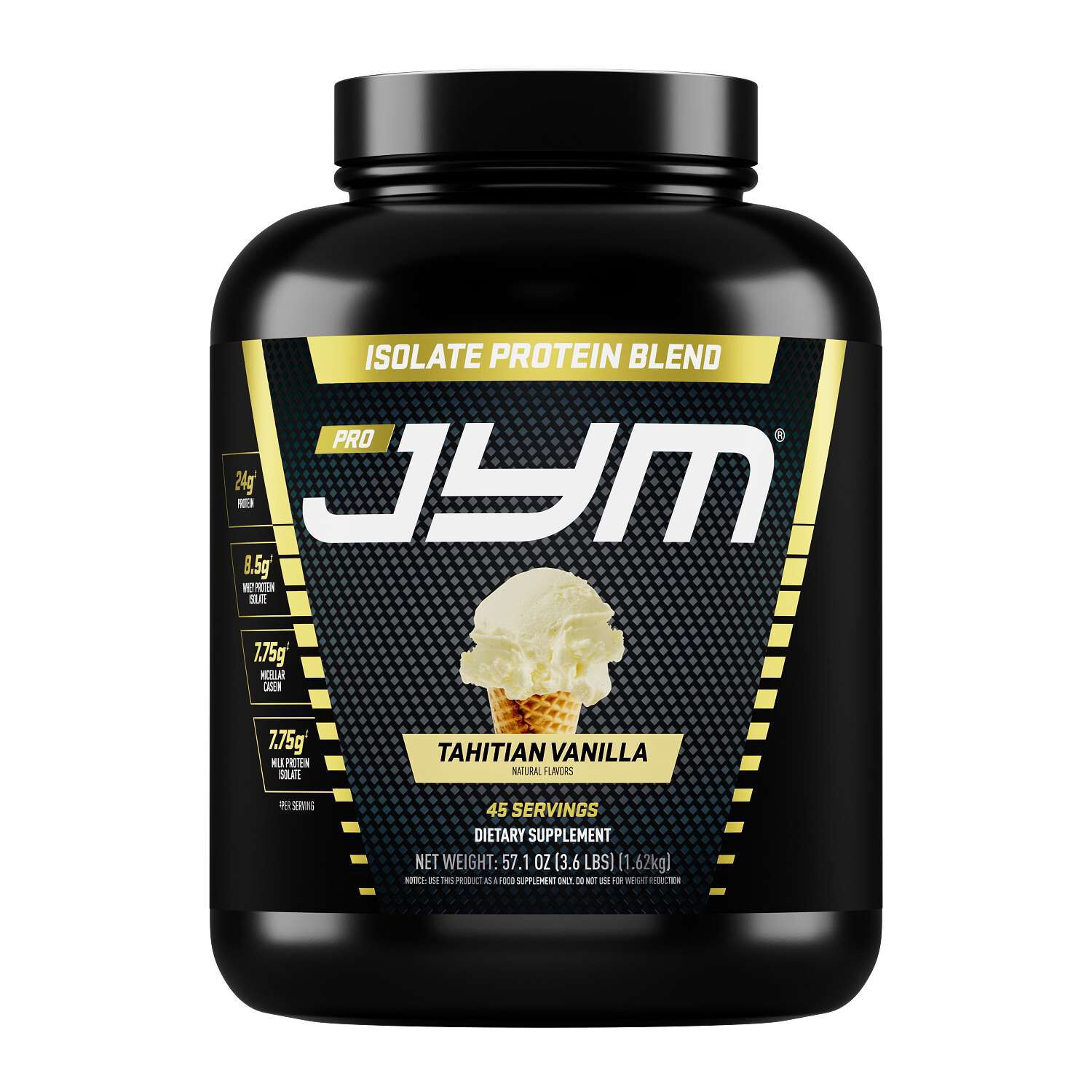


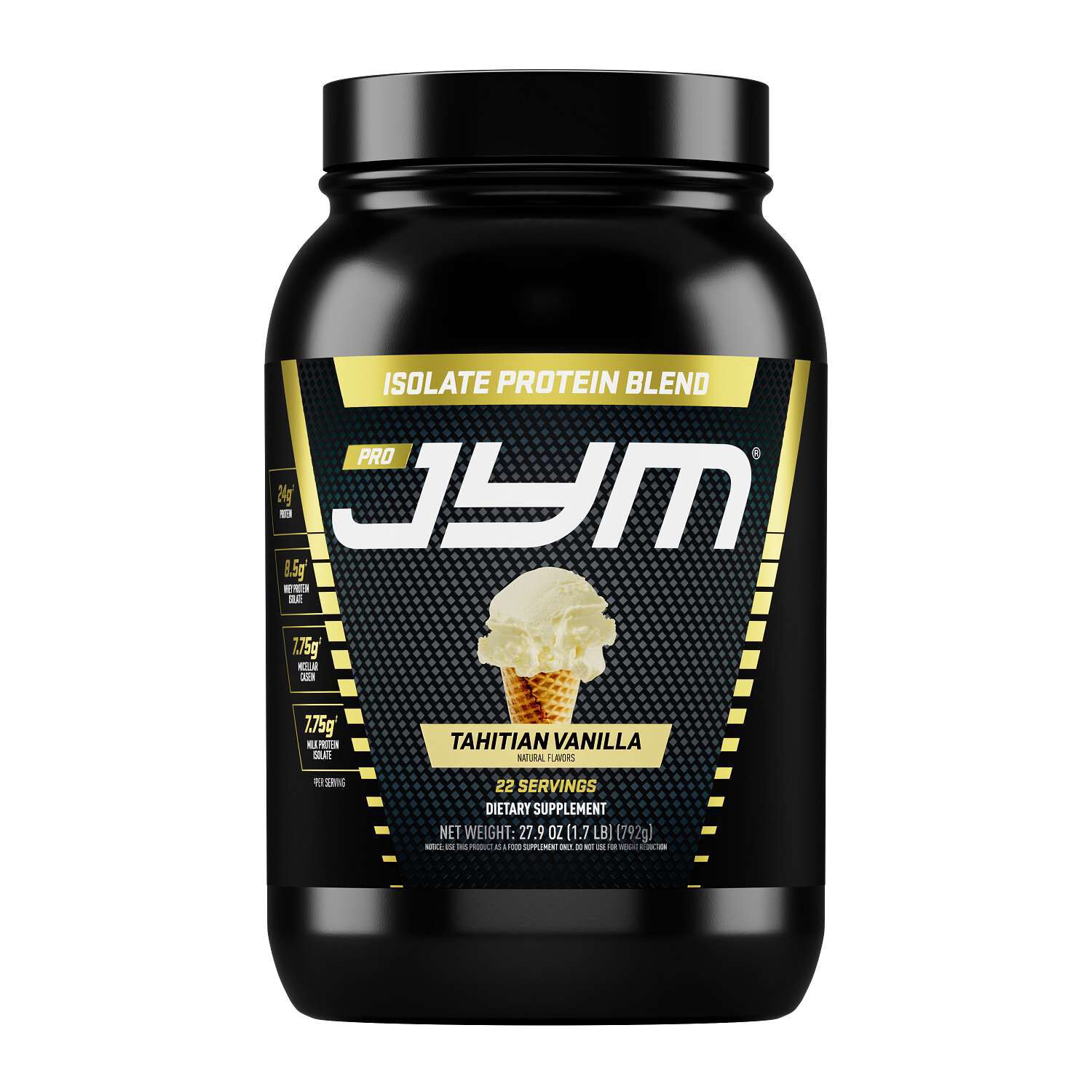
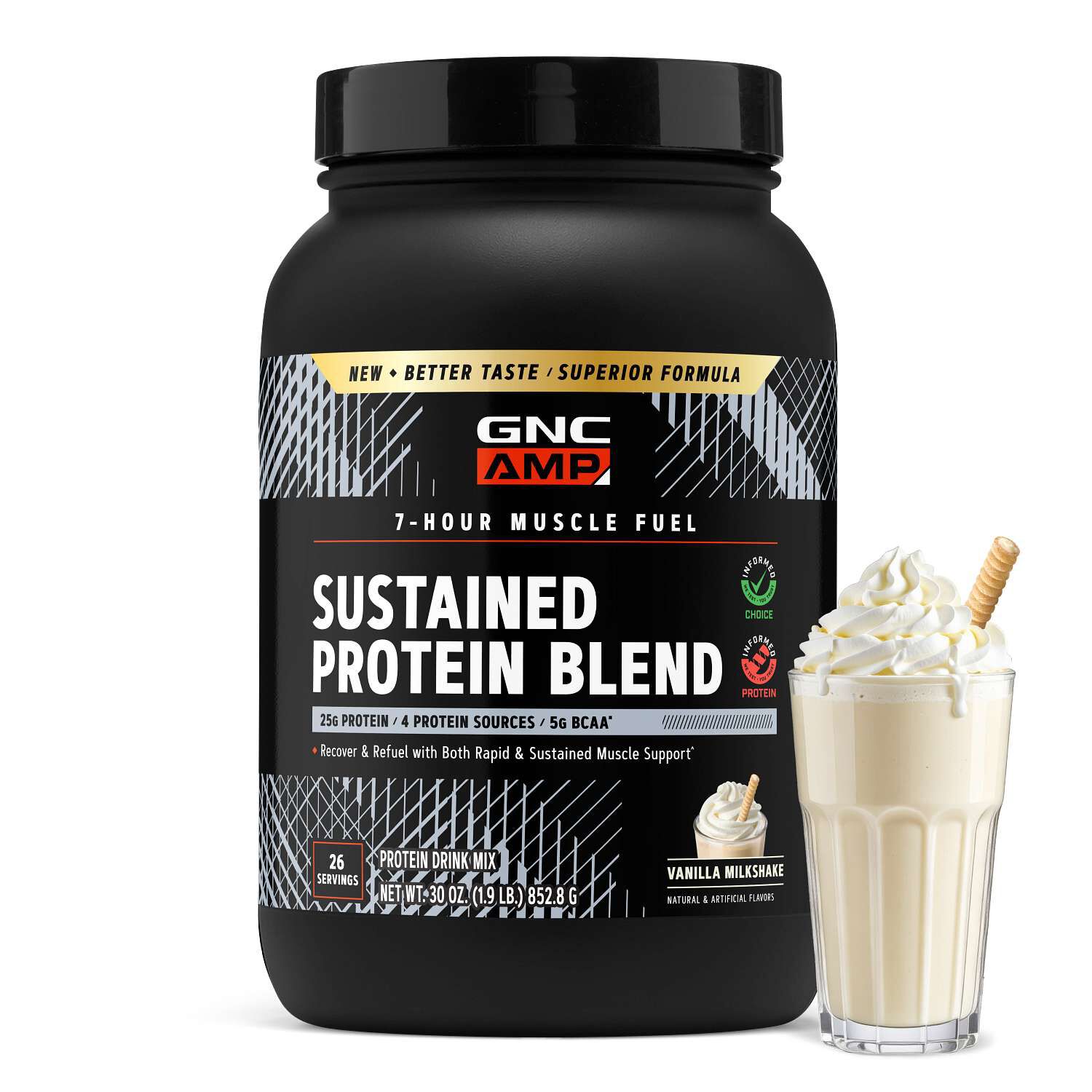
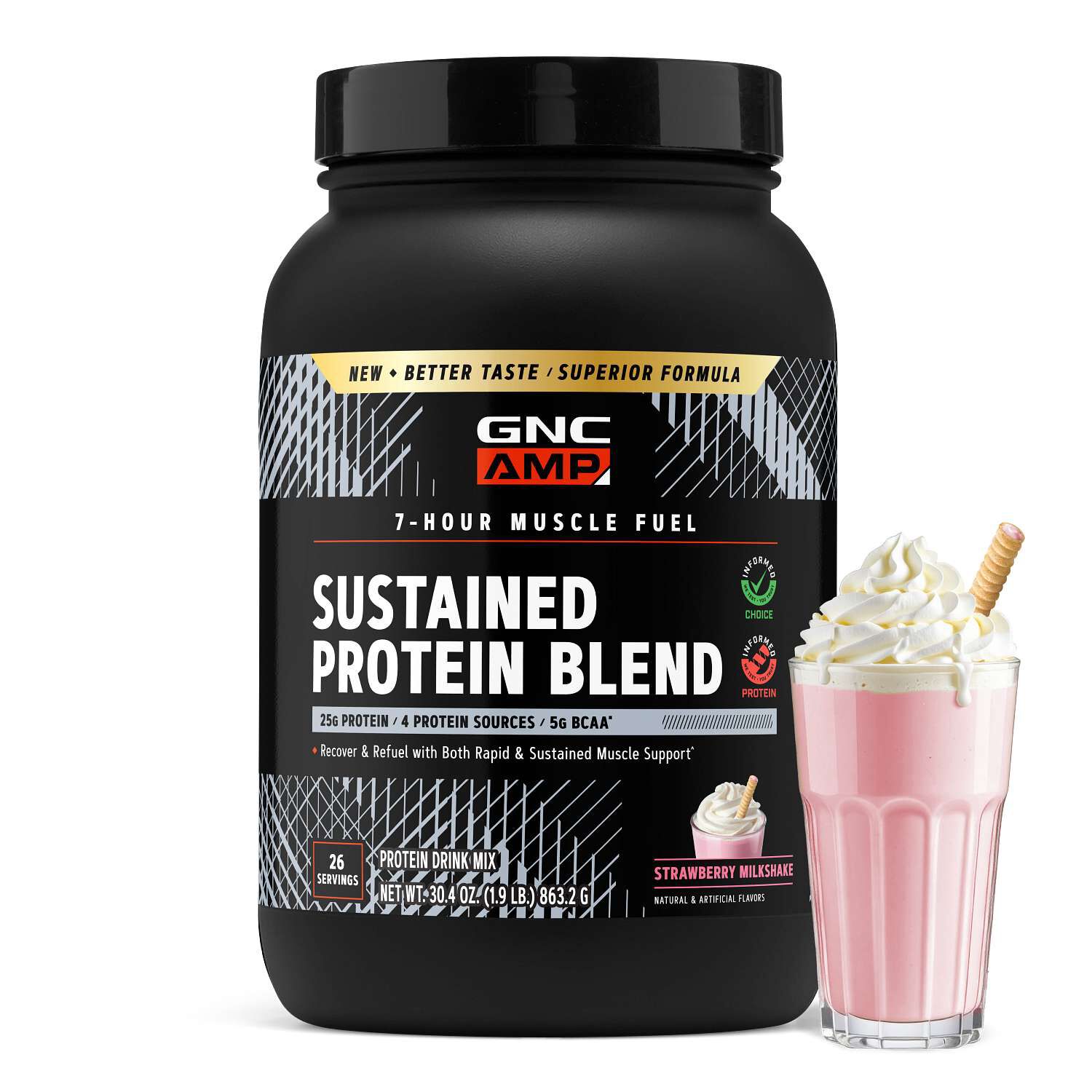
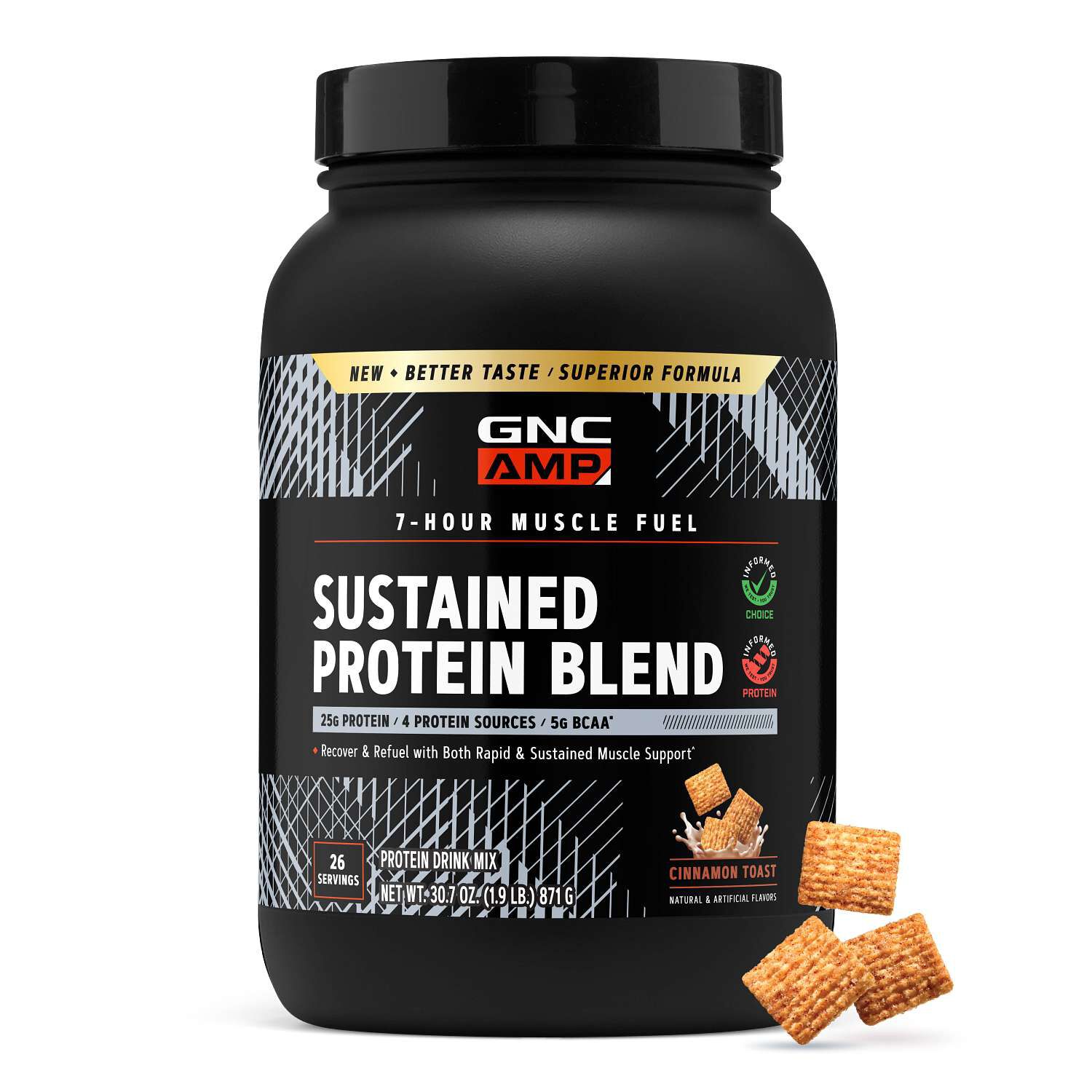


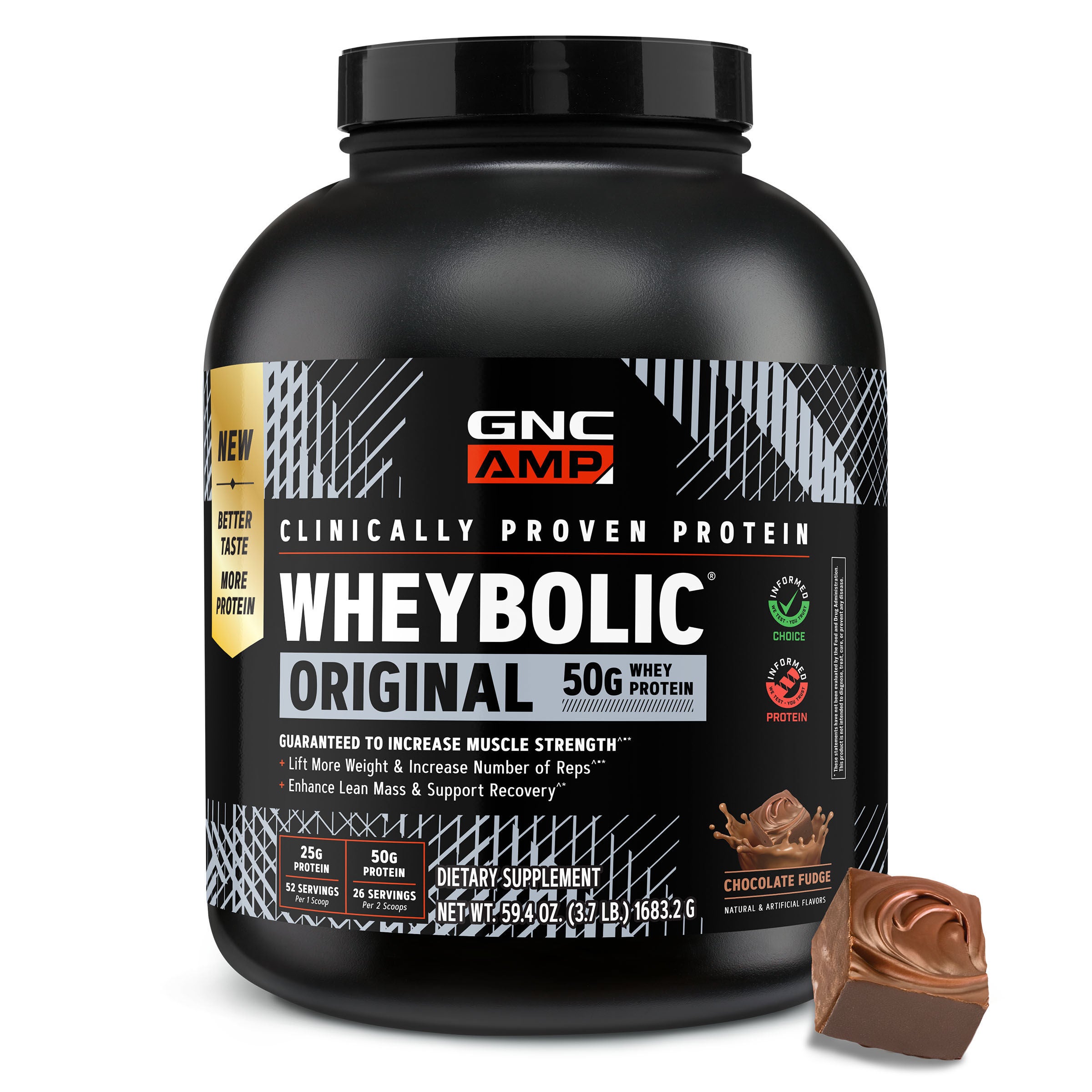

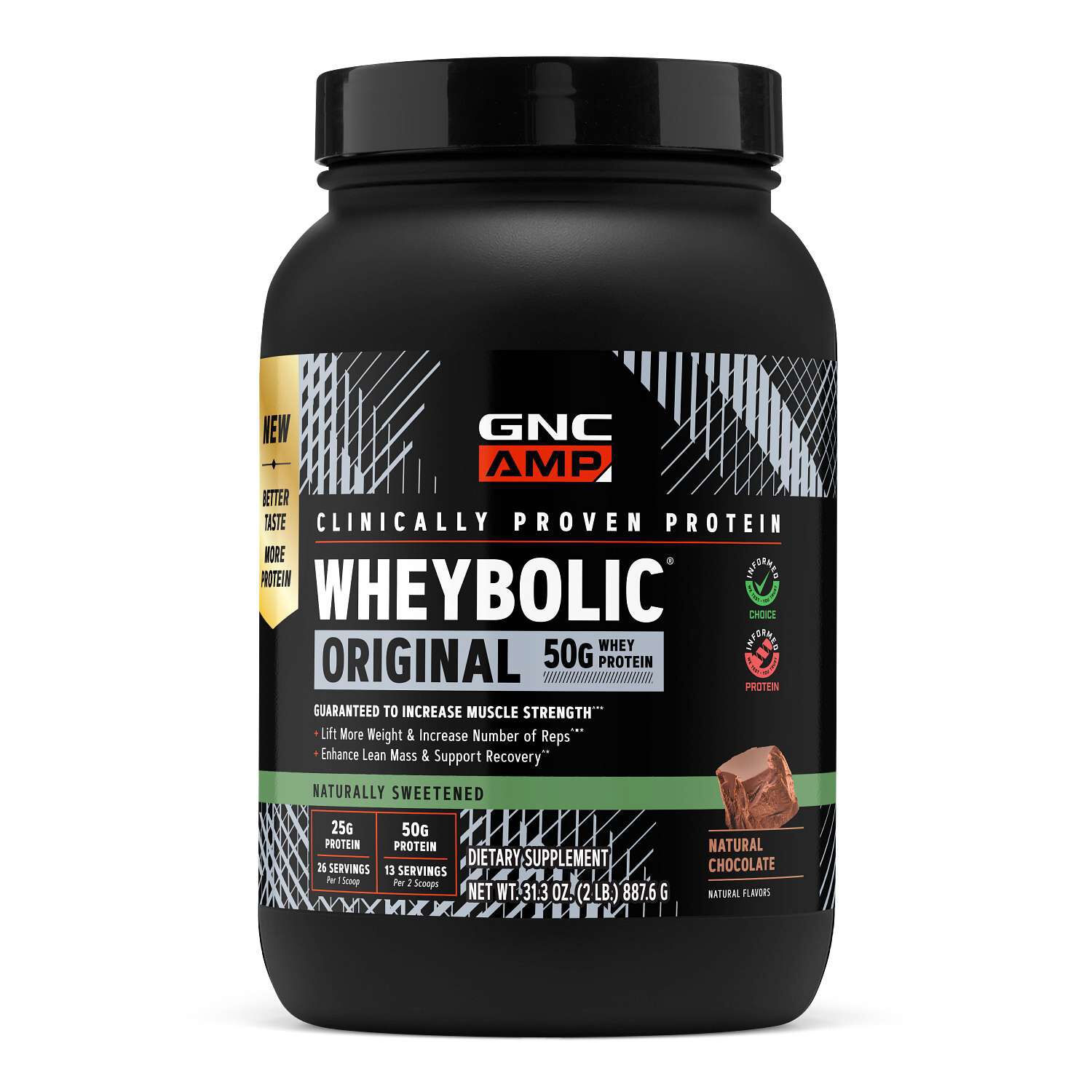


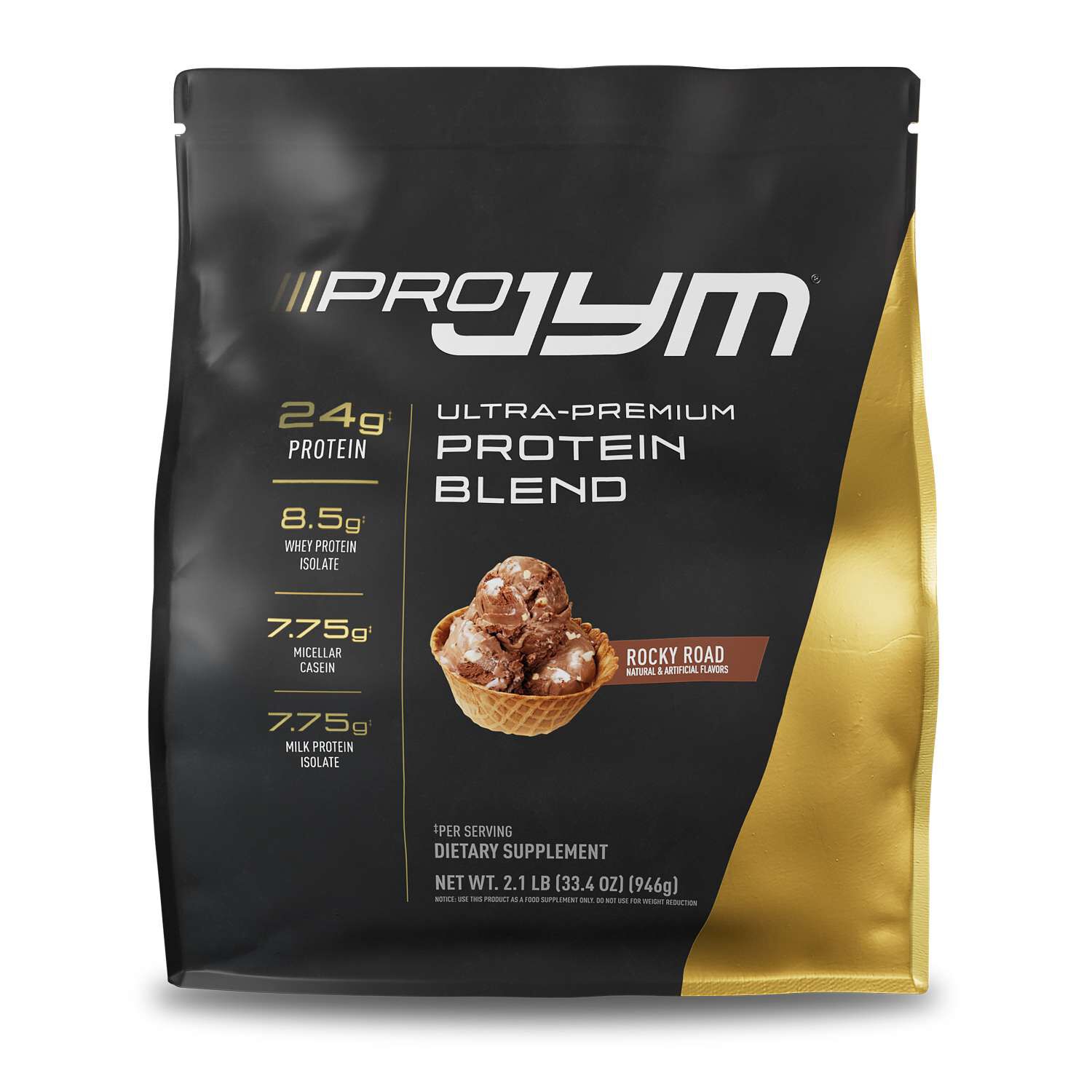

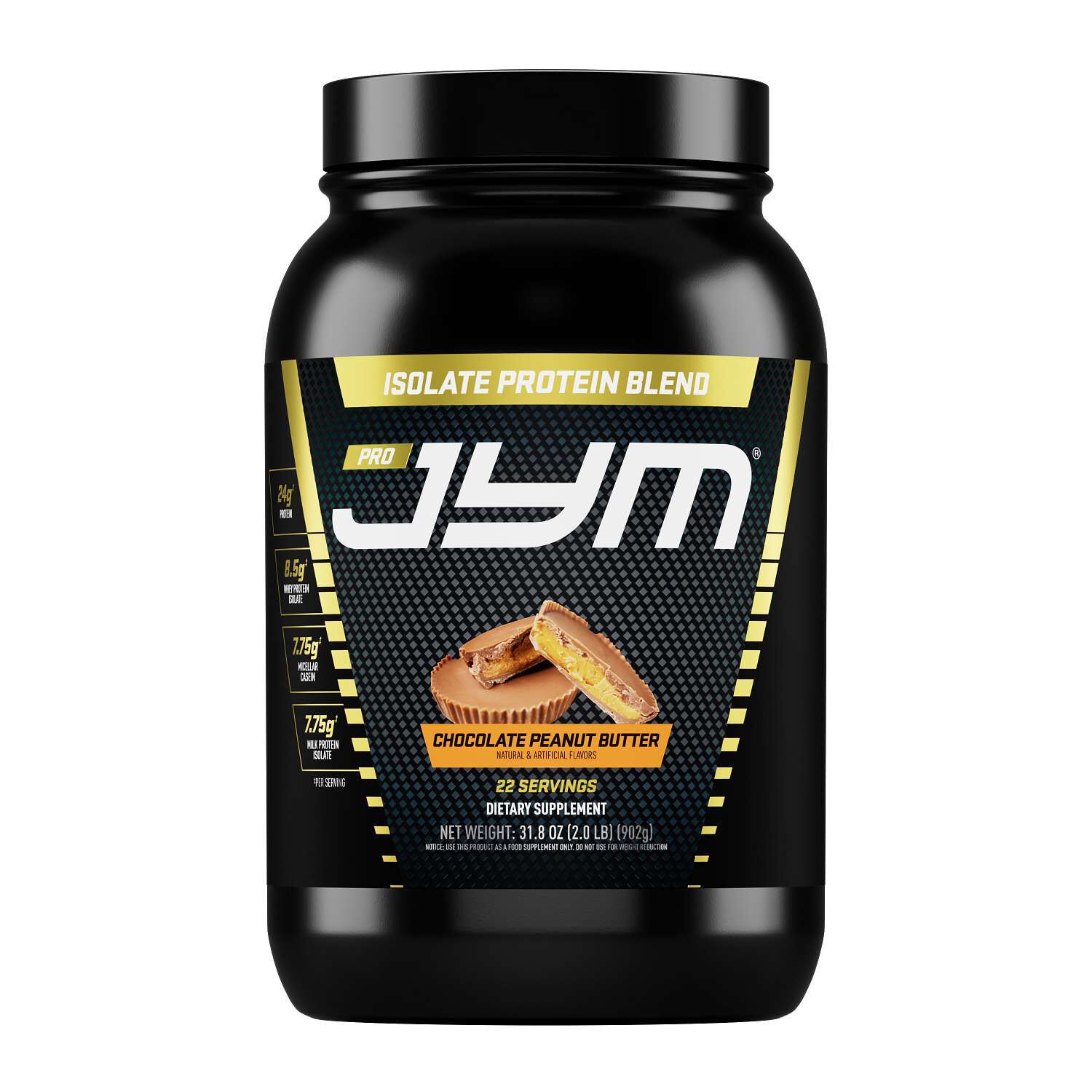
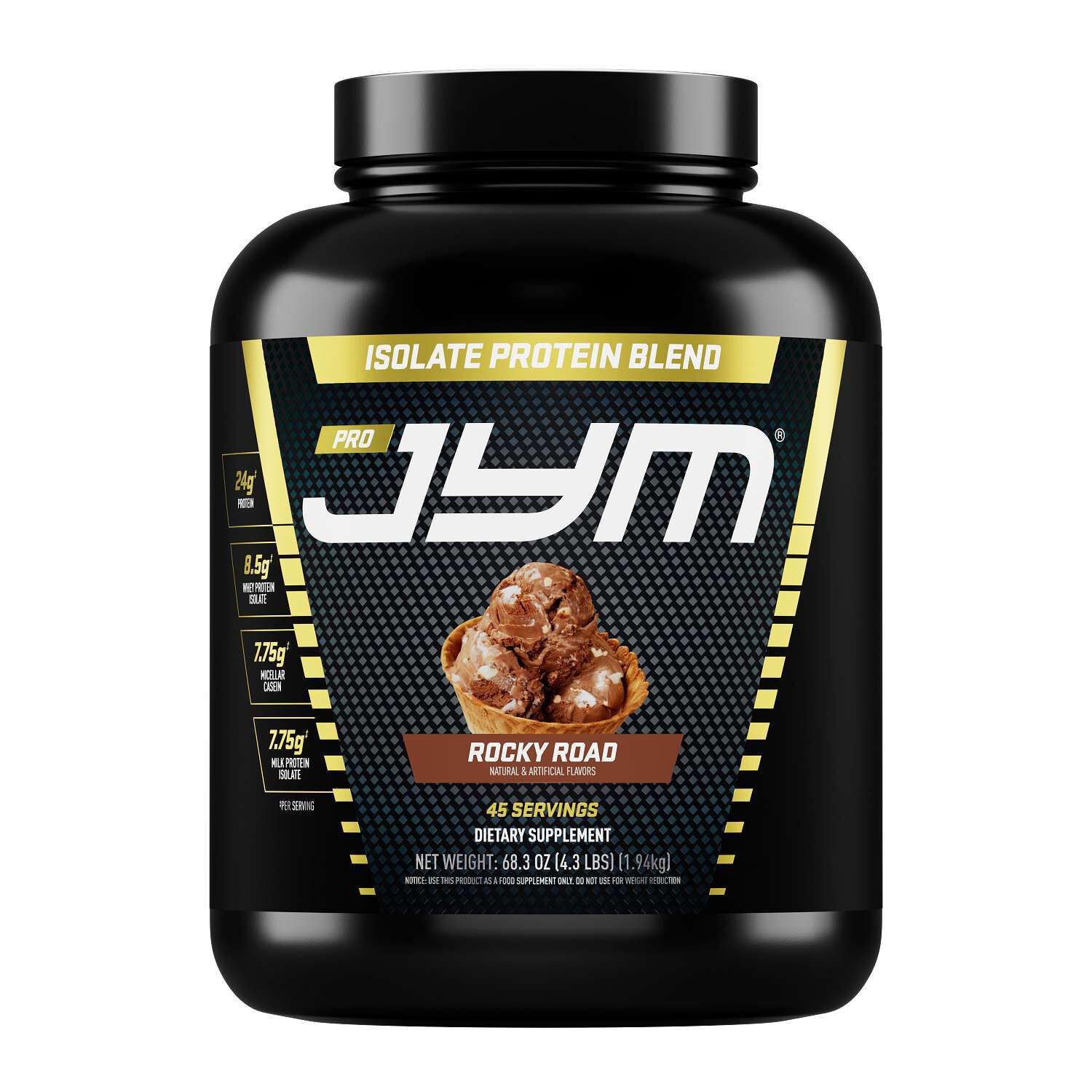
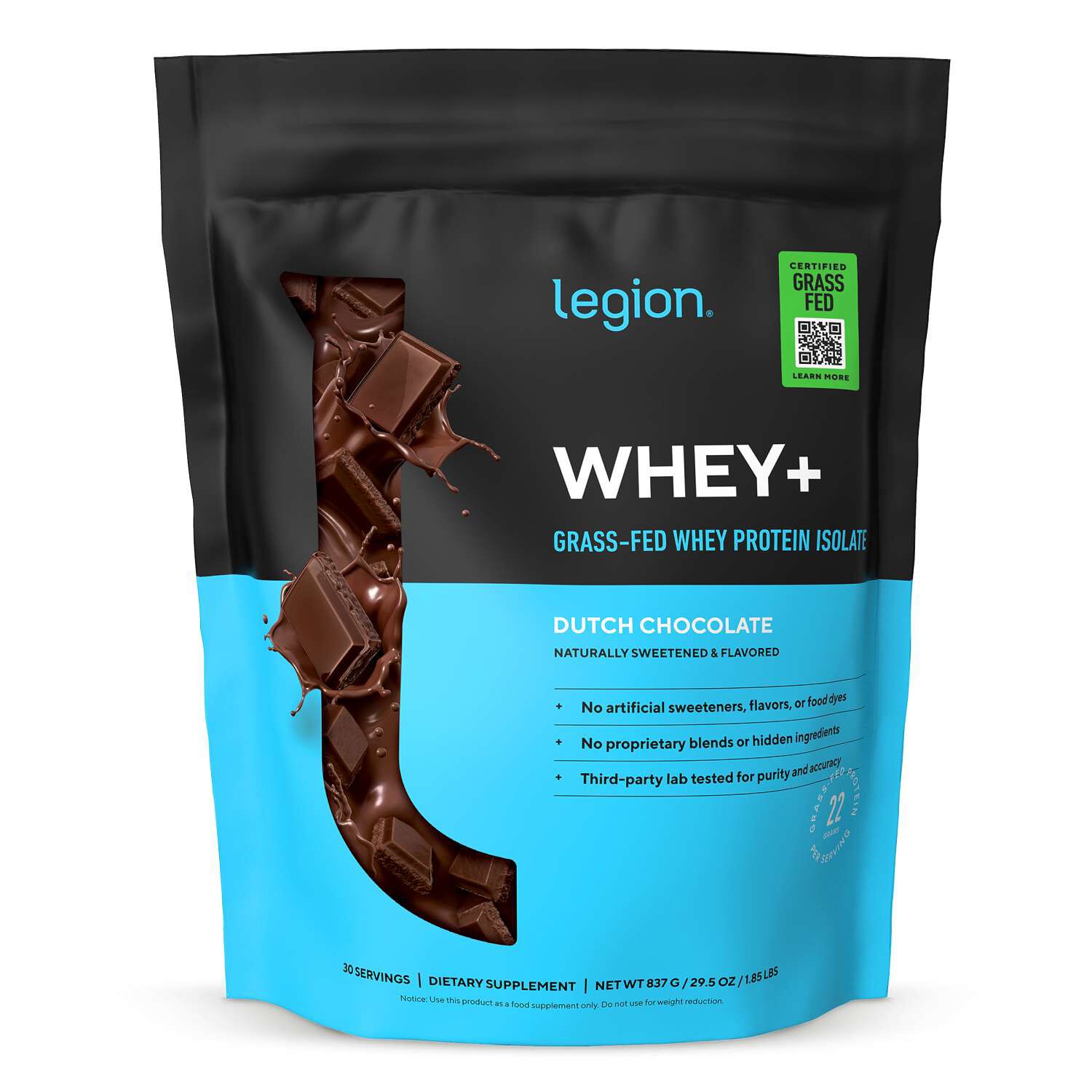
Whey and casein powders are milk-derived protein options with different textures, ingredient profiles, and uses in everyday routines. Both contain the nine amino acids that the body obtains through food, and both come from the proteins naturally present in cow’s milk. The main distinction is digestion: whey may be digested and absorbed more quickly, while casein may be digested more gradually. That difference makes whey a familiar choice for a shake after training and casein a common choice for an evening snack, although neither needs to be reserved for one time of day. Whey and casein blends bring both protein sources into the same formula, offering another option for people who prefer a single powder for different occasions. These powders may help supplement protein intake alongside varied meals, whether the routine includes strength training, recreational sports, or a busy schedule with breakfast eaten on the move. Whey labels often identify concentrate, isolate, or hydrolyzed whey. Concentrate generally retains more of the milk’s carbohydrate and fat, while isolate undergoes additional processing to separate more of the protein from those components. Hydrolyzed whey has undergone processing that divides some protein chains into smaller pieces. The finished formula still matters more than the ingredient name alone: serving size, protein grams, carbohydrate, fat, and added ingredients can differ from one powder to another. Casein labels may specify micellar casein, a form commonly used in thicker shakes and spoonable mixtures. Neither a longer ingredient list nor a larger scoop automatically signals a better match. A straightforward formula may suit someone who wants a neutral addition to breakfast, while a flavored blend may suit someone who enjoys a shake as part of a regular training routine. For shoppers comparing whey and casein protein powders, the most useful distinction is how the protein source, nutrition information, and preparation style fit the way the powder will actually be used.
Flavor and texture deserve as much attention as the protein source, especially when a powder will become part of a familiar meal or snack. Whey often makes a lighter, more pourable shake, while casein commonly produces a thicker mixture that continues to thicken as it stands. The exact result depends on the formula, the amount of liquid, and the mixing method. A chocolate powder shaken with cold water has a different character from the same powder blended with milk, banana, and ice. Vanilla offers a softer backdrop for berries, oats, or cinnamon, while unflavored options leave more room for the other ingredients to shape the taste. Sweeteners, cocoa, gums, and other ingredients can affect sweetness, mouthfeel, and how readily a powder mixes. Someone who likes a thin drink between the gym and the commute may prefer a different formula from someone who enjoys a dense yogurt bowl after dinner. A shaker bottle is practical for simple powder-and-liquid combinations; a blender is better suited to mixtures with fruit, ice, or nut butter. For a spoonable casein mixture, adding liquid gradually makes it easier to find a preferred consistency without turning a bowl into a drink. Whey can also be stirred into oatmeal or yogurt, though the result varies with the base and the amount used. With hot foods, mixing the powder into a small amount of cool liquid before stirring it into the warm dish can make the texture more even. Baking requires a little more flexibility because protein powders do not behave exactly like flour, and changing the protein source can change moisture and density. A formula intended for shakes may not produce the same result in pancakes or muffins. During the cooler months, these differences become particularly noticeable in warm breakfasts and oven-baked snacks. Preparation directions offer a useful starting point, while smaller adjustments to liquid and portion size allow the texture to suit the occasion. Taste preferences matter here: a powder that works beautifully in a fruit smoothie may feel too sweet in a plain bowl of oats.
Practical details help distinguish a powder that fits everyday life from one that feels awkward to use. Compare nutrition information using the stated serving size rather than assuming that every scoop holds the same amount. Protein grams per serving, servings per container, and the ingredients used for flavor and texture provide a clearer picture of what goes into each shake. Since whey and casein originate in milk, milk ingredients and lactose content are relevant considerations; whey isolate is not necessarily without lactose, and the full label remains important when evaluating dietary preferences and ingredient exclusions. For a gym bag, a securely closed dry portion container and a clean shaker can make preparation more convenient than carrying a large tub. Whey Protein Powders For Gym Bags offers a related category for routines centered on portable preparation. Keeping the powder dry until mixing also separates storage needs from those of a prepared shake. At home, a cool, dry cupboard away from steam is a sensible place for a tightly closed container, with the label’s storage directions taking priority. A dry scoop helps keep moisture out, and checking the printed date supports orderly pantry rotation. Prepared shakes need handling appropriate to their ingredients, especially when milk or yogurt is involved; an insulated bag with a cold pack is useful when refrigeration is not immediately accessible. Regular washing of shaker lids, seals, and mixing inserts helps remove residue from places that a quick rinse can miss. These small details matter for early workouts, desk-side breakfasts, and evening meal preparation alike. Whey may suit someone who prefers a lighter shake, casein may suit someone who likes thicker snacks, and a blend may suit someone seeking one format for both. The strongest match comes from the combination of protein source, enjoyable flavor, manageable texture, and a serving format that fits naturally alongside ordinary meals and activities.