





Whey Protein Deals
(0 Results)
Whey Protein Deals bring exciting savings to your fitness routine, making it easier to stock up on your favorite protein options. Whether you’re looking to support an active lifestyle or add more protein to your daily nutrition, these deals could be just what you need. Explore a variety of choices and find the right fit for your goals, all while enjoying special offers on top selections.
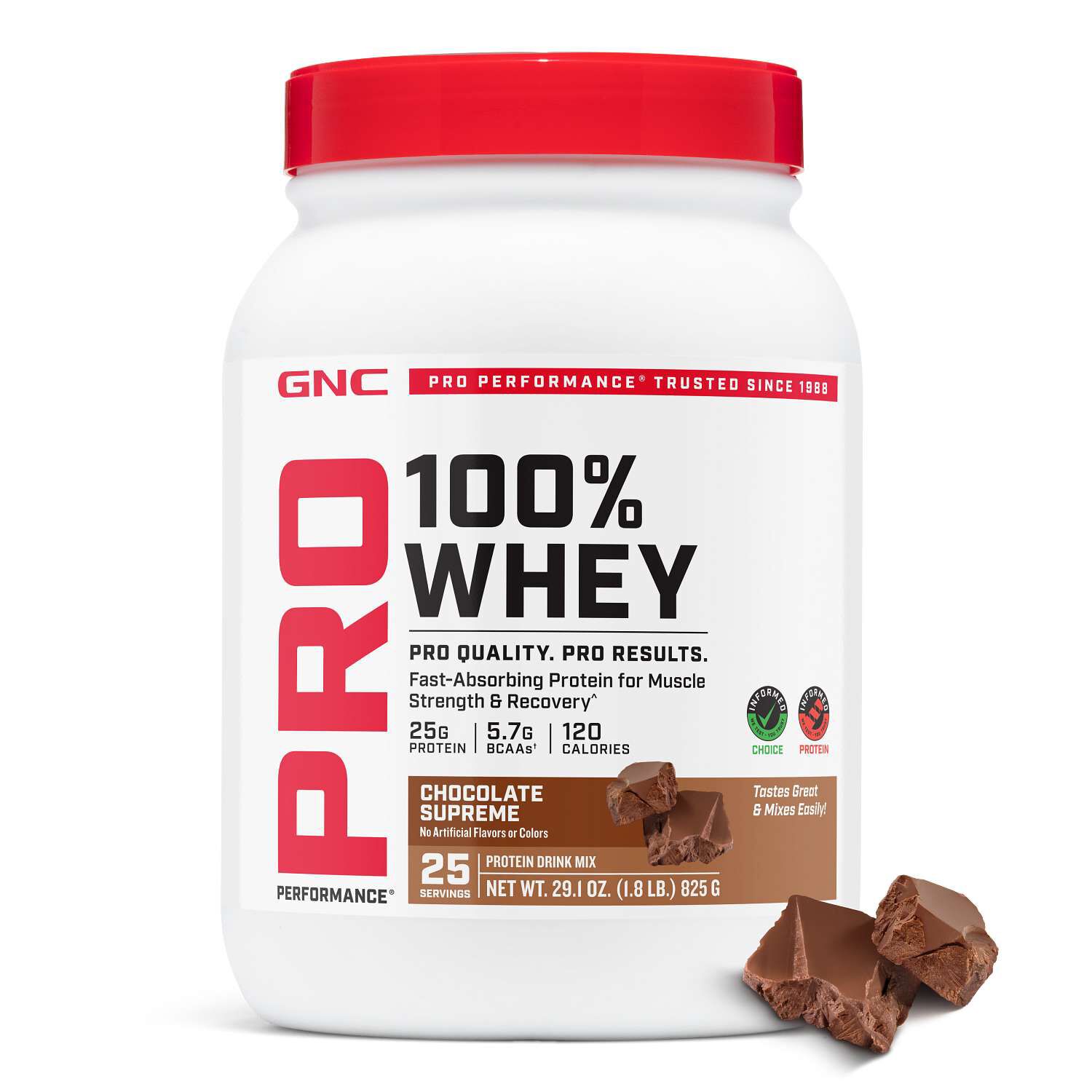
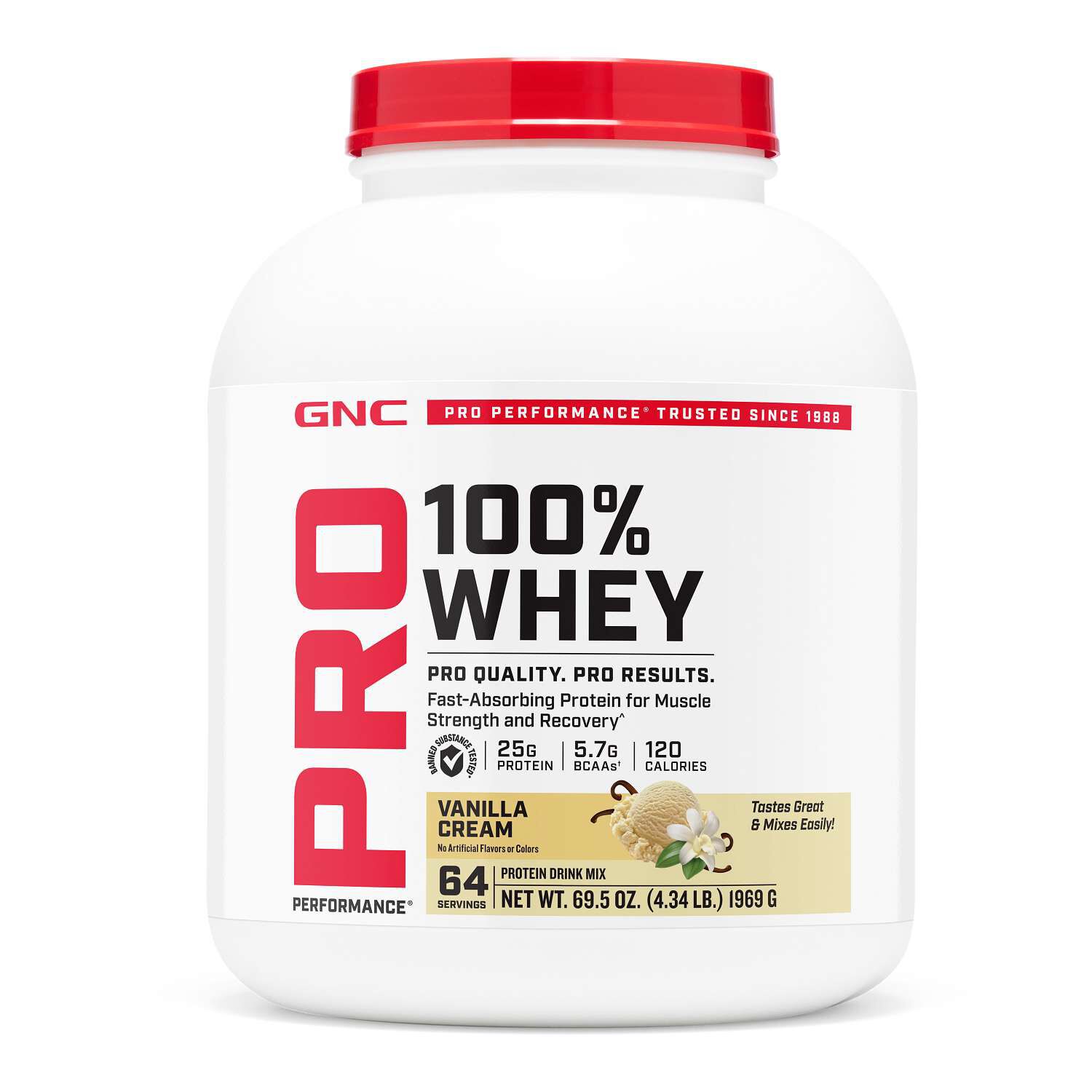


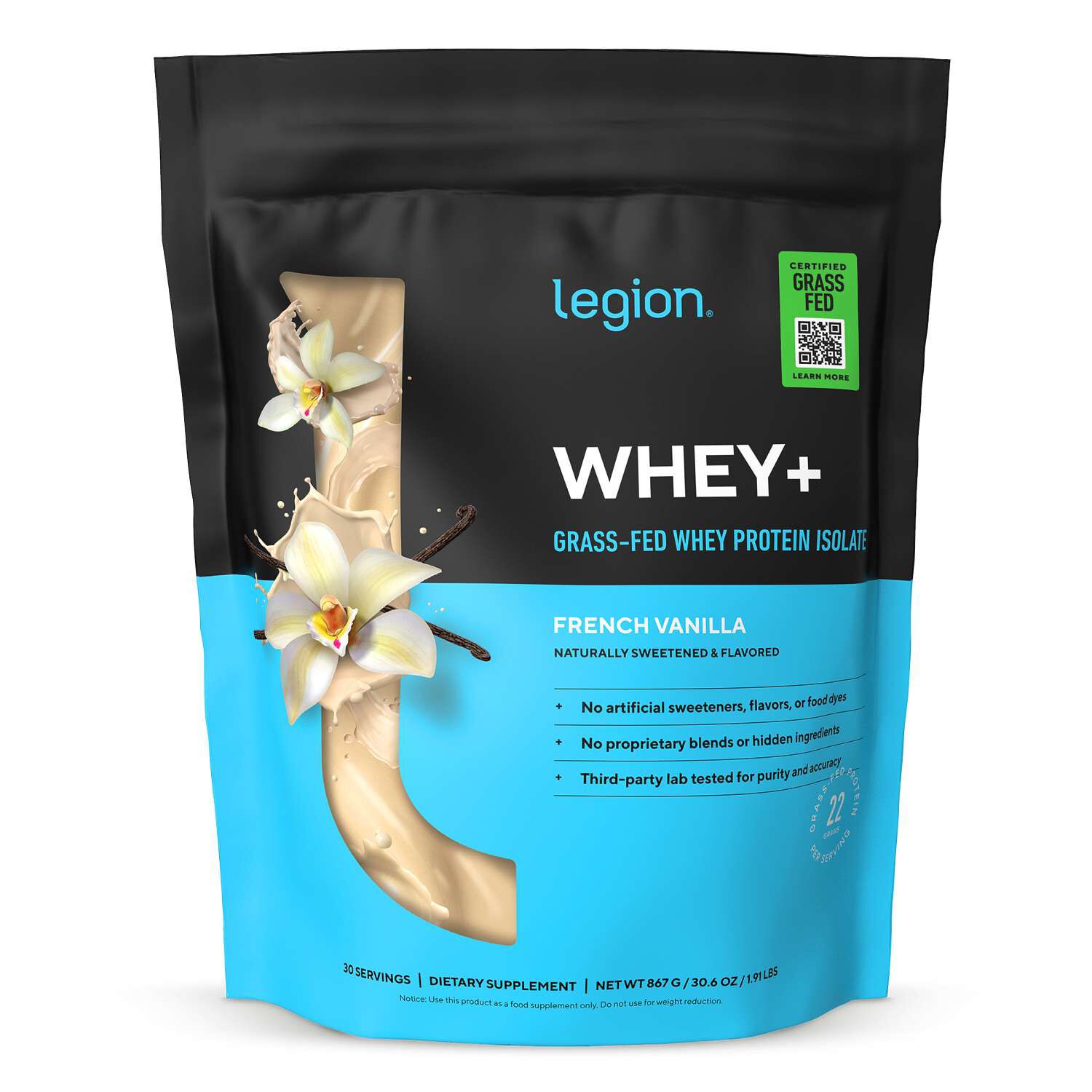

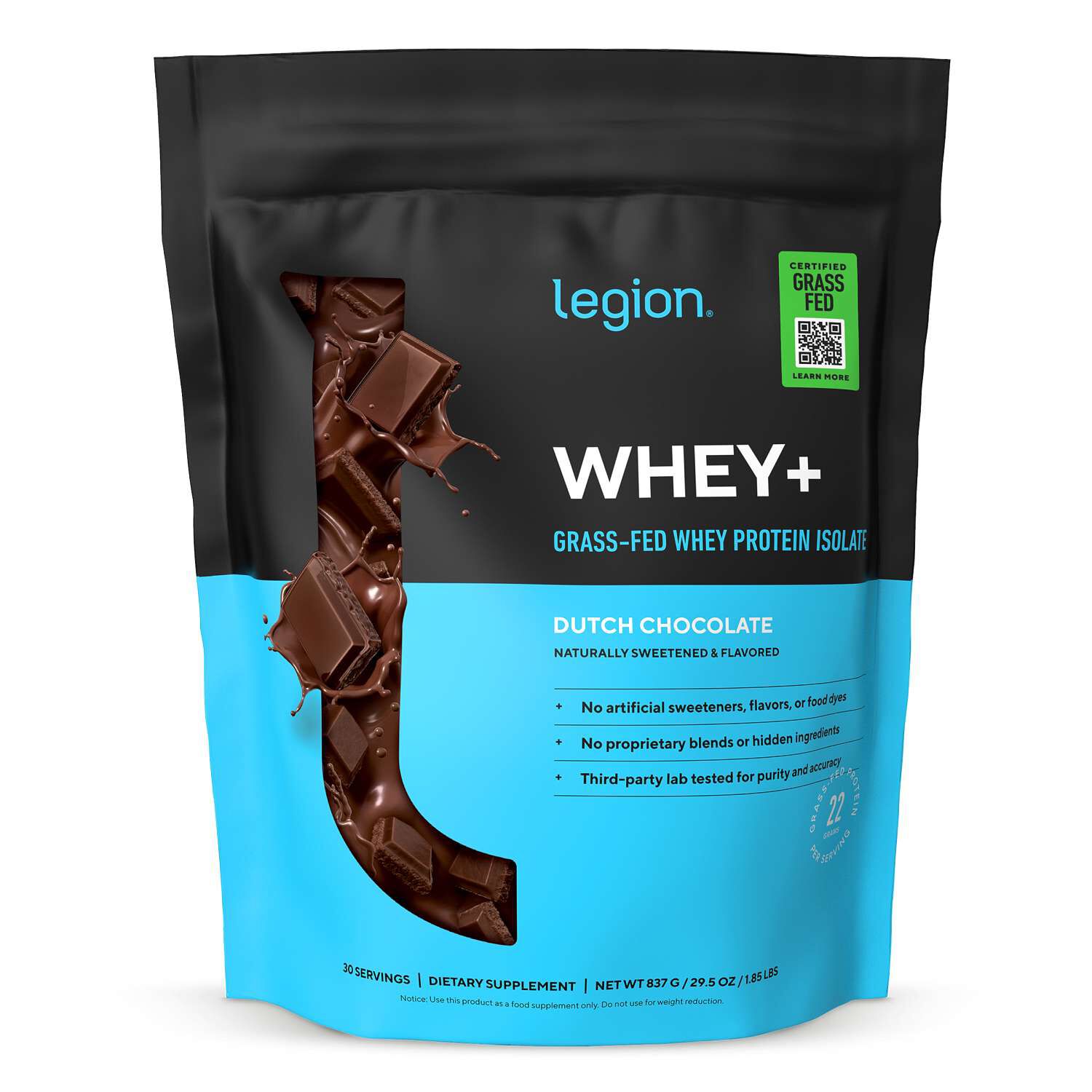
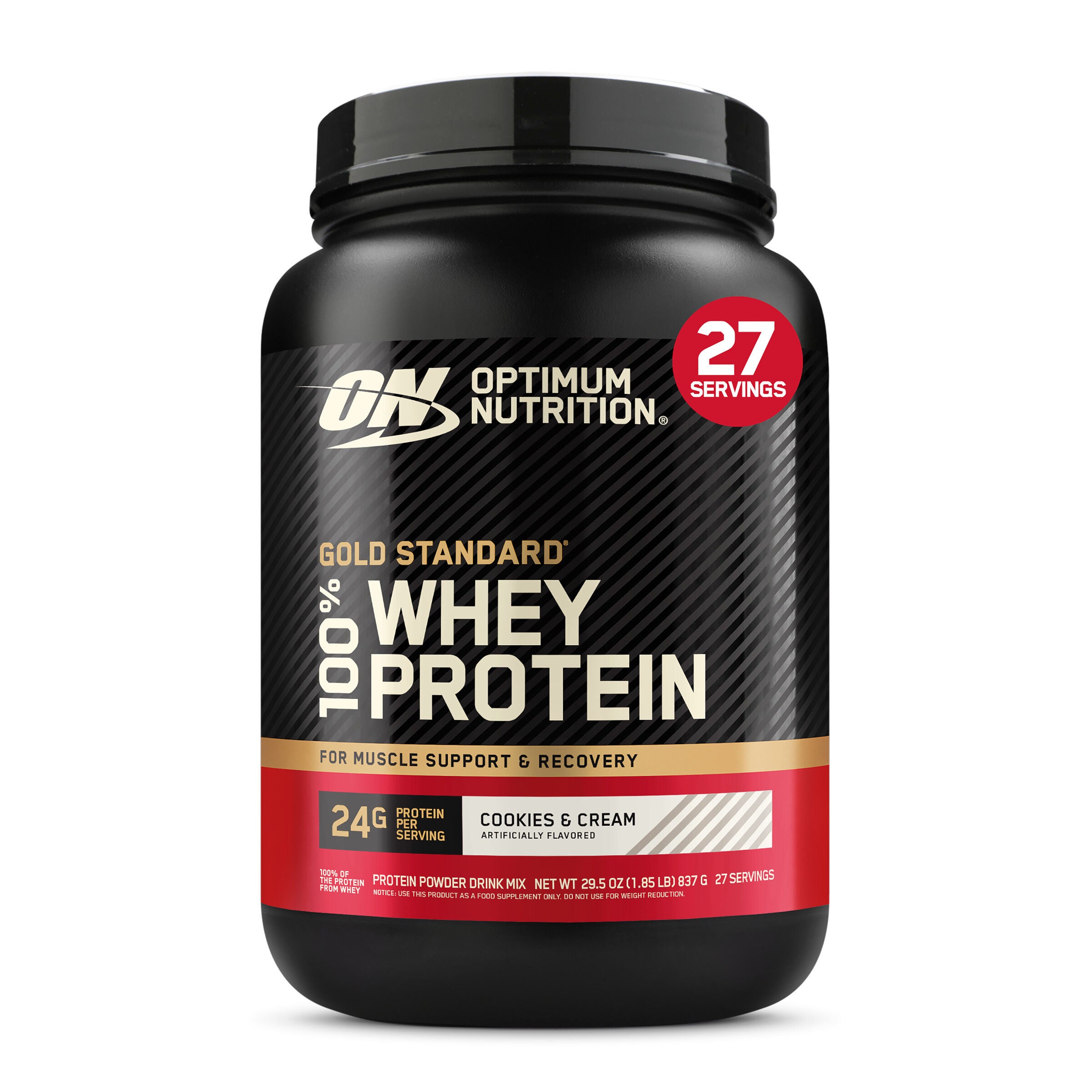


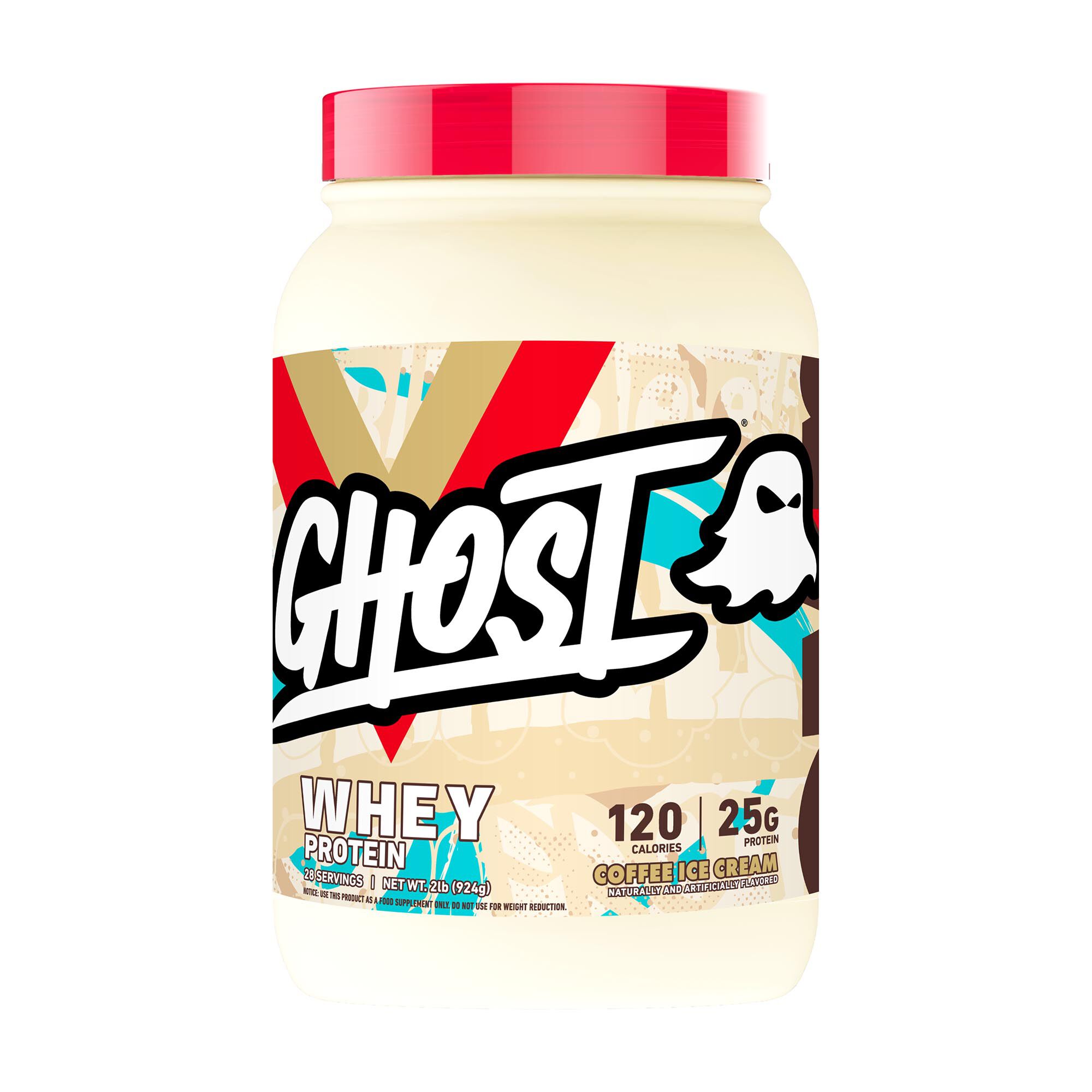
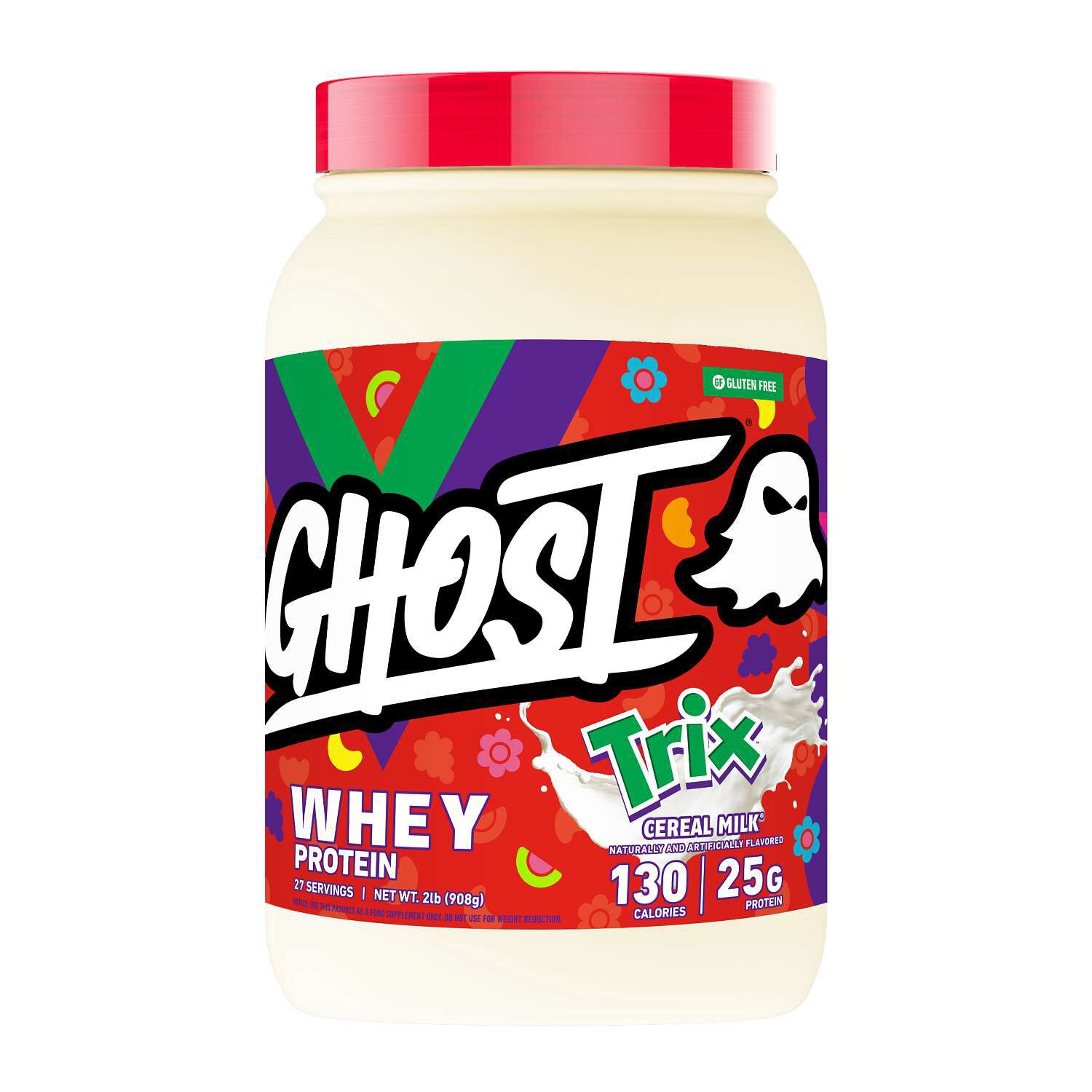
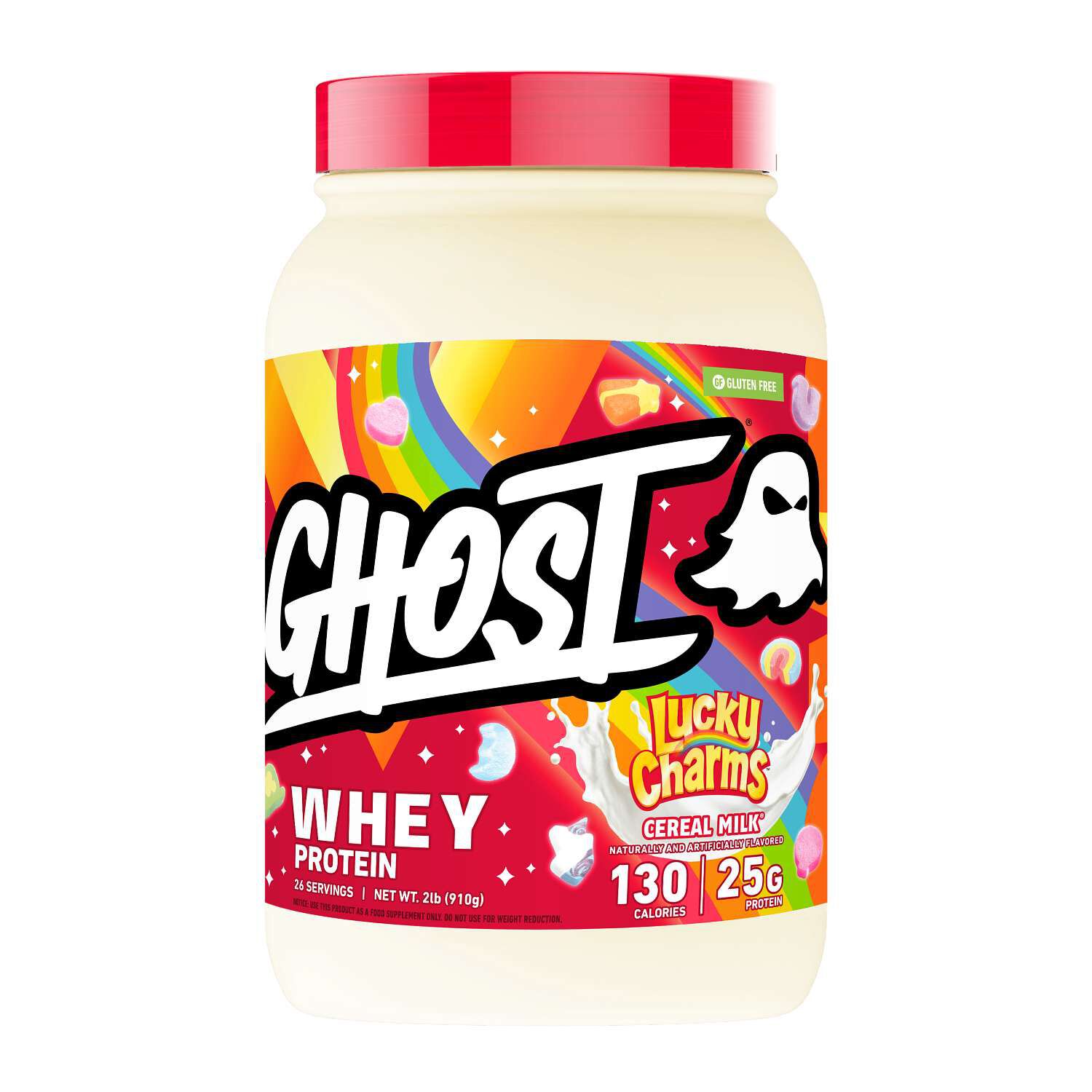

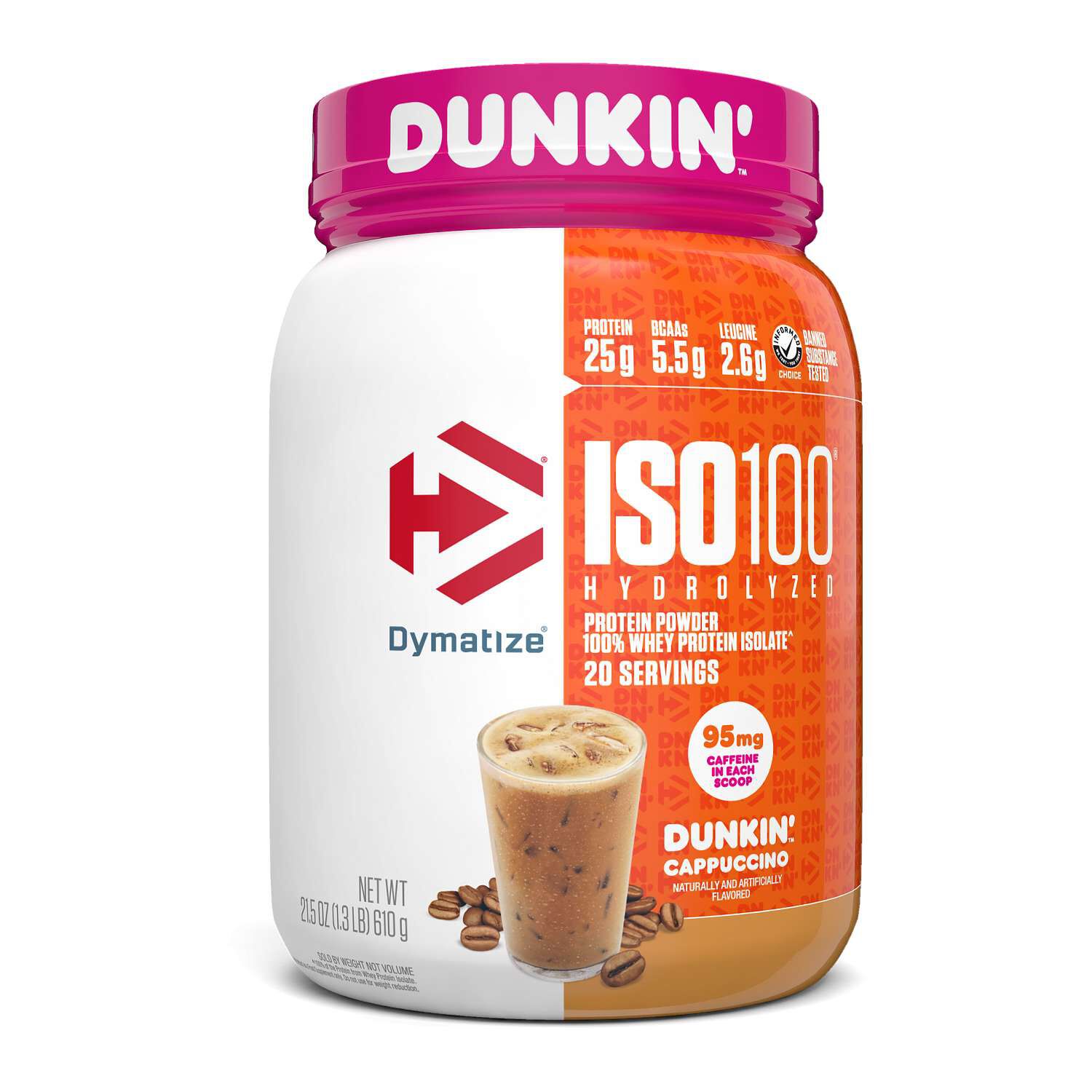
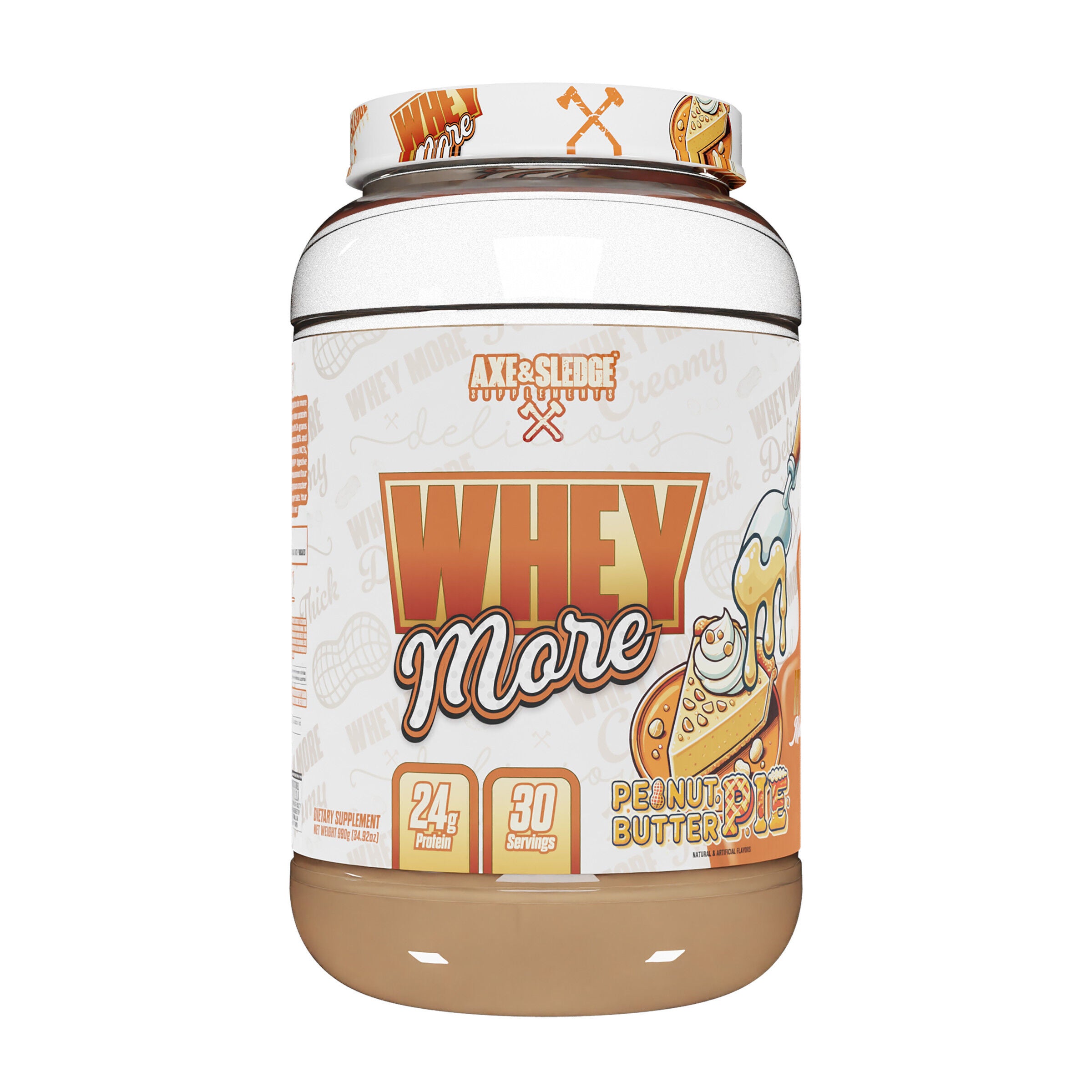


Whey protein brings a familiar dairy ingredient into a range of powders and drink formats suited to different tastes, routines, and preparation preferences. Derived from the liquid portion of milk separated during cheese production, whey contains all nine amino acids the body cannot make on its own. The distinctions among whey protein concentrate, isolate, and hydrolyzed whey begin with how that ingredient is processed. Concentrate typically retains more of milk’s naturally occurring carbohydrates and fat, while isolate undergoes additional processing to separate protein from more of those components. Hydrolyzed whey has been processed to divide some of its protein into smaller peptides. Those names describe ingredient types, not a universal ranking of which formula belongs in every kitchen or gym bag. Finished formulas vary, and the Nutrition Facts panel offers a clearer picture of protein, carbohydrates, fat, and serving size than a prominent phrase on the front of a container. Some powders combine more than one form of whey, while others feature a single type. Flavorings, sweeteners, emulsifiers, and other ingredients also distinguish one formula from another. For someone who enjoys a shake after a workout, a powder may fit an established training routine; for someone moving between meetings, classes, and errands, a prepared drink could be a convenient option alongside regular meals and snacks. Neither setting calls for the same flavor, portion, or preparation method every day. A thick chocolate shake belongs to a different taste experience than a lightly flavored drink mixed with water, even when both feature whey. Familiarity with those differences may make browsing more focused, especially when comparing formulas that initially look similar. The most useful distinctions are often practical ones: the ingredient list, the stated serving size, the suggested mixing directions, and whether the format matches the way it will actually be used.
Taste and texture deserve as much attention as the protein source, particularly for something intended to become part of a regular routine. Chocolate, vanilla, fruit-inspired flavors, and unflavored options offer different starting points for drinks and food preparation. A chocolate powder may suit a shake blended with banana, while vanilla could pair with berries, cinnamon, or a spoonful of nut butter. An unflavored formula may be more adaptable when the other ingredients are meant to take center stage, although unflavored does not necessarily mean there is no noticeable dairy taste. Sweetness also varies with the formula and the liquid used for mixing. Water may produce a lighter drink, while milk or a plant-based beverage could contribute a richer texture and a different nutritional profile. A shaker bottle may suit a straightforward mixture before leaving home, whereas a blender could be more practical for combinations containing fruit, oats, or thicker ingredients. The suggested liquid amount on the package provides a starting point; personal preferences for a thinner drink or a spoonable blend are another consideration. Some powders contain lecithin or other ingredients used for mixing and texture, so an ingredient list may help explain differences in how formulas behave in the same cup. Foam, thickness, sweetness, and the way a flavor lingers are all parts of the drinking experience, rather than interchangeable details. Whey powder also appears in everyday kitchen uses such as yogurt bowls, oatmeal, and pancake batter, though recipes need to account for the added dry ingredient. Heating may change its texture, and a powder that tastes pleasant in a shake may behave differently in a baked recipe. Following a recipe developed for protein powder is a more predictable starting point than treating it as a direct replacement for flour. For everyday use, familiar flavors and realistic preparation habits often matter more than an elaborate combination that requires several extra steps.
Format, labeling, and storage round out the comparison, especially when whey protein needs to fit into more than one part of the day. A larger powder container belongs naturally in a kitchen or another designated preparation area, while individually portioned formats may suit a bag packed for work or a trip. Ready-to-drink options involve a different set of considerations, including package size, storage directions, and whether refrigeration is required before or after opening. The broader selection of Whey Protein Shakes and Drinks offers another way to browse around preparation style and preferred format. A powder and a prepared drink are not automatically equivalent simply because both feature whey; their portions, ingredients, and nutritional information can differ substantially. Serving size is especially useful context when comparing labels, since scoop dimensions and recommended portions are not uniform. The number of grams of protein per serving belongs alongside the serving weight and the rest of the nutrition panel, rather than standing alone. Milk-derived ingredients also remain relevant regardless of the filtration language on the package, and ingredient statements identify other components included in a formula. For powders, a dry scoop, a securely closed lid, and storage according to the package directions are straightforward parts of everyday care. Moisture introduced by a wet utensil or a damp shaker is best kept away from the container. Shaker bottles, lids, and seals need cleaning according to their care instructions, with attention to small grooves where residue can collect. A container that fits comfortably in a cabinet, a bottle that is easy to wash, and a flavor that works with a familiar breakfast are small but meaningful details. For a gift recipient, an established flavor preference and a known interest in whey protein offer a better starting point than assumptions about fitness goals. Across formats, the strongest match is a practical one: an understandable label, an appealing taste, and preparation requirements that suit the person who will use it.
Best Sellers


Related Pages


Top Collections
- Zinc Supplements | Top Brands at Great Prices | GNC
- Cortisol Supplements
- Joint Mobility Supplement Packs
- NAD+ Supplement Tablets
- Best Brand of Magnesium Glycinate
- Top Rated Collagen | Shop Customer Favorites | GNC
- Iron Supplements
- Peptide Supplements
- Protein Powders For Muscle Growth Support
- Vitamins That Help Support Weight Gain