





Protein Bar Deals
(0 Results)
Shop protein bar deals for snack options that fit your routine and budget. Compare current prices alongside protein per serving, ingredients, and package size to choose bars that suit your preferences.

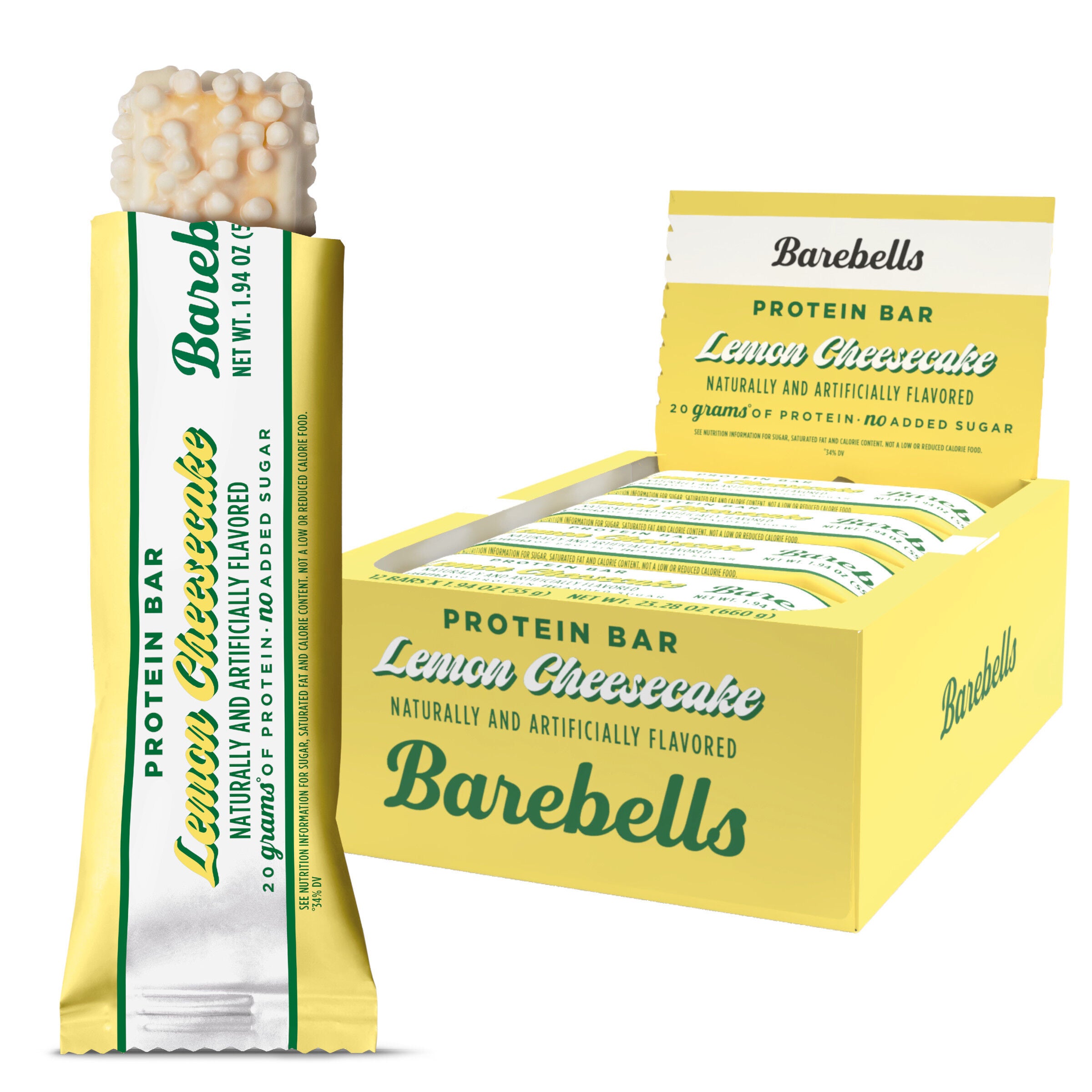


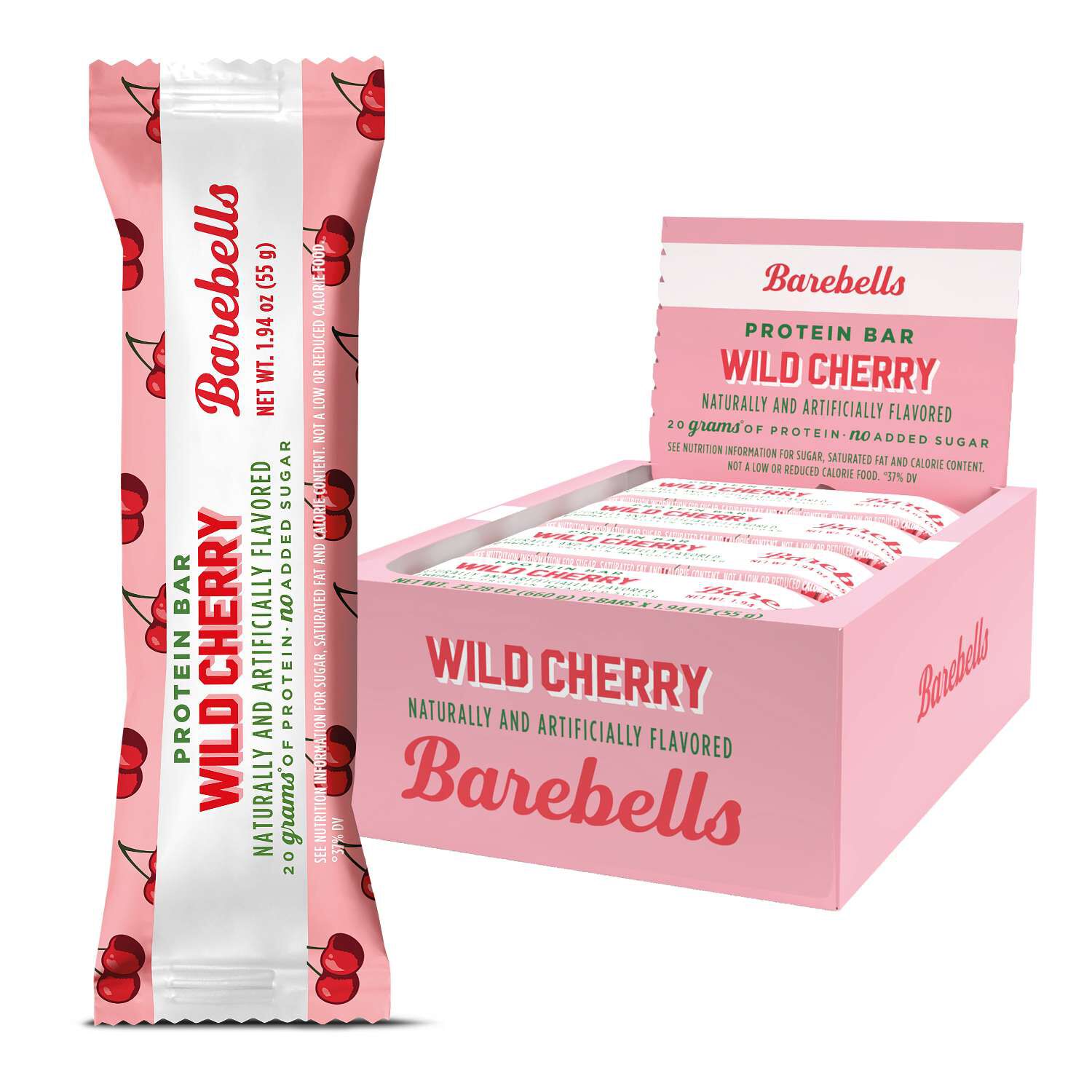
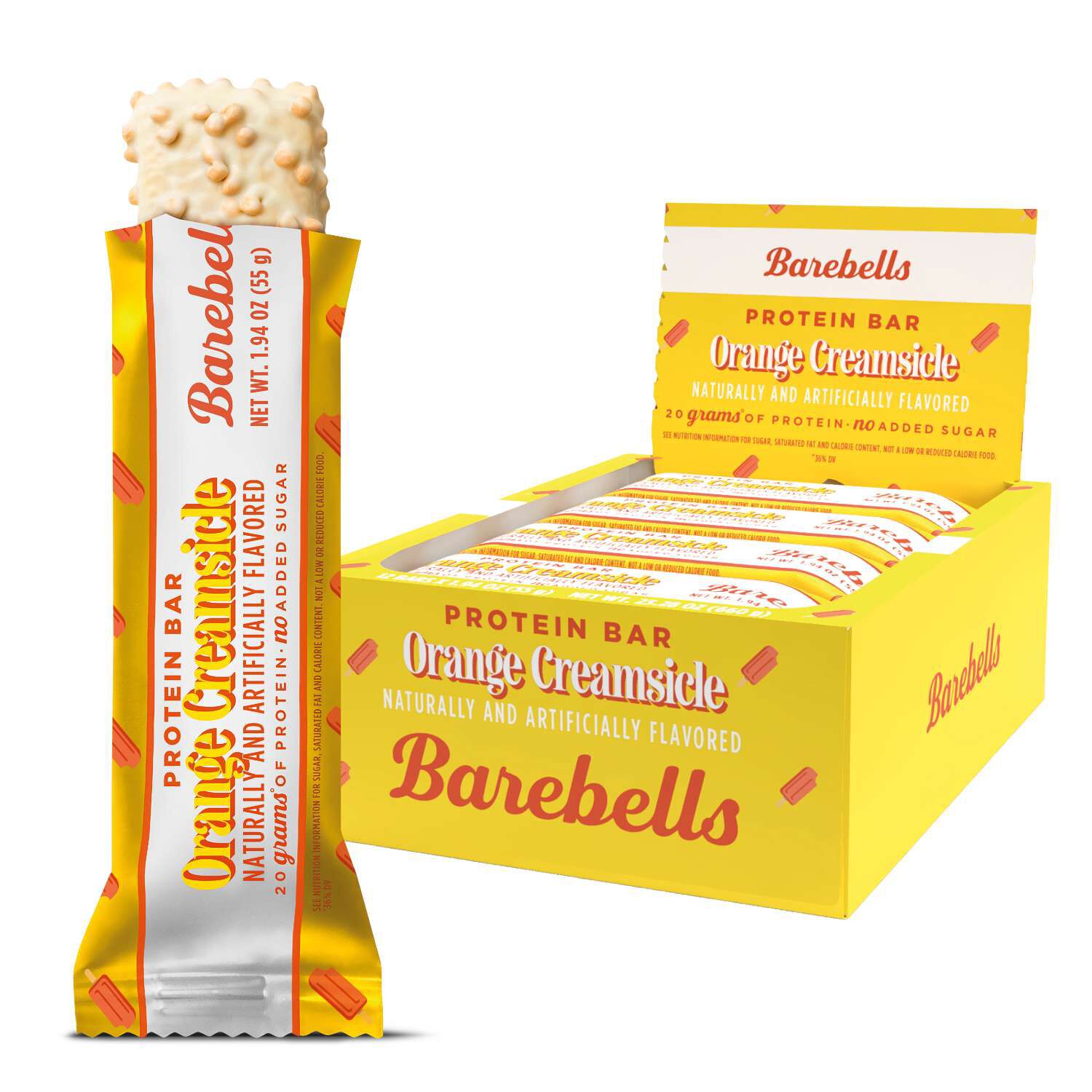
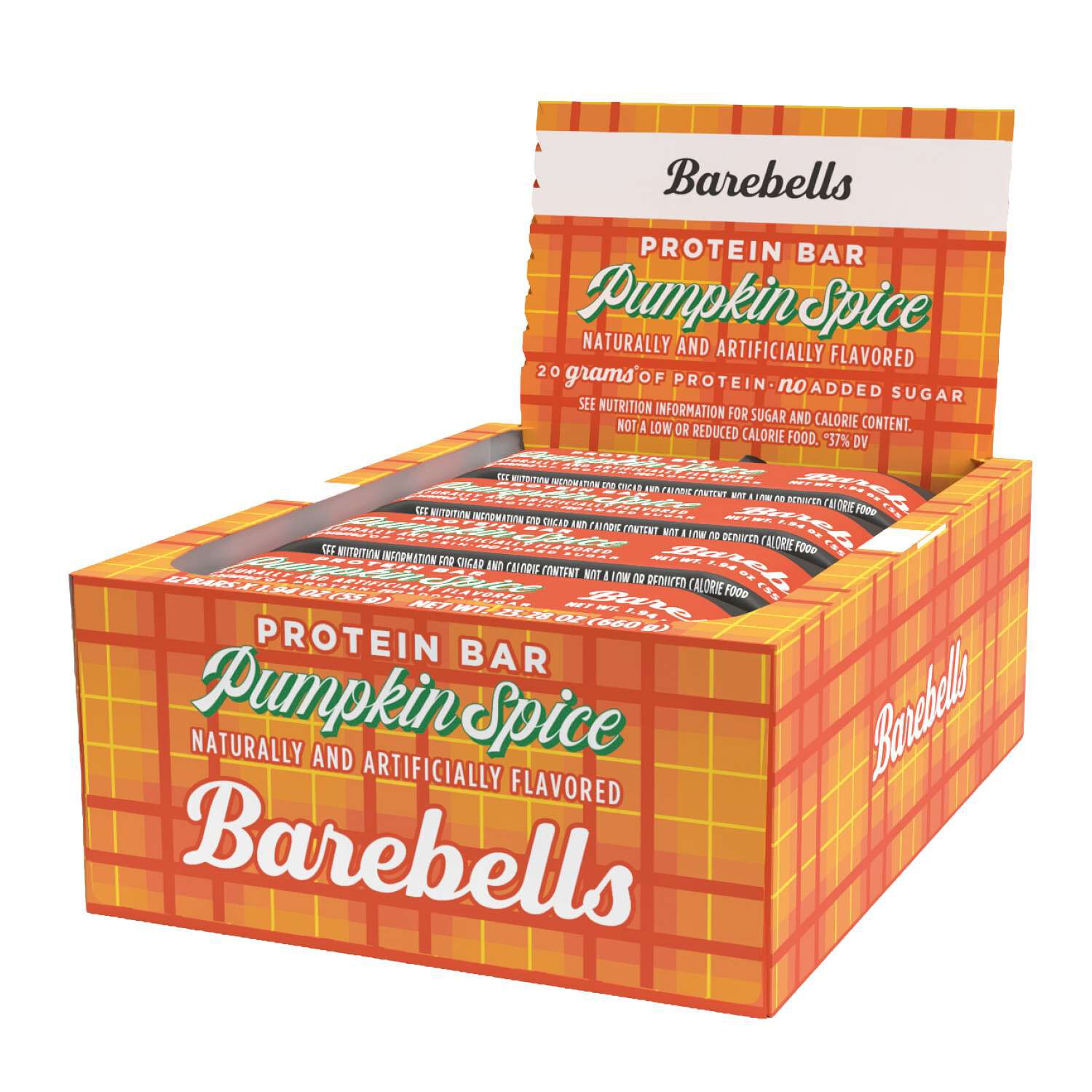

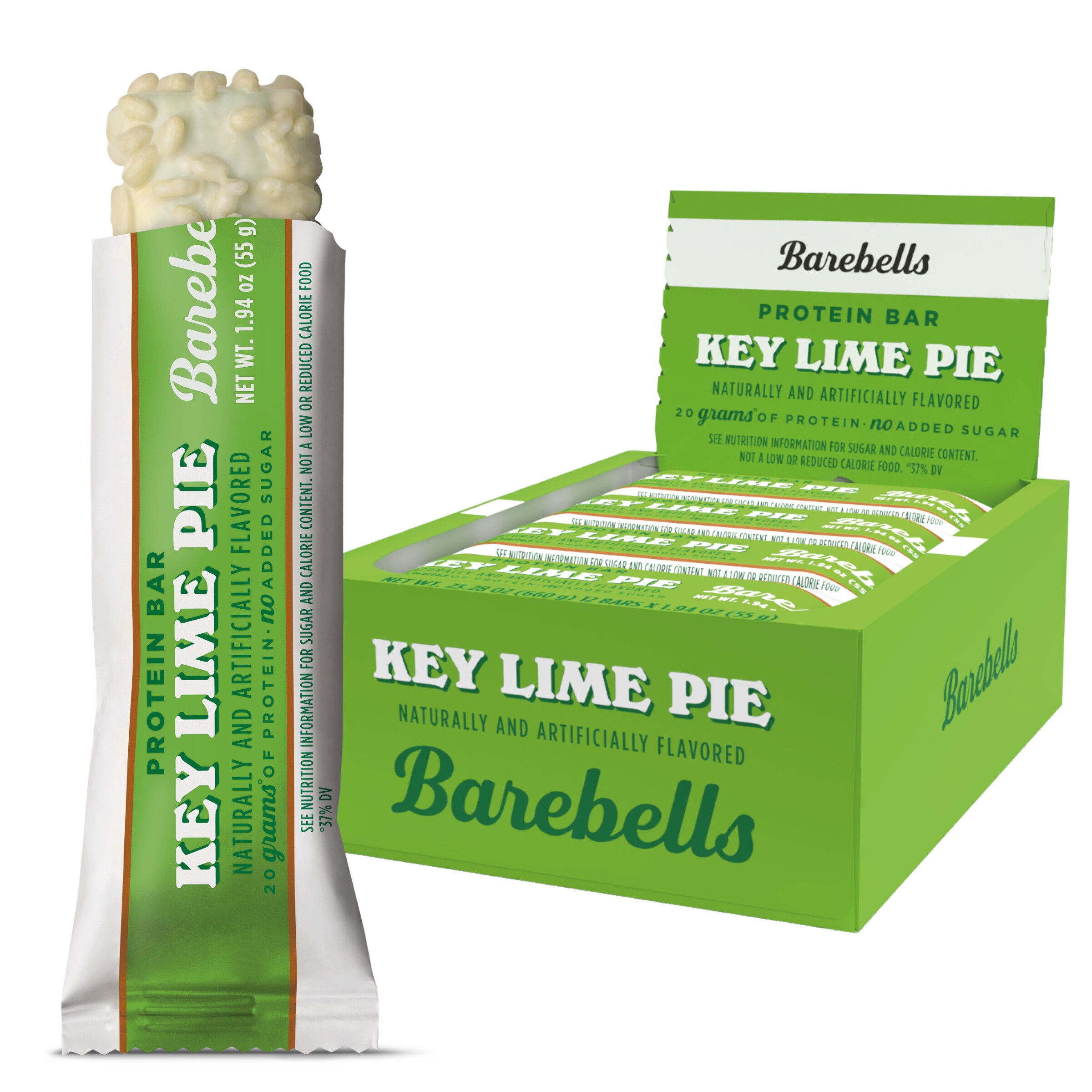
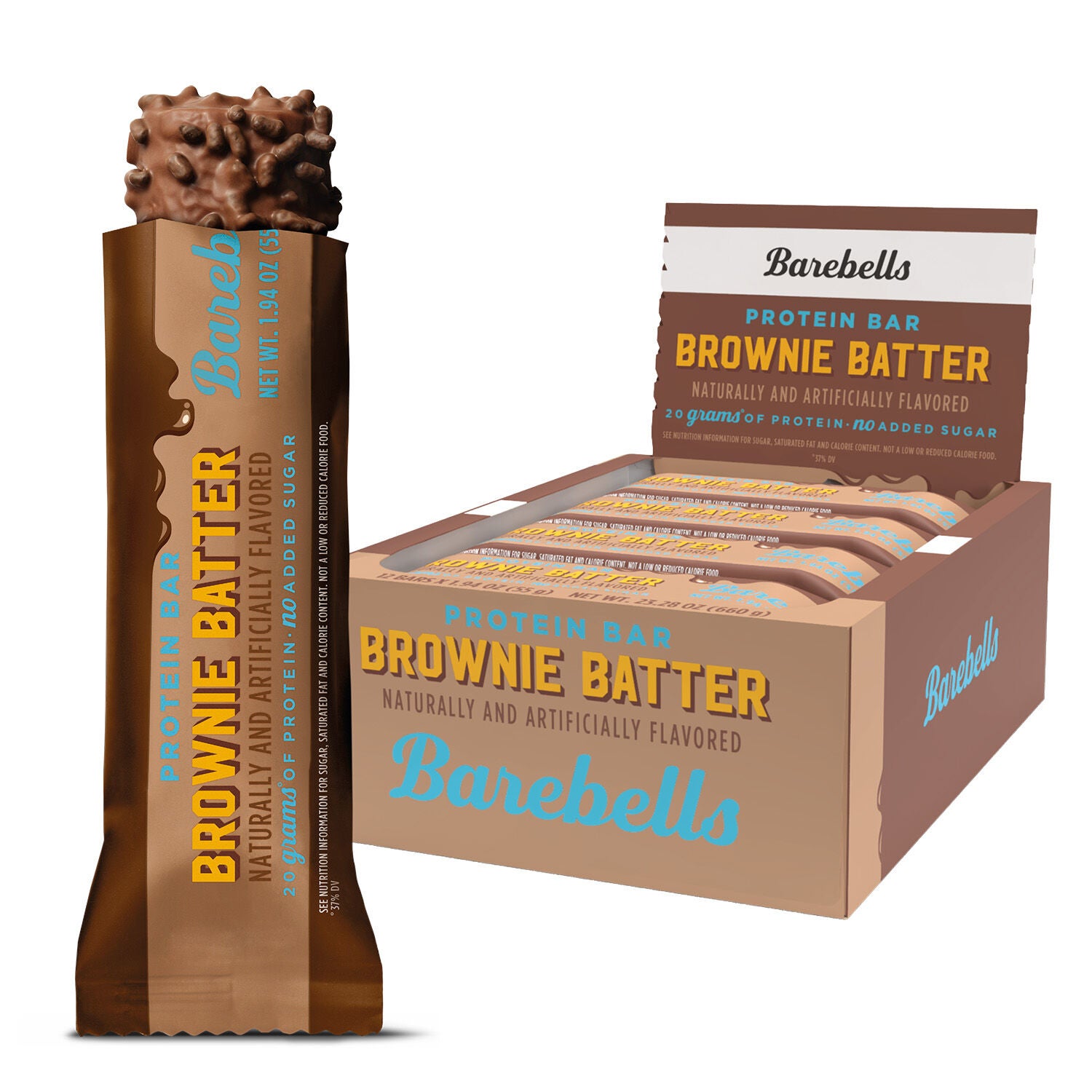
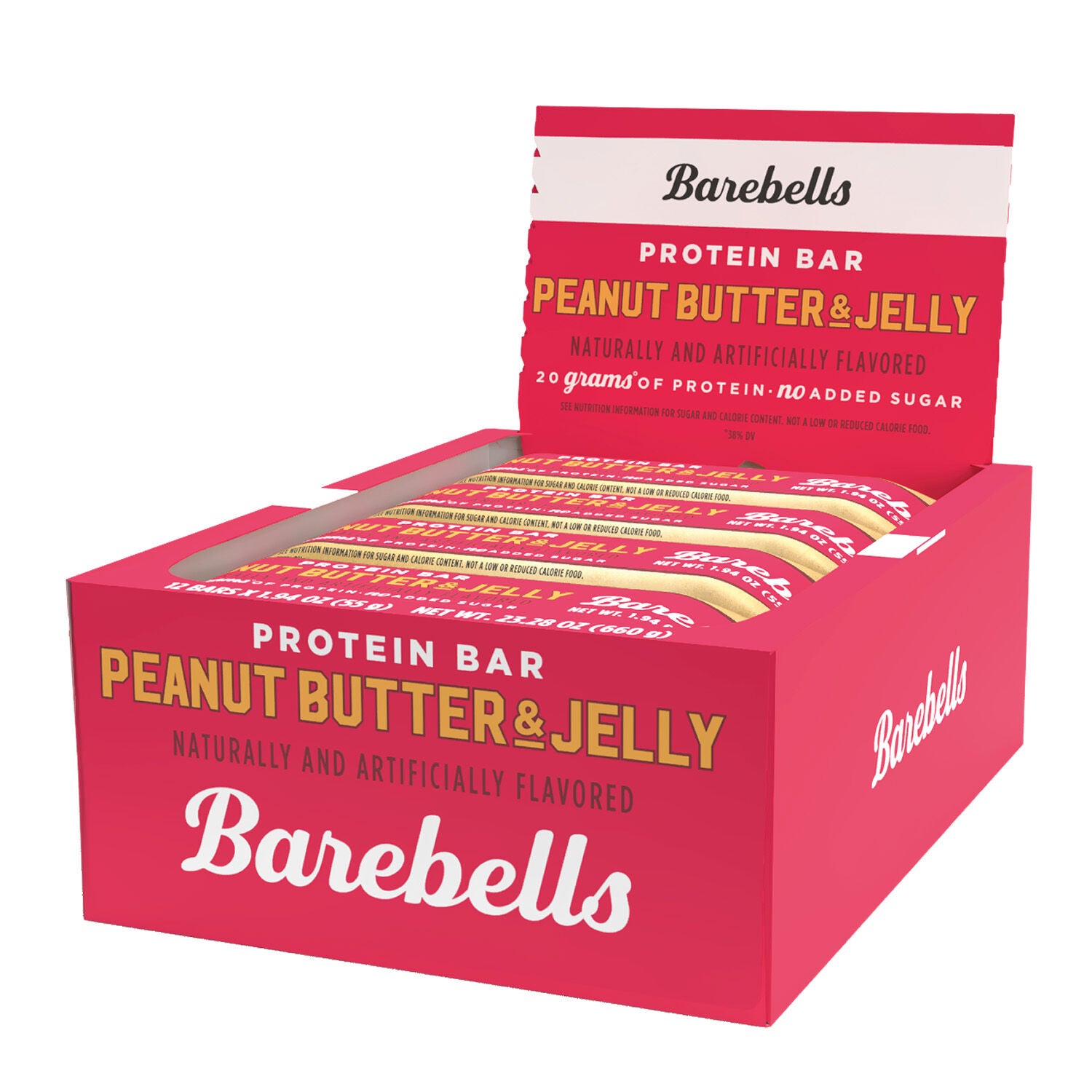
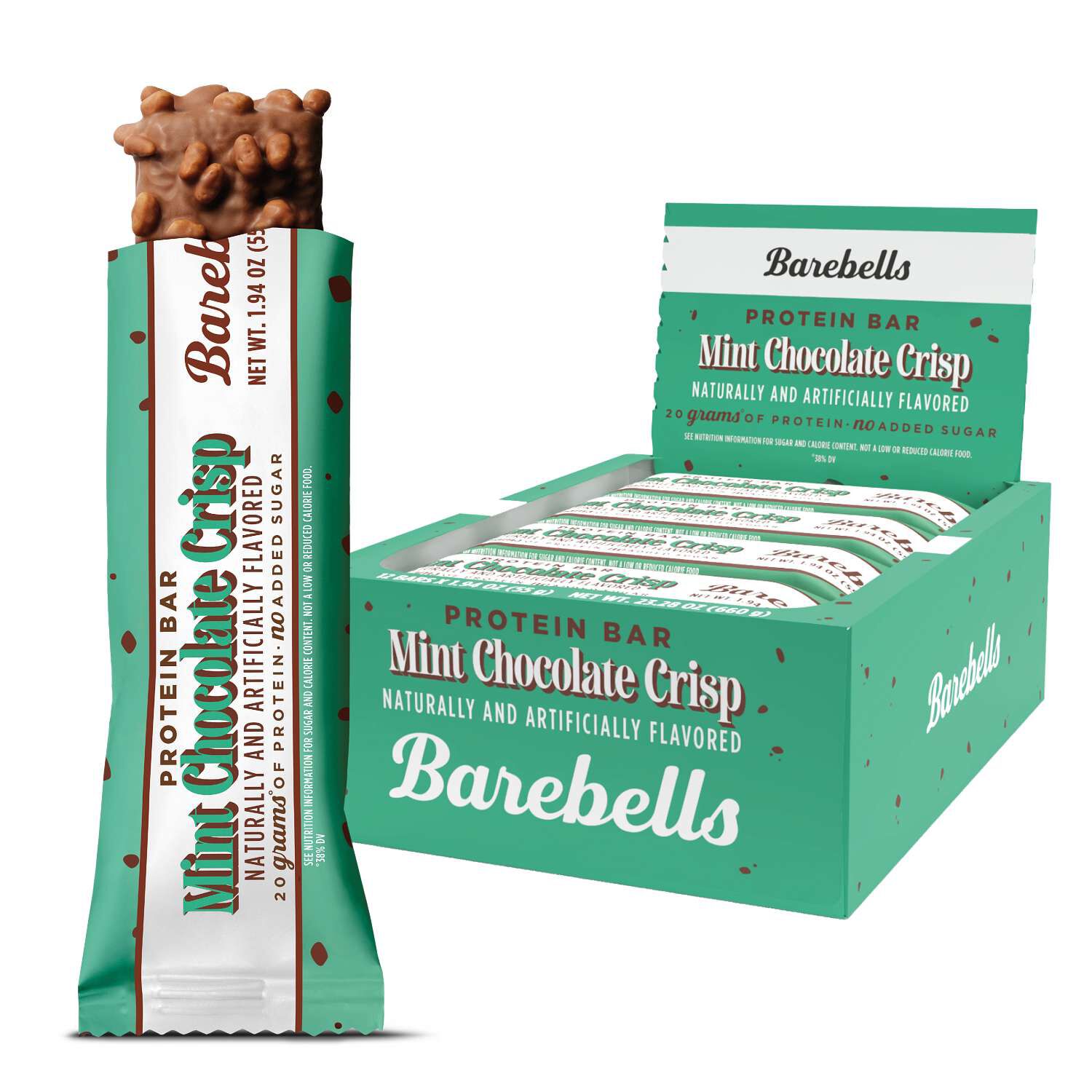


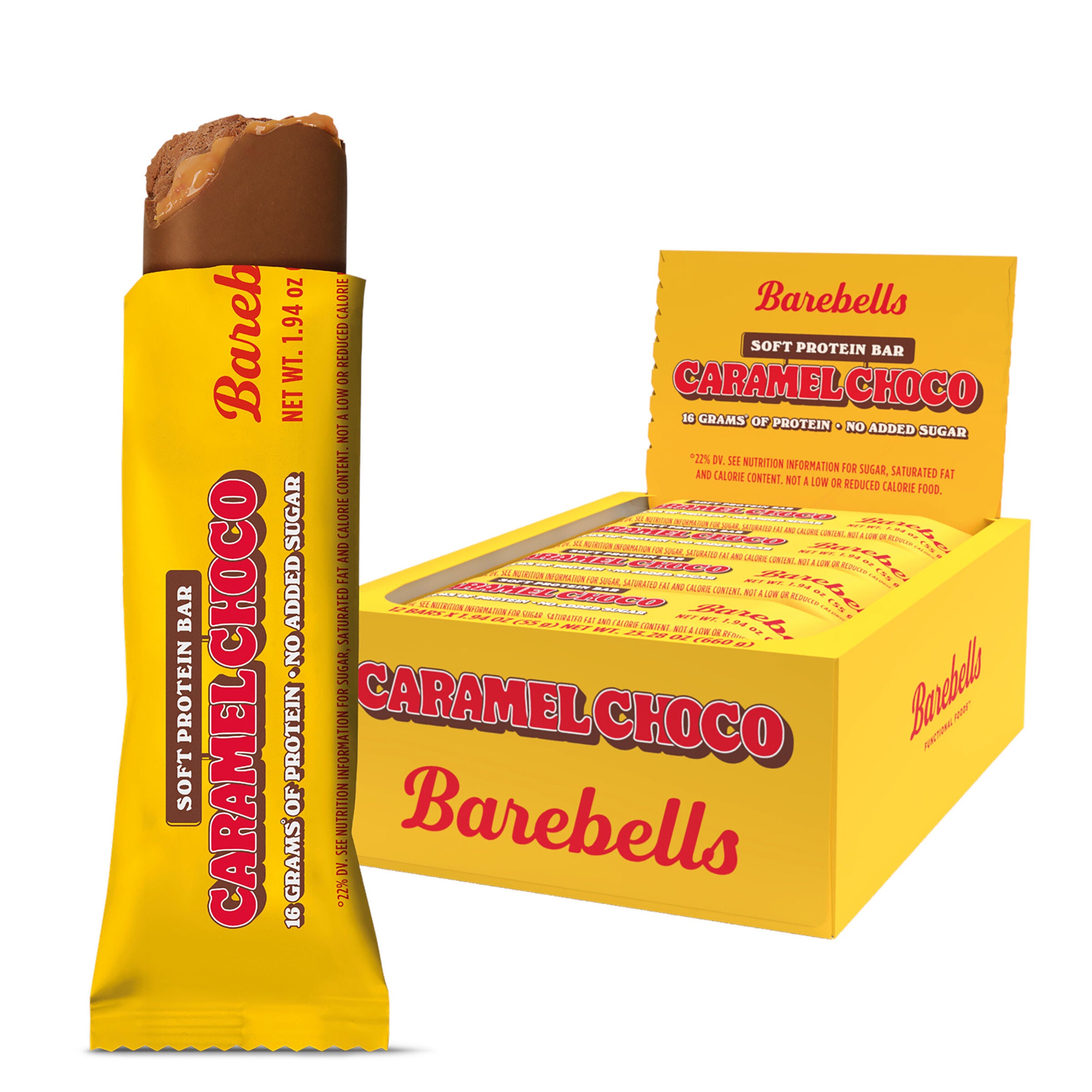
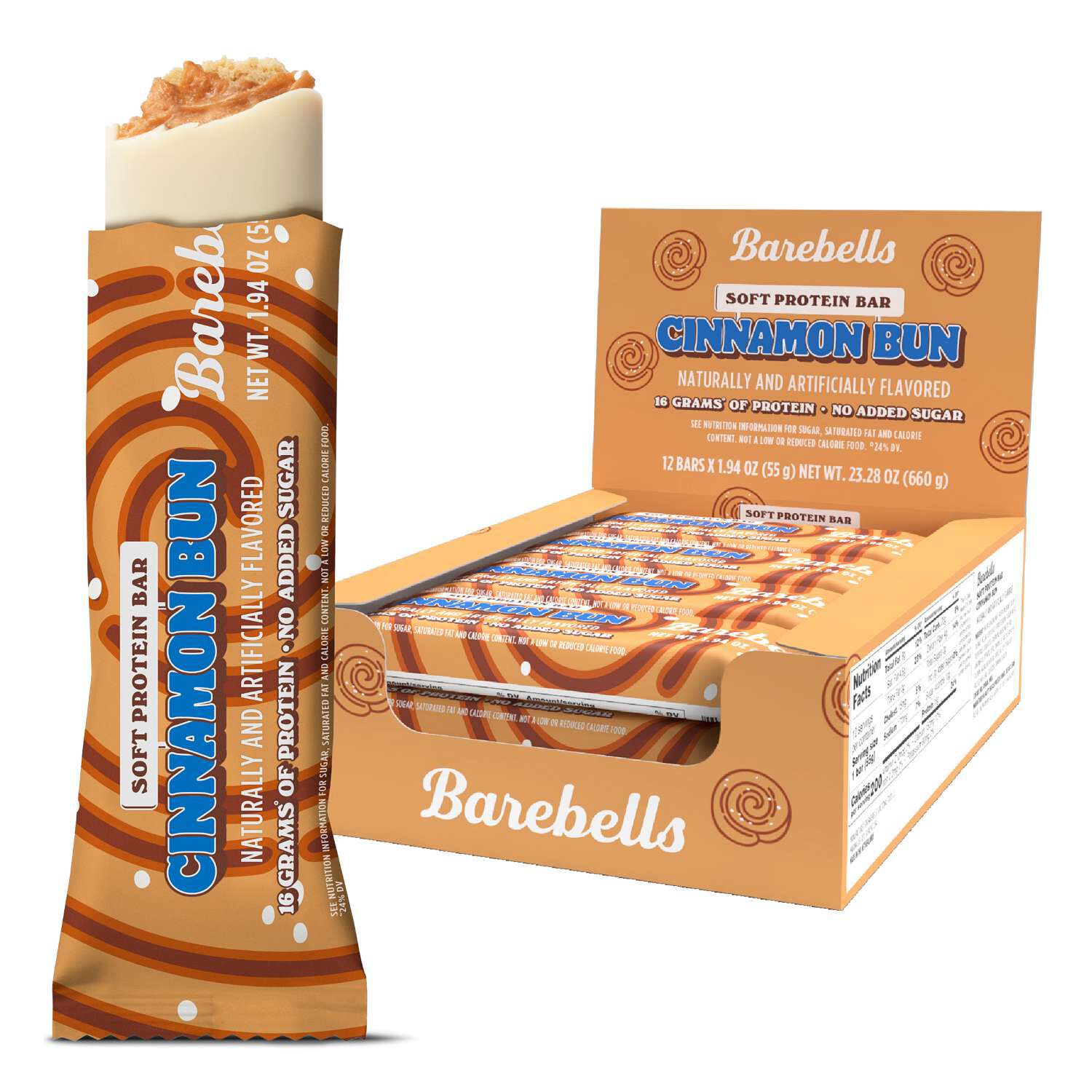
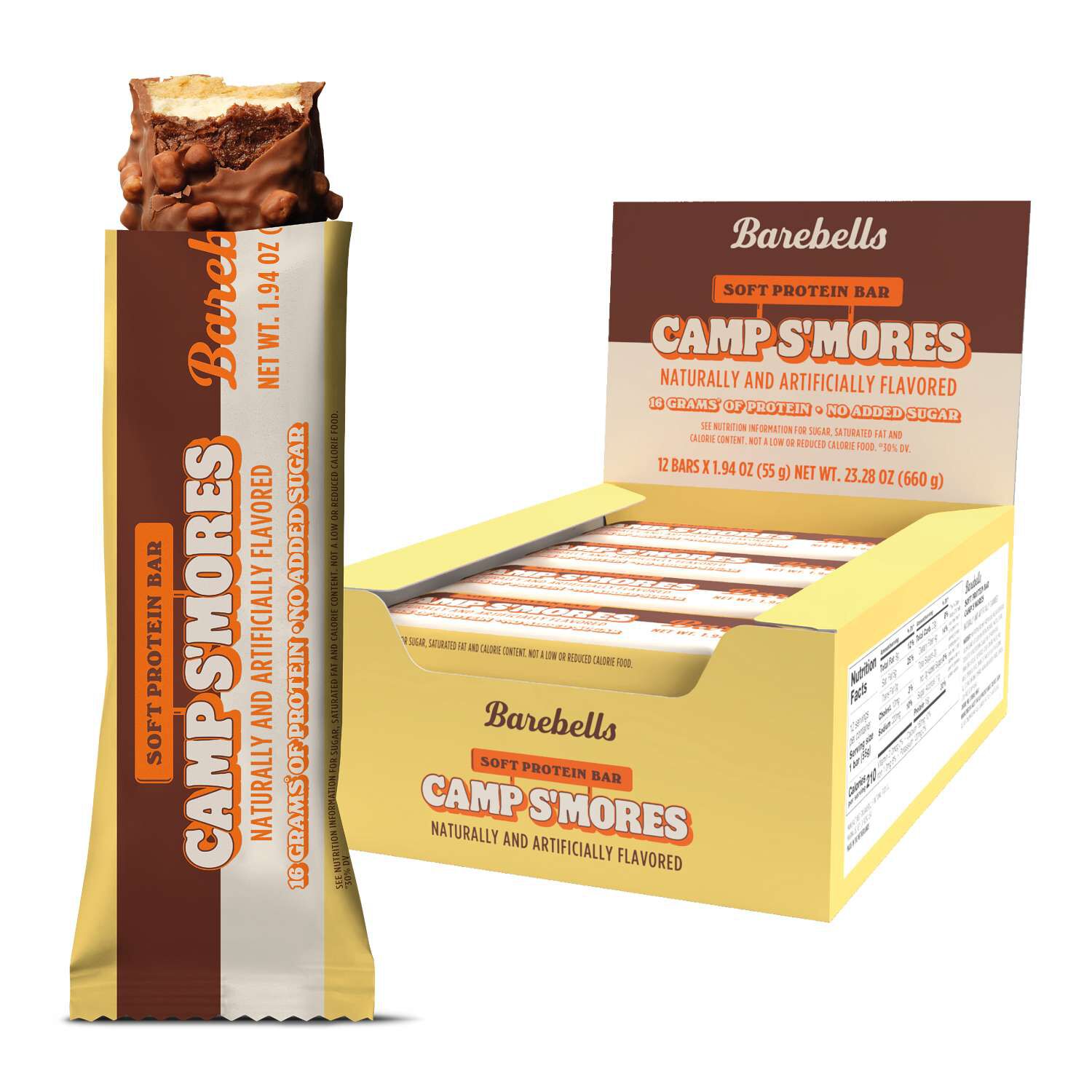
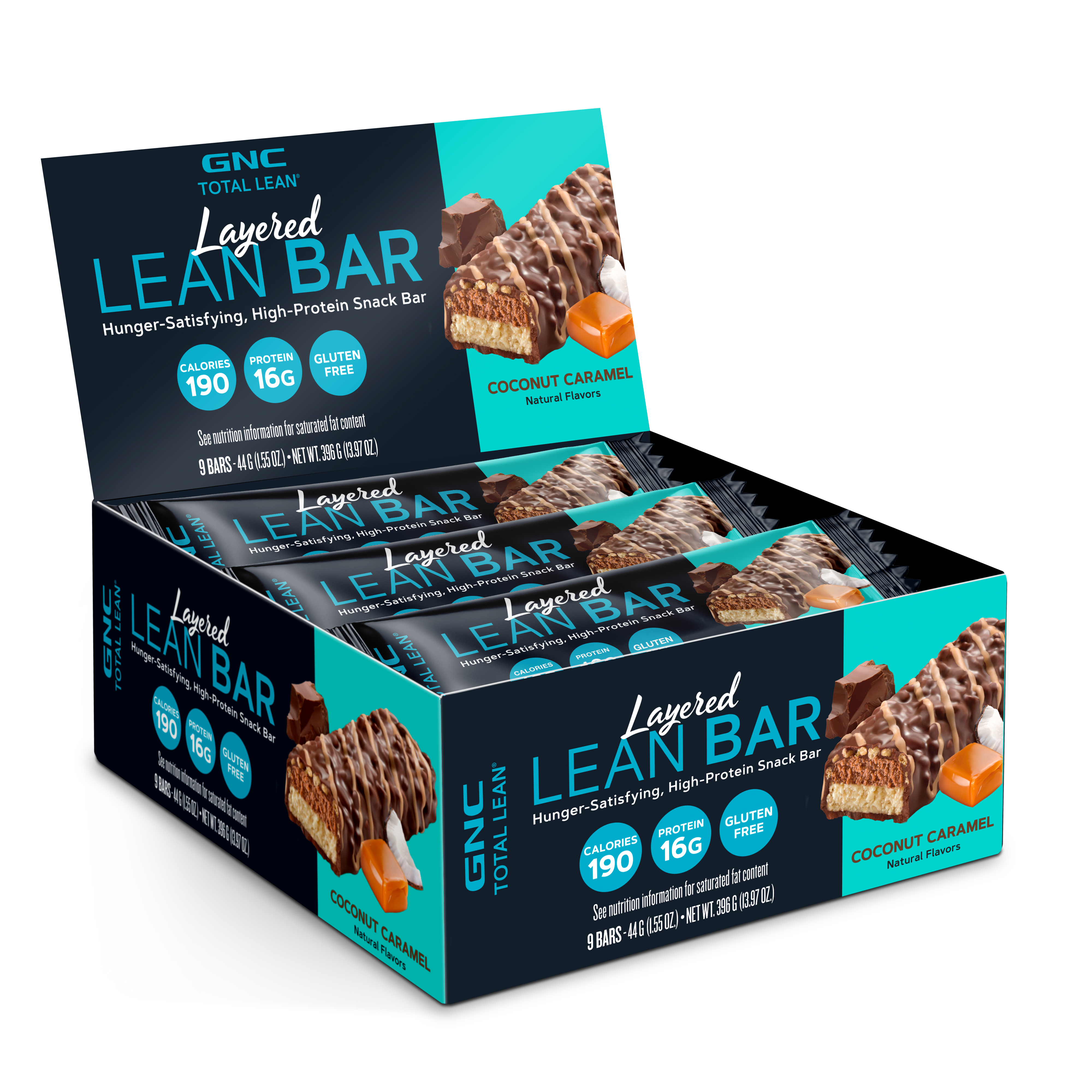
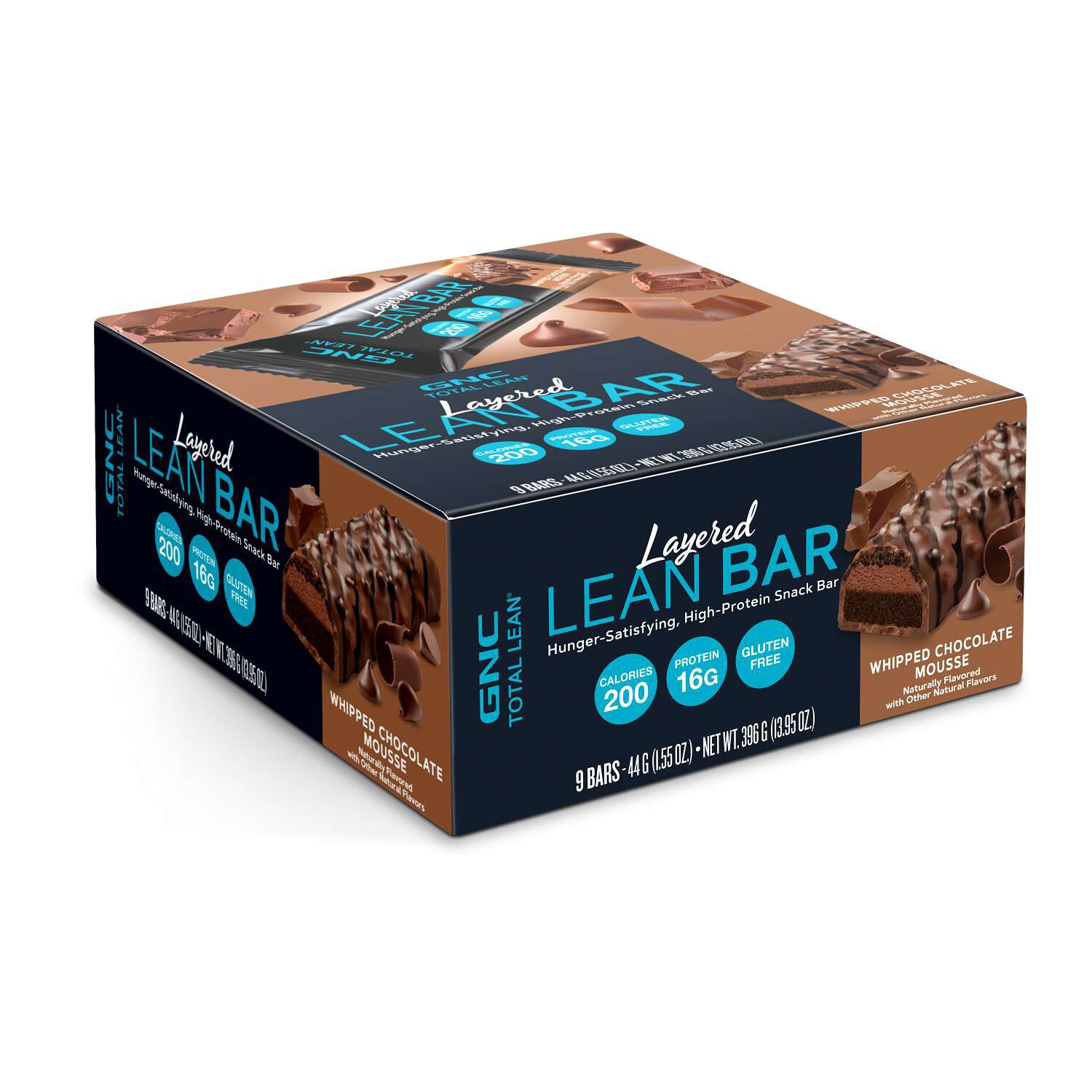

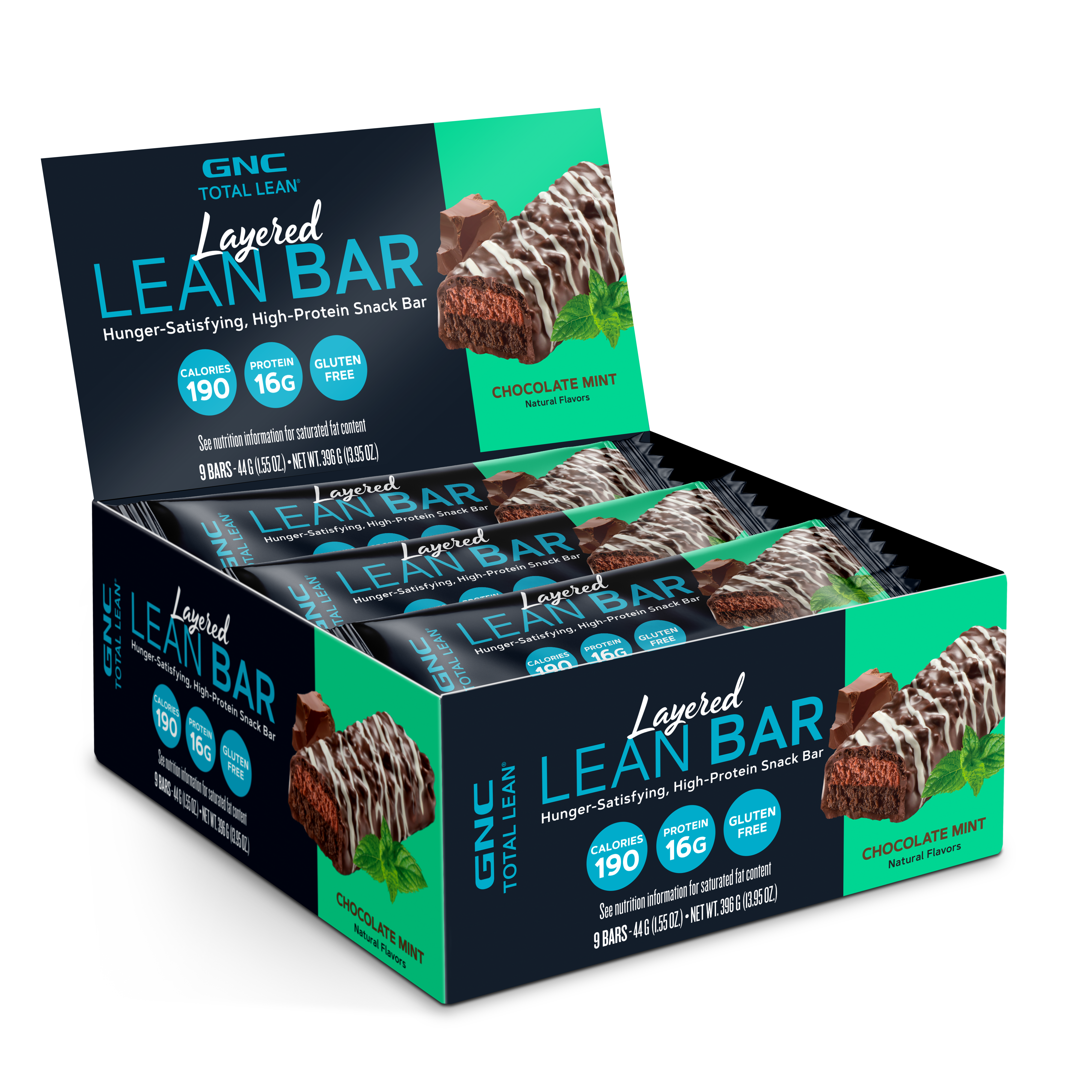
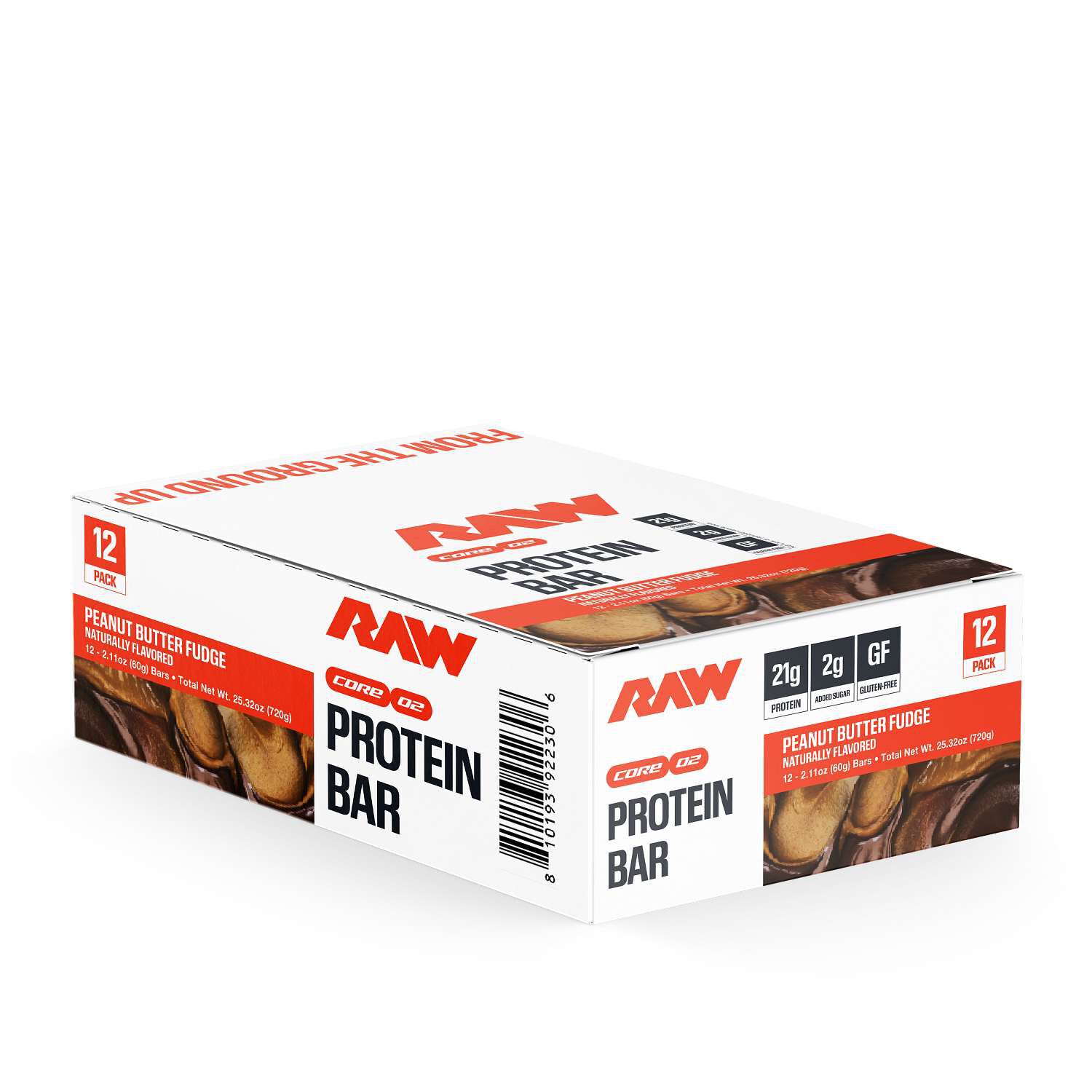
Protein bars are portioned snacks that combine protein with a wide range of flavors, ingredients, and textures in a portable format. They may suit a packed workday, a trip to the gym, or an afternoon when there is little time to sit down for a snack. The category includes soft, chewy bars, crisp layered styles, dense nut-based options, and varieties with smooth coatings or textured toppings. Those differences matter as much as the flavor name: a chocolate-flavored bar with crunchy pieces offers a different eating experience from a soft bar made with oats and nut butter. Familiar flavor profiles include peanut butter, vanilla, chocolate, and fruit, while combinations of sweet and salty ingredients add another point of distinction. Protein sources also vary. Milk-derived ingredients, such as whey and milk protein, appear in many recipes, while others use soy, pea, or blends of plant proteins. Nuts, seeds, grains, and egg ingredients can contribute to a recipe as well. The source of protein does not tell the whole story about taste or texture; the surrounding ingredients and the way the bar is made also shape each bite. A thinner coating, a crisp center, or pieces of dried fruit can make two bars with similar protein content feel quite different. For someone who enjoys a familiar snack every day, a consistent texture and a favorite flavor may matter most. Someone who prefers variety may be more interested in contrasting flavors and formats that suit different moments. Individually wrapped portions make the category practical for desk drawers, lunch bags, and gym totes, although package dimensions and bar size deserve attention when space is limited. A compact bar may fit a small bag pocket, while a larger format may be better suited to a lunch container. The most useful selection is one that matches the eating experience, ingredients, and portion size a shopper actually wants, rather than relying on the flavor name alone.
The Nutrition Facts panel and ingredient list provide a clearer picture of how protein bars differ. Grams of protein per serving are an important comparison, but serving size, calories, carbohydrates, fiber, fat, and added sugars give that number context. Two bars with similar names or packaging can have different portions and ingredient blends, so comparisons are most meaningful when the serving information is read together. A bar’s physical size does not necessarily indicate how much protein it contains. Likewise, a dessert-inspired flavor does not establish its sugar content, and a plain-looking bar can still contain several sweetening ingredients. Recipes may use sugar, syrups, sugar alcohols, or other sweeteners, each of which can influence flavor and texture. Ingredient lists distinguish those choices without relying on assumptions about the front of the wrapper. Dietary preferences add another consideration. A plant-protein recipe may appeal to someone who prefers that source, while a milk-protein recipe may suit someone who enjoys its particular texture and flavor. Plant-based wording alone does not describe every ingredient in a bar, so the full label matters when making a selection. Milk, peanuts, tree nuts, soy, wheat, eggs, and sesame are among the ingredients that may be relevant when reviewing labels and allergen statements. Manufacturing statements also deserve attention when choosing snacks for a shared household or assembling a gift for someone else. Texture preferences can be just as personal: visible nuts, chewy fruit, crunchy pieces, and smooth fillings create distinctly different snacks. Someone who likes a softer bite may prefer a different format from someone who enjoys a crisp center. Sampling different ingredient combinations over time may help narrow those preferences, but there is no single texture or recipe that suits everyone. A thoughtful selection reflects the person eating the bar, the ingredients they choose, and the portion that fits their routine. Those details offer a more useful basis for comparison than treating every protein bar as interchangeable.
Everyday use also shapes which protein bars make sense to keep on hand. For a commuter, a neatly wrapped bar may be convenient to tuck beside a packed lunch. For an adult student, a compact format may fit between a notebook and a water bottle without taking up much room. A gym regular may prefer a familiar snack to pack alongside workout clothes, while someone spending the day between appointments may appreciate a portion that requires no utensils. Shoppers interested in that exercise-related context can explore Protein Bars for Fitness for a selection centered on that use. Practical details still matter regardless of the setting. A coated bar can leave a different eating experience from an uncoated oat or nut bar, and a crumbly texture may be less convenient over a keyboard than a cohesive, chewy one. Wrapper design, package size, and ease of opening can affect how comfortably a bar fits into a routine. Storage and handling deserve the same attention as flavor. Package directions describe the appropriate storage conditions, and keeping an individual wrapper intact until use may help preserve the intended texture. Separating bars from heavy objects in a bag may also help protect their shape. Date markings are useful when organizing a pantry or snack drawer, with earlier-dated packages placed where they are easier to reach. For households with different preferences, keeping flavors and ingredient types organized makes each person’s choice simpler. Protein bars can also be part of a personalized snack assortment for a training partner, an active friend, or someone who enjoys trying different textures, provided their ingredient preferences are known. Whether the occasion is a work break, time between errands, or a planned snack around a workout, the category offers many combinations of flavor, format, and protein source. Attention to those everyday details may make a selection more enjoyable and better suited to the way it will be carried, stored, and eaten.
- Q: What should I consider when browsing protein bar deals?
A: Compare protein sources, nutrition information, flavors, and textures to find options that match your preferences. Check the ingredient list for details that align with your eating habits. - Q: What protein sources are commonly used in protein bars?
A: Protein bars can contain whey, casein, soy, pea, or a blend of protein sources. The ingredient list can help you identify whether a bar uses dairy-based or plant-based protein. - Q: How do protein bars differ from granola bars?
A: Protein bars are generally formulated around protein ingredients, while granola bars typically feature oats and other grains. Recipes vary, so compare the nutrition labels to understand the differences. - Q: What flavors and textures can protein bars have?
A: Protein bars can feature chocolate, peanut butter, fruit, or dessert-inspired flavors. Textures range from soft and chewy to crunchy or layered, so read descriptions to find a style you enjoy. - Q: How can protein bars fit into an everyday snack routine?
A: A protein bar can be a convenient snack during a work break, between classes, or while traveling. You can also pair one with fruit or yogurt for more variety.
Best Sellers
-
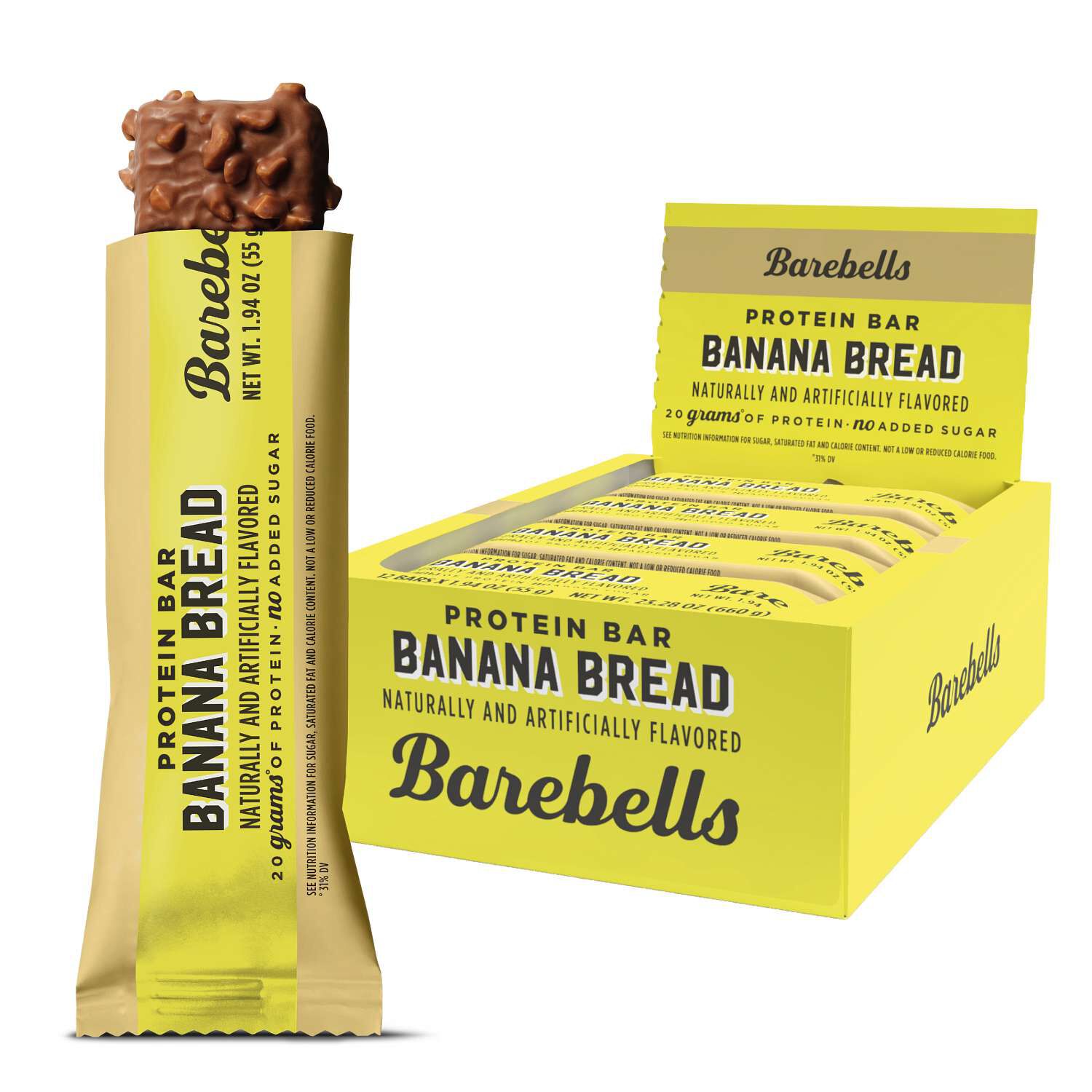 Barebells
-
 Barebells
-
 Barebells
Top Collections
- Joint Mobility Supplement Packs
- Daily Collagen Supplements | Top Brands & Deals | GNC
- GLP 1 Support For Adults
- Zinc Supplements | Top Brands at Great Prices | GNC
- Supplements For Yoga Joint Flexibility
- Supplements For Balance
- Capsule Supplements For Energy And Stamina
- Adult Mobility Supplements
- Chronic Fatigue Supplements
- Vitamins For Hair Loss