Whey Protein Without Additives
(0 Results)
Whey protein without additives could be a great option for those looking to simplify their nutrition routine. These straightforward protein choices may appeal to anyone who prefers products with minimal ingredients. Whether you’re adding it to your favorite smoothie or mixing it with water, whey protein without additives might fit seamlessly into your daily regimen. Explore a variety of options that may support your fitness goals while keeping things simple.
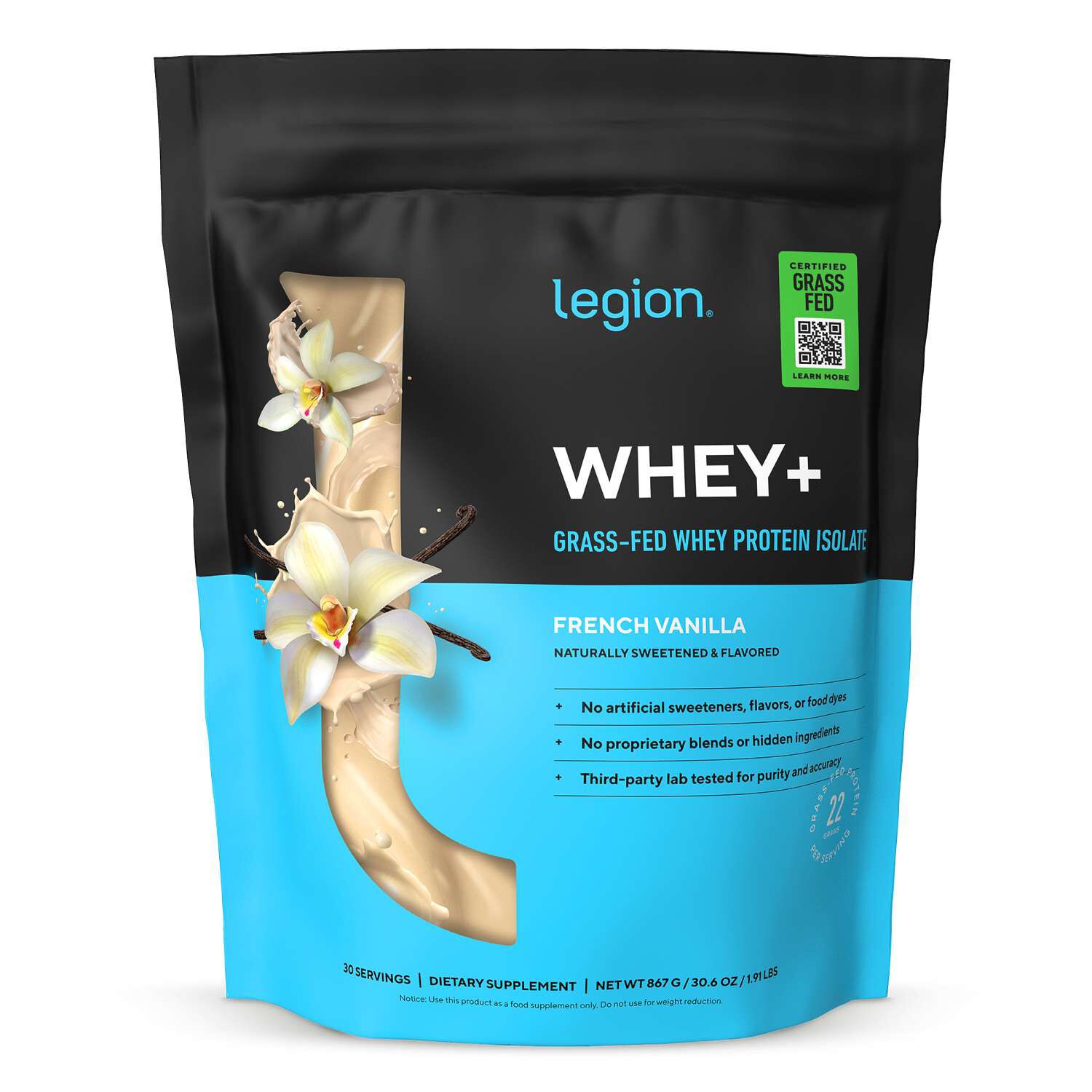
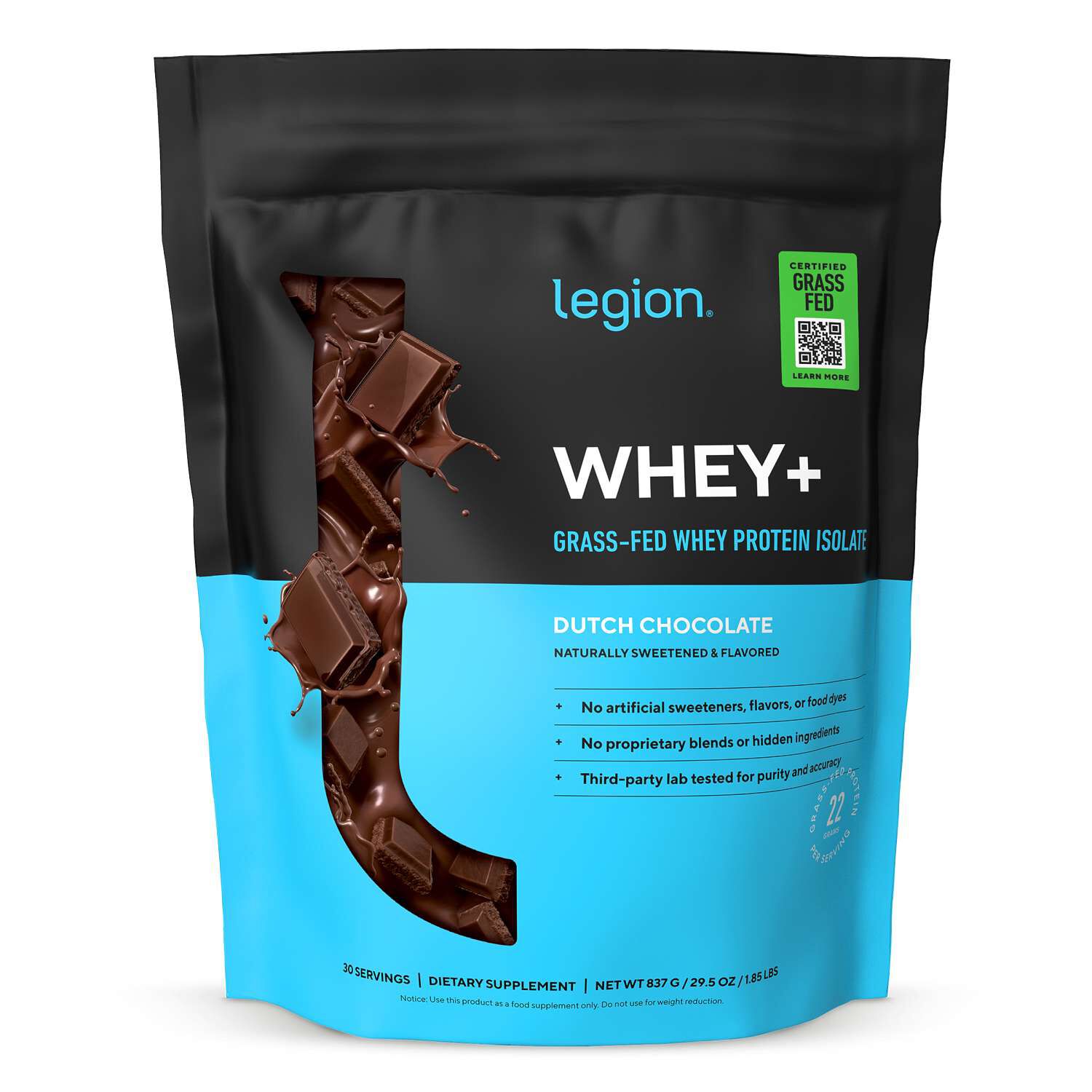
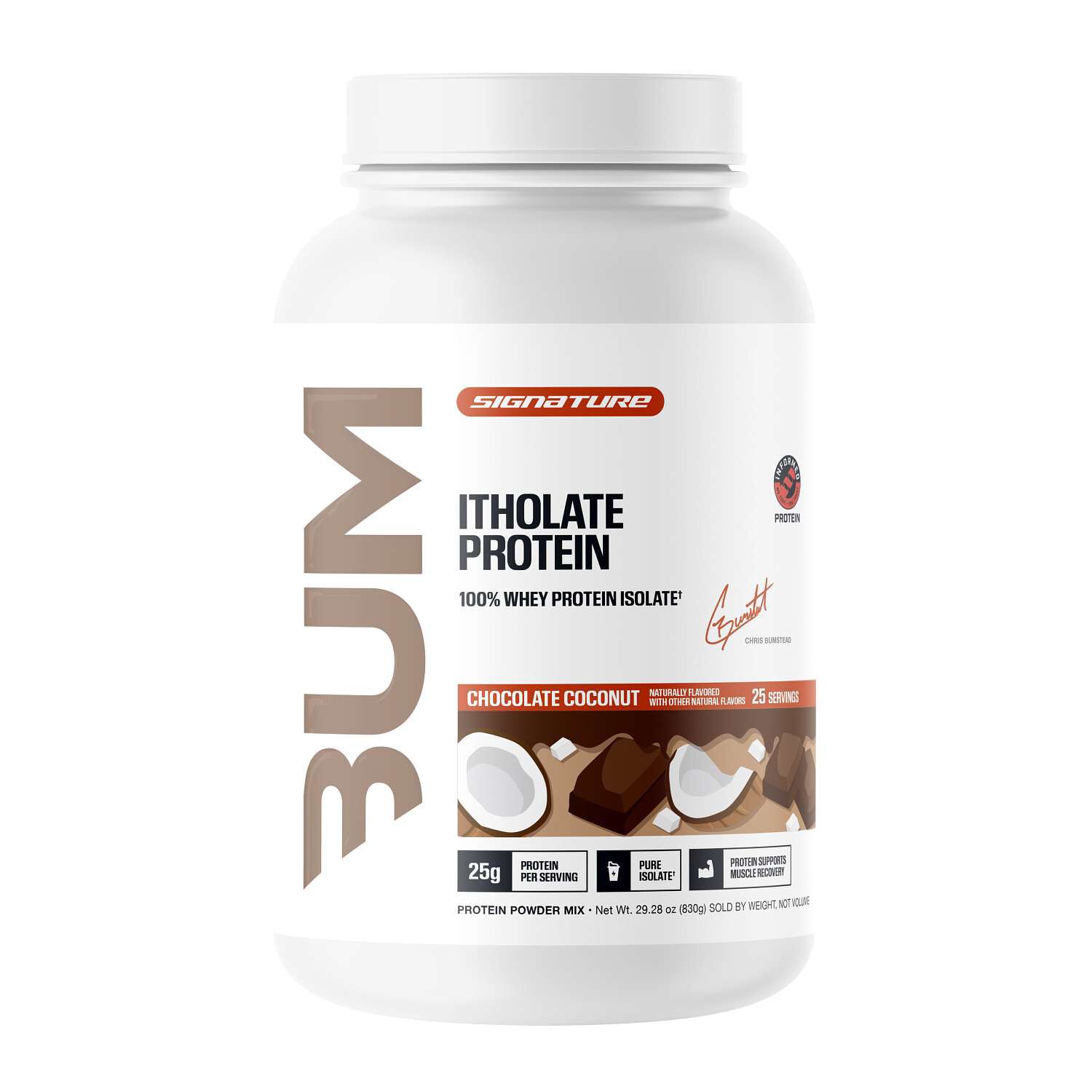
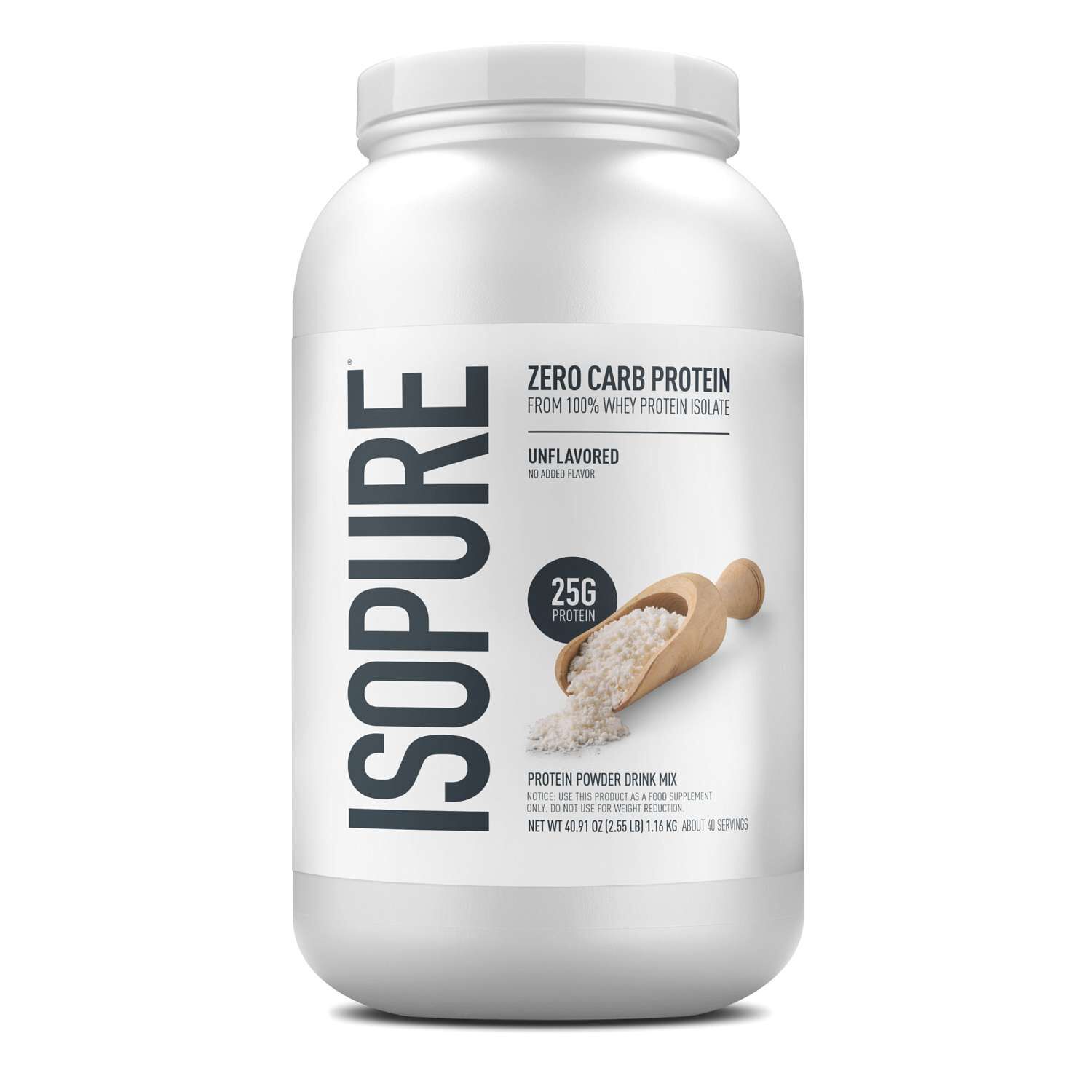


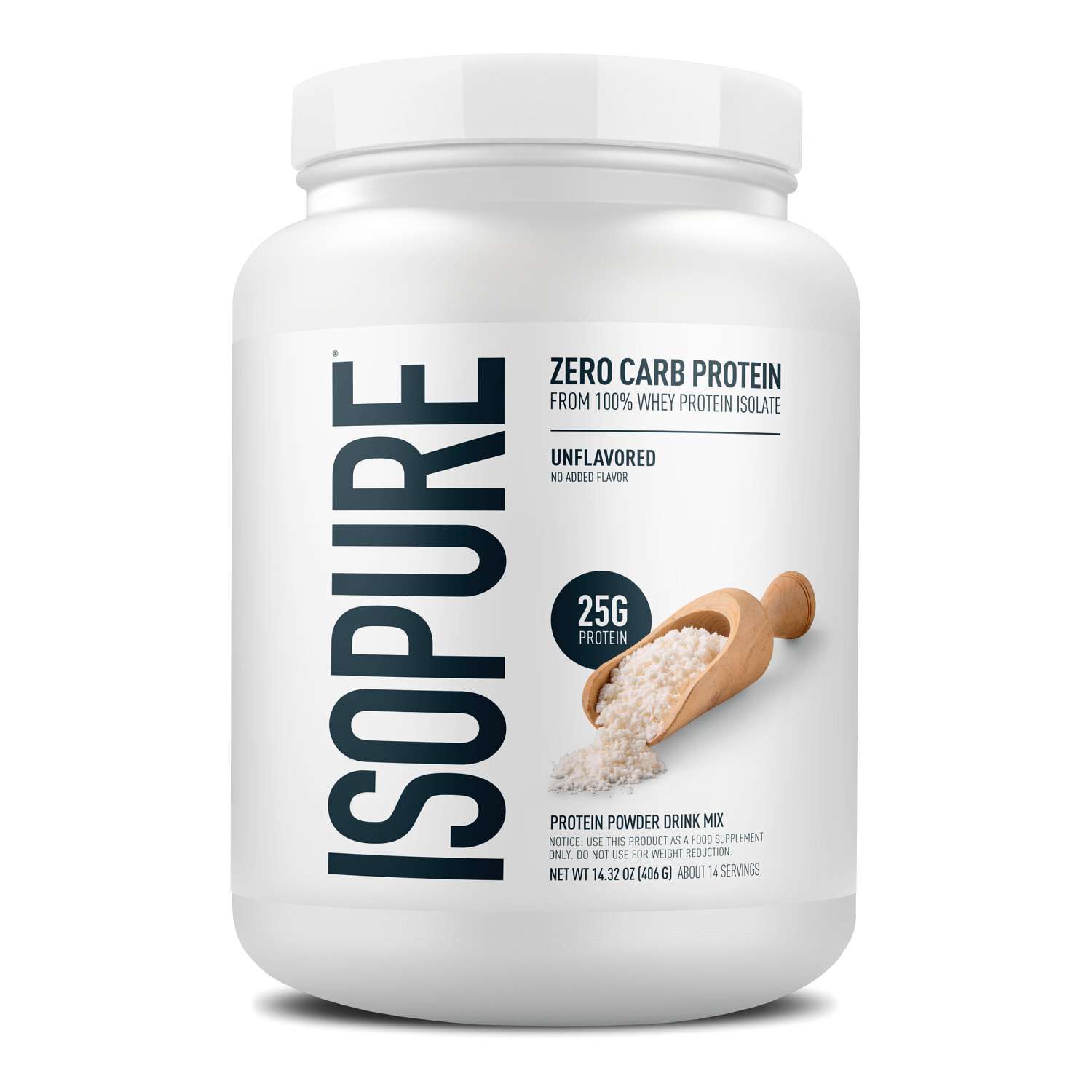
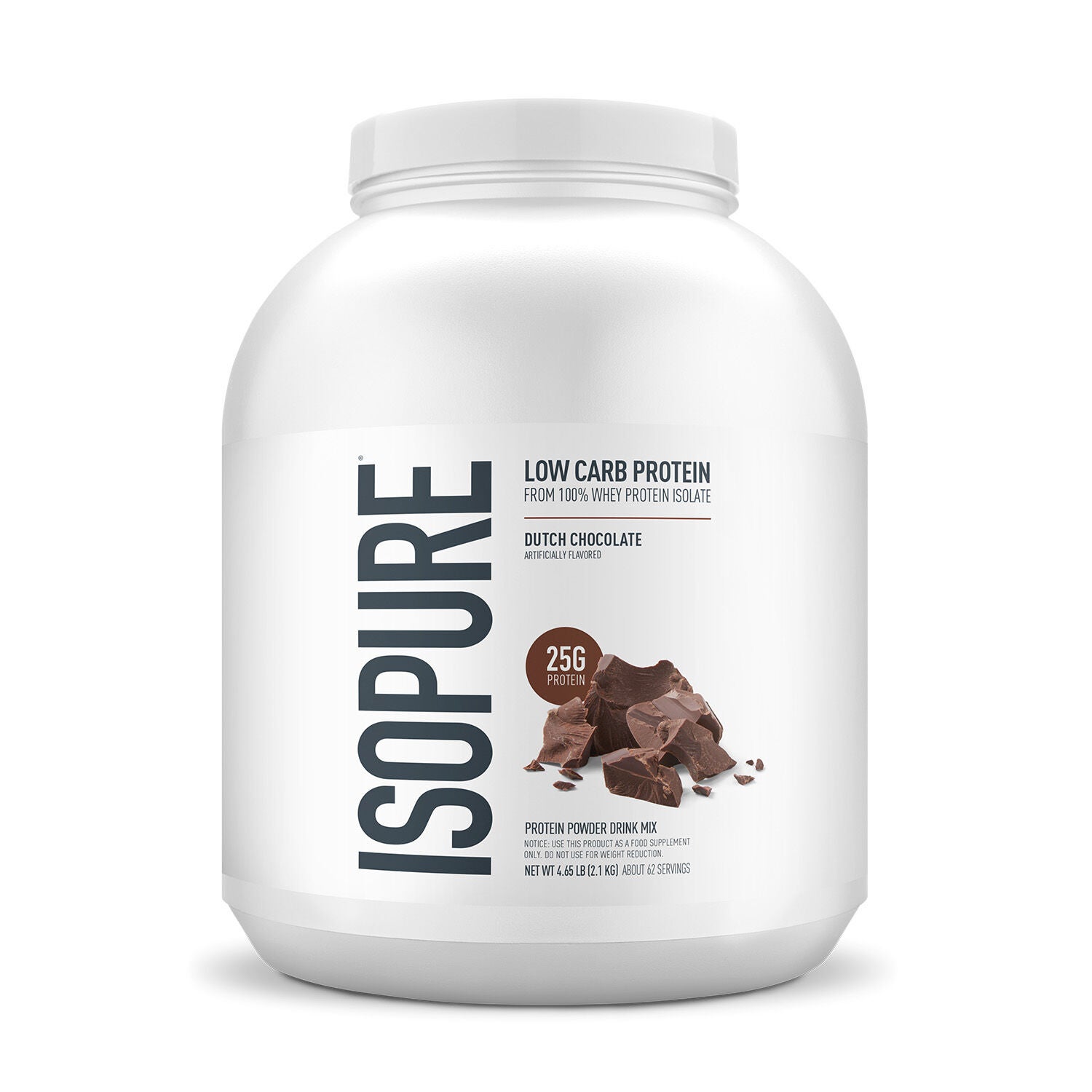
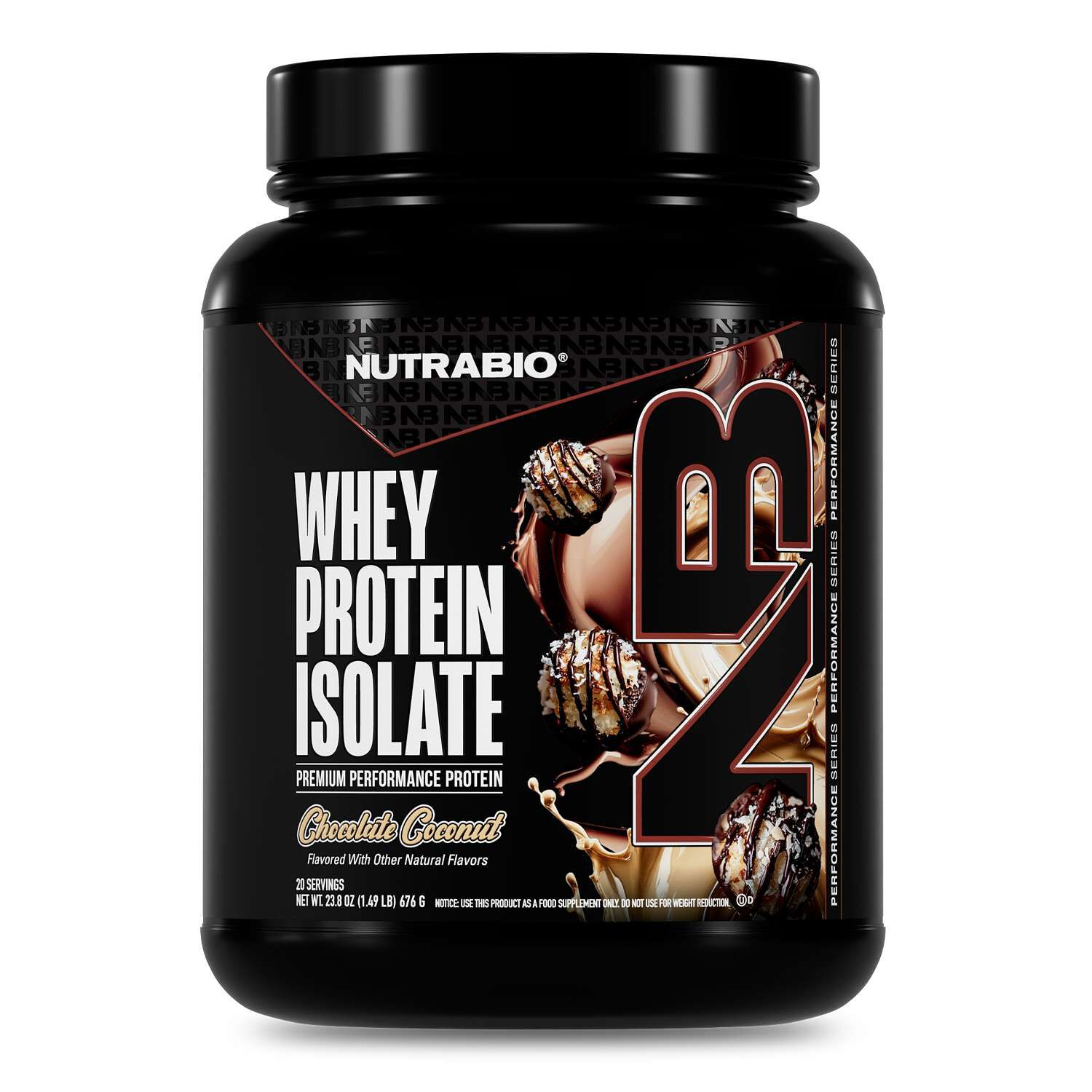

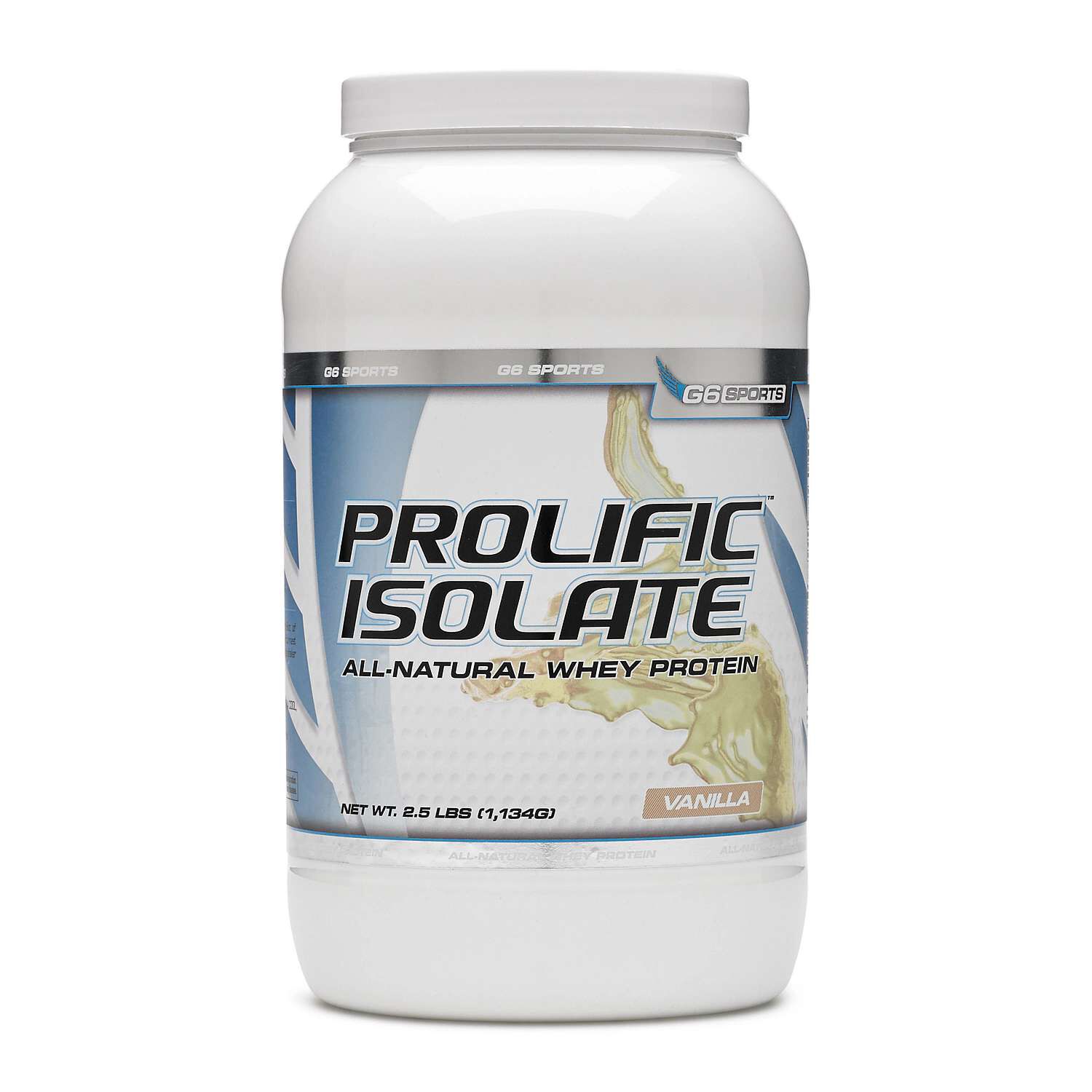
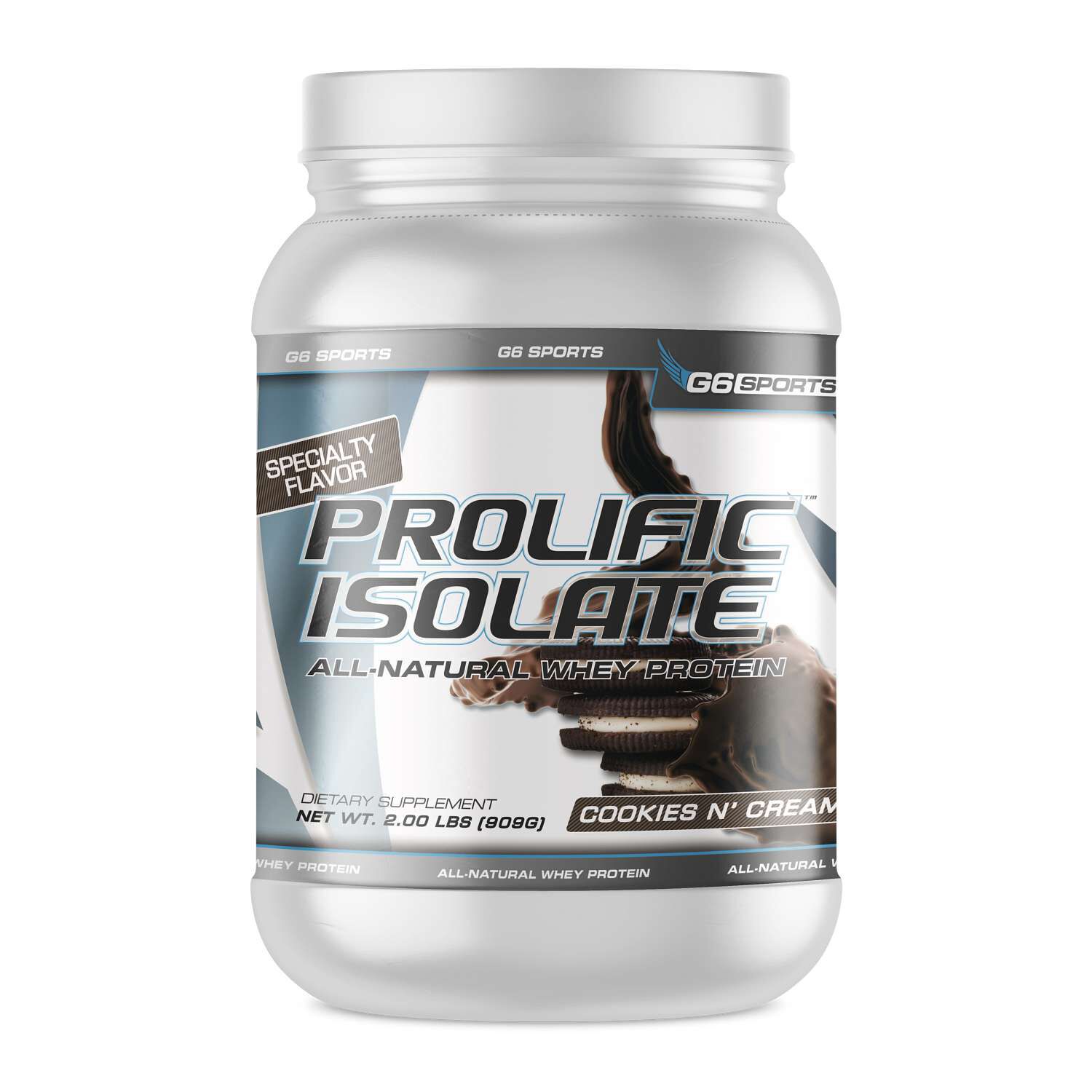

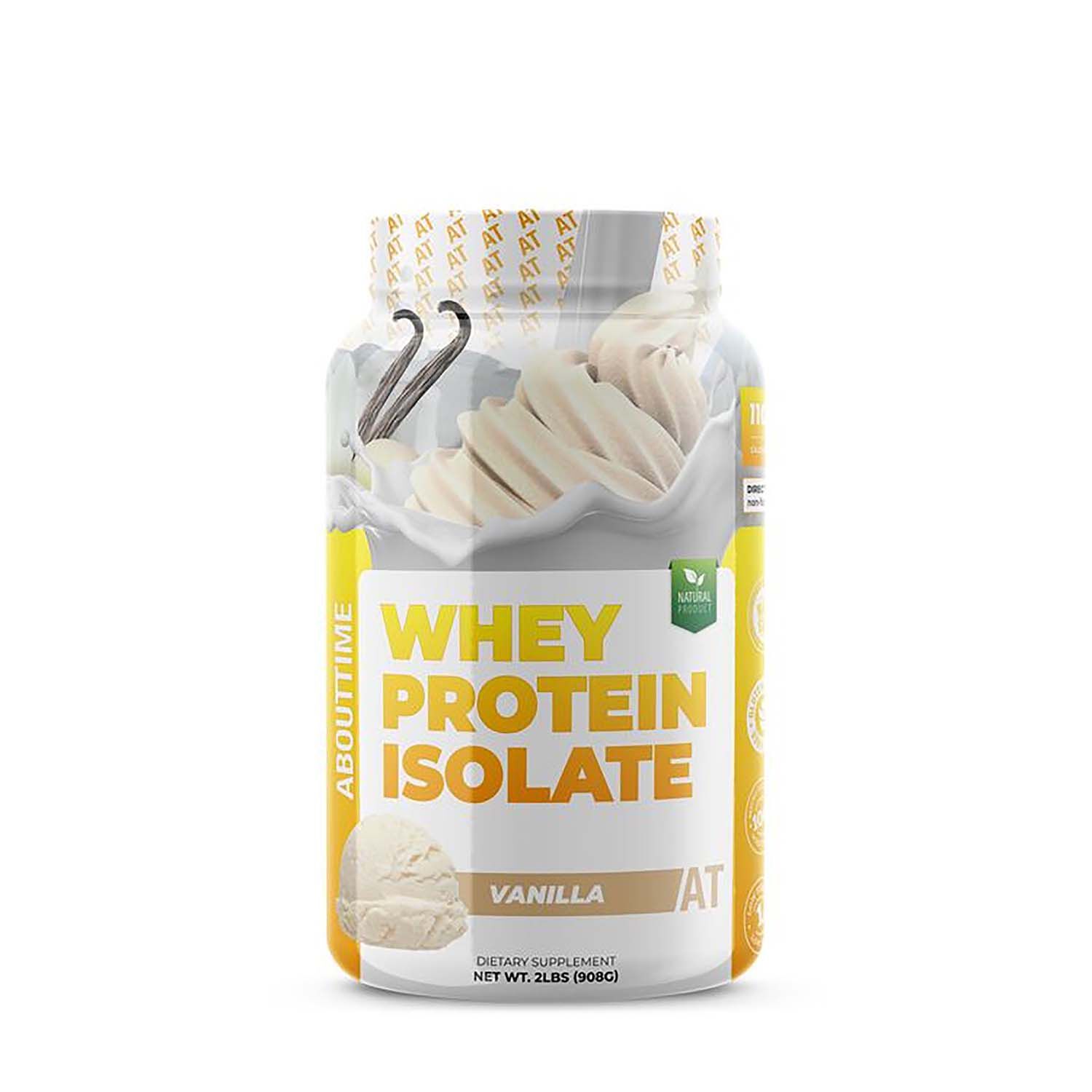
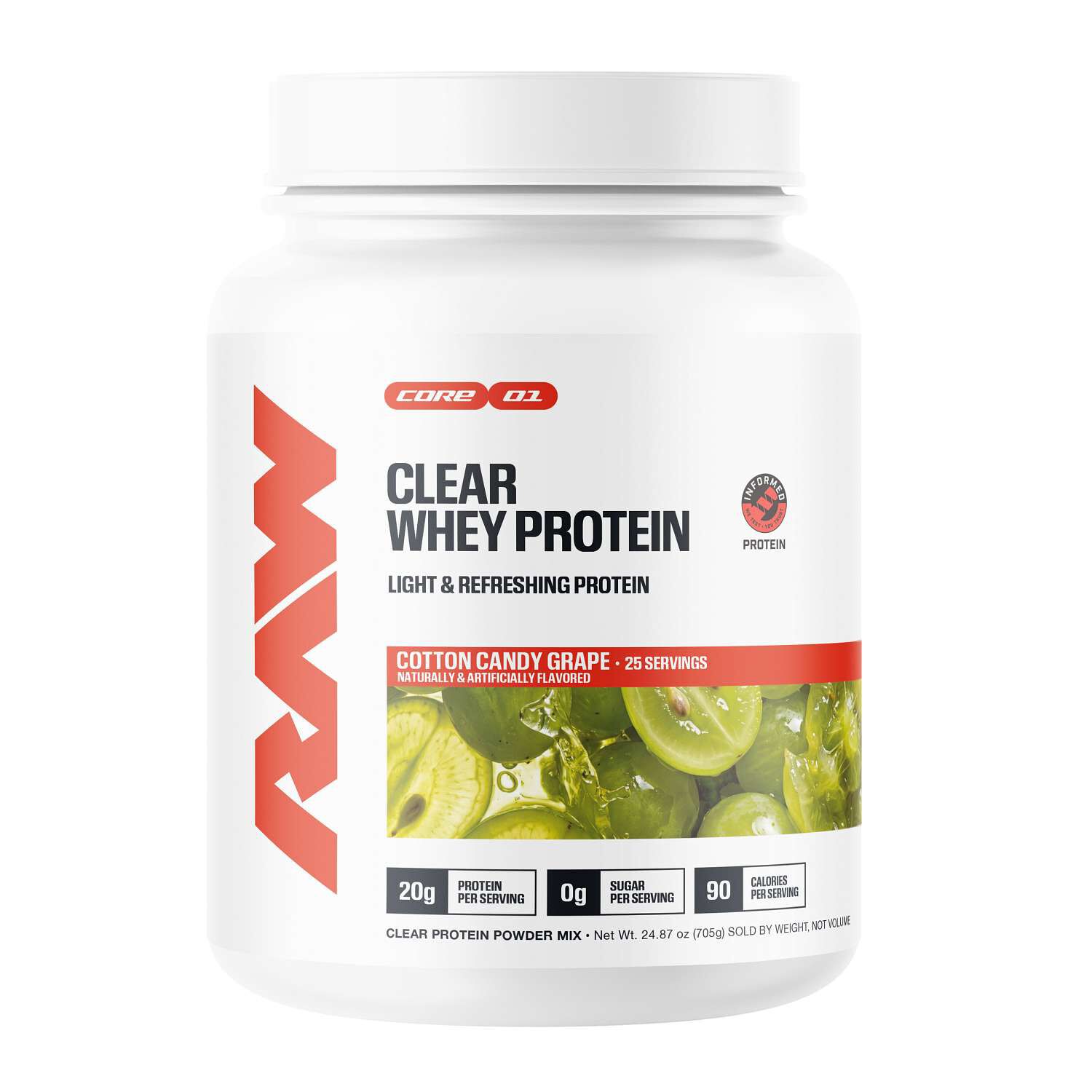

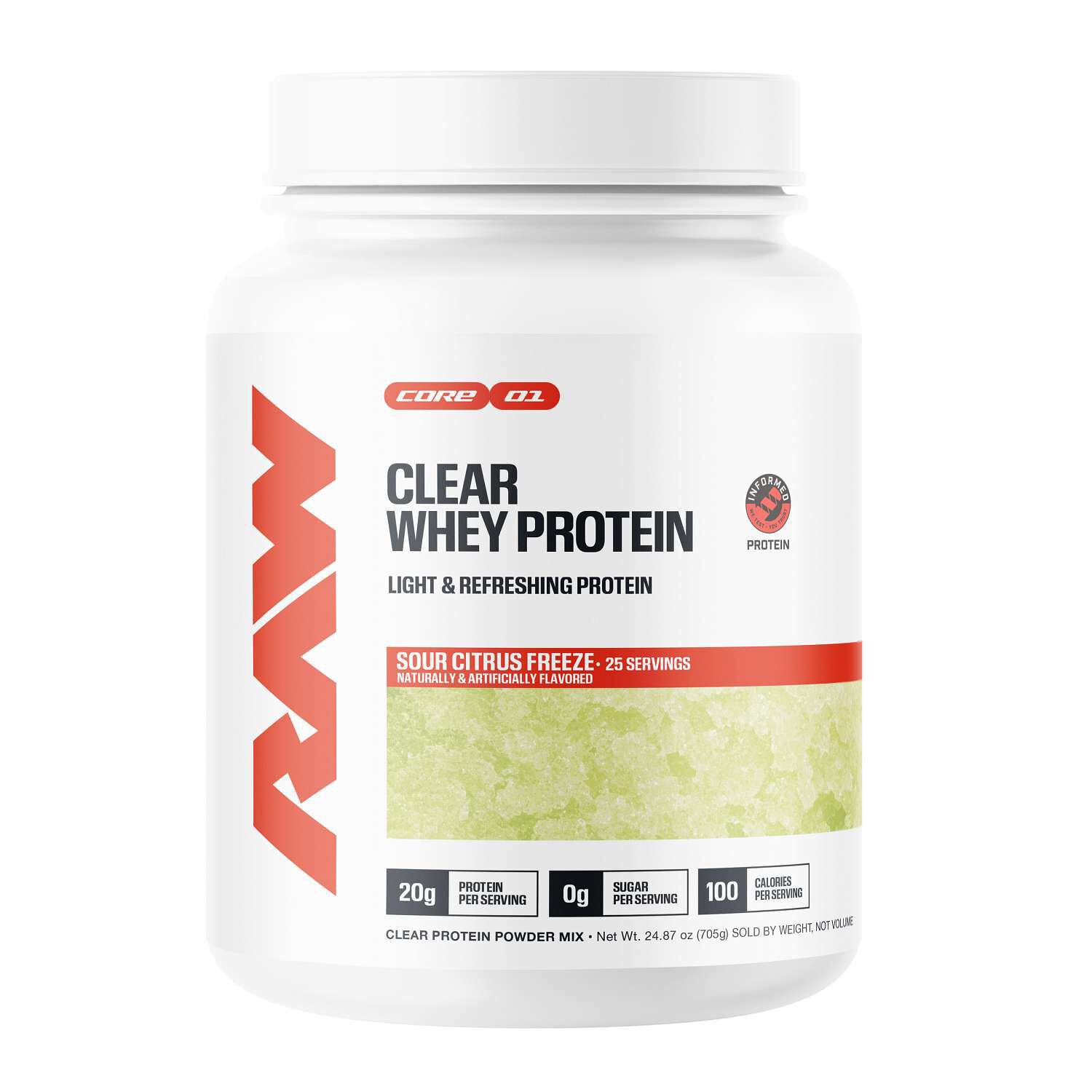


Whey protein without additives generally refers to a powder whose ingredient list contains only whey protein concentrate or whey protein isolate, rather than added flavors, sweeteners, colors, gums, or emulsifiers. For shoppers seeking a single-ingredient formula, the ingredient panel is the clearest place to distinguish a straightforward whey powder from a flavored blend. “Unflavored” does not necessarily mean that whey is the only ingredient; an unflavored powder may still contain lecithin or other ingredients used for texture and mixing. Likewise, a short ingredient list does not establish where the milk came from, how the whey was processed, or whether independent testing was performed. Those details require separate information on the label or from the manufacturer. Whey itself is a milk-derived protein, and concentrate and isolate differ in their composition. Concentrate generally retains more of the milk’s naturally occurring fat and lactose, while isolate undergoes additional processing to separate more of the protein from those components. The actual amounts vary by formula, so the Nutrition Facts or Supplement Facts panel provides a more useful comparison than the category name alone. Isolate should not automatically be assumed to contain no lactose, and neither type fits a vegan eating pattern. For someone who wants a plain protein powder for everyday meals, the appeal is often control over the finished recipe: fruit, cocoa, cinnamon, or other ingredients can be chosen separately rather than built into every serving. That flexibility may suit a household where one person prefers a banana smoothie and another prefers a less sweet bowl of oatmeal. It may also appeal to shoppers who already enjoy the flavor of their usual milk, yogurt, or smoothie ingredients and do not want a flavored powder to define the entire meal. A simple ingredient list is a preference rather than a measure of overall quality, however, and the most relevant choice depends on the powder’s composition, its stated serving size, and how it will be used.
Taste and texture are important considerations with whey protein without additives because there is no added flavor system to cover the character of the whey itself. An unflavored powder may have a mild dairy aroma and a milky, slightly savory, or faintly earthy taste, with differences related to the source material and processing. Concentrate may lend a creamier impression in some recipes, while isolate may produce a lighter texture, although neither result is universal. Mixed with water alone, plain whey may taste more noticeable than it does alongside strawberries, peanut butter, or cocoa. In a smoothie, the amount of liquid, the ripeness of the fruit, and the other ingredients all contribute to the finished drink. A spoonful stirred into plain yogurt may create a thicker mixture, while the same amount in a larger blender recipe may be less apparent. Powders made without lecithin or similar mixing ingredients may require more stirring or shaking, and some may leave small clumps or foam after vigorous blending. Those characteristics do not, by themselves, establish the quality of the protein. Lecithin is an emulsifier used to help ingredients disperse, so its presence matters to someone seeking whey as the sole listed ingredient, even when the powder has no added flavor. Kitchen use also calls for realistic expectations. Whey is not a direct replacement for flour, and adding it to pancakes, muffins, or baked oatmeal may change moisture needs and texture. Recipes written for whey powder offer a more relevant starting point than substituting it by equal volume in an unrelated recipe. For oatmeal or other warm foods, a small mixture of powder and liquid may incorporate more evenly than dry powder added all at once. These practical differences make intended use part of the selection: a powder chosen mainly for shaker drinks may need a different texture profile than one intended for yogurt bowls, smoothies, or occasional baking.
Comparing plain whey powders is most useful when serving size and ingredient details are considered together. Two scoops from different containers are not necessarily equivalent, because scoop dimensions and powder density vary. The serving weight in grams provides a consistent reference for comparing protein, carbohydrates, fat, and naturally occurring sugars. A powder without added sweeteners can still contain milk sugar, and a single listed ingredient does not mean that every gram of powder is protein. Similarly, a grass-fed description concerns the source of the milk rather than the number of ingredients in the finished powder. Independent testing information, when provided, is separate from both the ingredient list and sourcing statements; the scope of any testing matters more than an unexplained badge. Packaging and storage deserve attention as well, particularly for a powder that will be opened regularly at home or carried to work. A container with a secure closure may help limit exposure to moisture between servings. Label storage directions remain the appropriate reference, and a dry scoop, a clean preparation area, and distance from a steaming kettle are practical considerations for daily handling. For an office routine, carrying a measured portion in a separate, dry food container may be more convenient than transporting the original package. Preparing a drink when it is needed also separates powder storage from the handling requirements of milk, yogurt, or other perishable ingredients. People comparing a strictly single-ingredient approach with a broader selection can also explore Protein Powders Without Artificial Flavors, while keeping in mind that the absence of artificial flavors does not rule out sweeteners, gums, or emulsifiers. The distinction is useful for shoppers who want a plain base rather than a finished shake flavor. Ingredient simplicity, a suitable serving composition, manageable mixing characteristics, and compatibility with familiar foods are the details that connect whey powder to an everyday routine.