Zero Sugar Hydration Drinks And Supplements
(0 Results)
Staying hydrated is essential for maintaining overall wellness, and zero sugar hydration options might offer a refreshing way to support your daily water intake without added sugars. These beverages could be ideal for those looking to manage their calorie consumption while still enjoying flavorful hydration. Packed with potential electrolytes and vital nutrients, zero sugar hydration products may help replenish what you lose through sweat and activity, making them a great companion for workouts or busy days on the go. Discover how these innovative drinks can fit into your lifestyle and possibly boost your hydration game without compromising on taste.
-

-

-

-

-

-
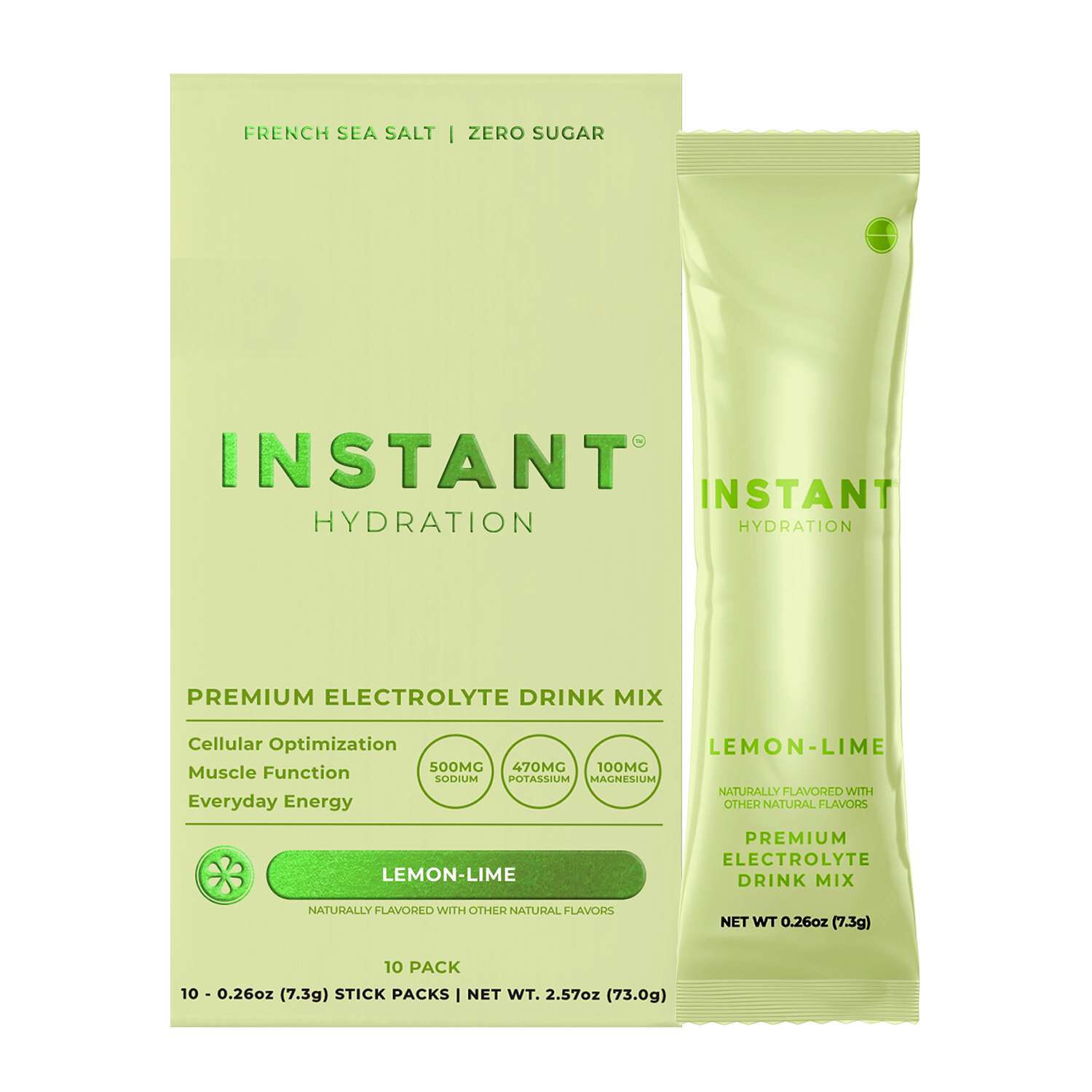 Instant Hydration$19.99
-
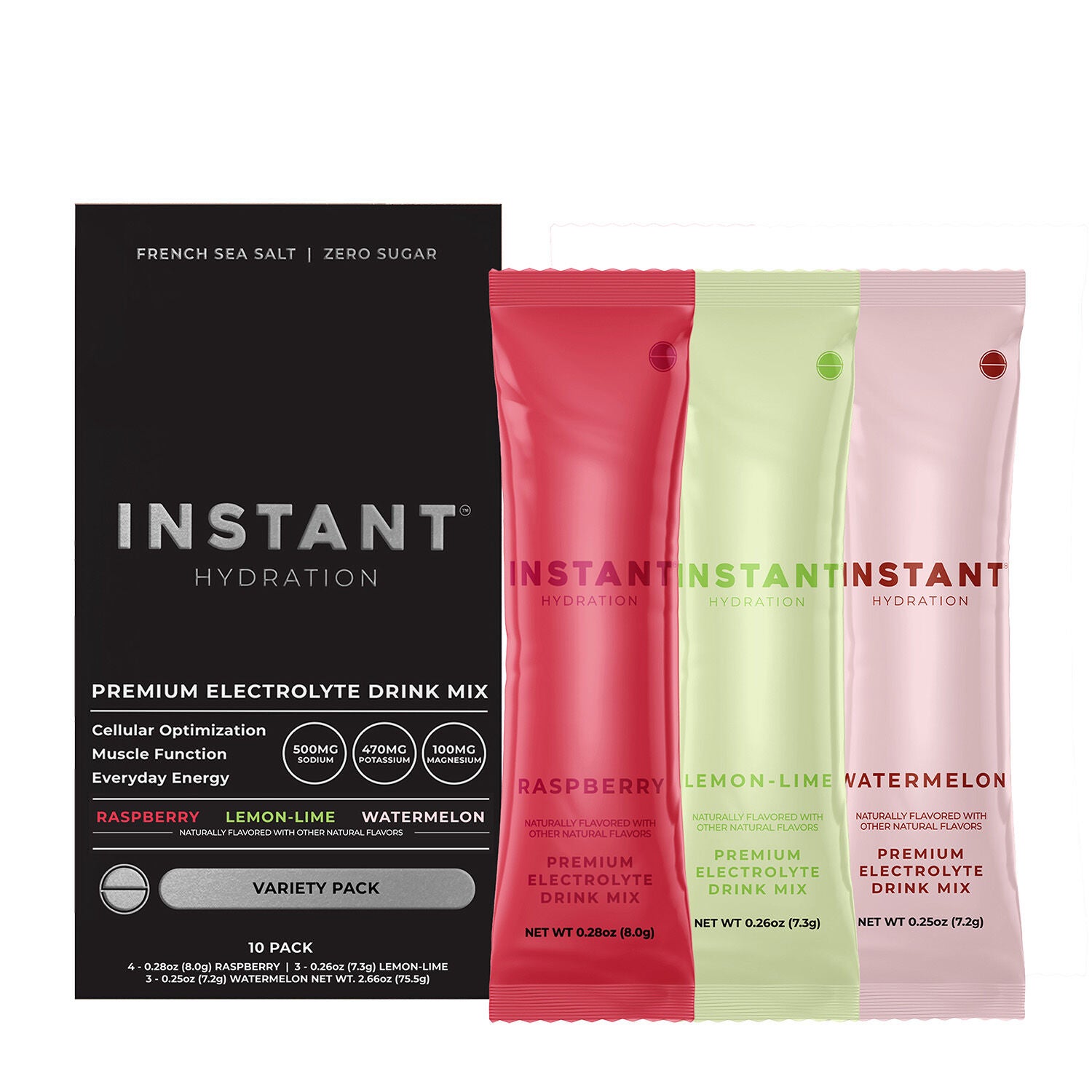 Instant Hydration$19.99
-
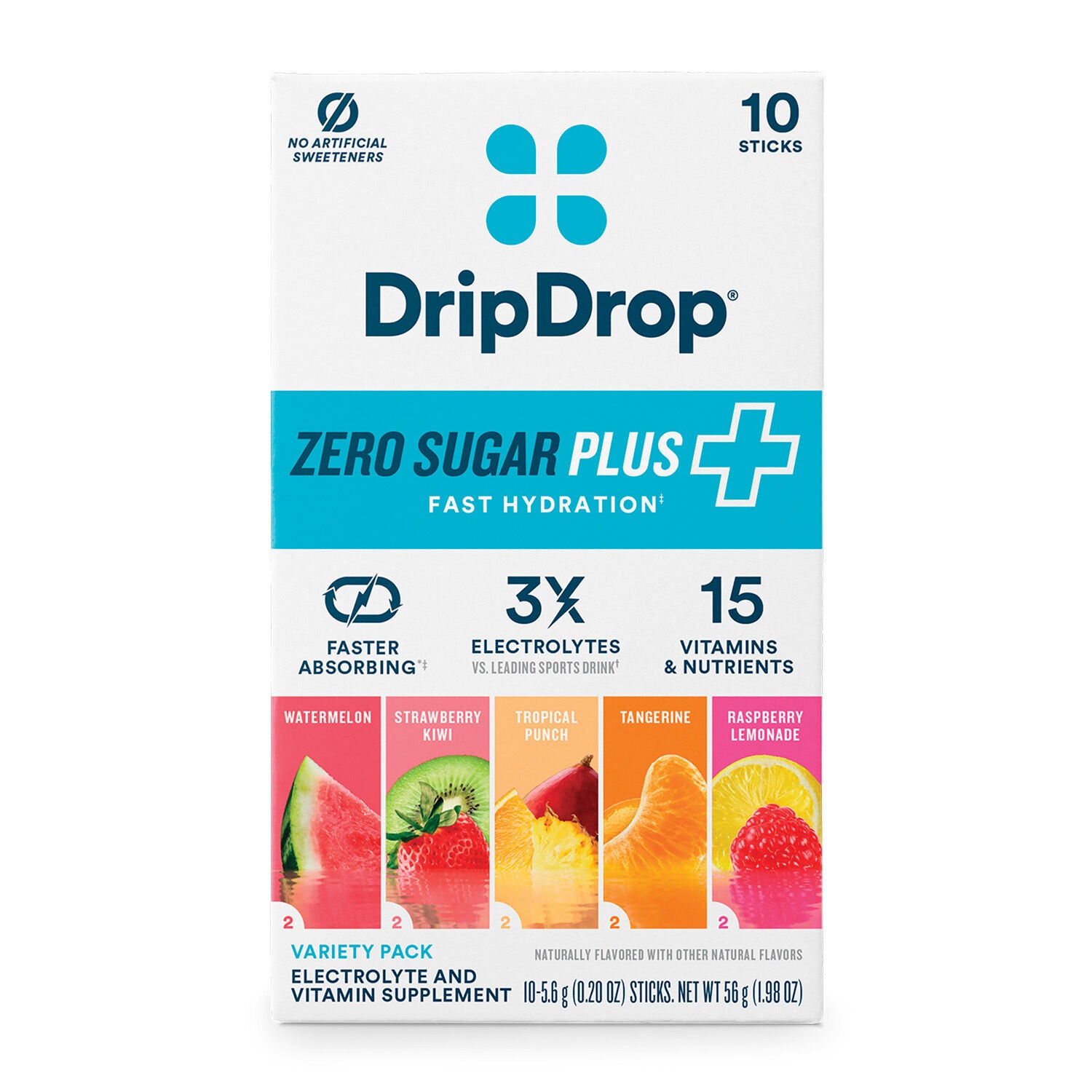
-
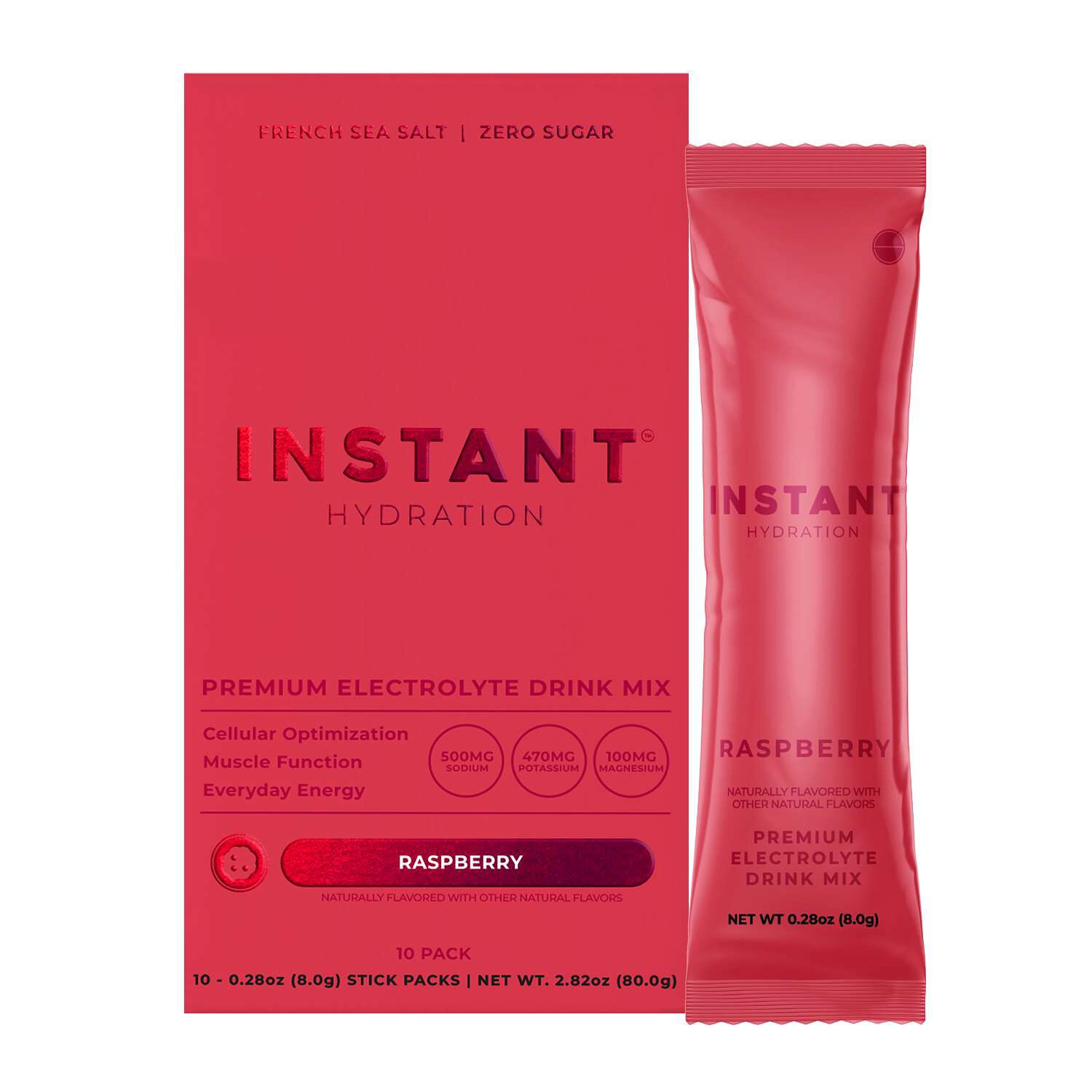 Instant Hydration$19.99
-

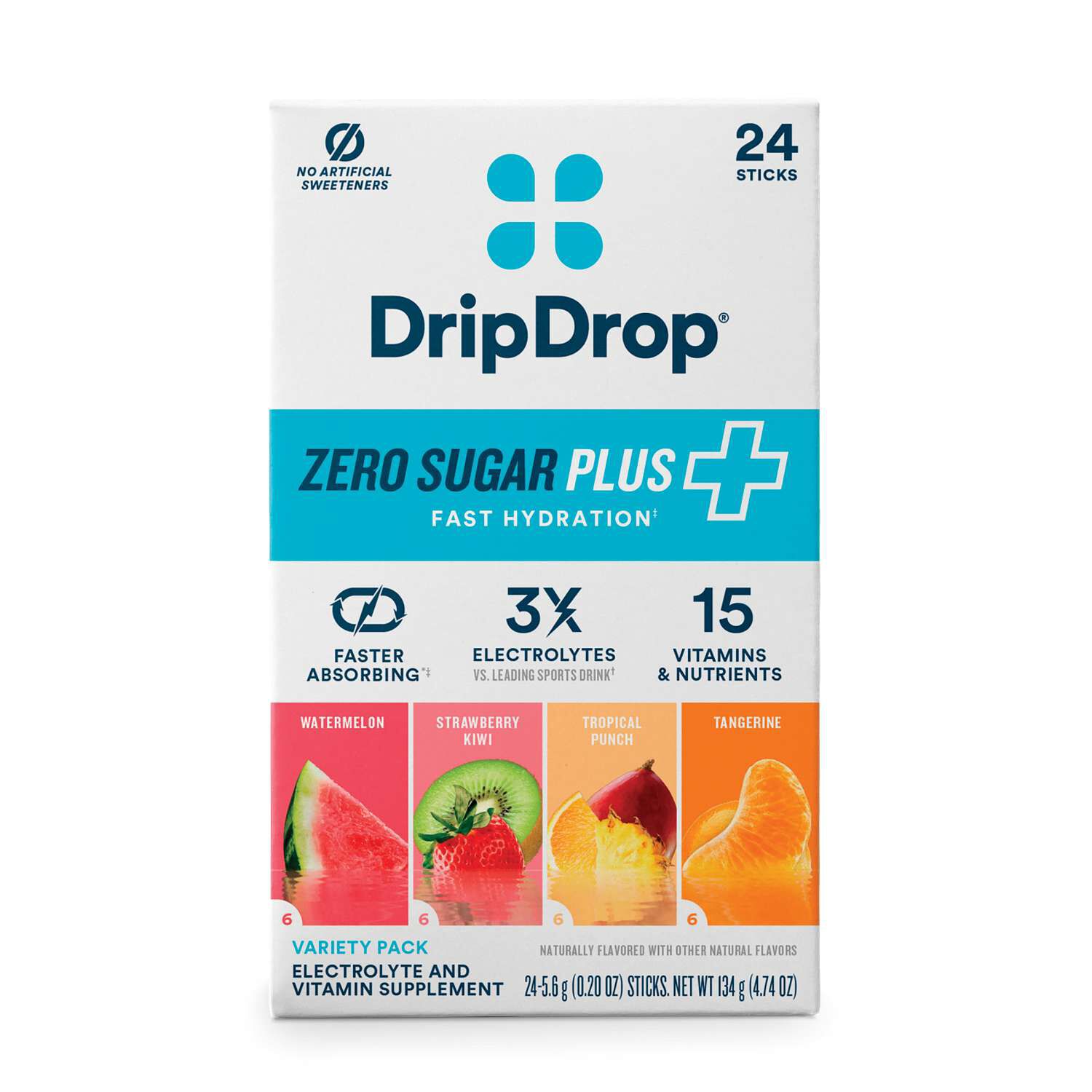
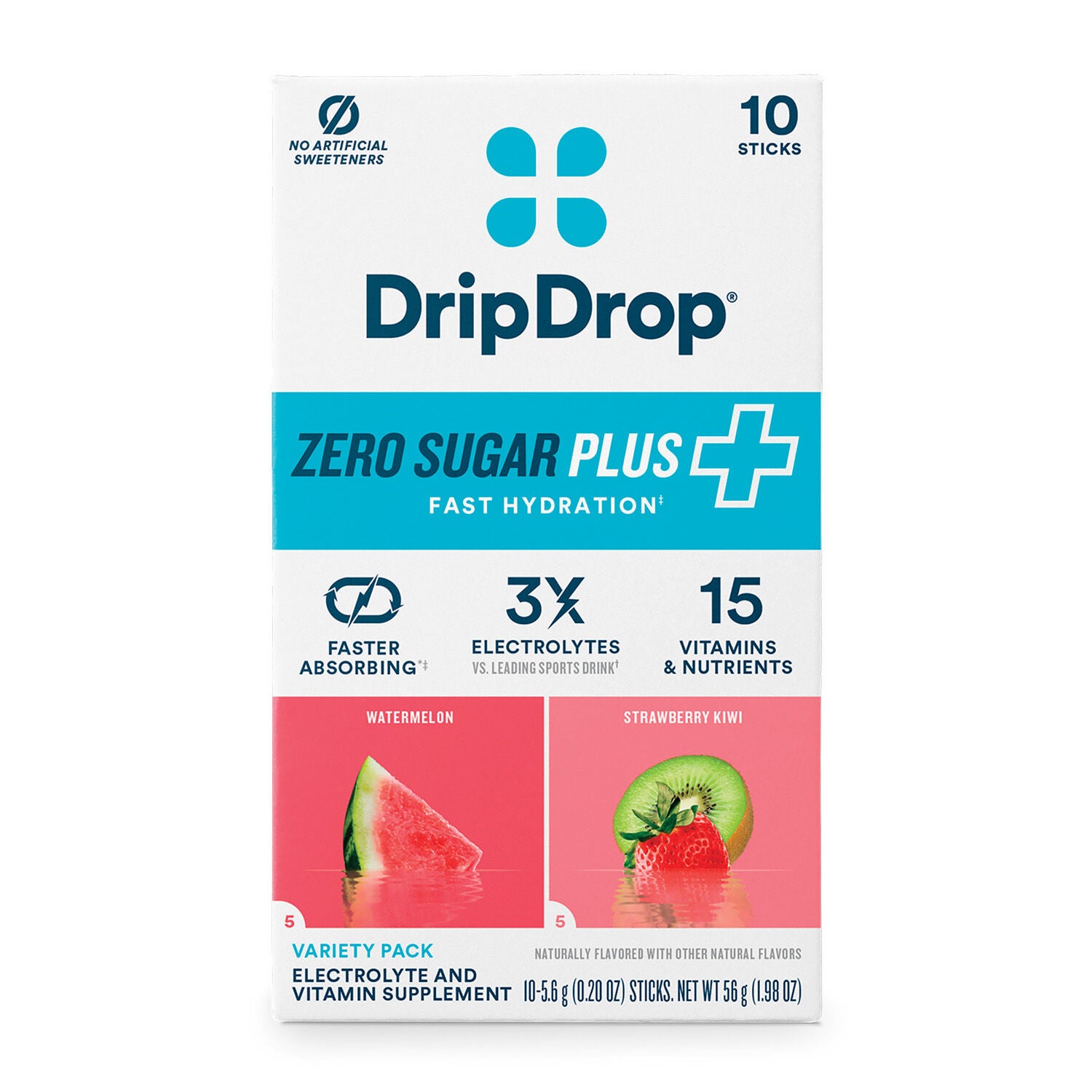
Zero sugar hydration drinks and supplements include ready-to-drink beverages, electrolyte powders, and other mix-in formats labeled as containing zero grams of sugar per serving. Many formulas feature minerals such as sodium, potassium, and magnesium, although the ingredients and amounts vary from one formula to another. These products may support hydration as part of an everyday routine or alongside exercise, without relying on sugar for sweetness. The distinction between zero sugar, unsweetened, and no added sugar matters when comparing labels. A zero sugar drink can still taste sweet because its formula may contain stevia, monk fruit, sucralose, or another sweetener. An unsweetened option takes a different approach, while a beverage labeled no added sugar can still contain naturally occurring sugars from its ingredients. Zero sugar also does not automatically mean zero calories or zero carbohydrates, so the nutrition panel offers a clearer picture than the wording on the front of the package alone. Serving size is another important detail: the amount of powder in one serving, the suggested volume of water, and the number of servings in a bottle or container all shape a useful comparison. Electrolyte content deserves the same attention, since formulas with similar flavors or packaging can contain different amounts of sodium and other minerals. Some hydration supplements include vitamins, caffeine, or additional ingredients, while others keep the formula centered on electrolytes and flavor. Those differences can matter to someone looking for a straightforward drink for a desk-side bottle versus someone choosing a beverage to accompany a workout. Within the broader category of zero sugar drinks, hydration-focused options are distinguished by their intended use and formulation, rather than sweetness alone. A sparkling beverage with no sugar and an electrolyte drink with no sugar may share one label claim, but they are not necessarily interchangeable. Looking at the ingredient list, nutrition information, and preparation directions together makes the category easier to understand without assuming that every zero sugar beverage has the same composition.
Format is often the next practical consideration, especially when a drink needs to fit into a specific part of the day. Ready-to-drink hydration beverages come already mixed, making them a straightforward choice for a gym bag, a commute, or a lunch packed away from home. Powder packets take up less room before mixing and can tuck into a zippered pocket beside a reusable bottle. A larger powder container suits a routine with a designated preparation spot, such as a kitchen counter or an office kitchenette, though it requires measuring each serving according to the package directions. Tablet formats offer another approach, with preparation instructions that specify the amount of water and any waiting time before drinking. None of these formats is automatically the best fit for every routine. A person who wants minimal preparation may prefer a bottled drink, while someone carrying a compact bag may find individual packets more convenient. Bottle capacity matters with mix-in hydration supplements because the recommended water volume affects how the prepared drink tastes. Using the package’s mixing directions, rather than assuming every packet belongs in the same size bottle, provides a consistent starting point. Flavor preferences can be just as personal as format preferences. Citrus profiles often have a tart edge, berry blends can taste rounder and sweeter, and unflavored options keep the focus on the formula itself. An unflavored powder is not necessarily tasteless, since minerals can contribute their own flavor. Sweetener choice, acidity, and ingredient amounts also influence the finished drink, so two lemon-flavored powders may taste noticeably different. For someone who dislikes lingering sweetness, an unsweetened formula or a different sweetener blend may be worth considering. Still and sparkling formats offer different drinking experiences as well. When choosing a powder for a reusable bottle, preparation directions should take priority over assumptions about shaking or stirring. A vessel with enough room for mixing, a secure closure, and accessible surfaces for washing is a practical companion to the supplement itself.
Everyday settings give zero sugar electrolyte drinks and hydration supplements their context. A bottle placed beside a laptop, a packet stored with workout clothes, or a drink packed for a long day away from home each reflects a different routine. Recreational exercisers, commuters, travelers, and people who prefer flavored beverages without sugar may all find a format that suits their preferences. For exercise-related use, these formulas may complement a hydration routine, but sugar content alone does not indicate suitability for a particular activity or duration. A zero sugar electrolyte drink is also not necessarily a source of carbohydrate fuel, protein, or the ingredients found in a meal replacement. Keeping those categories distinct makes the intended role of the beverage clearer. Practical care matters once a format becomes part of a regular routine. Dry powders need storage that follows the package directions, with lids secured and moisture kept away from the contents. A dry measuring utensil and a clean container rim are useful details when handling a tub of powder. Individual packets should remain intact until use, and storage instructions and date markings deserve attention whether a package stays at home or travels in a bag. Prepared drinks and opened bottles may have separate handling instructions, so their labels should guide storage after mixing or opening. Reusable bottles also need regular washing, including lids, drinking openings, and removable seals where residue can collect. For gifting, a reusable bottle paired with a hydration format can suit someone who already enjoys these products, especially when their flavor and ingredient preferences are known. The most useful comparison remains specific: serving size, electrolyte amounts, sweeteners, other ingredients, preparation requirements, and the intended occasion. Those details help distinguish a lightly flavored everyday option from a more mineral-forward formula or a beverage containing caffeine. With that context, zero sugar hydration drinks and supplements can be considered for the way they fit into an established routine, not simply for the absence of sugar.