





Advanced Amino Acids
(0 Results)
Explore a wide selection of advanced amino acids that may support your active lifestyle and fitness goals. These supplements may be a great addition to your daily routine, offering options for those looking to complement their nutrition and training efforts. Whether you’re focused on exercise, recovery, or overall wellness, advanced amino acids could offer a convenient way to help you stay on track with your health journey. Discover various formulas and find the right fit for your unique needs.
-
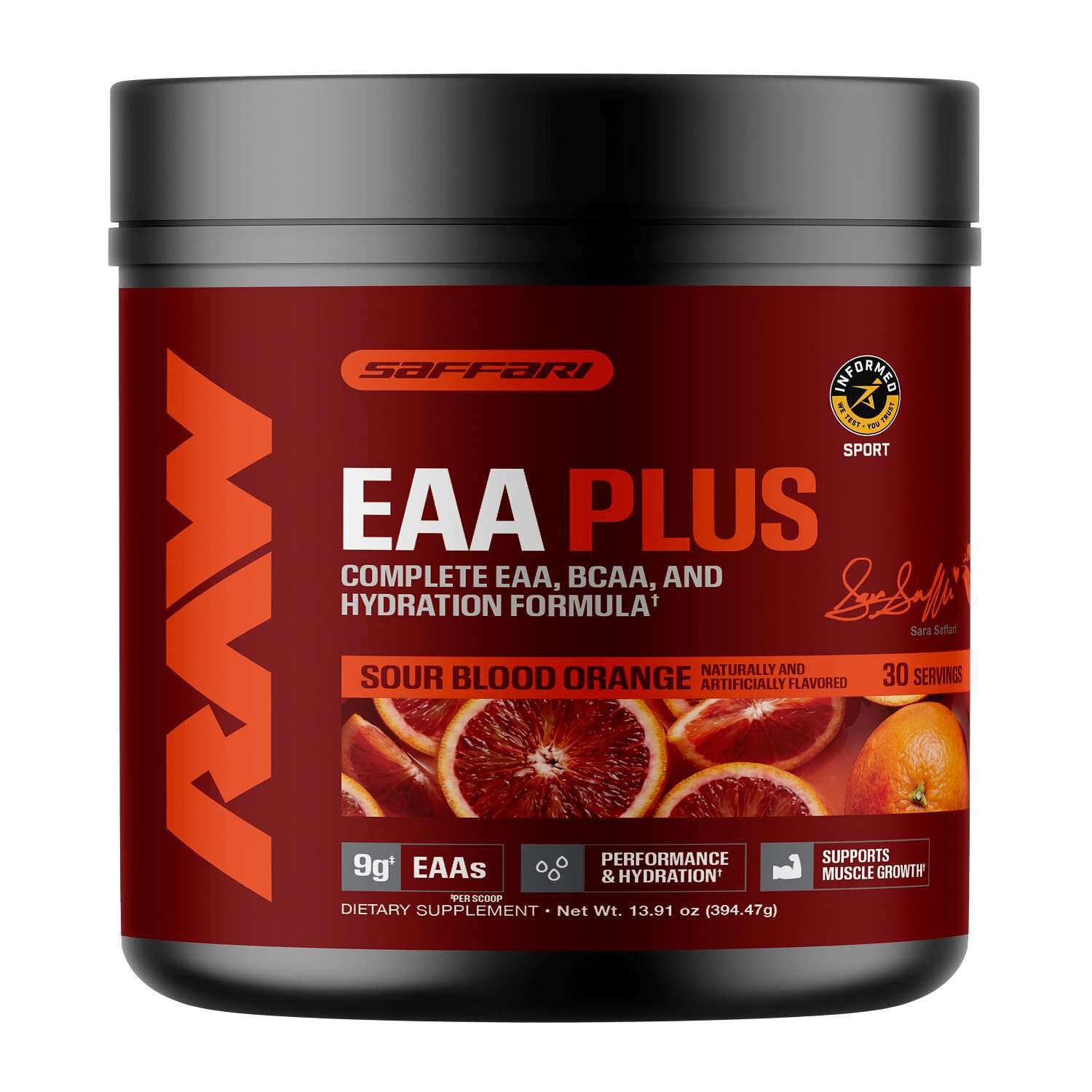
-
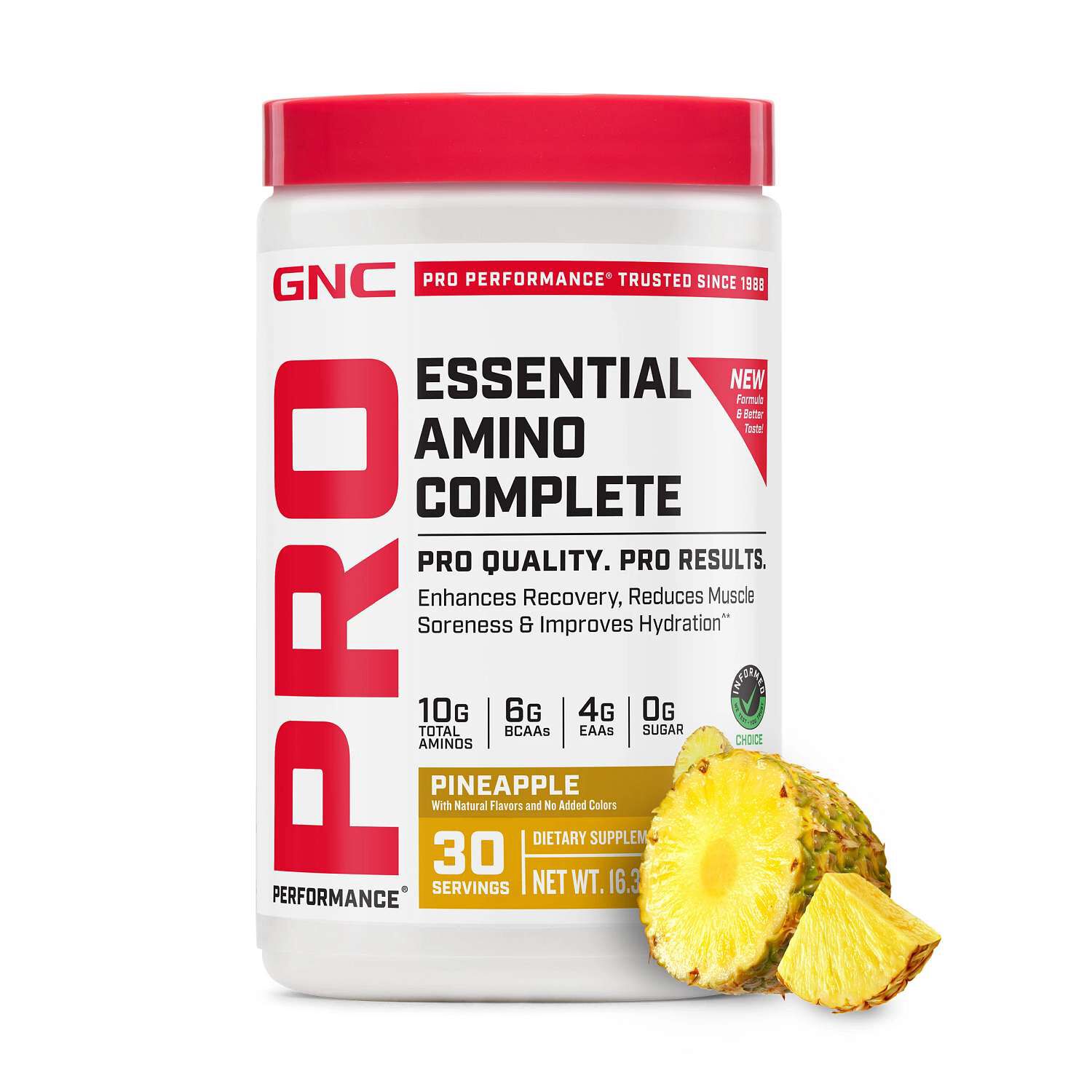
-
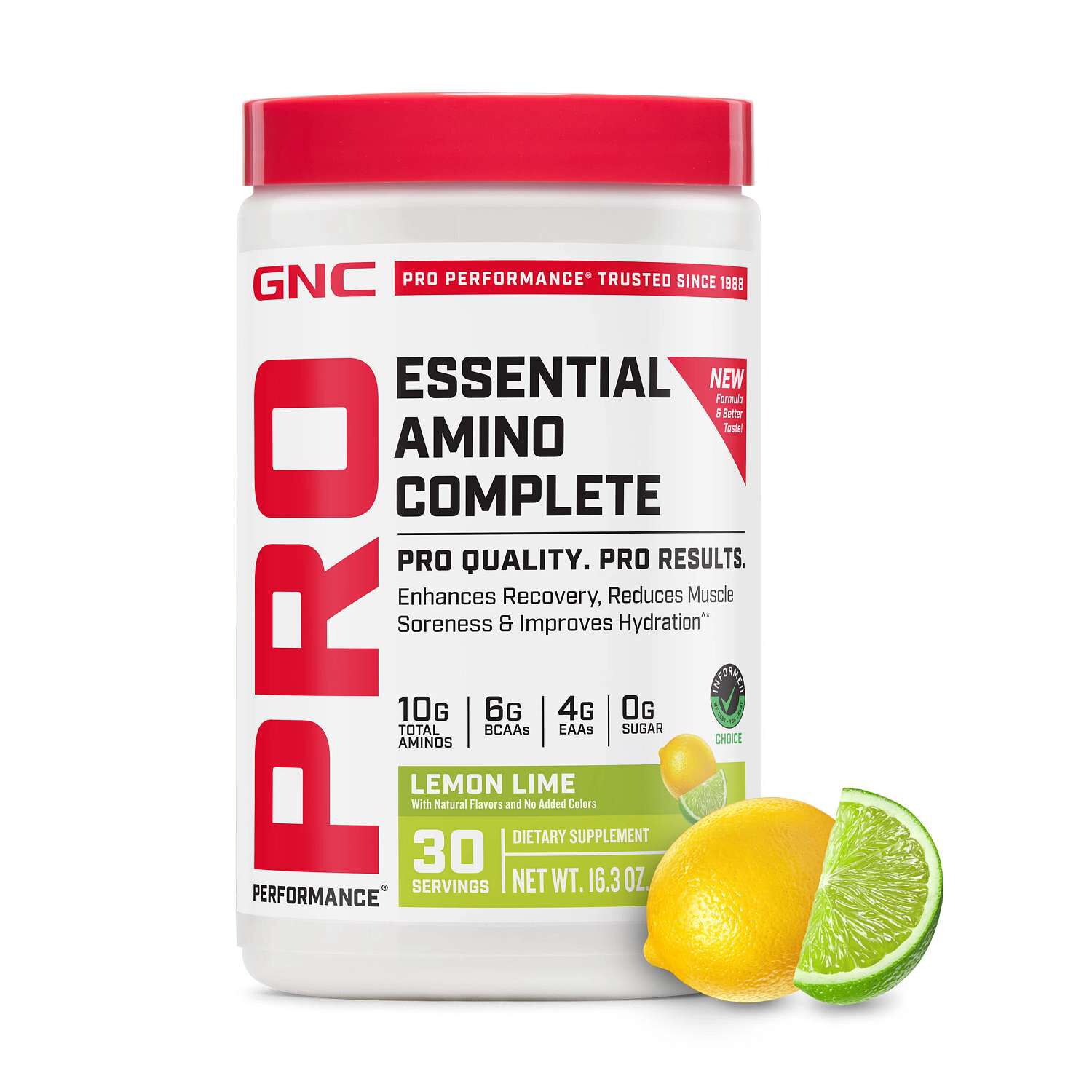
-
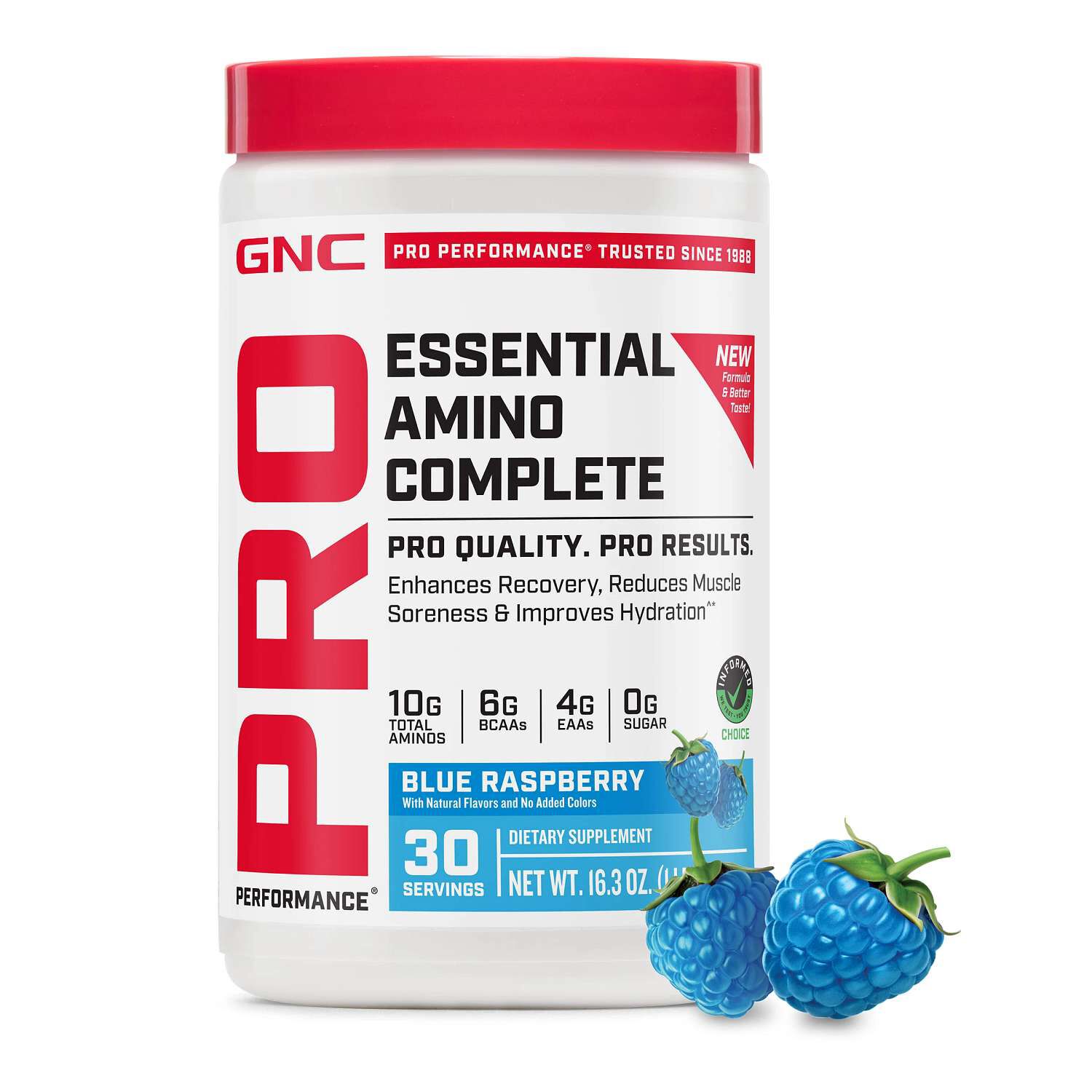
-
-
-
-

-

-
 42$49.99
-

-
-

-
 $39.99
-
 $49.99
-
 $52.99
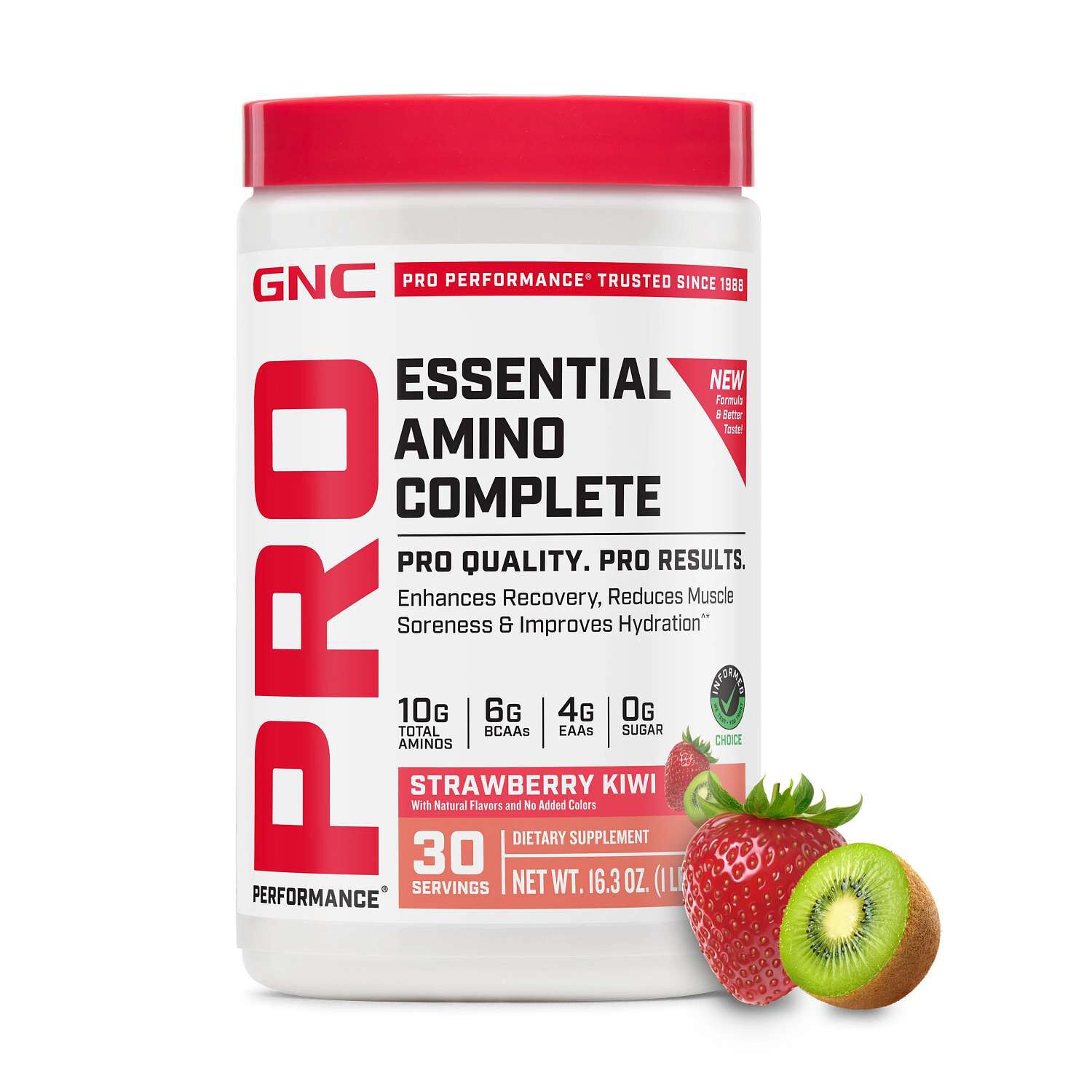
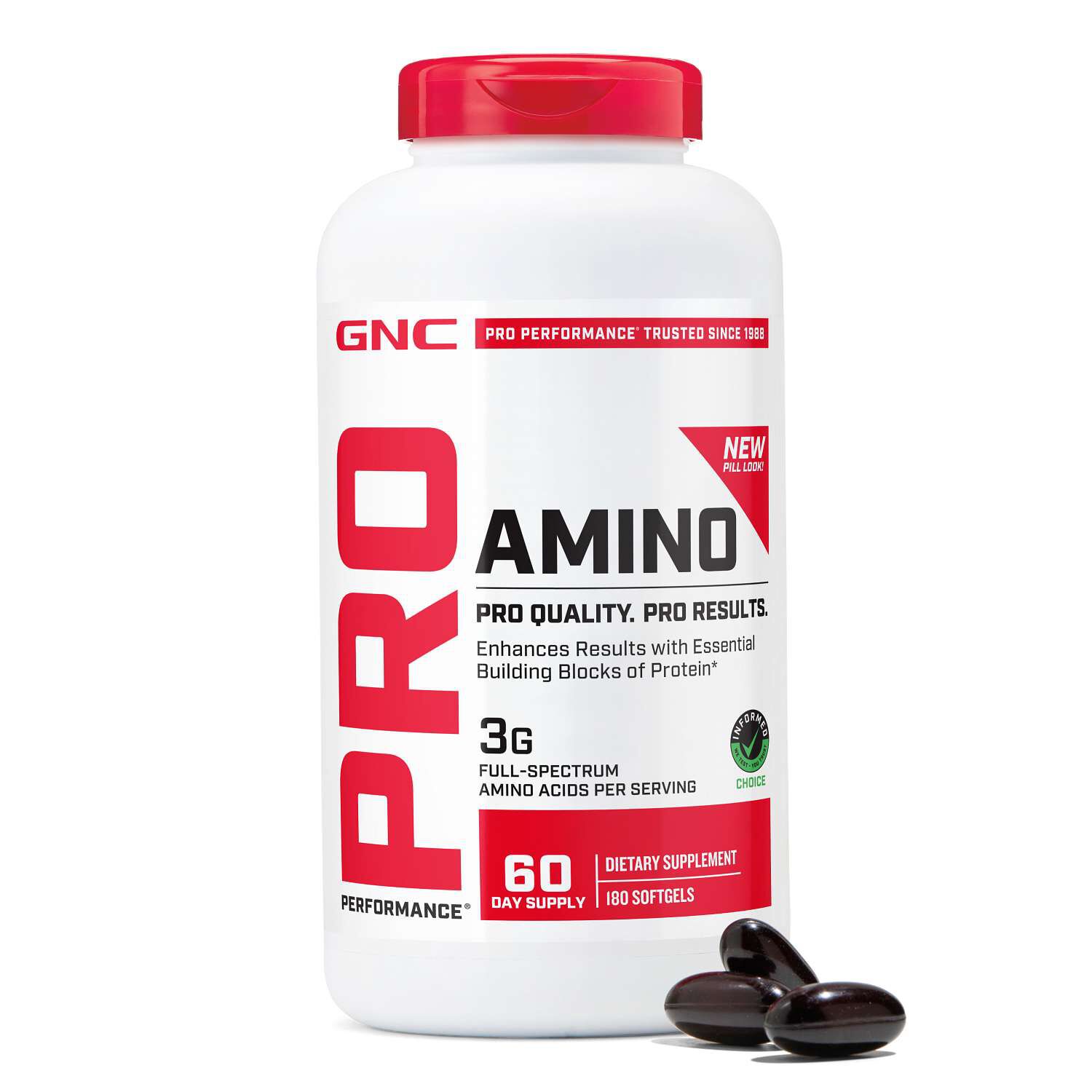
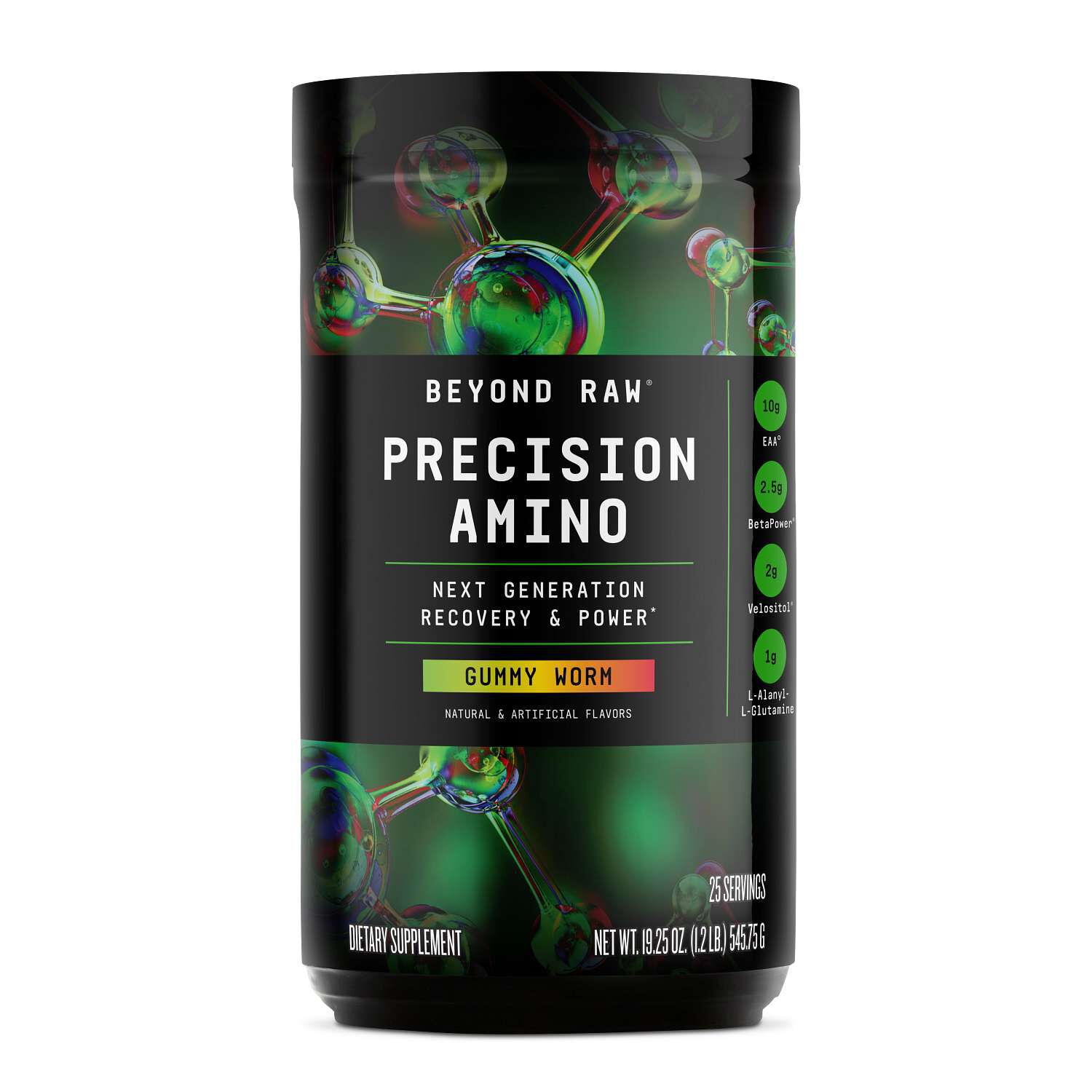
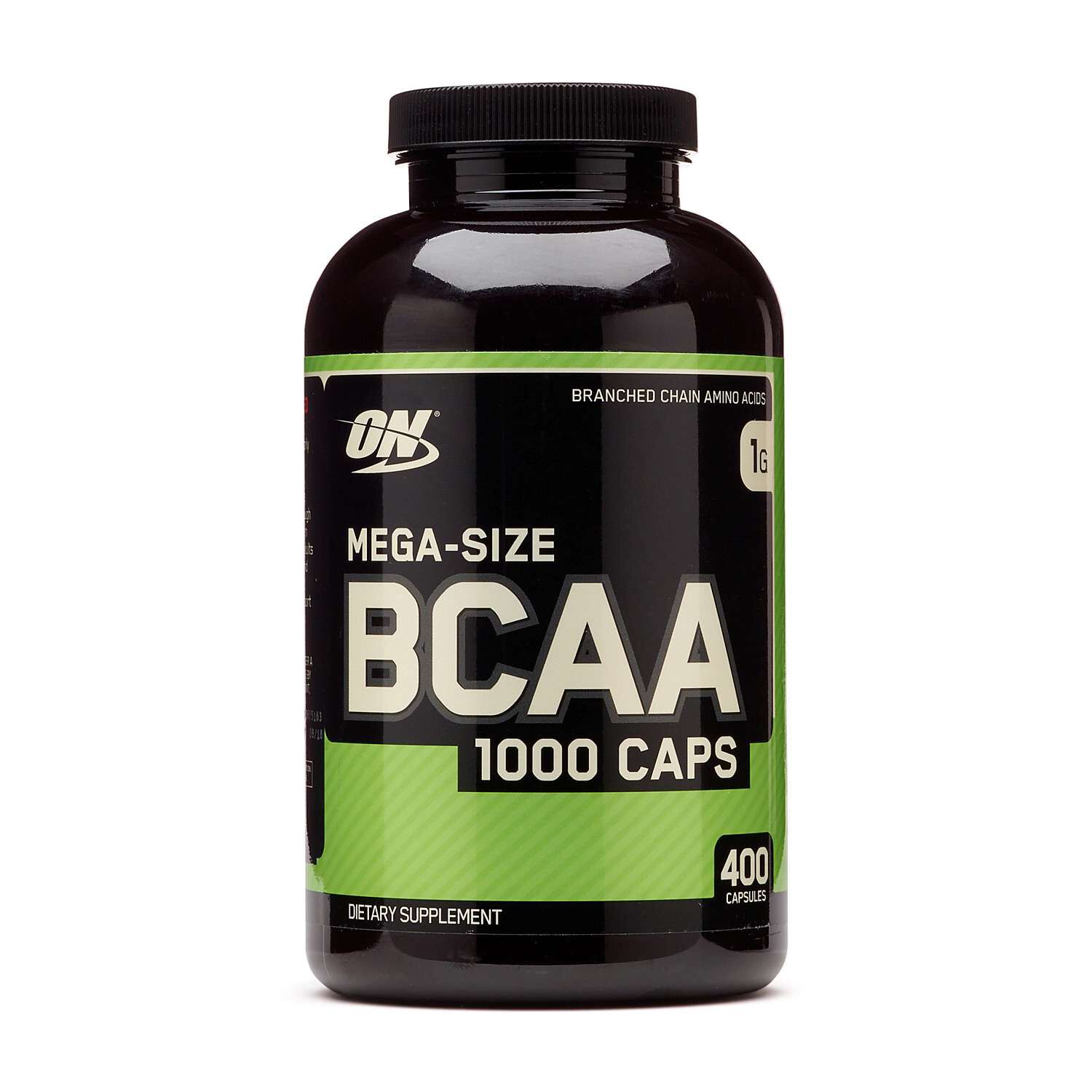
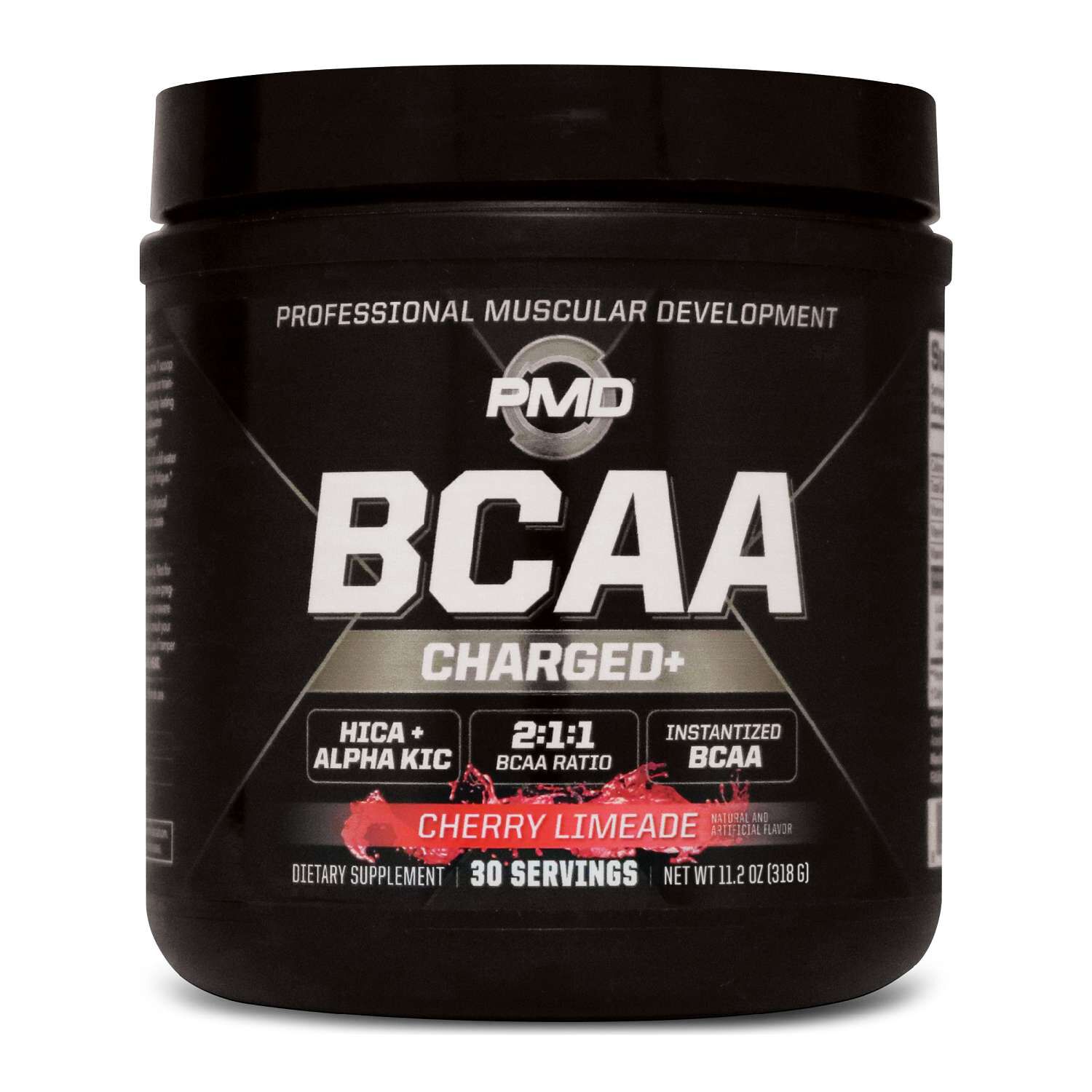
Advanced amino acid supplements are formulas built around selected amino acids or combinations of amino acids, often intended for adults with an established exercise and nutrition routine. Amino acids are the building blocks of proteins, including proteins found in muscle and other body tissues. Adults need nine amino acids from food because the body cannot produce enough of them on its own; other amino acids can be made within the body. Supplements in this category vary considerably, so “advanced” is best understood as a description of a formula rather than a standardized ingredient, strength, or quality designation. Some formulas focus on branched-chain amino acids, commonly called BCAAs: leucine, isoleucine, and valine. Others contain a broader combination, including all nine amino acids that must come from the diet. These approaches are not interchangeable, and the number of ingredients alone does not establish whether a formula suits a particular routine. Intact dietary proteins contain amino acids joined together in chains, while some amino acid supplements supply individual compounds rather than intact proteins. That difference describes their composition; it does not, by itself, demonstrate faster absorption or better results. For adults interested in strength training, recreational sports, or structured fitness, an amino acid formula may complement an eating pattern, but its relevance depends on what meals and other supplements already provide. Someone who regularly eats enough protein from foods such as eggs, yogurt, fish, beans, tofu, or poultry may gain little additional benefit from adding amino acids. A serving of amino acids also should not be treated as nutritionally interchangeable with a meal or a protein shake, since protein, calories, and other nutrients can differ substantially. Looking at the broader eating pattern provides more useful context than focusing on a front-label phrase or an impressive ingredient count. The most meaningful distinctions are the amino acids included, their disclosed amounts, the serving instructions, and the formula’s intended use.
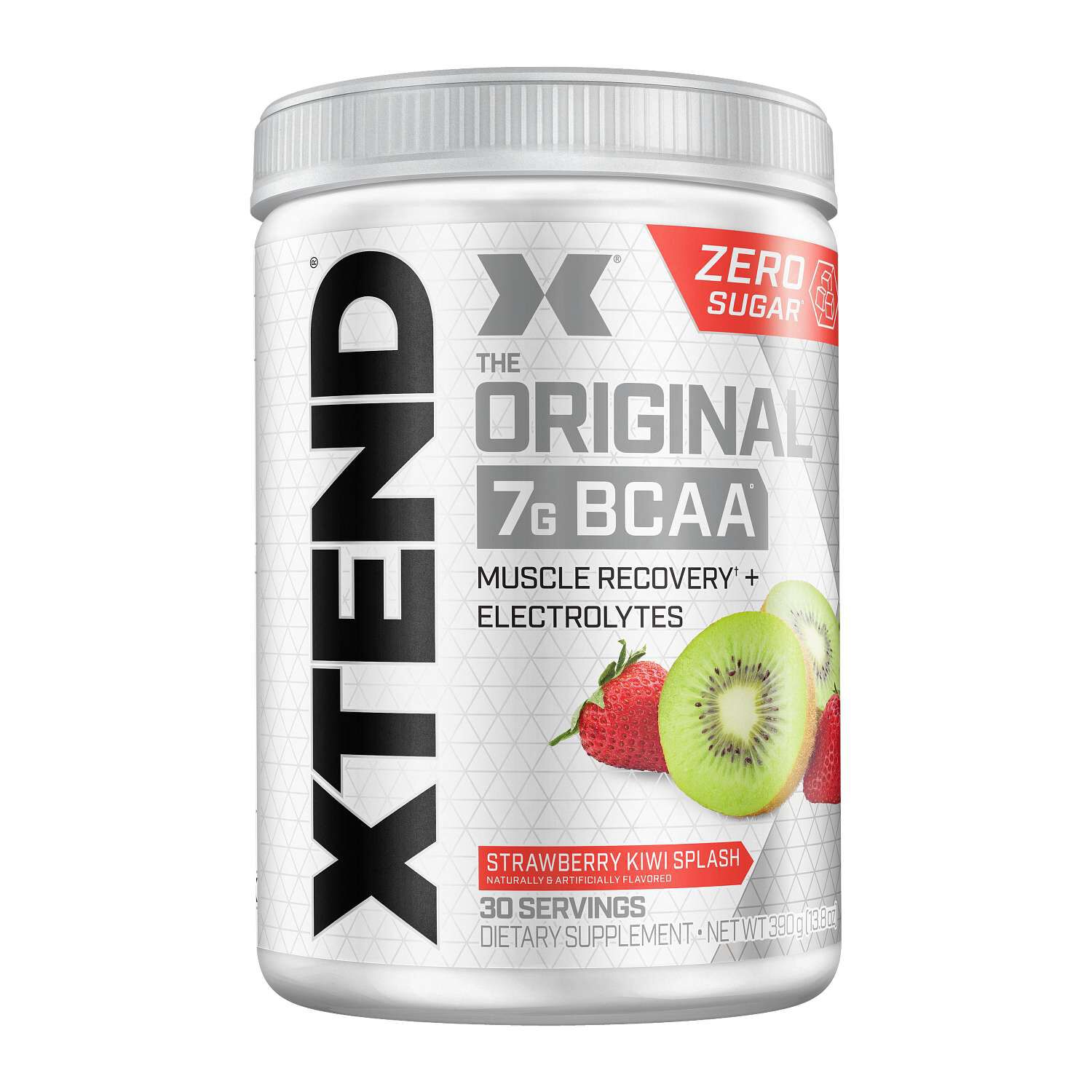
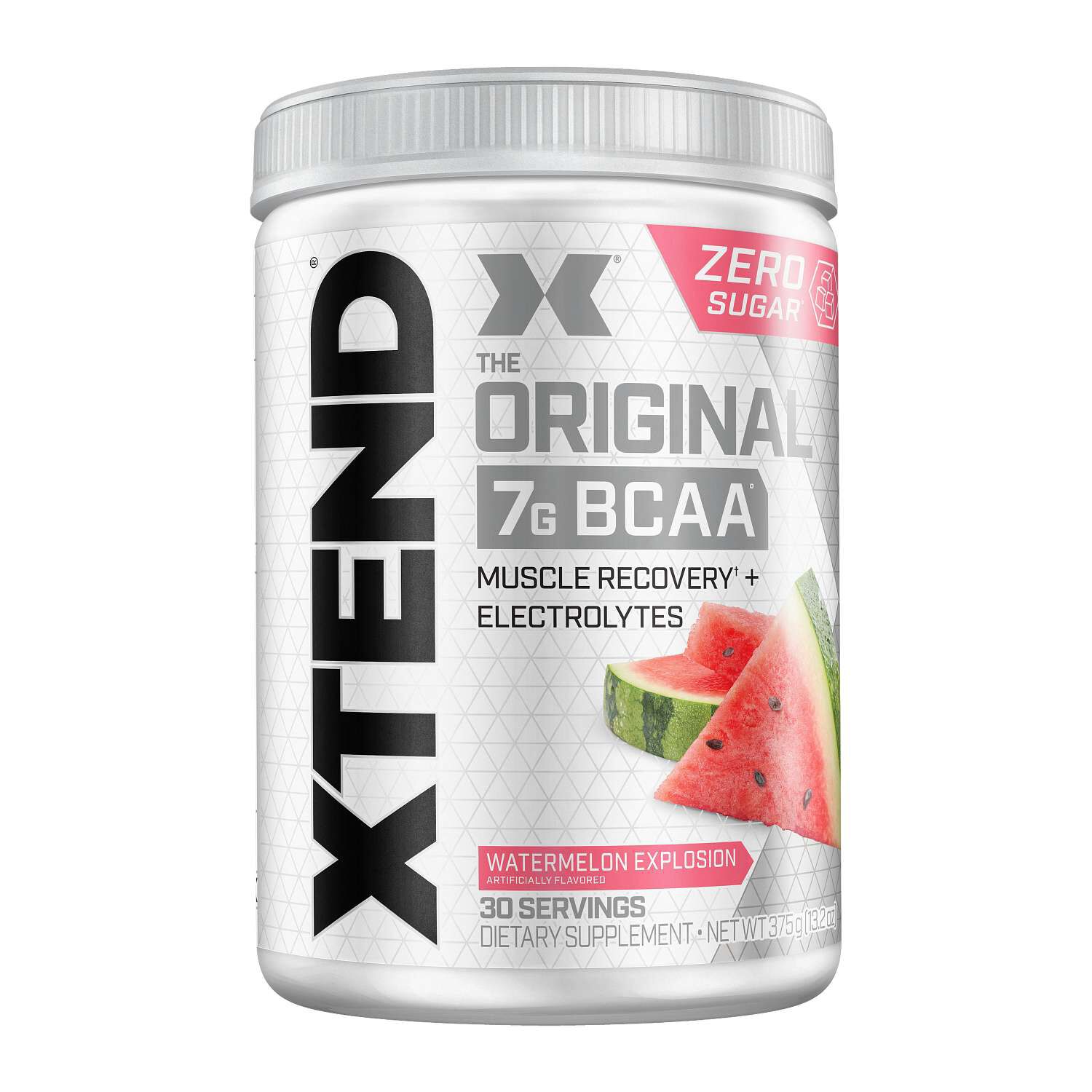
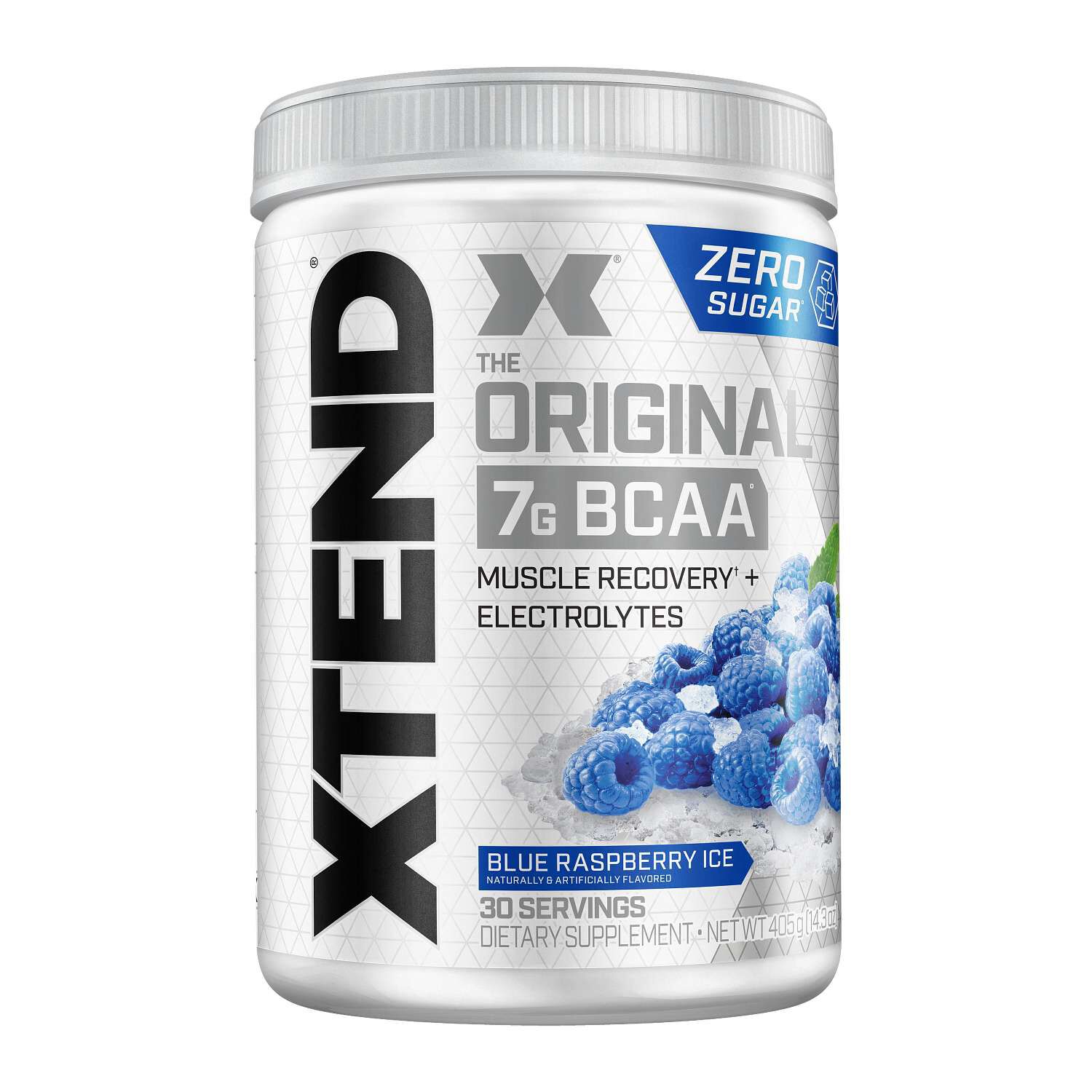
Comparing advanced amino acid formulas starts with the Supplement Facts panel and ingredient list. The amount listed for one scoop may not match the amount listed for one serving if the directions call for multiple scoops, capsules, or tablets. Serving size matters when comparing formulas because a larger scoop can contain more flavoring or other ingredients without providing a proportionately larger amount of amino acids. Individually disclosed quantities make it easier to understand the composition than a blend that gives only one combined weight. A BCAA ratio describes the relationship among leucine, isoleucine, and valine; it does not state the amount of each unless the label supplies that information. Similarly, a longer ingredient list does not establish a more useful formula for every shopper. For another way to compare composition, explore amino acids in individual form, with attention to the named amino acids and their amounts rather than assumptions about absorption. Format is another practical distinction. Powders involve measuring and mixing, while capsules and tablets have directions expressed as a number of units per serving. A capsule format may suit someone who prefers not to prepare a flavored drink, although the serving could involve several capsules. A powder may suit someone who already carries a shaker bottle and prefers a beverage-based routine. Neither format is automatically the better choice. Flavor, sweetness, texture, and the suggested amount of liquid all affect the drinking experience, especially for someone who plans to mix a serving in a small bottle. Follow the preparation directions rather than assuming every powder mixes in the same volume of water. Other ingredients deserve attention, too. Depending on the formula, these may include caffeine, electrolytes, sweeteners, colors, or flavoring ingredients. For someone already using another workout supplement, comparing both labels may help identify overlapping ingredients. Dietary preferences also warrant a closer look at the full label, including capsule materials and allergen statements, rather than relying on a flavor name or the appearance of the package.
Intended use should connect the formula to an actual routine, not just an athletic image on the container. An adult who trains before work may prefer a format that requires little preparation, while someone who exercises at home may have room for a tub, a measuring scoop, and a dedicated mixing bottle. A recreational runner and a person who lifts weights several evenings a week may look at the same category for different reasons, but neither needs to assume that a supplement is necessary simply because training is demanding. The broader diet, exercise schedule, and personal preferences remain relevant. Timing language on a label should be read alongside the directions; taking a formula before, during, or after a workout does not make those approaches equivalent across every formulation. More servings are not automatically more useful, and directions should not be replaced with serving suggestions borrowed from another container. Practical care matters once a formula becomes part of a routine. Store it according to the package instructions, close the container securely, and use a clean, dry scoop for powders. Keep moisture from entering a powder container, and wash mixing bottles and lids after use so residue does not carry into the next drink. When packing capsules or tablets for travel, retain the directions and identifying label, and choose a container that closes securely. Check the date marking and any storage instructions before use, particularly when a container has been open for a while. Packaging durability is most useful when it suits everyday handling: a closure that seals properly and a container that stays intact in a gym bag are practical considerations. Clear labeling, manageable preparation, and a format that suits daily habits make comparison more grounded. Advanced amino acids may have a place in an adult fitness nutrition routine, but the strongest reason to choose a formula is a clear match between its composition, its directions, and the role it is intended to serve.
What are advanced amino acids?
Advanced amino acids typically refer to specialized blends or forms of amino acids that may include a wide range of different types. These blends are often designed for those looking to support their nutrition and fitness routines.
How do advanced amino acid supplements differ from basic amino acid products?
Advanced amino acid supplements may contain a broader spectrum of amino acids, unique ingredient combinations, or specialized delivery systems compared to basic formulas. They are often formulated for individuals with specific fitness or nutritional goals.
Who might consider adding advanced amino acids to their routine?
Individuals who have active lifestyles, participate in regular exercise, or are looking to support their daily nutrition might consider exploring advanced amino acid options as part of their supplement regimen.
When is a common time to take advanced amino acid supplements?
Many people choose to take advanced amino acid supplements before, during, or after workouts. However, timing preferences can vary based on personal routines and goals.
Can advanced amino acids be combined with other supplements?
Advanced amino acids are often used alongside other supplements such as protein powders or vitamins. It's common for individuals to incorporate them into a broader wellness plan based on their needs and preferences.
Best Sellers

Related Pages

Top Collections
- Daily Collagen Supplements | Top Brands & Deals | GNC
- Joint Mobility Supplement Packs
- Zinc Supplements | Top Brands at Great Prices | GNC
- Supplements For Yoga Joint Flexibility
- Supplements For Balance
- Chronic Fatigue Supplements
- Capsule Supplements For Energy And Stamina
- Cortisol Supplements
- NAD+ Supplement Tablets
- Iron Supplements