Protein Amino Acids
(0 Results)
Protein amino acids play a key role in supporting an active lifestyle and may help you reach your nutrition goals. Whether you're looking to complement your workout routine or add variety to your daily nutrition, a range of protein amino acid options could fit your needs. Explore different forms and flavors designed to seamlessly fit into your regimen, and discover how protein amino acids might support your journey toward overall wellness.

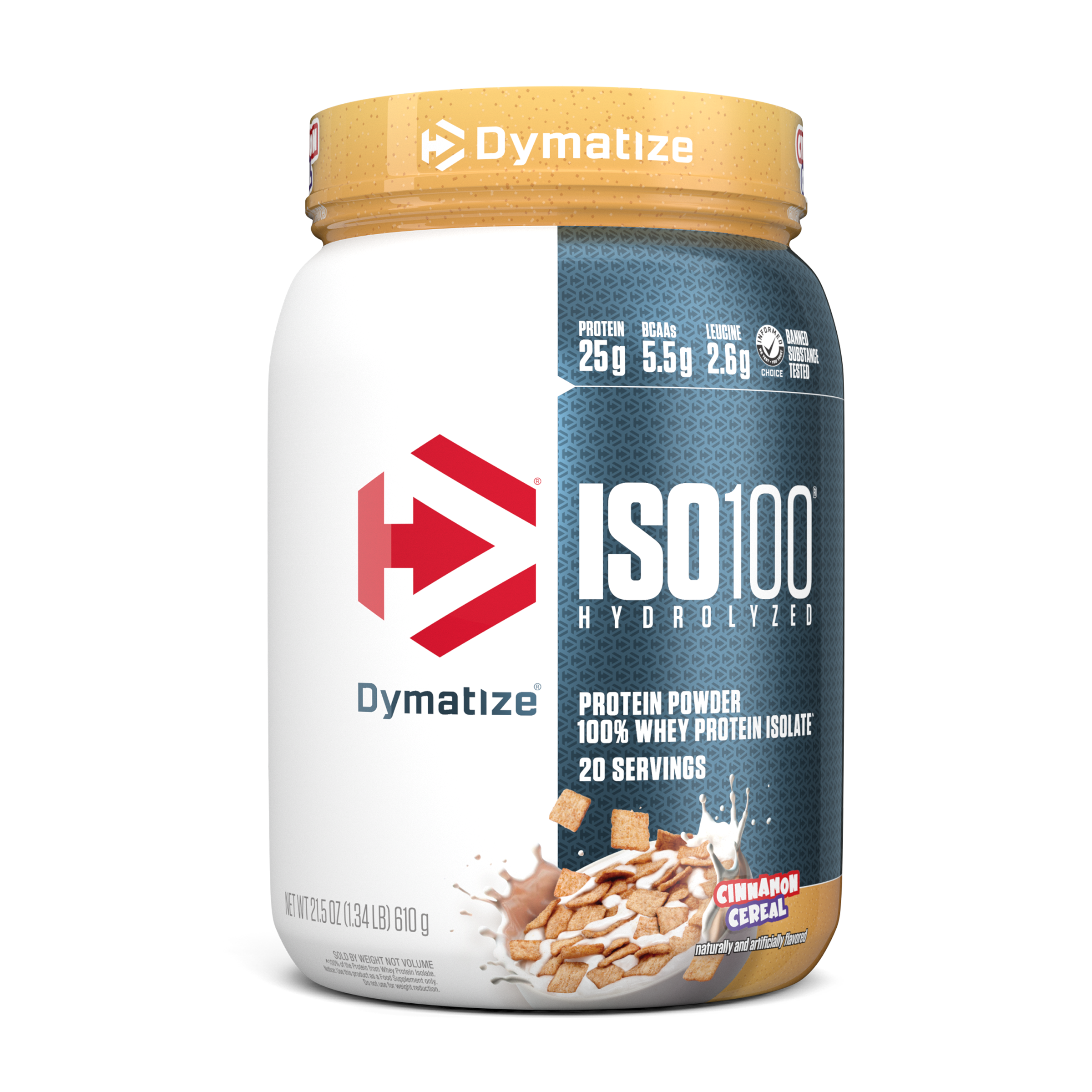


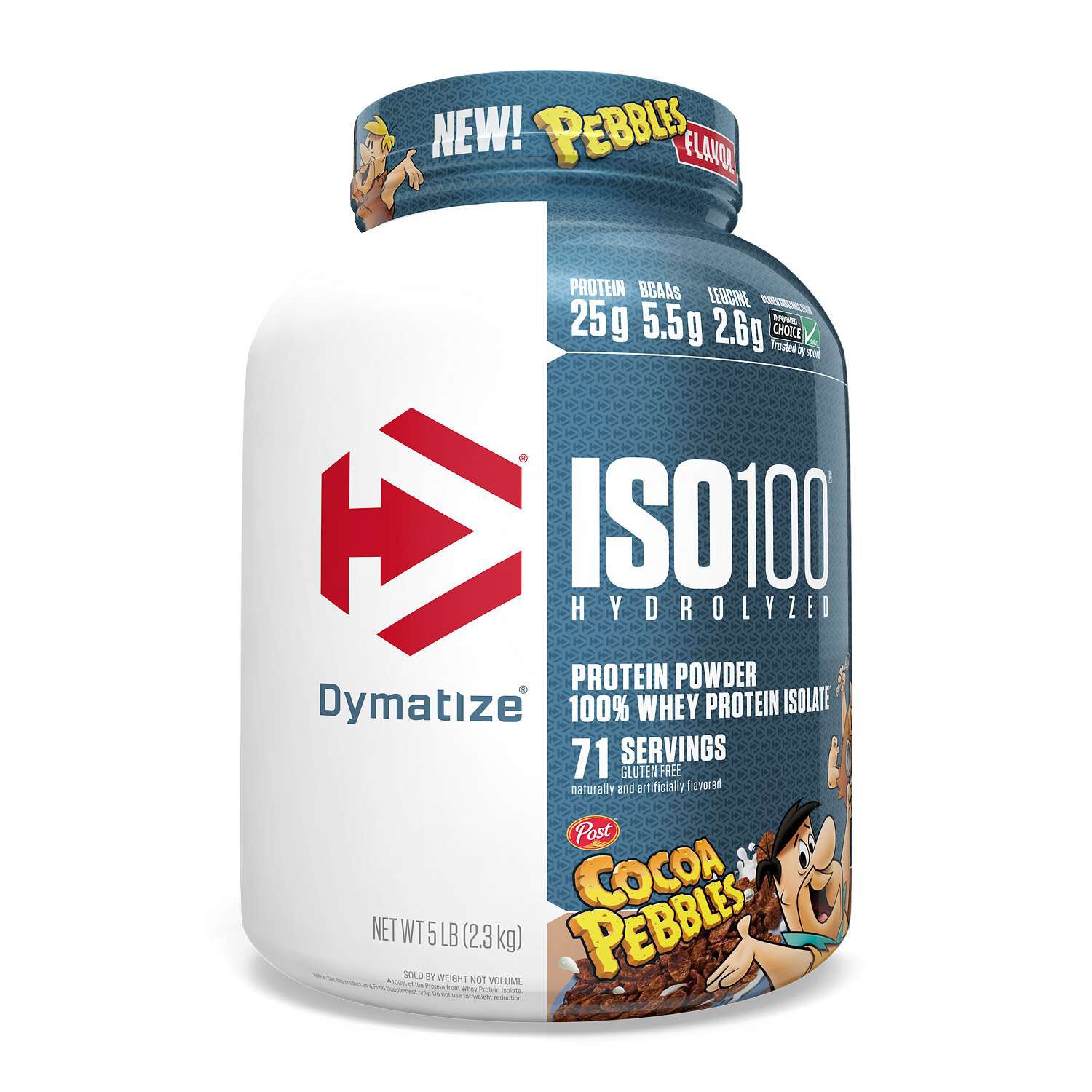


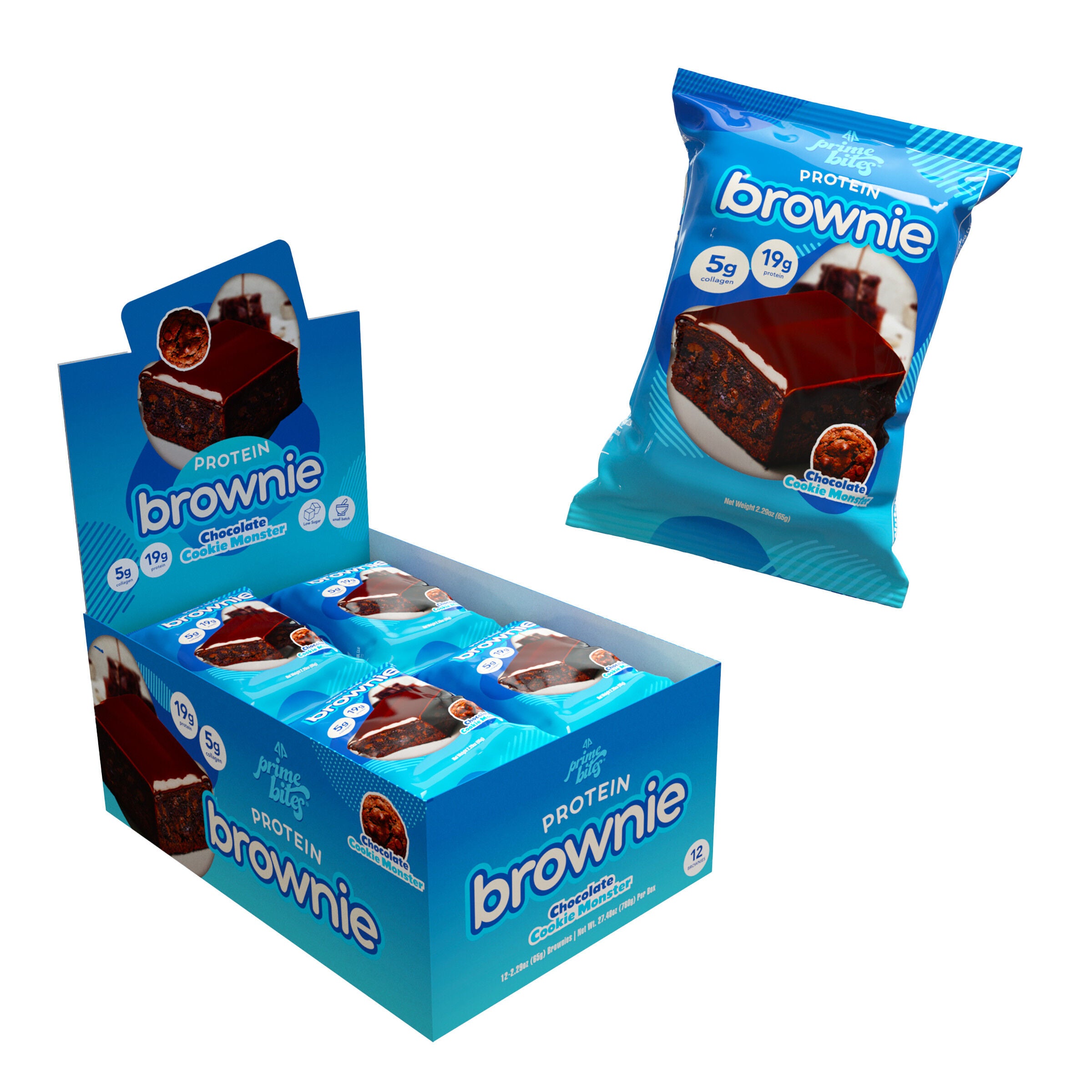


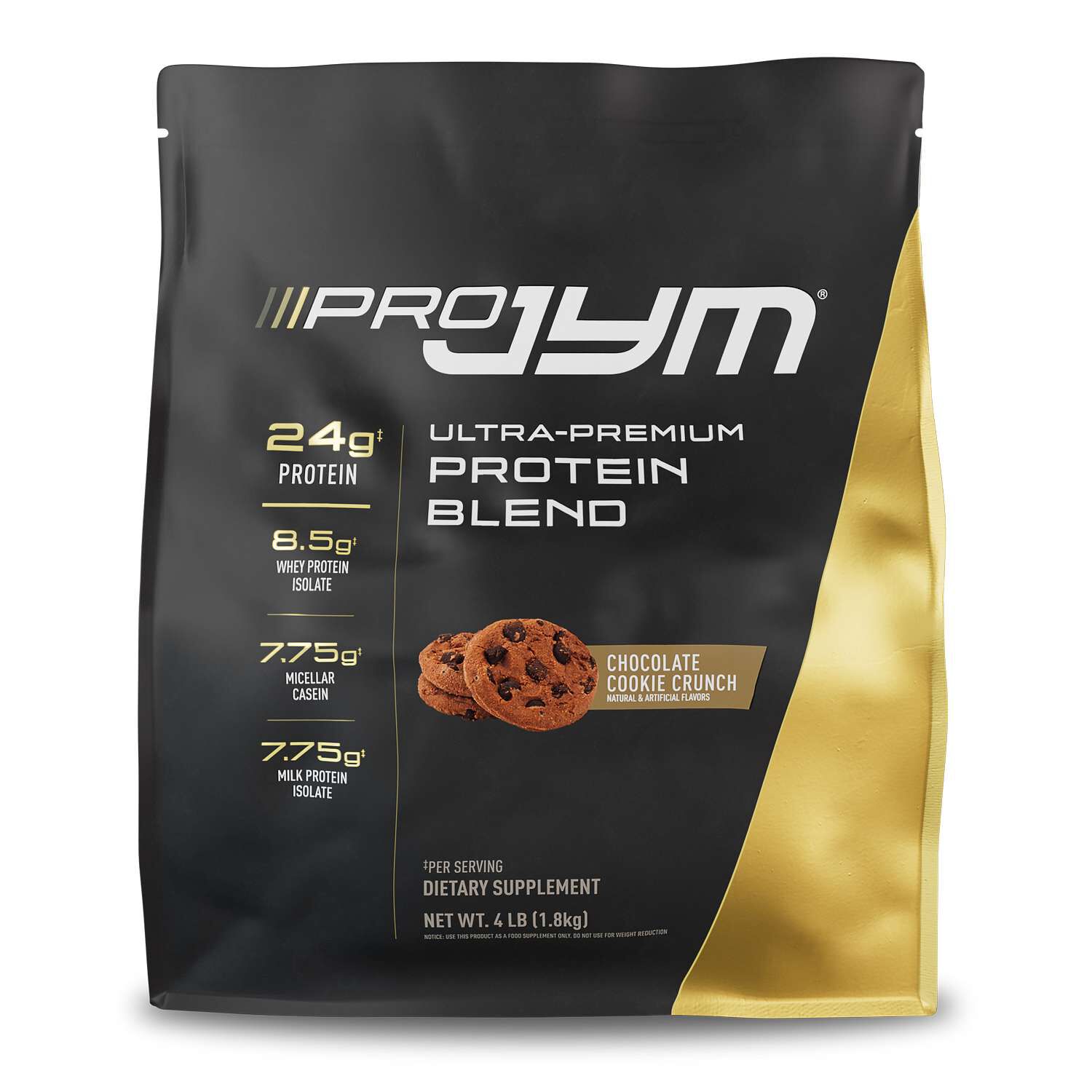
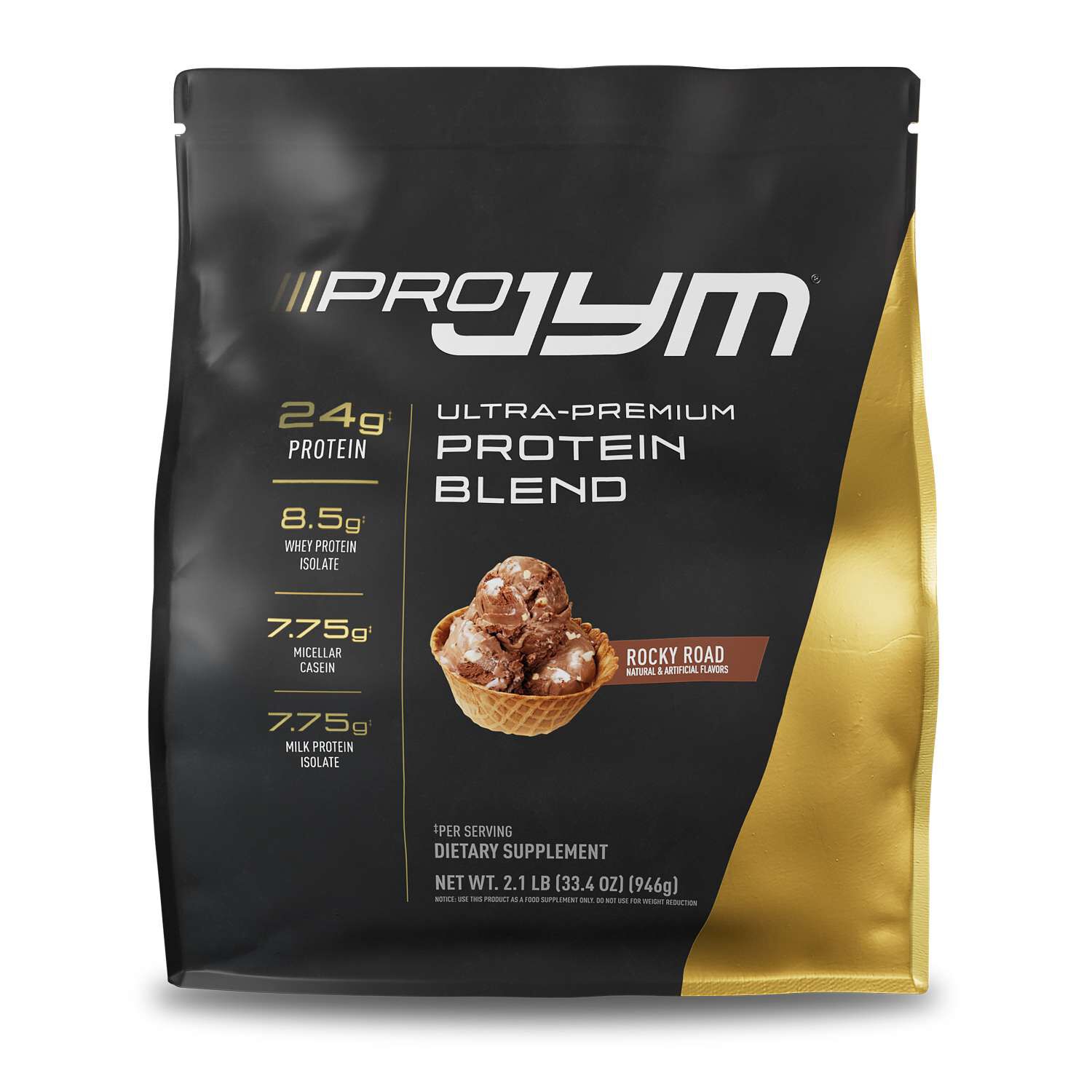


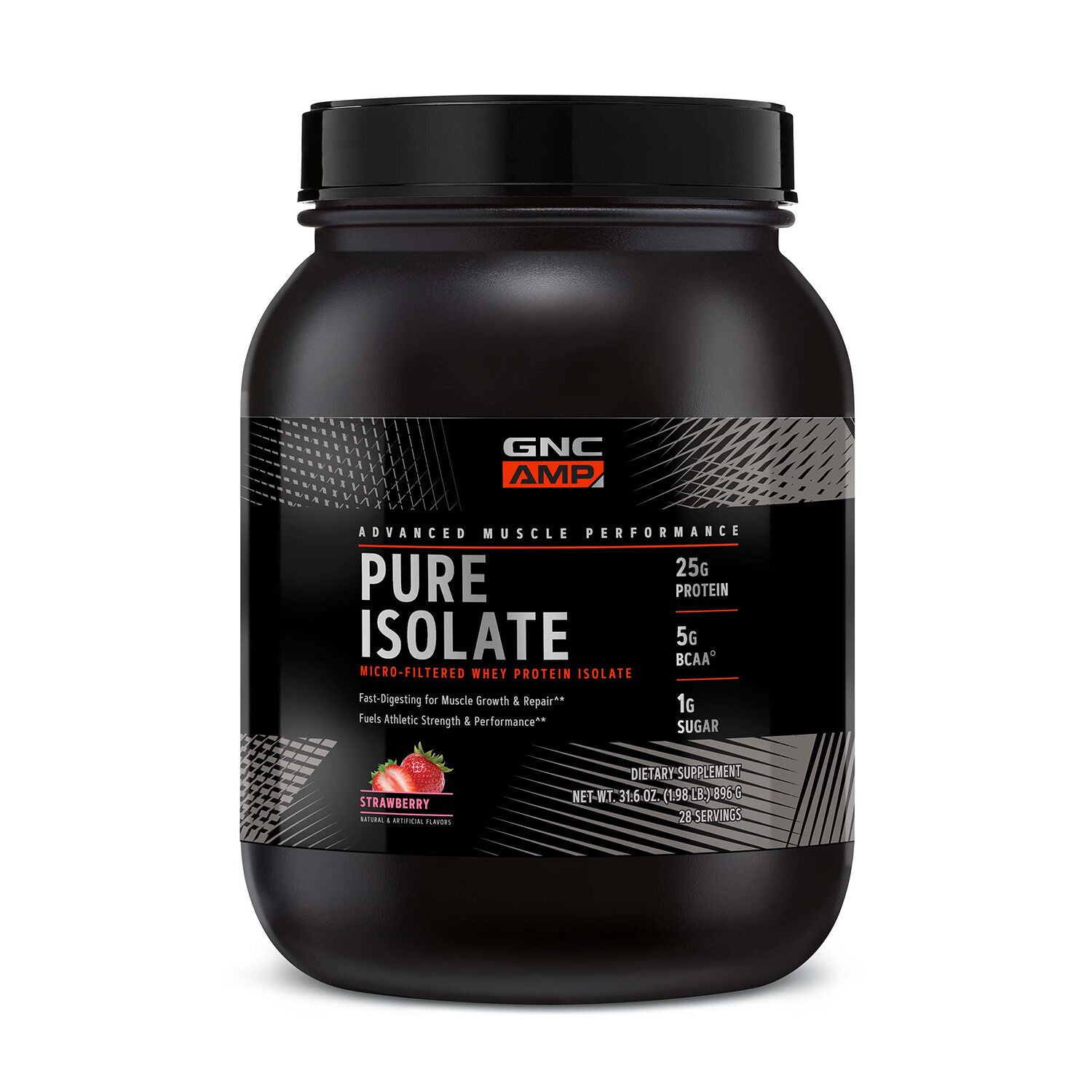

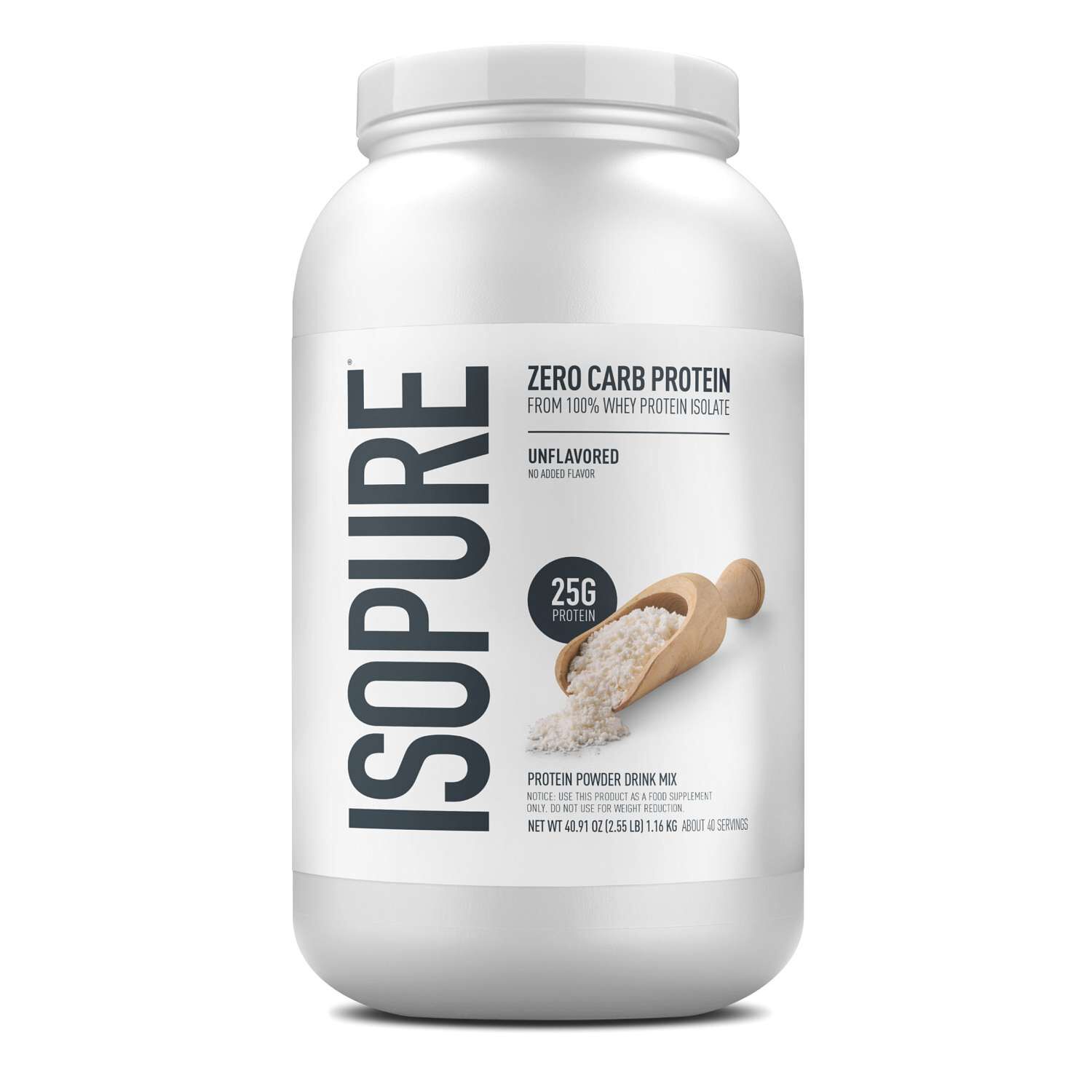


Amino acids are the building blocks of protein: small organic molecules that join in chains to form proteins with different structures and functions. The human body uses 20 standard amino acids to build proteins. Nine must come from food because the body cannot make them in sufficient amounts. Protein foods and protein powders contain amino acids within larger protein molecules, while amino acid supplements contain individual amino acids or selected combinations. That distinction matters when browsing protein and amino acid products. A protein powder is typically chosen for its protein content per serving, source, flavor, and preparation method; an amino acid formula is often selected for the particular amino acids listed on its label. The two categories are related, but they are not interchangeable. Whey, casein, egg, soy, pea, and rice are examples of protein sources, each with a different amino acid profile and different mixing characteristics. Whey and casein come from milk, while soy, pea, and rice offer plant-based options. Some powders combine protein sources, so the ingredient list can reveal more than the name on the front of the container. Among amino acid supplements, branched-chain amino acids, commonly called BCAAs, refer to leucine, isoleucine, and valine. These three belong to the group of nine amino acids that must come from the diet. Other blends contain all nine, while some formulas focus on a single amino acid. A BCAA ratio describes the relative proportions of those three ingredients, not the amount of protein in a serving. Understanding these distinctions makes it easier to compare a scoop of protein powder with a flavored amino acid drink mix without assuming they serve the same purpose. For adults who enjoy strength training, recreational sports, or an active routine, the intended use often shapes the selection: a shake alongside breakfast, a portable powder for a gym bag, or an amino acid formula chosen for its ingredient composition. Each format belongs within the broader context of everyday food choices rather than standing in for a varied diet.
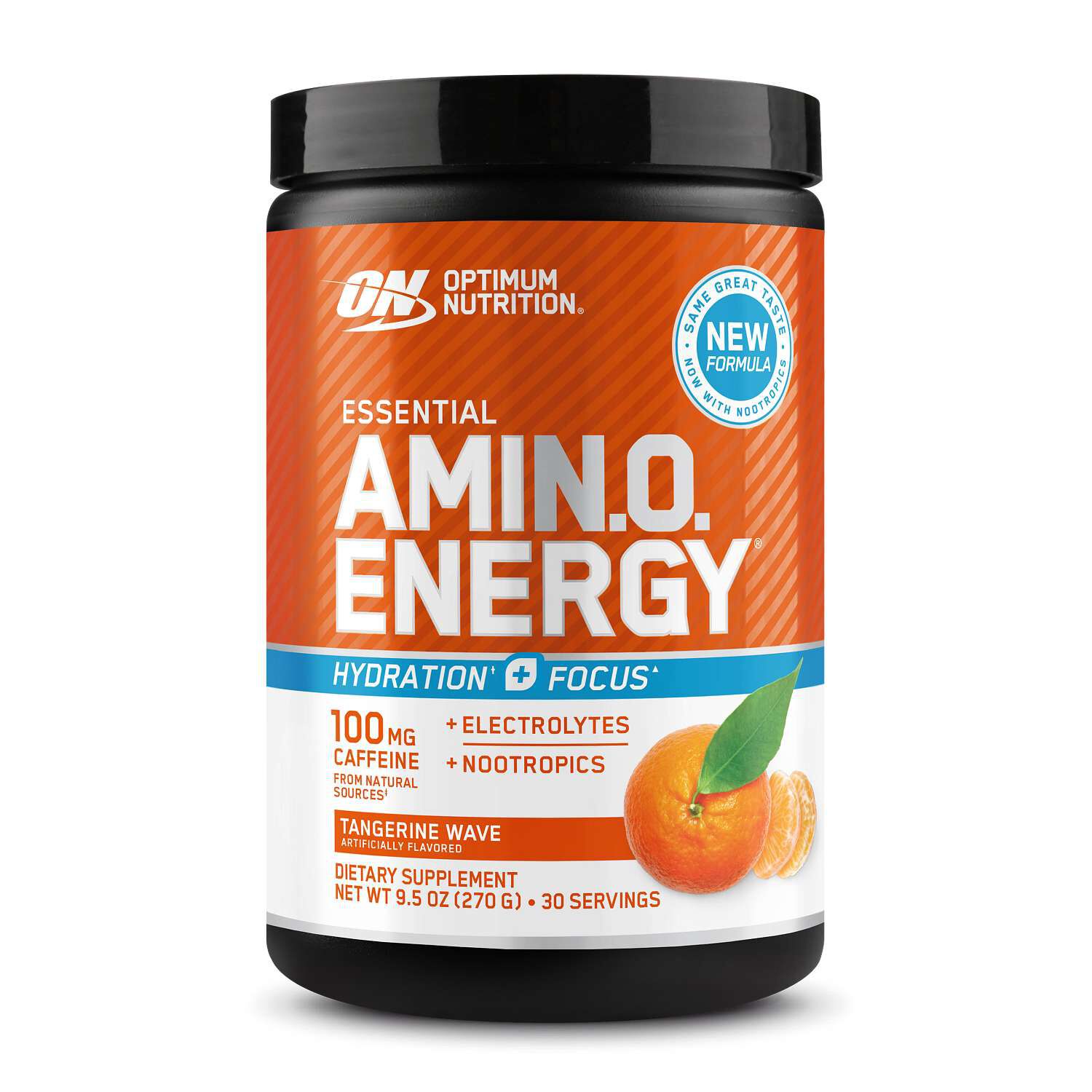
Comparing protein and amino acid supplements involves more than choosing a familiar flavor. The nutrition panel, serving size, ingredient list, and preparation directions provide the most useful details about what is inside. For protein powders, grams of protein per serving are a different measurement from the weight of the scoop, which also includes any flavorings, sweeteners, and other ingredients. For amino acid formulas, the amount of each named amino acid and the amount of the blend are separate considerations. Two containers with similarly sized scoops can have different compositions, and a powder, capsule, or tablet may express a serving in a different way. Some formulas disclose individual ingredient amounts; others list a combined blend amount. A shorter ingredient list may appeal to someone who wants a straightforward formula, while another shopper may prefer a flavored blend designed to mix with water. Milk, soy, and egg ingredients deserve attention when comparing products against personal dietary requirements, as do shared-equipment statements and other label details. Plant-based labeling describes the ingredient source, but it does not explain every aspect of the formula. Texture and taste also influence whether a purchase suits everyday use. A vanilla protein powder stirred into oatmeal offers a different experience from a fruit-flavored amino acid powder shaken with water. Some protein powders have a creamy consistency, while others are lighter or more textured, depending on the source, processing, and preparation. Sweetener type, flavor intensity, and the suggested amount of liquid can all affect the finished drink. An unflavored option may suit someone who prefers adding ingredients to a smoothie, although unflavored does not necessarily mean tasteless. Capsules and tablets offer an alternative to drink mixes, with the serving count and container directions shaping their practical use. Shoppers comparing more specialized ingredient combinations can also explore Advanced Amino Acids with attention to the amino acids named, the amounts disclosed, and the format. The useful comparison is the formula itself, not simply the prominence of a number or phrase on the package.
Everyday fit is often what separates a thoughtfully chosen supplement from a container that stays untouched at the back of a cabinet. Someone who makes breakfast in a blender may prefer a protein powder that works with the ingredients already in that routine. Someone heading from the office to a workout may place more importance on a secure container, a measured serving, and a formula that mixes in a shaker bottle. A person who dislikes sweet drinks may prefer an unflavored powder or a capsule format, while someone who enjoys a consistent flavor may want a drink mix that requires little preparation. These are practical preferences, not measures of product quality or expected results. Protein powders may help make dietary protein intake more convenient, but the amount that fits an individual routine depends on food choices and personal circumstances. An amino acid supplement is a different choice from a protein-rich snack or meal, and its label should not be read as a substitute for the broader nutrition provided by food. Packaging and care matter, too. A wide-mouth tub allows access with a scoop, while a resealable pouch occupies a different shape in a kitchen cabinet or travel bag. Secure closures, readable directions, and intact packaging are useful details to consider. Powder containers belong away from moisture, with lids or seals closed after use and scoops kept clean and dry. The stated storage directions and date markings remain the reference for handling a particular formula. Shaker bottles and blender parts also need washing according to their care instructions, especially around lids, threads, and removable mixing pieces. For an adult fitness enthusiast, a supplement can be a personal gift, but an already established preference is a better starting point than a guess about flavor, ingredients, or serving format. Across protein and amino acid products, a suitable choice reflects the ingredient source, amino acid composition, serving information, preparation needs, and the setting in which it will actually be used. Those concrete details offer a useful basis for comparing options without confusing a familiar category name with a formula that fits every routine.