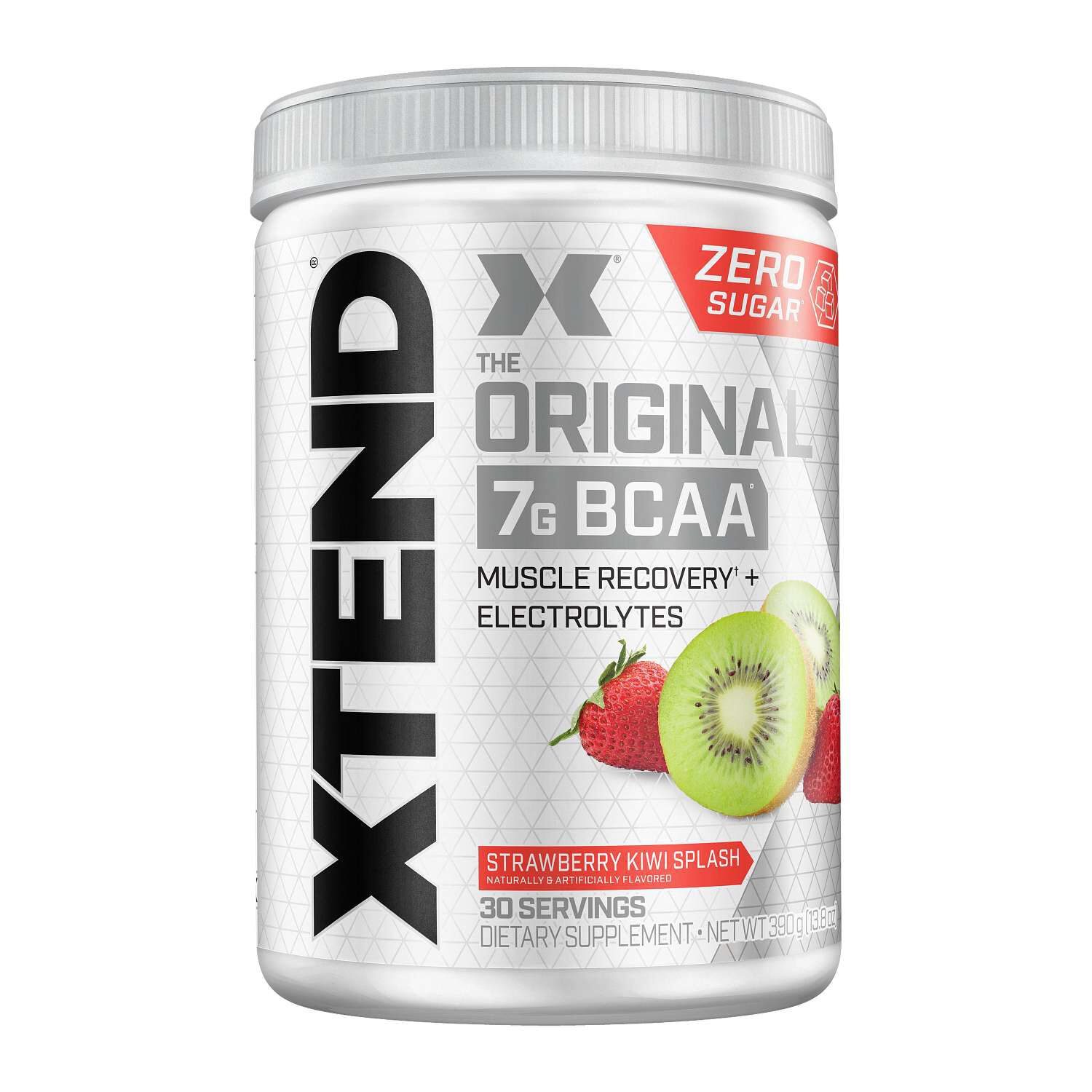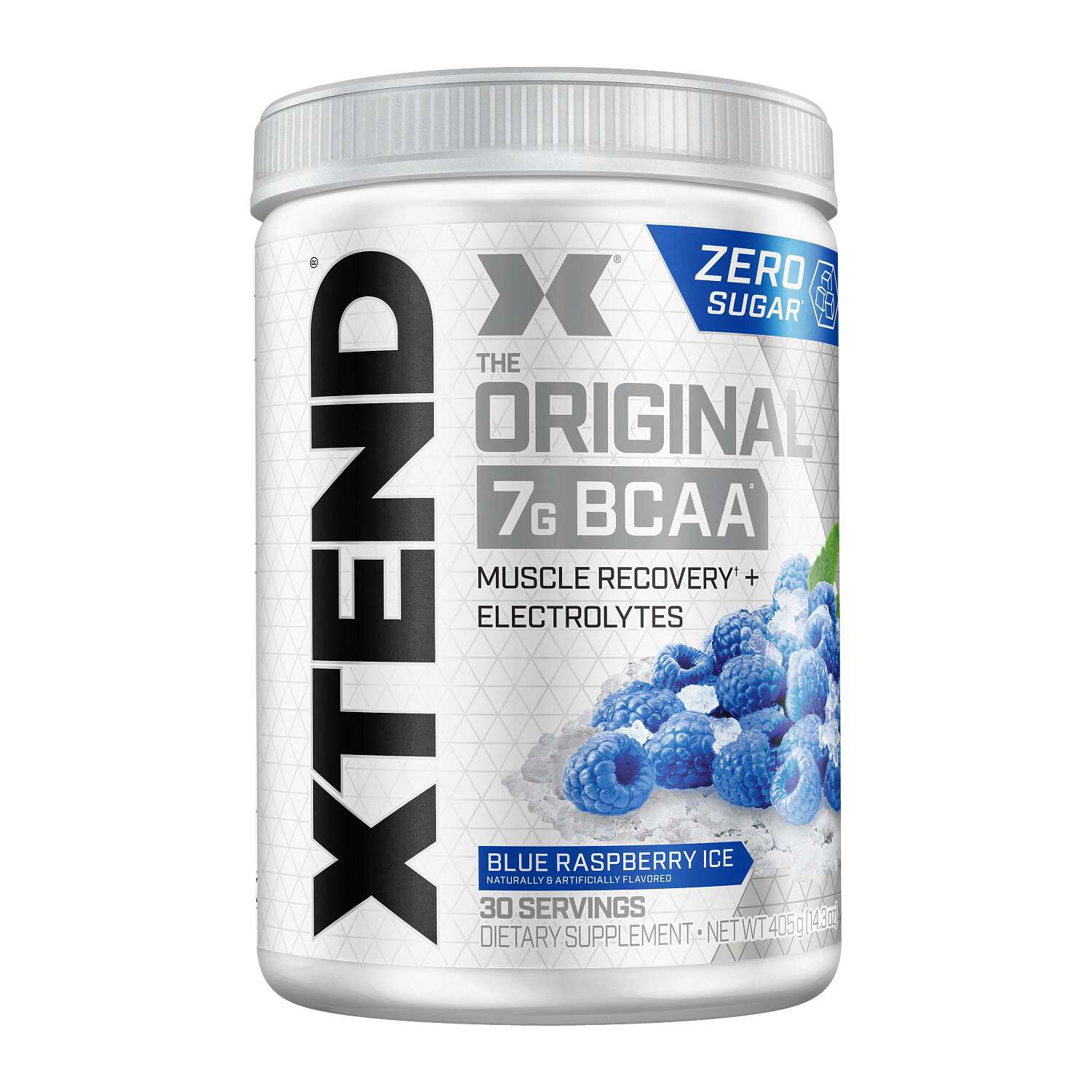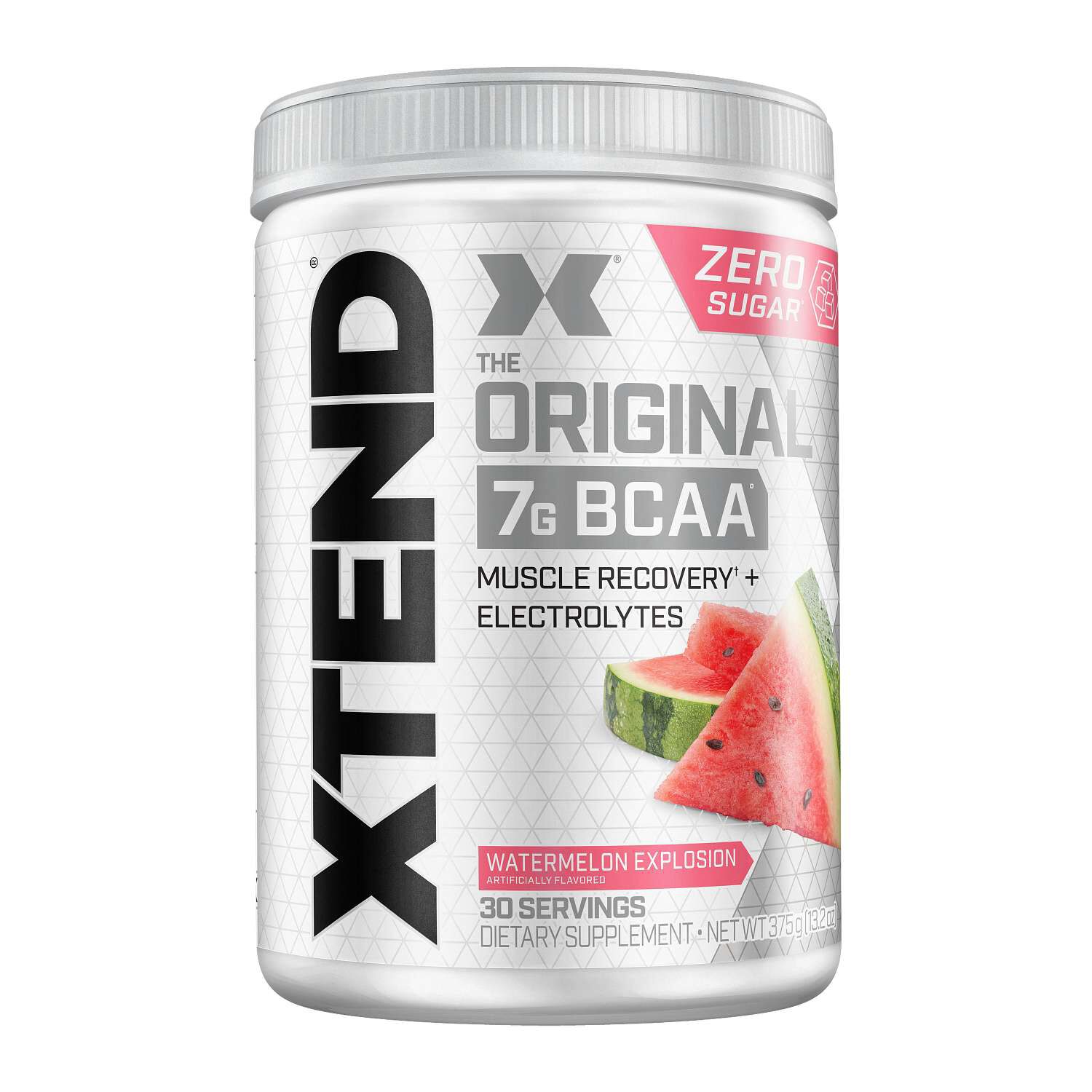


Amino Acids Vitamins
(0 Results)
Amino acids vitamins offer a convenient way to support your wellness goals alongside a balanced diet and active lifestyle. Whether you’re looking to fuel your daily routine or seeking options to complement your nutritional needs, amino acids vitamins may fit into a variety of health-focused regimens. Explore a wide selection designed for those who prioritize their well-being and are interested in discovering how these supplements could play a role in their overall nutrition journey.
-
-

-

-
-

-
 459$24.99
 -
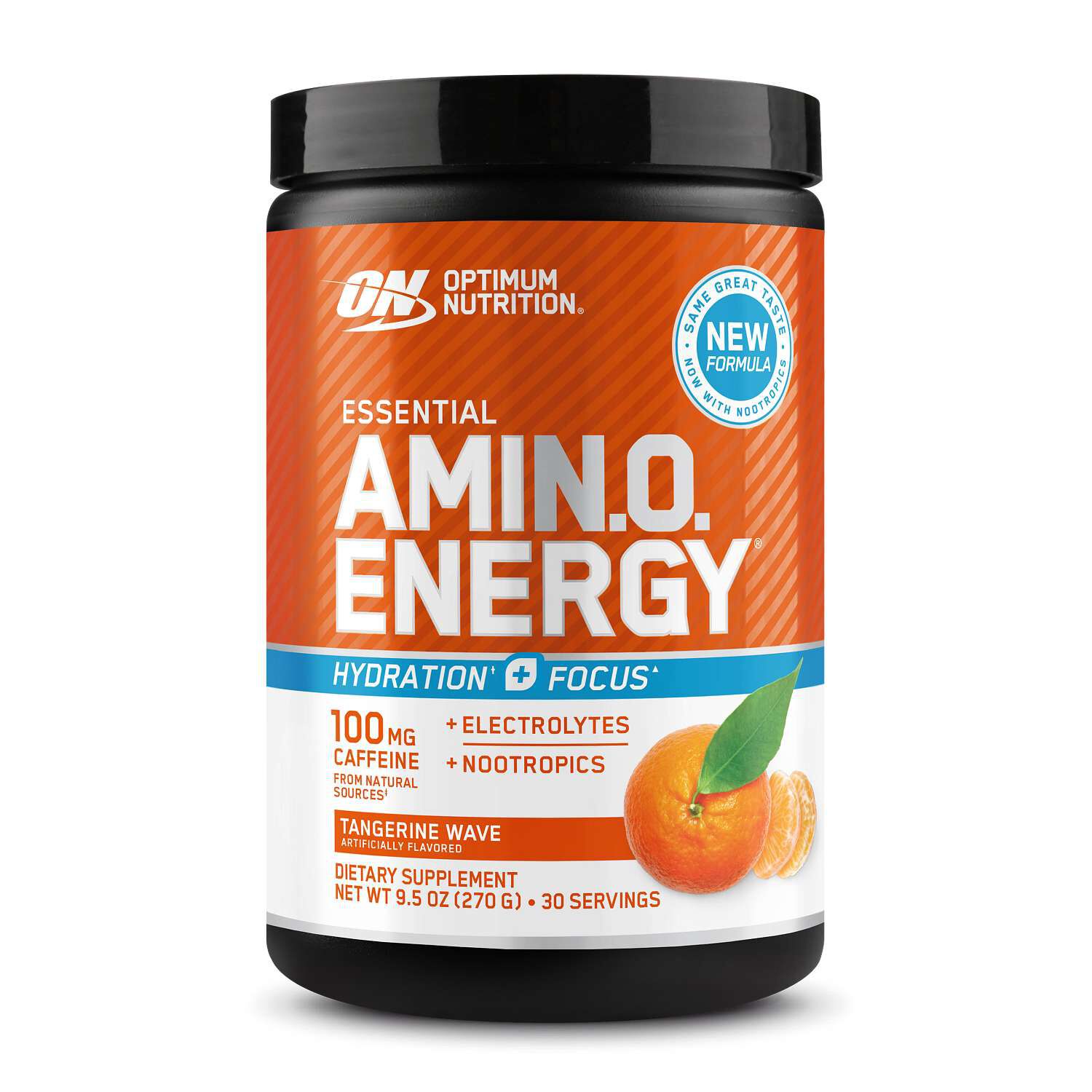
 Optimum Nutrition459$24.99
 -
-

-

-

-

-
-
-

-
-

-

-
-
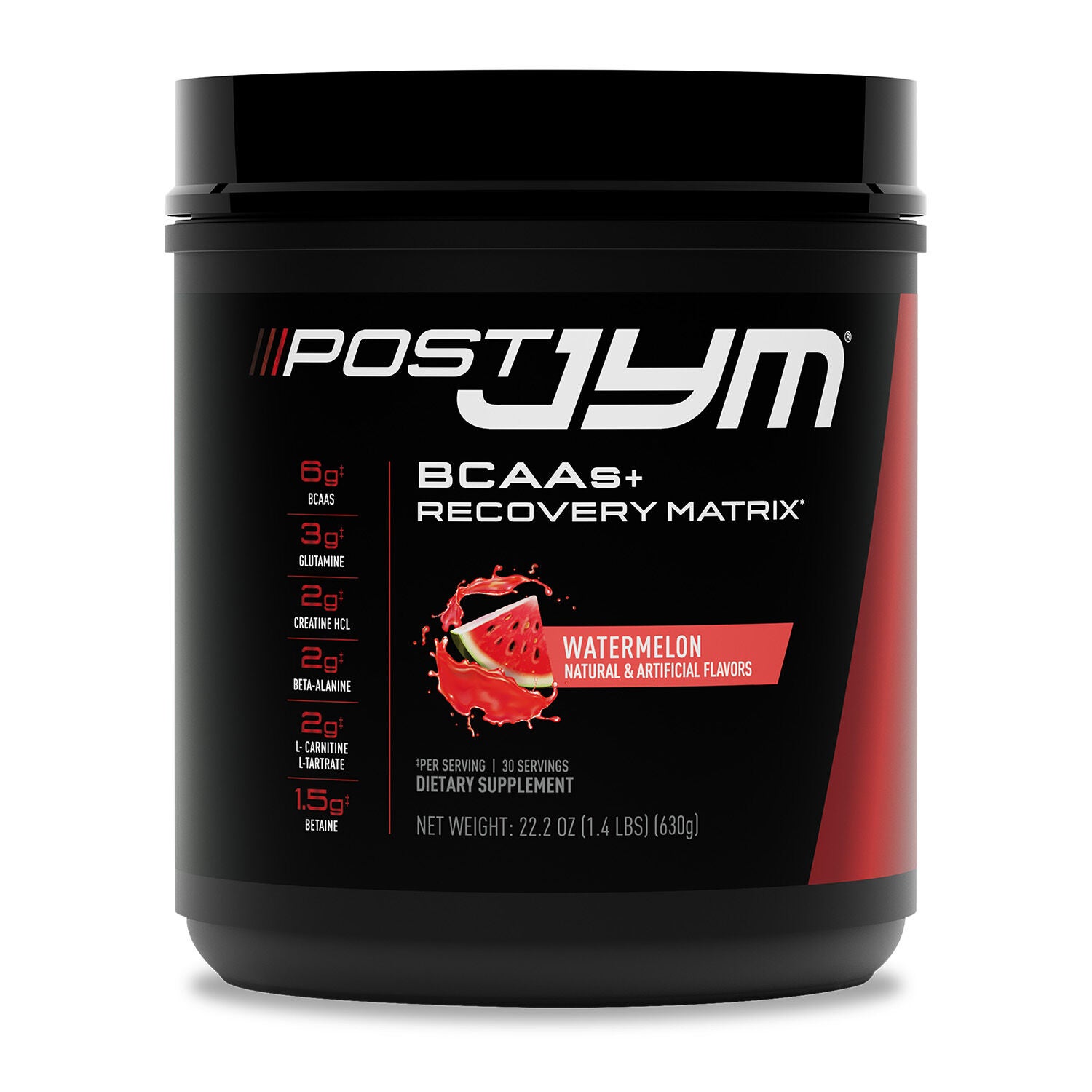
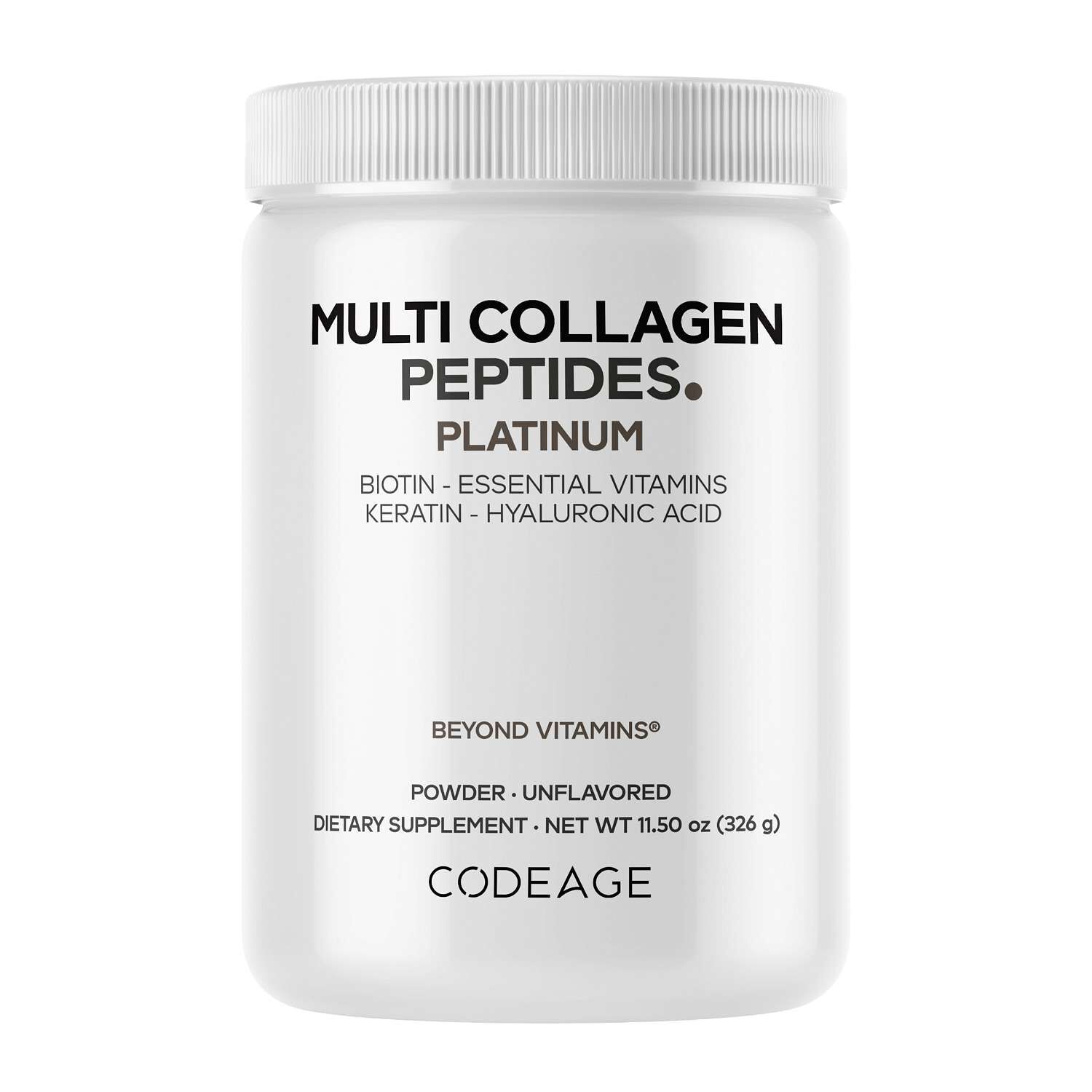

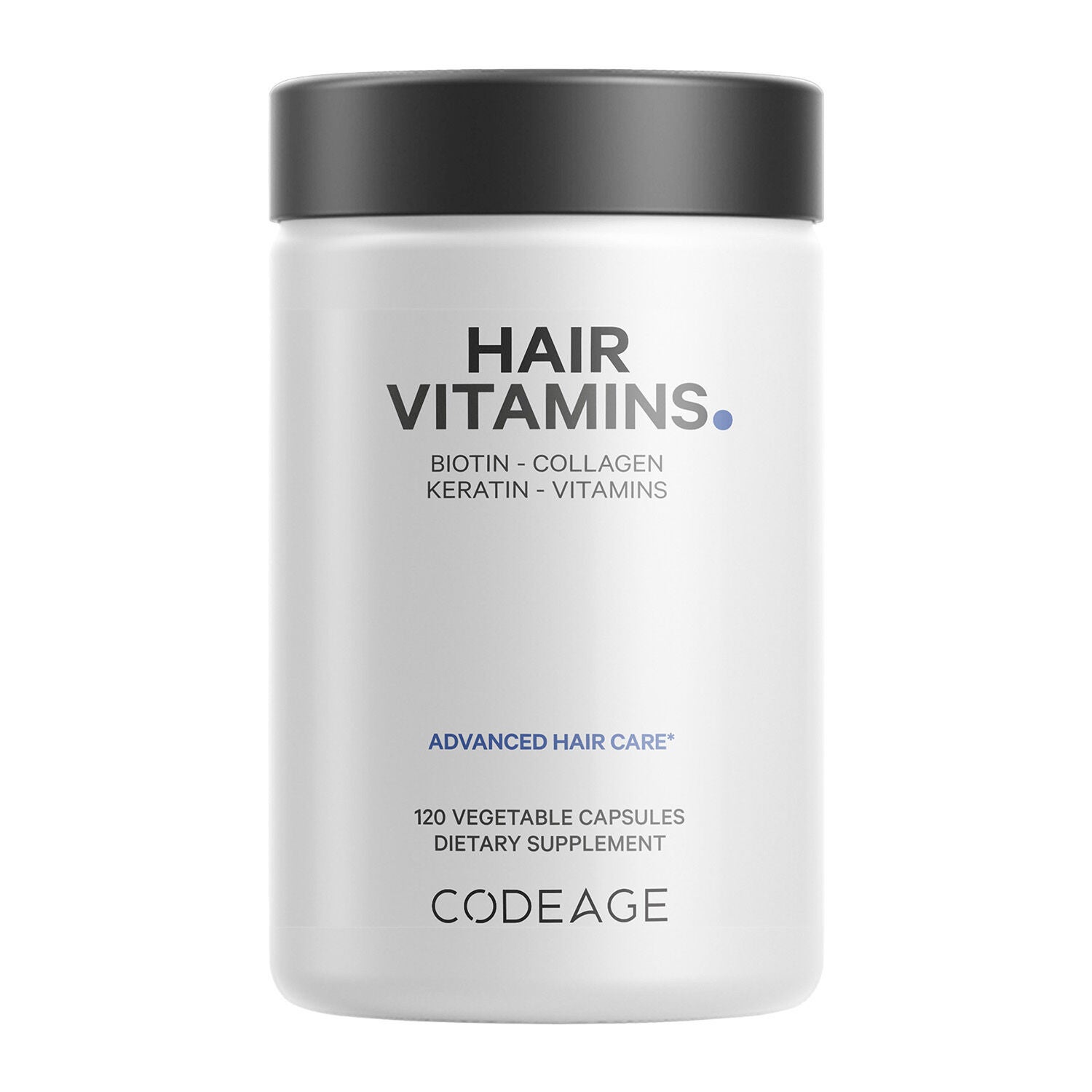
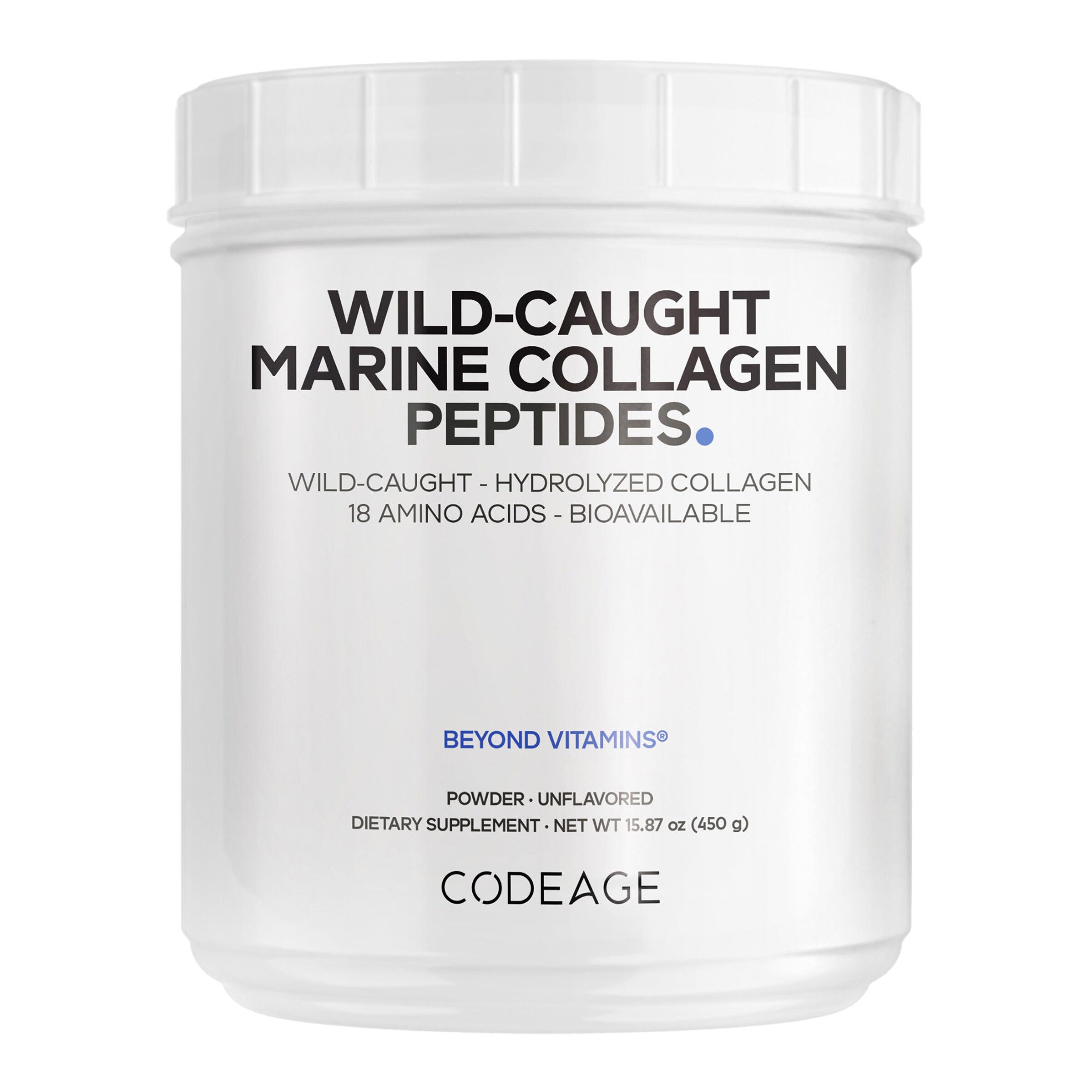
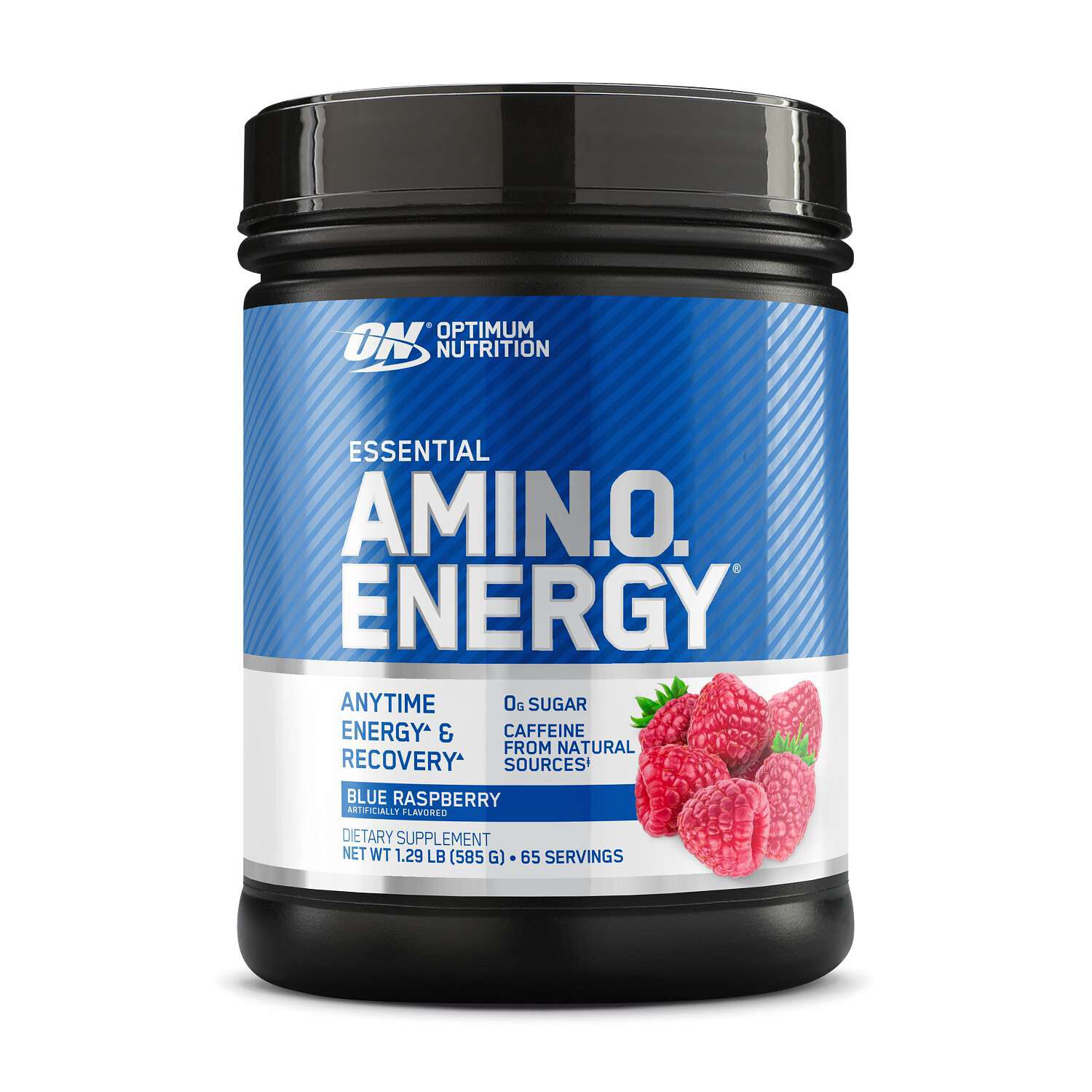
Amino acids and vitamins play different roles in everyday nutrition, which is why they are often brought together in supplement routines. Amino acids are the building blocks that the body uses to make proteins. There are 20 commonly recognized amino acids, including nine that the body cannot make on its own and therefore needs to obtain through food or supplements. Meat, poultry, fish, eggs, dairy foods, soy, quinoa and other protein-rich choices may provide a broad range of amino acids, while people with vegetarian, vegan or otherwise limited eating patterns may pay closer attention to their daily intake. Vitamin supplements provide concentrated amounts of micronutrients that the body uses in small quantities. Water-soluble vitamins, including the B vitamins and vitamin C, differ from fat-soluble vitamins such as A, D, E and K in how they are stored and handled by the body. Amino acid vitamins may appeal to shoppers who want a convenient way to complement meals, organize a daily wellness routine or pair nutrition support with an active lifestyle. The right choice can depend on the formula, serving size, ingredient list, dietary preferences and intended use. Some products focus on individual amino acids, while others combine several amino acids with selected vitamins. Branched-chain amino acids, often called BCAAs, are a familiar option for people who build their routines around training, walking, recreational sports or other physical activities. Formulas that include B vitamins may be selected by shoppers interested in nutrients that may support normal energy metabolism, while vitamin C or vitamin D combinations may suit those looking for a broader nutritional format. These products are not a substitute for varied meals, and a supplement routine may work best when it fits naturally alongside protein foods, produce, whole grains, water and consistent rest.
Shopping for amino acid vitamins becomes easier when the label is read with a specific purpose in mind. Start by considering whether the product is intended for everyday nutrition, activity-related routines or a diet that leaves certain food groups out. Check the amino acid names and amounts, then review the vitamin panel to see which nutrients are included and how the serving size fits with other supplements in the household. A streamlined formula may be convenient for someone who prefers fewer containers, while a targeted formula may be more suitable for a shopper who already takes a multivitamin and wants to avoid overlapping ingredients. Powders may mix into water or a smoothie, capsules can fit neatly into a gym bag or desk drawer, and tablets may work well for someone who prefers a familiar format. Flavor, serving instructions, dietary certifications and added ingredients can also shape the decision. Some shoppers enjoy a citrus-flavored powder after a morning walk; others prefer capsules that can travel in a toiletry bag during cooler-weather weekends. People who spend long hours at work, follow structured training plans, prepare meals in advance or simply want a more organized approach to nutrition may find these products practical. They can also make thoughtful gifts for an active friend, a college student setting up a new routine or a family member who enjoys hiking, cycling, dance or recreational leagues. A gift is most useful when it matches the recipient’s habits, so a quick look at flavor preferences, dietary needs and preferred serving format may help narrow the selection. For shoppers comparing broader amino acid options, Complete Amino Acid Supplements can provide another category to explore.
Amino acid vitamins may fit into a routine before or after activity, with a meal or at another time selected according to the product directions and personal preference. Using a supplement consistently can be simpler when it is connected to an established habit, such as adding a powder to a breakfast smoothie, keeping capsules beside a morning water bottle or placing a serving in a bag before heading out for a walk. There is no single format or schedule that suits everyone, and individual nutrition needs may vary with age, diet, activity patterns and existing supplement use. People who are pregnant or nursing, managing an ongoing health condition, taking prescribed medicines or preparing a supplement plan for a child may want to speak with a qualified healthcare professional before adding a new product. It may also be helpful to review the full ingredient list when food sensitivities, dietary restrictions or personal preferences are part of the shopping decision. More is not always better with vitamins or amino acids, particularly when several products are used together, so comparing labels may help prevent unnecessary overlap. During the warmer part of the year, portable powders and capsules may be convenient for outdoor plans, travel and active weekends; as the weather cools, they may settle easily into indoor training, meal-prep habits and regular daily routines. The best selection is often the one that suits the shopper’s diet, schedule and preferred way of taking supplements. With thoughtful label reading and realistic expectations, amino acid vitamins may serve as a convenient addition to a balanced lifestyle.