Complete Amino Acid Supplements
(0 Results)
Discover a wide selection of complete amino acids to support your fitness goals and overall well-being. Amino acids are essential for muscle repair, growth, and recovery, making them a crucial component of any active lifestyle. Whether you're an athlete looking to enhance performance or simply aiming to maintain optimal health, our range of complete amino acid supplements provides you with all nine essential amino acids your body needs but cannot produce on its own. Unlock your full potential and fuel your body with these vital building blocks for peak performance and recovery.
-
 GNC Pro Performance19$39.99
 -
 459$24.99
 -

-
 Optimum Nutrition459$24.99
 -

-
-

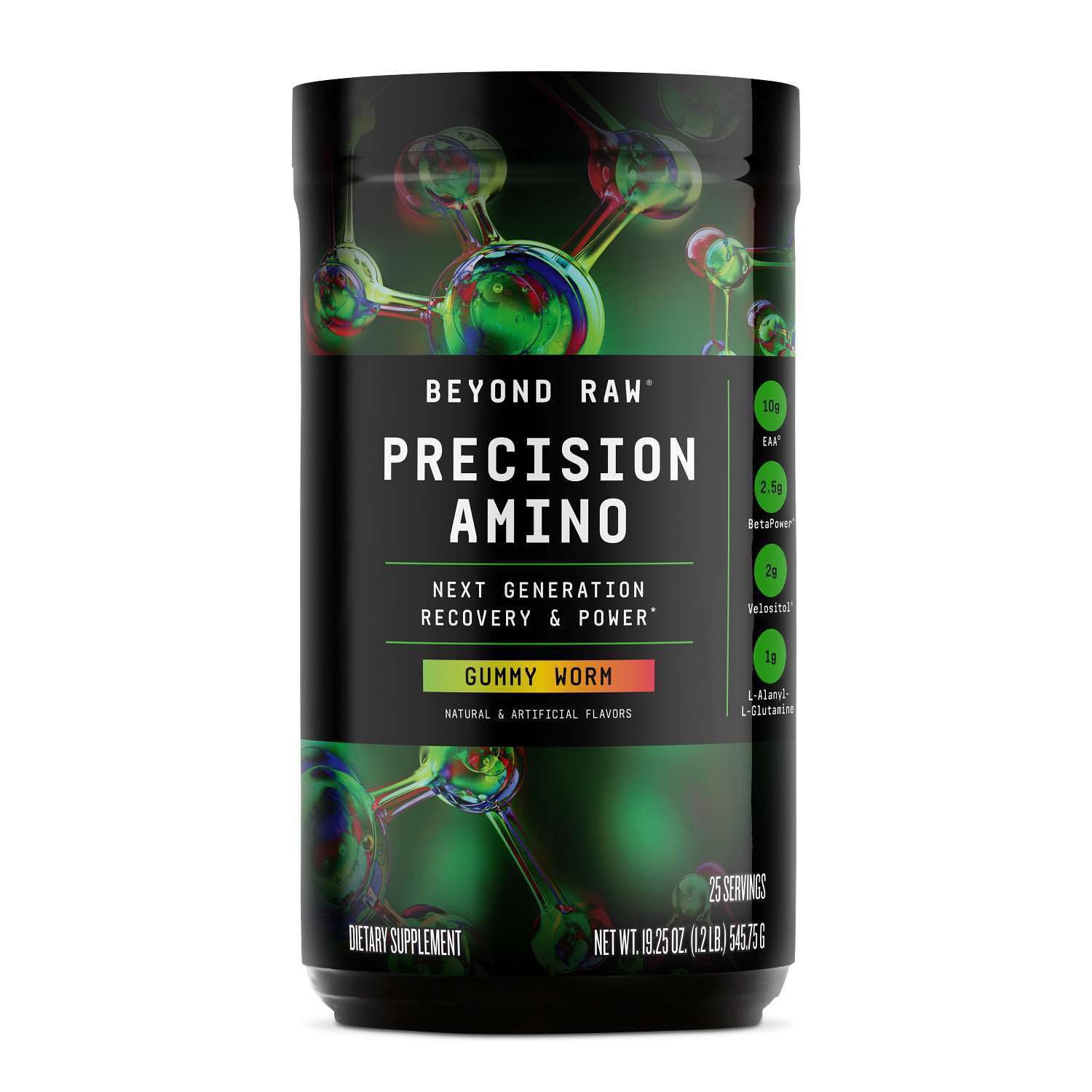
Amino acid supplements with all nine amino acids the body cannot make on its own bring a broad amino profile to a single formula. Those nine are histidine, isoleucine, leucine, lysine, methionine, phenylalanine, threonine, tryptophan, and valine. Amino acids are the building blocks of proteins, and the body obtains these nine through foods and other dietary sources. Within this category, formulas differ in both the amino acids included and the amount of each provided per serving. Some focus on those nine, while others include additional amino acids that the body can produce, with certain blends covering all 20 commonly found in proteins. This distinction matters when comparing a broad amino acid formula with a branched-chain amino acid, or BCAA, supplement: BCAAs include only leucine, isoleucine, and valine, not the full group of nine. A front-label description alone does not establish which profile a formula contains; the Supplement Facts panel and ingredient list provide a more useful picture. For people who lift weights, run, cycle, or enjoy recreational sports, an amino acid supplement may support muscle recovery after exercise as part of a varied diet and consistent training routine. These products are not substitutes for meals or the range of nutrients supplied by everyday foods. Their intended use is supplemental, whether that means a flavored powder mixed according to its directions or capsules taken as labeled. A shopper comparing options for an early workout, an afternoon gym session, or a weekend on the trails may place different value on flavor, preparation, and serving size. The most relevant comparison is between formulas with similar amino profiles and serving amounts, rather than between containers that happen to look alike. Seeing all nine names on a label answers one question; understanding the quantities and the rest of the formula answers several more. Clear labeling makes those differences easier to recognize without relying on a broad description on the package.
Powders, capsules, and tablets offer different ways to fit amino acid supplements into an established routine. A powder requires measuring and mixing, but it also offers a choice of flavors and a drink format that some shoppers prefer around exercise. Capsules and tablets do not require a shaker bottle, though the labeled serving may involve several pieces rather than just one. Container size can therefore be misleading: a large capsule count does not necessarily represent more servings than a smaller tub of powder. Comparing the serving size, servings per container, and amino acid amount per serving gives a clearer view of what each format involves. With powders, texture and flavor are practical considerations, especially for someone who plans to sip a drink during a long training session. Amino acids can have a naturally bitter taste, and flavoring systems vary in how they balance that character with sweetness or tartness. An unflavored formula is not necessarily tasteless, while a fruit-flavored formula may have a noticeably sweet finish. Shoppers drawn to pineapple, mango, or other island-inspired flavor profiles can explore Tropical Flavored Amino Acid Supplements as another way to narrow their preferences. The mixing directions matter as much as the flavor name because the specified amount of water influences the intended taste and concentration. Someone packing a shaker beside a towel and training shoes may favor straightforward preparation, while someone taking capsules with a scheduled meal may prioritize a clearly stated serving count. Neither format establishes a stronger amino profile on its own. The underlying ingredients, their quantities, and the labeled directions remain the meaningful points of comparison. Powders and capsules also differ in their additional ingredients: drink mixes may contain flavorings, sweeteners, or ingredients intended to help with mixing, while capsules include a shell material and may contain ingredients used during manufacturing. These details help distinguish products that otherwise appear similar.
Ingredient sourcing, dietary preferences, and storage requirements round out the comparison of broad-profile amino acid supplements. A formula’s amino acid names do not, by themselves, establish whether the finished product suits a plant-based eating pattern. Some amino acids are produced through fermentation, while other ingredients or capsule materials may come from animal sources. A clearly stated vegan or vegetarian designation is more informative than an assumption based on the product format. Allergen statements and the full ingredient list also deserve attention when selecting a formula for a particular household. Some blends pair amino acids with electrolytes, vitamins, minerals, or caffeine, while others keep the focus on amino acids alone. Those additions change what is in each serving and may overlap with ingredients in other supplements a shopper already uses. A person who prefers a simple routine may value a shorter ingredient list, while someone who enjoys a flavored workout drink may prefer a more layered formula. Neither approach removes the need to compare actual serving amounts. When a label lists a blend without showing the amount of every amino acid, it offers less detail for comparing individual quantities. Packaging matters in everyday use as well. A tightly closing container, readable directions, and a scoop that is easy to locate can make preparation less cumbersome, though package design does not establish ingredient quality. Following the labeled storage directions, keeping powder scoops dry, and closing containers after use may help limit moisture exposure and preserve the product’s intended condition. A gym bag can be convenient for transport, but a damp locker room or a vehicle exposed to changing temperatures is not the same as the storage setting described on a label. During the cooler months, when routines move between home, work, and indoor training spaces, these practical details remain relevant. For regular exercisers and shoppers refining an existing supplement routine, comparing amino profile, format, flavor, ingredient sourcing, and care requirements offers a grounded way to distinguish among options.