Advanced Regularity Support Supplements
(0 Results)
Advanced regularity support supplements could offer a convenient option for those seeking to maintain digestive balance and overall wellness. With a variety of formulas designed to fit different lifestyles and preferences, these supplements may help you prioritize your digestive health as part of your daily routine. Explore advanced regularity support supplements that could complement your nutritional goals and support your journey toward feeling your best every day.
-

-
-

-

-

-

-
-
 209$34.99
-

-

-

-
-

-

-

-

-
-

-
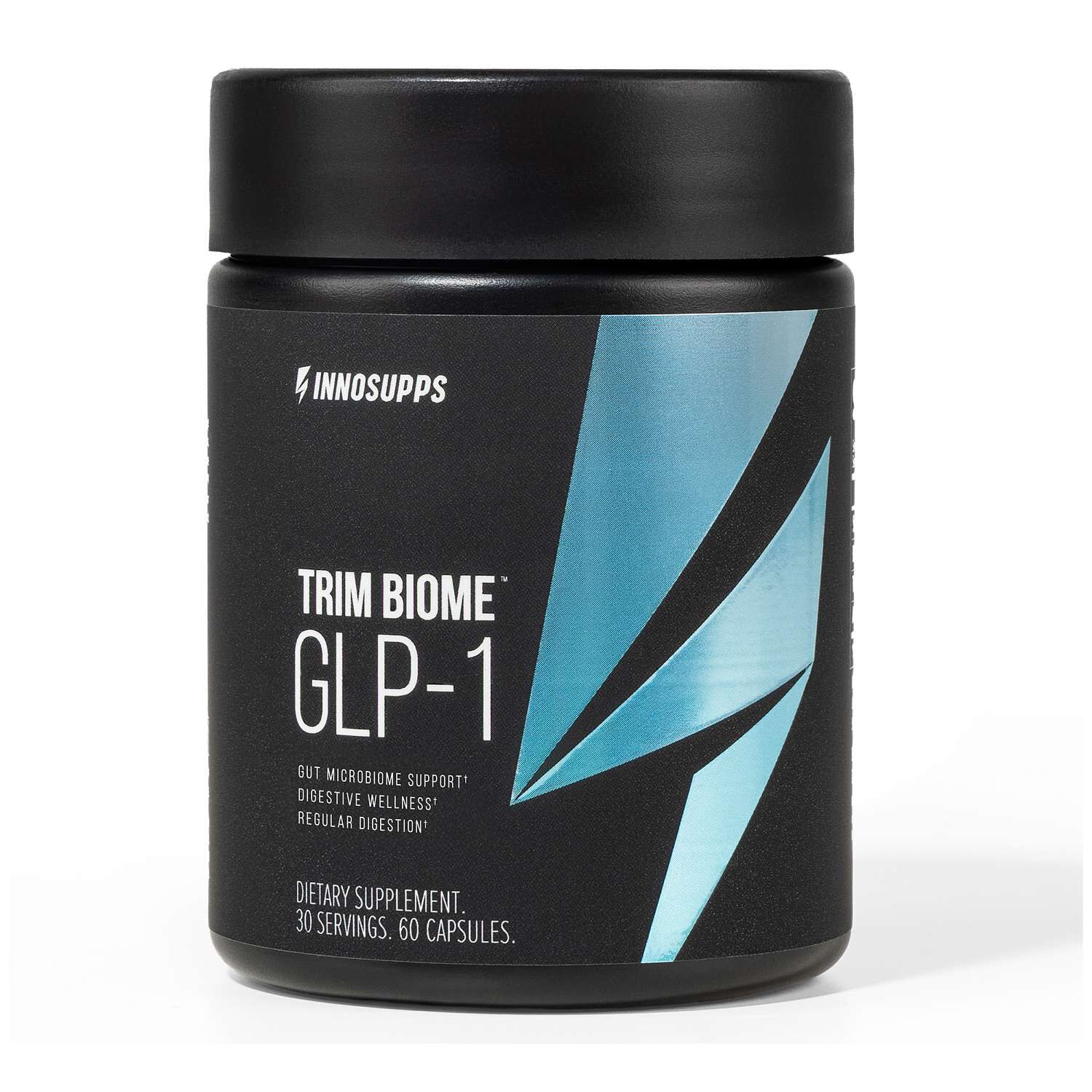
-





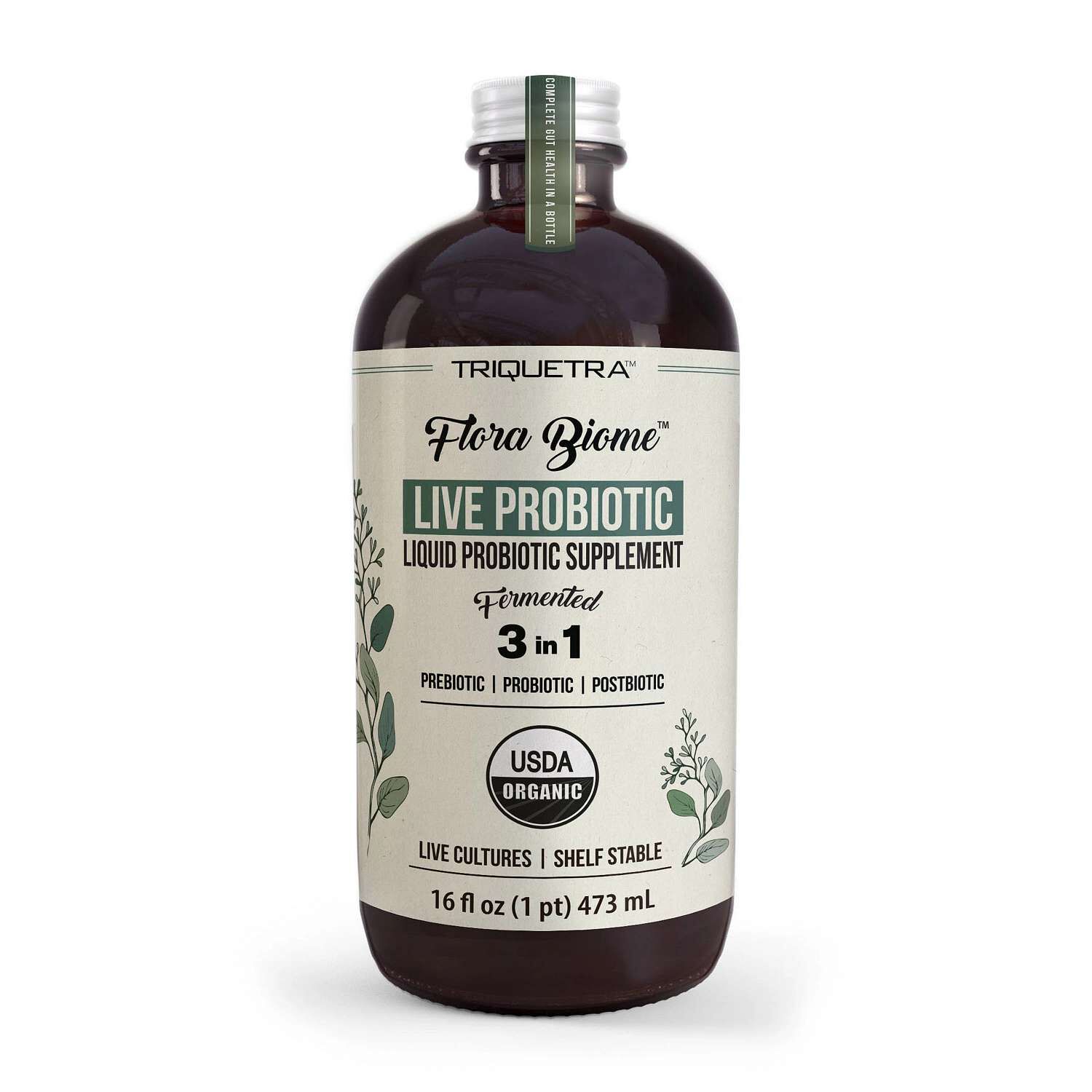
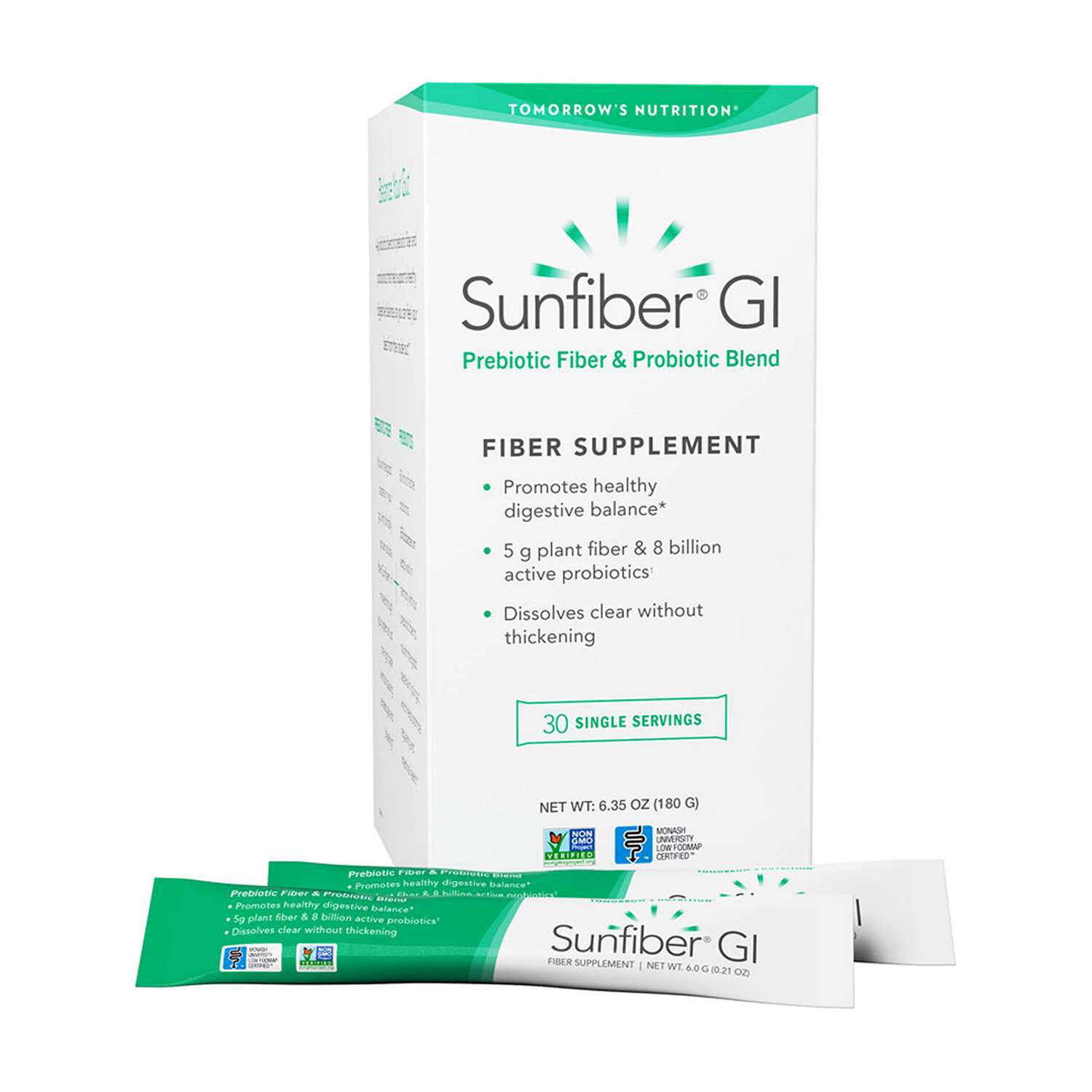
Advanced regularity support supplements may support regular bowel habits, but their ingredients and serving formats can differ considerably. Fiber-focused options often feature ingredients such as psyllium husk, acacia fiber, or inulin derived from chicory root. Some soluble fibers may absorb water and form a gel-like mixture, while certain fibers may contribute bulk as part of normal digestion. Prebiotic fibers may provide nourishment for selected microorganisms already present in the digestive tract. Probiotic supplements contain live microorganisms, with labels identifying the organisms by genus, species, and sometimes a specific strain designation. Certain probiotic strains may support digestive balance and regularity, although information about one strain does not automatically apply to another. The gut microbiome is the community of microorganisms that live in the digestive tract; a probiotic formula and a fiber supplement approach this area of wellness in different ways. A combination formula places both ingredient types in the same serving, which may appeal to shoppers who prefer fewer separate containers. The word “advanced” does not describe one standardized ingredient list or serving size, so the details on the label are more informative than the name alone. A formula built around several grams of fiber is different from a capsule containing probiotic cultures and a smaller quantity of added fiber. Neither the number of ingredients nor the largest number on the front label tells the whole story. Fiber content is generally listed in grams, while probiotic counts are often expressed in colony-forming units, or CFUs. Those measurements describe different characteristics and are not interchangeable. For adults interested in regularity support supplements, the useful comparison is the relationship between the ingredient profile, the labeled purpose, and the practical details of daily use. These products are intended to complement a varied eating pattern rather than replace food sources of fiber or serve as meal substitutes.
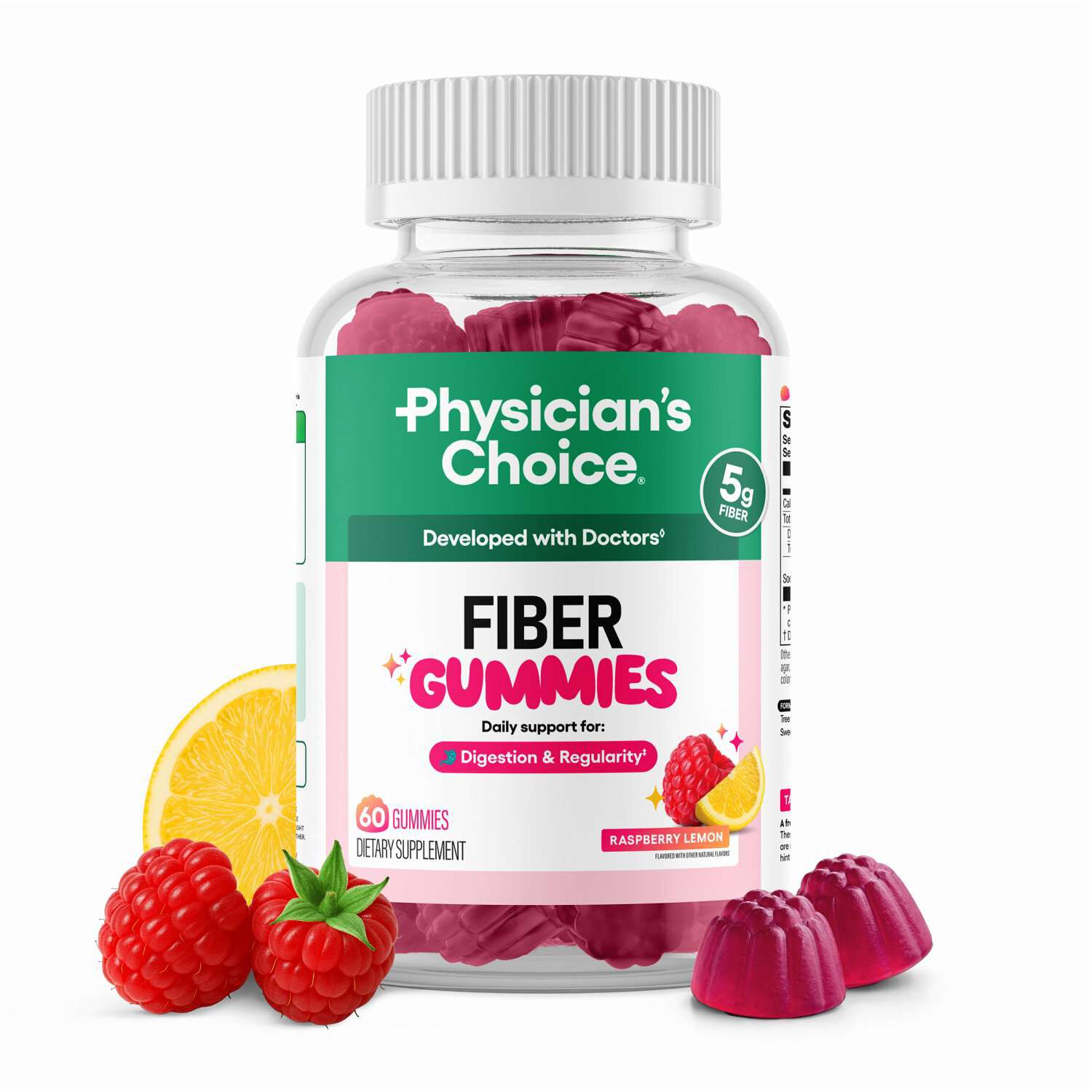
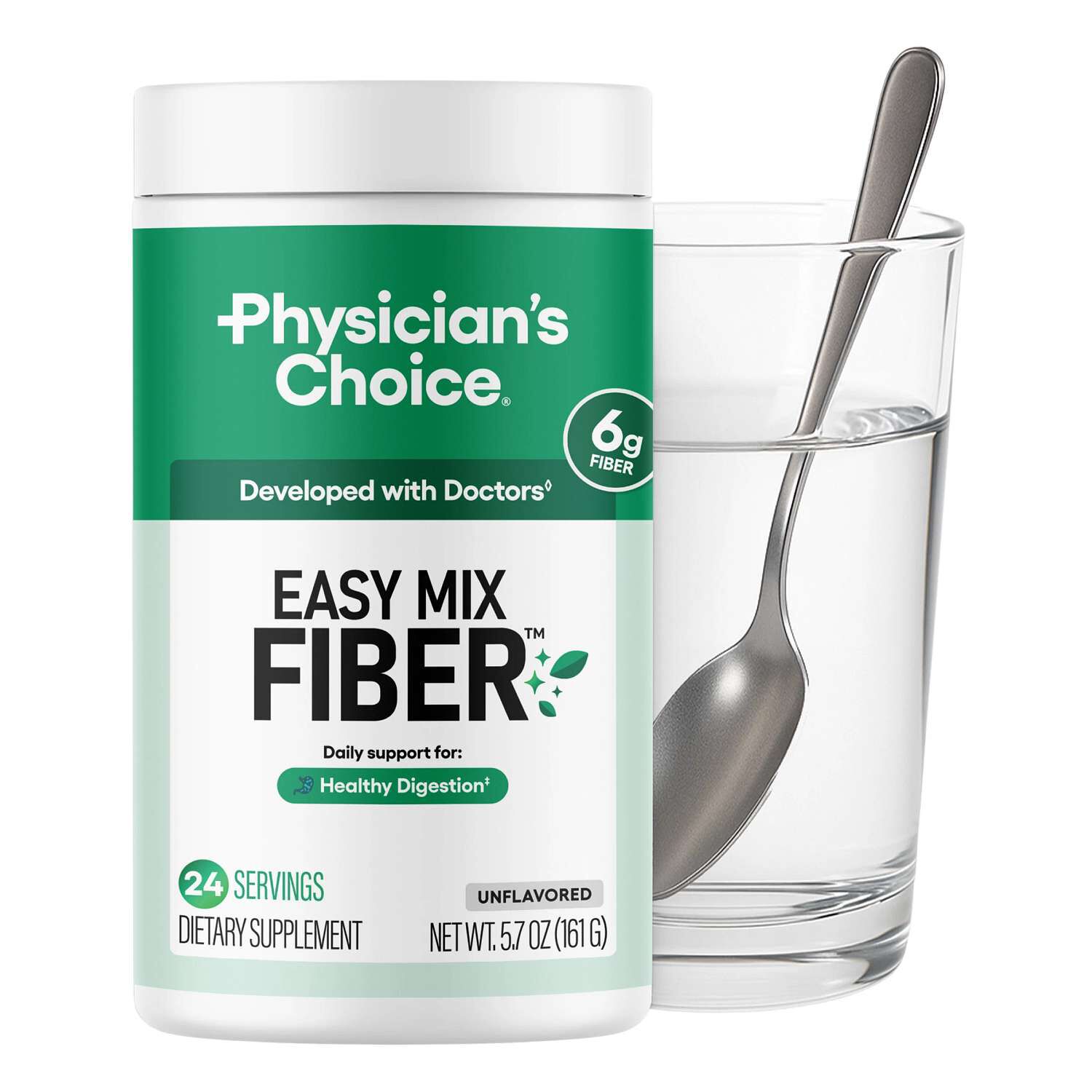
Format is an important part of that comparison because a supplement has to fit an ordinary day, whether that means breakfast at the kitchen counter or lunch packed for the office. Powdered fiber supplements require measuring and preparation, with directions specifying the serving amount and the liquid used for mixing. Depending on the ingredients, a prepared serving may have a light texture, a slightly grainy feel, or a thicker consistency after standing. Flavor descriptions also matter: an unflavored powder is not necessarily without a noticeable taste or texture. Some powders are intended for water, while others include directions for mixing with additional beverages or foods. Those preparation details belong to the individual formula rather than the category as a whole. Capsules offer a different experience, with no drink to prepare, although a labeled serving may contain more than one capsule. Tablets, chewables, and gummies introduce other differences in size, texture, flavor, and serving count. A gummy format is not necessarily equivalent to a powder in fiber content, even when both are described as regularity supplements. The Supplement Facts panel makes those distinctions easier to see by listing ingredient amounts per serving rather than leaving the comparison to package size or appearance. The other-ingredients list adds context about flavorings, sweeteners, capsule materials, and ingredients used to create a particular texture. For shoppers with dietary preferences, details about gelatin, plant-derived capsule shells, and clearly stated ingredient sources may be especially relevant. Allergen statements and labeled dietary attributes also provide more specific information than broad front-label language. A short ingredient list and a more extensive blend represent different formulation choices; neither automatically establishes suitability for every shopper. Similarly, a pleasant flavor or compact capsule describes the experience of taking a supplement, not the digestive support it may provide. Keeping those distinctions in view makes it easier to compare formulas without confusing convenience, ingredient quantity, and intended use.
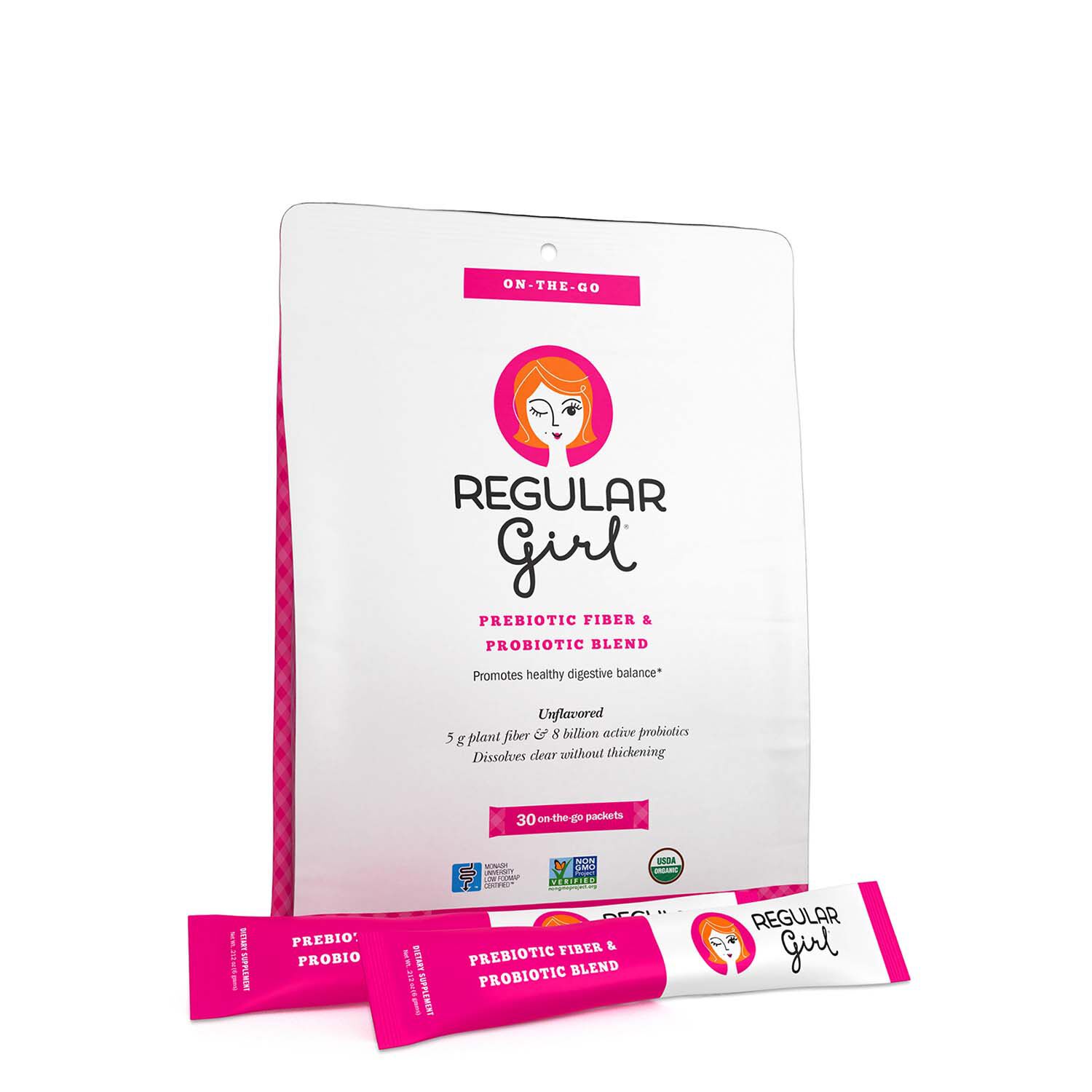
Storage and packaging deserve the same attention as ingredients, particularly for a supplement that will be opened repeatedly. Containers may include a desiccant packet, an inner seal, or individually wrapped servings, and the package directions explain the storage conditions for that formula. Some probiotic supplements specify refrigeration, while others are labeled for storage at room temperature. Neither instruction should be assumed from the word “probiotic” alone. Moisture exposure is another practical consideration for powders and capsules, and a lid that closes securely matters during repeated use. A container left beside a steamy sink or a scoop returned while damp does not match the dry storage conditions commonly described on supplement labels. For travel, original packaging keeps the ingredient list, serving directions, storage requirements, and date markings together. Single-serving packets may be convenient to pack, but their portability does not change the preparation instructions. These details are especially relevant for adults whose routines involve commuting, shared kitchens, or frequent nights away from home. Someone who already prepares a breakfast drink may prefer the ritual of mixing a powder, while another shopper may find a capsule format more compatible with a simple morning routine. Preferences can also differ within the same household, making serving format and ingredient transparency more useful points of comparison than a one-size-fits-all description. For a broader look at ingredient-focused wellness categories, Natural Support Supplements provides a related place to explore. An ingredient’s natural origin, however, does not by itself describe its suitability, formulation quality, or intended use. With advanced regularity support supplements, the most meaningful details remain concrete: the type and amount of fiber, the identity of any probiotic strains, the number of capsules or scoops in a serving, the preparation method, and the labeled storage conditions. Together, those features describe what is in the container and how it fits into a daily routine, while any support for regularity remains dependent on the particular formula and individual experience.
Best Sellers
-
Physician's Choice