Aging Solutions
(0 Results)
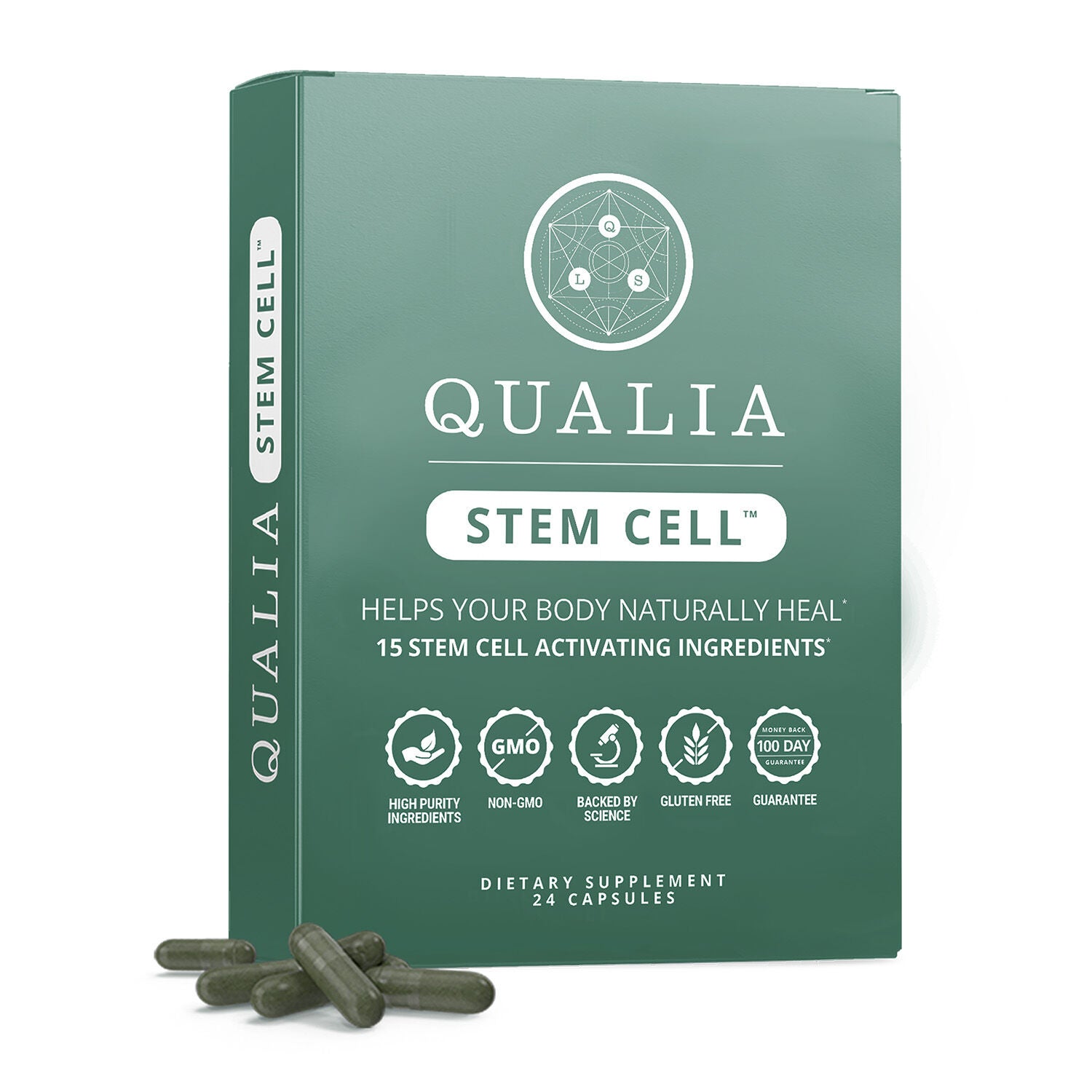
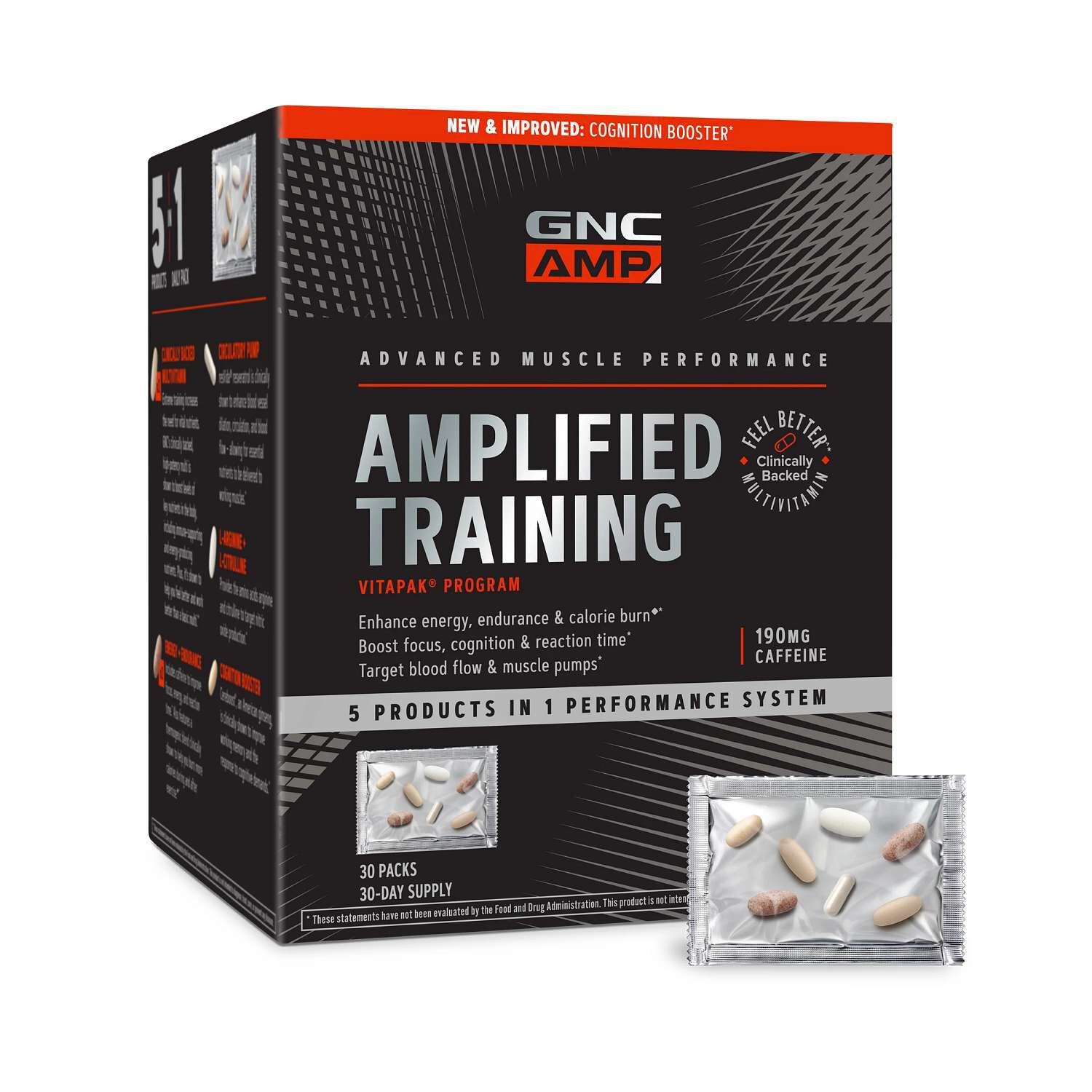
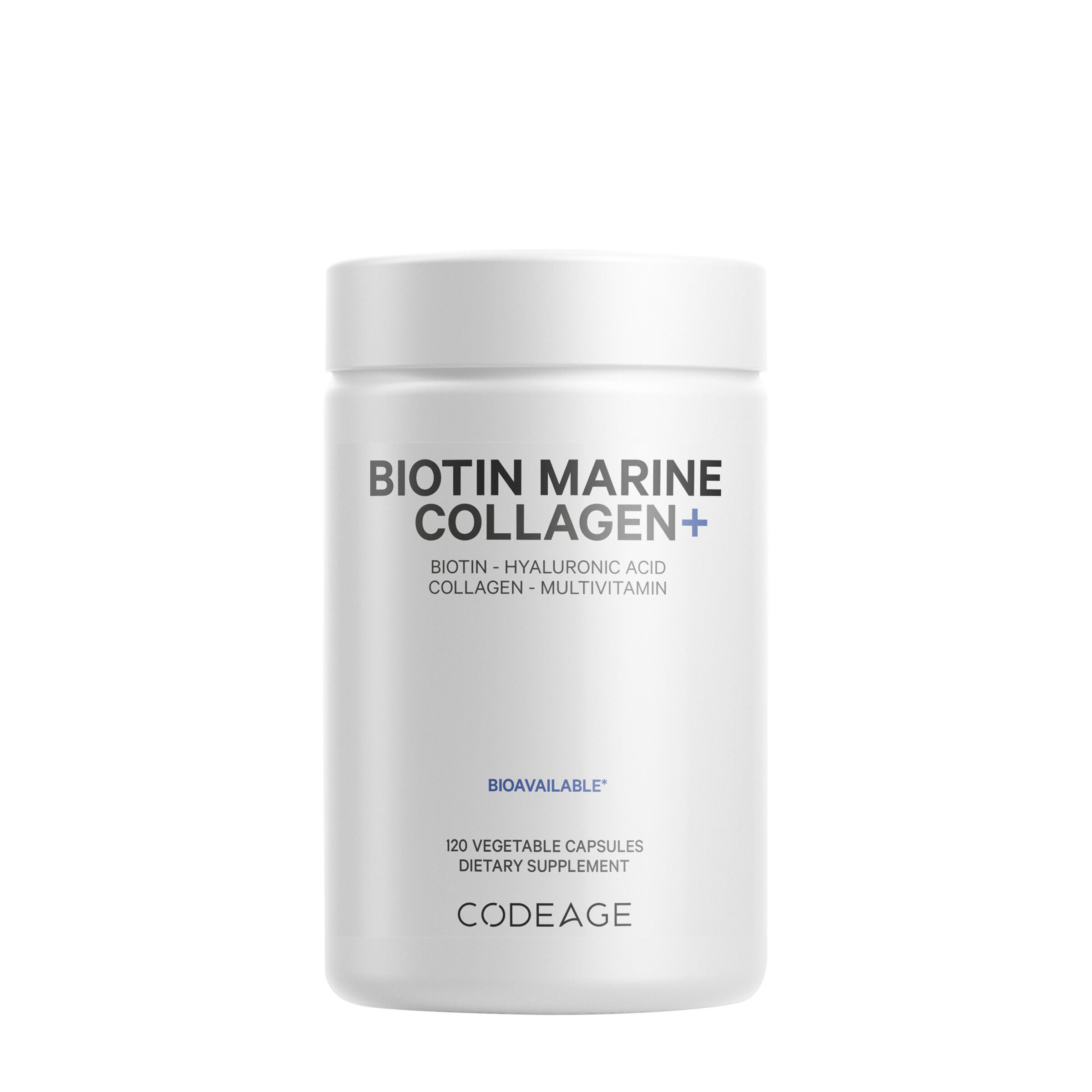
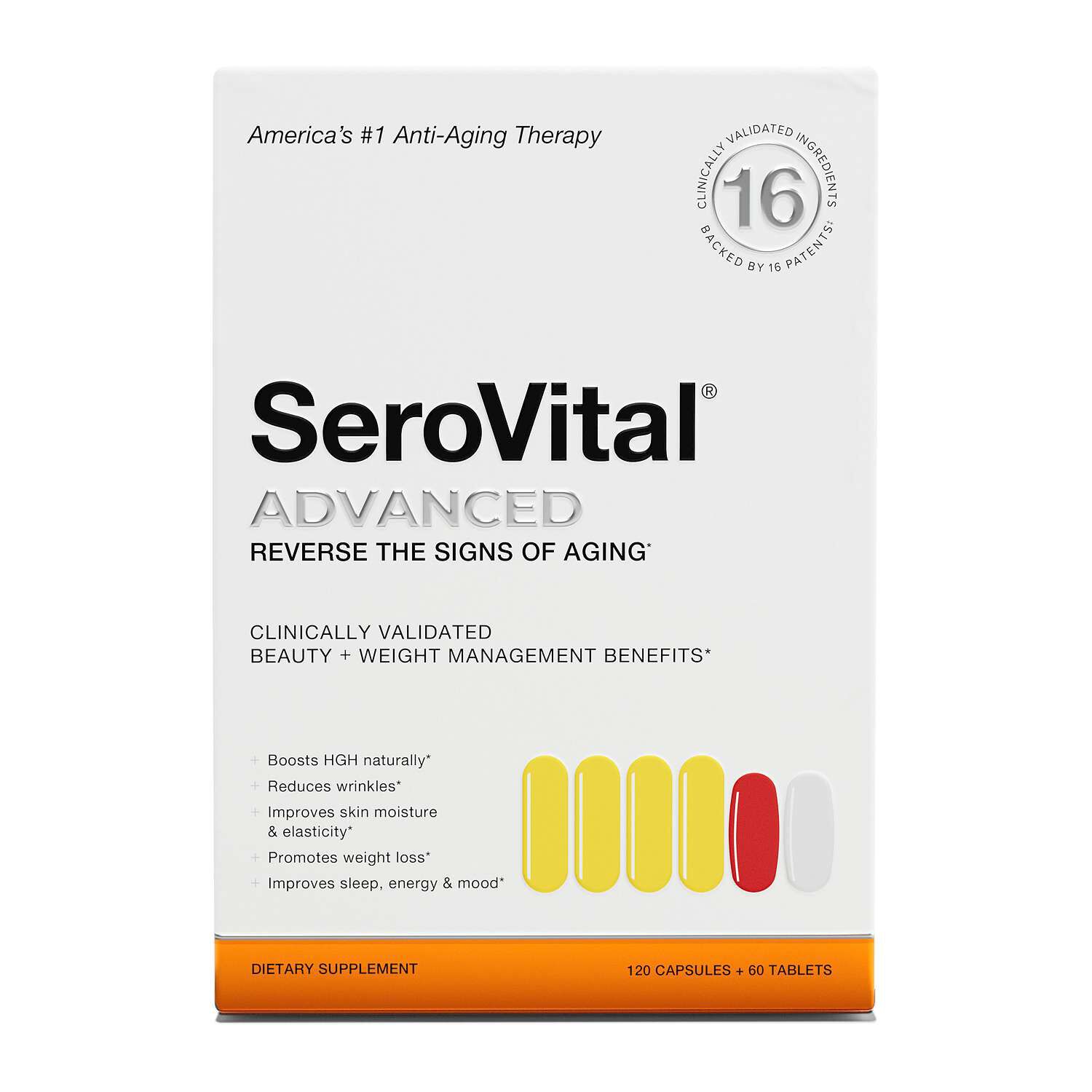
Aging solutions offer a variety of options that may support your wellness goals as you move through different stages of life. Whether you're interested in vitamins, supplements, or other wellness products, there are many choices that may help you feel your best every day. Explore aging solutions that fit your lifestyle and discover new ways to prioritize your well-being.
-
 2,035$119.99
-

-
-
-
-
-

-

-
-

-

-

-

-
 You Matter Wellness$34.99
-

-
-

Healthy aging looks different from one person to the next. For one adult, it means keeping a familiar walking schedule and enjoying time in the kitchen; for another, it means making room for strength training, travel, or an afternoon with grandchildren. Aging solutions bring together nutrition and wellness products that may complement those everyday pursuits without treating age as a single set of needs. The category can include multivitamins, individual vitamins and minerals, protein powders, collagen supplements, and other formulations intended for adult use. Each represents a different way to approach a personal nutrition routine, with ingredients, serving formats, and preparation requirements worth considering alongside ordinary meals. A protein powder may offer a convenient addition to a breakfast smoothie, while a multivitamin may fit an established daily supplement habit. Neither format needs to define what healthy aging should look like. Food preferences, activity patterns, household routines, and the amount of preparation someone enjoys all help shape a practical choice. Someone who likes blending fruit and yogurt has different preferences from someone who wants a capsule with no mixing involved. Taste matters, too: a richly flavored powder can suit a shake, while an unflavored option may be more appealing for recipes when its label permits that use. Products associated with healthy aging are not interchangeable simply because they share a category. Their ingredient sources, serving sizes, and intended audiences can vary considerably. A label intended for adults offers a more meaningful starting point than assumptions about what everyone of a certain age should use. The most useful context is the person’s actual day: what breakfast looks like, whether lunch happens at home or away, and how much space there is for another step. That perspective keeps the focus on products that may complement an existing lifestyle rather than on an elaborate routine built around a collection of containers.
Format is often one of the clearest distinctions among aging solutions. Capsules, tablets, softgels, chewable formats, and powders each involve a different experience, from opening the package to measuring a serving. Tablet dimensions and texture can matter to personal preference, just as sweetness and mouthfeel can matter with a powder. A serving may consist of more than one capsule or a measured amount of powder, so the serving information provides context that the front of the container may not convey on its own. Ingredient lists offer another layer of detail. Protein sources can include dairy or plants, and collagen ingredients can come from different animal sources. Those distinctions matter to shoppers who follow a particular eating pattern or prefer to avoid certain ingredients. Allergen statements, added sugars, flavorings, and preparation directions can also influence how comfortably a product fits into everyday meals. A vanilla powder stirred into a permitted breakfast recipe offers a different experience from a fruit-flavored powder prepared with water, even when both belong to the same broad category. For someone who leaves home early, a format with little preparation may feel more manageable than one requiring a blender, several ingredients, and cleanup. Someone who enjoys a leisurely breakfast may welcome those extra steps. Label comparisons are most informative when they account for the stated serving rather than relying only on the size of the container or the largest number on the front. Products within the same category may contain overlapping ingredients, making the full label relevant when considering several supplements together. More entries in an ingredient list do not automatically make a formula a better match for an individual. Clear labeling, an appropriate intended audience, and a format that suits personal preferences can be more useful distinctions than a complicated assortment. These practical details give aging solutions their everyday character: the scoop beside the breakfast bowl, the container stored in its designated cabinet, or the familiar serving format that requires little rearrangement of the day.
Personal context also matters when browsing products associated with different stages of adulthood. Some formulas are labeled for particular age groups or for women or men, while others are intended for a broader adult audience. These descriptions help explain the intended shopper, but they do not make every product within that group the same. Ingredient amounts, preparation methods, and dietary characteristics still deserve individual consideration. Shoppers interested in a more focused selection can explore Products For Healthy Aging In Women while keeping those same distinctions in view. Practical fit extends beyond the formula itself. A container that stays at home has different handling demands from one carried in a work bag, and original packaging keeps ingredient information, serving directions, and date markings together. Secure closures, readable labels, and measuring tools supplied with a product can all matter during repeated use. Storage requirements vary, so the package directions remain the reference for where and how a supplement should be kept. A damp bathroom shelf or a container left open beside the sink may not match those directions. Powders also involve keeping the provided scoop dry and closing the container after use, consistent with the label. Package size is another consideration: a larger container occupies more cabinet space and may take longer to use, while a smaller one may better suit a less frequent routine. For someone considering a supplement as a gift for a parent, partner, or other adult, an already familiar format and clearly expressed preferences offer a more personal starting point than assumptions based on age. Healthy aging is not a uniform experience, and a thoughtful selection reflects that individuality. Aging solutions may have a place alongside enjoyable meals, meaningful activities, and established habits, with the emphasis on a manageable approach that leaves room for the rest of life.
- Q: What types of supplements are commonly included in aging solutions?
A: Aging solutions may include a variety of supplements such as multivitamins, antioxidants, collagen, and omega-3s that are often chosen to support overall wellness as you age. - Q: How do I choose the right aging solution supplement for my needs?
A: You might consider factors like your dietary preferences, lifestyle, and any specific wellness goals when selecting an aging solution. Consulting with a healthcare professional could also help you make an informed decision. - Q: Are there plant-based or vegetarian options available in aging solution supplements?
A: Yes, many aging solution supplements offer plant-based or vegetarian formulas to accommodate different dietary preferences. - Q: Can aging solution supplements be taken alongside other daily vitamins?
A: Many people choose to incorporate aging solution supplements into their existing routines. It may be helpful to review your current regimen and consult with a healthcare provider if you have questions about combining products. - Q: What ingredients are often found in aging solution products?
A: Common ingredients in aging solutions might include vitamins C and E, hyaluronic acid, resveratrol, coenzyme Q10, and other nutrients that are selected for their potential to support overall wellness.
Best Sellers
-
 Vital Proteins
-
 GNC Women's
-
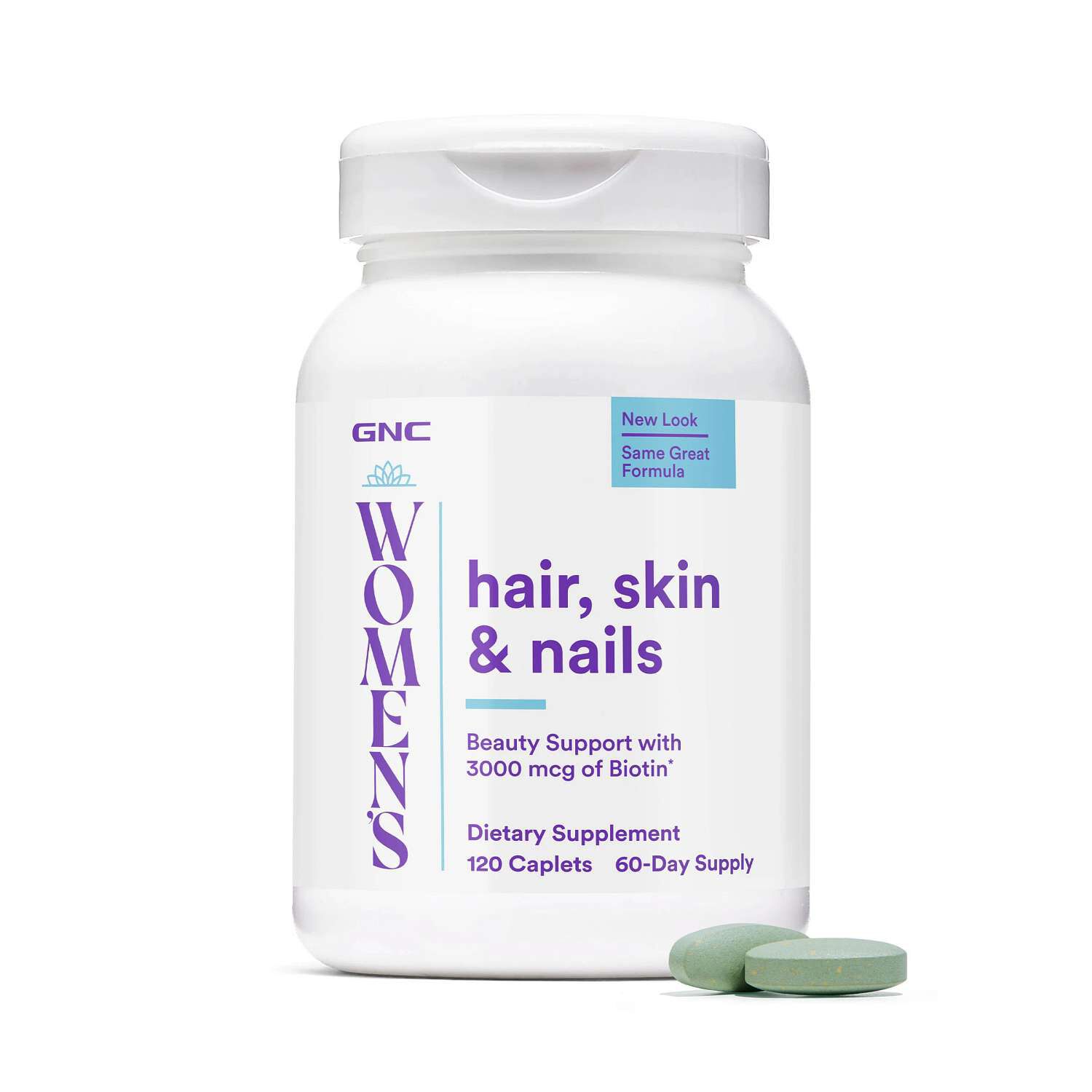 GNC Women's