Anytime Protein Shake Powders
(0 Results)
Anytime protein shake powders offer a convenient way to support your nutrition goals, whether you’re at home, at the gym, or on the go. With a variety of flavors and formulations available, these versatile options may fit seamlessly into busy lifestyles. Discover how anytime protein shake powders could complement your daily routine and help you stay on track with your wellness journey.

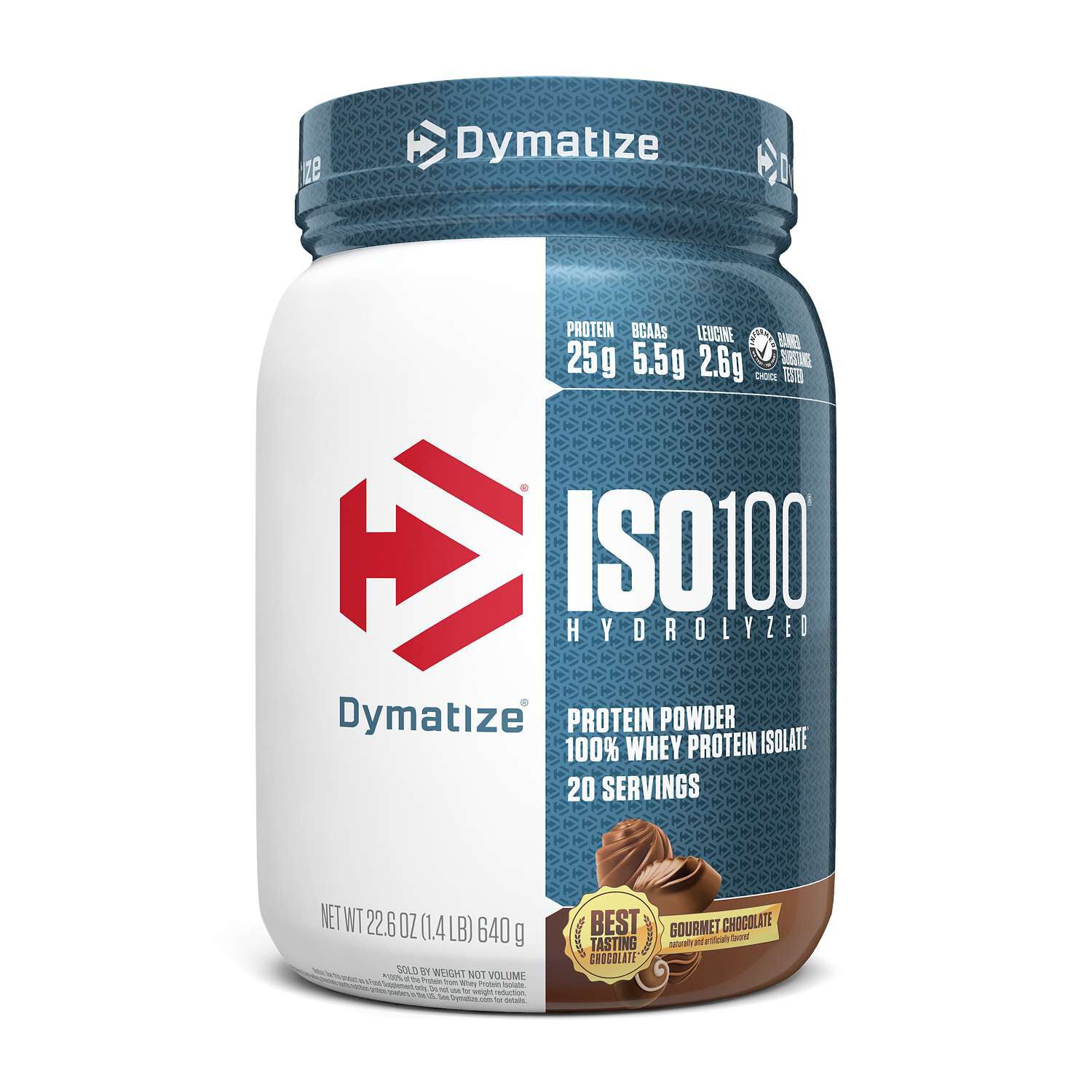

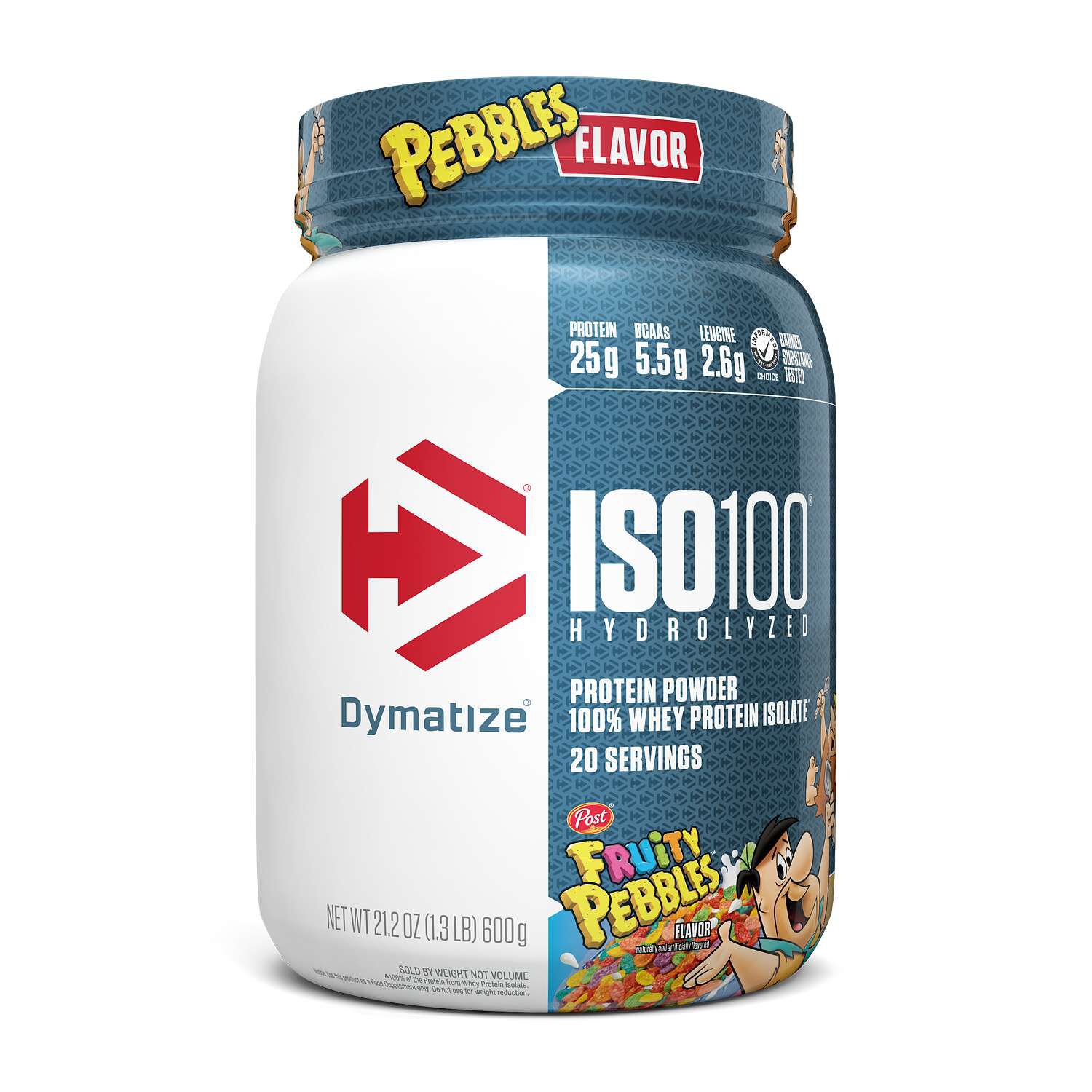

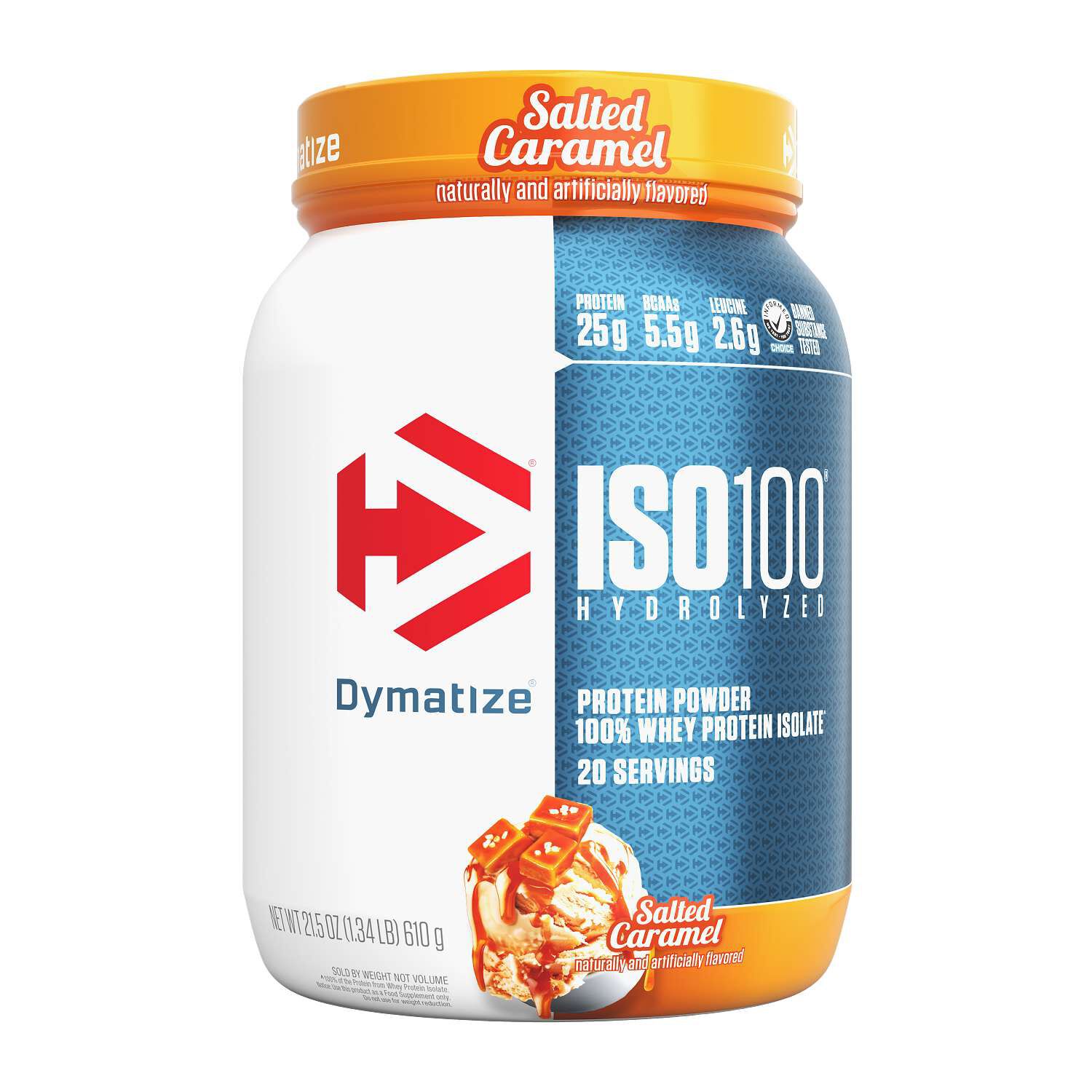


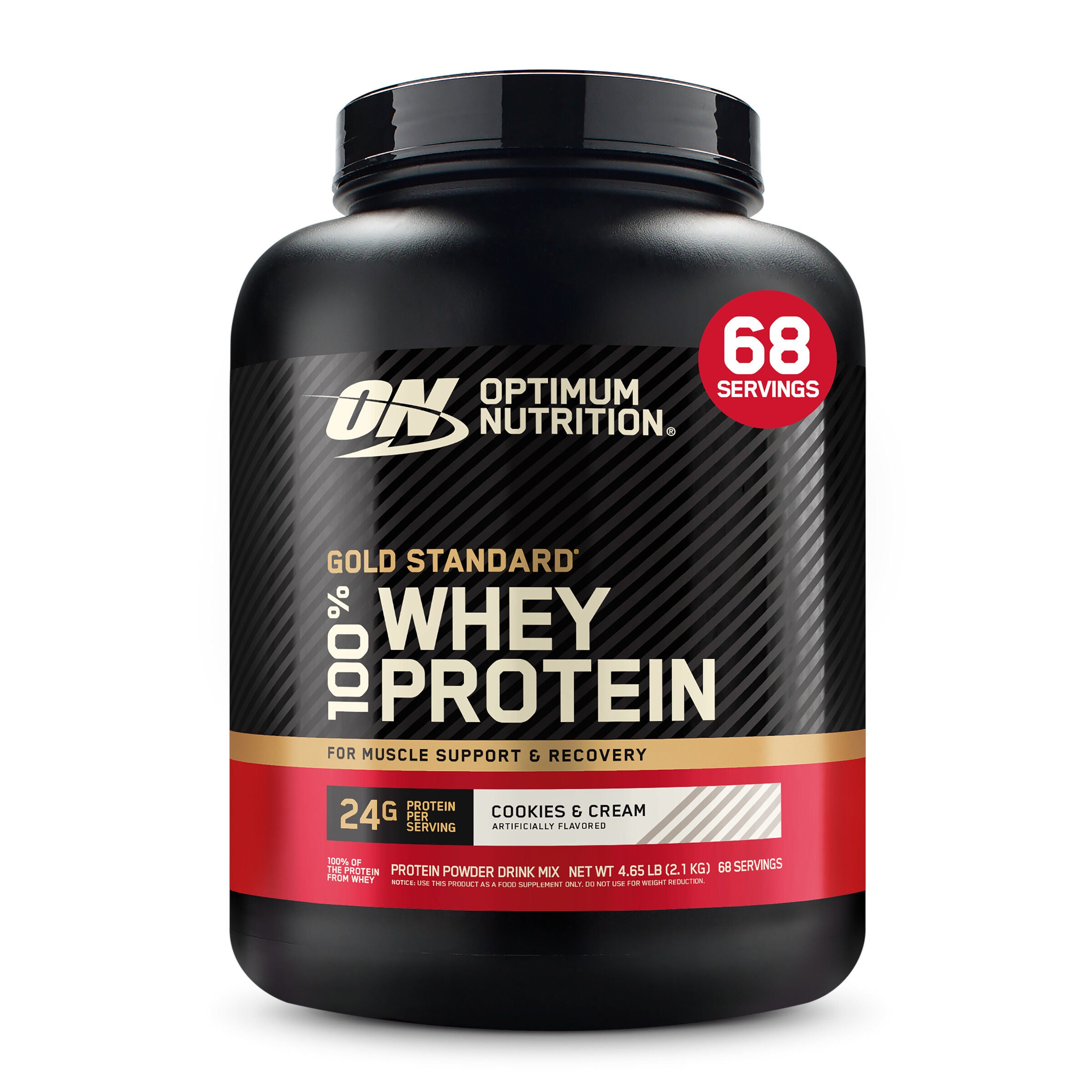


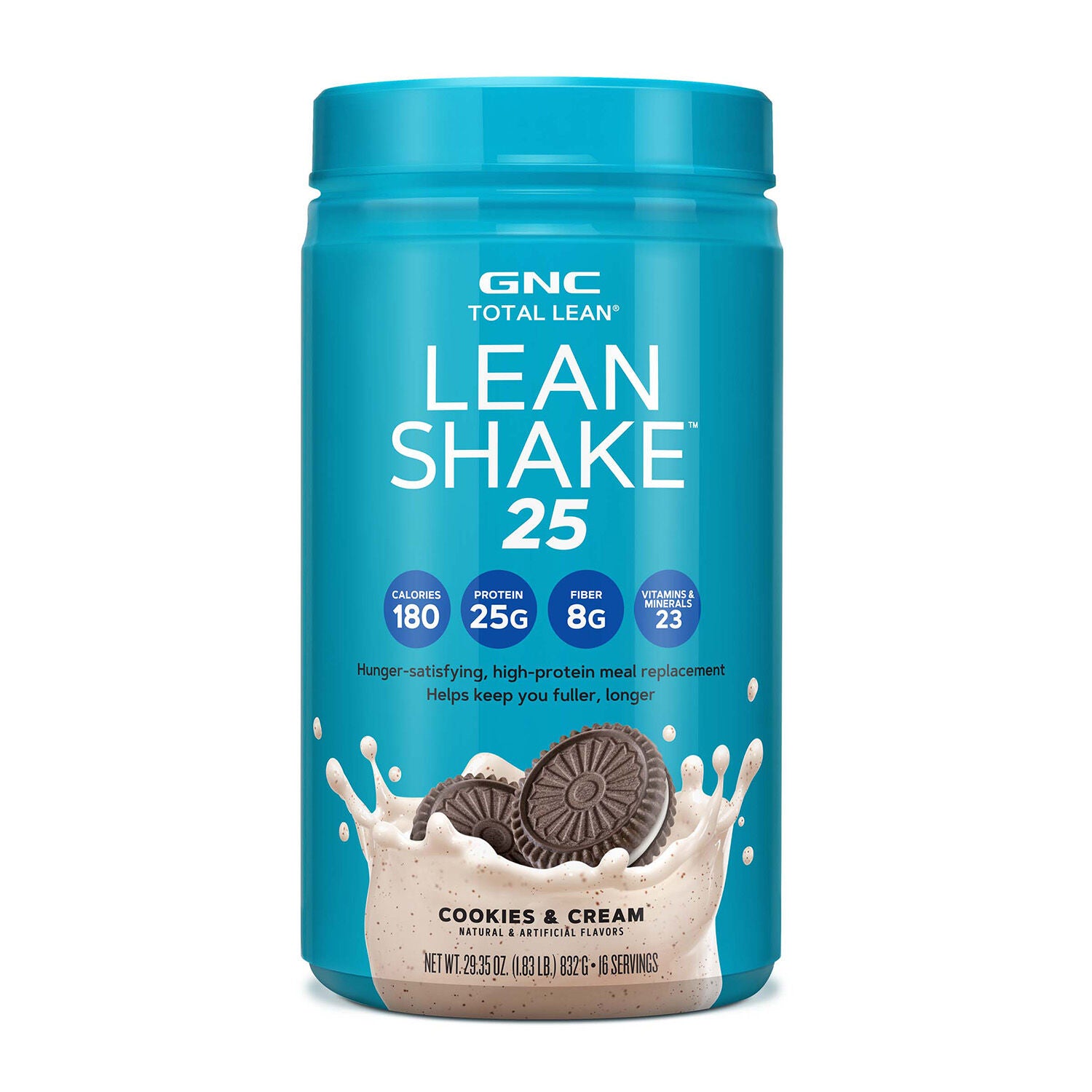
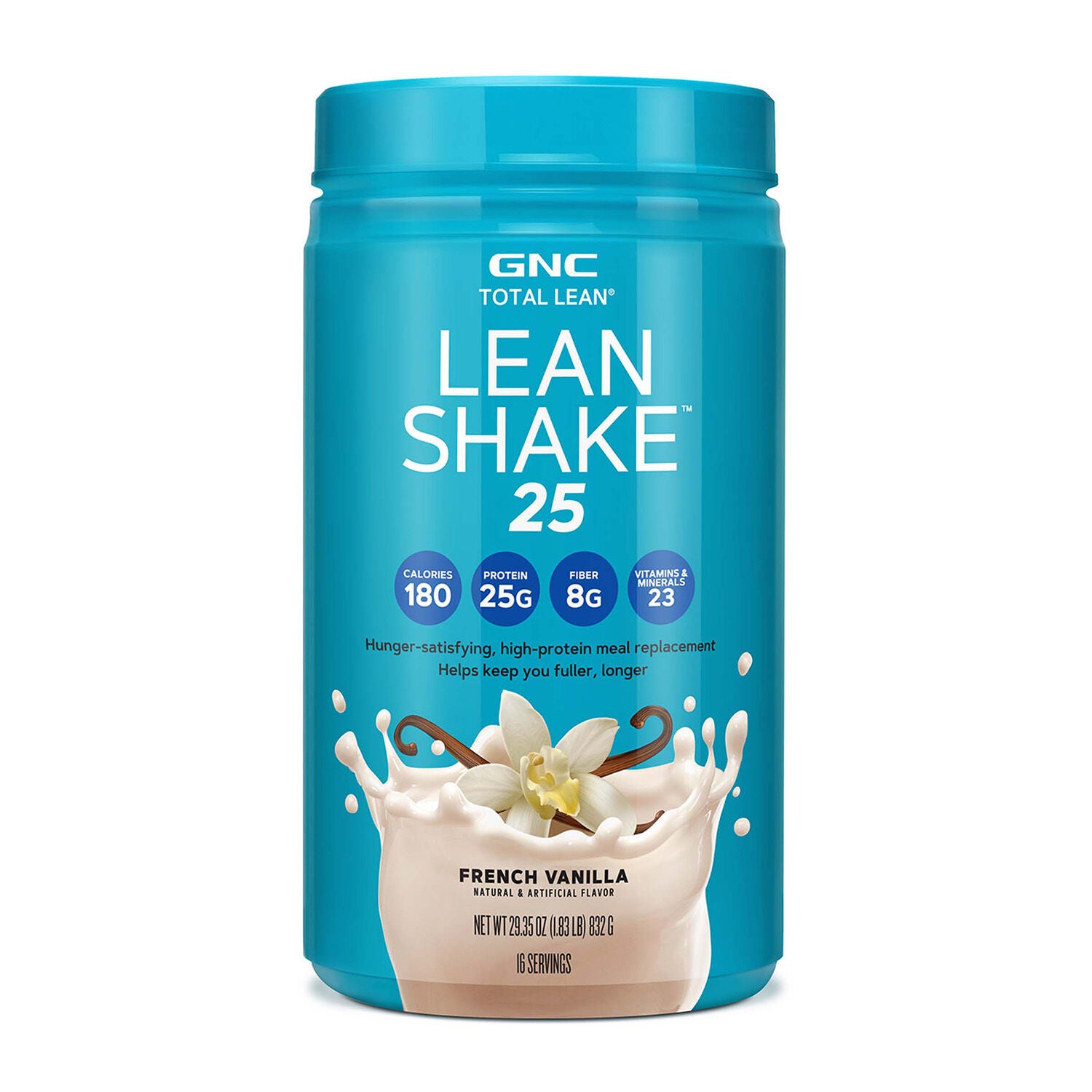
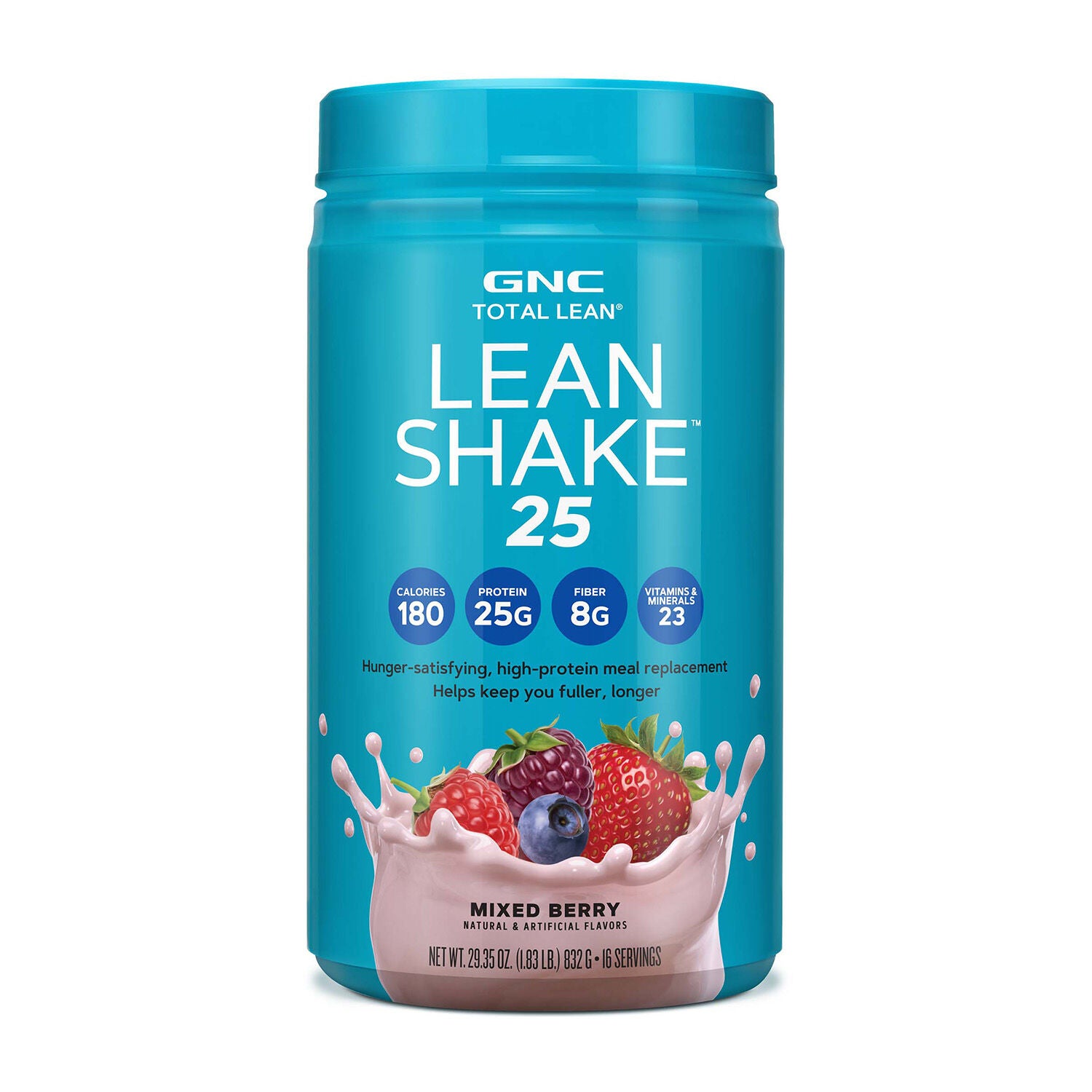
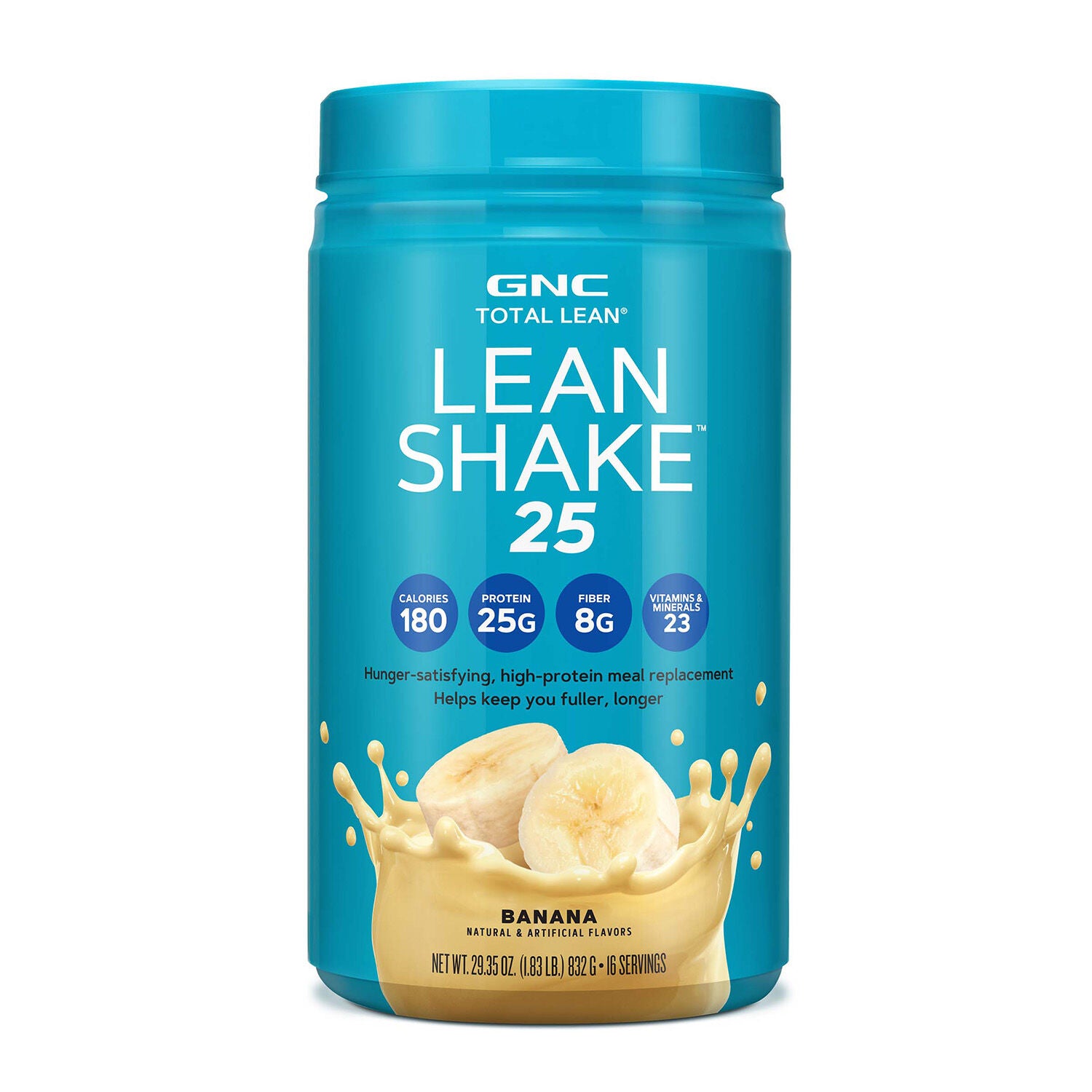
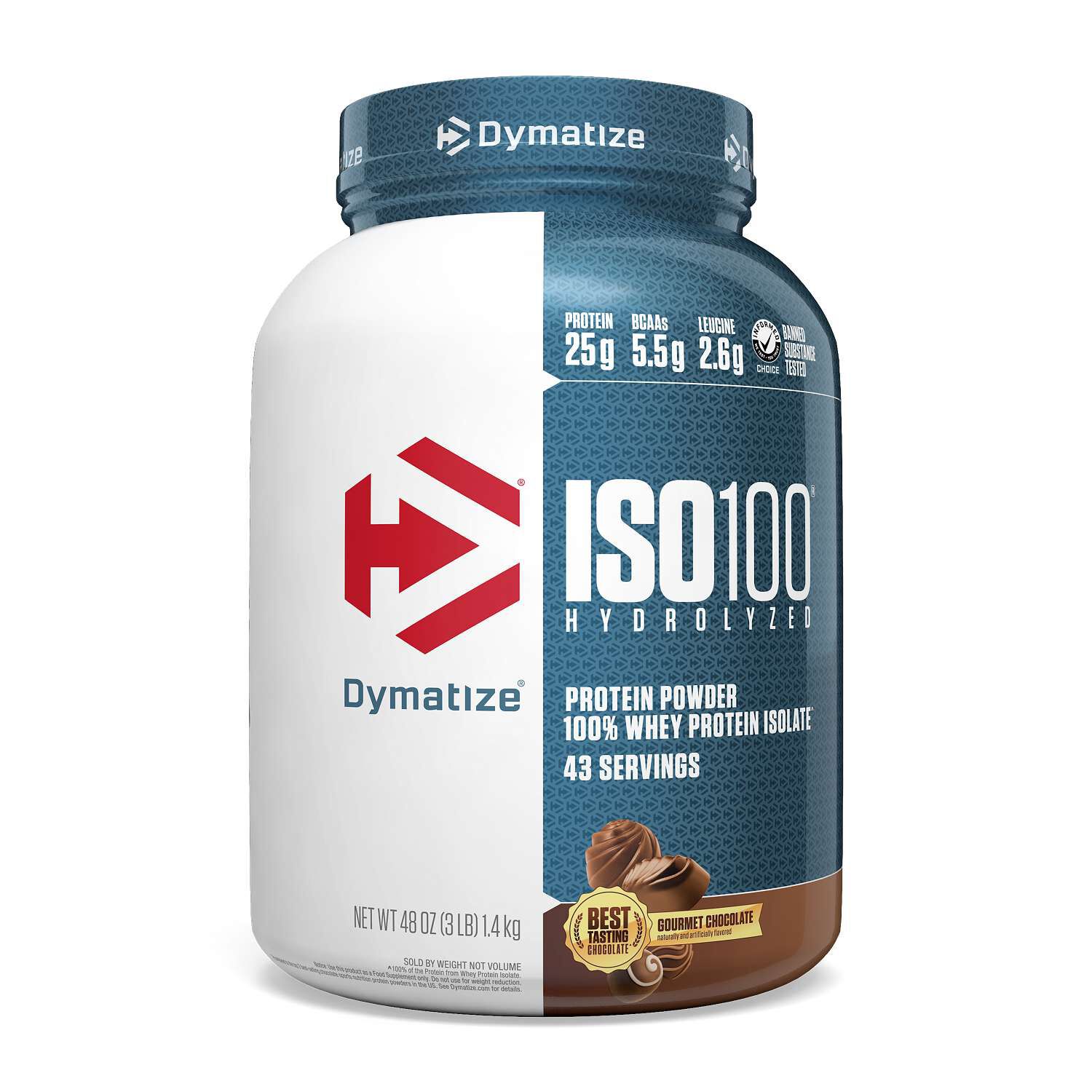
Anytime protein shake powders are powdered protein supplements intended for flexible use across a daily routine, whether that means alongside breakfast, between meals, after exercise, or during a busy stretch away from home. “Anytime” describes their intended versatility rather than a required serving schedule. These powders may offer a convenient way to add protein to an eating routine without preparing a separate dish, and their scoop-and-mix format may suit people who prefer to choose their own liquid, serving size, and consistency. Many formulas contain about 20 to 25 grams of protein per serving, although the amount varies, so the Nutrition Facts panel is the clearest reference for comparing powders. Serving size matters just as much as the number printed beside protein: one formula may specify a single scoop, while another uses a different scoop size or weight. Common protein sources include whey, casein, egg, soy, pea, and rice, along with blends that combine more than one source. Whey and casein come from milk; plant-based formulas use ingredients such as legumes, grains, or seeds. Whey isolate and whey concentrate differ in processing and composition, while plant-based blends vary according to the ingredients used. No single source describes every powder in a category, and the ingredient list provides useful context beyond the front label. Calories, carbohydrate, fat, added sugars, and sodium also vary by formula. Those differences may matter when a shake accompanies a meal, serves as a snack, or becomes part of a smoothie with several other ingredients. Flavor is another practical distinction. Vanilla, chocolate, and other flavored powders have different sweeteners and flavoring ingredients, while unflavored versions are intended for mixing with ingredients that supply their own taste. Texture can vary, too, from a light drink to a thicker shake. The most useful comparison considers the entire serving as prepared, including the liquid and any additions, rather than treating every scoop as interchangeable. A powder mixed with water and the same powder blended with milk, banana, and oats represent different drinks, even when both begin with the same measured portion.
The appeal of anytime protein powder often lies in how it may fit ordinary moments: a shaker tucked into a work bag, a smoothie prepared alongside breakfast, or a drink mixed after a gym session before heading to the next errand. Preparation usually involves combining a measured serving with the amount of liquid specified on the label. Water, milk, and plant-based beverages are common choices, but each creates a different starting point for flavor and nutrition. Water may produce a lighter shake, while milk or a plant-based beverage may create a creamier consistency. A shaker bottle with a mixing ball or insert may be convenient for a straightforward drink; a blender may be more suitable when the recipe includes fruit, oats, or nut butter. Some powders disperse more readily than others, and texture may depend on the liquid amount, mixing method, and added ingredients. Following the label’s mixing directions gives a consistent starting point before adjusting a recipe to personal preference. For someone who likes a drink alongside breakfast, a vanilla powder paired with banana and cinnamon may suit familiar flavors. Chocolate powder mixed into a smoothie with peanut butter may appeal to someone who prefers a richer taste. A simpler water-based shake may suit a routine where carrying extra ingredients is less practical. These uses are not tied to a particular hour, and there is no need to treat the word “anytime” as an instruction to drink a shake at every opportunity. Protein powders are supplements, and they are not automatically formulated to replace a varied meal. Package care also deserves attention, especially when a container is opened repeatedly. Follow storage directions, keep the scoop dry, close the lid securely after use, and check the date printed on the package. A clean, dry container is useful when carrying a measured portion separately. Shaker bottles and blender parts should be washed according to their care directions after use, including lids, seals, and mixing inserts where residue can collect.
Choosing among anytime protein shake powders is often a matter of matching ingredients and preparation habits to the person who will use them. Someone who enjoys dairy-based drinks may prefer a whey or casein formula, while someone following a vegan eating pattern may look for a plant-based powder with clearly stated ingredients. Plant-based does not necessarily mean suitable for every dietary preference, and protein source alone does not describe everything in the formula. Milk, soy, egg, and other allergens may appear in ingredients or package statements, so those details deserve a separate review. Sweeteners, thickeners, flavorings, and additional ingredients also differ across powders. A shorter ingredient list is not automatically the right choice for every shopper; the relevant question is whether the listed ingredients match personal preferences and intended use. Taste and mixing expectations are equally practical. A strongly flavored powder may suit a simple shake, while a more neutral flavor may work for someone who regularly blends fruit or stirs powder into a recipe. For a household where several people have different preferences, serving size and preparation directions are useful details to keep accessible rather than assuming everyone will mix the same drink. Packaging format matters for everyday handling, too: a resealable pouch, a rigid container, and individually portioned packets involve different storage and measuring routines. Someone carrying powder to work may value a clearly measured portion, while someone preparing drinks at home may prefer a container with an easy-to-use scoop. For people whose interest centers on exercise routines, Sports Protein Shakes offers another relevant category to explore alongside powders intended for broader daily use. Any testing or certification statements should be evaluated according to what the label actually says rather than assumed from a sporty presentation. Ultimately, a useful match brings together a suitable protein source, a flavor worth drinking regularly, straightforward preparation, and nutrition information that makes sense for the intended serving. Those everyday details may make a powder easier to incorporate into an established routine without turning every snack or drink into a complicated project.