Aphrodisiac Supplements
(0 Results)
Explore the world of aphrodisiac supplements, designed to potentially elevate your intimate experiences. These supplements might offer a natural way to support desire and passion, drawing from traditional ingredients known for their romantic allure. Whether you're looking to rekindle the spark or simply explore new avenues of connection, aphrodisiac supplements could be an exciting addition to your wellness routine. Discover a range of options that may help create memorable moments and foster deeper connections.
-

-
-
-

-
-
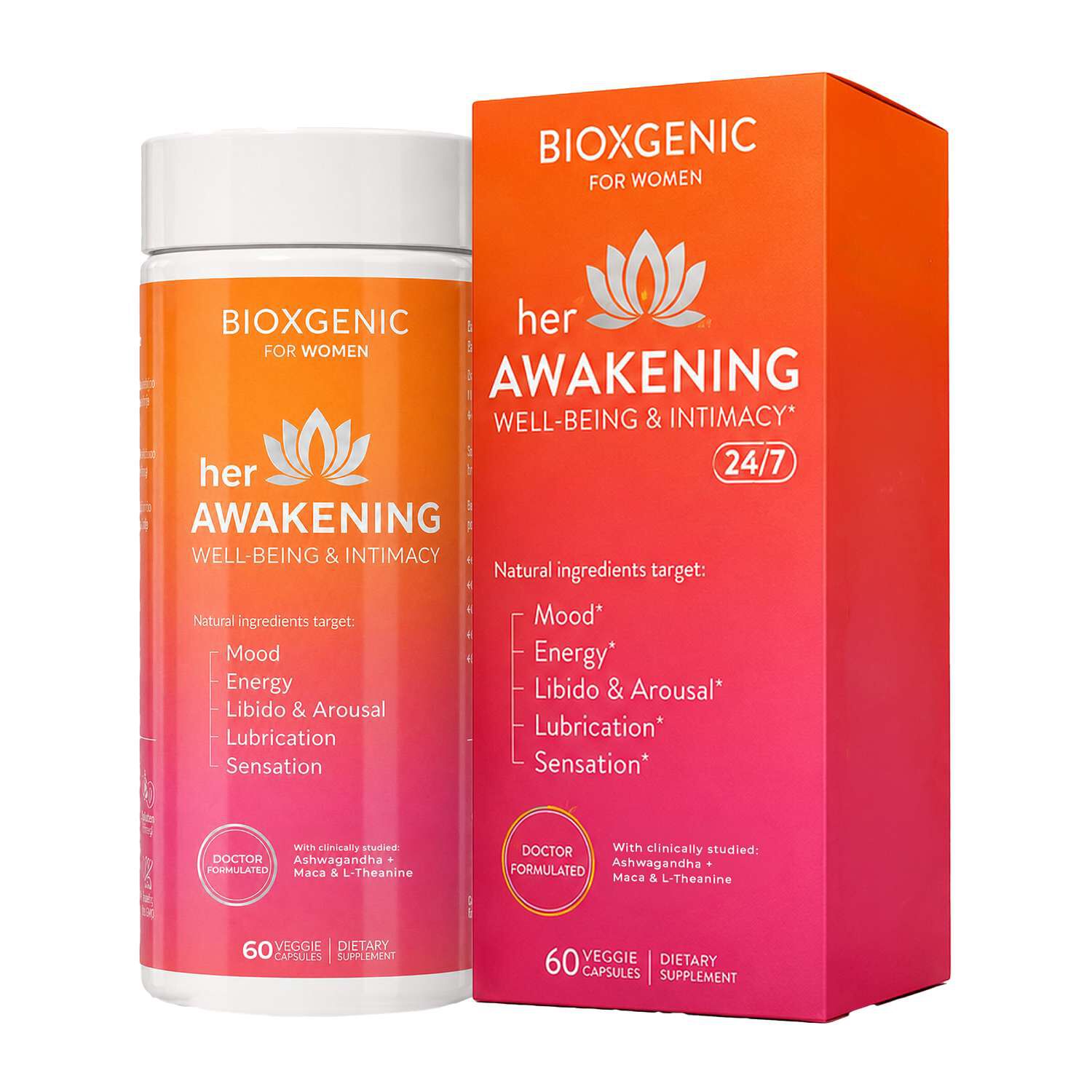 $35.99
-

-
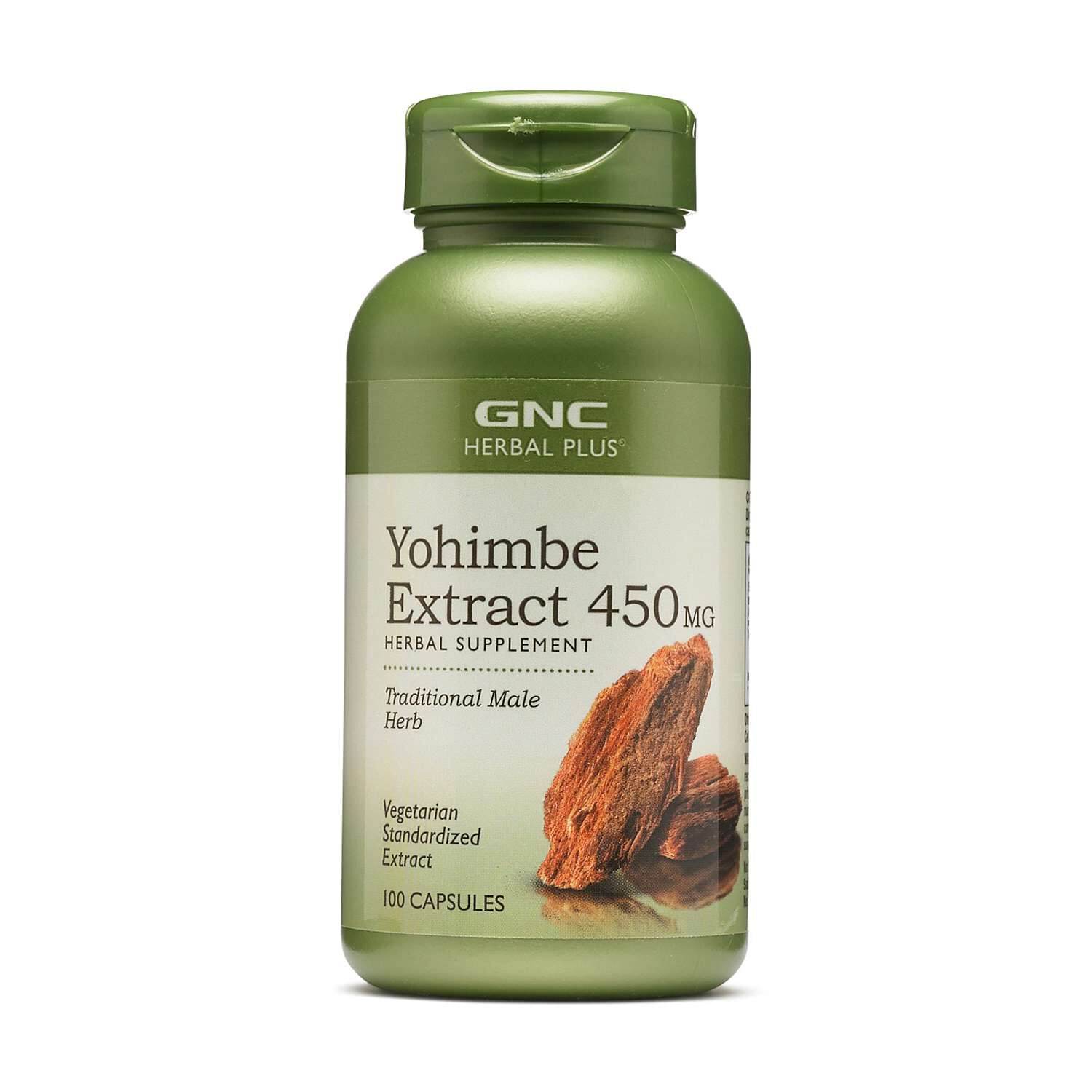
-
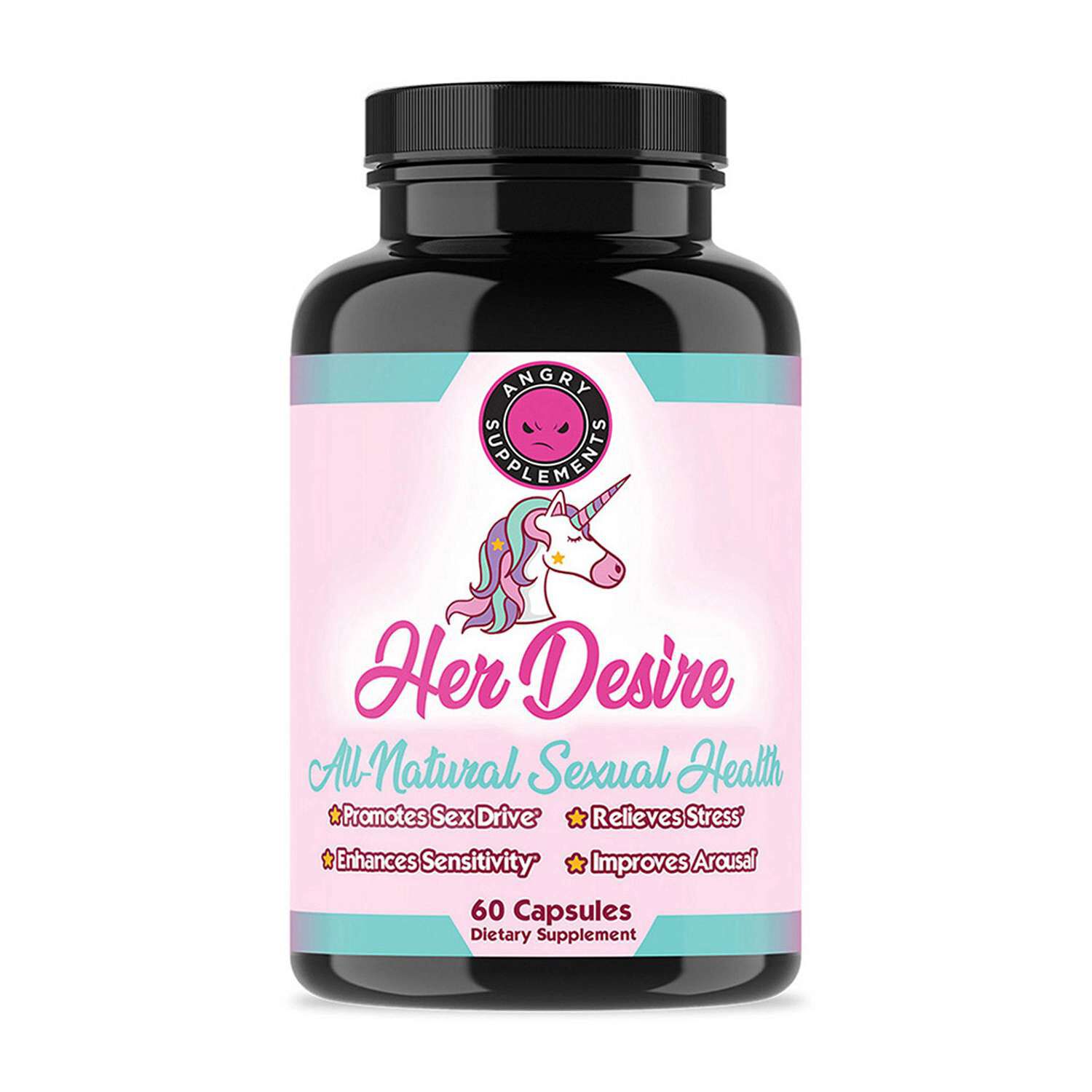
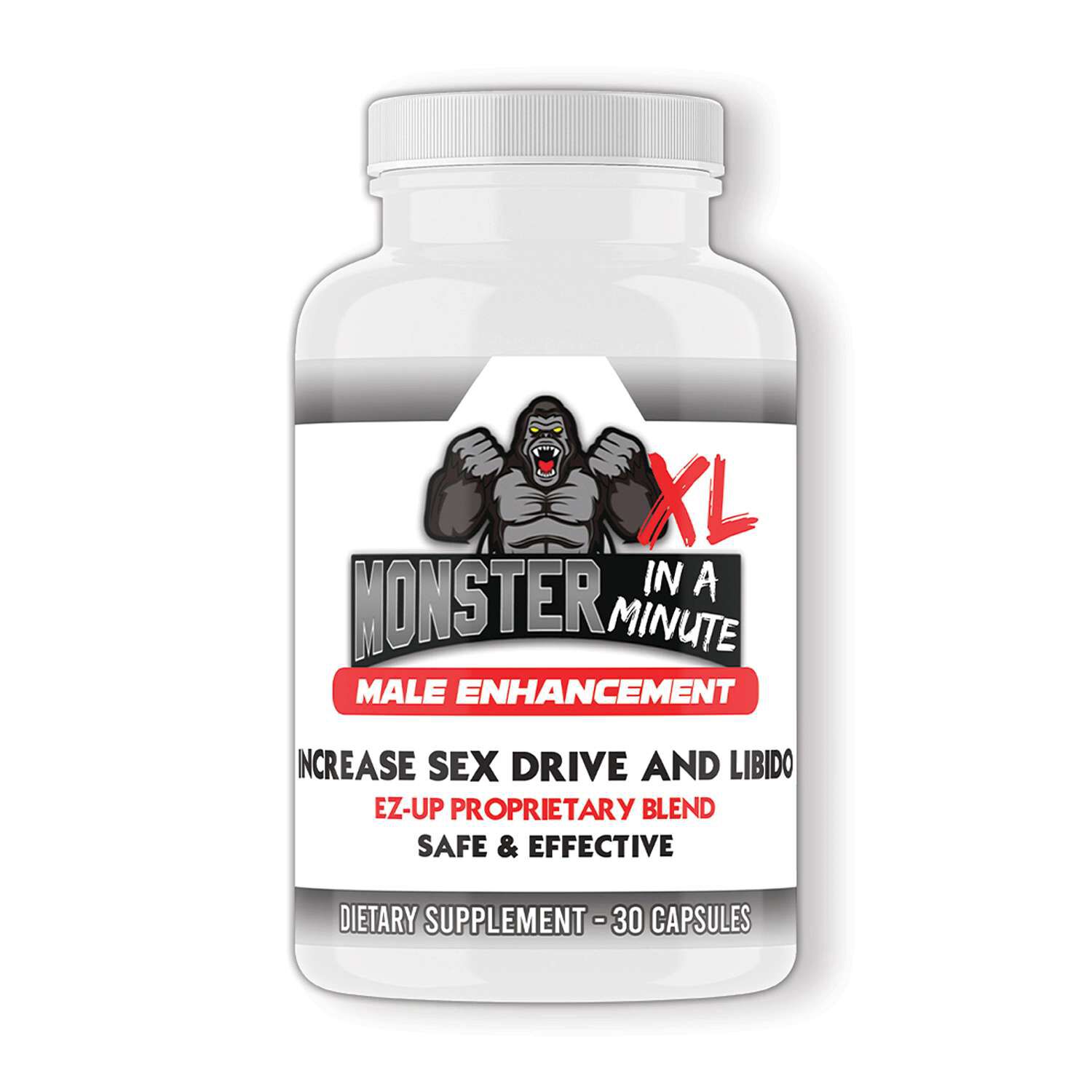 Angry Supplements$19.99
-

-
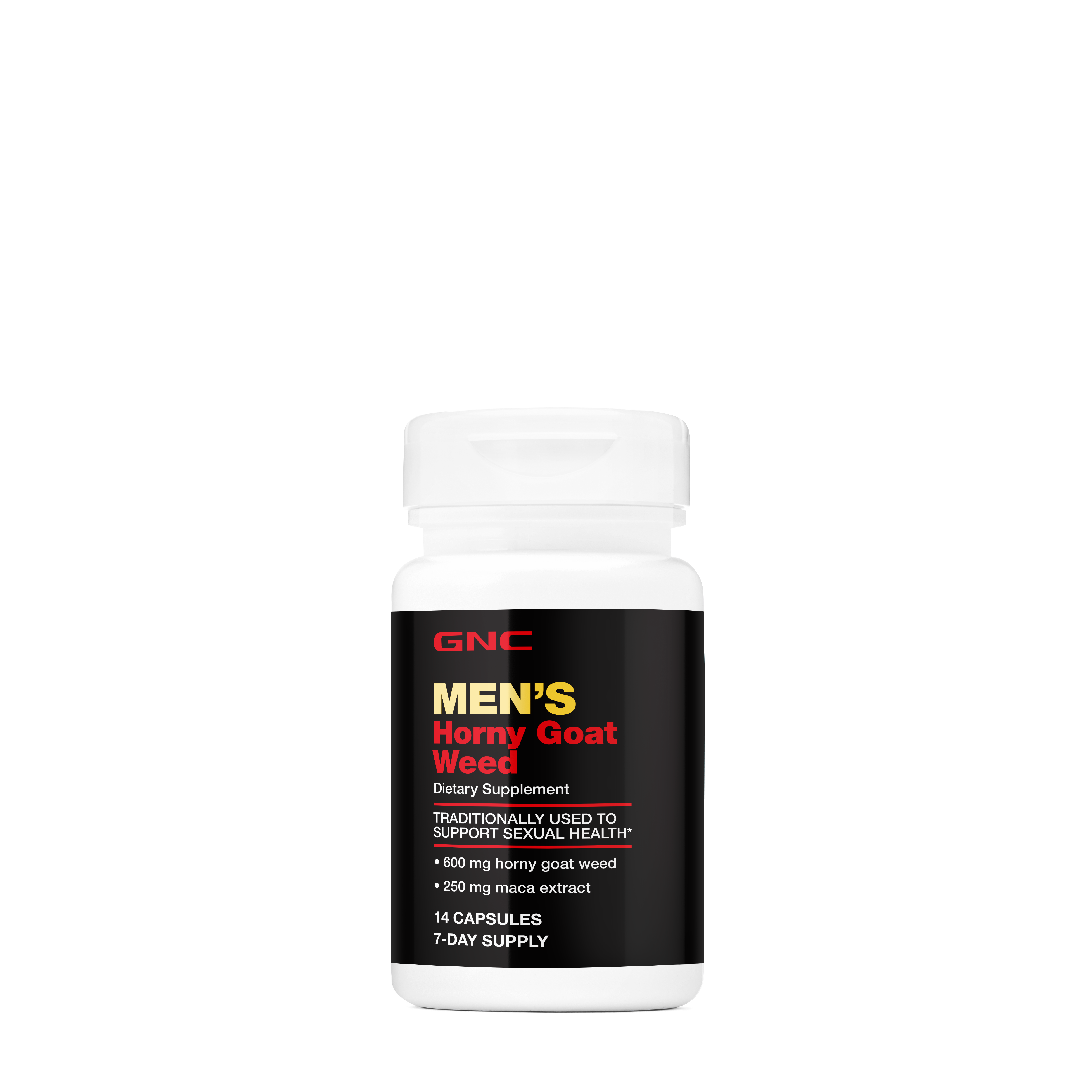
-
-

-
-

-
-
-

-

-

-

-

-
-
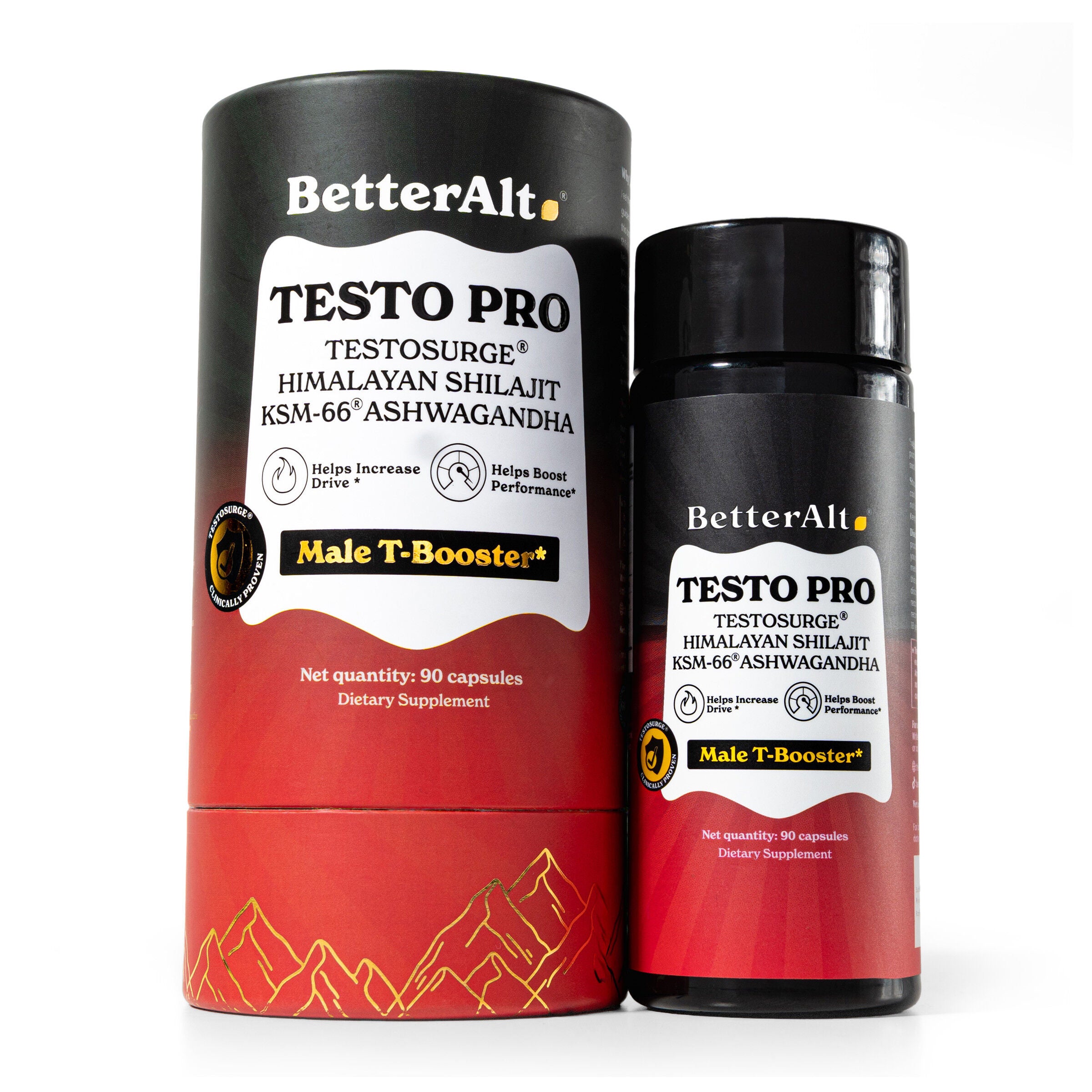
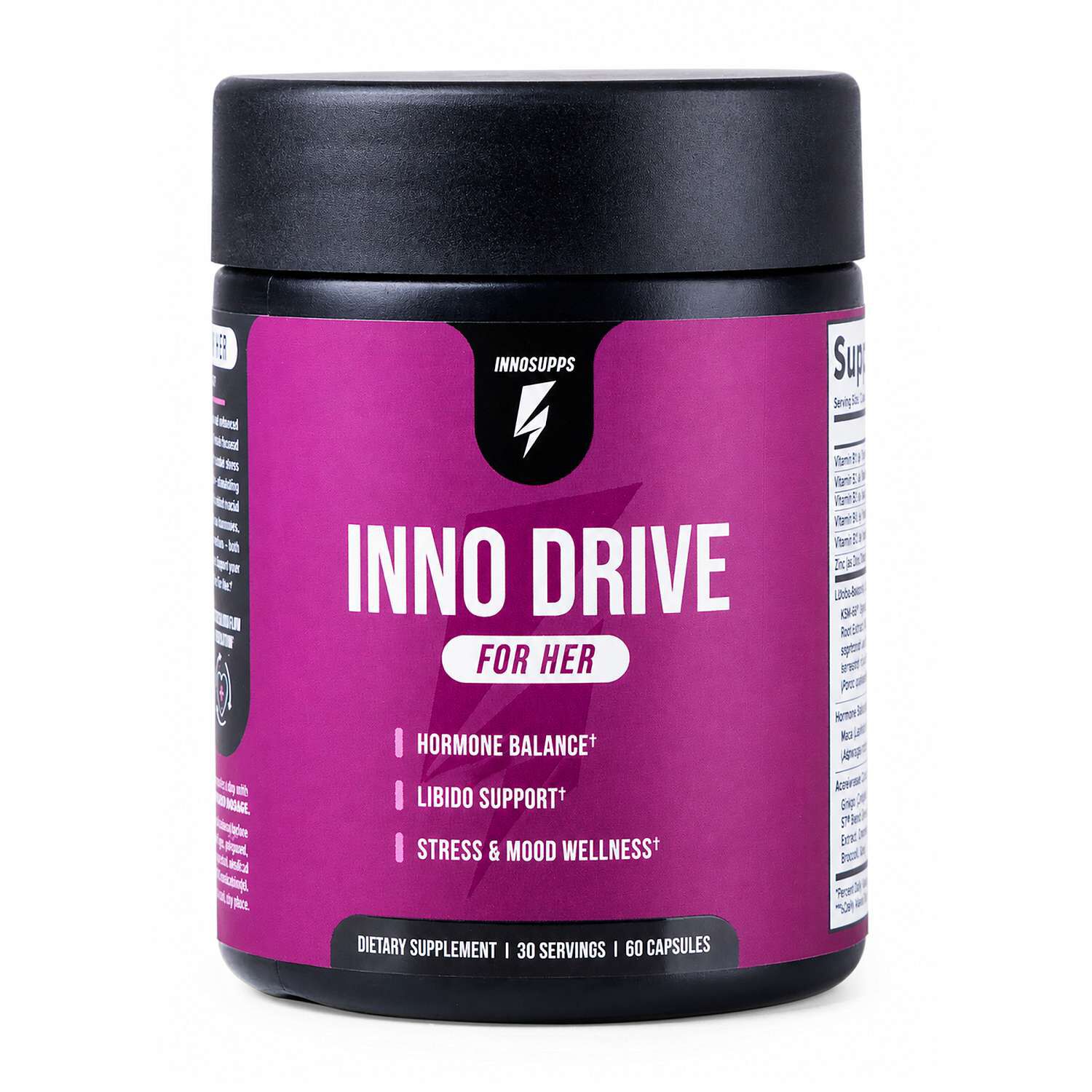
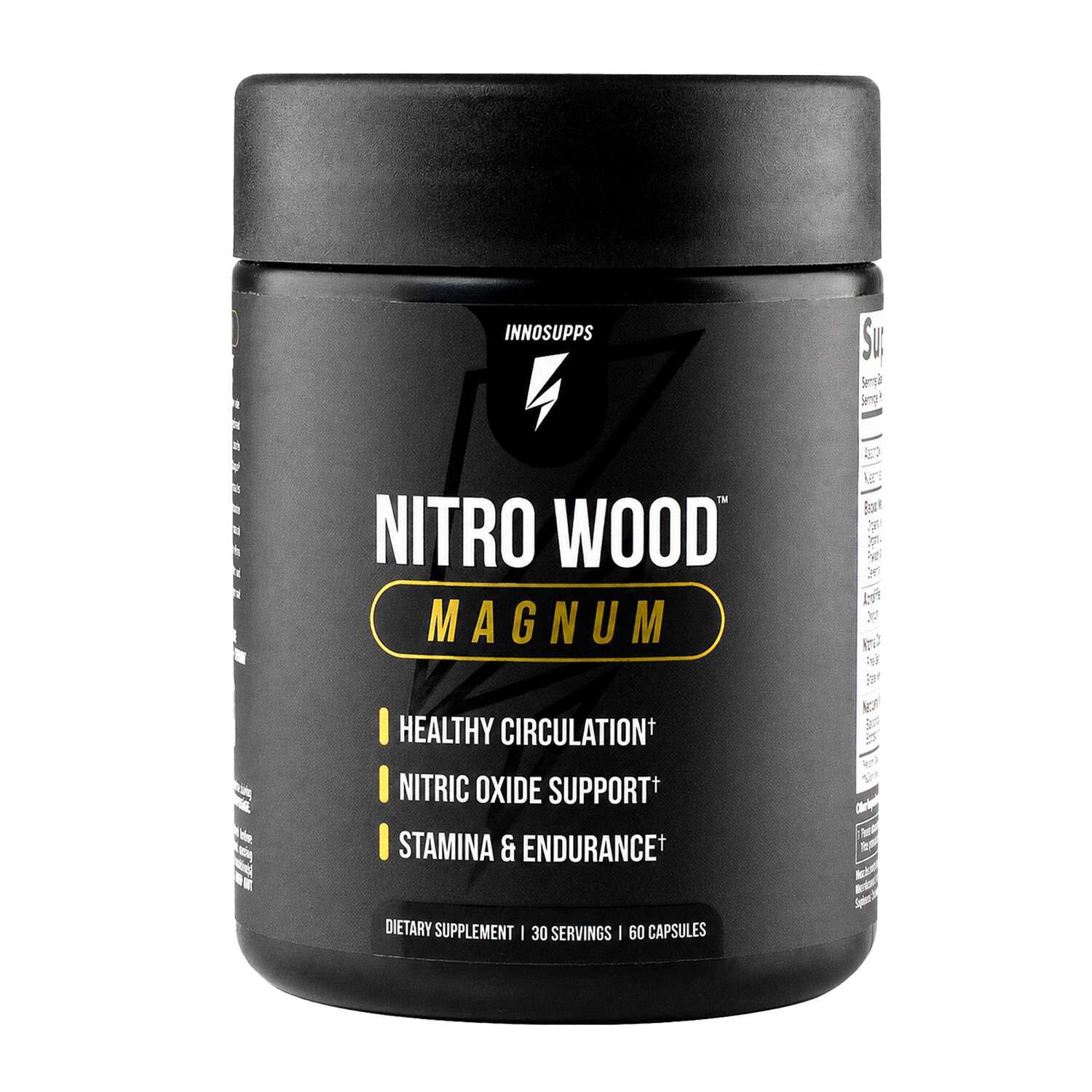
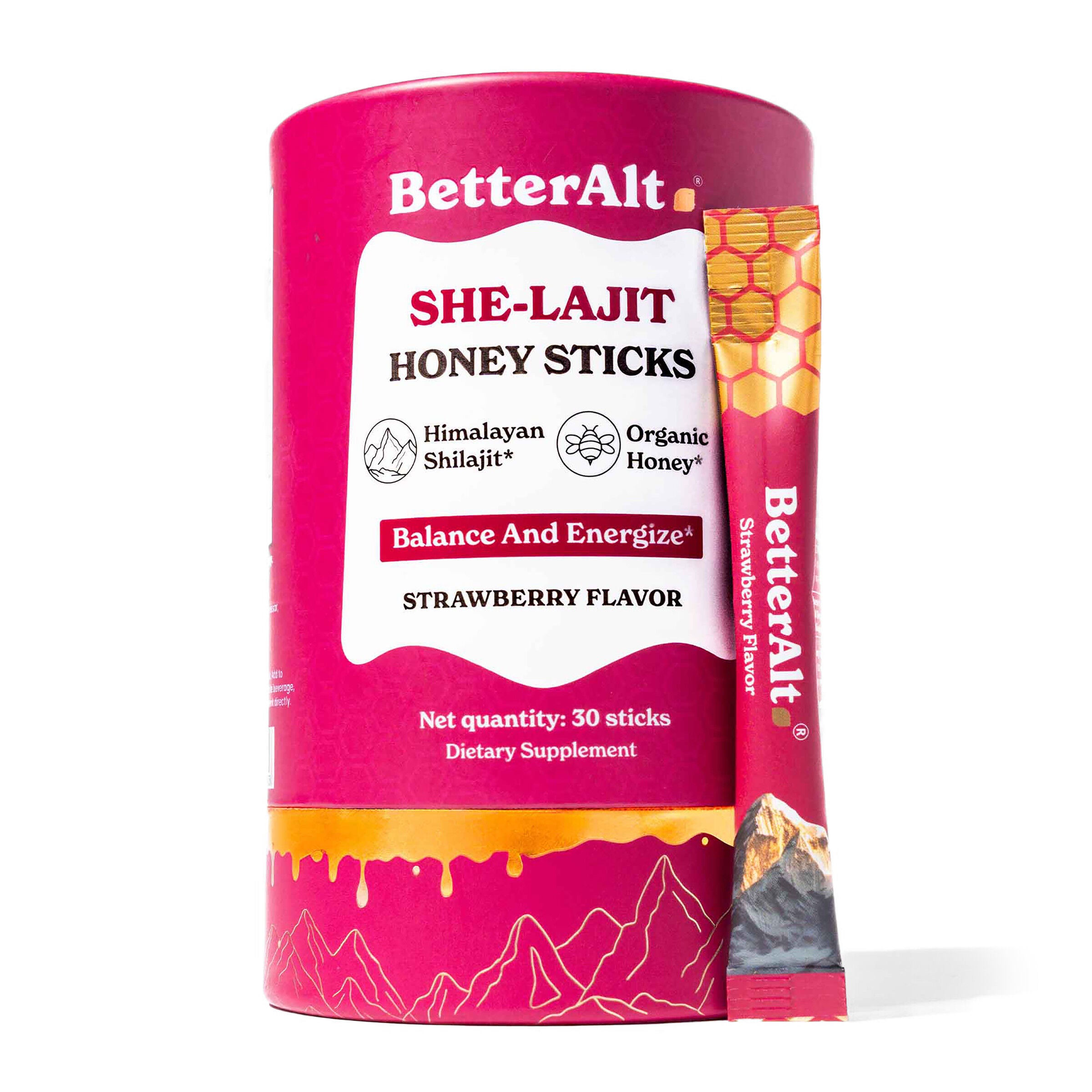
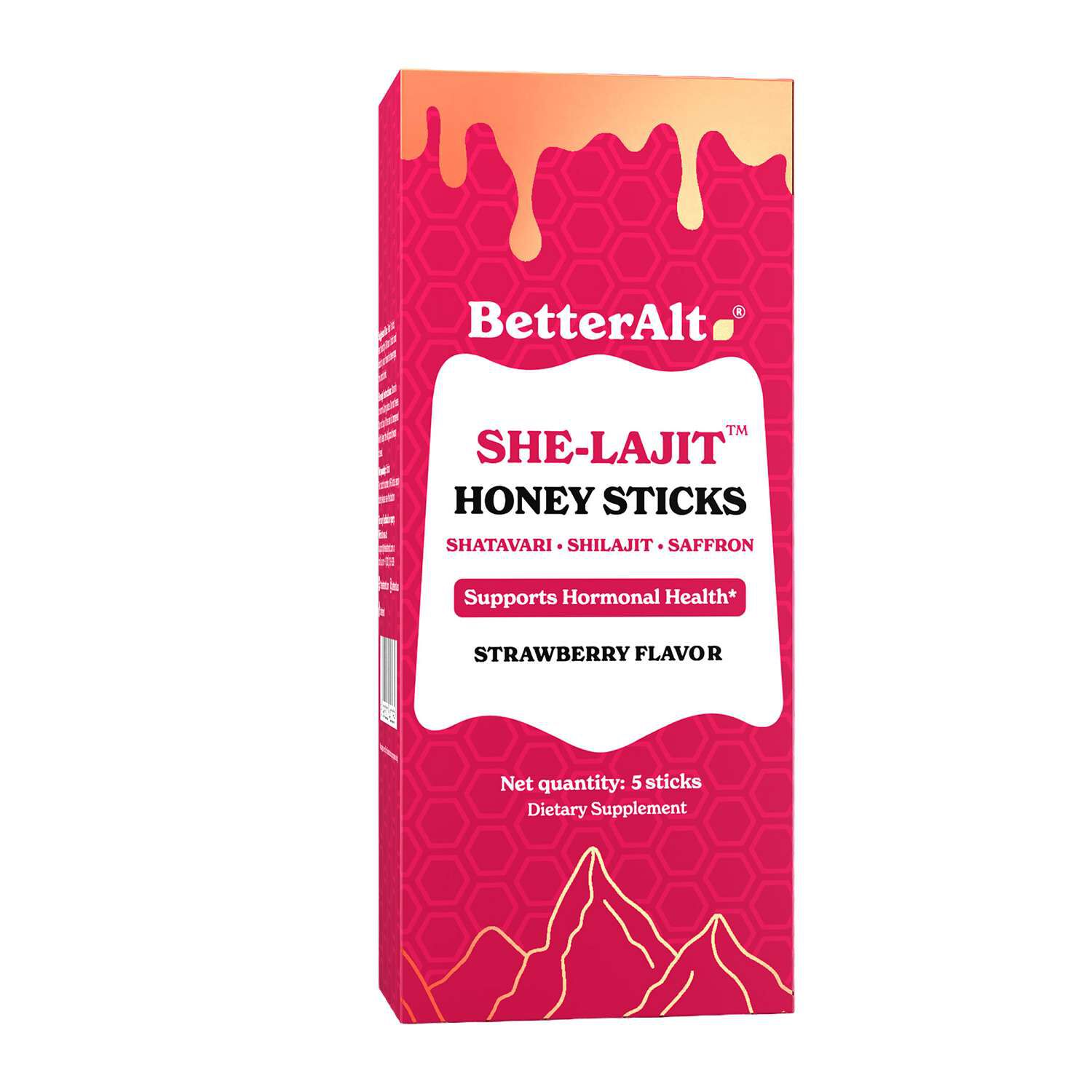
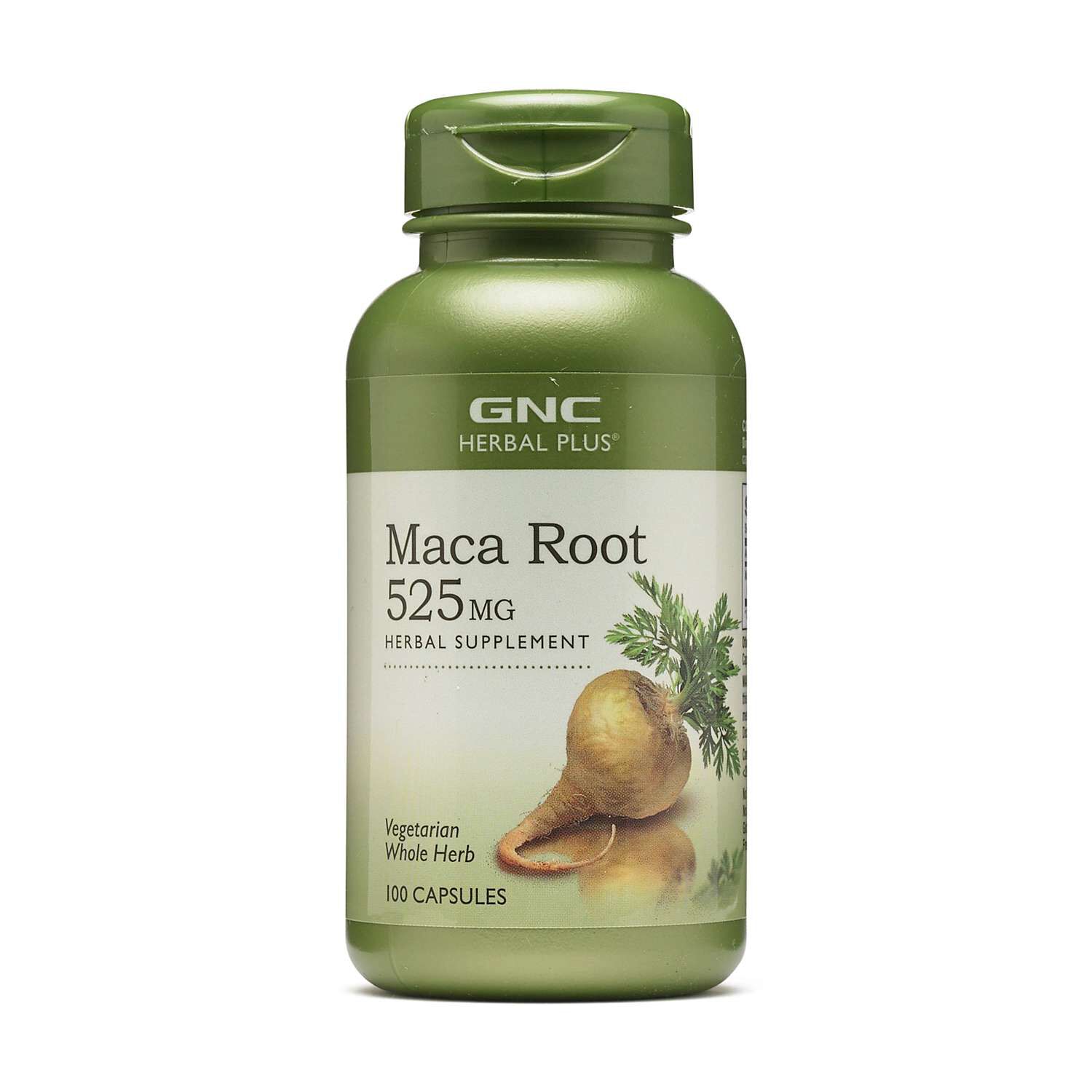
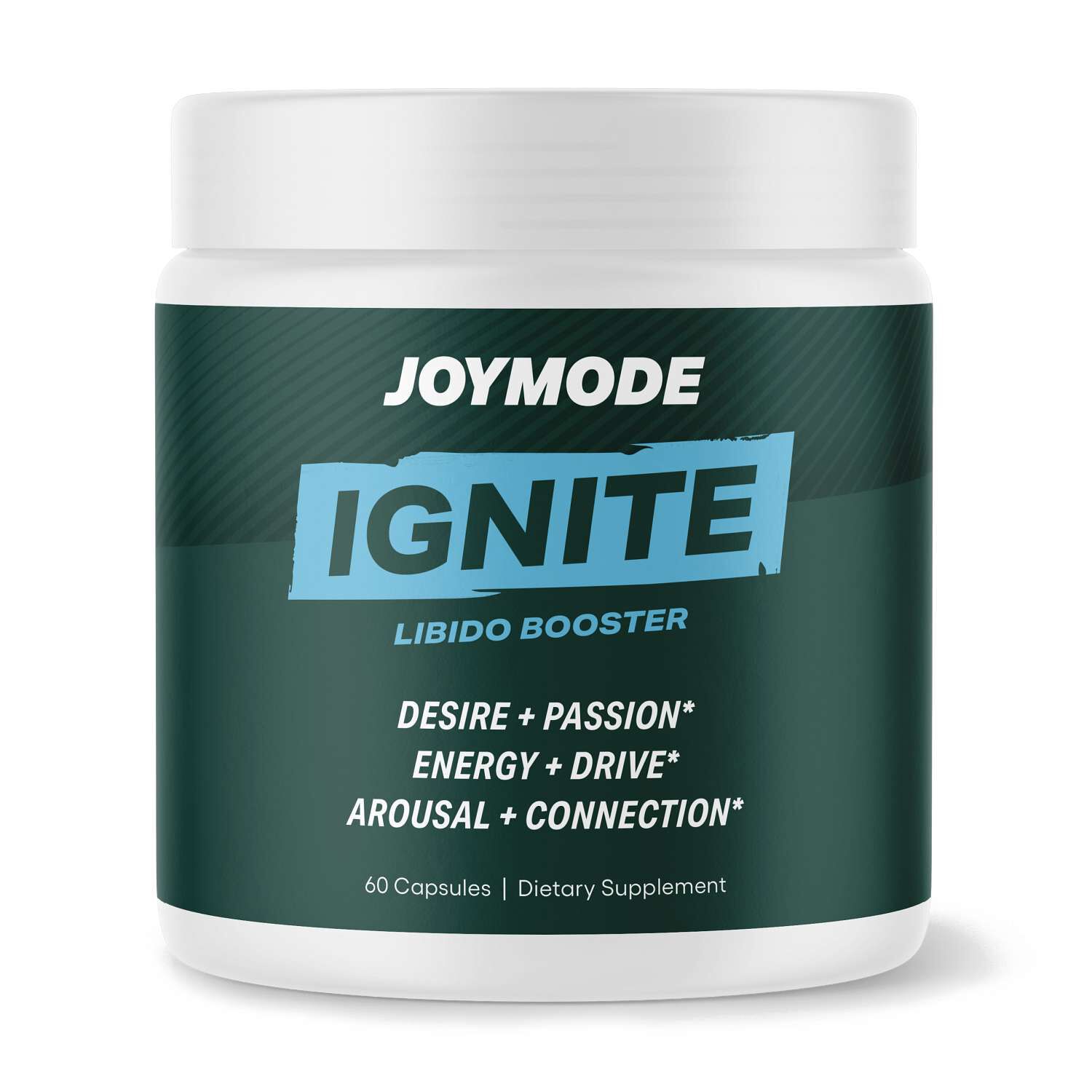
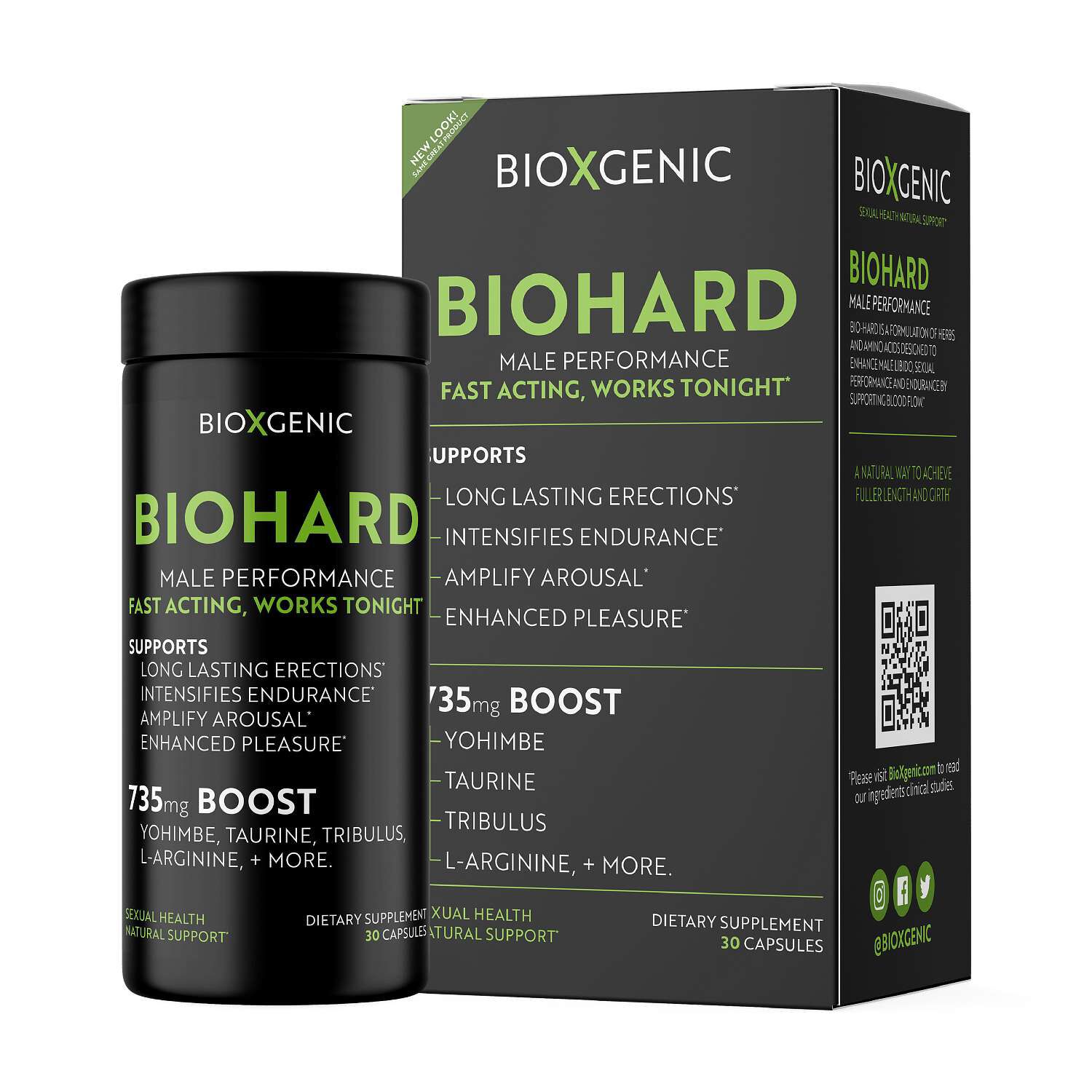
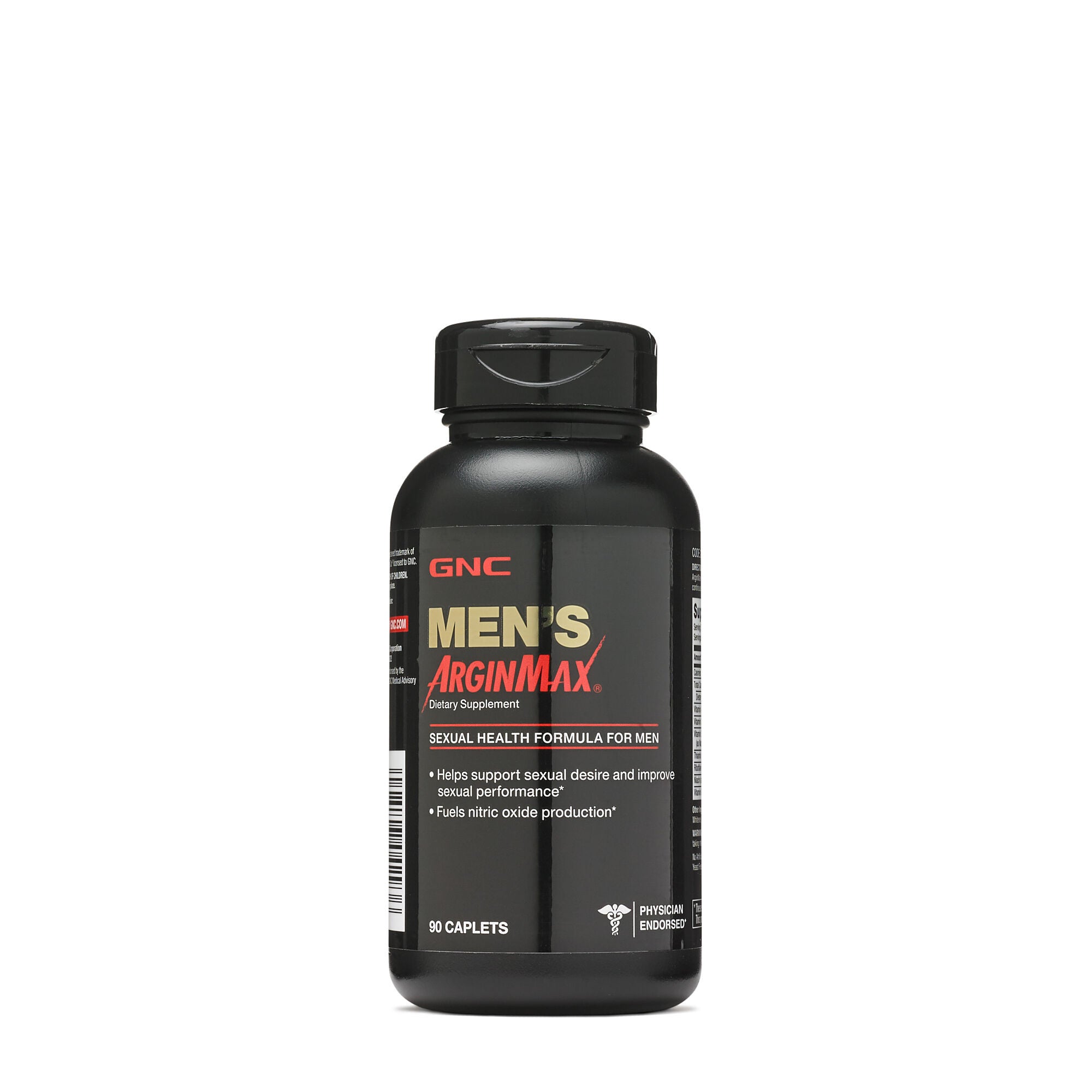
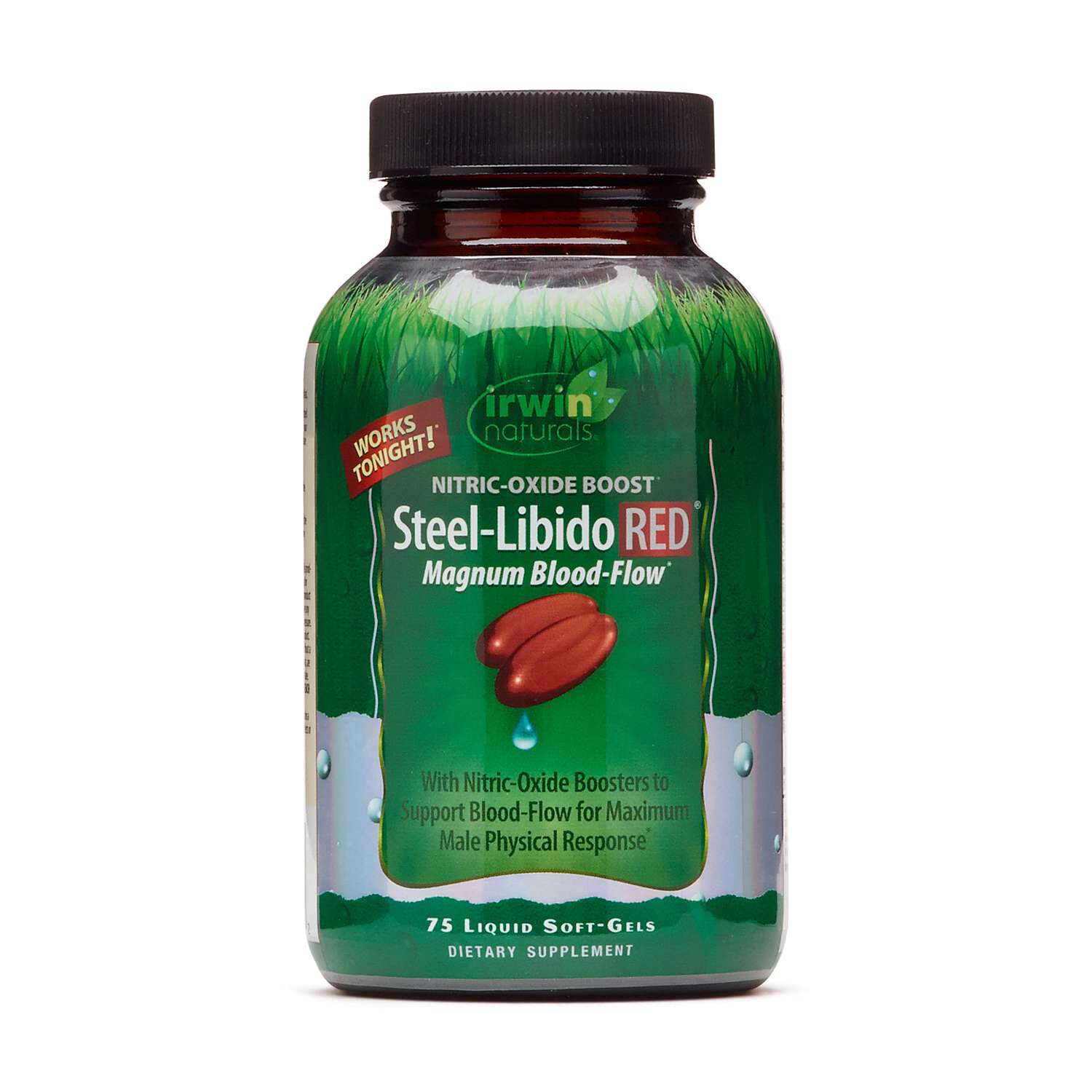
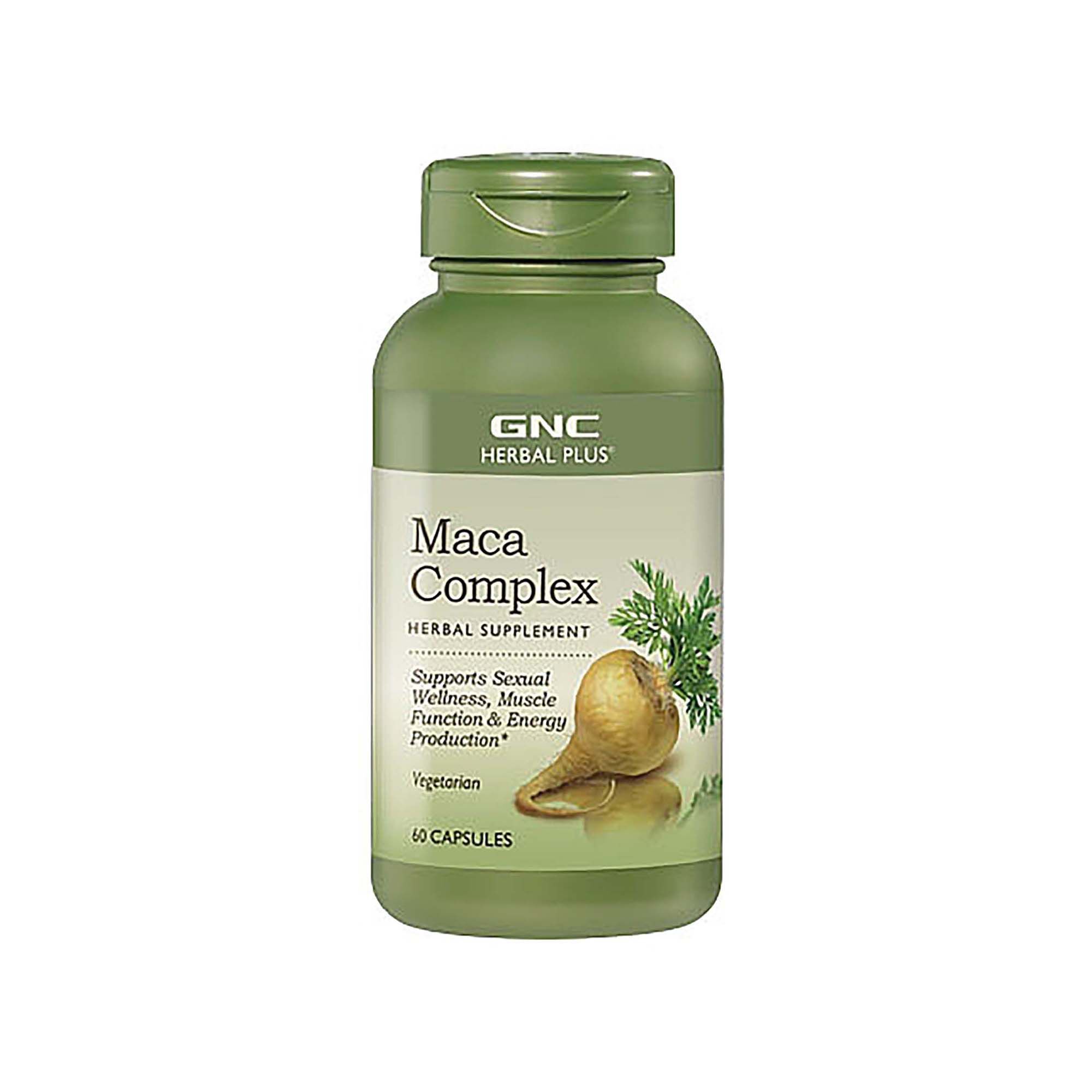
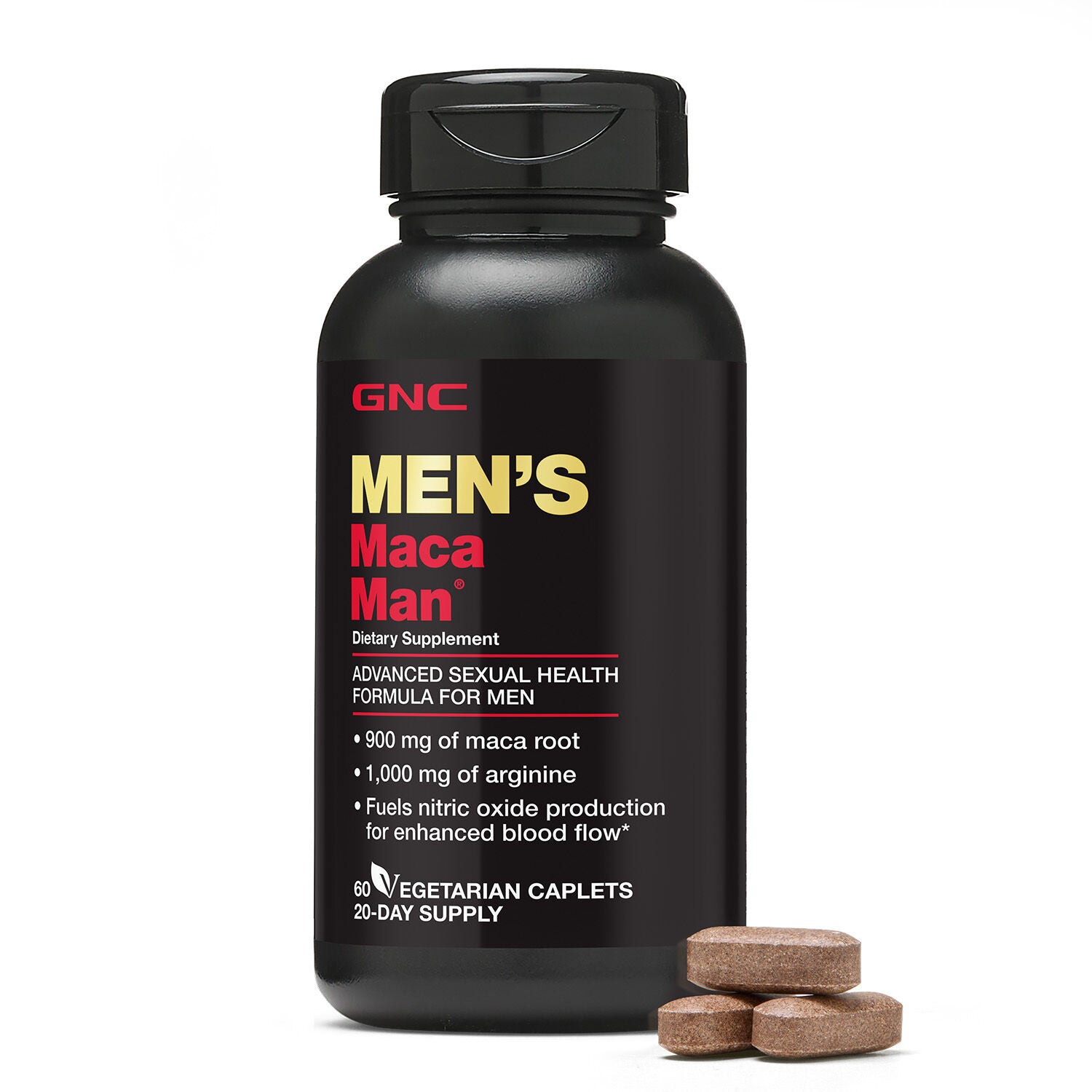
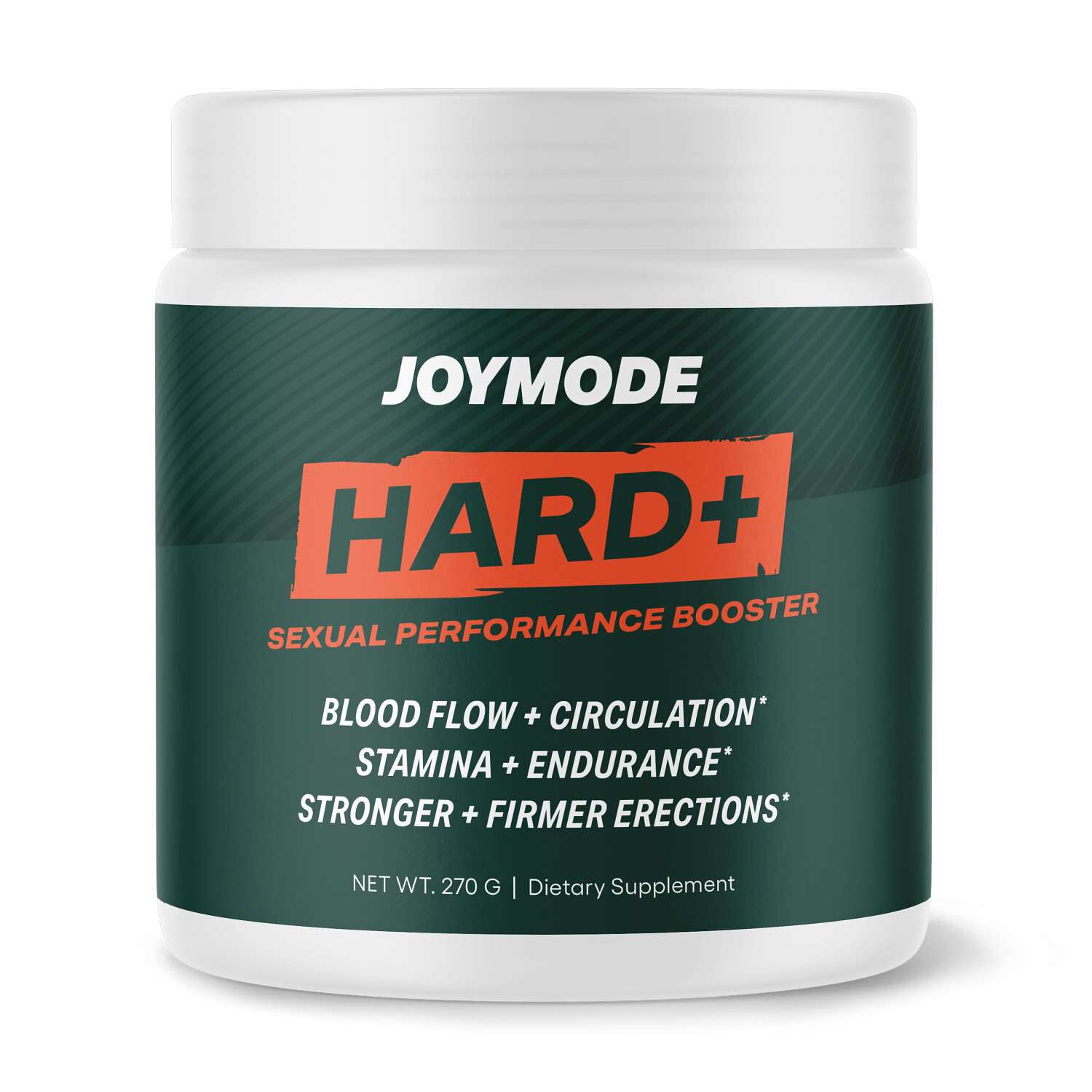
Aphrodisiac supplements are dietary supplements marketed for adult sexual wellness, including interest in intimacy and sexual desire. The category takes its name from the long history of associating certain plants and foods with romance, but a traditional reputation is not the same as demonstrated effectiveness. Modern formulas can contain botanical ingredients, amino acids, vitamins, minerals, or combinations of these ingredients, usually in capsules, tablets, powders, or liquid formats. Scientific evidence supporting their intended effects is often limited or mixed, and findings about one ingredient do not necessarily apply to every formula containing it. Research can differ in the ingredient preparation, amount studied, length of use, and participants involved. That makes the actual label more informative than a dramatic product name or a broad statement about performance. Maca root and ginseng are examples of botanicals associated with this category, while some blends include amino acids such as L-arginine or nutrients such as zinc. Their presence alone does not establish that a finished formula will produce a particular experience. Aphrodisiac supplements are not interchangeable with prescription treatments, and dietary supplements do not receive FDA approval for safety and effectiveness before sale. For shoppers, the most useful distinction is between what a product contains and what its marketing suggests. A clearly presented ingredient list, a readable Supplement Facts panel, and specific serving information offer a more concrete basis for comparison. The category may appeal to adults exploring personal wellness routines or looking for a format that suits an existing interest in intimacy. Sexual desire is personal and can vary with relationship context, everyday responsibilities, and individual circumstances; a capsule or powder cannot account for all of those influences. A thoughtful view of this assortment leaves room for personal preferences without treating a supplement as a measure of confidence, attraction, or the quality of a relationship.
The practical fit of an aphrodisiac supplement starts with its format and composition rather than its appearance on the shelf. Capsules offer a premeasured format without the mixing required for a powder, although capsule size and the number per serving can differ considerably. Tablets have their own dimensions and coatings, while liquids involve a measured serving and may have a noticeable botanical flavor. Powders bring taste, texture, and preparation into the comparison, especially for someone who prefers a simple routine with little cleanup. A bottle containing sixty capsules, for example, does not necessarily represent sixty servings; the serving size determines that relationship. Shoppers comparing capsule-based options can explore libido capsules while considering those same label details. Ingredient composition also goes beyond the botanical names on the front of a package. Capsule shells may contain gelatin or plant-derived materials, and other ingredients can include binders, coatings, flavorings, or sweeteners. Those details matter to shoppers with dietary preferences or ingredient exclusions. With botanical formulas, the plant species, plant part, and preparation provide useful context: root powder and an extract are different forms, even when their labels reference the same plant. An extract ratio describes aspects of preparation, while a standardized extract identifies a specified amount of a particular constituent. Neither detail, by itself, establishes a stronger effect or a better match for an individual. A single-ingredient formula generally makes the composition easier to follow, whereas a blend can bring several ingredients into one serving. If a blend lists only a combined amount, the quantity of each component may not be visible. Measurements also need context, because a larger number on one label does not necessarily represent a comparable preparation on another. Clear units, serving amounts, and ingredient descriptions are more meaningful than comparing bottle size or the prominence of a number on the packaging. These distinctions help define the product itself without assuming that one format or formulation suits every adult.
Packaging, storage information, and quality documentation add another dimension to the comparison. Unlike a reusable accessory, a supplement has a dated shelf life and specific handling requirements, so durability is primarily about the container and the condition of its contents over time. A secure closure, legible expiration information, and intact tamper-evident packaging are practical details that deserve attention. Storage directions belong to the individual formula: moisture, light exposure, and the original container can all be relevant to the manufacturer's handling instructions. A bathroom cabinet near a shower, for instance, presents a different storage environment from a dry cupboard, and a loosely closed bottle offers different protection from one with its closure properly secured. For someone carrying a supplement in a work bag or overnight bag, container size, closure design, and access to the original label are everyday considerations. Quality language deserves similarly close reading. Independent testing may examine ingredient identity, labeled amounts, or selected contaminants, depending on the testing program; it does not establish that a formula will change sexual desire. A named testing organization and an explanation of the testing scope provide more context than an unexplained quality seal. Label directions and warnings are also part of the product information, not incidental fine print, and suitability cannot be determined from a category name alone. Products marketed as natural are not automatically appropriate for every adult, and an online assortment cannot establish individual suitability. Personal privacy matters in this category as well. Some shoppers prefer straightforward packaging and concise labeling, while others prioritize a familiar format or a shorter ingredient list. As a gift, an intimacy-related supplement is a personal choice best grounded in the recipient's expressed interest rather than assumptions about their body or relationship. Across the assortment, the clearest points of comparison remain ingredient transparency, serving information, format, packaging, and documented quality practices. Those details keep the focus on what can actually be evaluated about aphrodisiac supplements, with realistic expectations and respect for the personal nature of sexual wellness.