Back To School Vitamin C Supplements For Children
(0 Results)
Back to school vitamin C supplements for children could be a helpful addition to your family's daily routine as the new academic year begins. Busy schedules and changing environments may make it challenging for kids to get all the nutrients they need from food alone. Explore a variety of convenient options designed with growing children in mind, so you can support their wellness as they head back to the classroom.
-
 Orange_Front.jpg?sw=305&sh=305&sm=fit "Junior C - 180 Tablets (180 Servings) | GNC")
-
 Orange_Front.jpg?sw=305&sh=305&sm=fit "Junior C - 90 Tablets (90 Servings) | GNC")
-
 Orange_Front.jpg?sw=305&sh=305&sm=fit "Junior C - 500 Tablets (500 Servings) | GNC")
-

-
 $11.99
-
 $14.99
-
 $13.99
-

-

-
 $24.99
-

-
 $15.99
-
 $15.99
-

-
-
_Front.jpg?sw=305&sh=305&sm=fit "Junior Multi - 180 Tablets - 180 Tablets (180 Servings) | GNC")
-
-
_Front.jpg?sw=305&sh=305&sm=fit "Junior Multi - 90 Tablets - 90 Tablets (90 Servings) | GNC")
-

-

-
 $16.99
-
 10$17.99


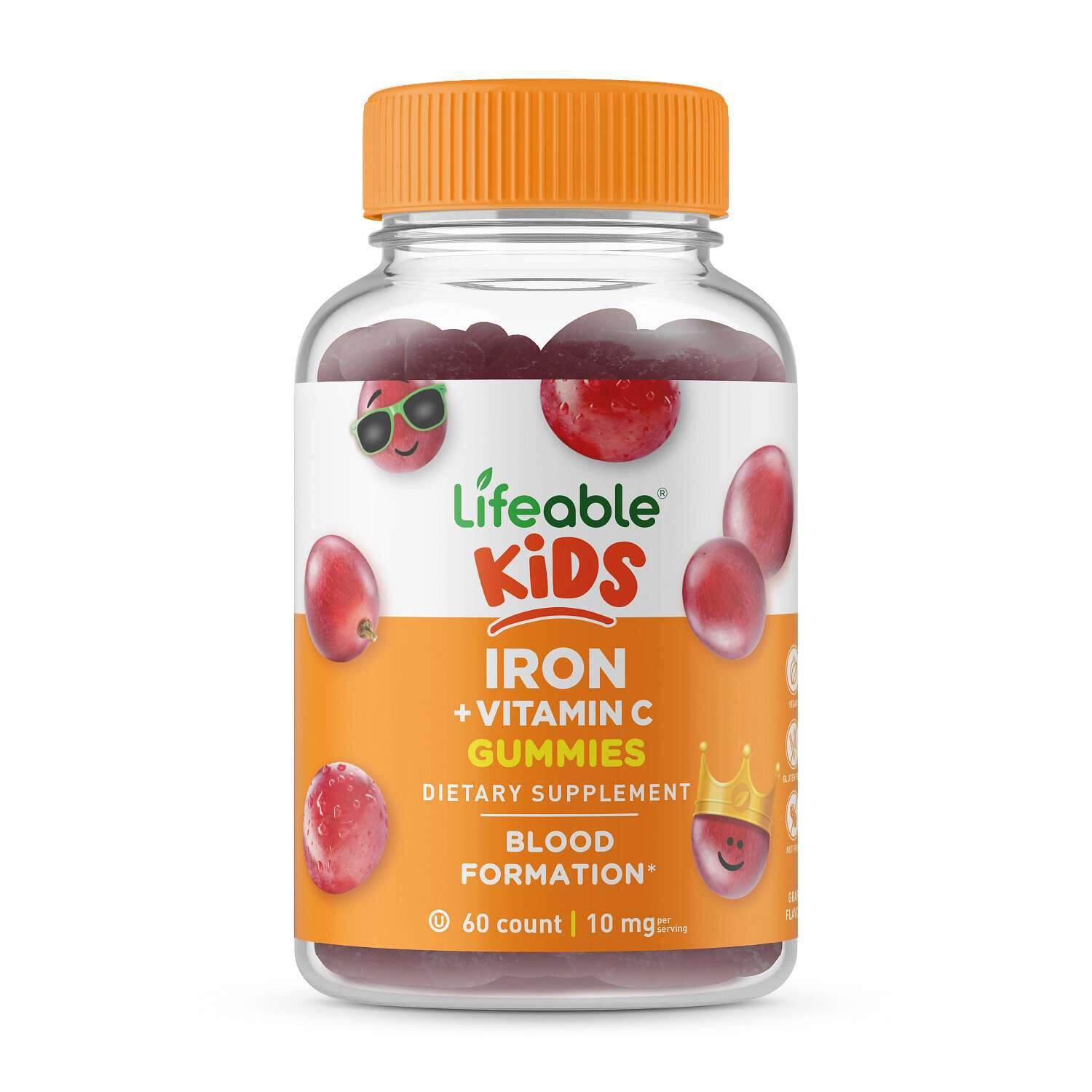
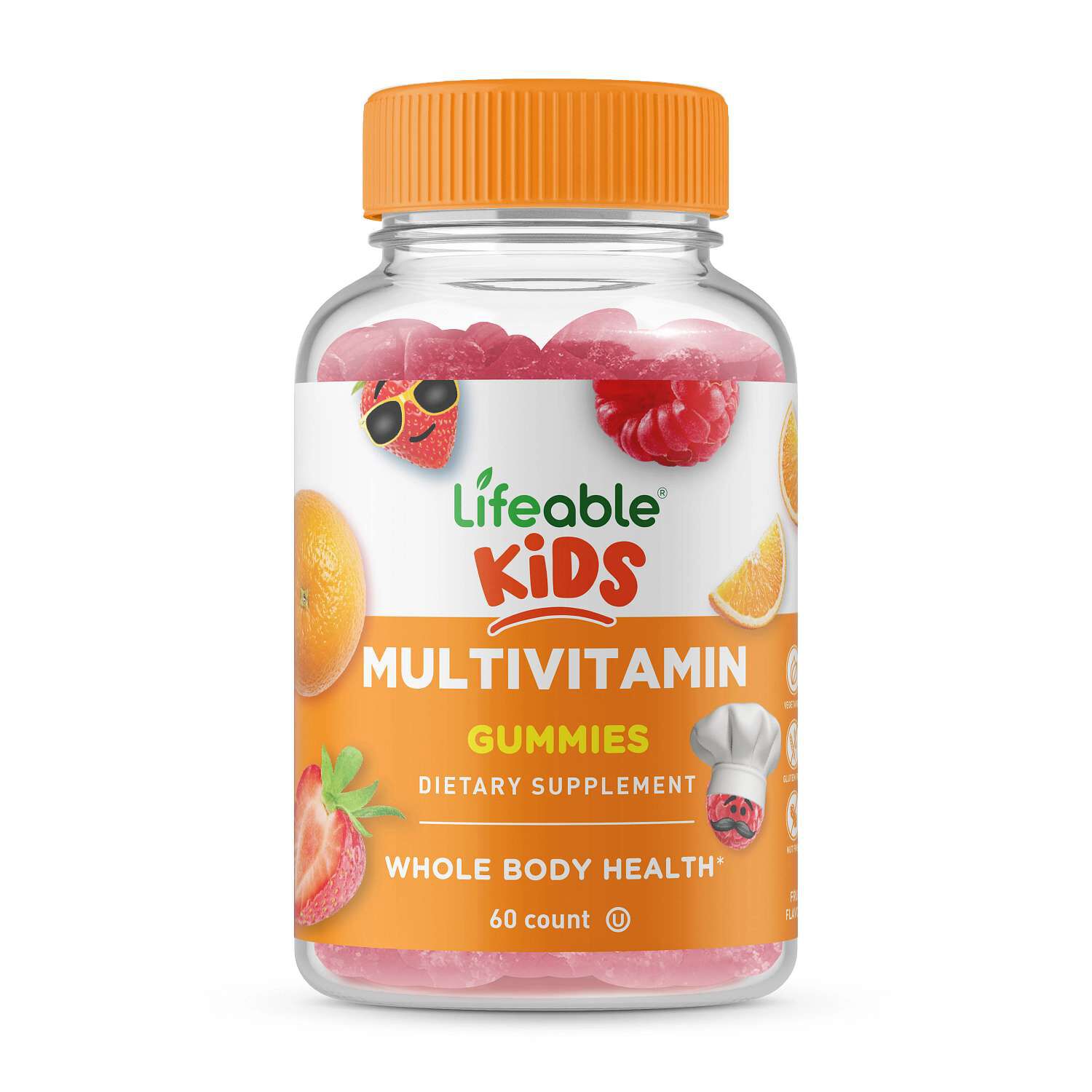
Back-to-school vitamin C supplements for children bring a familiar nutrient into formats designed with younger age groups in mind. Vitamin C is a water-soluble vitamin naturally present in foods such as oranges, strawberries, kiwi, broccoli, and bell peppers. Supplements offer another source of the nutrient and may complement a varied eating routine, rather than replace meals and snacks. For families comparing children’s options, the most useful distinctions often appear on the package: the intended age range, the amount of vitamin C per serving, the number of pieces or measured volume in that serving, and the other ingredients in the formula. A bottle’s front label may highlight a fruit flavor or a playful shape, while the Supplement Facts panel provides a more detailed picture of its contents. That distinction matters when comparing a single-nutrient vitamin C formula with a children’s multivitamin that also contains vitamin C. The two categories have different ingredient profiles, even when their packaging looks similar. Back-to-school shopping also brings practical preferences into focus. One household may be comparing chewable textures, while another may be looking at liquids with marked measuring tools. A child’s familiarity with a flavor or format may influence which option fits the household routine, but appearance and taste alone do not establish age suitability. The labeled age range and directions remain important points of comparison. With permission slips on the counter, lunch containers waiting to be washed, and an early bus departure on the calendar, a clearly labeled format may be a practical consideration for caregivers. The goal when browsing this category is not to find the most elaborate formula or the largest number on a label. It is to understand what each type contains, whom it is intended for, and how its packaging and serving format compare with the family’s everyday preferences. Those details give the category more meaning than a flavor name or a colorful bottle alone.
Children’s vitamin C supplements come in several common formats, including gummies, chewable tablets, liquids, and tablets designed to dissolve in the mouth. Each has a different texture, ingredient list, and method of use. Gummies often have a soft, chewy consistency and may use pectin or gelatin as part of their structure. Chewable tablets are generally firmer, with textures that vary from smooth to slightly grainy. Dissolving tablets have their own labeled directions and are distinct from tablets intended to be swallowed whole. Liquid formulas are measured by volume and may come with a dropper, cup, or another measuring device. Some liquid labels include mixing directions, while others describe a different method of use; the package provides the relevant details for that formula. Flavor names can also tell only part of the story. An orange-flavored chewable, a berry gummy, and a citrus liquid may differ in sweetness, texture, color ingredients, and the source of their flavoring. Families with dietary preferences often compare gelatin and pectin, added sugars, sweeteners, and statements about ingredients such as milk, soy, or wheat. A fruit flavor does not necessarily mean that the formula contains a meaningful portion of fruit, just as a colorful shape does not explain its vitamin content. The Supplement Facts panel and ingredient list provide separate, useful information. Serving descriptions deserve a close look as well: one serving might consist of more than one piece, and a liquid serving is expressed differently from a tablet serving. Amounts are best understood alongside the serving description, not by comparing the size of the bottle or the size of an individual gummy. Packaging details round out that comparison. A clearly printed label, readable measuring marks, and a closure suited to adult handling are practical features to consider. These ordinary details may matter more in daily use than a decorative jar or an especially vivid flavor description.
The back-to-school theme extends beyond the first morning with a new backpack. School routines continue through changing class schedules, after-school activities, homework evenings, and weekends spent preparing for the days ahead. For children’s vitamin C supplements, intended use and storage belong in that everyday context. These are supplements, not classroom snacks, and fruit flavors or candy-like shapes do not change that distinction. Original packaging preserves the ingredient information, directions, lot details, and printed date in one place. A loose handful transferred into a lunch container loses that context and can be difficult to distinguish from food. Storage directions also vary by formula, so the label is the reference for conditions such as moisture, light, and temperature. A steamy bathroom, an open kitchen shelf beside cooking equipment, or a bag left in a vehicle may not match those directions. The condition of the closure and any protective seal are additional packaging details worth noting. For households with more than one caregiver, keeping the labeled container and its measuring tool together may make product information easier to reference. Families with children in different age groups may also notice that similarly flavored formulas carry different age statements and serving descriptions. School, preschool, and daycare settings have their own rules concerning supplements and what children may bring from home; those policies are separate from the directions printed on a bottle. For a related age-group focus, Kids Vitamin C Supplements For Daycare offers another way to browse this category. Across these settings, thoughtful comparison centers on straightforward details: a format intended for the child’s labeled age group, clearly described contents, recognizable serving information, and packaging that preserves those instructions. Whether the household routine revolves around breakfast at the kitchen table or an early departure for school, those practical distinctions may help families compare children’s vitamin C supplements with greater clarity.

 Chewable Tablets_Front.jpg?sw=305&sh=305&sm=fit "ChildCalm - 60 Chewable Tablets (30 Servings) | GNC")