





Vitamin C D3 Zinc For Back To School
(0 Results)
Vitamin C, D3, and zinc for back to school may be a smart addition to your family’s daily routine as the busy season begins. With new schedules, activities, and classroom environments, many parents look for ways to support their children’s wellness. Explore options that feature vitamin C, D3, and zinc for back to school and discover a variety of choices designed to fit different preferences and needs.
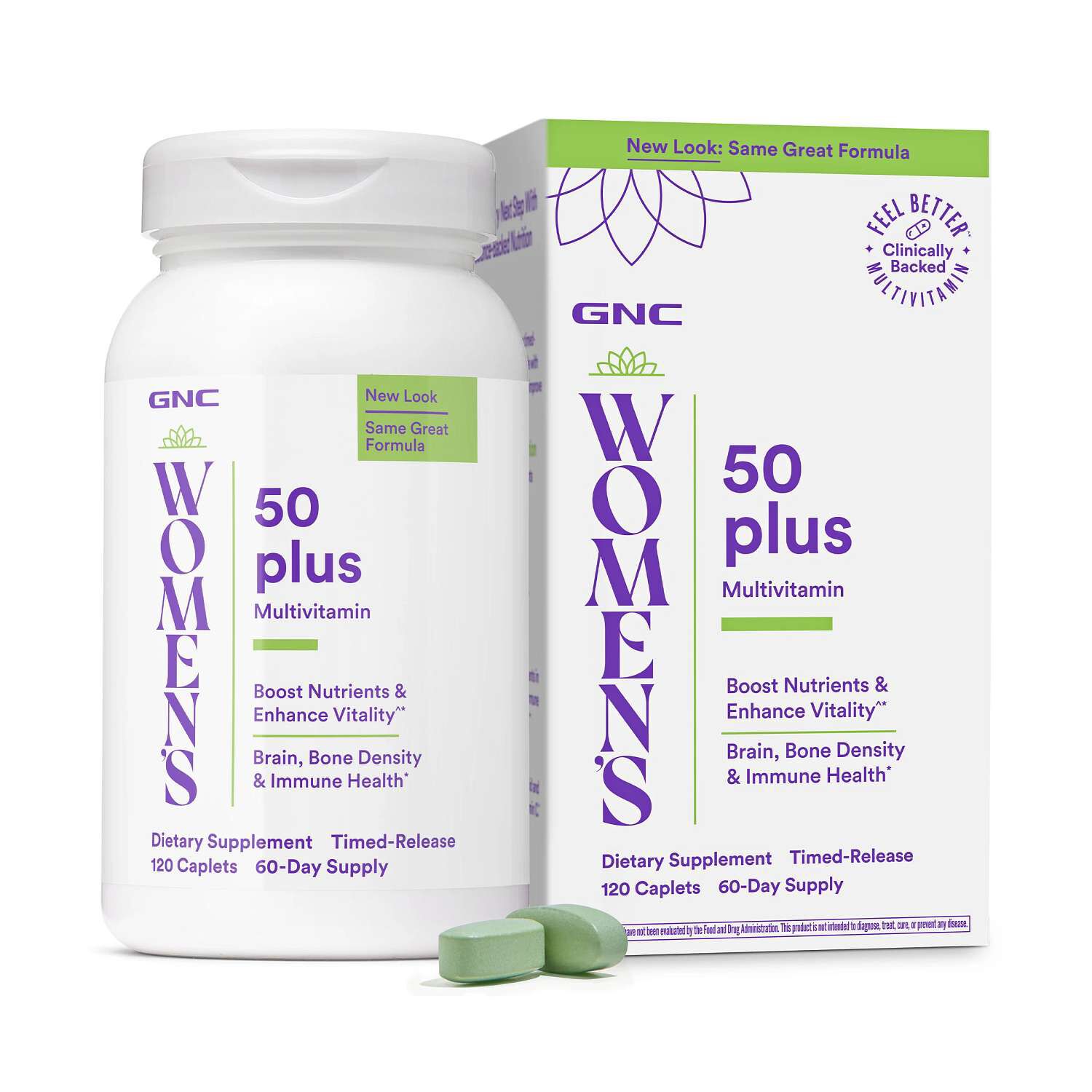
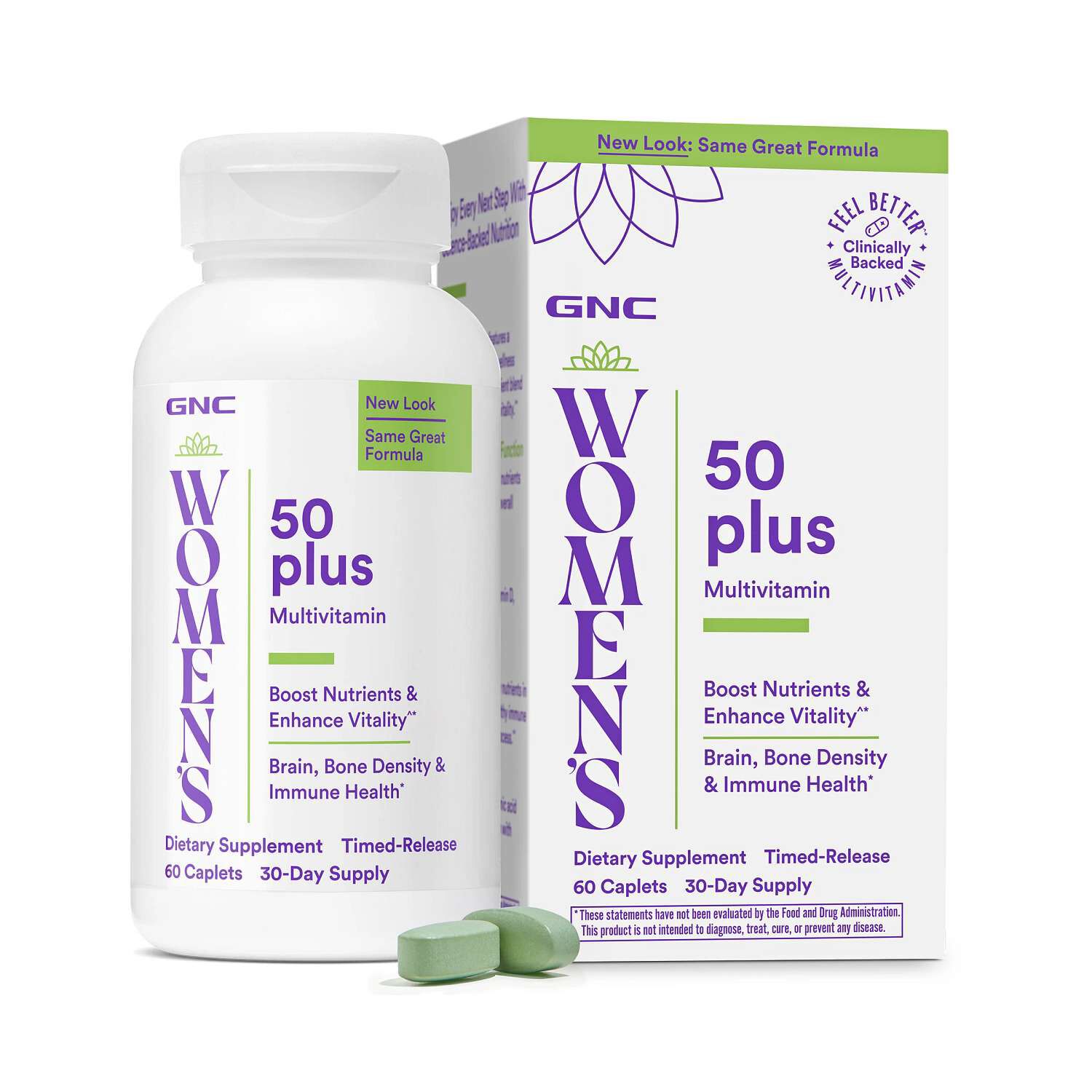
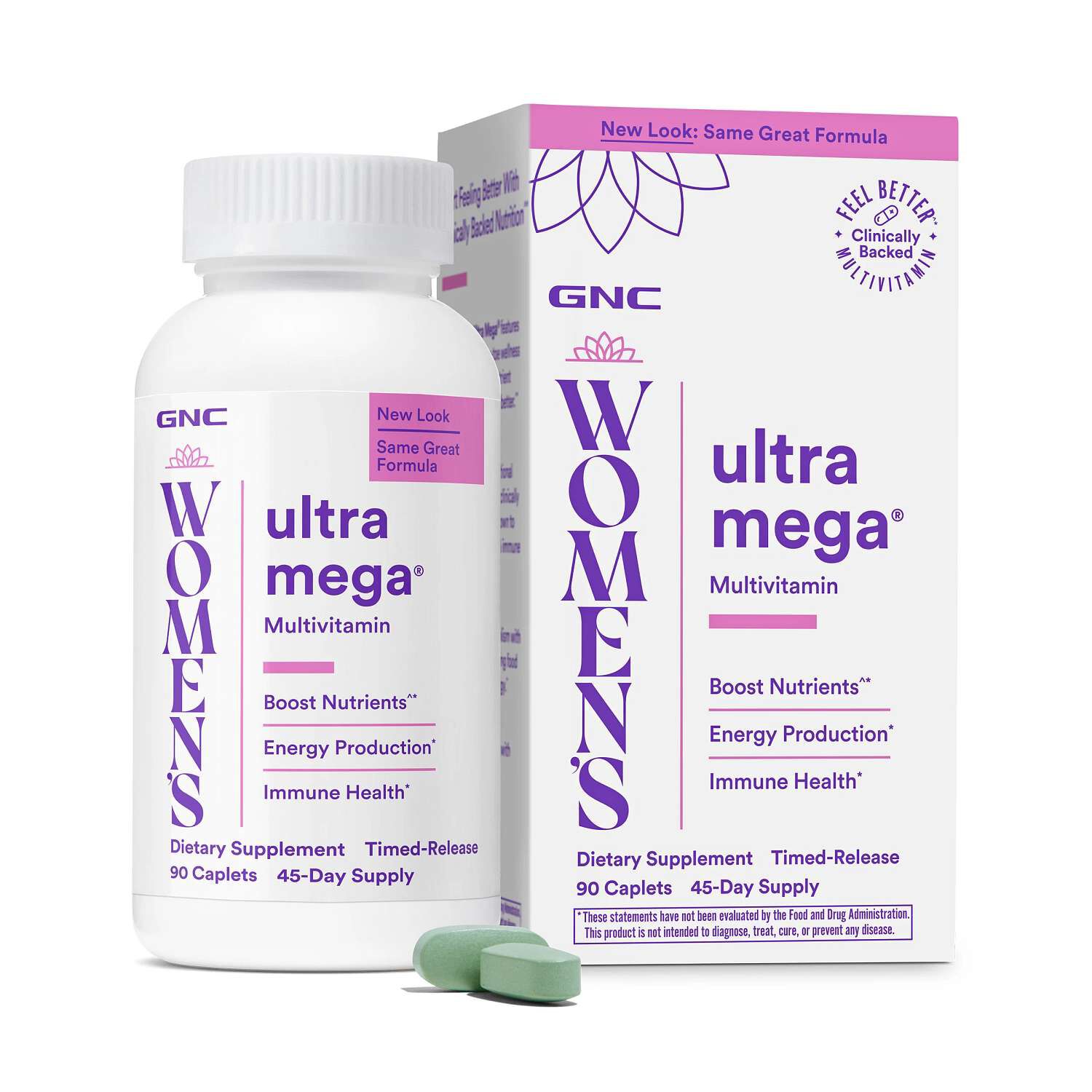
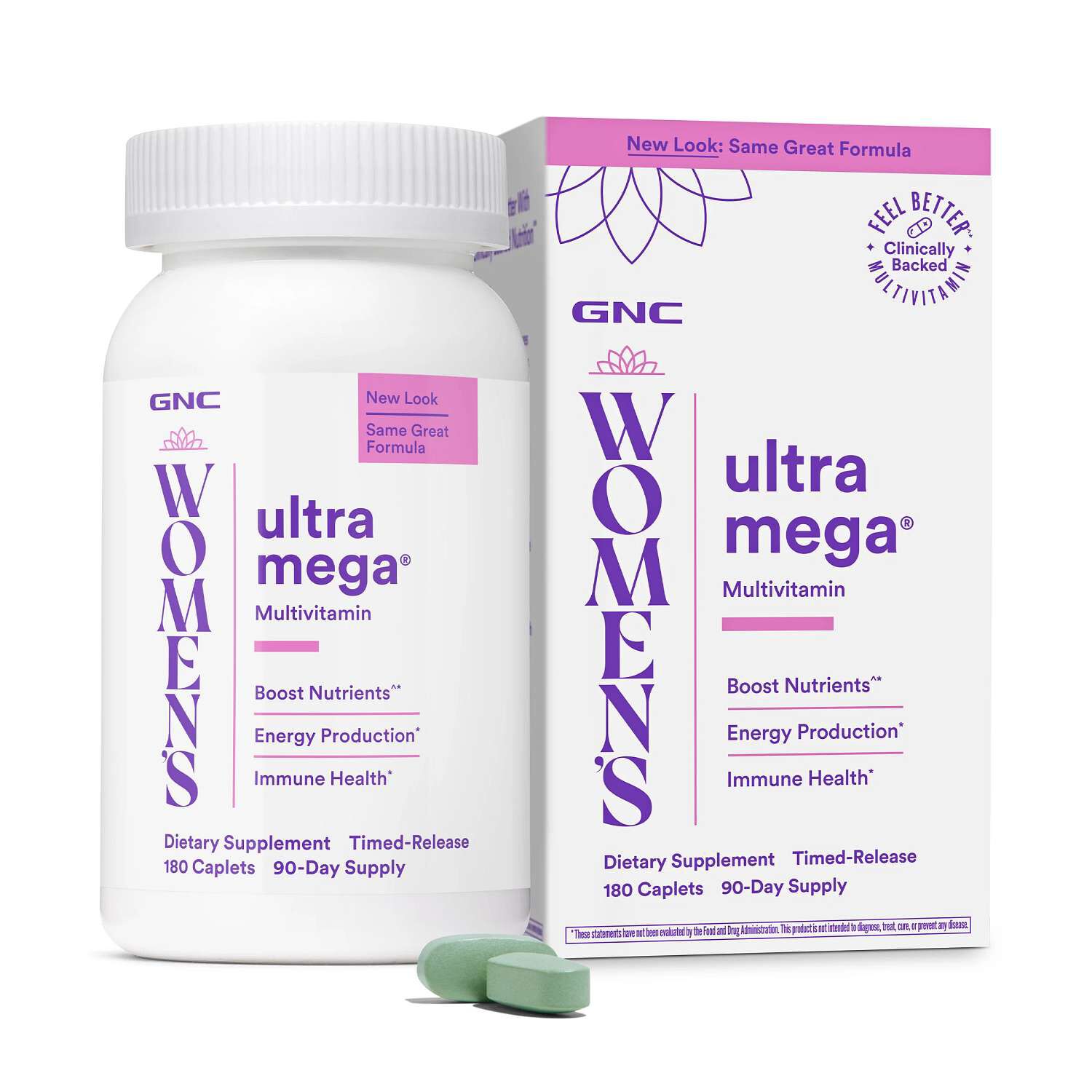

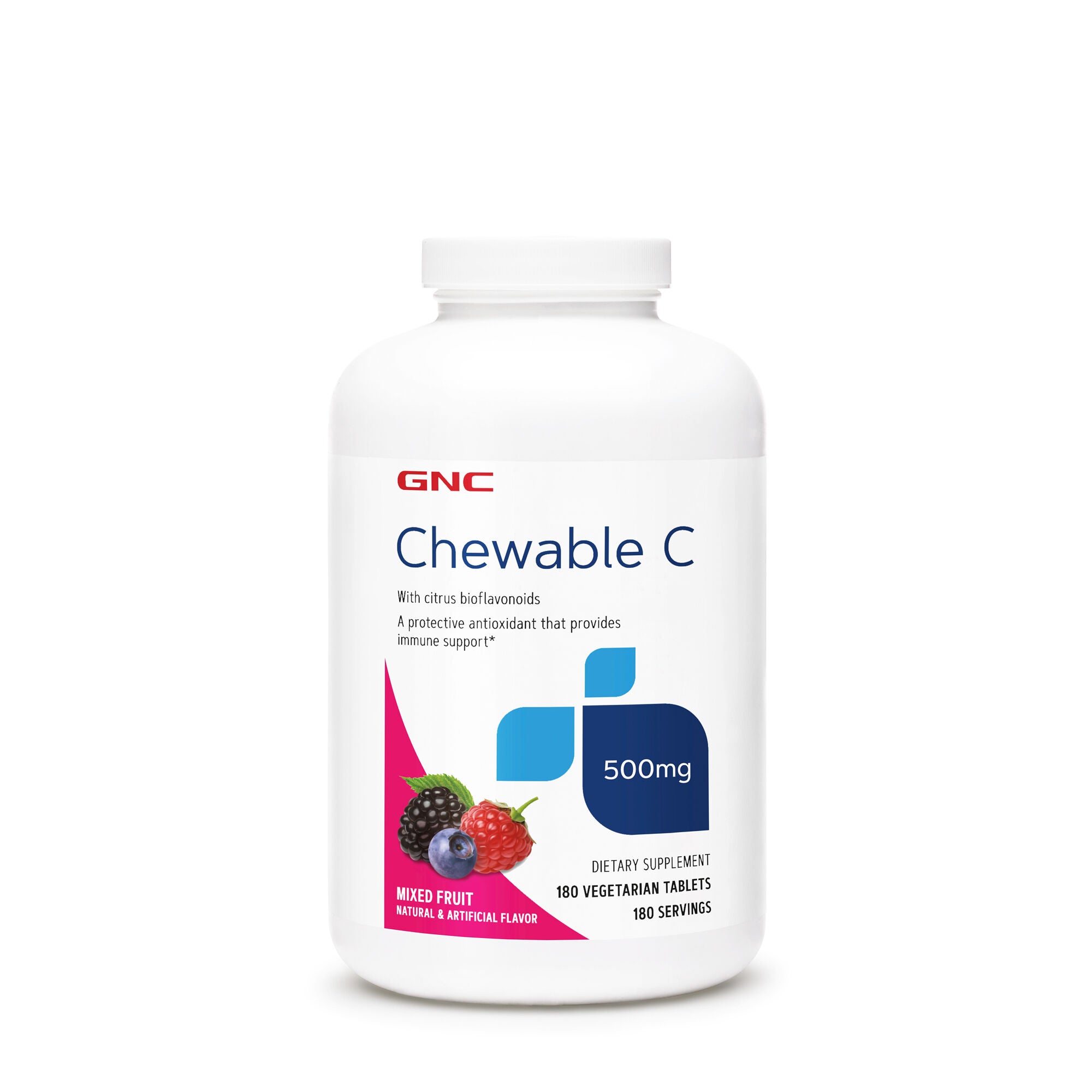
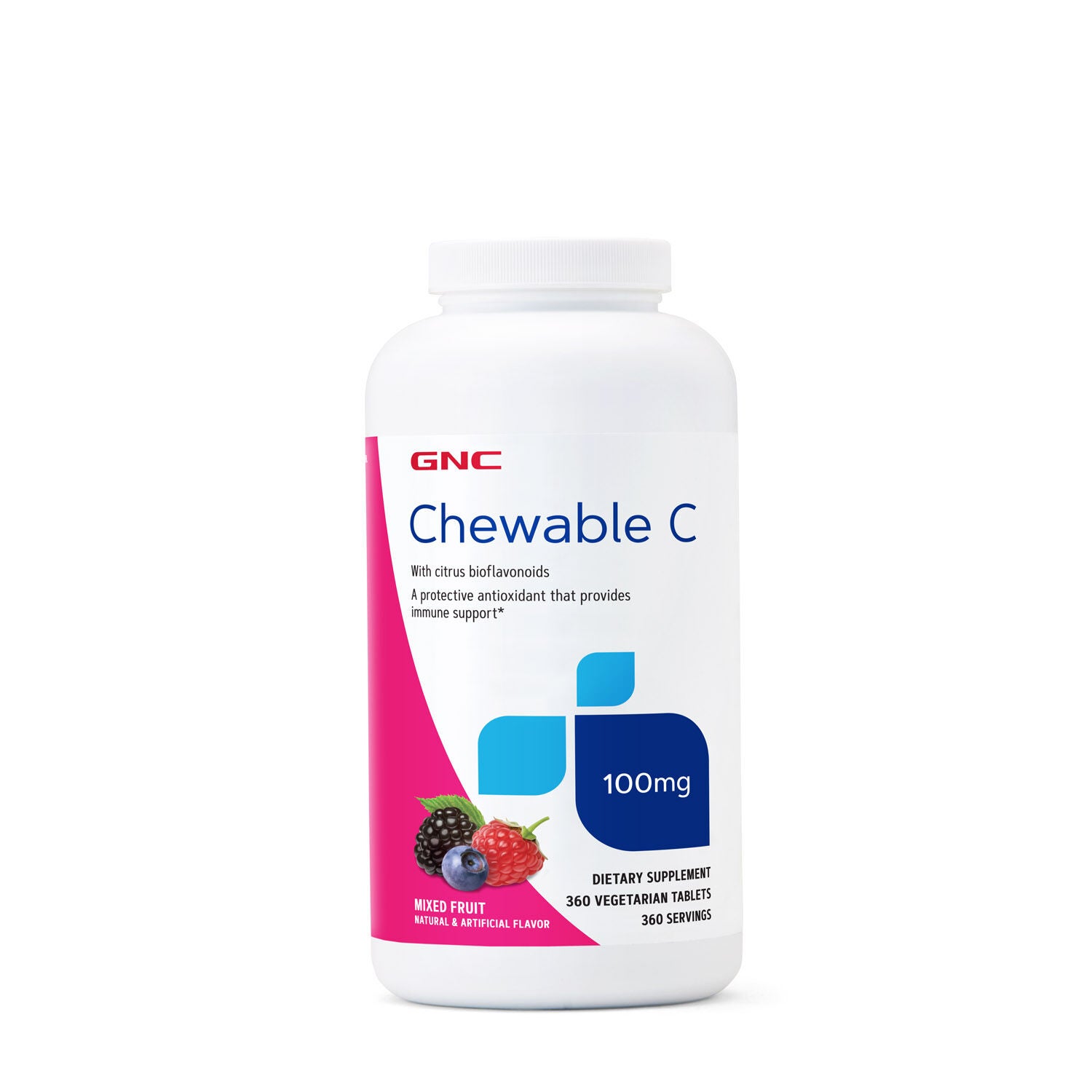


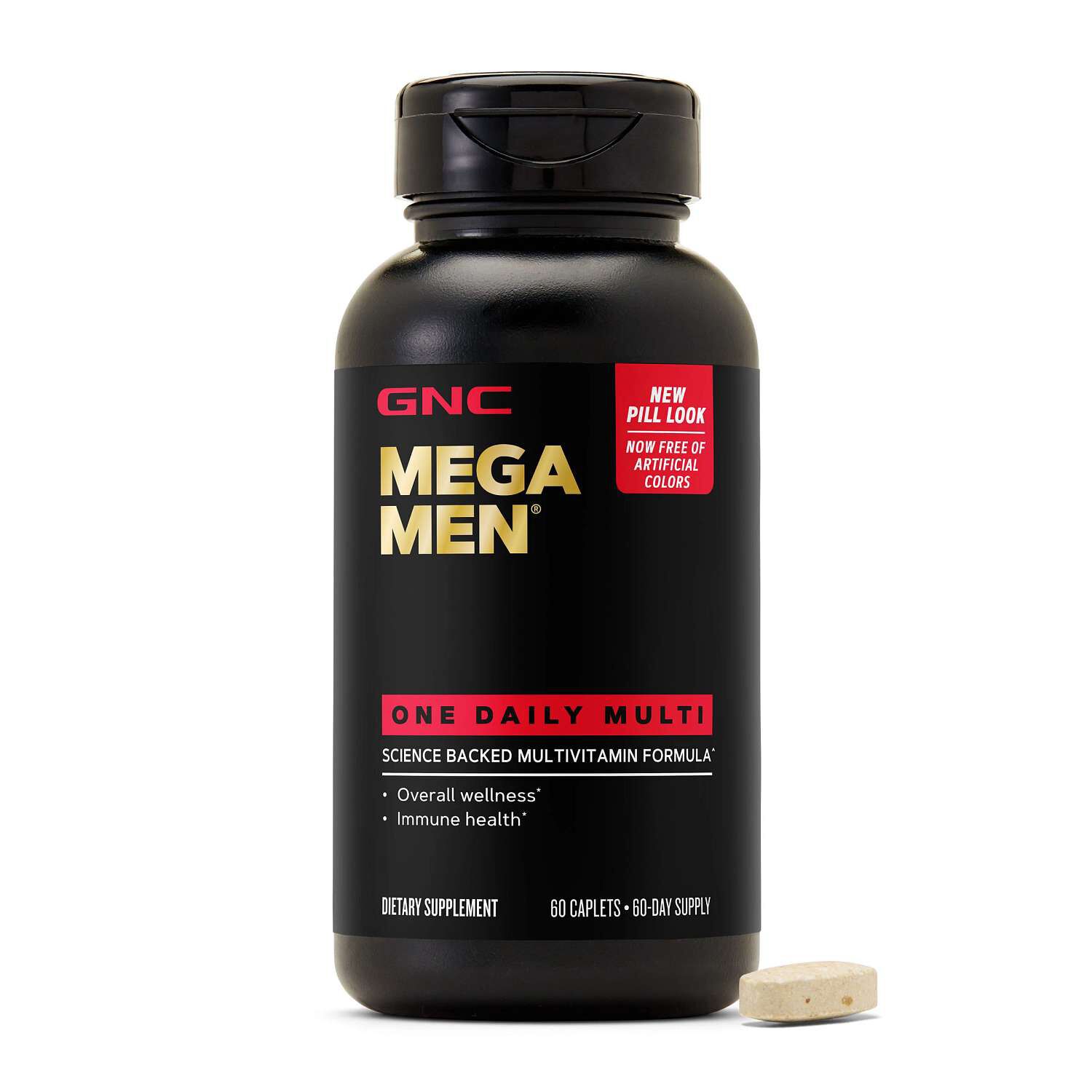



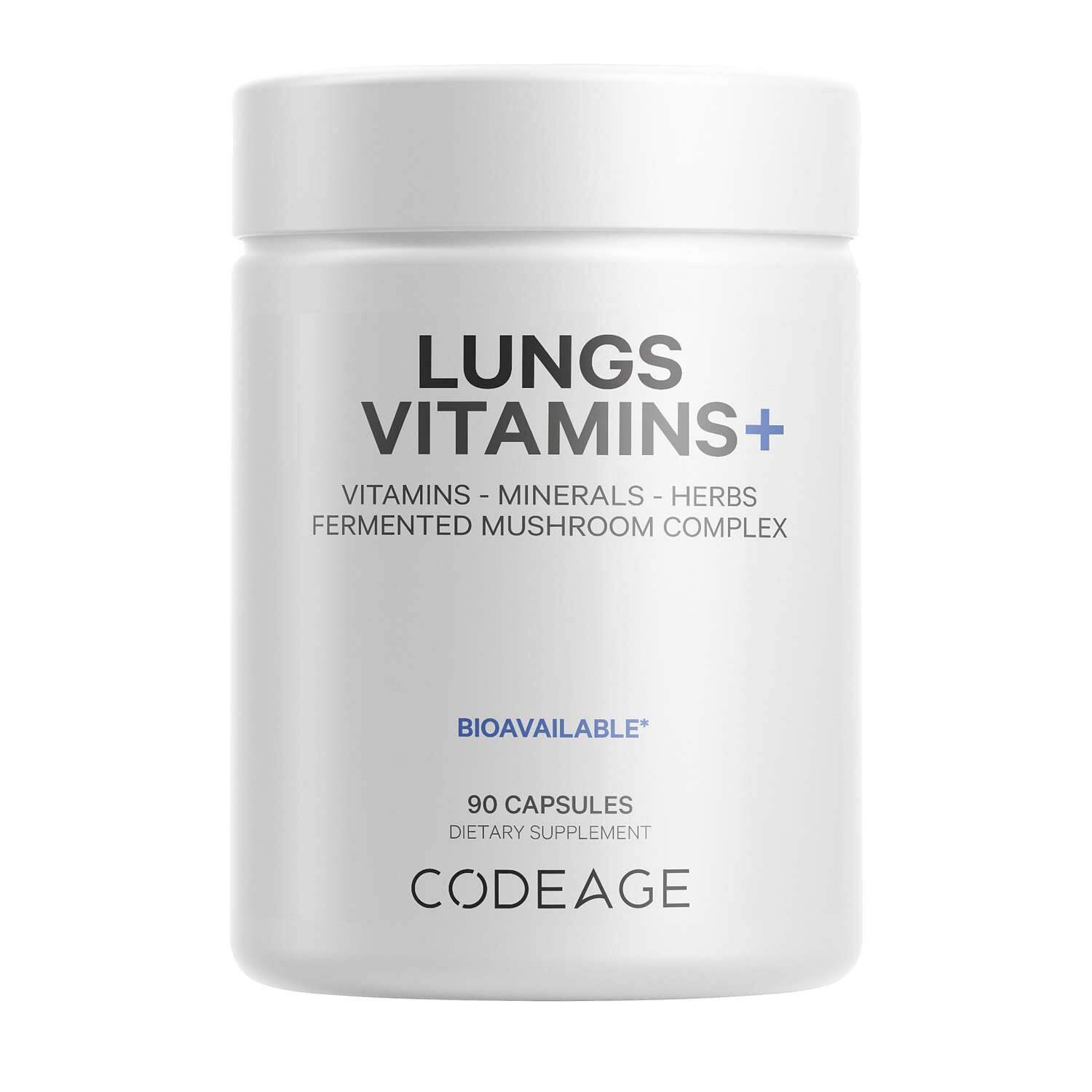
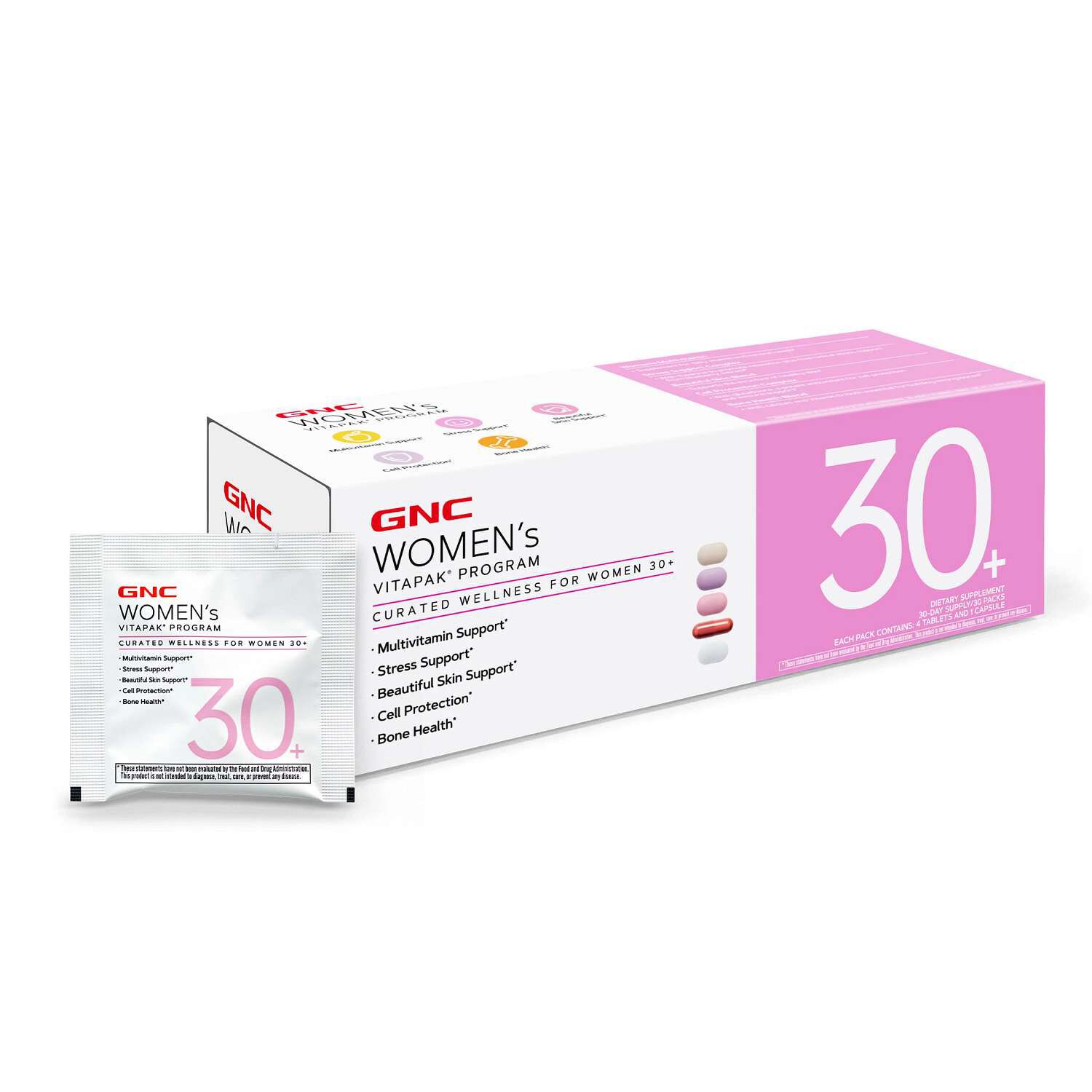
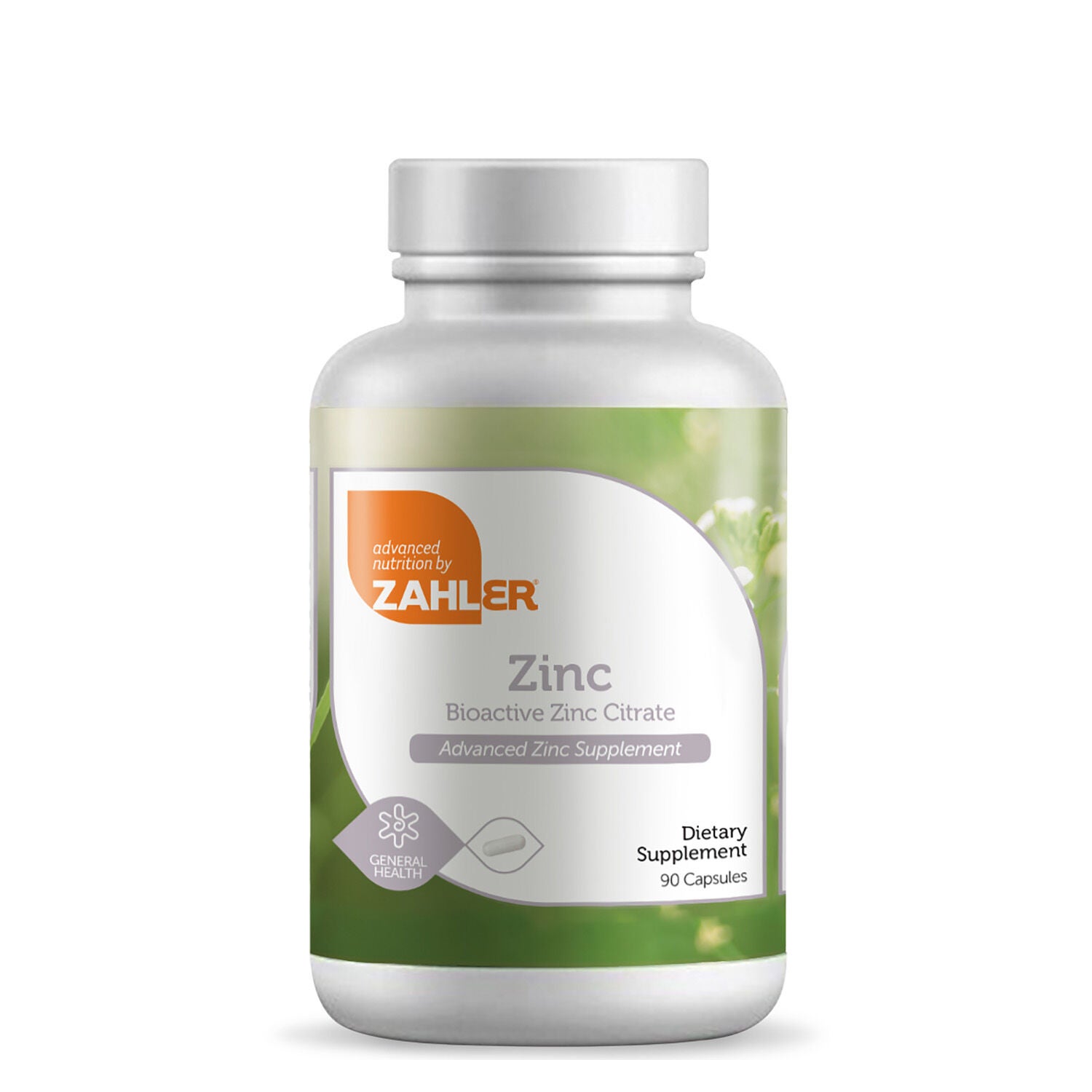

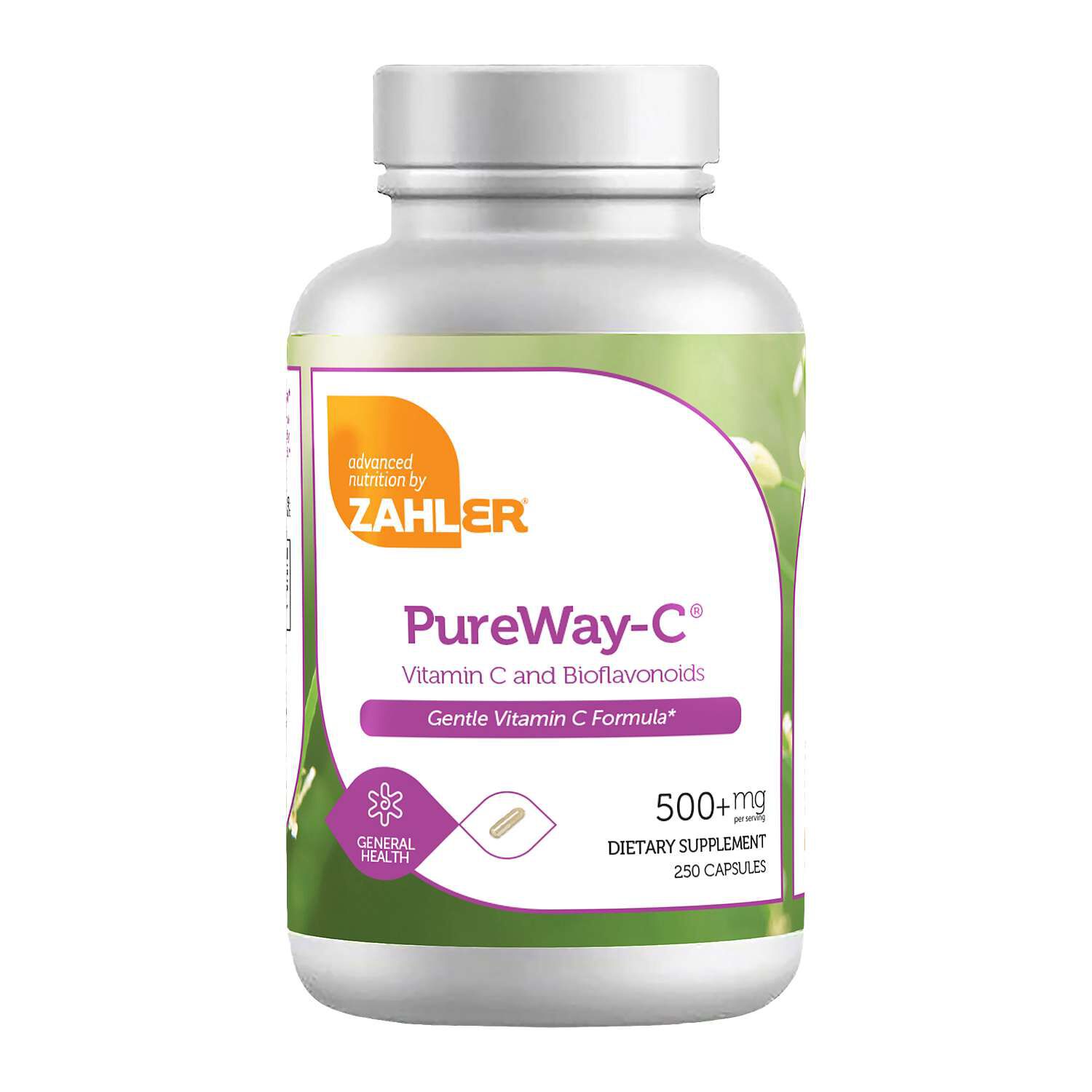


Vitamin C, vitamin D3, and zinc supplements may complement everyday nutrition as students and families settle into back-to-school routines. Between packing lunches, finding the right classroom, and getting out the door before the first bell, a school day often has a rhythm very different from a day at home. This collection brings together supplements centered on these three nutrients, with formats suited to different preferences and labeled age groups. Vitamin C, D3, and zinc may appear together in one formula or separately, and those arrangements can make a difference when comparing serving sizes, ingredient lists, and the number of containers involved in a daily routine. Vitamin C is a vitamin found in foods such as citrus fruit, strawberries, and bell peppers. Vitamin D3 is one form of vitamin D used in supplements, and zinc is a mineral also found in foods such as meat, beans, and nuts. Supplements are distinct from those foods: they provide measured amounts of selected nutrients rather than the variety of components found in a meal. A lunch with colorful produce, a protein source, and other familiar foods remains a different part of everyday nutrition than a tablet or chewable. For back-to-school shopping, the most useful comparisons often begin with the intended user. A parent choosing for a younger student, a teenager with a busy extracurricular schedule, and an adult returning to college may be looking at different age designations and serving formats. Children’s and adult formulas are not interchangeable simply because the nutrient names match. The labeled age range, amount per serving, and serving directions provide context for understanding each formula. Those details also distinguish a combination supplement from a broader multivitamin that includes vitamin C, vitamin D3, or zinc among many other ingredients. Familiar names on the front of a package are a starting point; the information elsewhere on the label gives a clearer picture of what the formula contains.
Format is another meaningful part of choosing vitamin C, D3, and zinc for back-to-school use. Tablets and capsules have a different texture and size from gummies, chewables, powders, or liquids, and personal preferences can be quite specific. Someone who prefers a capsule may value a format without a flavored chewing experience, while another shopper may be more comfortable with a chewable that fits the product’s labeled age range. Gummies introduce considerations such as flavor, texture, and sugar content; a fruit flavor alone does not describe the amount of sugar in a serving. Liquid and powder formats have their own measuring directions and packaging needs, which can matter in a shared household or a compact dorm room. A serving may consist of more than one tablet, capsule, or gummy, so the number of pieces in the container is not necessarily the number of servings. Ingredient materials also vary. Capsule shells may use gelatin or plant-derived materials, while chewable formats may contain sweeteners, colors, flavorings, or ingredients that create their texture. Vegetarian and vegan preferences therefore involve more than checking the names of the featured nutrients. Vitamin D3 sourcing can vary, and the capsule or gummy ingredients may be relevant to the same dietary preference. Allergen statements and ingredient lists offer additional context for households that pay attention to ingredients such as milk, soy, or wheat. Nutrient names can look different on labels, too: vitamin C may be listed as ascorbic acid, and vitamin D3 as cholecalciferol. Zinc may be paired with another ingredient in the form named on the label. These details help describe the formula rather than establish that one format is the right choice for everyone. A pleasant flavor, an appropriate labeled age range, a manageable serving format, and compatibility with household preferences are separate considerations, each worth comparing on its own.
The way supplements fit into school life extends beyond their ingredients. A household with several students may need clear distinctions between containers intended for different age groups, while an adult student sharing a small living space may care more about bottle dimensions, closure style, and having a consistent place for personal belongings. Storage directions are an important part of understanding the packaging: some formats have different requirements after opening, and a liquid container may involve different handling than a bottle of tablets. Original packaging keeps serving information, ingredient details, and expiration dates connected to the contents. For families, secure storage separate from snacks helps maintain the distinction between supplements and food, especially when a chewable has a familiar fruit flavor. A container that travels between home and another setting also needs a closure that stays firmly shut and packaging that protects its contents under the stated storage conditions. School policies may affect whether supplements belong in a student’s bag at all, so a back-to-school routine does not necessarily mean carrying them into the classroom. Intended use matters just as much as convenience: these are nutrition products, not substitutes for meals, rest, or the other parts of a balanced school-day routine. Their effects may vary, and a combination of three familiar nutrients does not establish that a formula is suitable for every student. For shoppers exploring another focus for these nutrients, Vitamin C D3 Zinc For Antioxidant Support brings together a related selection for comparison. Whether shopping for a younger student’s household, a teen preparing for a new semester, or an adult balancing coursework with work and family responsibilities, the practical details remain personal. The clearest match is based on the labeled user, serving information, ingredient preferences, and packaging requirements—not simply the familiarity of the nutrient names. Those distinctions make this collection relevant to the everyday logistics of returning to school, from a crowded kitchen counter before breakfast to a carefully organized shelf in a dorm room.

