





BCAA Powders With Tropical Flavors
(0 Results)
BCaa powders with tropical flavors could offer a refreshing way to support your fitness routine. From tangy pineapple to exotic mango blends, these flavorful options may make it easier to enjoy your supplement regimen. Explore a variety of bcaa powders with tropical flavors that might fit seamlessly into your daily routine and add a burst of taste to your hydration.
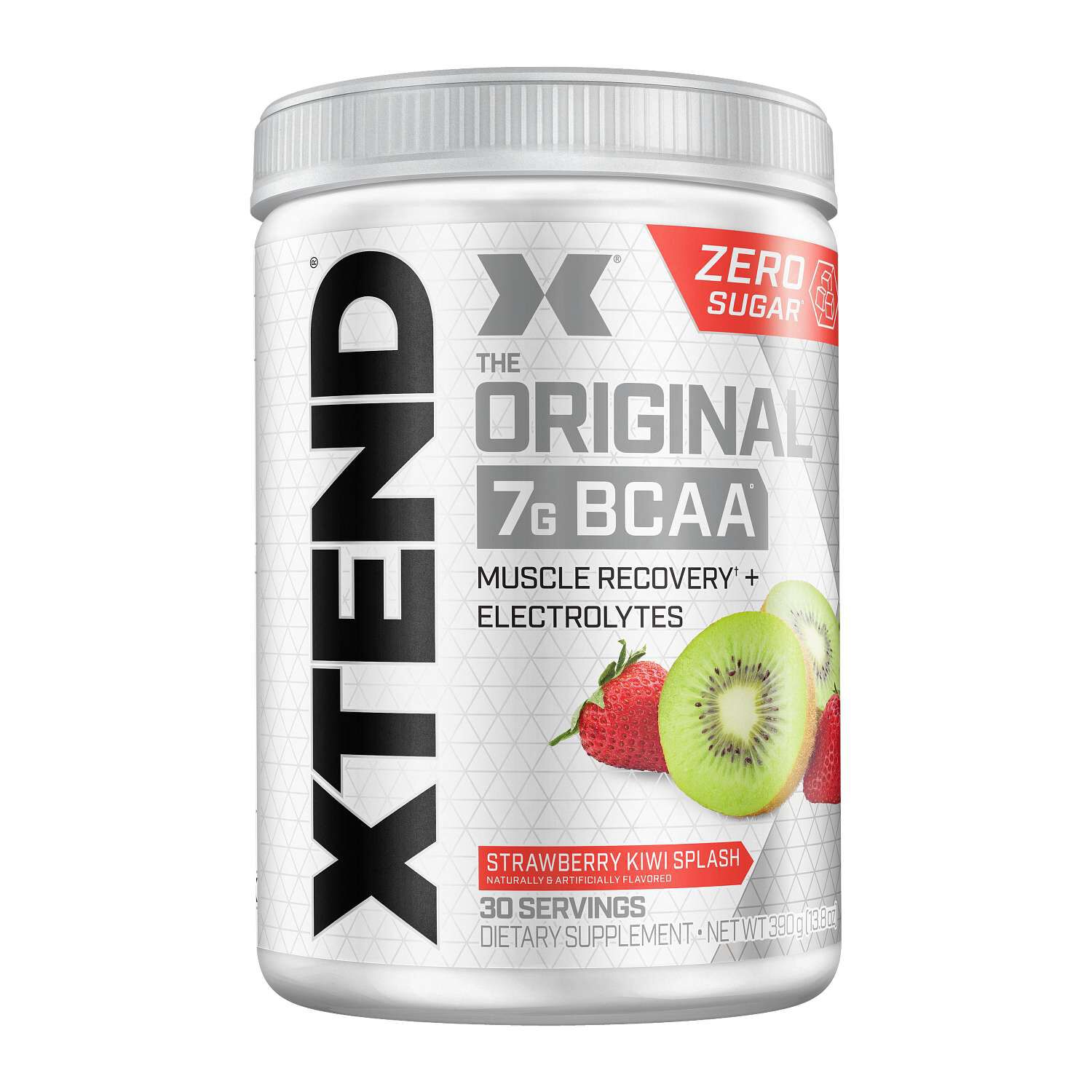
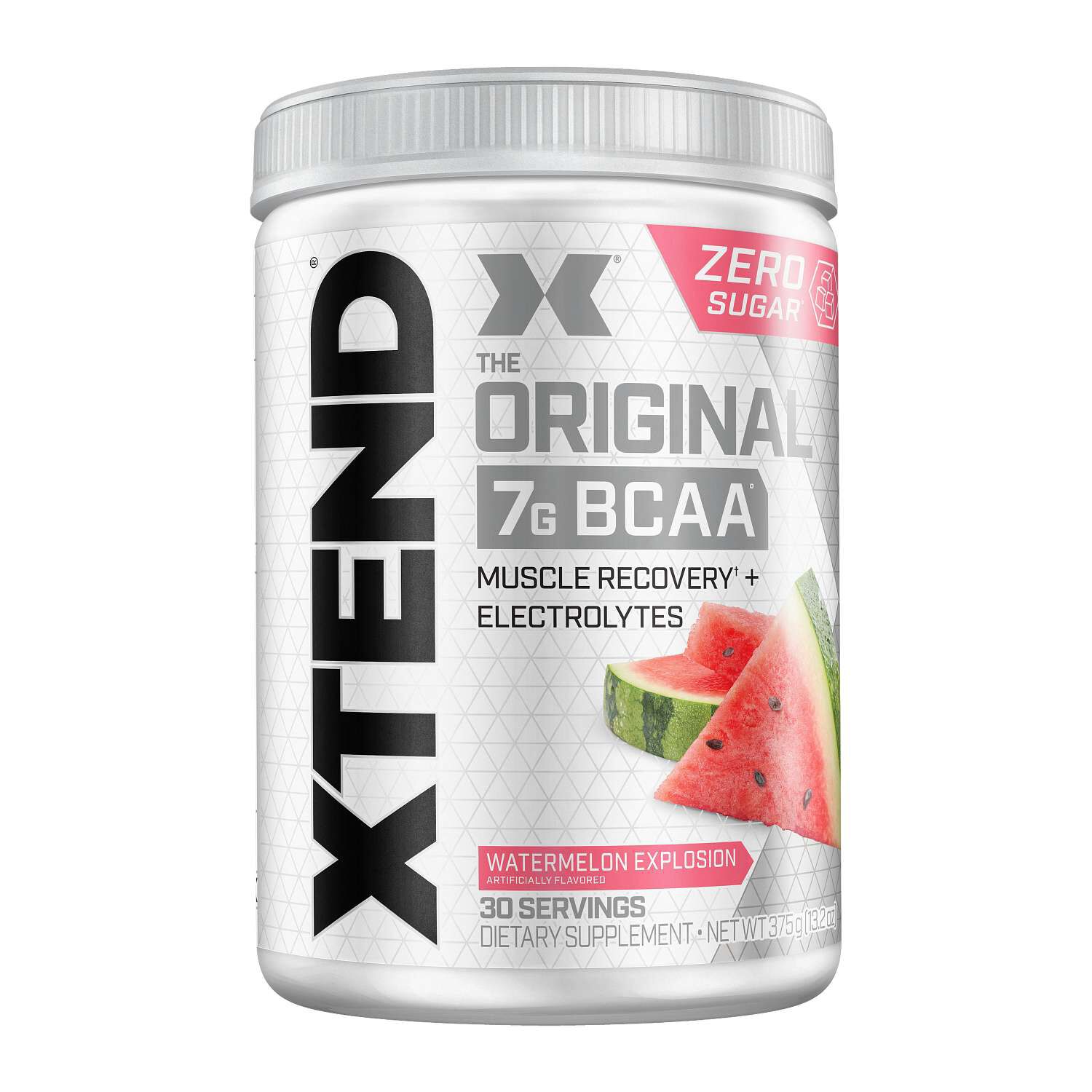
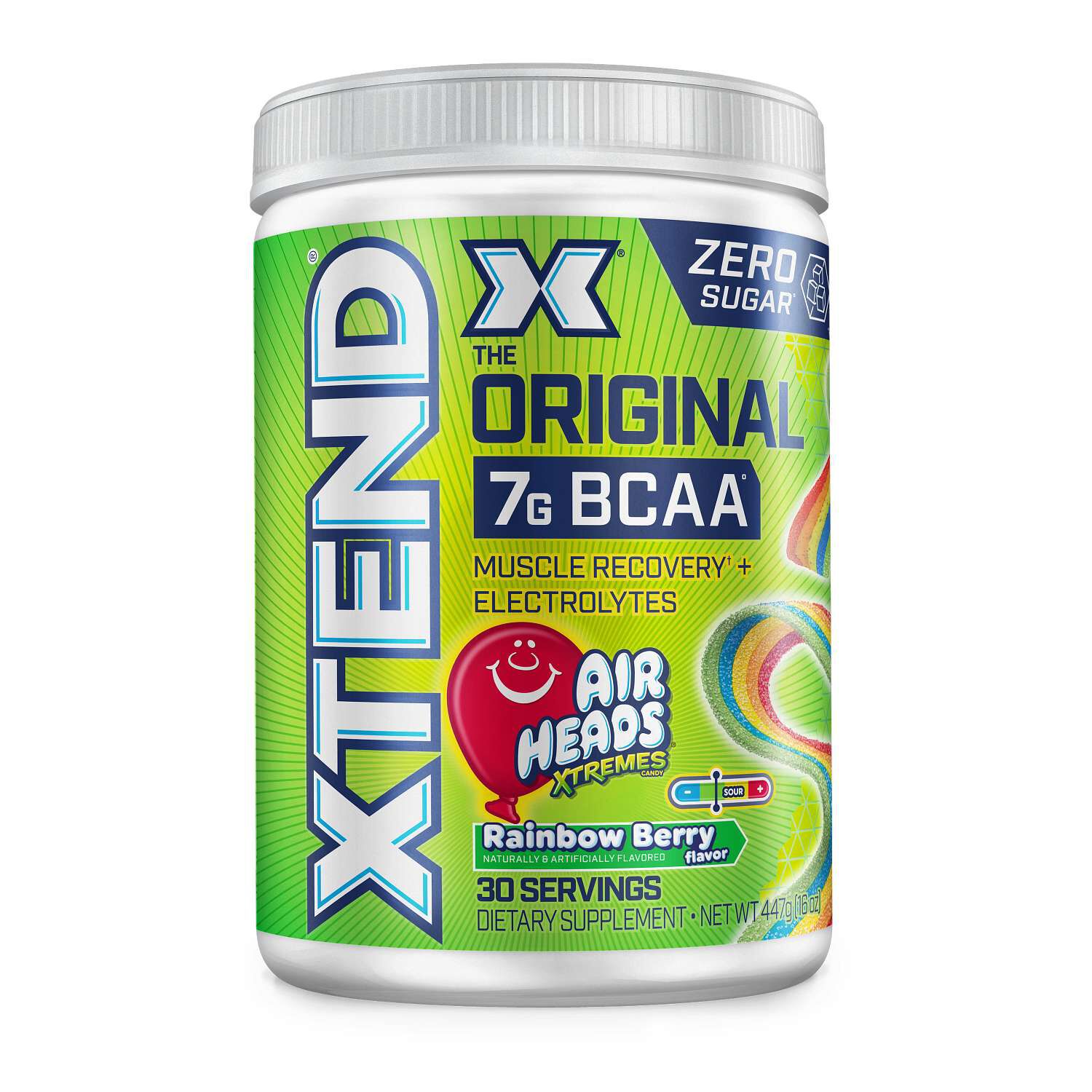

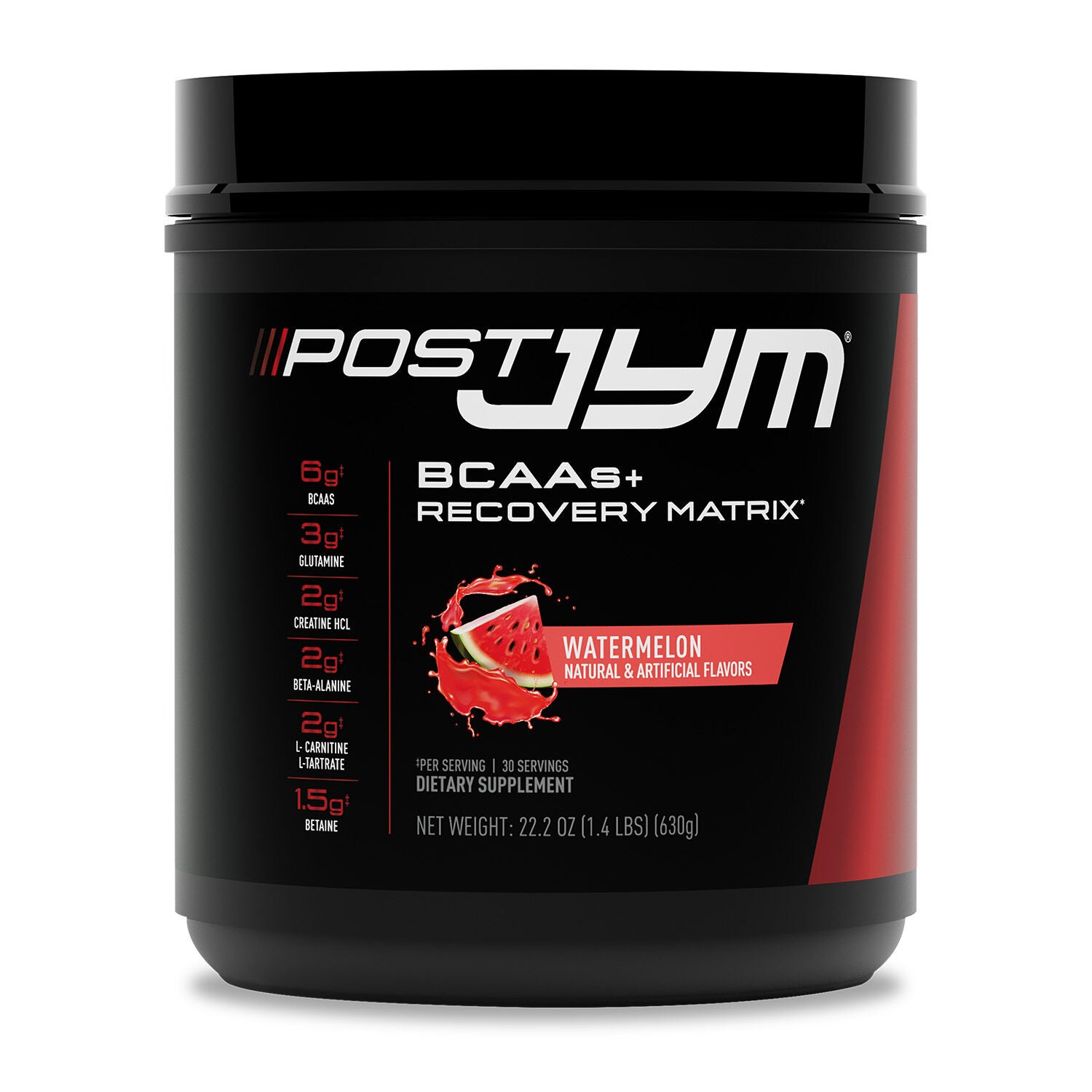
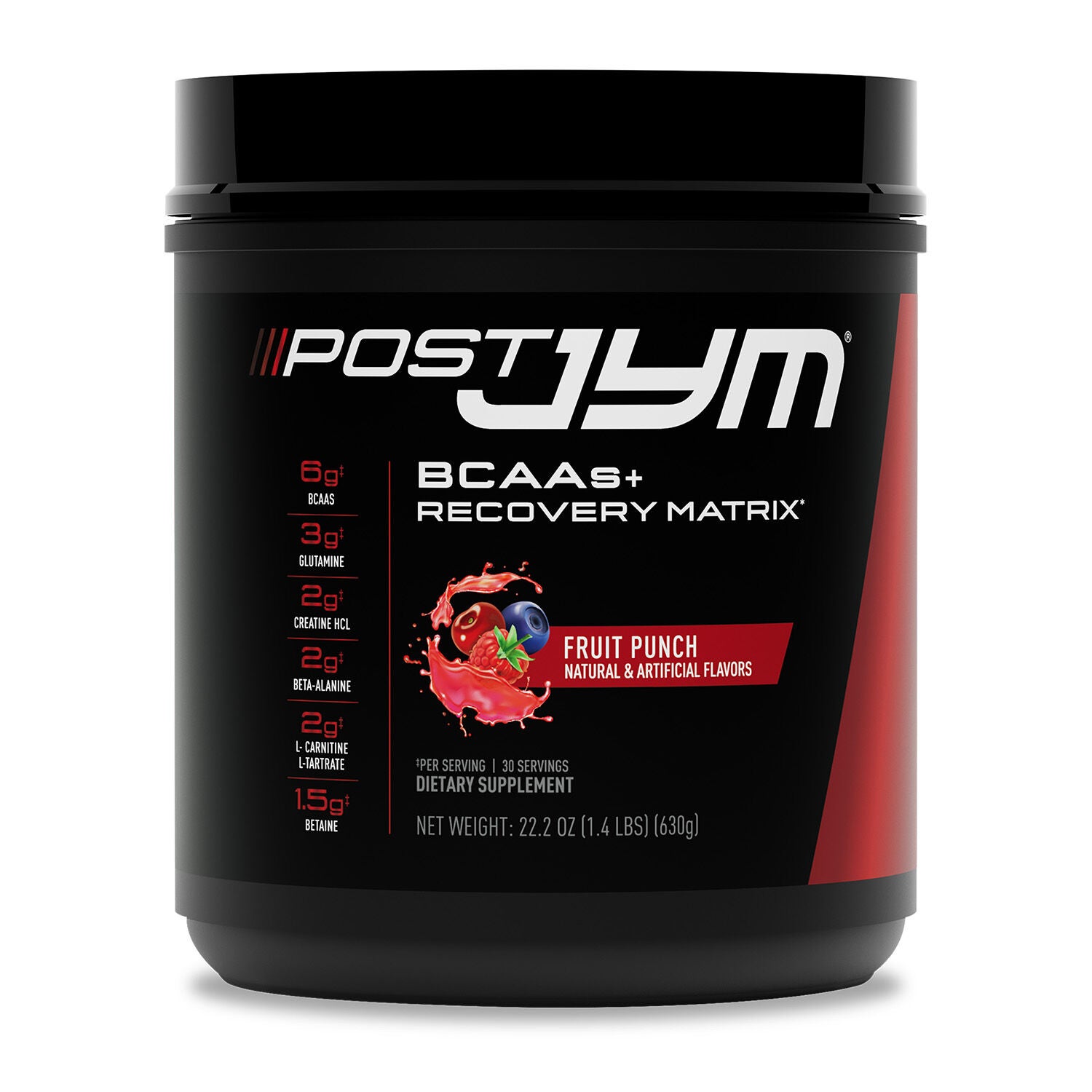
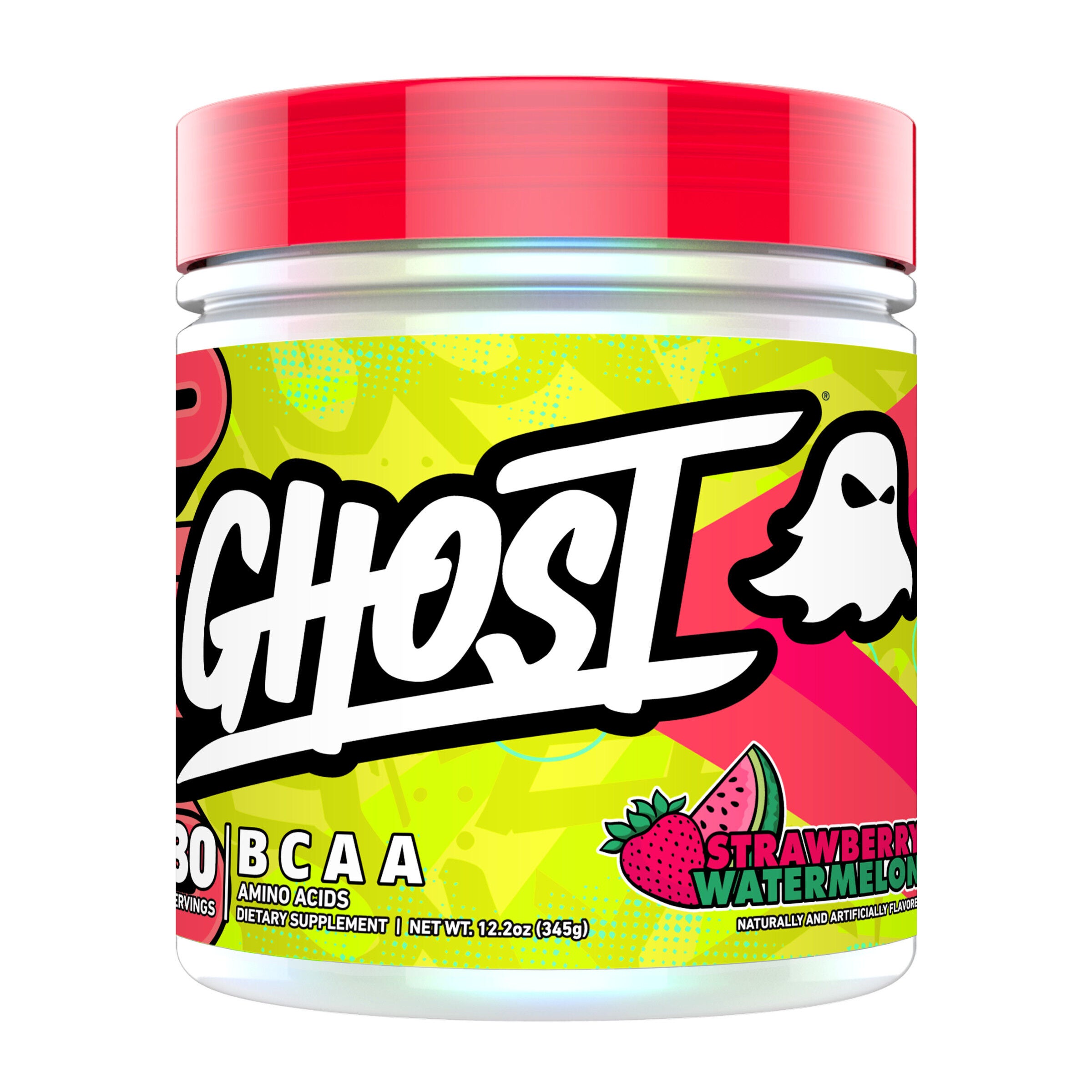


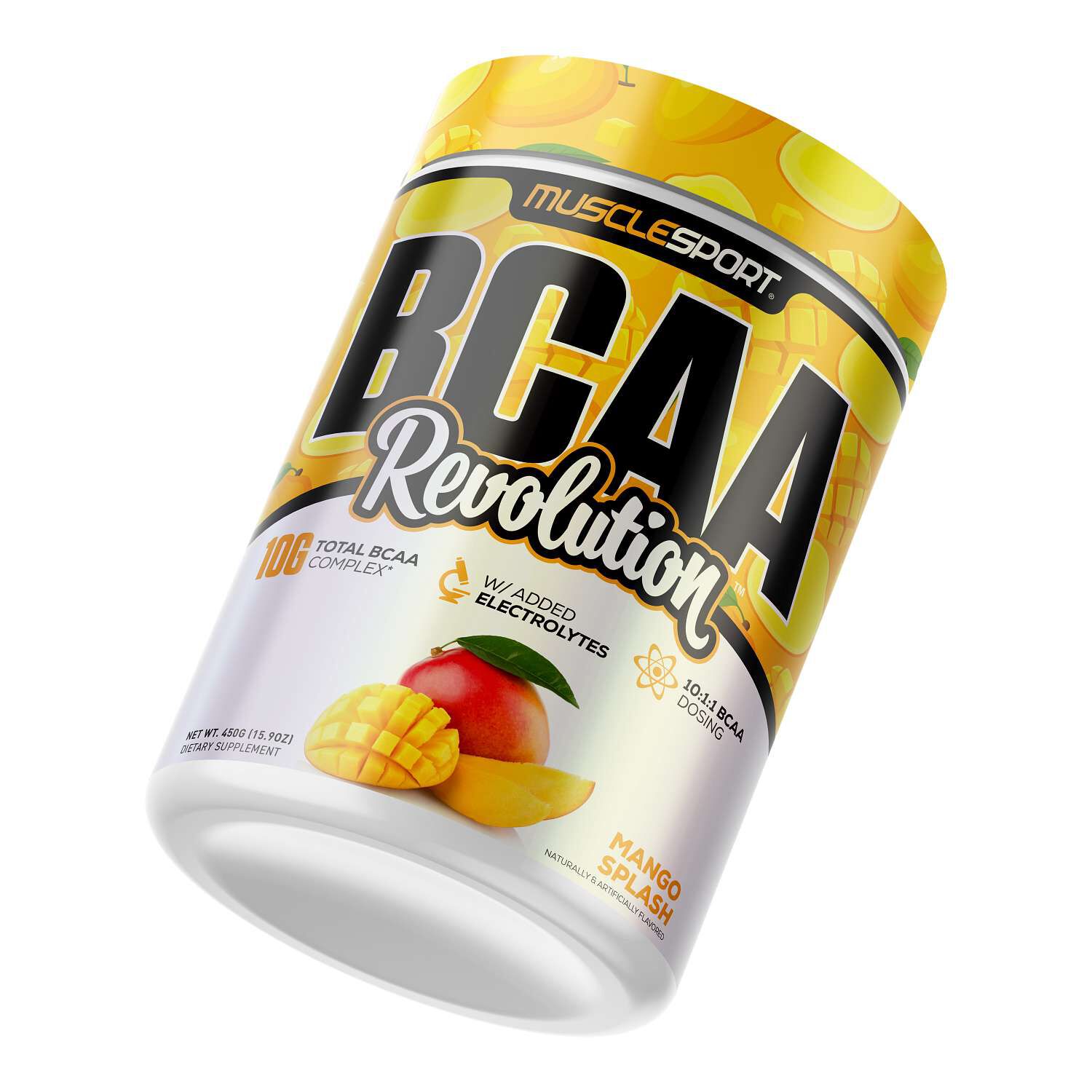


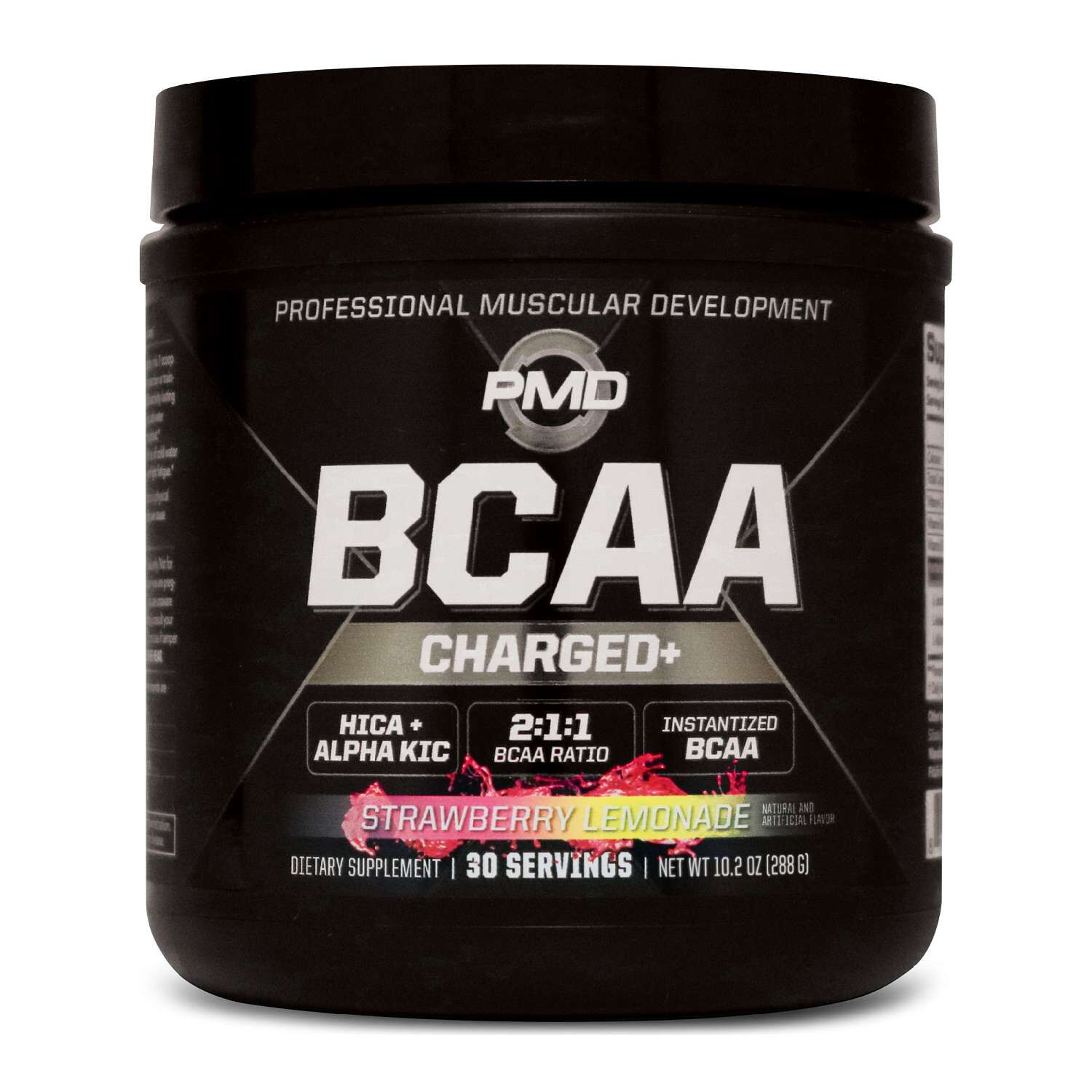
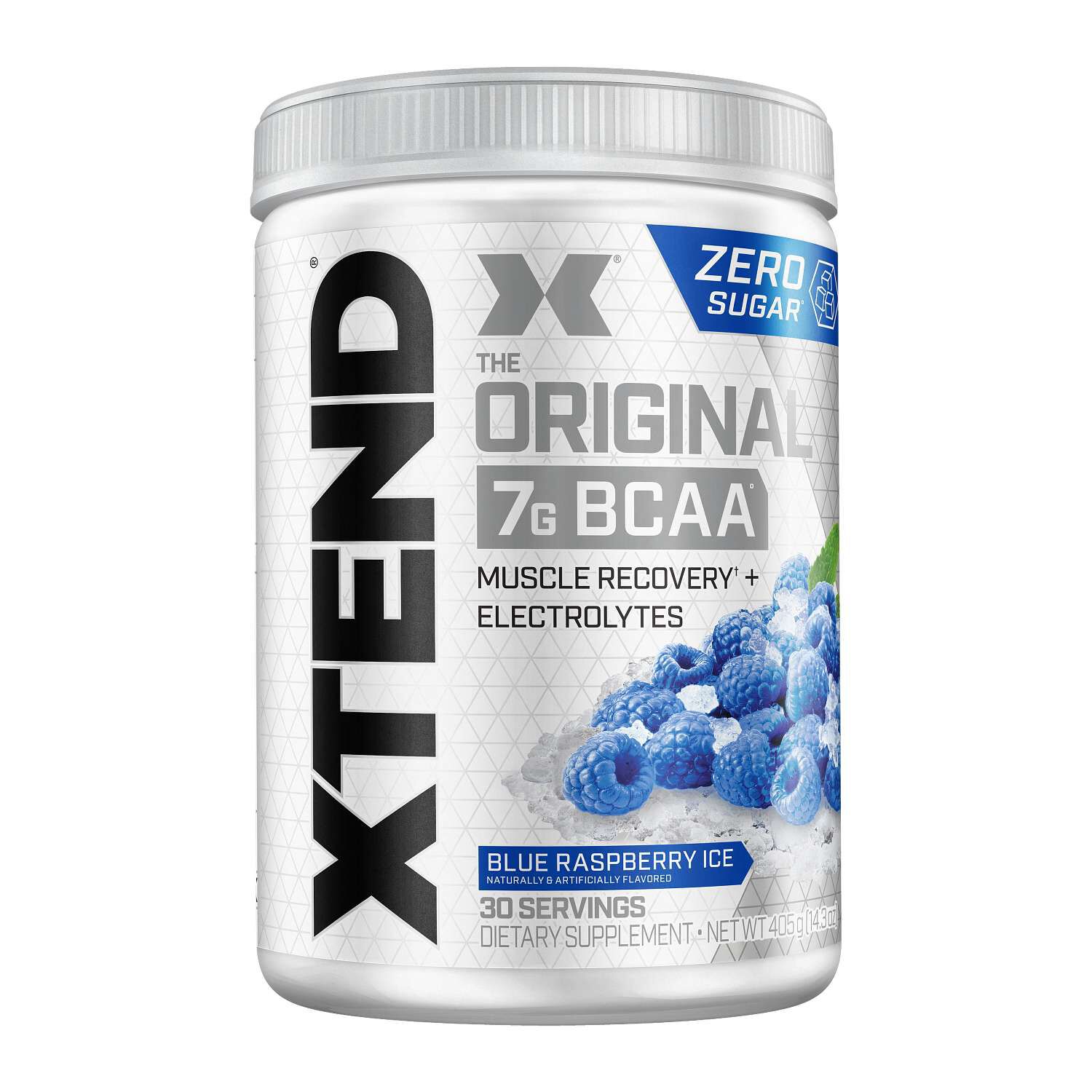
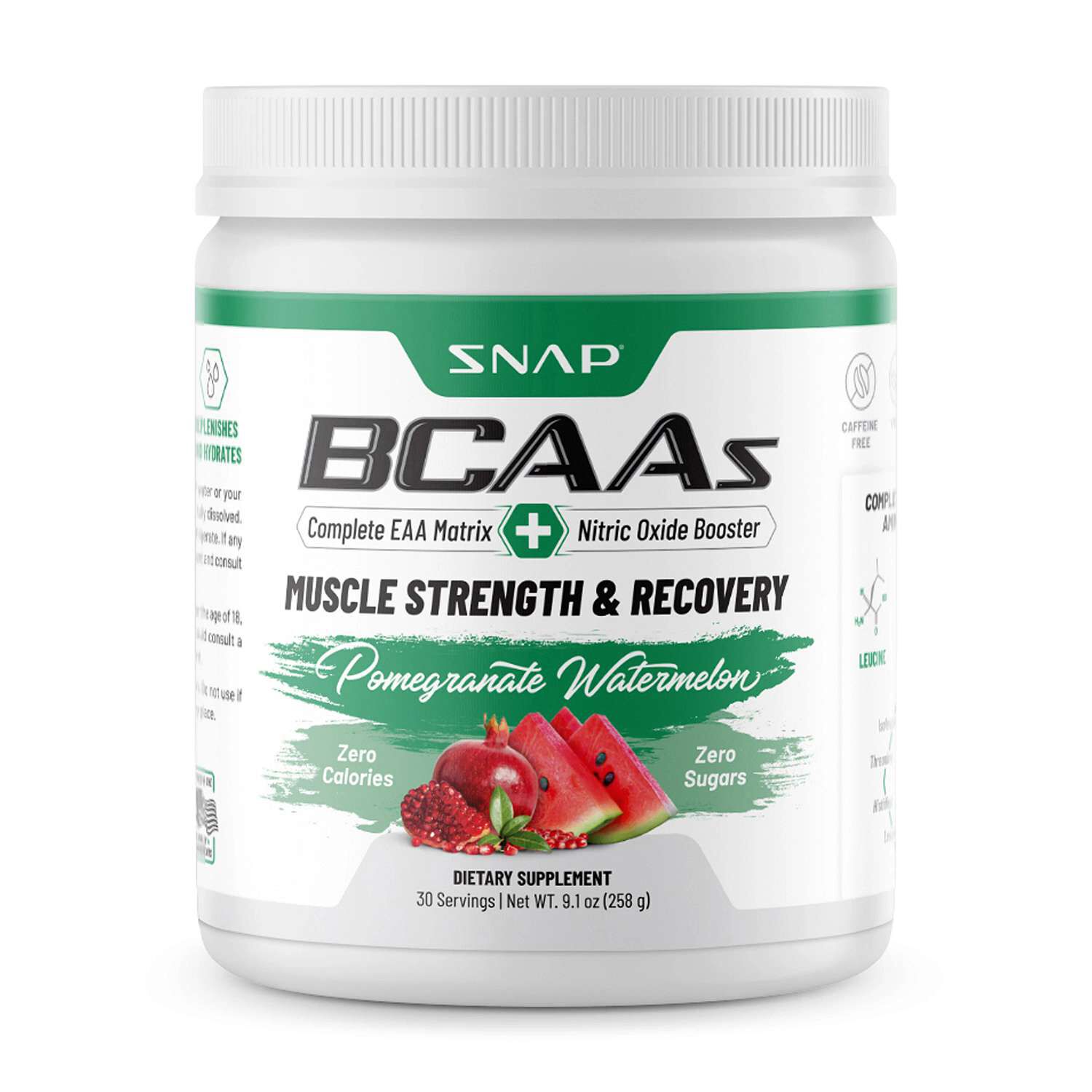
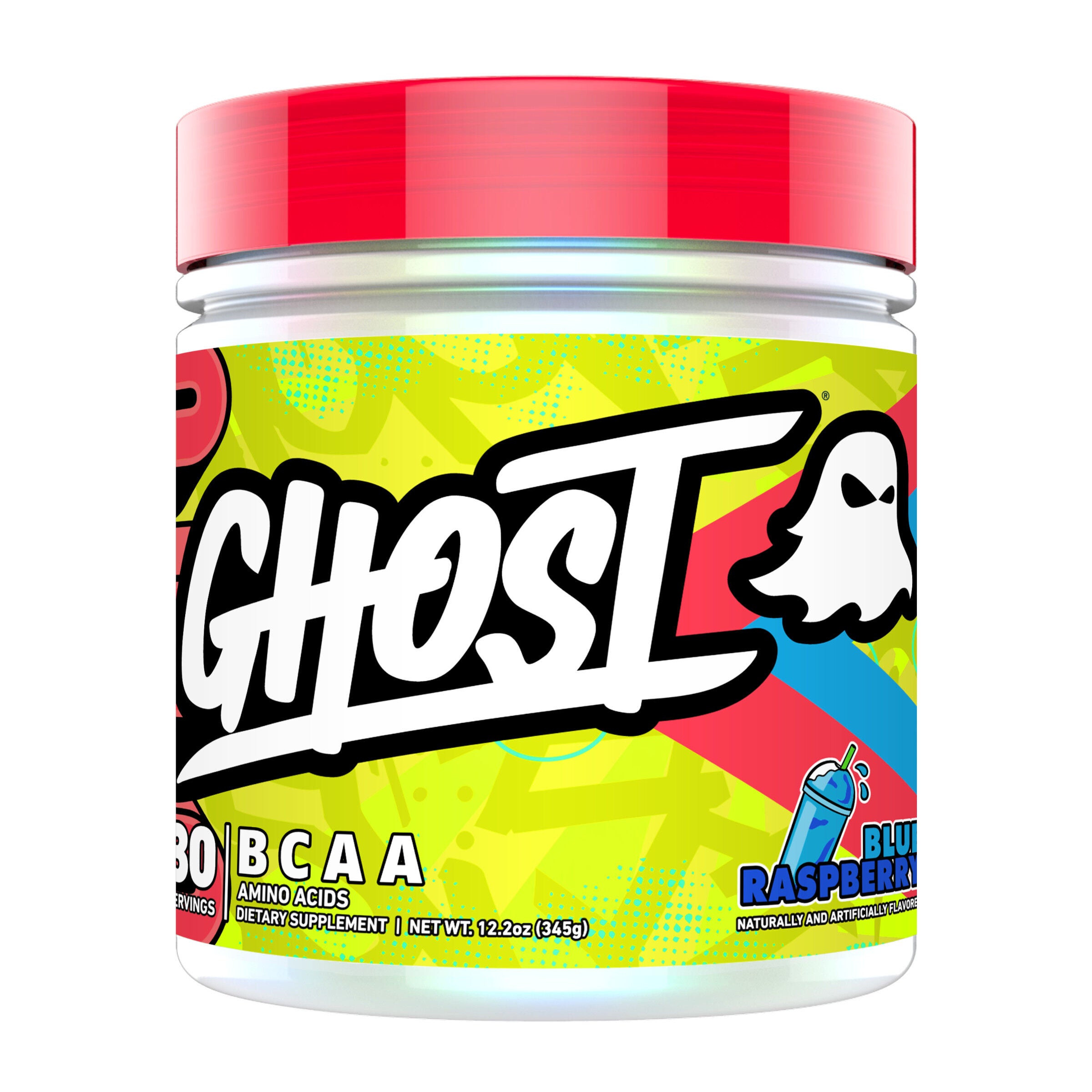
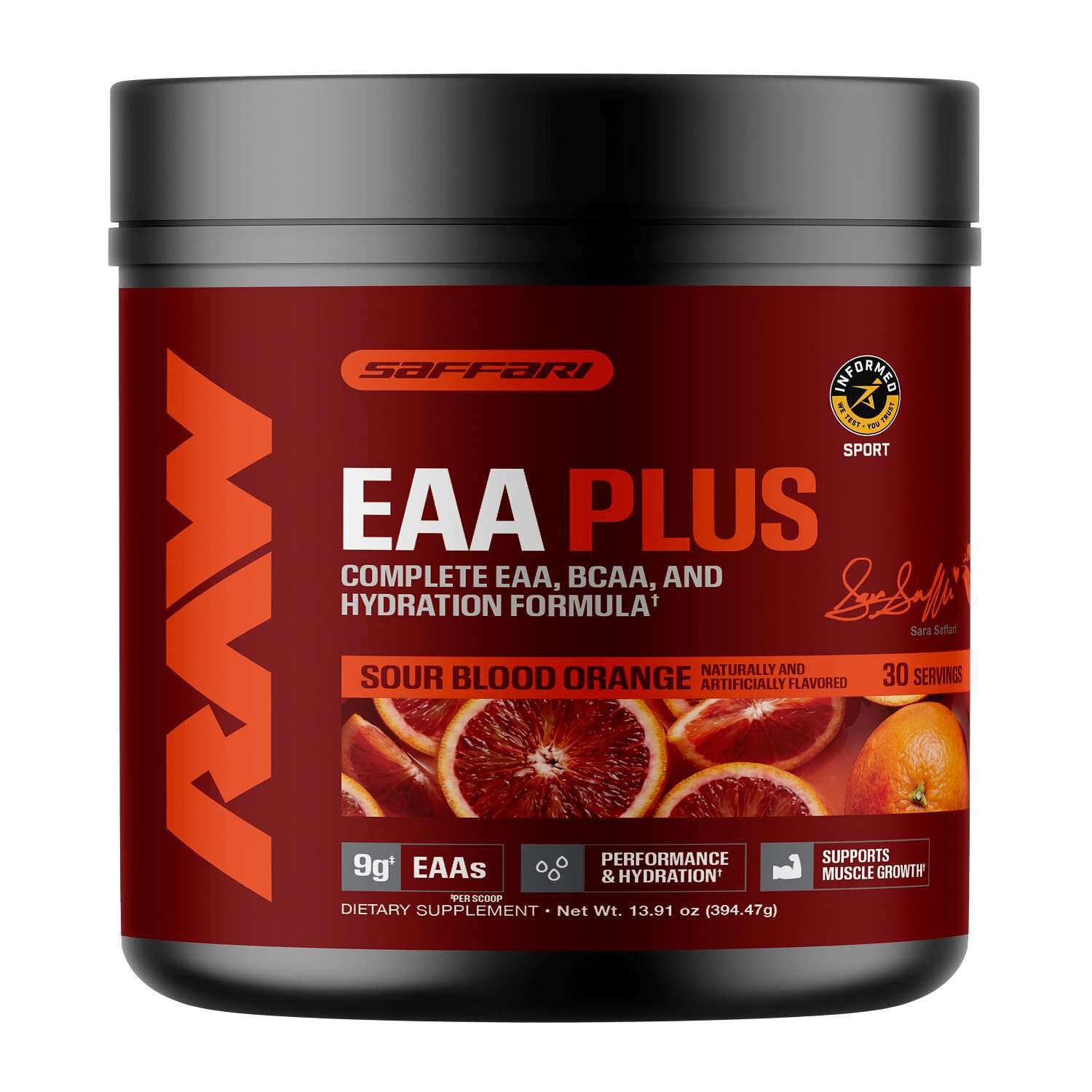
BCAA powders with tropical flavors combine branched-chain amino acids with fruit-inspired taste profiles such as pineapple, mango, passion fruit, guava, and coconut. BCAA stands for branched-chain amino acids: leucine, isoleucine, and valine. These amino acids also occur in protein-containing foods, including eggs, dairy, meat, and soy. In powdered supplements, they appear in measured servings intended for mixing with water according to the product label. Tropical flavors give this category its character, ranging from bright, tart pineapple profiles to softer mango notes and blends reminiscent of pineapple and coconut drinks. A tropical name describes the flavor, however, and does not necessarily mean a powder contains fruit juice, fruit pieces, or coconut ingredients. Ingredient lists provide that distinction. For shoppers who prefer fruity drinks to creamy shakes, a tropical BCAA powder may be an appealing addition to an established workout routine. A bottle mixed for a strength-training session, a drink packed alongside gym clothes, or a measured serving prepared after exercise are common settings for this format, subject to the directions on the package. Flavor preference matters because tropical blends are not all alike: a citrus-forward combination may taste sharper, while a mango-centered blend may seem rounder and sweeter. Coconut notes may lend a softer impression without indicating a dairy-based formula. Beyond taste, labels often describe the relationship among the three amino acids with a ratio such as 2:1:1. In that example, the ratio represents two parts leucine to one part isoleucine and one part valine. The ratio alone does not state the grams supplied per serving, so both details matter when comparing formulas. The most useful category comparison brings together the flavor description, the amount of BCAAs per serving, the serving directions, and the rest of the ingredient list rather than treating a tropical flavor name as a description of everything inside.
The differences between tropical BCAA powders often become clearer in the details surrounding the amino acid blend. Some formulas contain additional ingredients, such as electrolytes, caffeine, vitamins, or other amino acids, while others have a shorter ingredient list centered on BCAAs and flavoring. Those distinctions matter to someone choosing a drink for an evening workout, comparing it with an existing supplement routine, or simply preferring fewer added components. Caffeine content deserves particular attention when a powder will share the day with coffee, tea, or another caffeinated beverage. Nutrition information also separates formulas that sound similar on the front of the container. Calories, carbohydrates, sugars, sodium, and serving size can differ, and a fruit-inspired name does not establish any of those amounts. Sweeteners may include ingredients such as stevia, sucralose, or sugar, with different combinations contributing their own sweetness and aftertaste. Acid ingredients, including citric acid or malic acid, may contribute to a tart flavor profile. Someone who enjoys sour pineapple candy may prefer a different balance than someone drawn to mellow mango nectar. Flavor descriptions are a starting point, not a substitute for checking the ingredients, particularly when dietary preferences or ingredient restrictions shape the choice. Allergen statements and any information about shared manufacturing equipment are relevant parts of that review. Other categories of Flavored BCAA Supplements provide a broader point of comparison for shoppers weighing tropical profiles against berry, citrus, or other fruit-inspired options. Within the tropical category, the distinction may be as specific as a single-fruit flavor versus a layered blend. A straightforward pineapple profile may appeal to someone who wants one recognizable note, while a combination of mango, passion fruit, and citrus may suit someone who enjoys a more varied taste. Neither the number of flavors nor the brightness of the drink’s color establishes the amount of BCAAs it contains. That information belongs to the supplement facts and ingredient labeling.
Powder format adds practical considerations that are separate from flavor. Container size, servings per package, the amount of powder in each serving, and the recommended volume of water all influence how a tropical BCAA powder fits into a routine. Two containers with similar dimensions can hold different numbers of servings, and a larger scoop does not automatically indicate a greater amount of BCAAs. Label measurements make those comparisons more meaningful than judging by the tub or scoop alone. For someone who mixes a drink at home before heading to the gym, a container that is easy to open, measure from, and reseal may be convenient. For someone who packs a work bag and changes at a fitness center, packaging dimensions and a secure closure may matter more. A shaker bottle with enough room for the labeled water amount and space for mixing is a useful companion to the powder format. Texture is another preference worth considering alongside taste: some shoppers favor a lighter drink, while others do not mind a slightly fuller mouthfeel. The labeled water range, when one is provided, offers context for the intended flavor concentration; a small bottle and a large bottle will not produce the same drinking experience from an identical serving. Preparation and care remain straightforward, with the package directions governing serving measurements, mixing, and storage. A dry scoop and a securely closed lid may help limit moisture exposure, while the manufacturer’s storage instructions address where the container belongs between uses. Shaker bottles also need cleaning according to their care directions, especially around lids, seals, and mixing components. These everyday details are part of choosing a powder that suits the way it will actually be used. Tropical BCAA powders occupy a specific place among sports nutrition options: a measured amino acid supplement with a fruit-inspired flavor, rather than a protein shake or a meal. Comparing composition, taste preferences, packaging, and intended use keeps the focus on the features that distinguish one formula from another.

