Berry Fiber Supplements
(0 Results)
Berry fiber supplements offer a convenient way to incorporate the benefits of berries and fiber into your daily routine. Featuring a variety of options made with berry-inspired ingredients, these supplements could be a flavorful addition to your wellness journey. Whether you’re seeking a tasty way to support your nutrition or looking for new ways to add fiber, berry fiber supplements may be a great choice to explore.
-

-

-
 $17.99
-
 $22.99
-
 $15.99
-
-

-

-
-
-
 $22.99


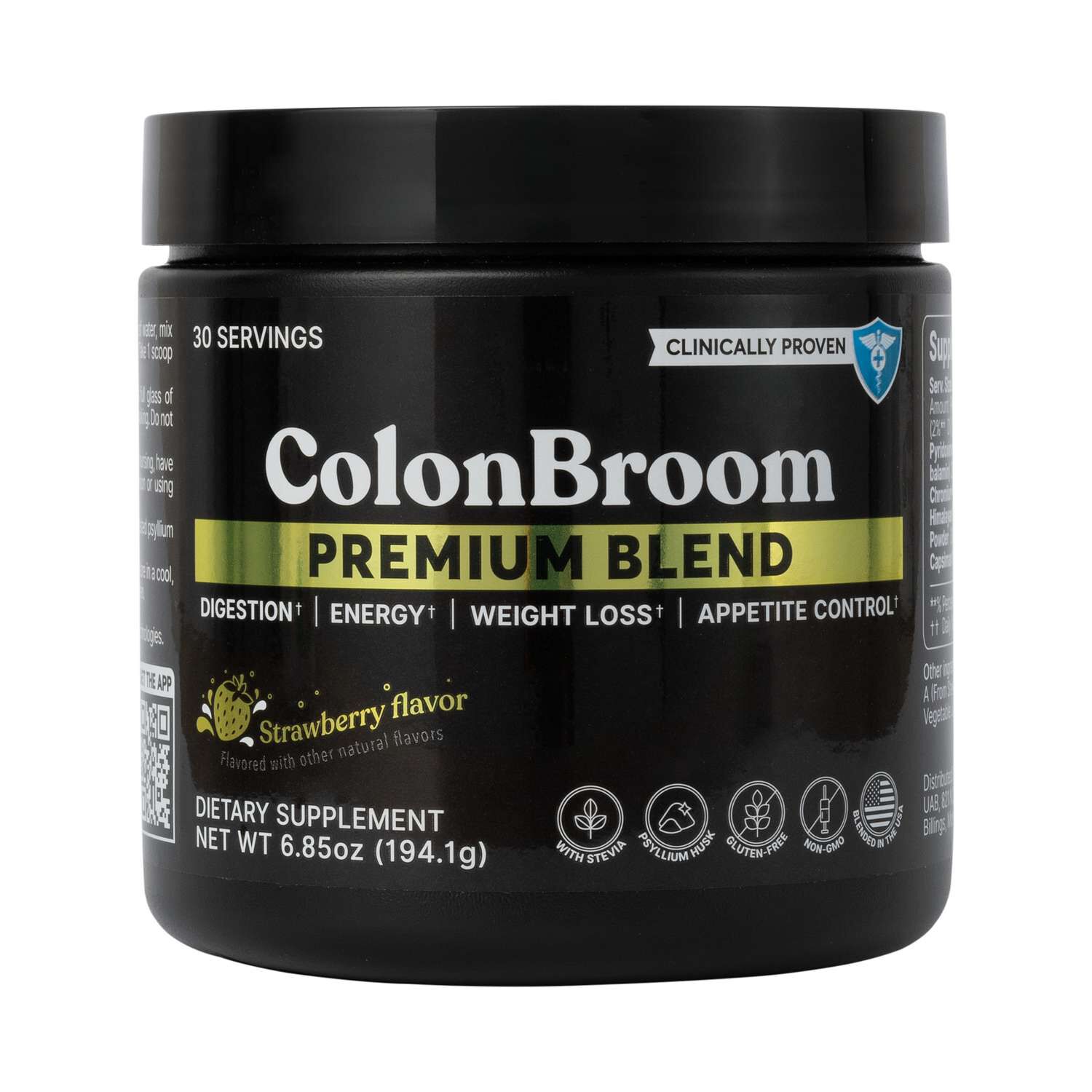
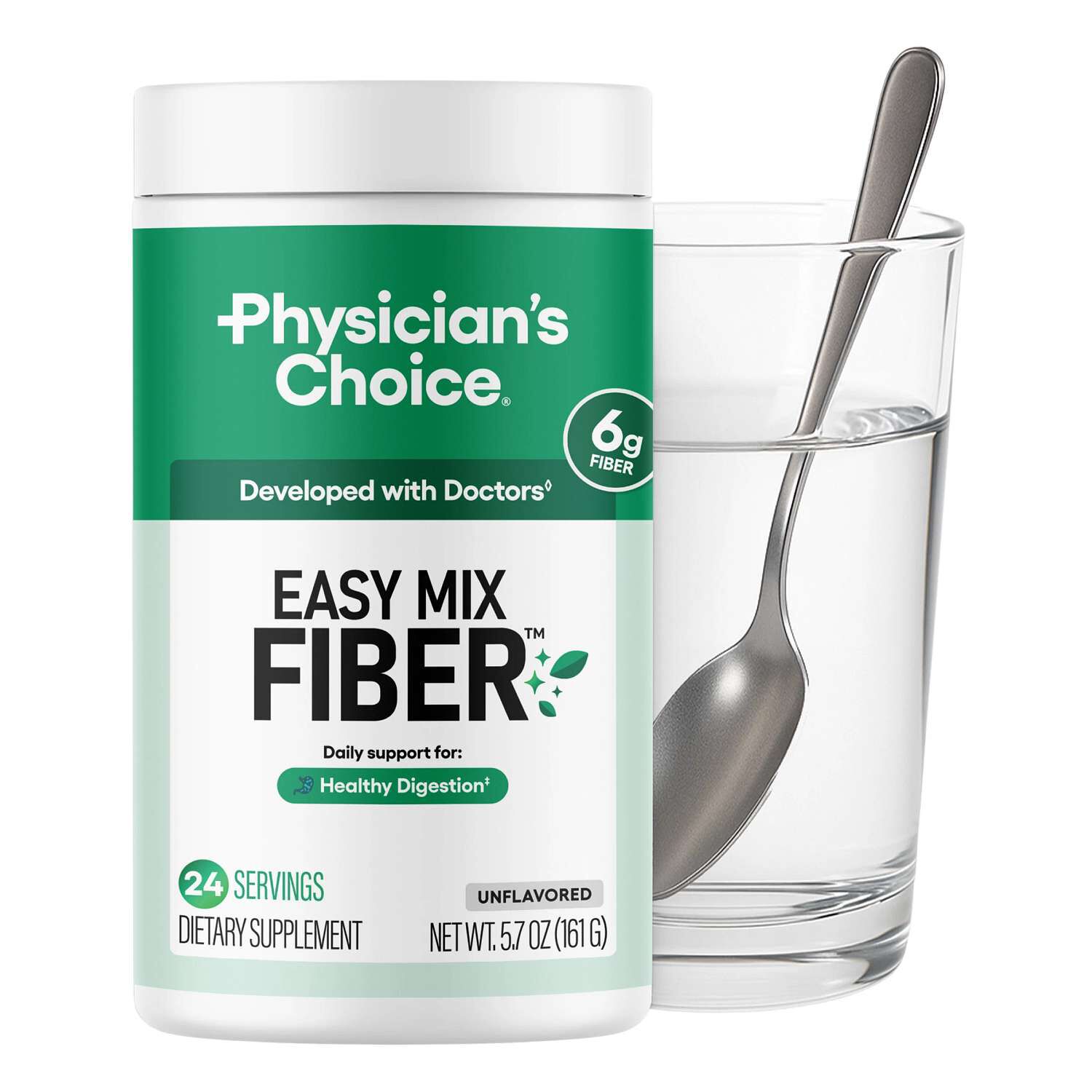
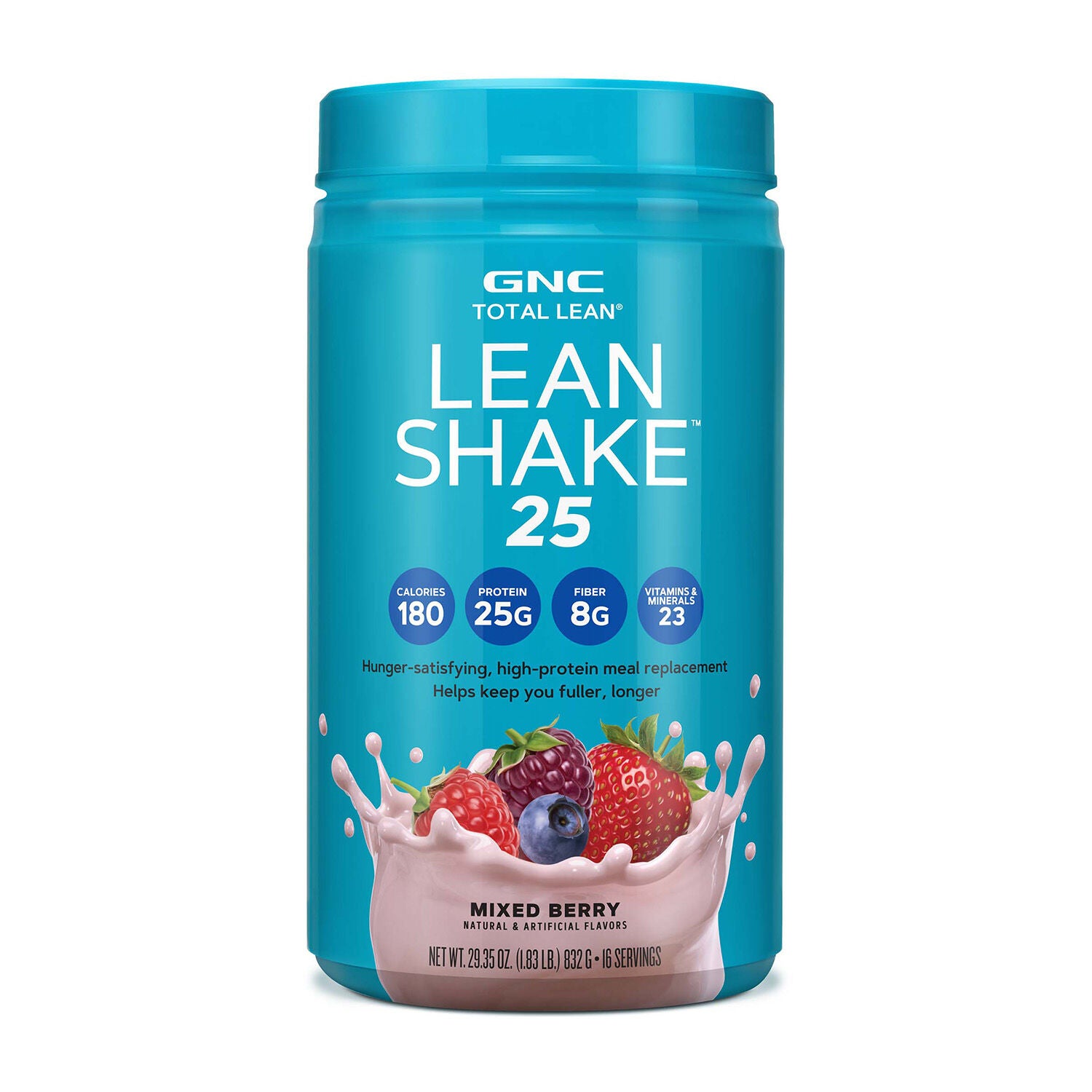
Berry fiber supplements pair dietary fiber with fruit-inspired flavors, offering an alternative to unflavored options for everyday routines. Strawberry, raspberry, blueberry, and mixed berry profiles range from mellow and sweet to noticeably tart, with differences in aroma, color, and finish. For someone who enjoys berry smoothies or fruit-flavored beverages, that familiar taste may make a fiber supplement a more appealing part of the day. Flavor names, however, tell only part of the story. A berry-flavored formula does not necessarily get its fiber from berries, and a deep red or purple color does not indicate how much fiber a serving contains. Fiber ingredients might include psyllium husk, chicory root inulin, resistant dextrin, or other plant-derived sources, while separate ingredients provide sweetness, color, and fruit flavor. Some formulas contain fruit powders or juice ingredients; others use natural or artificial flavorings. The ingredient list and Supplement Facts panel provide a clearer picture than the flavor description alone. They distinguish the source of the fiber from the ingredients responsible for the berry character and show the amount of dietary fiber in a labeled serving. That distinction matters when comparing a strongly flavored drink powder with a subtler blend or a chewable format. The amount of powder in a scoop, for example, is not necessarily the same as the amount of dietary fiber listed for that serving. Berry fiber supplements are intended to complement eating patterns that include foods such as beans, oats, vegetables, whole grains, and fruit, rather than stand in for the variety those foods provide. Their appeal is partly practical and partly sensory: a measured format, a recognizable flavor, and preparation that fits the setting where it will be used. Someone mixing a drink at home may value different characteristics than someone carrying individual portions to an office. Comparing those everyday details alongside the fiber source gives the category more meaning than choosing by berry name alone.
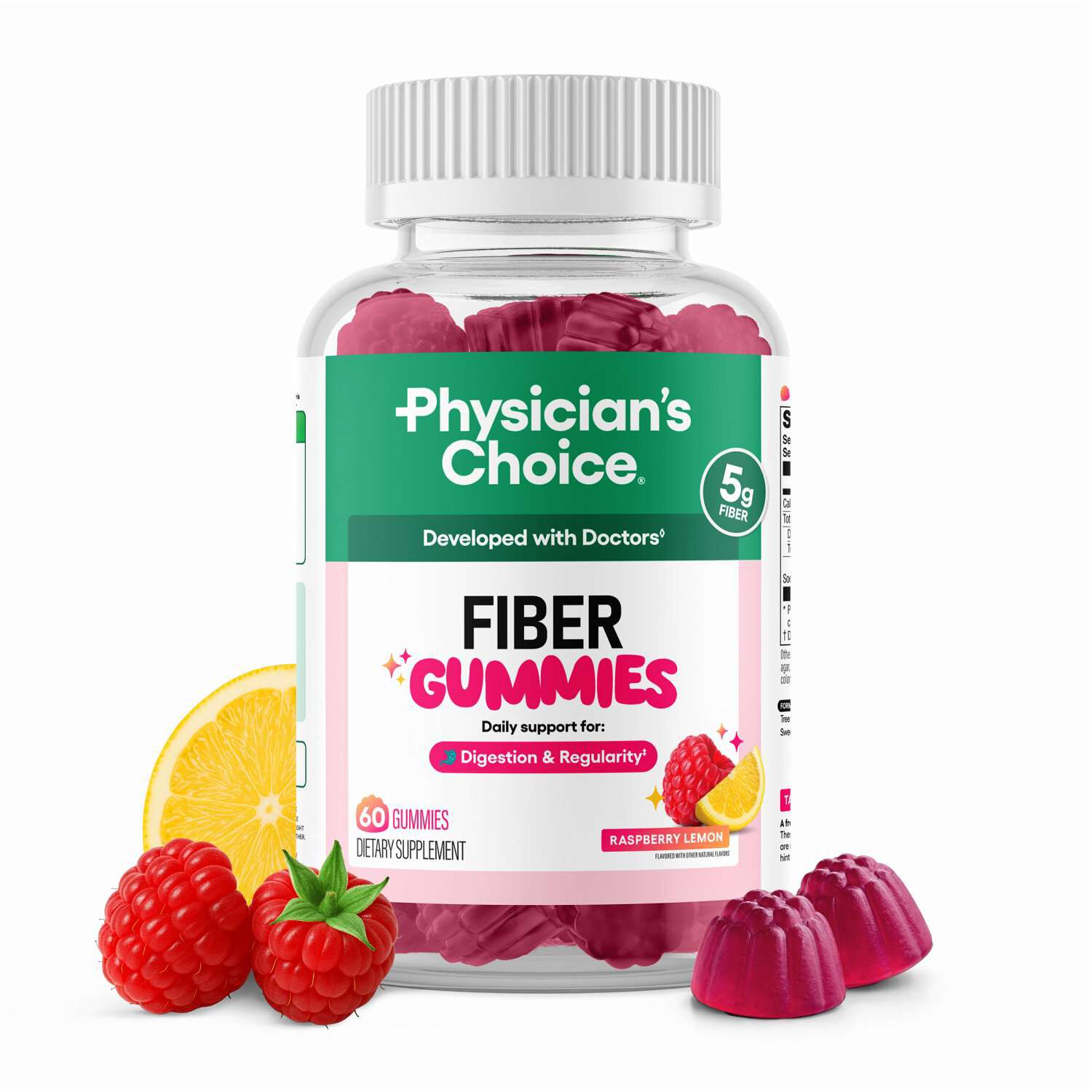
Format has a large influence on the experience of using a berry fiber supplement. Powders involve measuring and mixing, while individually portioned packets have a set amount in each package. Gummies and other chewable formats have their own serving sizes, textures, and ingredient combinations, so comparisons should account for the entire labeled serving rather than a single piece. Within powders, texture deserves as much attention as flavor. Depending on the fiber source and preparation method, a mixture might remain relatively light, look cloudy, develop a slightly grainy texture, or become thicker as it sits. A berry drink intended for a glass of water will not necessarily resemble a thick fruit smoothie, even when the flavor names sound similar. Preparation directions specify the appropriate amount of liquid, mixing method, and timing for the formula. Those details are especially relevant when comparing a powder intended for stirring with one whose directions describe another preparation method. When food mixing is included on the label, flavor compatibility becomes another consideration. A pronounced raspberry note might suit a berry yogurt, while a sweeter strawberry profile could be more noticeable in plain oatmeal. Adding a flavored powder to an already sweet beverage might also create a different taste than mixing it with water. Ingredient lists explain some of these differences: sugar, stevia, monk fruit, sucralose, sugar alcohols, and other sweetening ingredients each have distinct flavor characteristics. Acids used for tartness and ingredients used for color also contribute to the finished blend. Shoppers with ingredient preferences can compare these details without assuming that every berry formula tastes or mixes alike. Food allergen statements and other dietary labeling deserve the same attention as the front label. A familiar flavor name does not describe every ingredient in the package, and a fruit image is not a substitute for reading the formula information. Together, serving size, fiber content, preparation directions, and flavor ingredients offer a useful basis for comparing otherwise similar-looking options.
The best fit for an everyday routine often comes down to small practical details that are easy to overlook on a product image. A container used at a kitchen counter has different storage and handling considerations than packets tucked into a work bag. For a powder, the labeled serving measure and the number of servings per container matter more than the apparent size of the package. A large container does not, by itself, reveal the amount of dietary fiber in each serving, and a compact package does not necessarily mean a smaller serving. When comparing berry flavors with a wider range of fiber options, Bulk Fiber Supplements is a related category to explore. Across formats, package directions remain the reference for intended use, preparation, and storage. Keeping a closure securely fastened and using a clean, dry measuring utensil are practical considerations for powders, particularly in kitchens where splashes and steam are common. Storage instructions also matter for chewable formats, whose texture could change with unsuitable conditions. The printed date, seal condition, and package integrity belong in the same comparison as flavor and serving count. Consider the cleanup involved as well: a mixing glass at home, a shaker carried to work, and a spoon used with breakfast each create a slightly different routine. A tart berry profile may be appealing in a separate drink, while a milder flavor could be preferable when the label allows mixing with food. Others may place more value on a format that requires no mixing. None of these preferences makes one berry flavor or fiber source the universal choice. A thoughtful selection brings together the labeled fiber amount, ingredient preferences, preparation requirements, texture, and packaging. That combination keeps attention on how a berry fiber supplement fits everyday life, with the flavor serving as one meaningful part of the decision rather than the only one.