





Beta Carotene Supplements
(0 Results)
Beta carotene supplements are a popular choice for individuals looking to support their overall health and well-being. Packed with antioxidant properties, beta carotene is known for its ability to promote healthy skin, vision, and immune function. These supplements are derived from fruits and vegetables rich in this powerful pigment, offering a convenient way to ensure you're getting enough of this essential nutrient in your daily diet. Discover our selection of beta carotene supplements to help you maintain a balanced and healthy lifestyle.


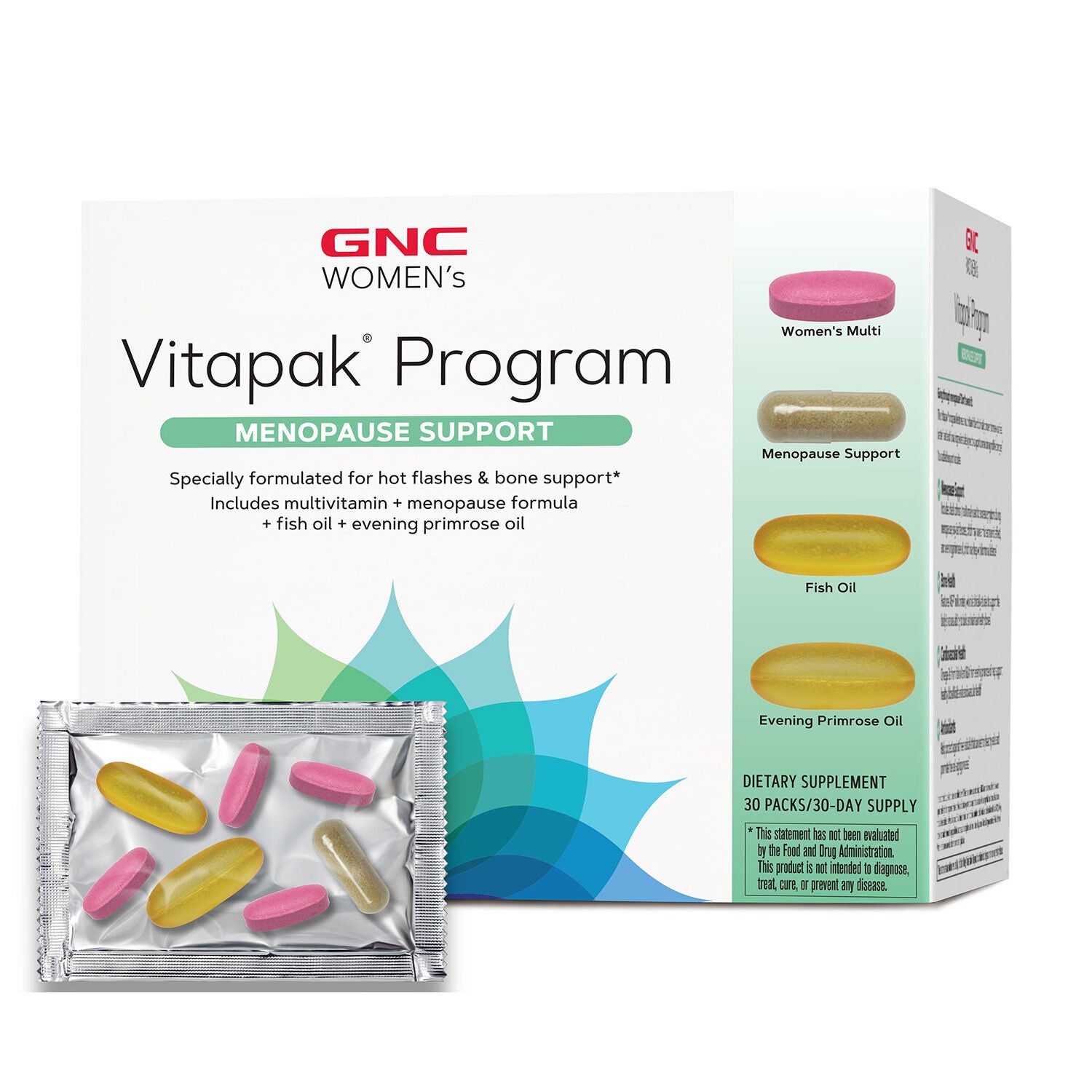

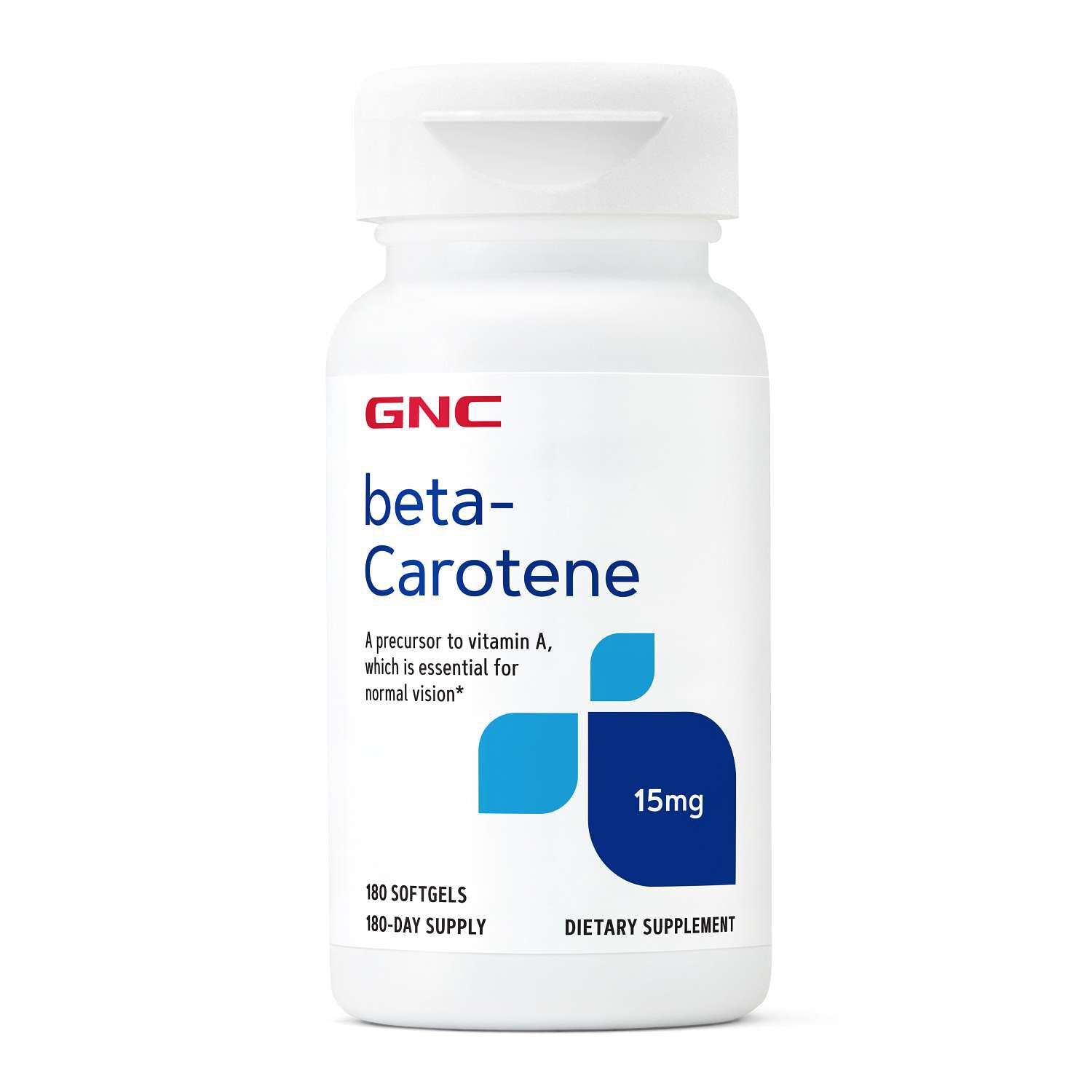
Beta-carotene is a red-orange plant pigment and provitamin A carotenoid that the body may convert into vitamin A. Beta-carotene supplements contain this compound in a measured serving, with the ingredient amount, serving size, and other components described on the label. In foods, beta-carotene occurs in carrots, sweet potatoes, winter squash, and leafy greens, where green chlorophyll can mask its orange color. Its name describes a particular carotenoid, not a general term for every orange pigment or every form of vitamin A. That distinction matters when comparing supplements: beta-carotene, preformed vitamin A, and mixed carotenoids describe different ingredients or combinations. A product labeled with vitamin A on the front may identify beta-carotene as its source, while another formula may combine several vitamin A sources. The Supplement Facts panel offers a more precise picture than the front label alone. Within this category, formats may include softgels, capsules, and tablets, each with its own ingredient structure and serving information. Softgels typically have a sealed shell surrounding a liquid or oil-based fill; capsules have a shell around their contents; tablets are compressed into a solid form. The shell material and other ingredients matter alongside the featured nutrient, particularly for shoppers who prefer plant-derived capsule materials or who examine animal-derived ingredients. A beta-carotene ingredient of plant or algae origin does not, by itself, establish that the finished supplement is vegetarian. Likewise, the orange color of a softgel does not reveal its serving amount or the source of every ingredient. These products are intended to supplement food choices rather than stand in for a varied eating pattern. For adults comparing beta-carotene supplements, a useful starting point is the distinction between the nutrient itself and the finished formula: one identifies the featured compound, while the other includes the serving format, shell, carrier ingredients, and labeling that shape the purchasing decision.
Comparing labels side by side brings those differences into focus. The amount listed per serving is not necessarily the amount in a single capsule or softgel, so the serving size deserves attention before comparing the numbers on two bottles. A container holding the same number of units as another may represent a different number of labeled servings. Vitamin A information may appear in micrograms of retinol activity equivalents, abbreviated mcg RAE, while accompanying text may identify how much comes from beta-carotene. That unit describes vitamin A activity rather than simply the weight of the beta-carotene ingredient. When labels use different units or present the ingredient in different ways, the printed numbers are not automatically equivalent. The Daily Value percentage is another piece of label context, separate from the number of capsules in the bottle. A formula containing beta-carotene alone also differs from a multivitamin that includes it among many nutrients, or a carotenoid blend that pairs it with other pigments. Someone who already keeps a multivitamin beside the breakfast dishes may want to compare its ingredient panel with the panel on a separate beta-carotene supplement to understand where the ingredients overlap. This is a comparison of formula contents, not a reason to choose the largest stated amount. Beyond the featured ingredient, the other-ingredients list may identify carrier oils, gelatin, plant-derived shell materials, color ingredients, or components used to form a tablet. An oil-based fill describes how a formula is made; it does not, on its own, establish that one product is a better match than another. Dietary preferences are best assessed from the finished product’s labeling rather than assumptions about the pigment’s origin. For a household that checks ingredient statements carefully, these details can matter as much as the format. Clear serving information, an understandable ingredient list, and a format suited to personal preferences provide concrete points of comparison without relying on color, bottle size, or front-label wording.
Everyday handling is another practical consideration when selecting beta-carotene supplements. A bottle that sits beside a steamy shower, travels in a gym bag, or remains open on a kitchen counter faces different conditions from one stored according to its label. Storage directions, the expiration date, and the container’s closure provide useful information about caring for the product. Keeping the original packaging also preserves the serving directions, ingredient statement, and identifying information in one place. A compact bottle may suit a small cabinet, while a larger container may take more room than its photograph suggests; package dimensions and unit count describe different aspects of the purchase. For travel, keeping the labeled container accessible makes it easier to retain those details rather than relying on an unmarked pouch. Capsule or tablet dimensions can also matter to personal format preferences, although a photograph alone may not show their actual size. Someone organizing an existing supplement routine may value readable packaging and clearly stated serving information more than an elaborate presentation. Another shopper may focus first on capsule materials, then compare carrier ingredients and the stated beta-carotene source. Related carotenoid categories can offer additional context for understanding ingredient names. For example, Astaxanthin Supplements feature a different carotenoid; astaxanthin is not another name for beta-carotene, and the two categories should not be treated as interchangeable. Similarly, a blend containing several carotenoids is distinct from a formula centered on beta-carotene. The most useful product comparisons keep those distinctions visible while giving equal attention to everyday details: what the supplement contains, how much constitutes a labeled serving, what surrounds the featured ingredient, and how the package should be stored. Together, these details make beta-carotene supplements easier to evaluate as finished products, with their own formulations and handling needs, rather than as bottles defined only by a familiar nutrient name.
Best Sellers
-
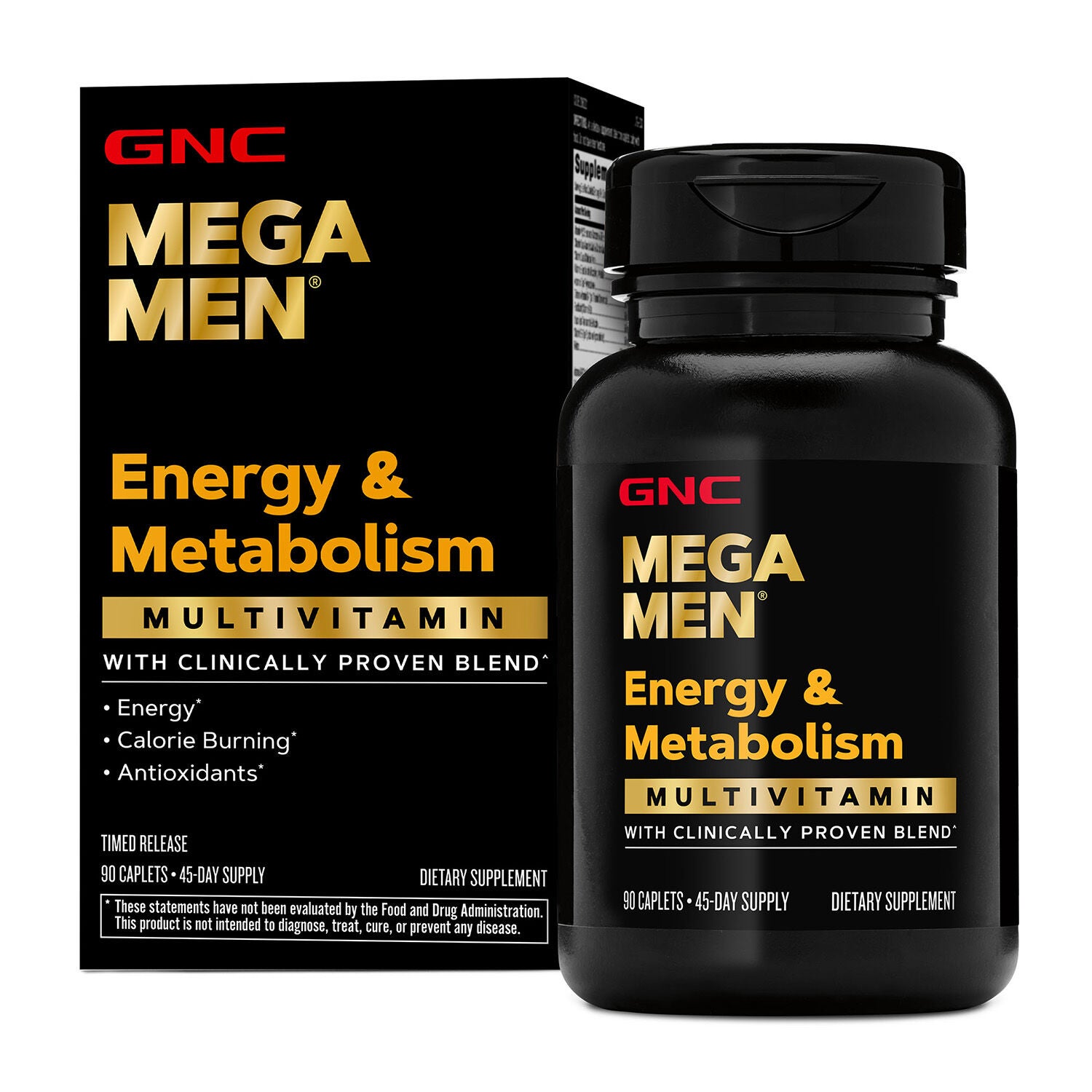
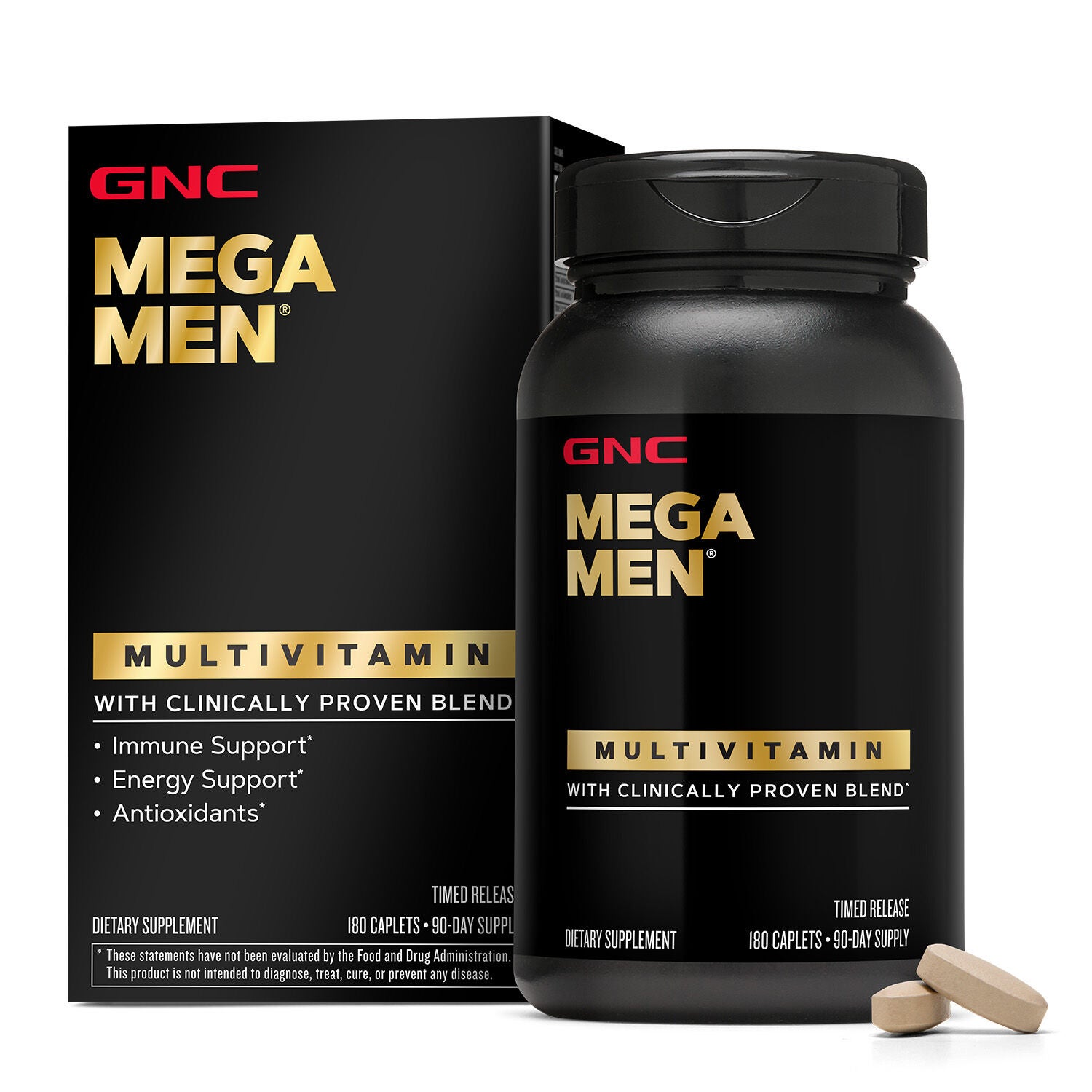 GNC Mega Men
-
 GNC Mega Men
-
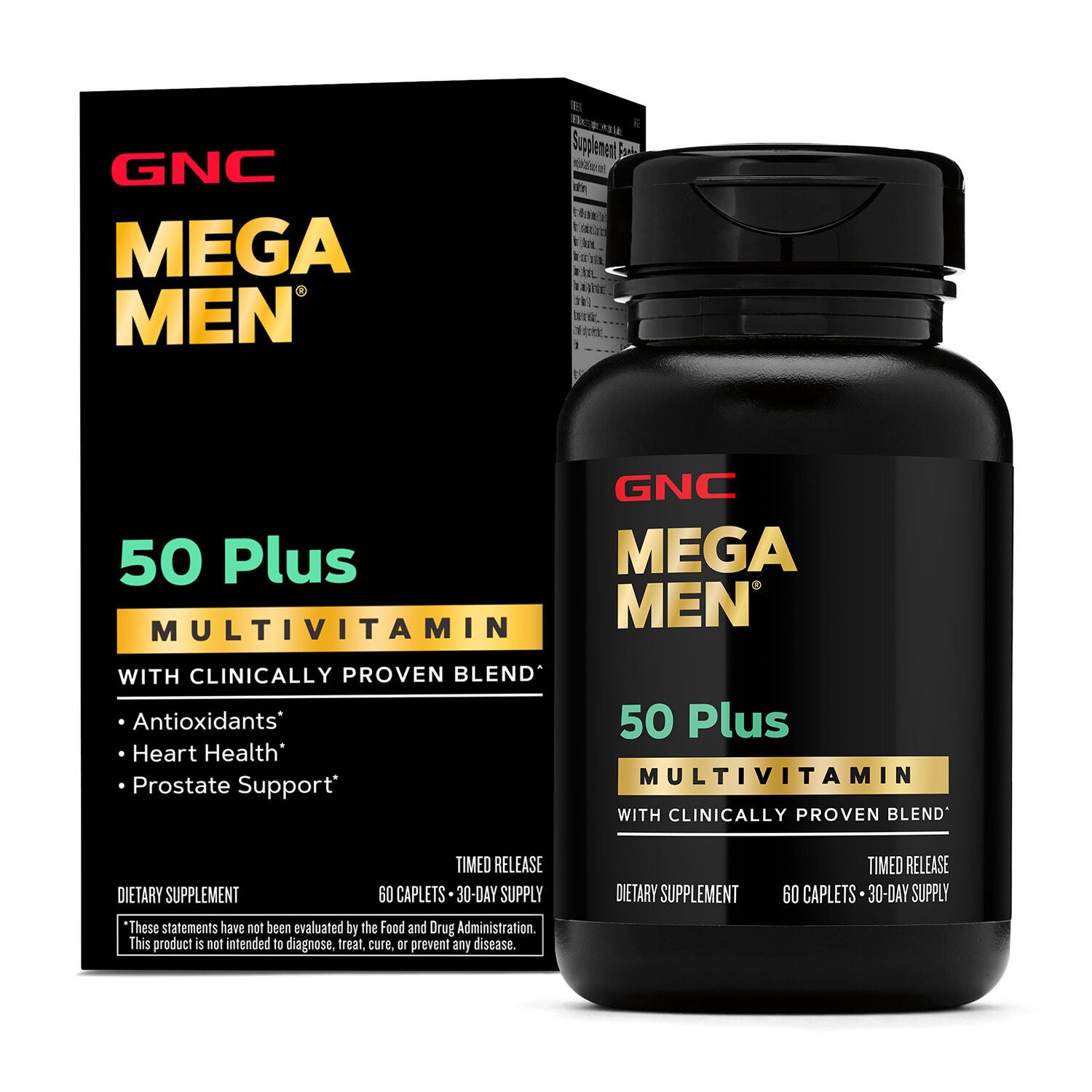 GNC Mega Men
-
 GNC Mega Men
Related Pages


Top Collections
- Joint Mobility Supplement Packs
- Daily Collagen Supplements | Top Brands & Deals | GNC
- GLP 1 Support For Adults
- Zinc Supplements | Top Brands at Great Prices | GNC
- Supplements For Yoga Joint Flexibility
- Supplements For Balance
- Capsule Supplements For Energy And Stamina
- Adult Mobility Supplements
- Chronic Fatigue Supplements
- Vitamins For Hair Loss