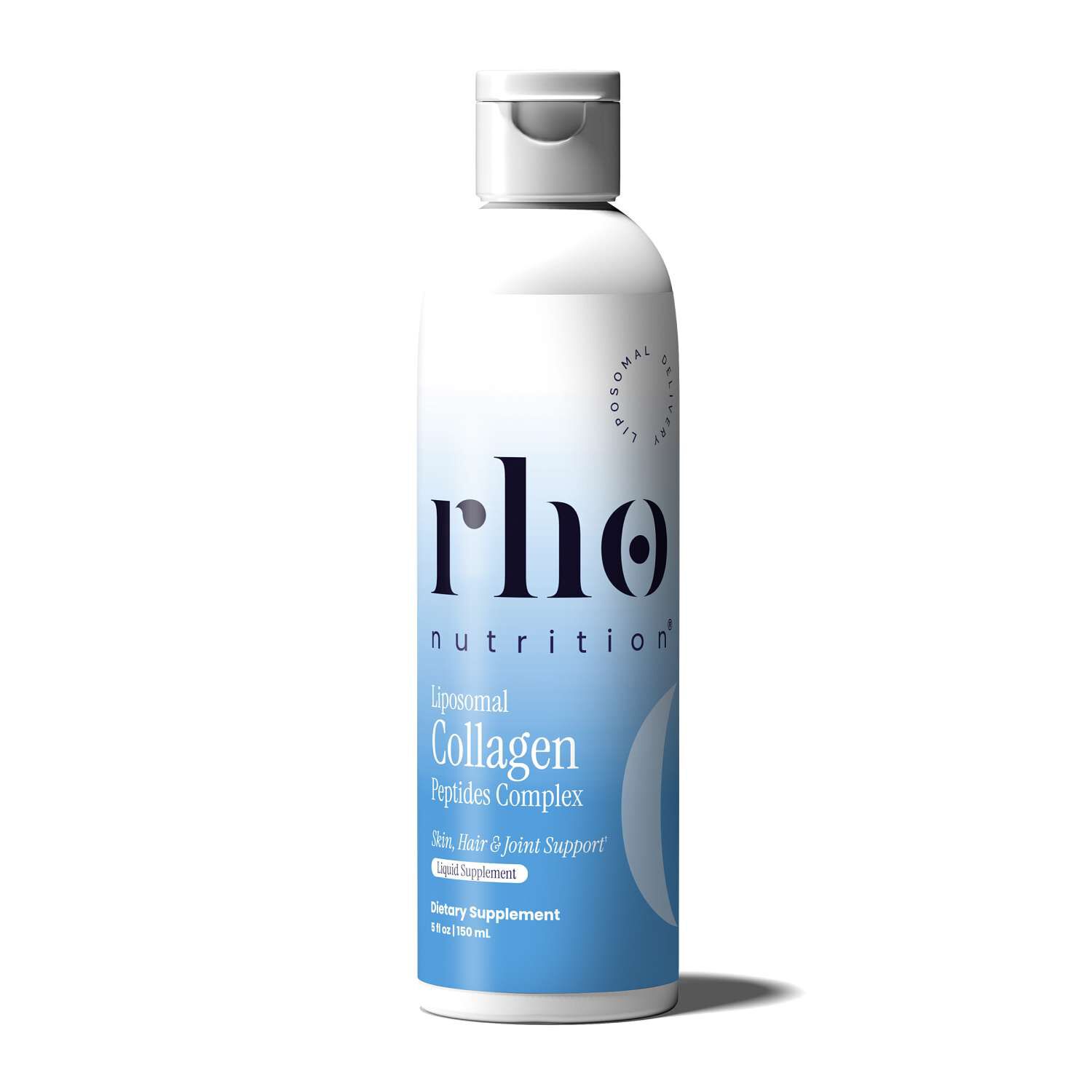
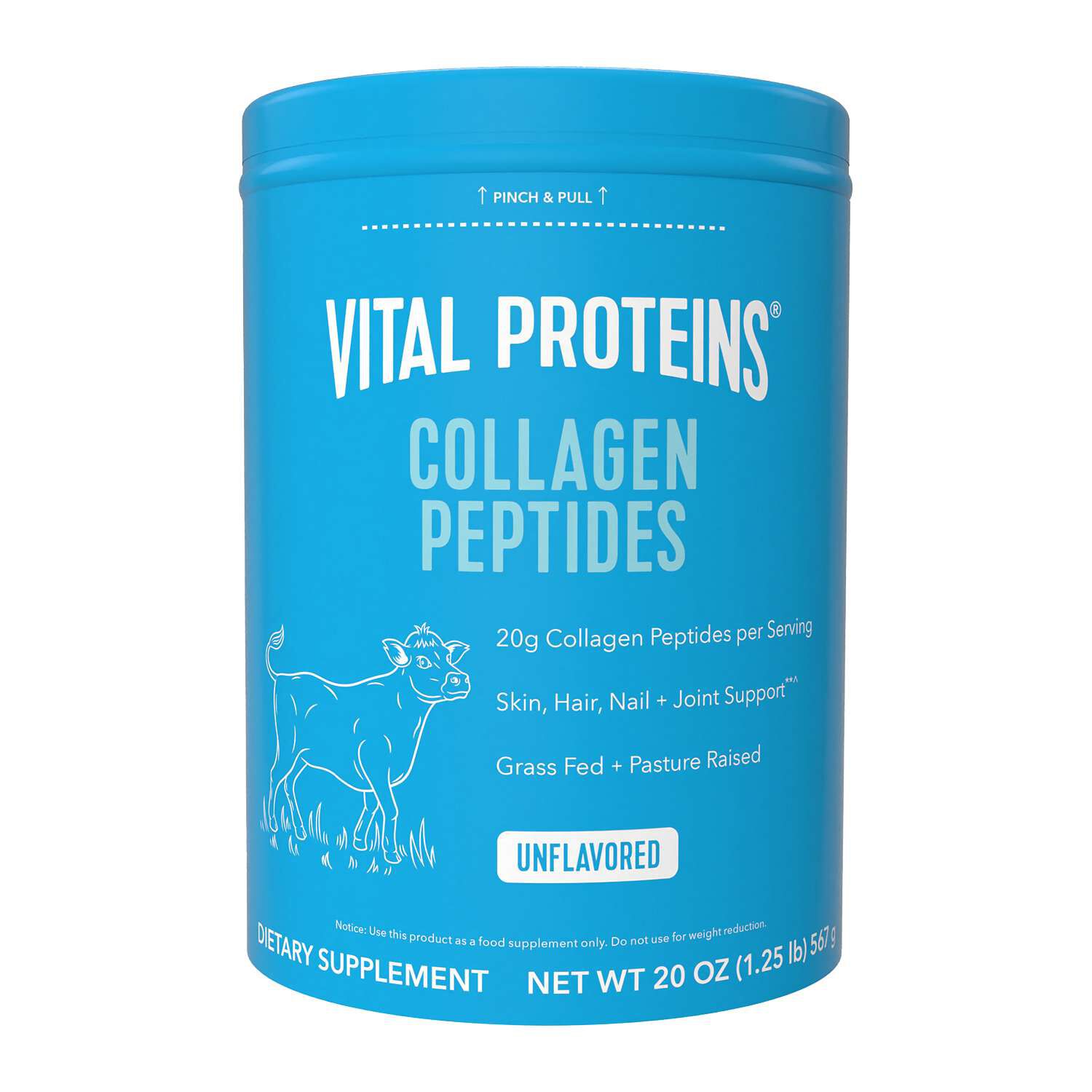
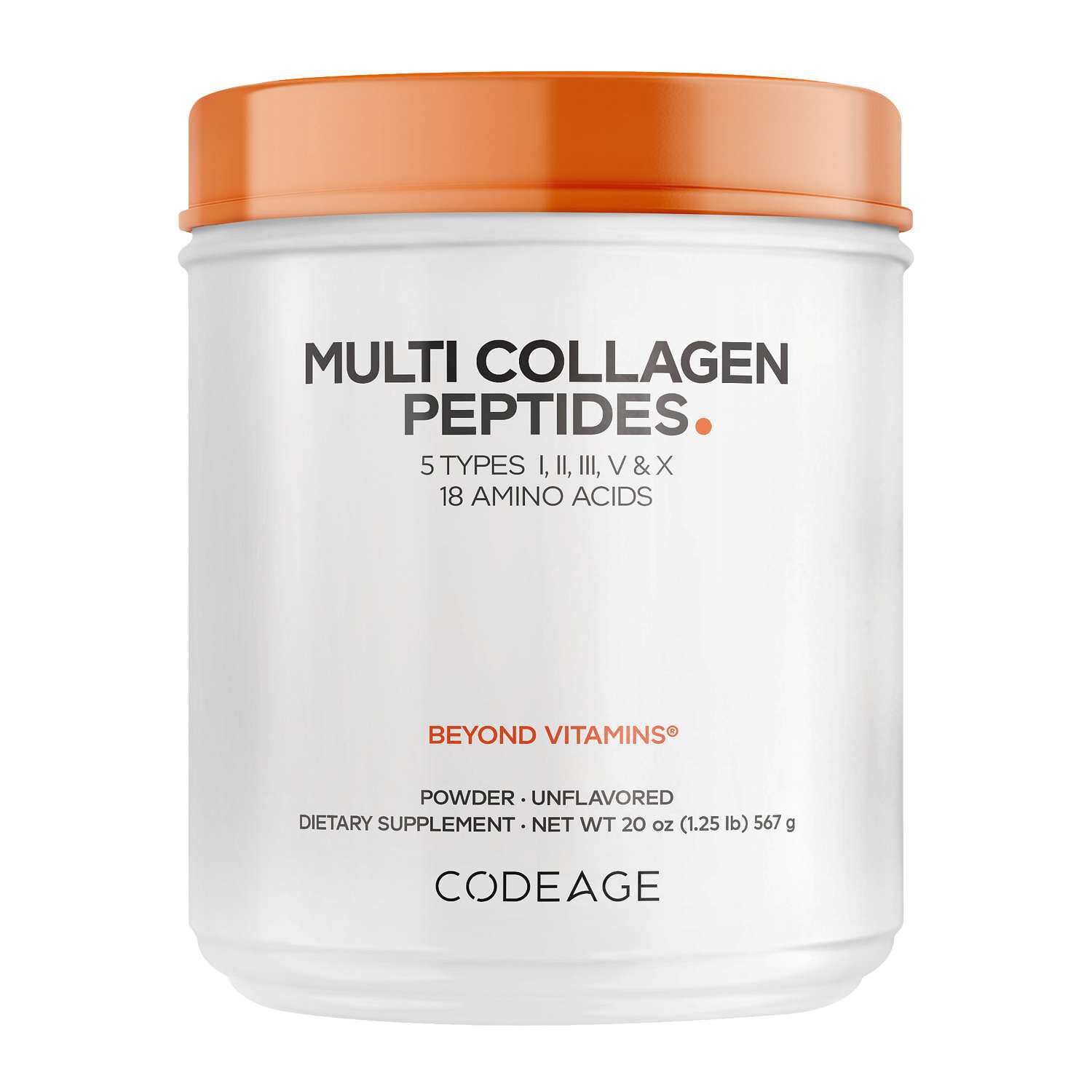
Biocell Collagen Supplements
(0 Results)
Unlock the potential for healthier-looking skin and joint support with Biocell Collagen, a popular choice for those seeking to enhance their wellness routine. This powerful supplement may help promote skin hydration and elasticity, while also supporting joint health and comfort. Ideal for individuals looking to maintain an active lifestyle or simply aiming to nourish their body from within, Biocell Collagen could be the key to achieving your wellness goals. Explore the possibilities of incorporating this versatile supplement into your daily regimen and discover how it might contribute to a vibrant and youthful appearance.
-
-
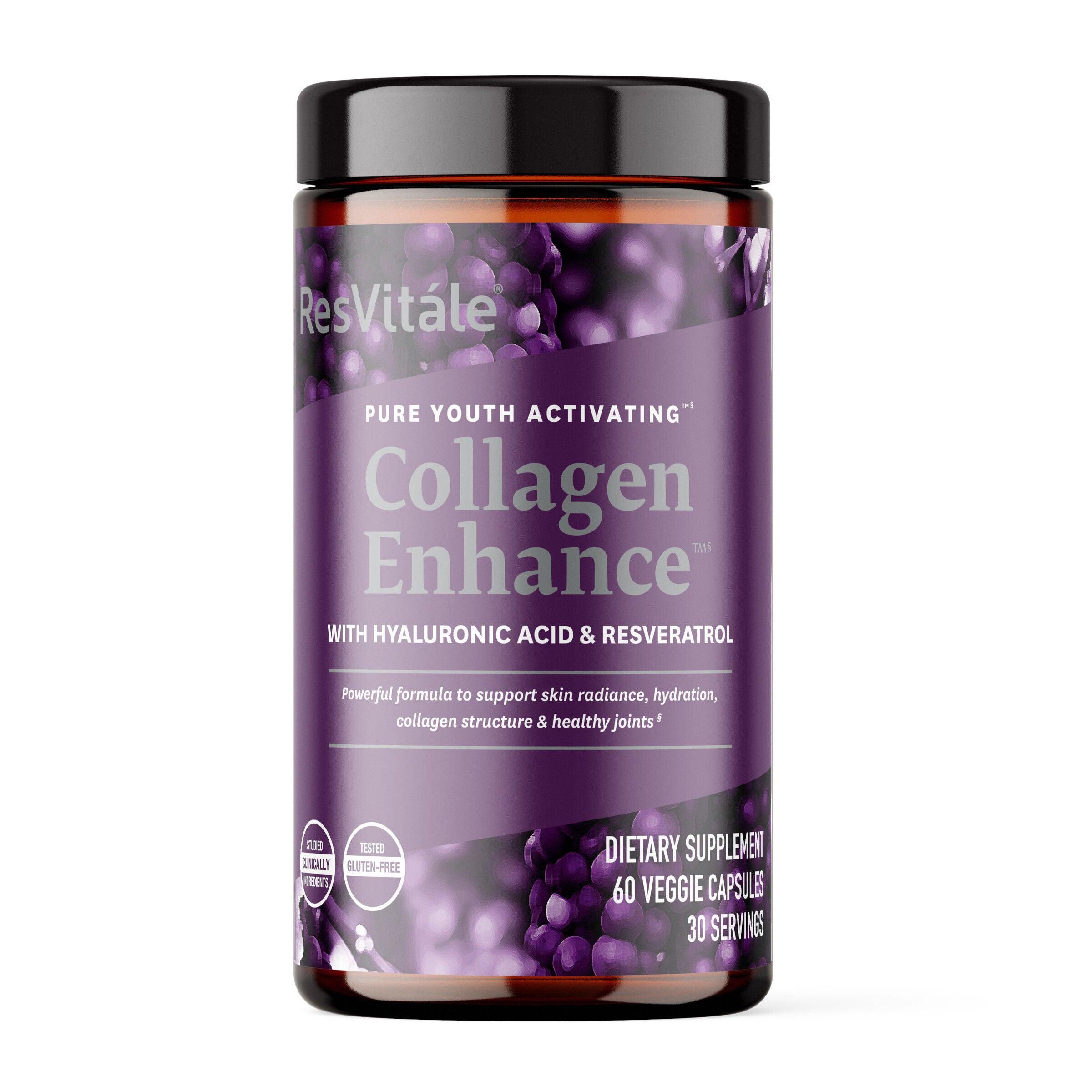
-

-
 Divine Health$54.99
-

-

Hydrolyzed type II collagen supplements have a distinct place within the broader collagen category, with formulas that often feature collagen, chondroitin sulfate, and hyaluronic acid derived from chicken cartilage. Collagen is a structural protein found in connective tissues, while hyaluronic acid and chondroitin sulfate are different substances that also occur naturally in the body. Their appearance together on a label reflects a particular ingredient composition, rather than three interchangeable names for collagen. The term “hydrolyzed” describes collagen that has been processed into smaller protein fragments called peptides. It describes the ingredient’s preparation, not a particular flavor, serving size, or supplement format. Type II collagen is associated with cartilage, making its source and composition different from many type I and type III collagen ingredients used elsewhere in the category. Those distinctions matter when comparing a cartilage-derived supplement with a bovine collagen powder or a marine collagen formula. Similar packaging does not necessarily mean similar ingredients, and the largest number on the front of a container does not describe every aspect of its contents. This category may appeal to adults interested in collagen within a beauty-focused routine, as well as those exploring supplements alongside an active lifestyle. Someone who enjoys walking, strength training, or weekend hikes may approach the category with different preferences than someone organizing a daily beauty regimen, even when both are comparing the same ingredient combination. The useful starting point is the ingredient panel: the source of the collagen, the substances included alongside it, and the amount provided in a labeled serving. Animal-derived ingredients also deserve attention when matching a supplement to personal food preferences. Chicken-derived collagen is distinct from fish-derived and bovine-derived collagen, and none is a plant ingredient. Collagen type, source, and format each describe a different characteristic, so considering them separately gives a clearer picture of what a formula contains.
Format is another practical distinction when comparing collagen supplements. Capsules and tablets may suit adults who prefer a supplement taken with water rather than mixed into a beverage. Capsule dimensions, tablet shape, coating, and the number included in a serving all contribute to that choice. A bottle containing many capsules may still represent fewer servings than expected when the labeled serving includes several capsules. The Supplement Facts panel separates those details, showing the serving size and the quantities associated with that serving. A stated amount for a cartilage-derived ingredient blend is not necessarily the amount of collagen alone, particularly when the ingredient naturally contains chondroitin sulfate and hyaluronic acid as well. Reading the ingredient description alongside the serving information provides more context than comparing milligram figures in isolation. Additional vitamins, minerals, or other ingredients introduce further differences between formulas; a shorter ingredient list and a more elaborate blend simply represent different compositions, not an automatic ranking. The Other Ingredients section adds another layer of detail, including capsule materials, coatings, colors, and ingredients used during manufacturing. A chicken-derived collagen ingredient does not, by itself, identify the material used for its capsule shell. For powdered formulas, flavor, serving measurements, and mixing directions are relevant considerations, especially for someone particular about the taste or texture of a morning drink. An unflavored designation describes flavoring rather than an assurance that every person will find the powder undetectable. Packaging also deserves a close look: serving directions, storage information, and clearly identified ingredient amounts provide useful details for everyday use. Shoppers interested in another part of the category may also explore collagen supplements while comparing ingredient sources and peptide-focused descriptions. Similar terminology across collagen categories does not establish that their formulas, serving sizes, or intended uses are identical. The most meaningful comparison keeps the ingredient identity, amount per serving, and preferred format together rather than relying on a single word on the front label.
Everyday fit extends beyond the formula itself. A supplement that requires mixing belongs in a different routine from a capsule taken according to its package directions, and those differences become noticeable during an ordinary workday or a trip away from home. Someone who eats breakfast at a kitchen table may have room for a container and measuring scoop, while someone carrying a small lunch bag may prefer another format. These are practical preferences rather than measures of ingredient quality. The package directions remain the reference for serving and handling; changing the amount or combining several collagen formulas is not a useful shortcut for comparing them. When reviewing more than one supplement, noting ingredients that appear on both labels provides a clearer picture of what each contributes. Care and storage matter, too. Moisture, damaged closures, and storage conditions outside those specified on the package are worth avoiding. A bathroom shelf beside a steamy shower or a bag left in a parked car may not match the labeled storage instructions. Keeping the container closed as directed and retaining its label preserves access to the serving information, ingredient details, lot identification, and printed date. For travel, the original labeled packaging keeps those details with the supplement rather than leaving an unidentified handful of capsules in a pouch. Container size and closure style may also matter to someone with limited cabinet space or a preference for keeping a routine organized in one place. If collagen supplements are being considered as a gift, an adult recipient’s expressed preferences are a better starting point than assumptions about age, appearance, or activity. Familiarity with their preferred ingredient source and format makes the choice more personal without assigning them a wellness goal. Whether chosen for personal use or for someone who has specifically requested them, collagen supplements are best understood through their actual composition and intended use. Clear ingredient information, a suitable format, readable directions, and appropriate storage provide a grounded basis for comparing this category without expecting every collagen formula to serve the same purpose.
Best Sellers
-
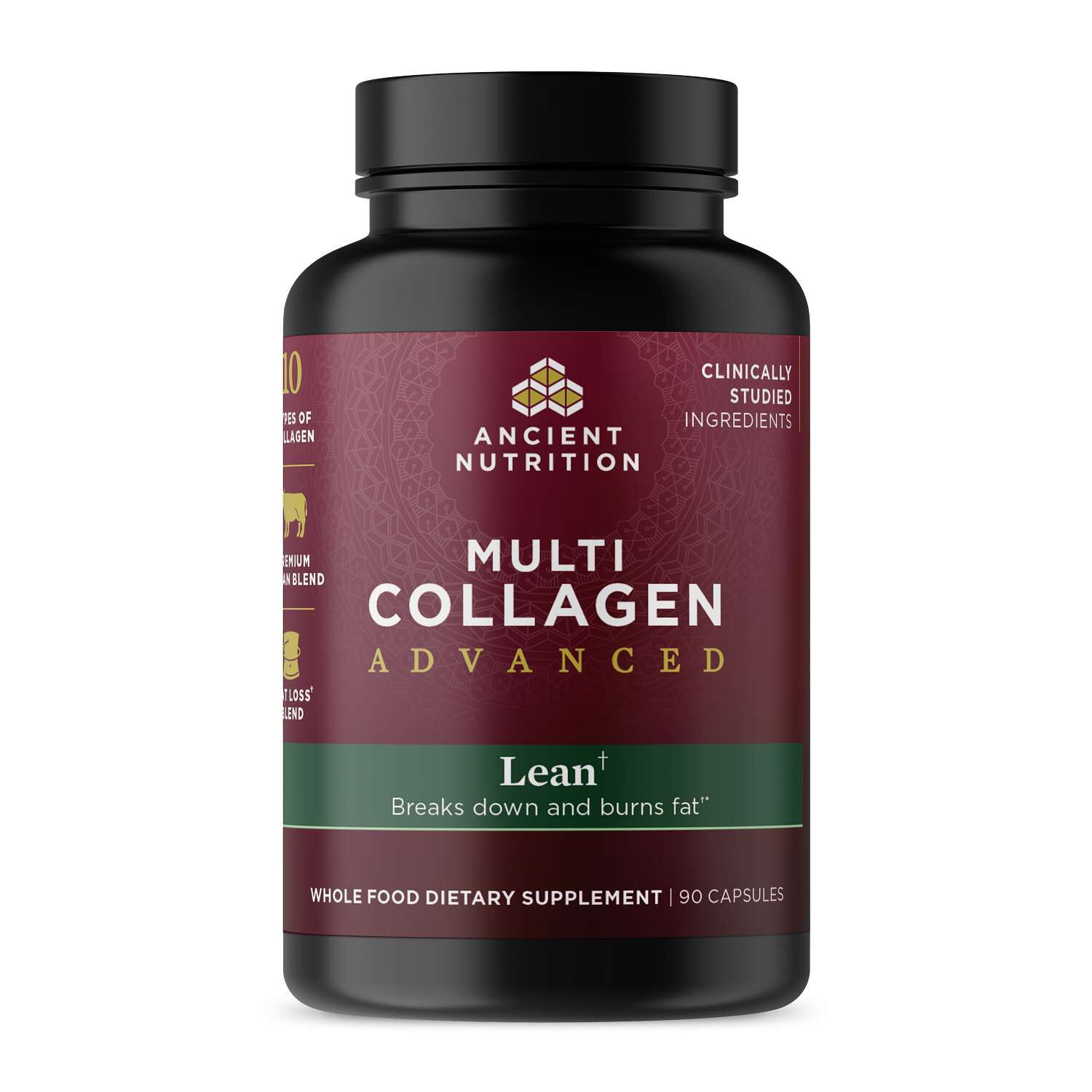 Ancient Nutrition
-
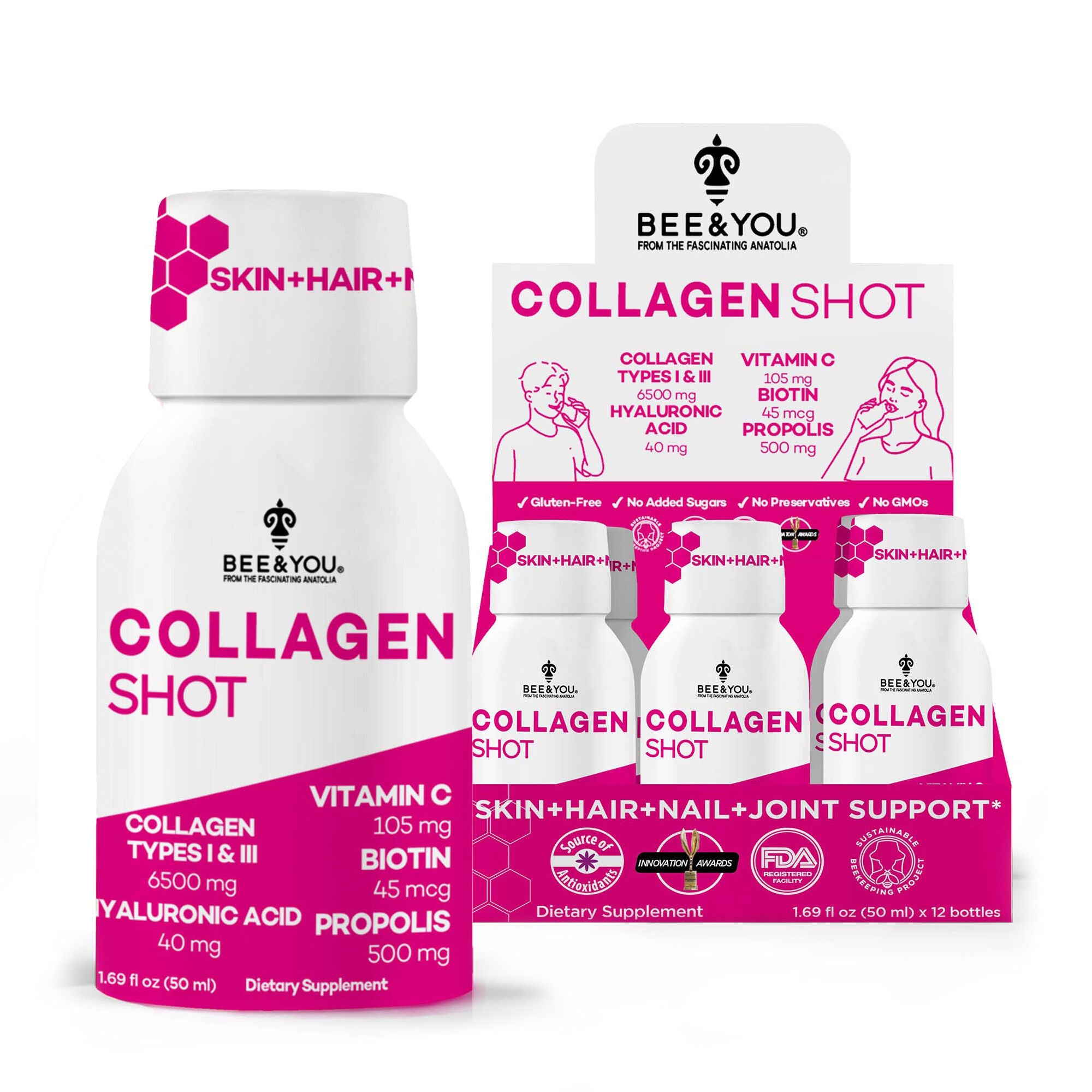 Bee And You