


Brain Supplements For Summer Study Sessions
(0 Results)
Brain supplements for summer study sessions could be a helpful addition to your routine as you prepare for exams, tackle new courses, or dive into challenging projects. With the right support, staying focused and motivated during long hours of study might feel more manageable. Explore options that may complement your healthy lifestyle and help you make the most of your summer learning goals.
-
-
-

-

-

-

-

-
-
-

-

-
 $34.99
 -
-
 Divine Health$44.99
 -

-

-

-
-
 Nature's Fusions$54.99
 -
-

-
-
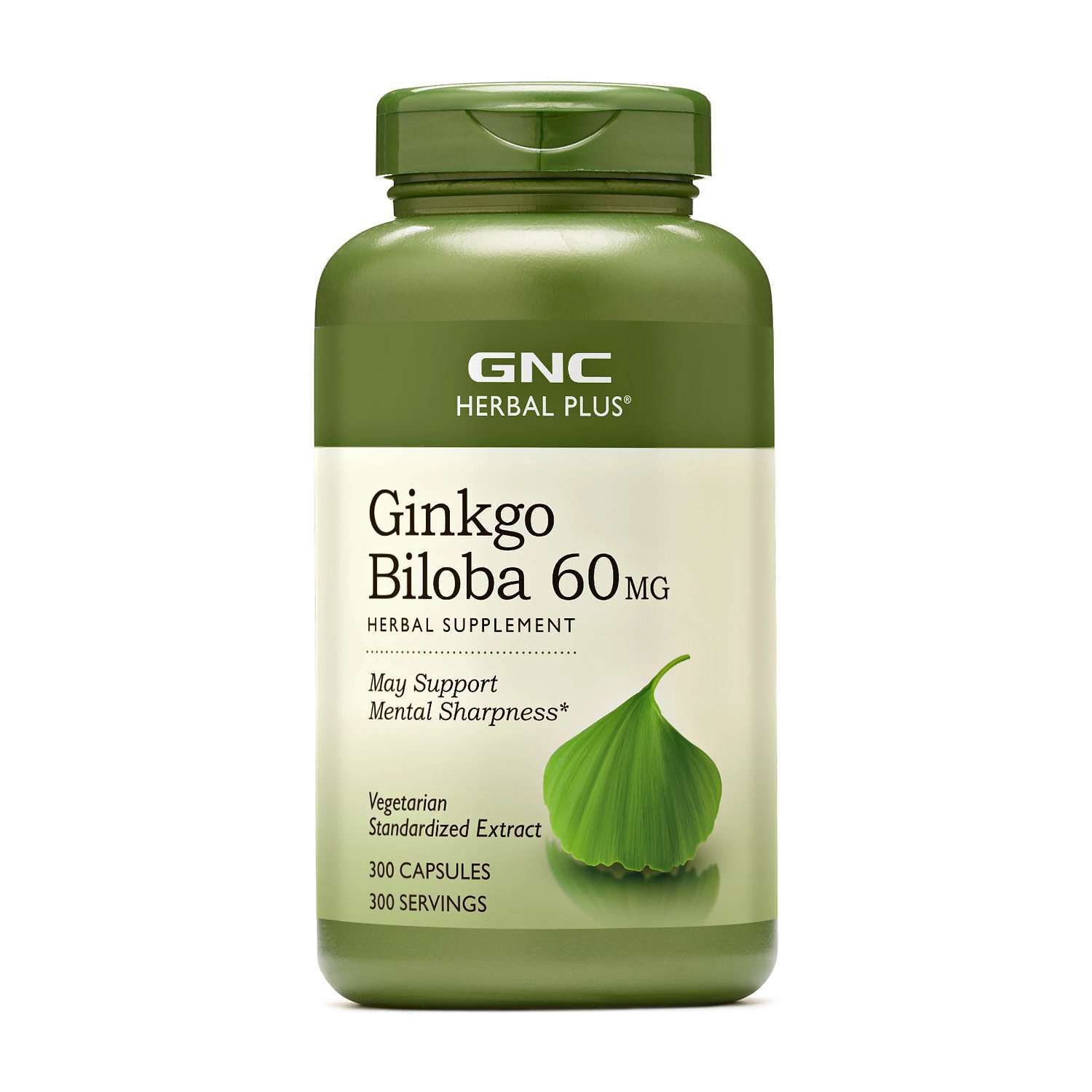

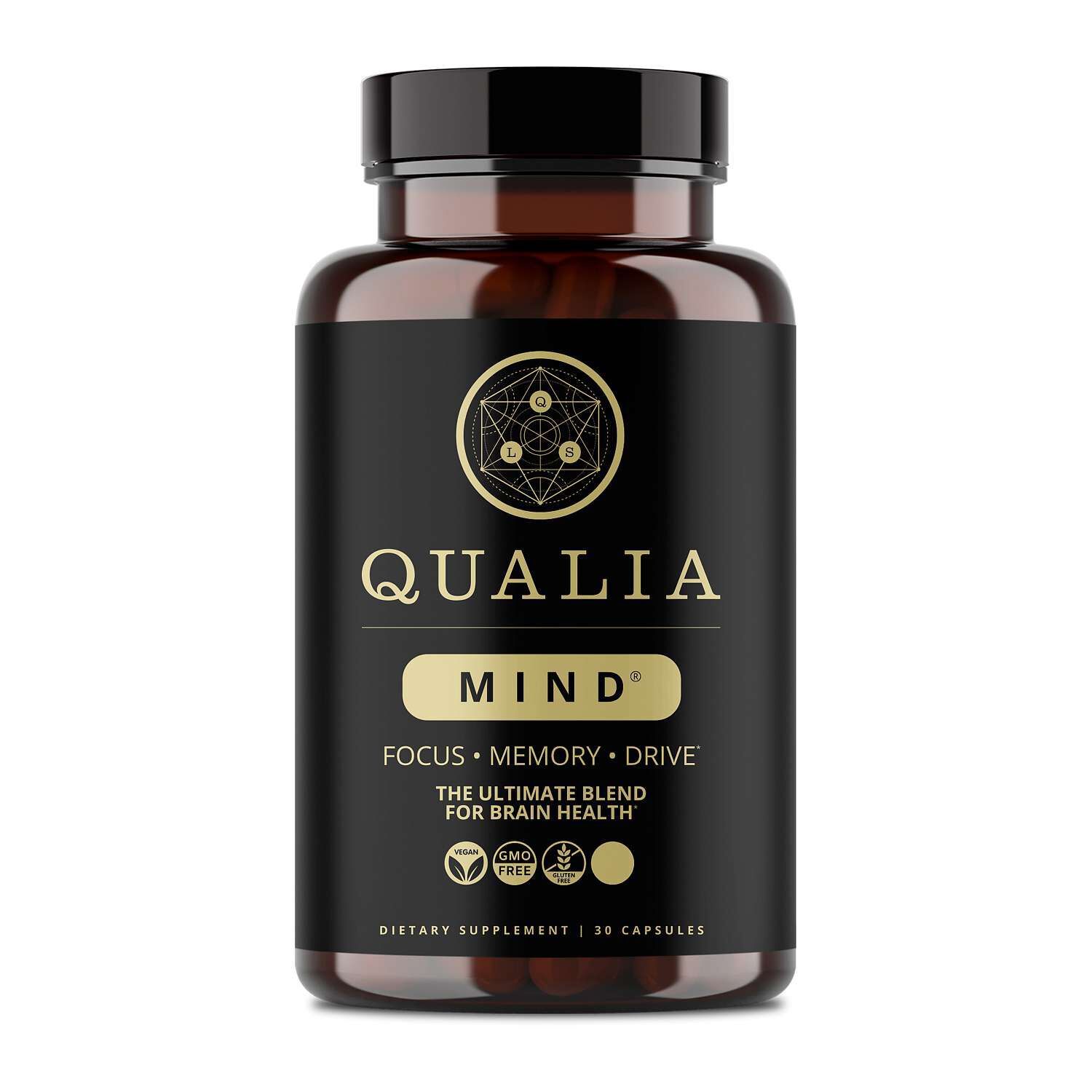
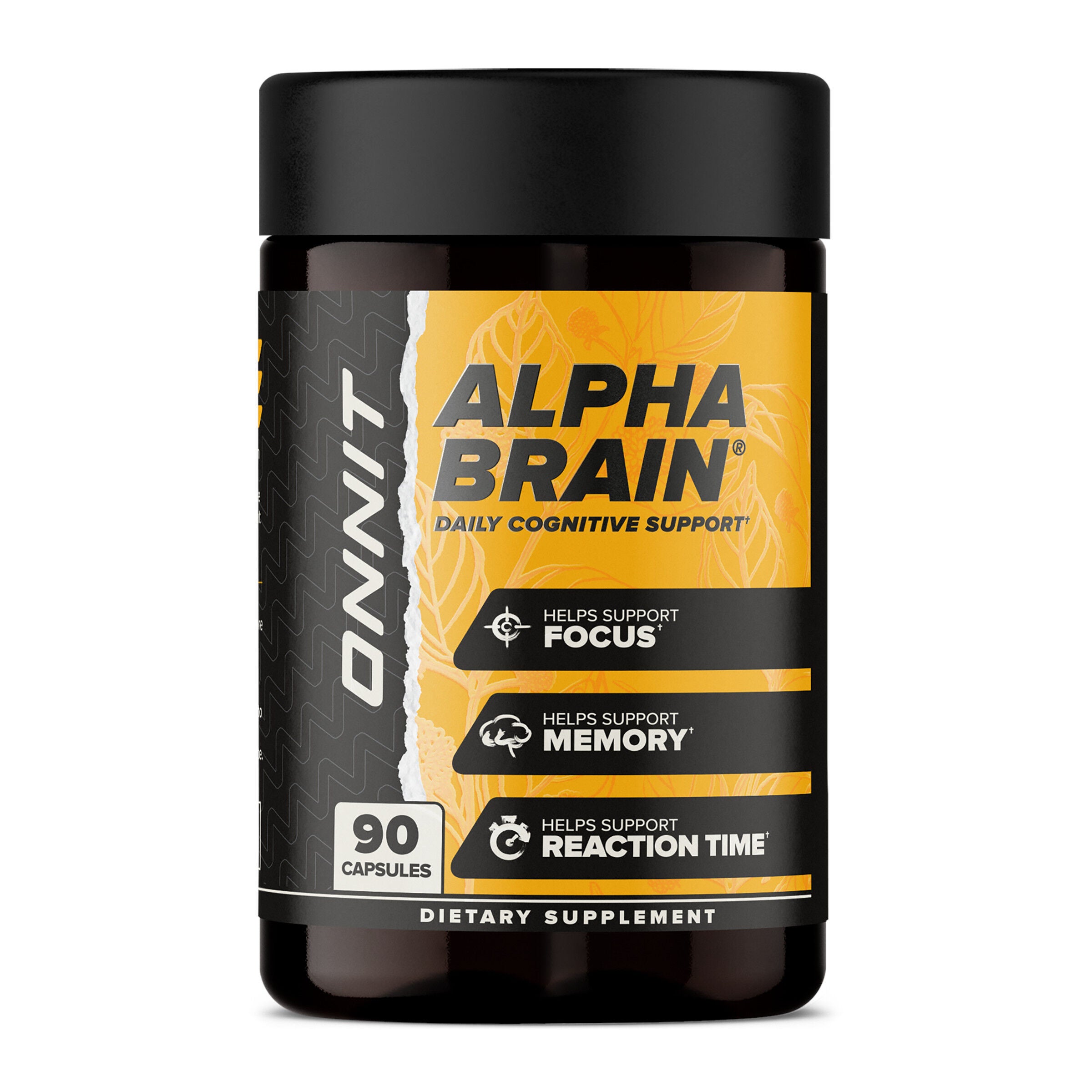
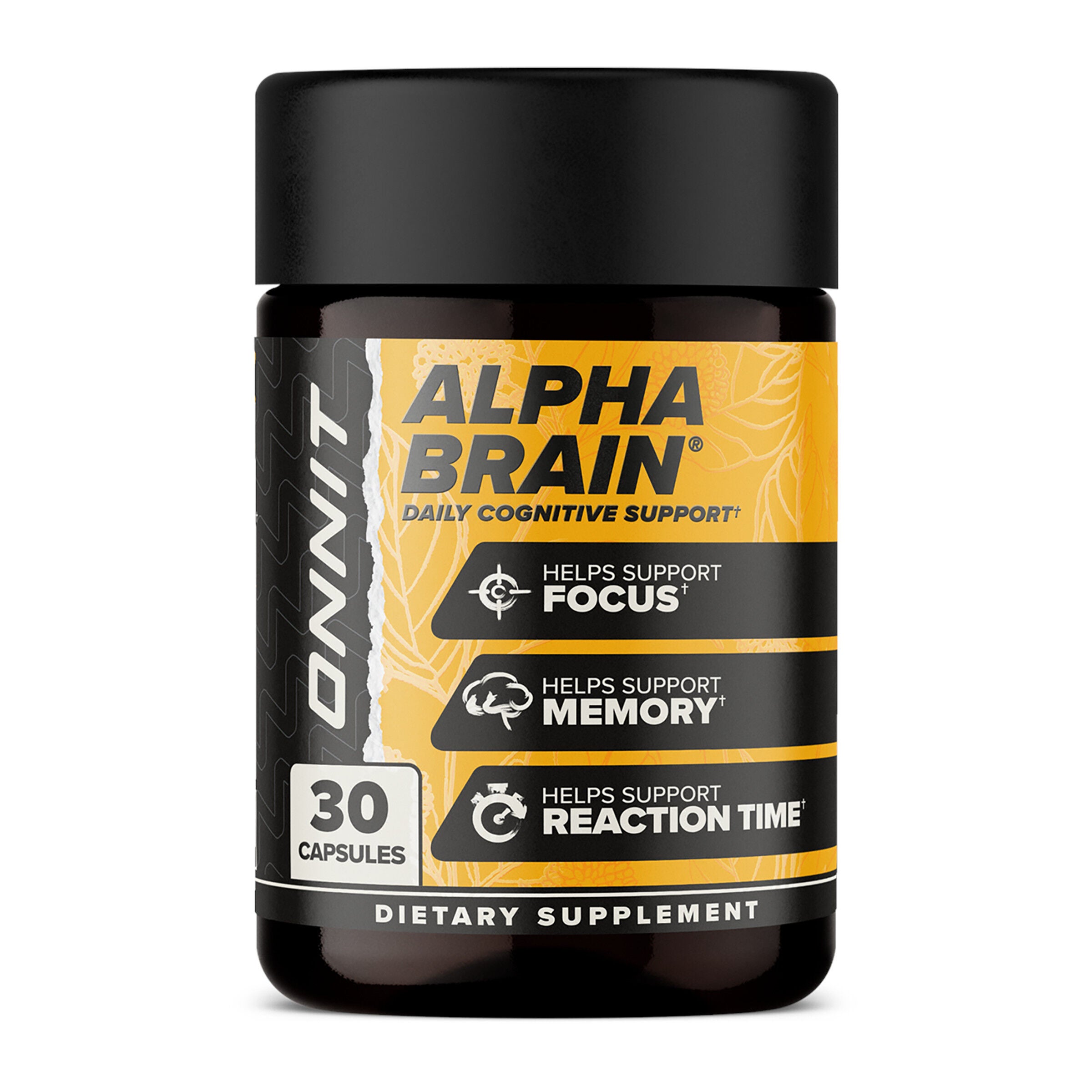
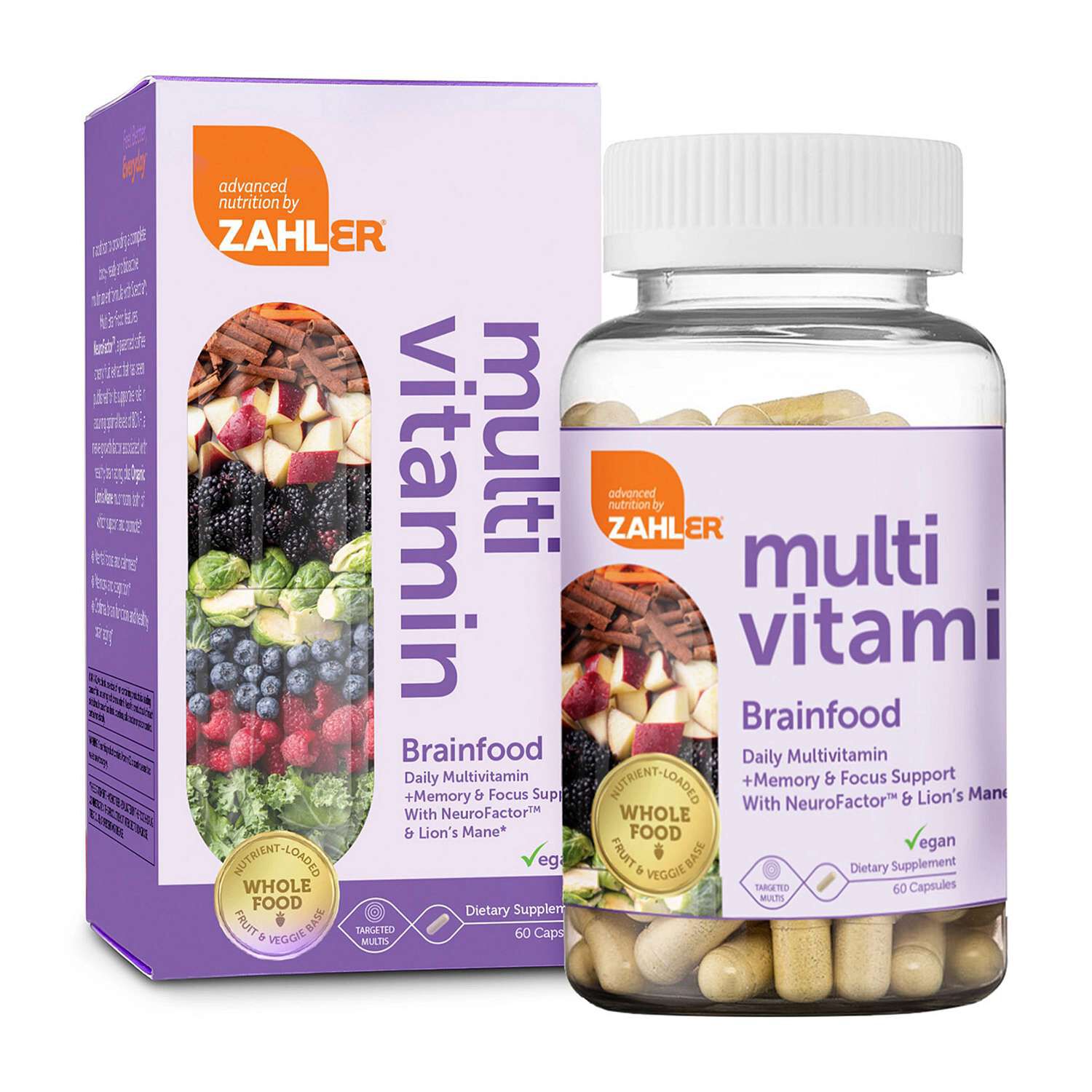
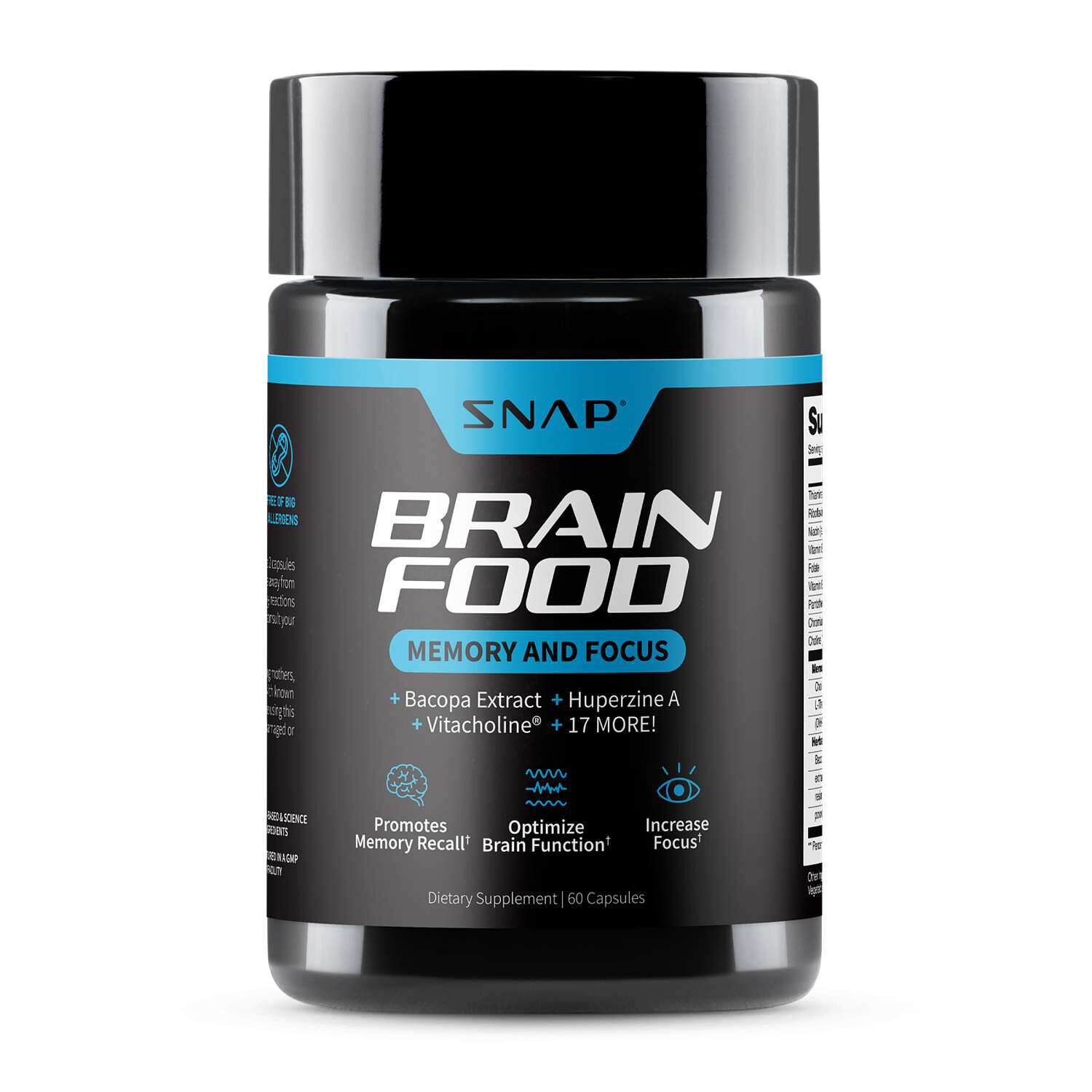
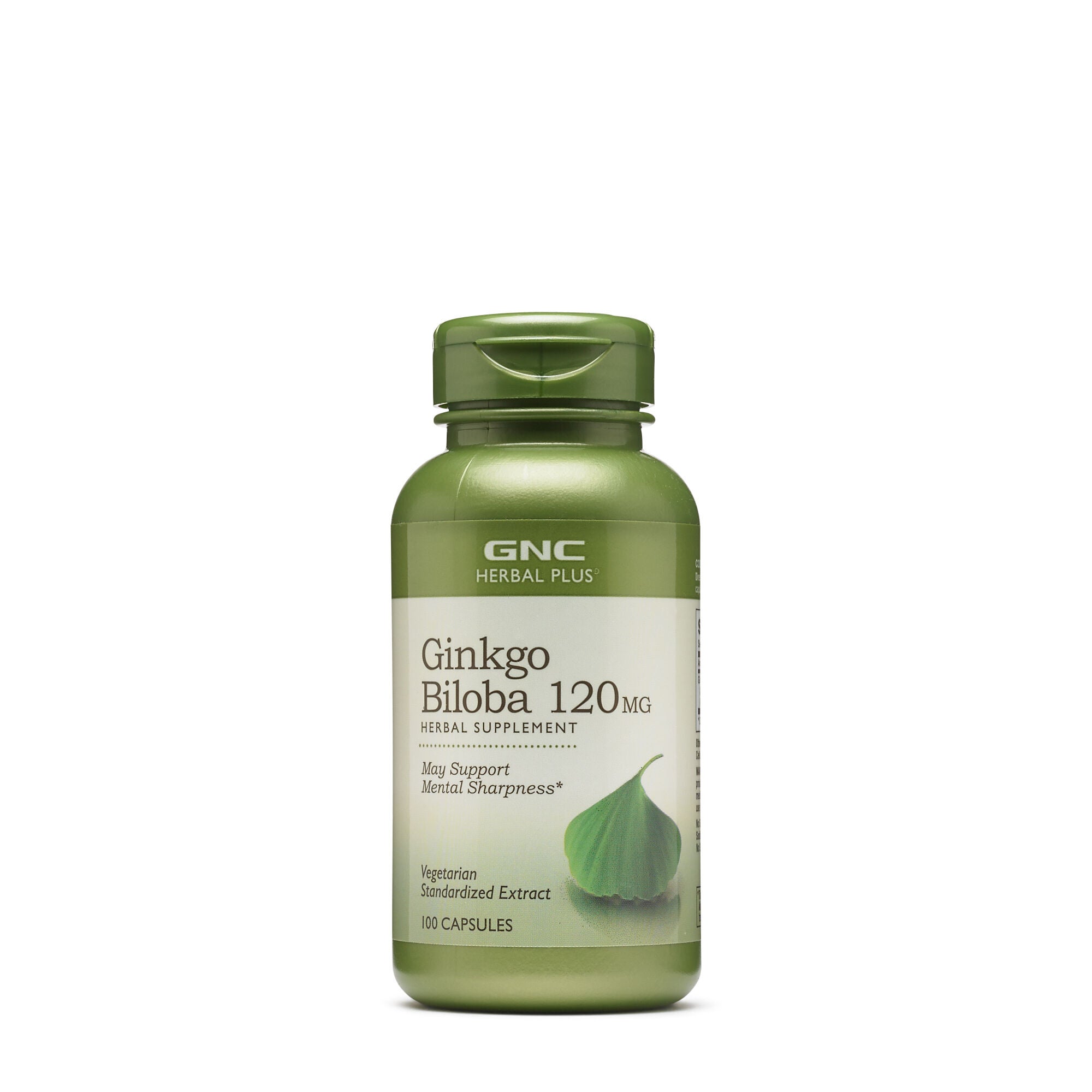
Brain supplements for summer study sessions can fit into a broader routine built around regular meals, water, sleep and a realistic study schedule. During warmer weather, long days can make it tempting to move from one assignment to the next with little time for meals or rest, especially when a library, dorm room or kitchen table becomes a temporary study station. A carefully chosen supplement may offer a convenient way to add familiar nutrients to that routine, particularly for students who prefer capsules, softgels, powders or ready-to-drink formulas. Common ingredients in brain-focused formulas include phosphatidylserine, B vitamins and omega-3 fatty acids such as DHA and EPA. Phosphatidylserine may support memory and mental performance, while B6, folate and B12 may help maintain normal energy metabolism and nervous system function. DHA and EPA may support the normal structure and function of the brain. These ingredients are not a substitute for nourishing food or restful sleep, and their effects can vary from person to person. A product page such as Supplements For Healthy Summer Brain can make it easier to compare options by format, serving instructions and ingredient profile before adding something to a daily routine. For students preparing for entrance tests, certification exams, language courses or summer classes, a simple approach may be easier to maintain than a complicated collection of individual products. Someone who studies at a café in the afternoon might prefer a portable single-serve powder, while a student with a set morning routine may appreciate a once-daily capsule. As the weather shifts toward cooler months, these same formats can remain useful for evening coursework, reading assignments and preparation for end-of-term exams.
When comparing brain supplements, begin with the label rather than the front-of-package design. Look for a clearly listed serving size, the amount of each ingredient per serving and straightforward directions for use. A transparent label may make it easier to compare a blend with a single-ingredient option and avoid doubling up on nutrients already found in a multivitamin or fortified food. Students who eat little fish may look for an omega-3 formula that lists DHA and EPA separately, while those interested in B vitamins may compare the amounts of B6, folate and B12. Phosphatidylserine may appeal to shoppers seeking a focused ingredient, whereas a broader formula may suit someone who prefers several nutrients in one serving. Other practical details matter, too: check for dietary preferences, allergen statements, flavor, capsule size, storage instructions and whether the format fits a backpack or desk drawer. Caffeine deserves special attention in study products. Some shoppers may prefer a formula without it so that late-day studying does not interfere with their usual evening routine; others may choose a product with a modest amount and read the label carefully. It can also be useful to check whether a powder contains added sugar or whether a softgel includes a fish-derived ingredient. For a gift, these details are more thoughtful than choosing solely by appearance. A care package for a college student, recent graduate or someone studying for a professional exam might include a convenient format, a reusable water bottle, nourishing snacks and a planner, while leaving room for the recipient’s personal preferences. Anyone who is pregnant, nursing, managing a health concern, following a restricted diet or using prescription products may wish to speak with a qualified healthcare professional before choosing a supplement. Reading the full label and following its directions can help make the purchase more intentional.
A supplement tends to fit best when it accompanies habits that make study time feel steady rather than rushed. Many students find it helpful to take a product at the same point in the day, such as with breakfast or alongside a midday meal, provided the label allows that use. Starting a routine before a demanding exam period may give someone time to learn how the format fits their schedule, instead of introducing several new products the night before a test. A glass of water beside the laptop, a meal with protein and produce, short movement breaks and a consistent bedtime may all contribute to a more comfortable study rhythm. During hot weather, keeping water nearby can be especially practical when moving between classes, commuting to a quiet study space or spending several hours in a warm room. During cooler months, the same routine may shift indoors, with tea, a desk lamp and a planned break between reading blocks. It may help to keep expectations grounded: supplements could complement a sound routine, but they cannot replace sleep, balanced meals, preparation or time away from a screen. A useful study setup might include one clearly labeled product, a simple schedule and a place to record assignments, practice sessions and rest. For parents, relatives and friends shopping for a student, a brain-focused supplement may be a considerate addition to a broader care package when the recipient’s dietary needs and preferred format are known. Whether the goal is to make a morning class routine more convenient, organize an afternoon review session or prepare for a longer stretch of coursework, choosing a well-labeled product and using it consistently may help the supplement fit naturally into everyday life.