Supplements For Summer Brain Health
(0 Results)
Supplements for summer brain health could be a smart addition to your warm-weather wellness routine. Whether you’re looking to stay sharp during busy days or support mental clarity while enjoying the sunshine, there are a variety of options that may fit your needs. Explore supplements for summer brain health and discover choices designed to help you make the most of every moment this season.
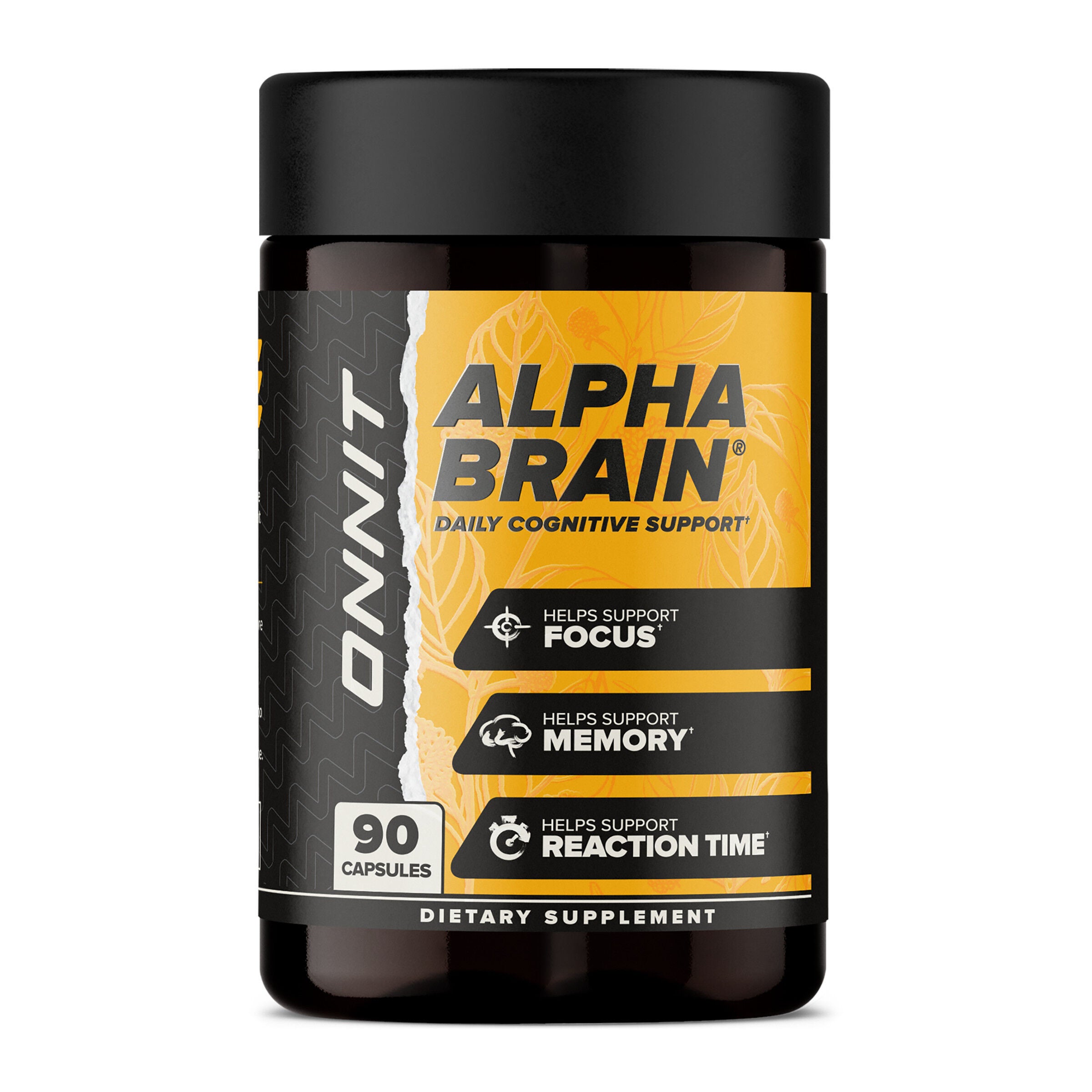
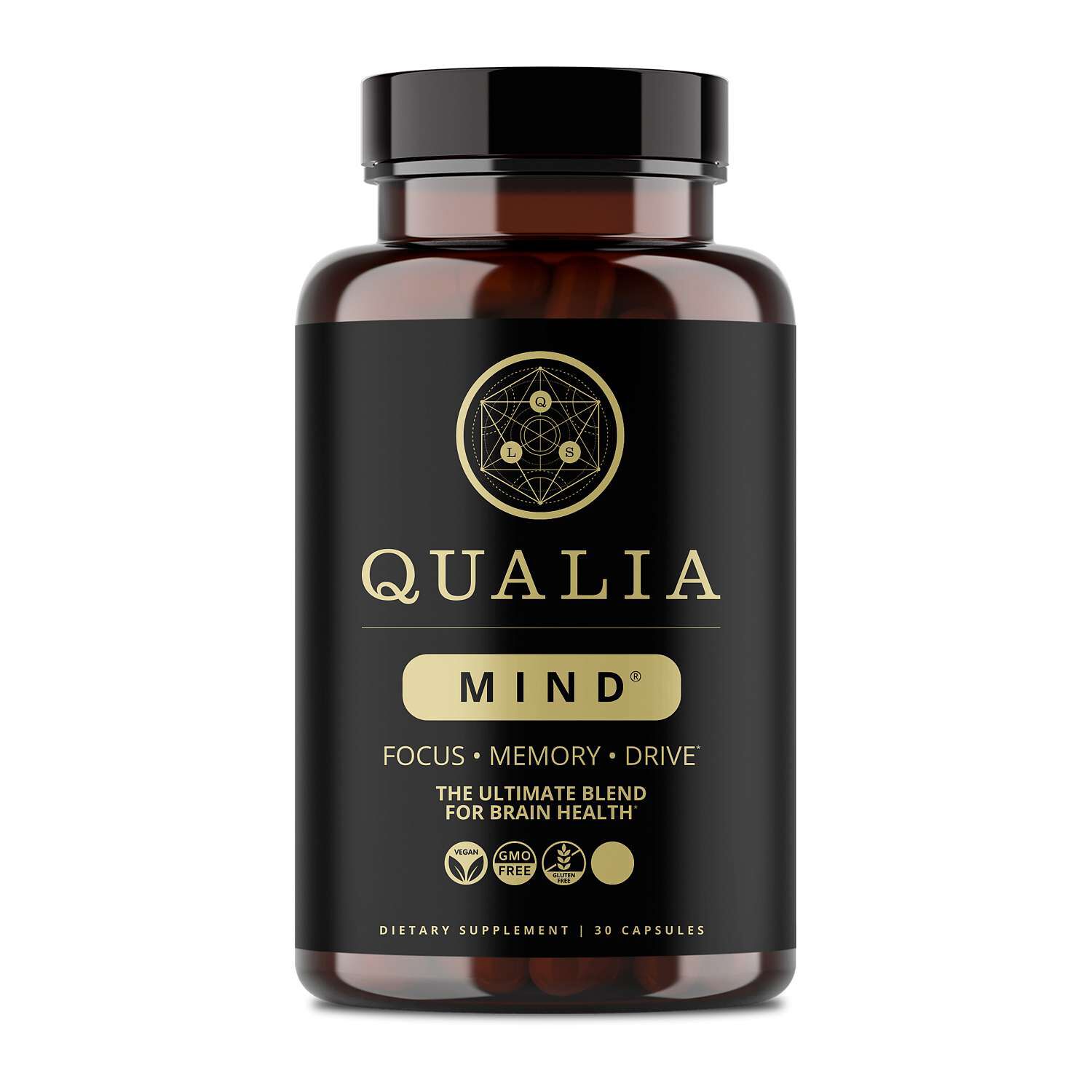
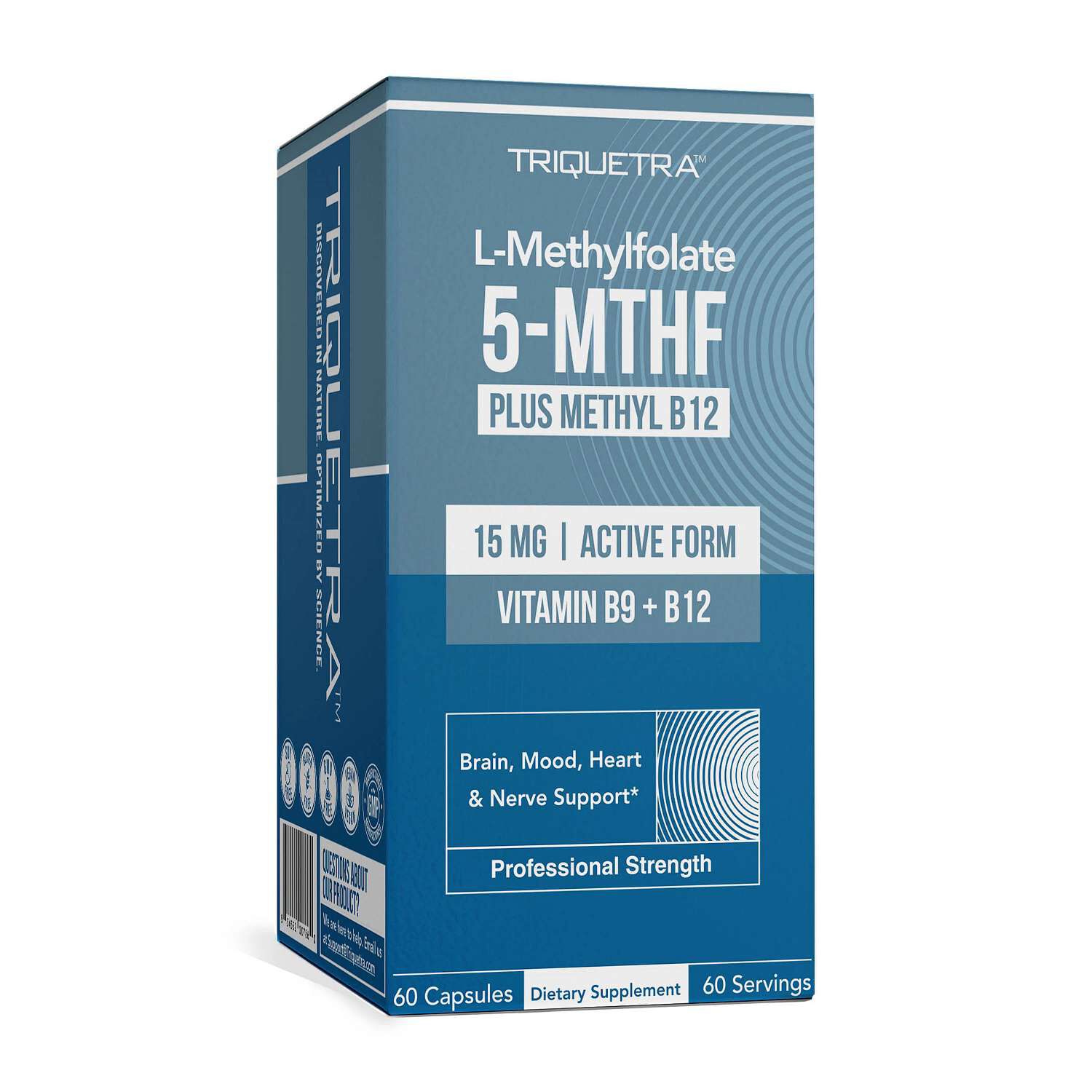

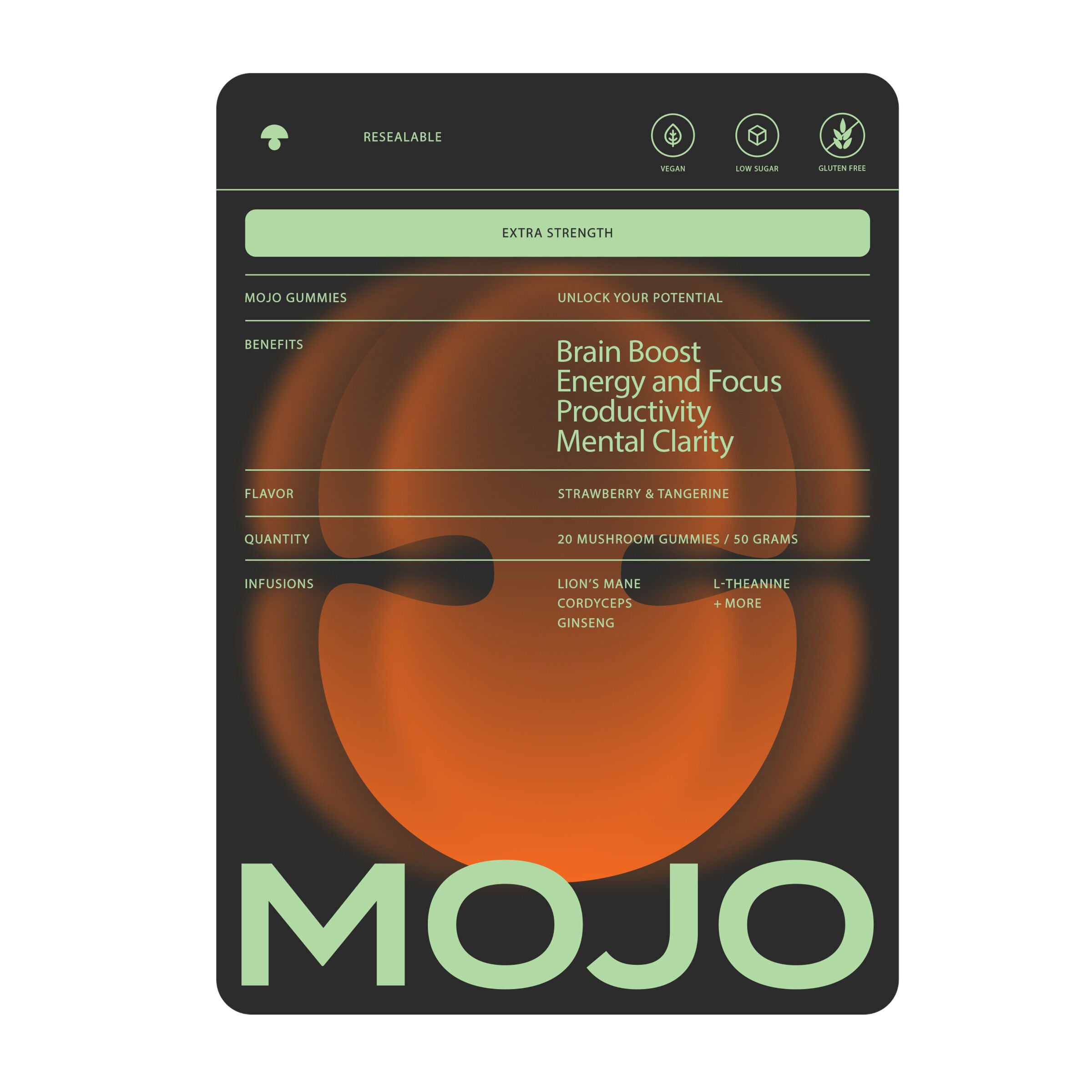
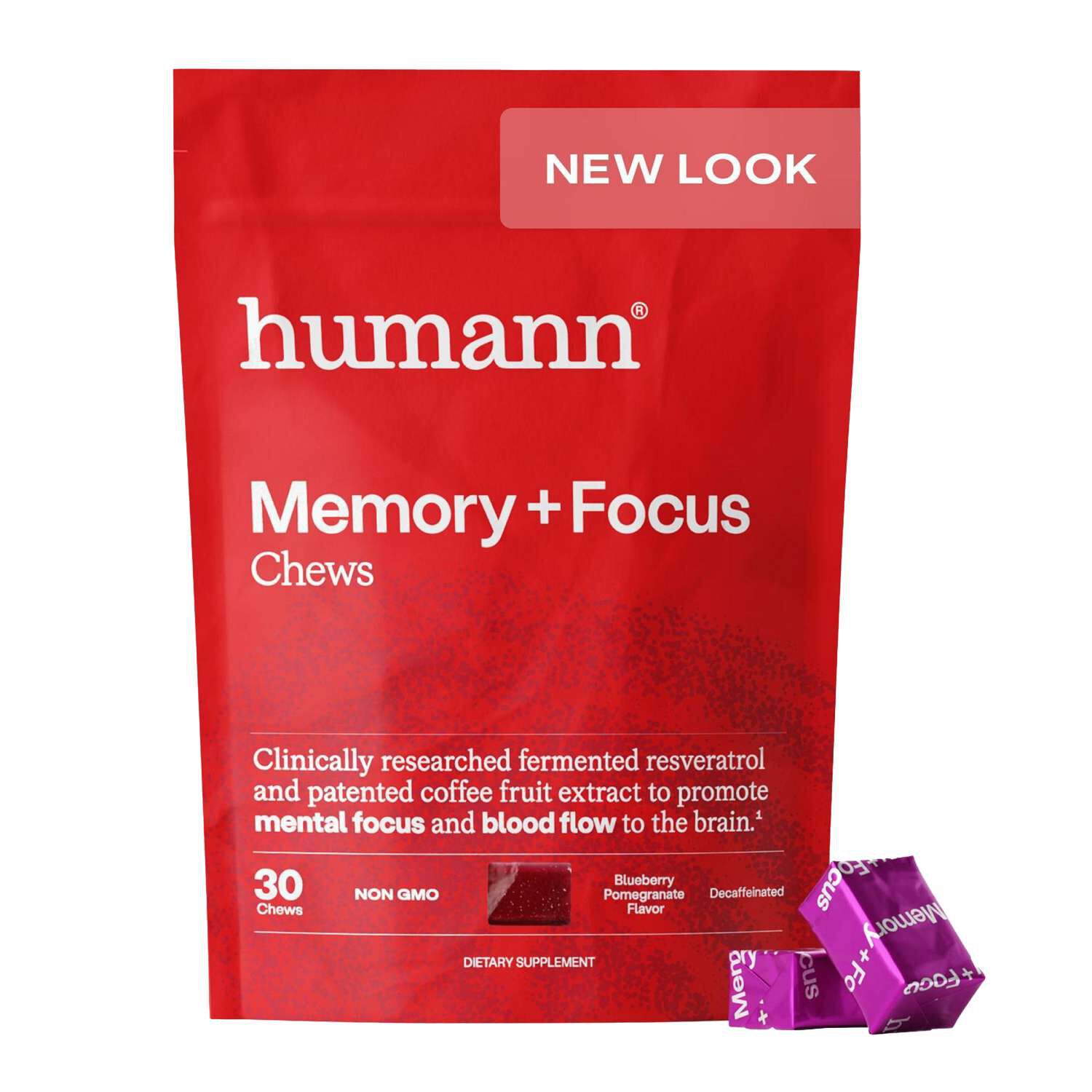
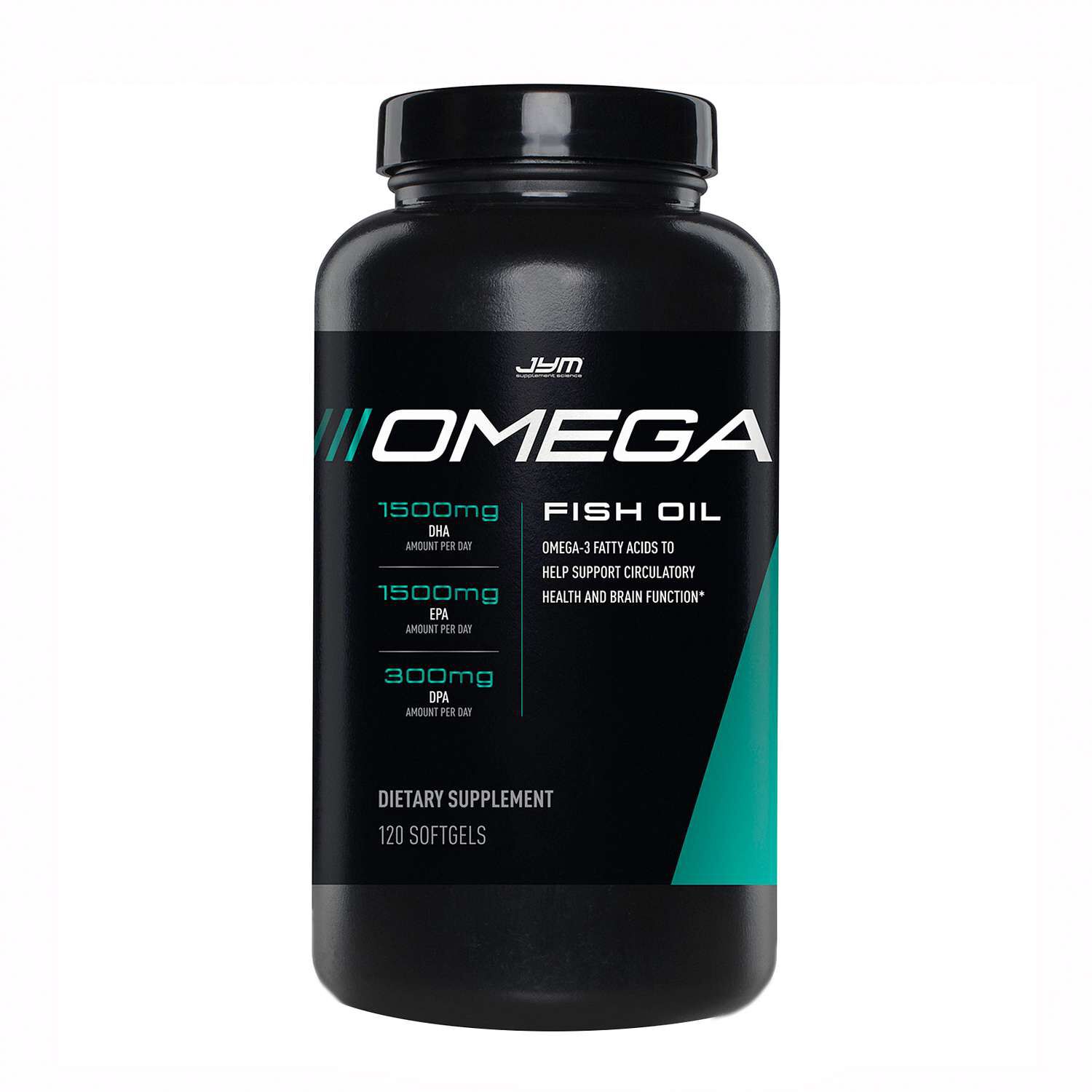
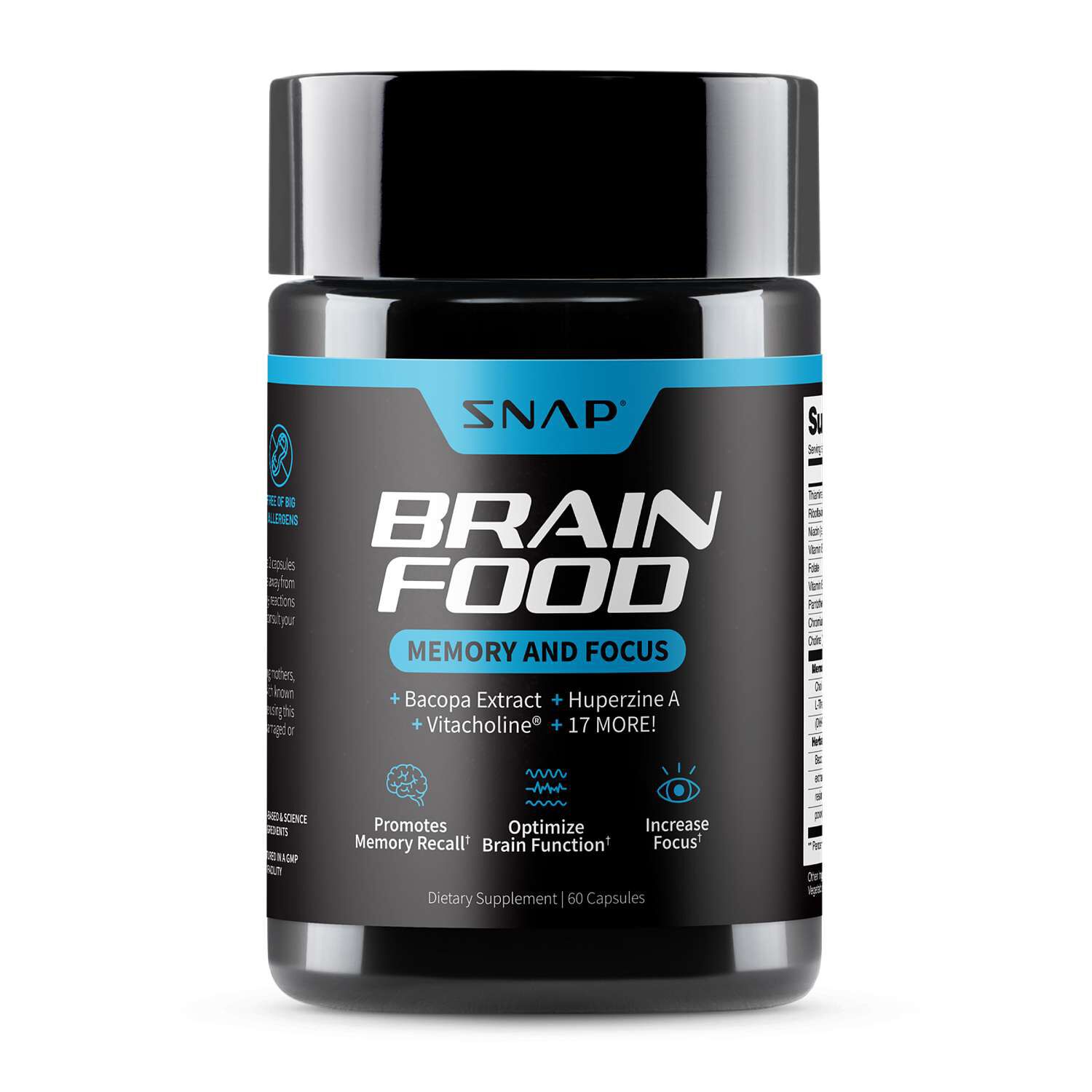
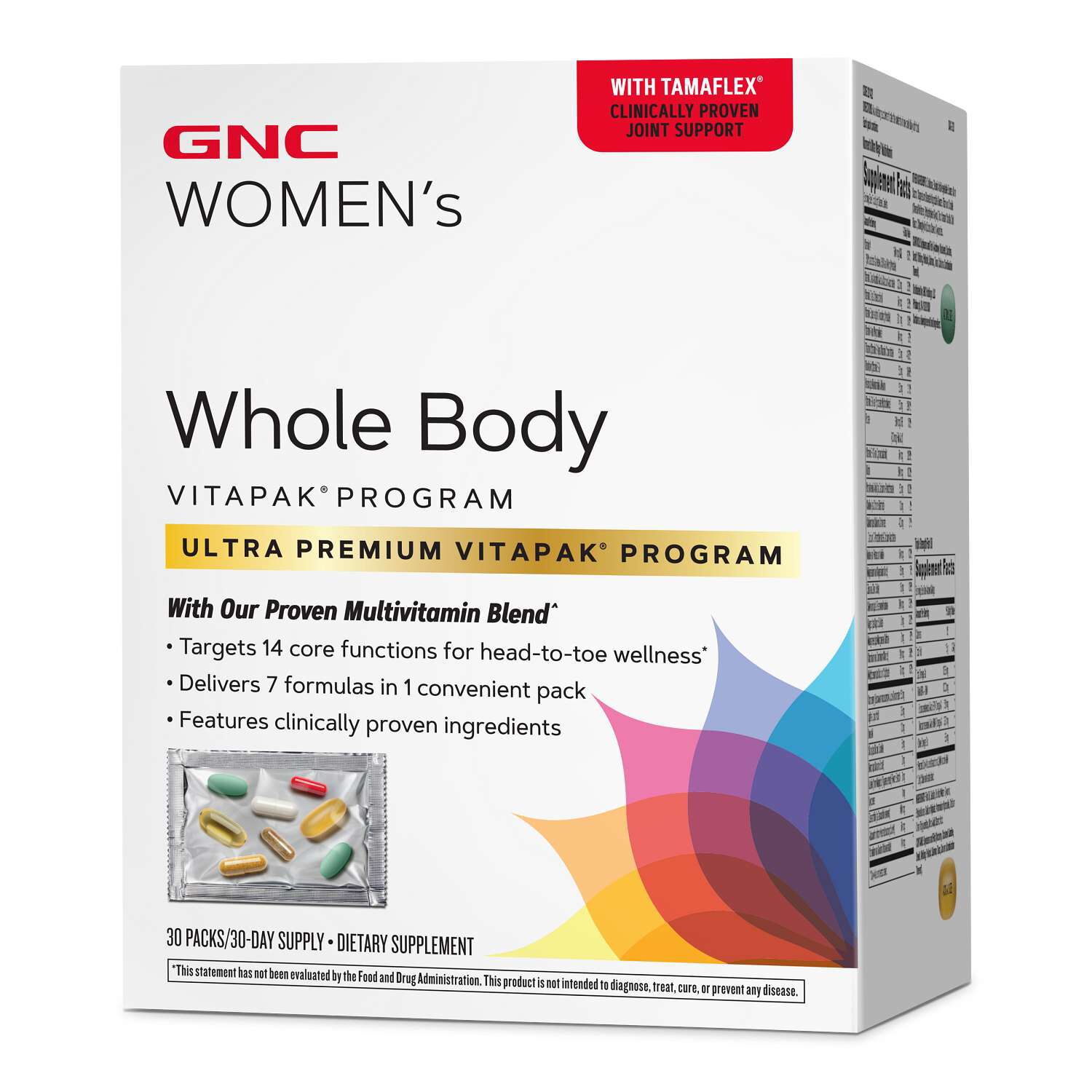


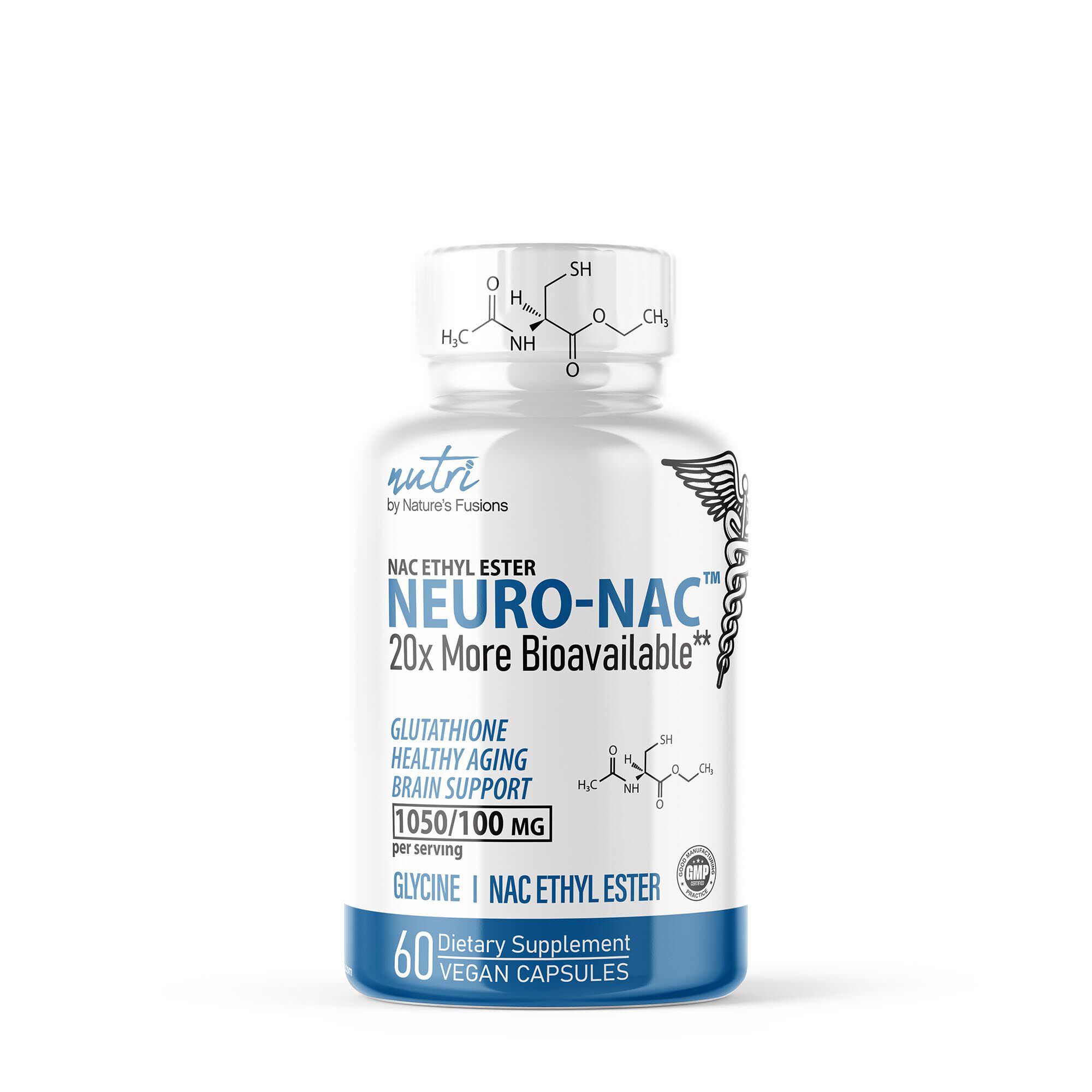
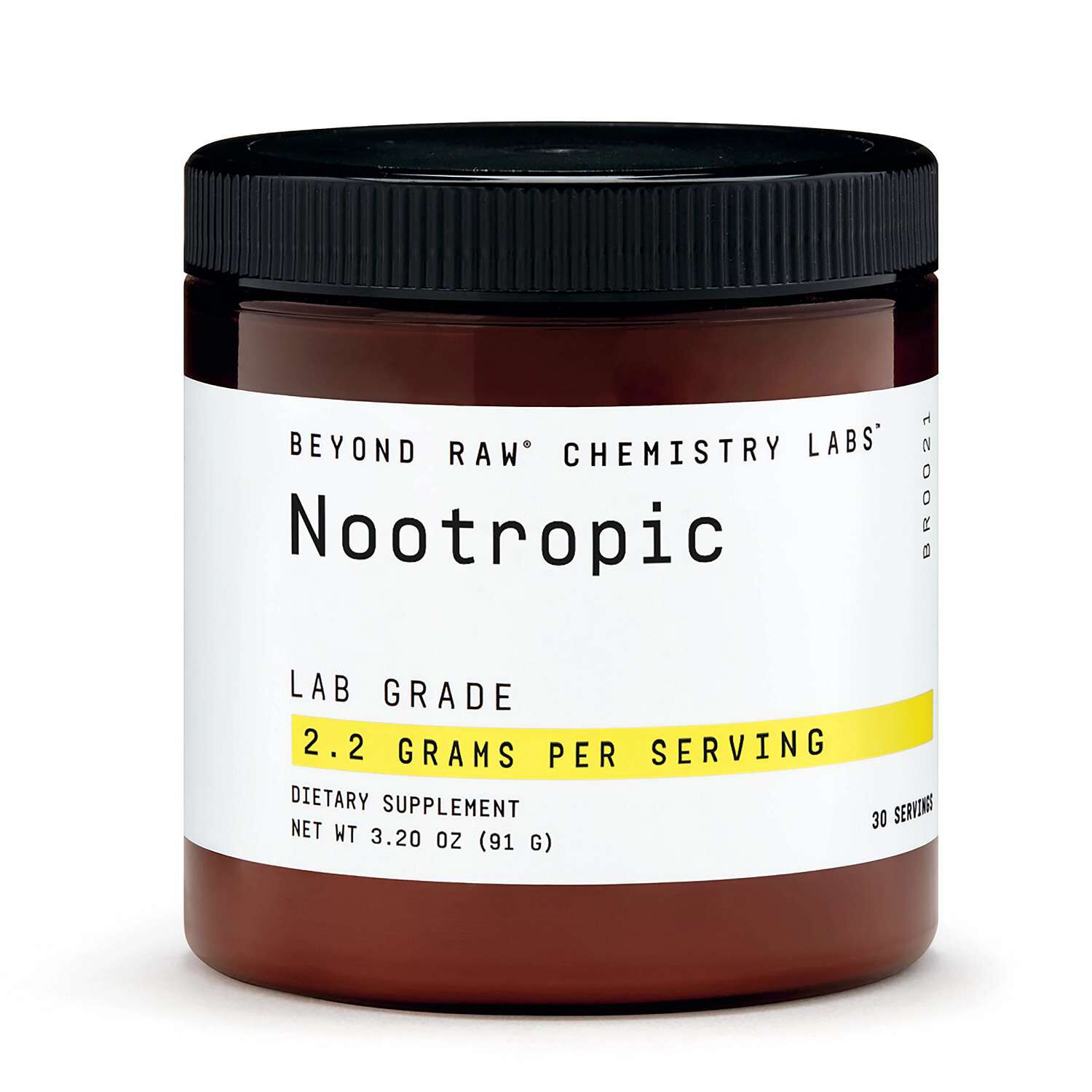

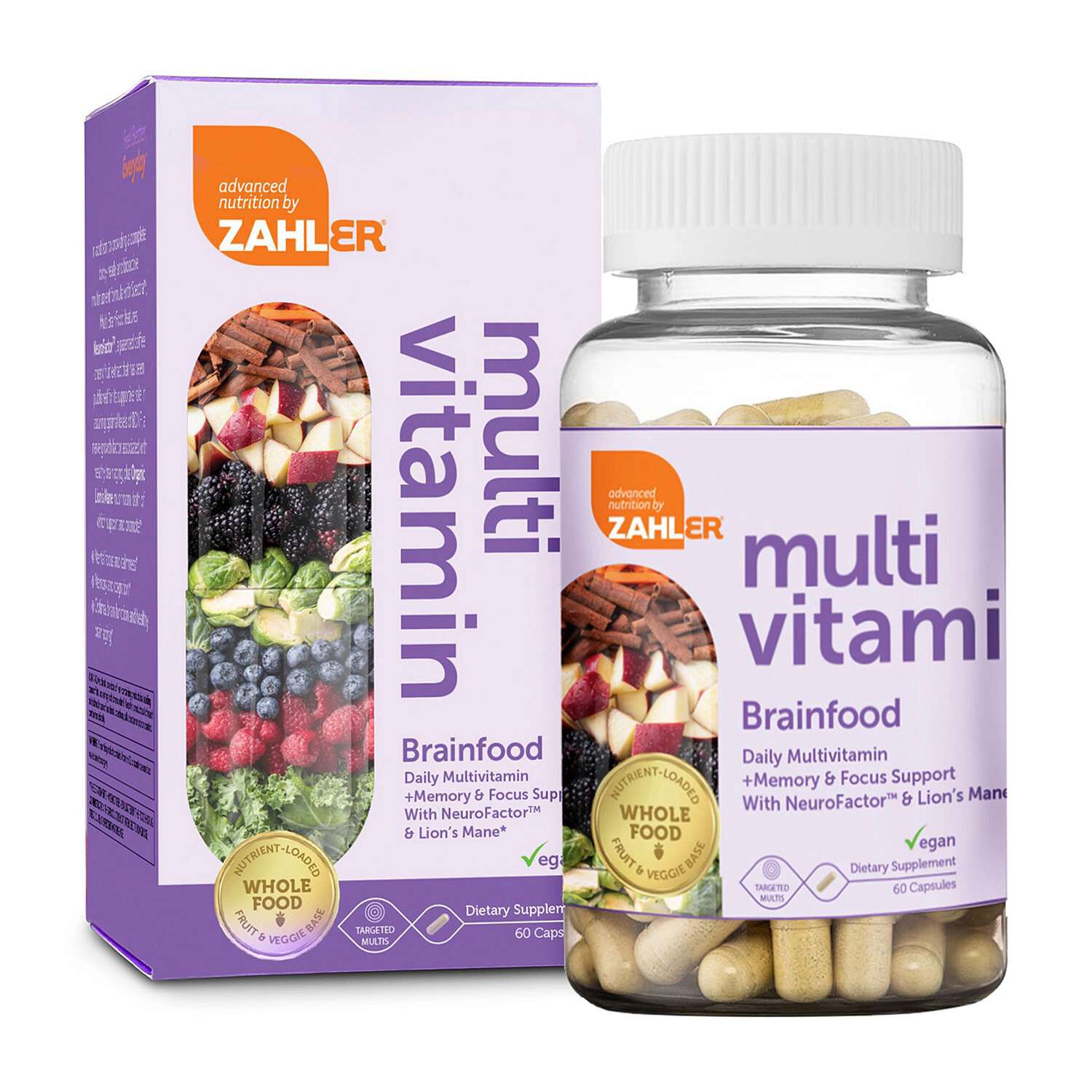


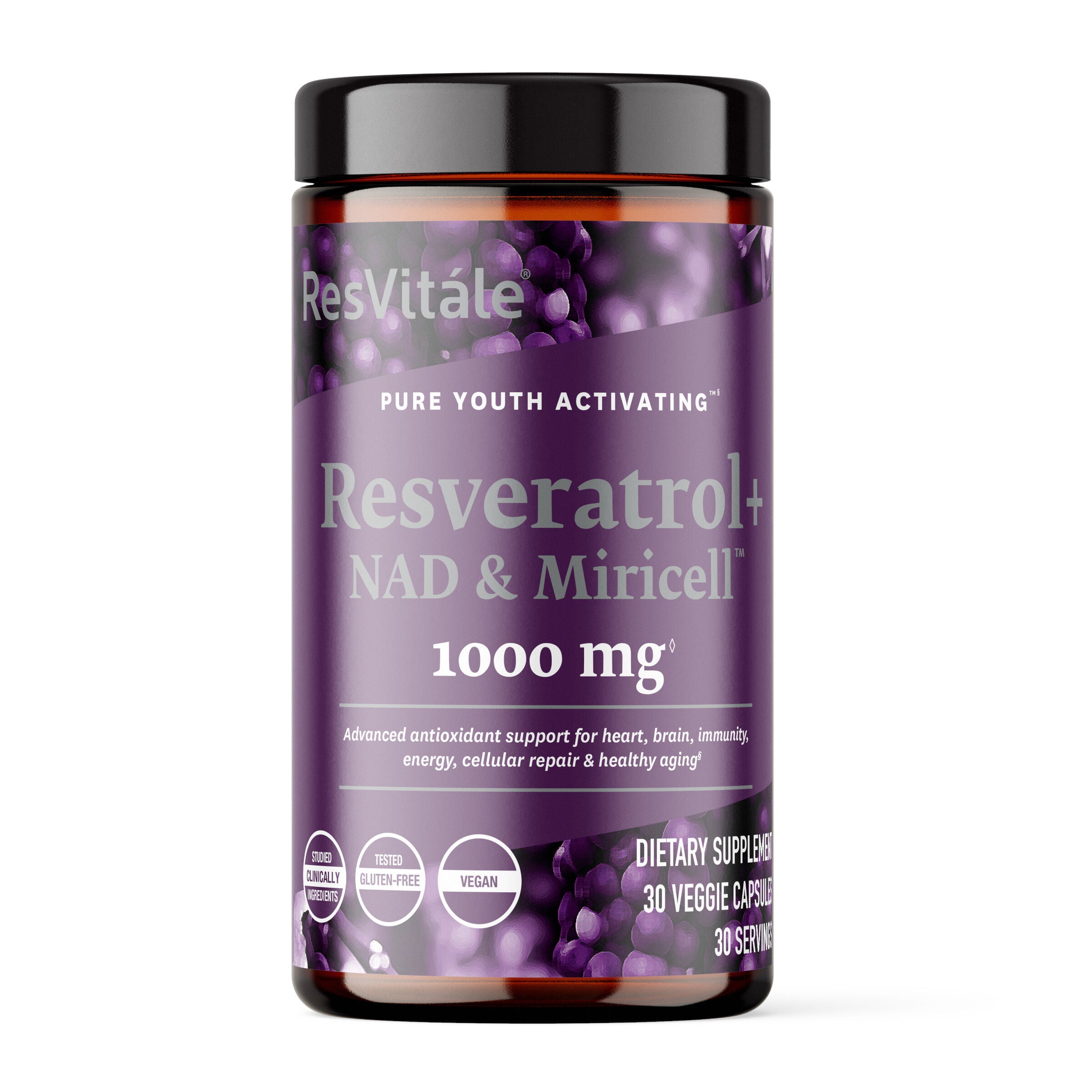
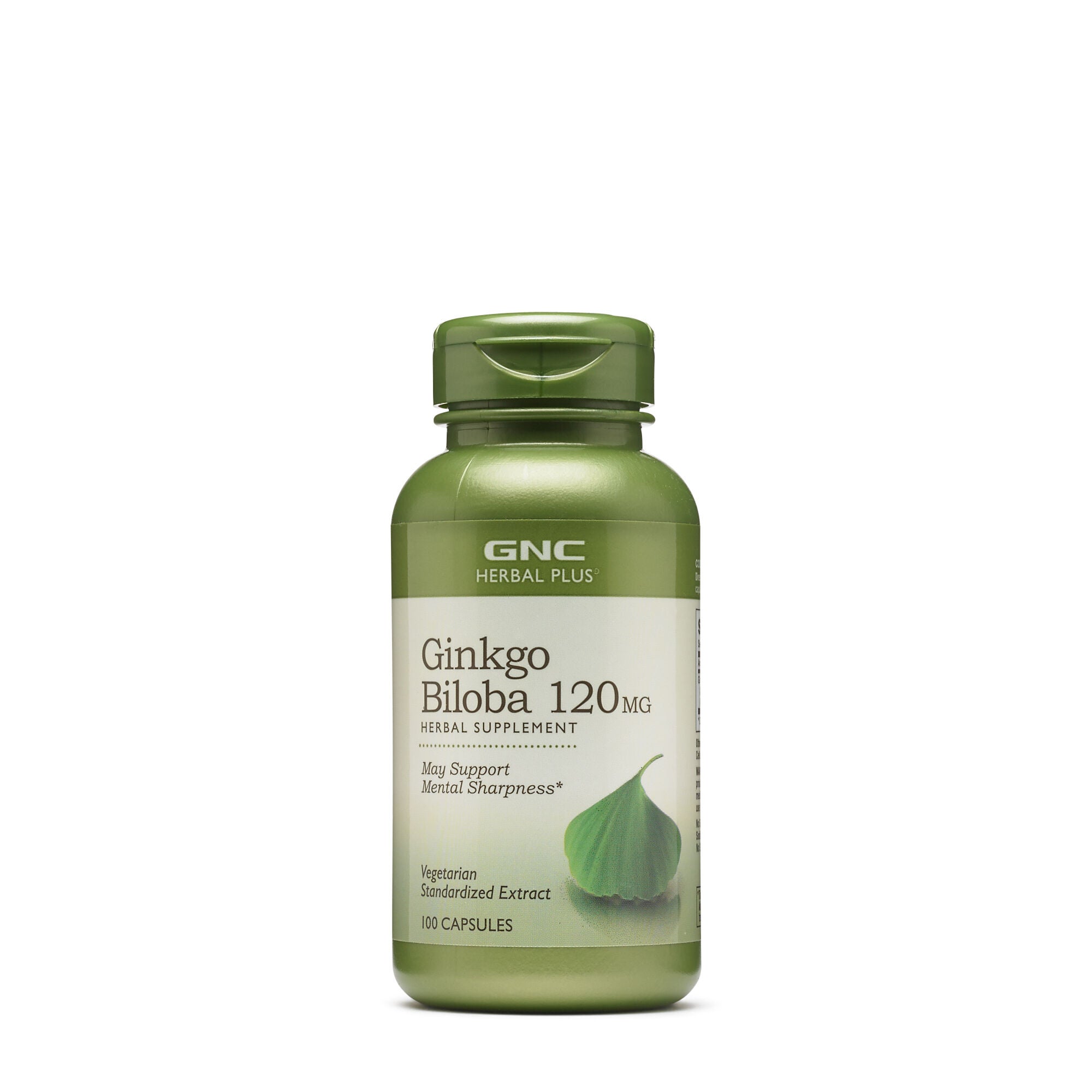
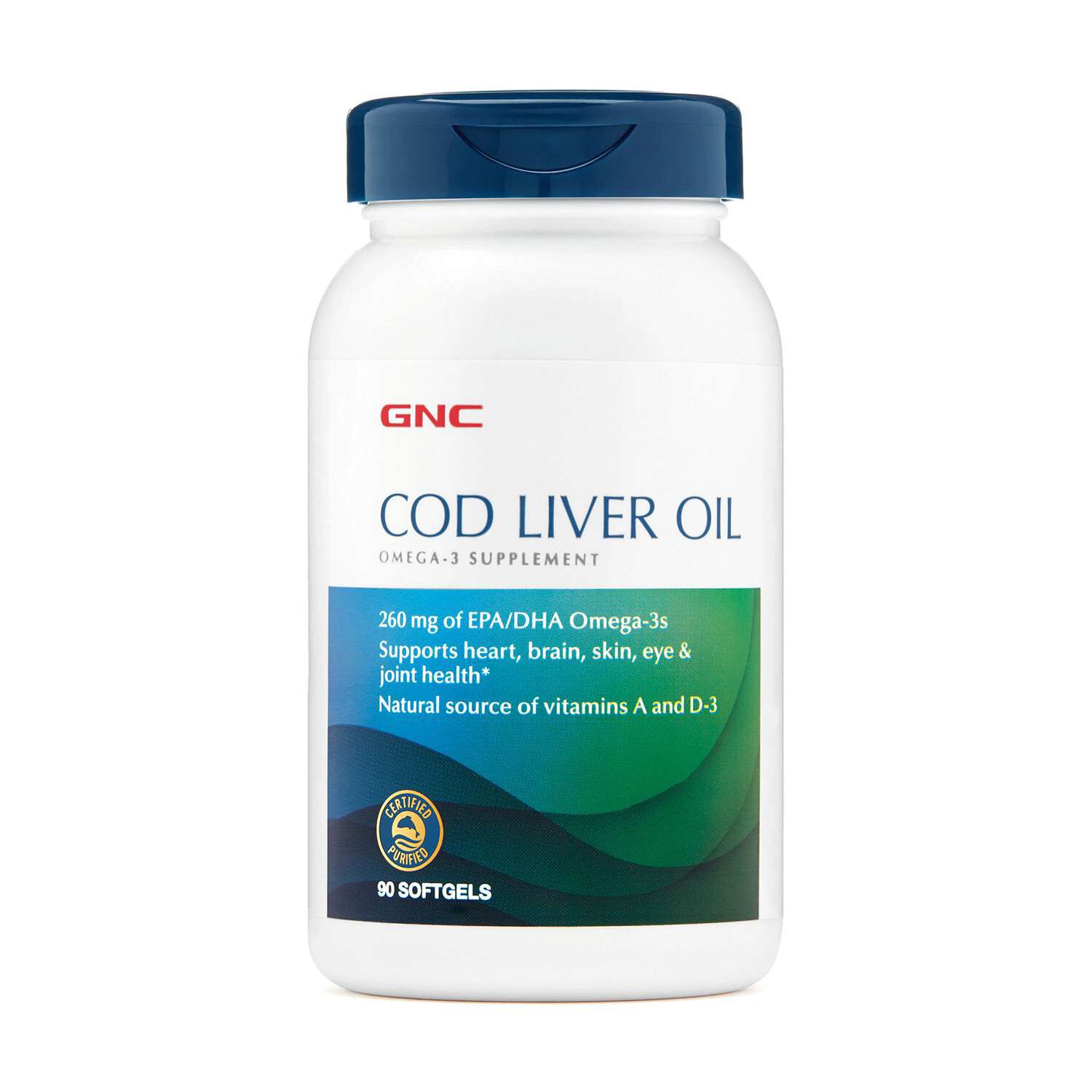
Supplements for summer brain health bring together vitamins, minerals, fatty acids, and other dietary ingredients for adults interested in cognitive wellness as part of an everyday routine. The summer connection is often about how that routine fits into a different schedule: an earlier commute, an evening class, a family road trip, or a stretch of reading between outdoor plans. These supplements are not substitutes for meals, water, or rest, and a seasonal label does not establish that a formula will produce a particular result. Instead, the category offers several ways to compare ingredients, serving formats, and practical details. Omega-3 supplements commonly contain EPA and DHA sourced from fish oil or algae. Magnesium appears in multiple forms, including magnesium L-threonate, while B-vitamin formulas may contain B6, B12, and folate. Vitamin D also appears in broader nutritional formulas. These ingredients are distinct, so grouping them under brain health does not make their intended uses or supporting evidence interchangeable. An ingredient’s role in normal nutrition is also different from evidence that taking more of it will change memory, concentration, or everyday performance. For shoppers browsing summer brain health supplements, the most useful distinctions are often visible on the label: the named ingredient, the amount per serving, the serving size, and whether the formula contains one ingredient or several. An omega-3 label, for example, can list an oil amount alongside separate amounts of EPA and DHA; those numbers describe different aspects of the formula. A magnesium label identifies both the form used and the magnesium amount per serving. B-vitamin combinations vary in their composition, even when their packaging describes a similar wellness focus. Those details provide a more grounded basis for comparison than imagery of sunshine, beaches, or busy schedules. Summer is a setting for the routine, not evidence of a different nutritional requirement or a reason to expect a certain outcome.
Format is another meaningful part of choosing dietary supplements for summer routines. Capsules, tablets, softgels, gummies, and powders differ in texture, flavor, portability, and preparation. A capsule or tablet may suit someone who prefers a measured serving without mixing, while a powder may fit a routine that already includes a cup and spoon at breakfast. Softgels are common among oil-based supplements, and their size and shell ingredients can matter to personal preferences. Gummies introduce flavor and a chewable texture, along with considerations such as sweeteners, added sugars, and the number of pieces in a labeled serving. A serving is not always one capsule, one gummy, or one scoop, making the serving-size line particularly helpful when comparing different formats. Powders can vary in their measuring directions, liquid requirements, and taste, so the preparation instructions deserve attention alongside the ingredient list. Capsule shells and other ingredients also help distinguish formulas for shoppers with vegetarian preferences or other dietary restrictions. Fish-derived ingredients, gelatin, plant-derived capsule materials, flavorings, and allergen statements are relevant details rather than minor packaging notes. For blended formulas, caffeine content and other added ingredients are additional points of comparison, especially when the intended routine includes coffee, tea, or an evening study session. Summer travel adds a practical storage consideration. A supplement bottle belongs in conditions consistent with its label, rather than being treated like an accessory that can stay in a parked car or sit beside a pool. Heat, moisture, and direct sunlight can affect product quality, and some formats have particular storage directions. A tightly closed original container keeps the ingredient information, lot information, and use directions together. For a weekend bag or a longer trip, container dimensions, closure design, and the number of servings may influence convenience. Durability in this category is primarily about appropriate packaging and care, not rugged construction. Clear labeling and suitable storage matter more than whether a bottle looks ready for an outdoor adventure.
Intended use gives the category a more personal dimension without requiring expectations of a dramatic change. An adult taking a summer course may prefer a straightforward formula with clearly listed amounts, while someone balancing office hours and travel may care most about a familiar format and simple preparation. A reader working through a stack of books on the porch may have different preferences from an adult student carrying supplies between a library and an evening class. For a browsing path centered on academic routines, Brain Supplements For Summer Study Sessions offers a related category to explore. The distinction is the intended setting, rather than an assurance of better recall, longer concentration, or stronger academic performance. Supplement effects can vary, and a name associated with focus or memory does not establish what an individual will experience. Ingredient combinations also deserve a closer look when a routine already includes a multivitamin, a fortified beverage, or another dietary supplement, since more than one source can contain the same nutrient. Comparing those labels makes overlap visible without assuming that a larger amount is a better match. Food preferences provide additional context: a varied eating pattern might include berries at breakfast, leafy greens at lunch, nuts in a snack container, and fish or other protein sources at dinner. Supplements occupy a separate place from those foods and do not reproduce the full variety of a meal. Personal preferences also make this a thoughtful but highly individual gifting category; a recipient’s known format and ingredient preferences are more useful than assumptions based on a demanding schedule. Across summer brain health supplements, the strongest shopping comparisons stay concrete: ingredient identity, labeled amounts, serving format, dietary suitability, preparation, and storage. A formula may fit neatly into a summer routine, but that fit is about informed selection and everyday practicality, not a certain cognitive result. Keeping those distinctions in view makes the category easier to browse with realistic expectations and attention to the details that matter most to the person using it.