





Supplements For Healthy Summer Brain
(0 Results)
Long summer days bring new adventures, learning opportunities, and plenty of time to focus on wellness. Supplements for healthy summer brain could support your routine as you balance work, play, and relaxation. Whether you're heading outdoors or tackling creative projects, discover options that may help you feel your best all season long. Explore a selection designed with summertime wellness in mind and find supplements for healthy summer brain that fit seamlessly into your daily habits.
-
 $34.99
-
-

-

-
 Divine Health$44.99
-
-

-

-
-
-
-
-
-

-
-

-
-

-

-

-
-
-
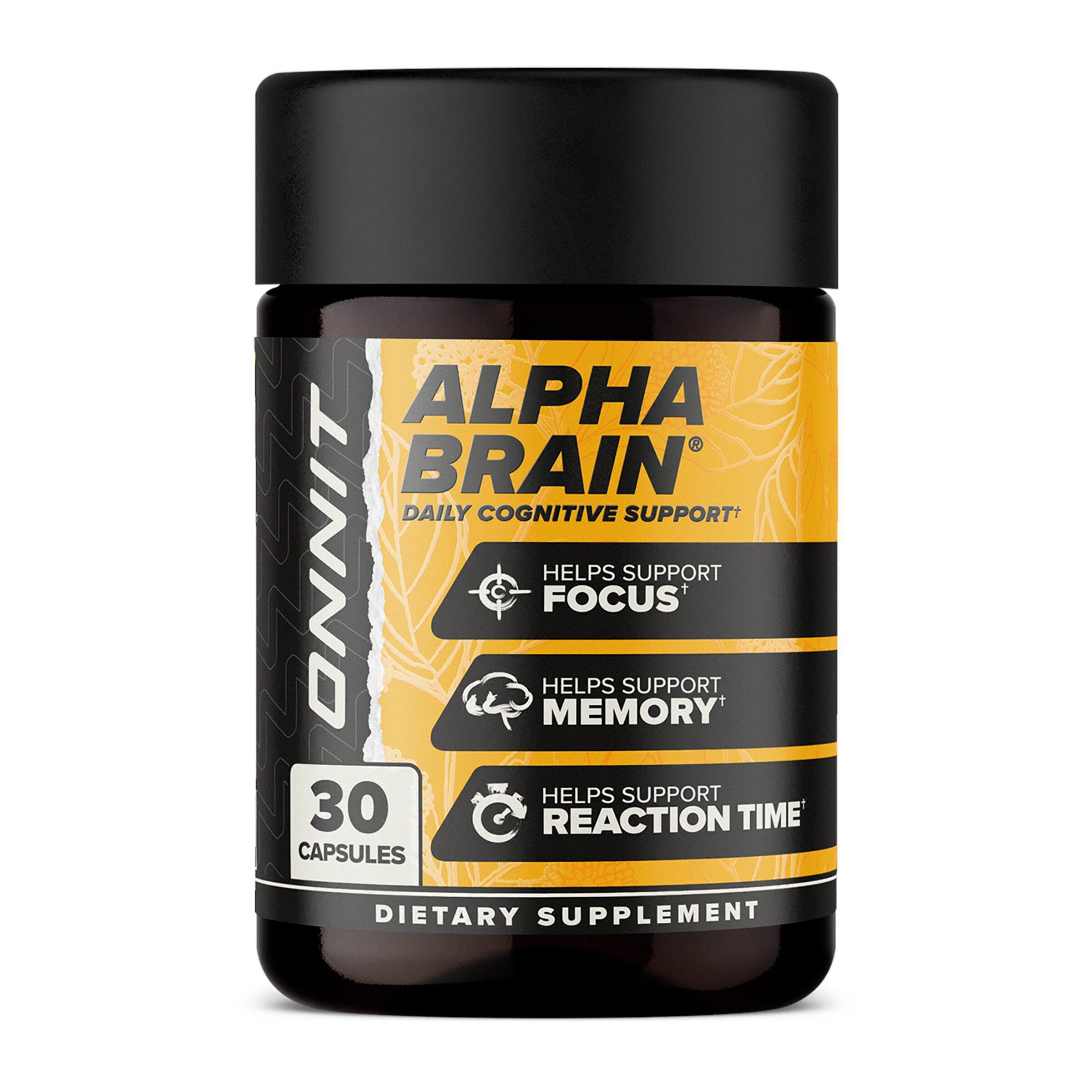

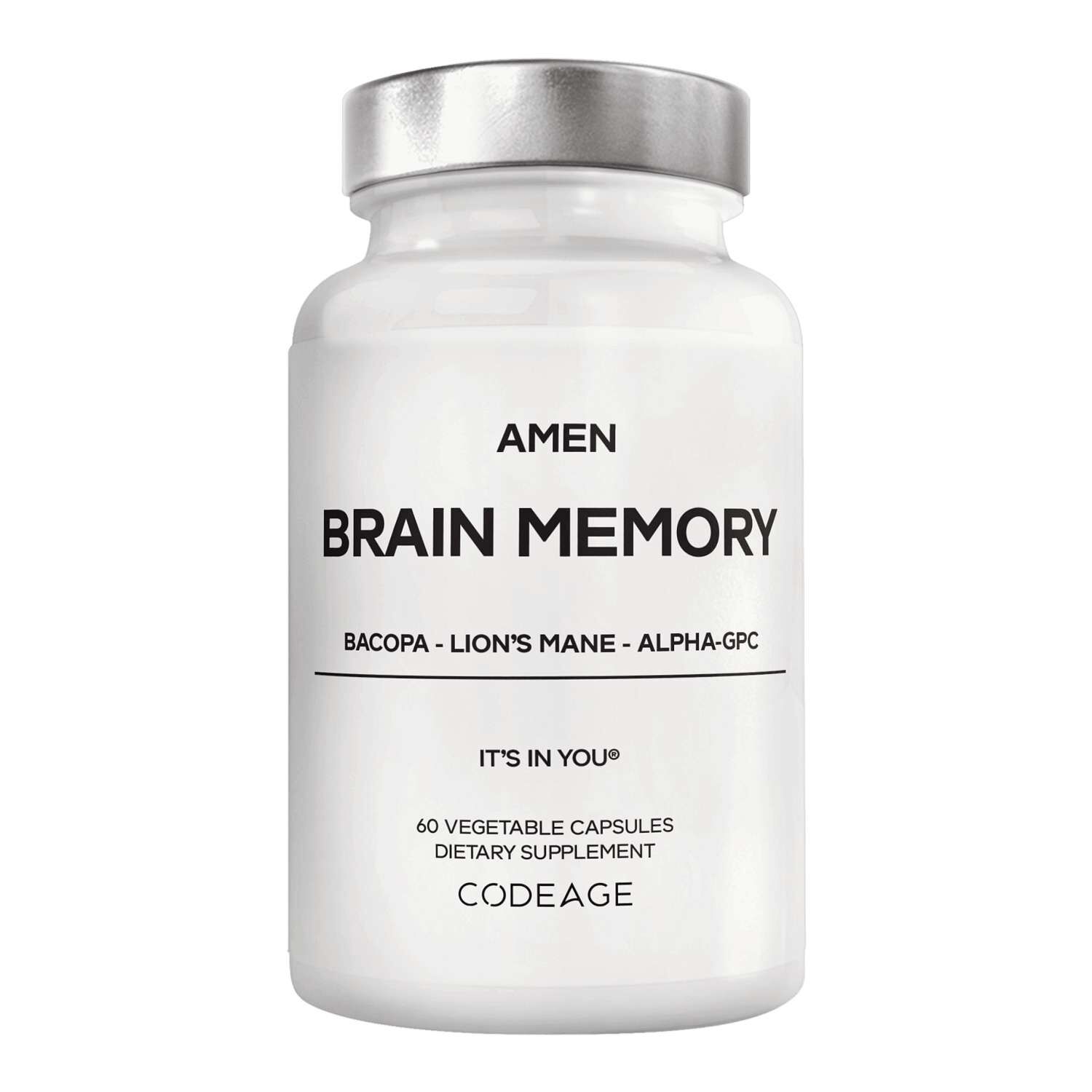
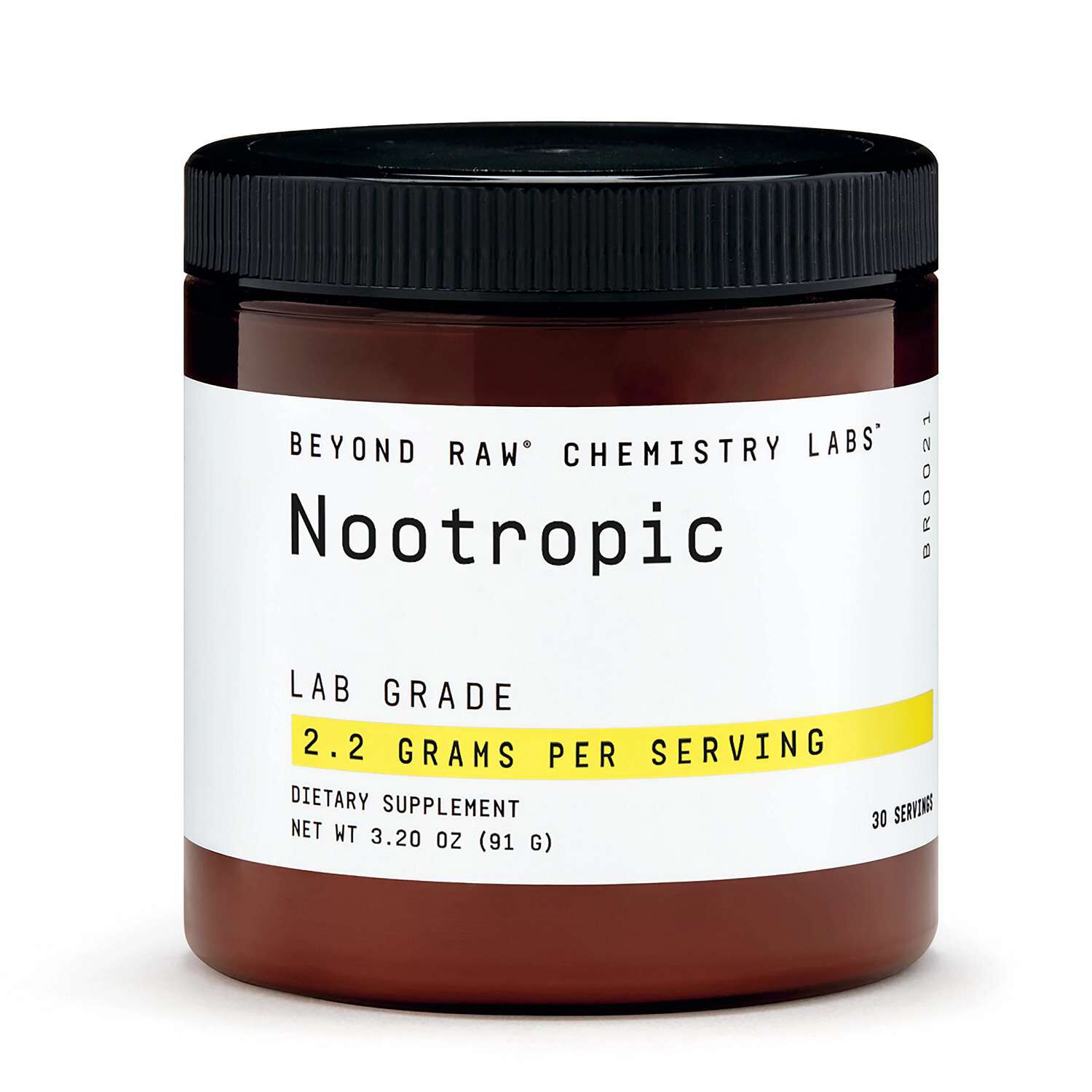
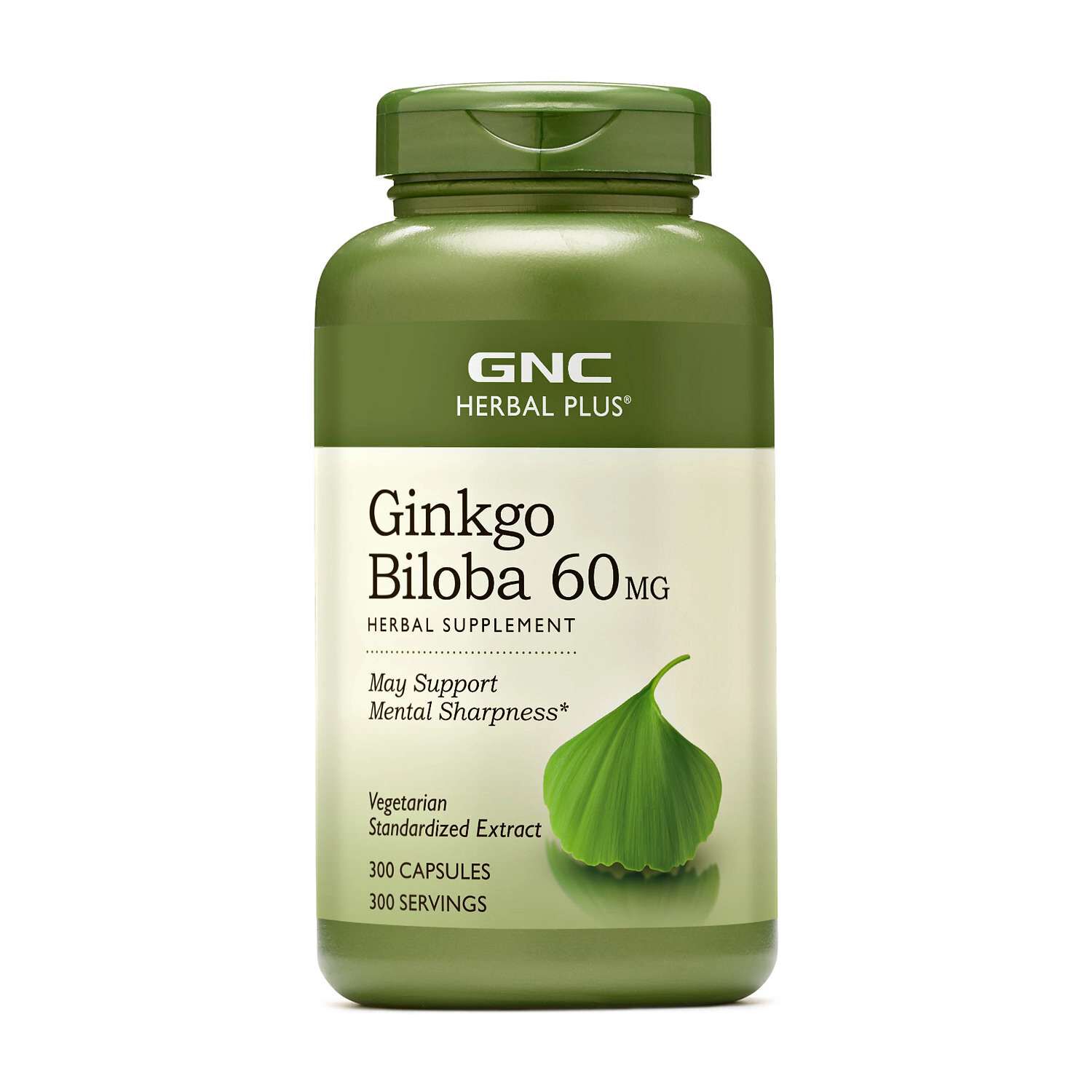
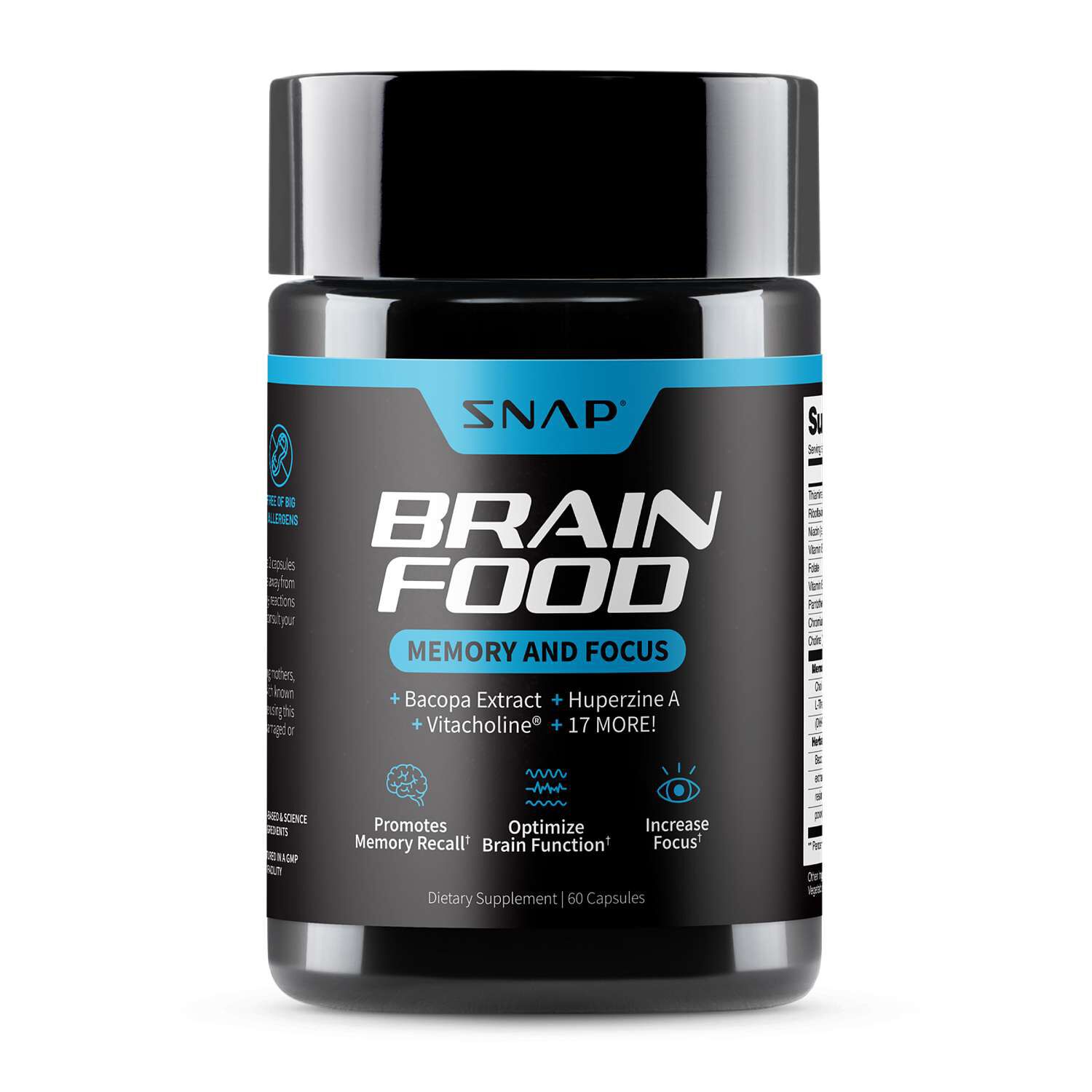
Supplements for a healthy summer brain fit into a broader picture of everyday cognitive wellness: balanced meals, regular rest, time for movement, and a routine that leaves room for both concentration and downtime. For adults comparing nutritional options for summer reading, travel, creative projects, or demanding workdays, the most useful distinctions often come from the ingredient panel rather than the front of the bottle. Common categories include omega-3 fatty acids, B vitamins, vitamin D, magnesium, L-theanine, and probiotics. These ingredients are not interchangeable, and each brings different sourcing, format, and storage considerations. Omega-3 supplements can come from fish oil or algal oil; labels typically identify EPA and DHA separately, so the amount of oil listed on the front does not necessarily describe the amount of each fatty acid in a serving. B-complex formulas combine several B vitamins, often including B6, folate, and B12, while individual vitamin options offer a narrower ingredient selection. Vitamin D labels may distinguish between D2 and D3 and identify the serving amount in micrograms or international units. Magnesium supplements also vary by form, including citrate, glycinate, and L-threonate, making the named form and the declared magnesium amount useful comparison points. L-theanine is an amino acid found in tea and offered in standalone or blended formulas. Probiotic labels may list specific microorganisms, strain identifiers, and storage requirements, all of which deserve attention beyond a broad category name. Some supplements may support everyday focus or cognitive wellness, but a summer-themed label alone does not establish what a formula might offer. A clear ingredient list, transparent serving information, and a format that fits an existing routine provide a more grounded starting point. Food remains part of that context, too: fish, beans, leafy greens, berries, nuts, and other varied foods bring nutritional variety to everyday meals. A picnic lunch, a breakfast before a long reading session, or dinner after an afternoon outside belongs in the same conversation as a thoughtfully chosen supplement. The goal is a manageable nutrition routine, not a collection of bottles chosen simply because they share a brain-health description.
Format matters when supplements need to fit into the ordinary details of a summer day. Capsules, tablets, softgels, gummies, liquids, and powders differ in serving size, texture, portability, and preparation. A capsule-based formula may suit someone who prefers a straightforward bottle-and-water routine, while a powder may fit more naturally into breakfast at home. Gummies offer a chewable format, but their ingredient panels can include added sugars, flavorings, colors, and other components worth comparing. Liquid products introduce considerations such as measuring tools, bottle closures, and refrigeration instructions after opening. Softgel shells and capsule materials also matter for dietary preferences: gelatin sources vary, and plant-derived capsule materials are another option. A supplement made with algal oil is not automatically identical to a fish-oil formula in its EPA and DHA content, just as two magnesium products with similar-looking labels may list different forms or serving amounts. For someone packing a weekend bag, the distinction between one capsule per serving and several capsules per serving can affect how much space a routine requires. Powder containers need secure lids and dry scoops, while liquids need careful packing to keep caps from loosening in transit. Summer outings add a practical storage concern because parked cars, sunny windowsills, and beach bags can become hot. The labeled storage conditions and expiration date are useful details to check before choosing where a bottle will stay. An intact original container also keeps directions, ingredient information, and lot details together. Probiotics deserve particular attention here because storage instructions can differ between formulas, including whether refrigeration is specified. Quality information may include independent testing or a certification mark; reading what that mark covers is more informative than assuming every seal means the same thing. These details make supplement comparison concrete. They connect the ingredient selection to the person using it, whether that person spends summer afternoons at a desk, travels between family visits, or carries a small bag to a quiet spot for an hour of reading.
Intended use is another useful way to compare brain health supplements without expecting every formula to serve every routine. An adult organizing a summer course schedule may prefer a simple, clearly labeled formula, while someone preparing for a road trip may put greater emphasis on compact packaging and uncomplicated storage. A caffeine-conscious shopper may want to review the full ingredient list, especially in blends described around focus, because tea extracts and other ingredients can introduce caffeine even when it is not the most prominent feature on the label. Someone already using a multivitamin may find overlapping ingredients in a cognitive-wellness blend, making a side-by-side look at the Supplement Facts panels especially relevant. Serving amounts, ingredient sources, added ingredients, and directions for use provide a more precise comparison than a broad description such as “brain formula.” A blend with many ingredients is not automatically a better fit than a formula with one or two clearly identified components. For college students and adult learners, Brain Supplements For Summer Study Sessions offers a related collection centered on that particular occasion. The wider summer context includes much more than studying: reviewing a presentation before a meeting, following a complicated recipe at a vacation rental, finishing a library book, or setting aside time for a hobby that calls for concentration. In those settings, supplements may complement a wellness routine, while familiar habits remain part of the day’s foundation. A water bottle beside the laptop, a regular meal break, and a consistent bedtime give that routine a practical shape. Nutritional products are also personal choices, shaped by dietary preferences, preferred formats, and the supplements already in use. Comparing those details keeps the selection focused on the individual rather than on a seasonal slogan. For a healthy summer brain collection, the most meaningful product differences are the ones a shopper can identify and use: what is inside, how much is in a serving, how the format fits daily life, and how the product needs to be stored.
Best Sellers
Related Pages
Top Collections
- GLP 1 Support For Adults
- Supplements For Yoga Joint Flexibility
- Supplements For Balance
- Joint Mobility Supplement Packs
- Zinc Supplements | Top Brands at Great Prices | GNC
- Capsule Supplements For Energy And Stamina
- Supplements For Anxiety Relief Support
- Chronic Fatigue Supplements
- Zinc Supplements For Men
- Iron Supplements