Calcium Magnesium Vitamin D3 Bone Health
(0 Results)
Calcium magnesium vitamin d3 bone health supplements may offer convenient support for those looking to maintain their daily wellness routine. These products typically combine key nutrients that could play a role in supporting overall bone structure and function. Explore a variety of options designed to fit your lifestyle and nutritional preferences, all focused on calcium magnesium vitamin d3 bone health.







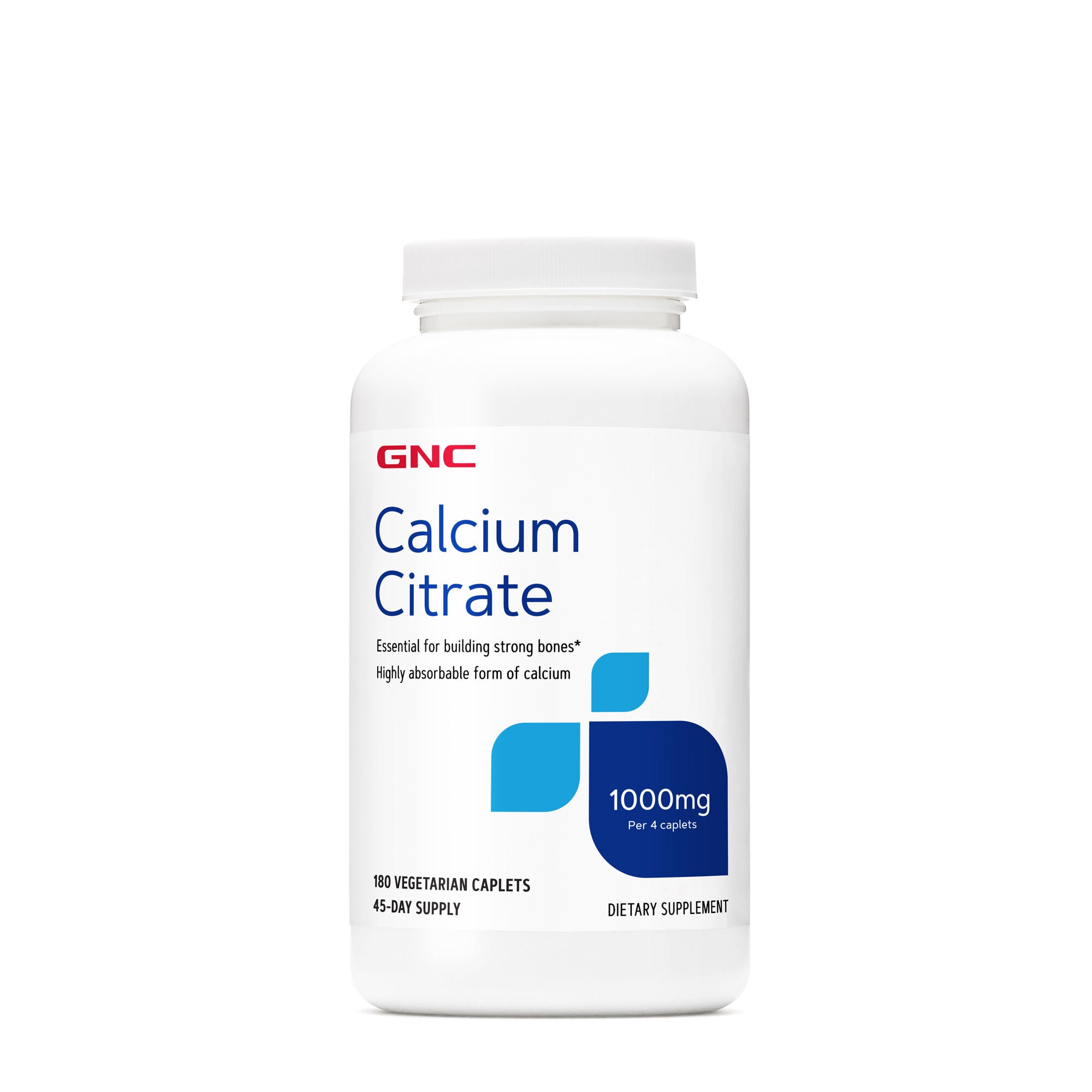

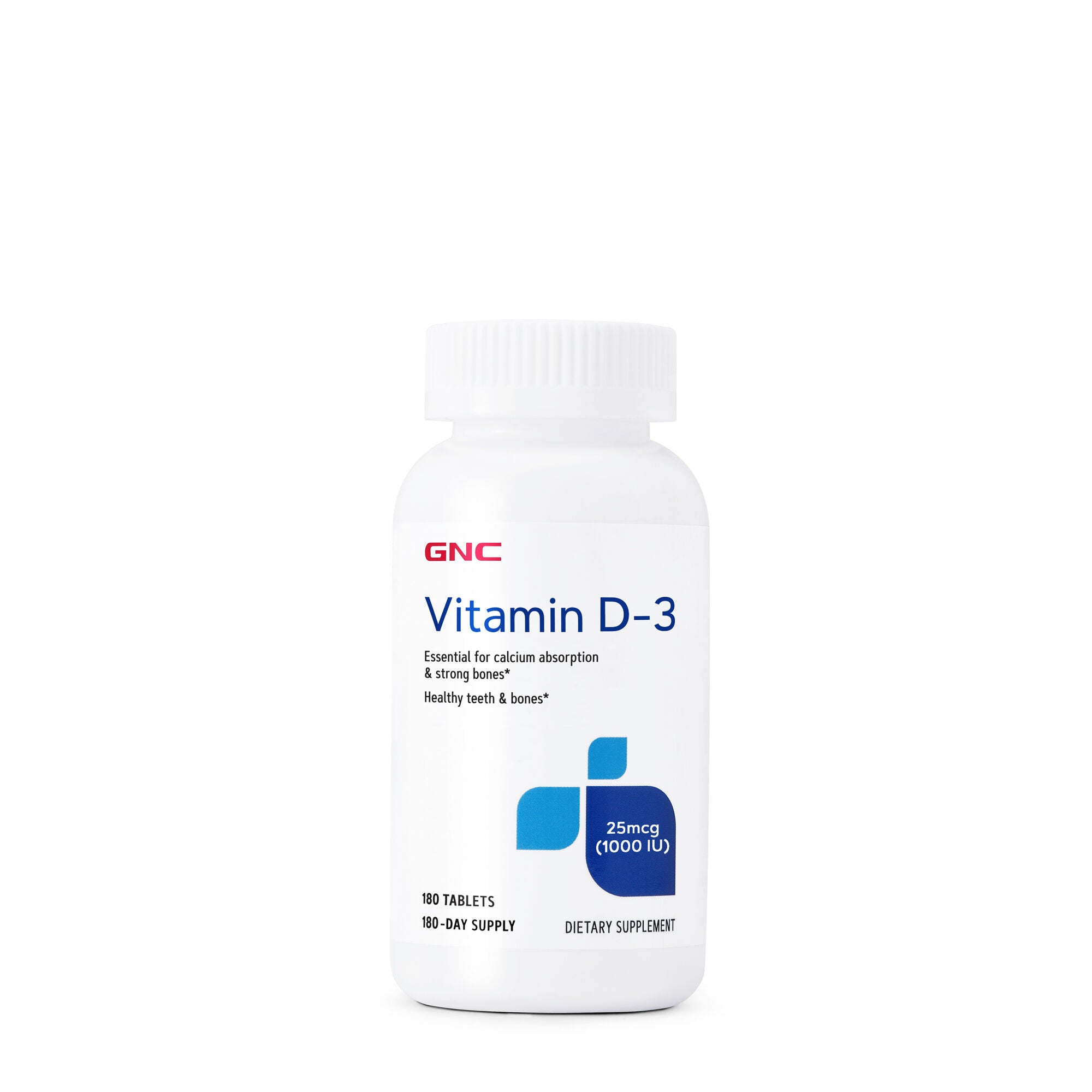
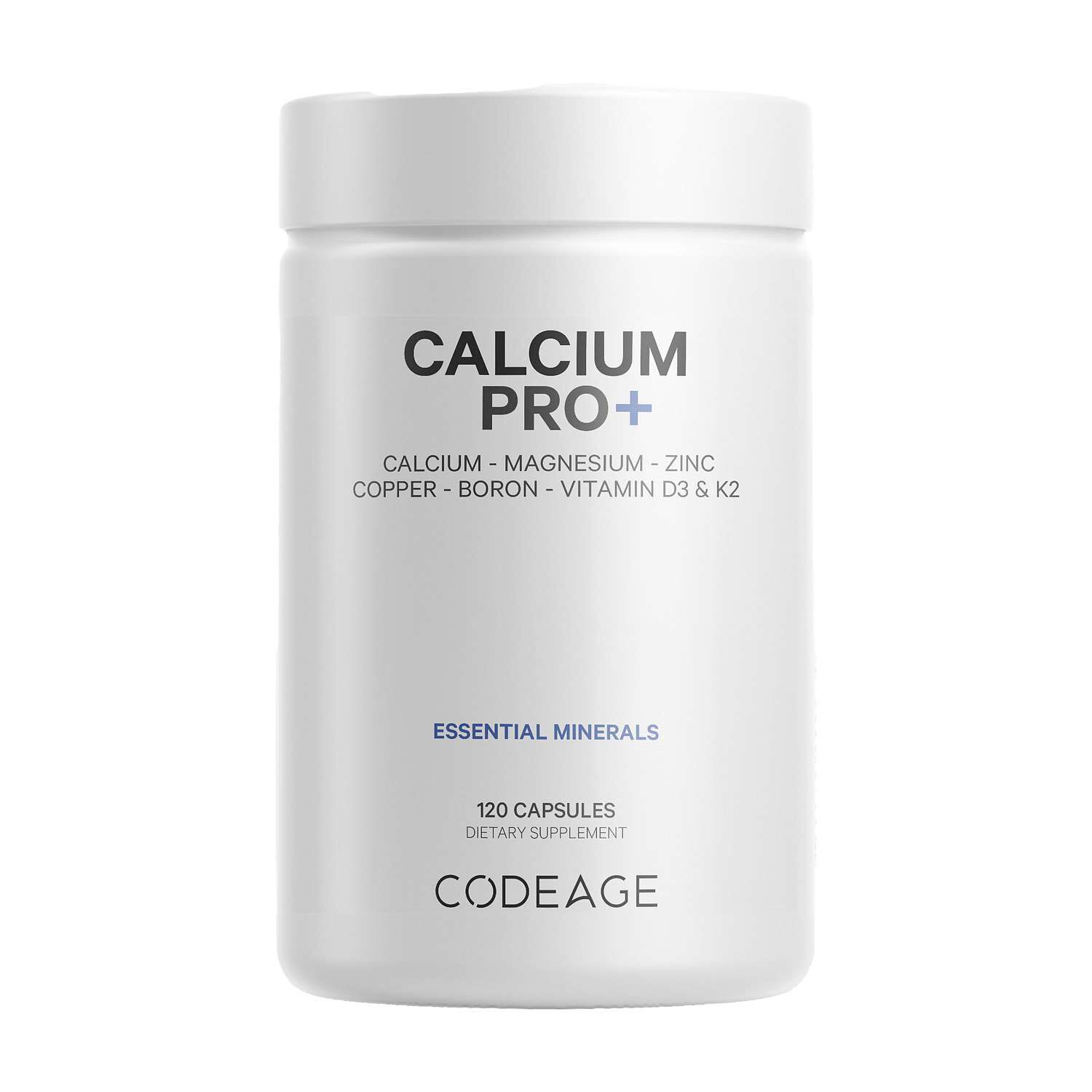

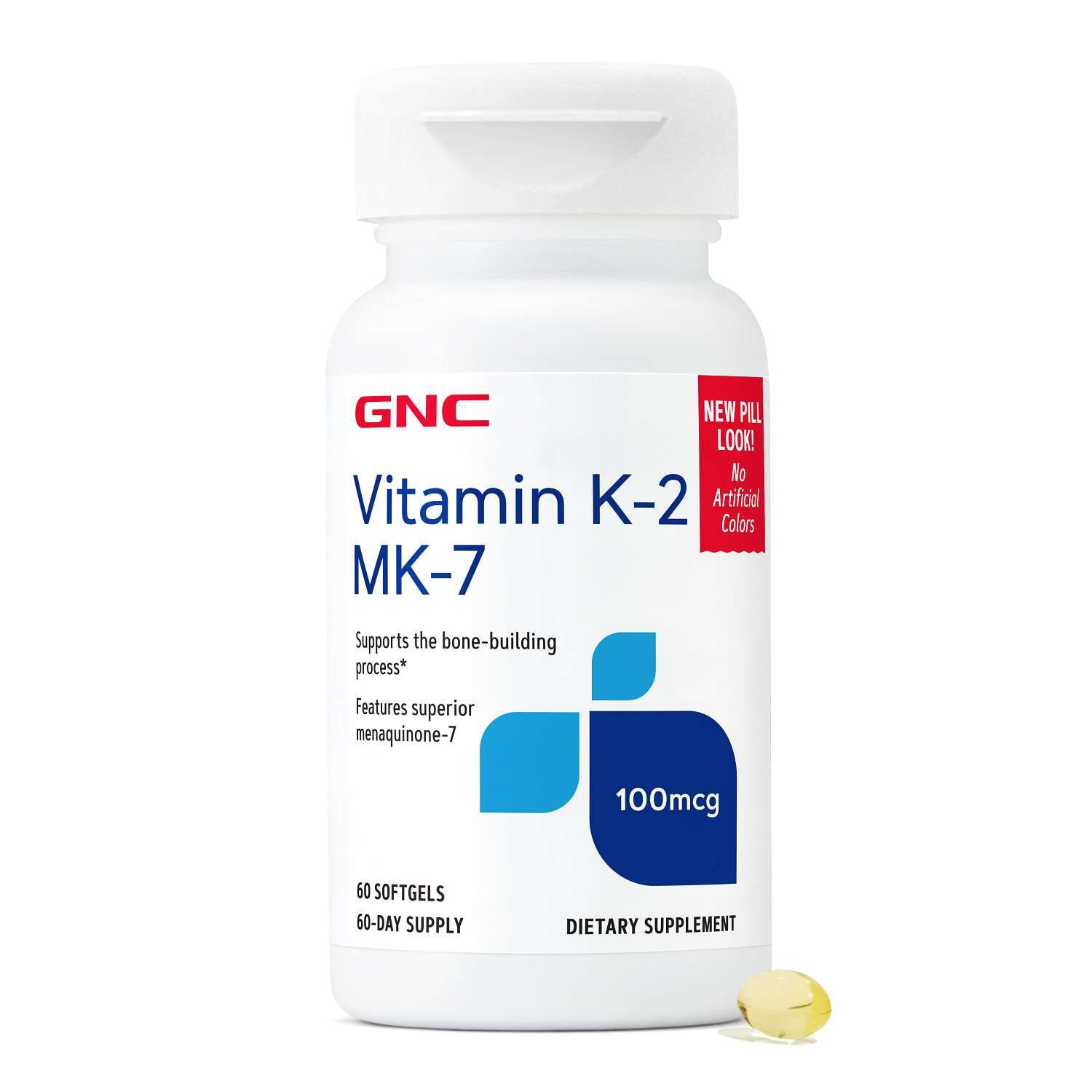


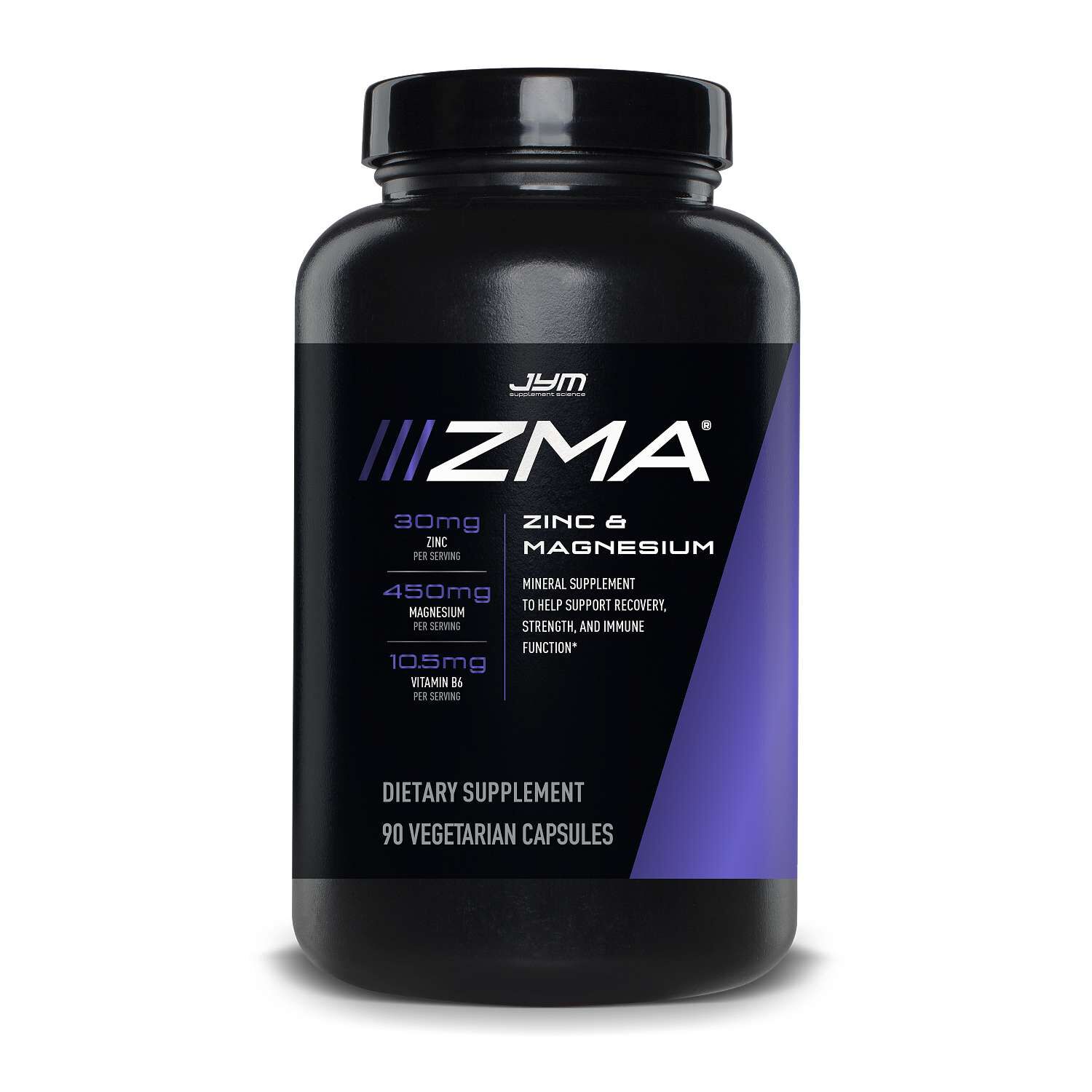
Calcium magnesium vitamin D3 supplements bring three familiar nutrients together in products often selected with bone health and everyday nutrition in mind. Calcium is a mineral found in bones and teeth, magnesium participates in many normal processes throughout the body, and vitamin D3 is a form of vitamin D used in nutritional supplements. Together, these nutrients may support normal bone maintenance as part of a varied diet and an established wellness routine. Their nutritional roles are related, but they are not interchangeable: a product’s calcium amount does not tell you how much magnesium or vitamin D3 it contains. That distinction matters when comparing bottles with similar names. Some formulas emphasize calcium, while others offer different proportions of the three nutrients, and the serving size can vary considerably. The most useful starting point is the Supplement Facts panel, where the amount of each nutrient appears alongside the number of tablets, capsules, or other units in a serving. Read those details together rather than judging a formula by the largest number on the front of the package. Food preferences also provide context for shopping this category. Dairy foods, fortified beverages, leafy vegetables, nuts, and seeds contribute different nutrients to everyday meals, although their amounts vary by food and portion. Someone who regularly enjoys yogurt at breakfast may approach a calcium combination differently from someone whose morning usually starts with toast and coffee. Neither routine tells the whole nutritional story, but familiar meals offer a more personal starting point than packaging alone. These products may appeal to adults reviewing their mineral intake, shoppers seeking a combined formula rather than separate bottles, and people who prefer a consistent format for their supplement routine. The practical appeal is often straightforward: a thoughtfully chosen combination may make a routine easier to organize without turning an ordinary morning into a crowded lineup of containers.
Choosing among calcium magnesium vitamin D3 products involves more than comparing nutrient amounts. Mineral sources, serving sizes, texture, and packaging all shape the experience of using a supplement. Calcium carbonate and calcium citrate are examples of calcium sources that may appear on labels; magnesium oxide, magnesium citrate, and other magnesium forms may also be listed. Those ingredient names identify the sources used, while the Supplement Facts panel states the declared amount of each nutrient per serving. A longer ingredient name or a more elaborate front label does not, by itself, establish that a product is a better match for your preferences. Compare what is actually included, then look at the format. Tablets, capsules, softgels, chewables, gummies, and powders offer different experiences, depending on the assortment. A shopper who dislikes flavored supplements may prefer an unflavored capsule or tablet, while someone who enjoys a familiar taste may gravitate toward a chewable option. For powders, mixing directions, serving measurements, and flavor descriptions deserve a closer look. For gummies and chewables, examine sugars, sweeteners, and the number of pieces in a serving. For capsules and softgels, the shell ingredients may matter as much as the nutrients inside. Vitamin D3 can come from different sources, so shoppers with vegetarian or vegan preferences should look for clear sourcing information and suitable labeling rather than assuming every formula fits the same eating pattern. Other ingredients, allergen statements, and storage directions are worth reviewing as well. Picture the details of a typical day: a compact bottle in a kitchen cabinet, a label that is easy to read, and a serving format you actually like. Those small details can be more meaningful than decorative packaging. Value is another practical consideration. Compare price per labeled serving, not just price per bottle, because a larger bottle may contain fewer servings than expected when each serving includes several pieces. Clear directions and transparent ingredient information provide a sound basis for comparing options within a preferred budget.
The right shopping approach also depends on whom the product is intended for and how it fits alongside other purchases. Adults browsing calcium magnesium vitamin D3 bone health supplements may be refreshing a longstanding routine, exploring a different format, or looking for a combination that better matches their ingredient preferences. Products marketed to particular age groups or audiences can provide a starting point for browsing, but the name on the front should not replace a careful comparison of the label. Shoppers interested in an audience-specific assortment can explore Calcium Magnesium Vitamin D3 For Men while keeping nutrient amounts, serving directions, and format preferences at the center of the decision. If a multivitamin or another mineral supplement is already part of the household routine, comparing the nutrients listed across those labels can reveal overlap before another bottle is purchased. A combination formula is not automatically the most suitable choice simply because it contains several nutrients; the appeal lies in whether its contents and format match what the shopper is seeking. During the cooler months, when calendars fill with indoor gatherings, travel, and changing schedules, practical packaging and straightforward storage requirements may take on added importance. Check the manufacturer’s directions rather than assuming a bottle belongs near a sunny window or in a steamy bathroom. For a shared household, distinct labels and original packaging can make each person’s products easier to identify. As a gift, a supplement is usually a more personal purchase than a mug or a pair of gloves, so it is best approached as something the recipient has specifically requested, with their preferred ingredients and format confirmed beforehand. A familiar, requested bottle may be welcome; an unsolicited selection based on assumptions about age or health can miss the mark. Whether shopping for yourself or fulfilling someone else’s request, focus on readable labels, suitable ingredients, a manageable serving format, and a price that makes sense for repeat purchases. Calcium magnesium vitamin D3 products offer a range of ways to organize these nutrients within an everyday supplement routine, with the most relevant differences often found in the small print rather than the boldest words on the bottle.