





Capsules With Tea Extract
(0 Results)
Discover the potential benefits of incorporating capsules with tea extract into your daily routine. These convenient supplements may offer a natural way to support overall wellness and vitality. Ideal for those seeking an easy addition to their health regimen, capsules with tea extract could provide a variety of advantages associated with tea's renowned properties. Explore our selection to find the perfect fit for your lifestyle needs.
-
-
-
 Angry Supplements3$15.99
-
 $44.99
-

-
-
-
-
-
-


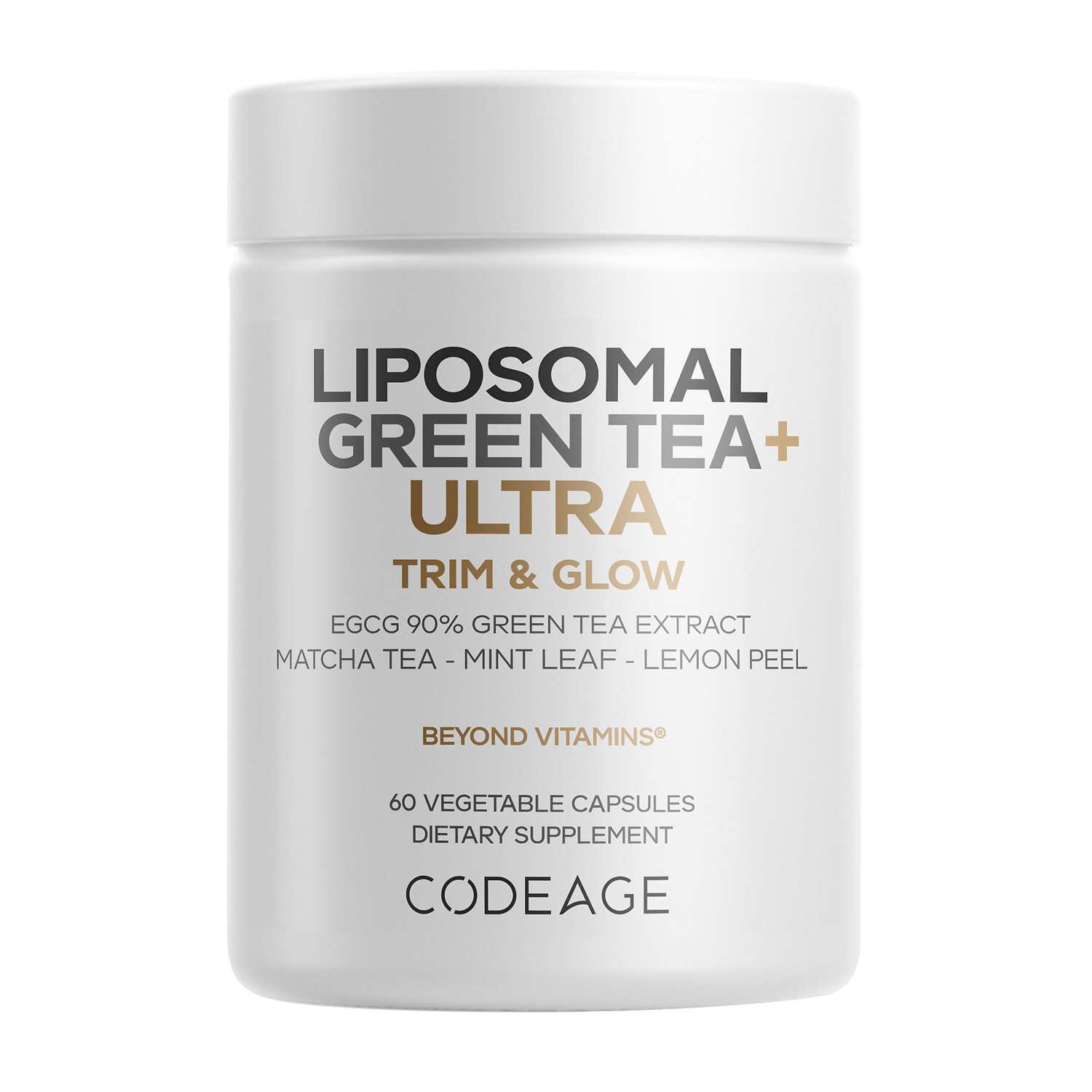


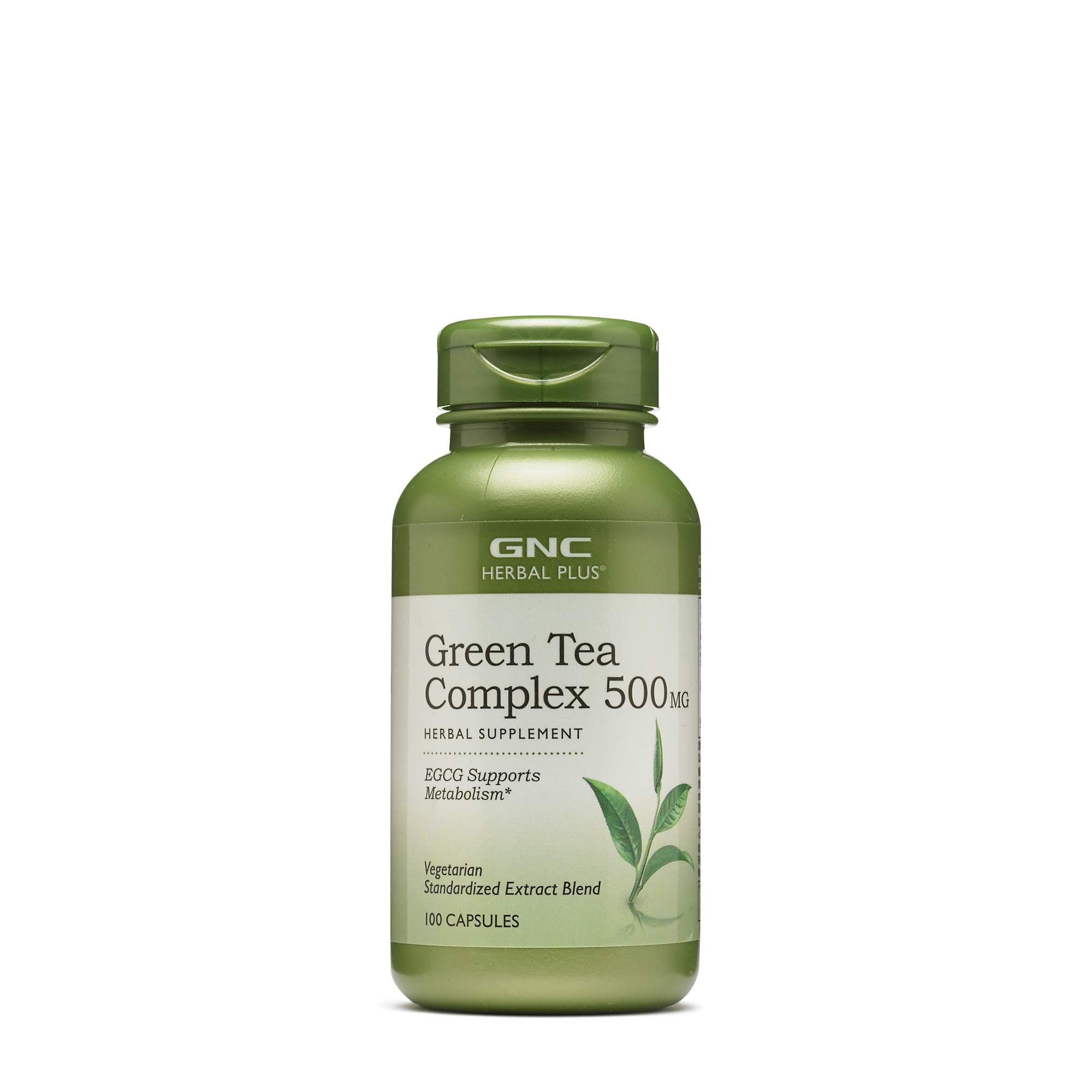
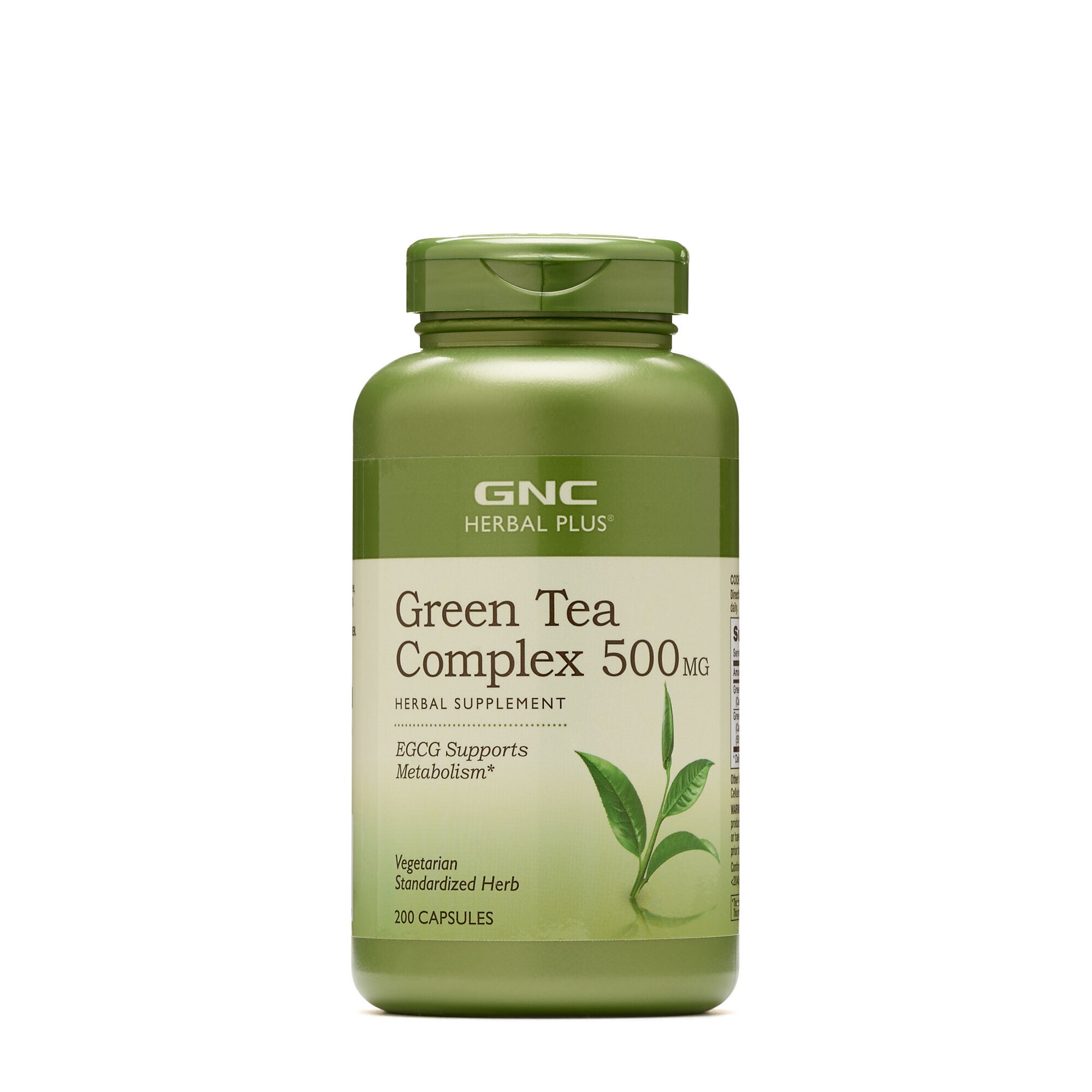
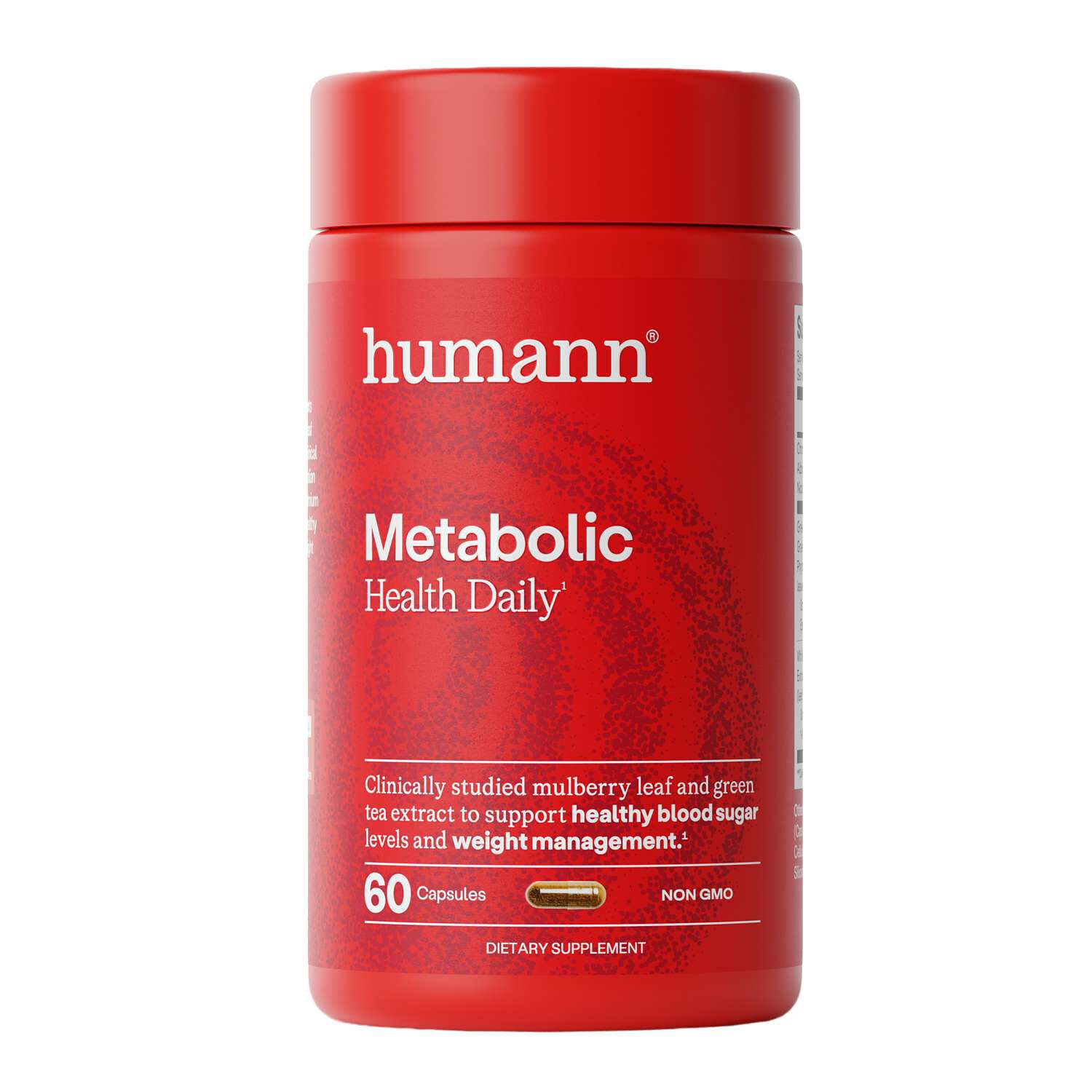
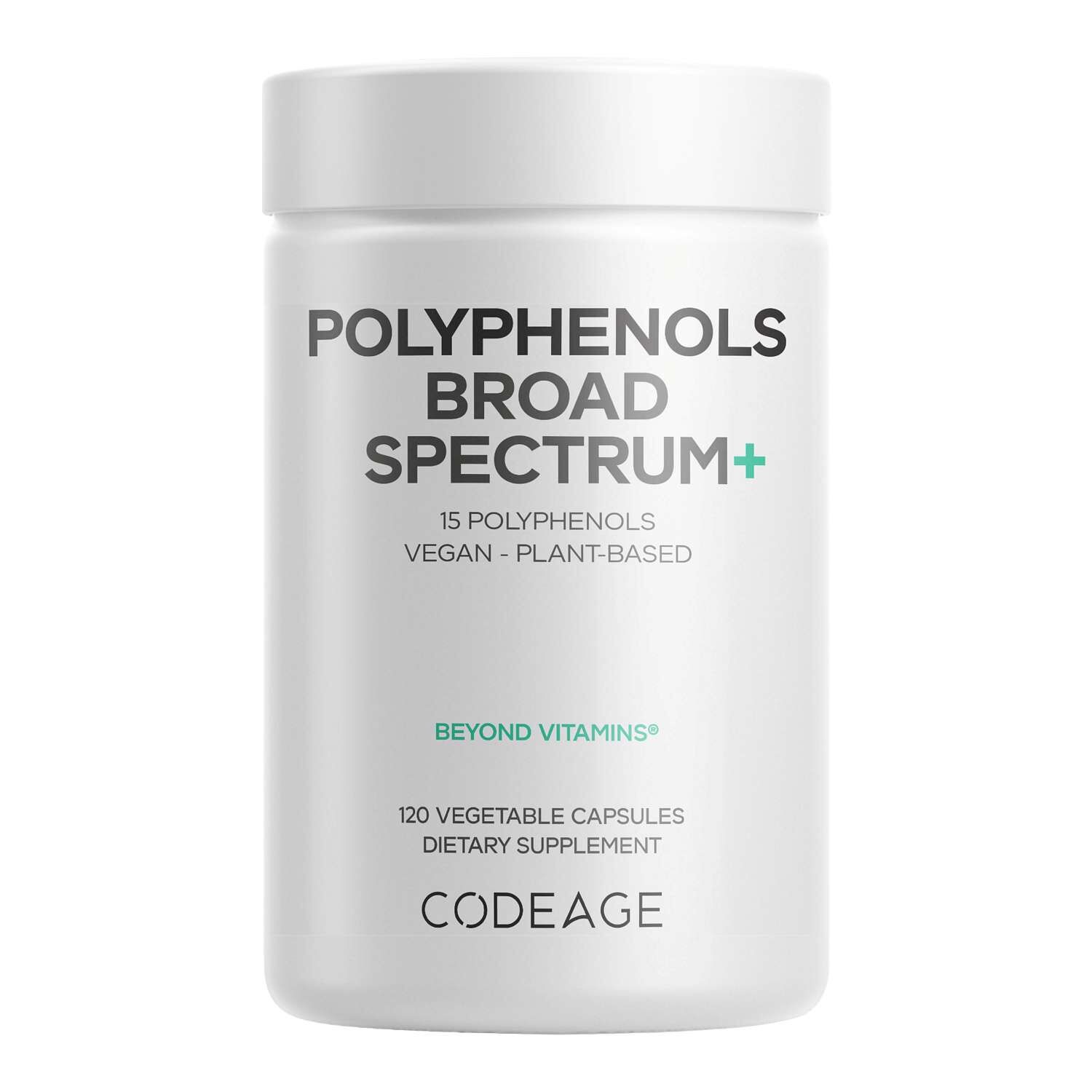
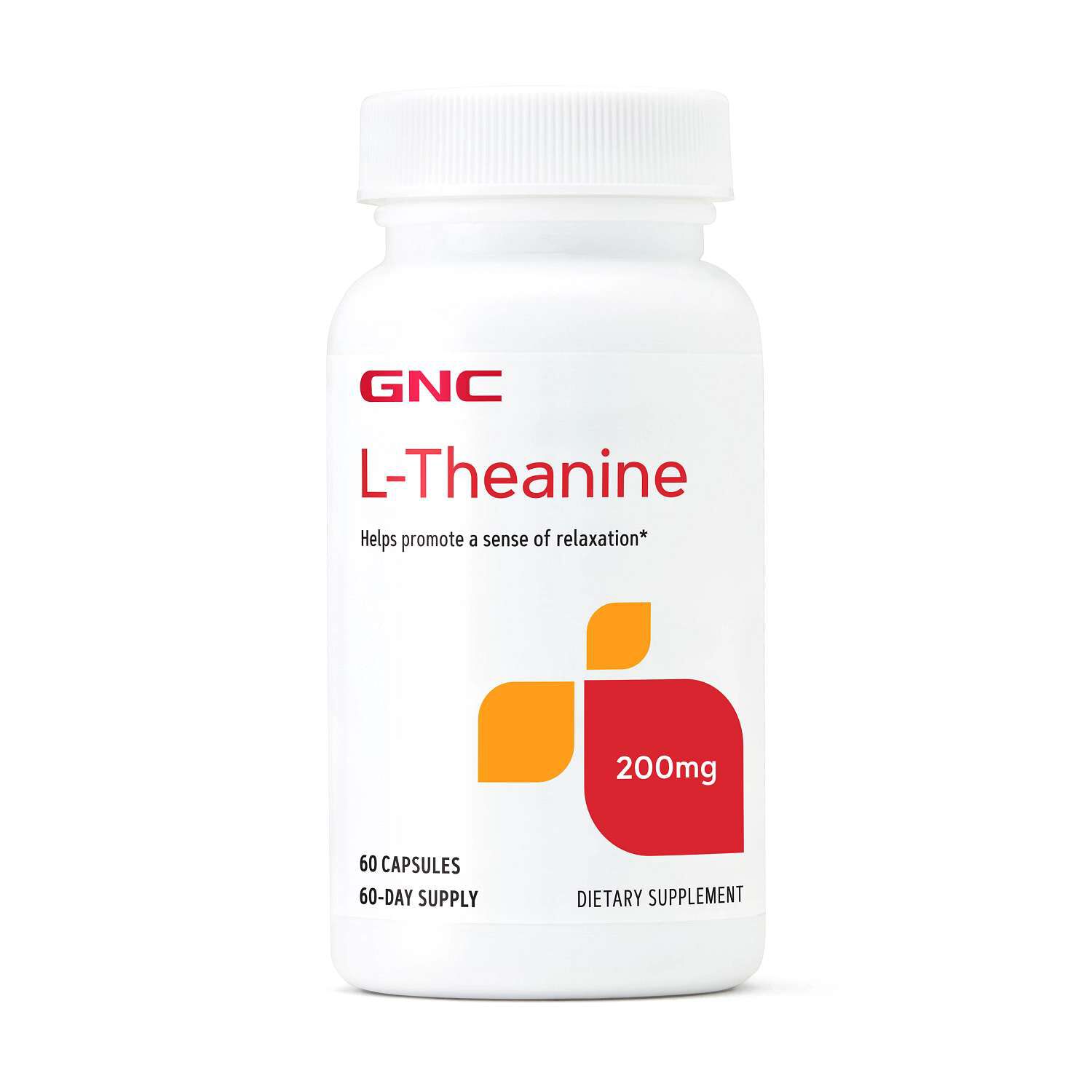
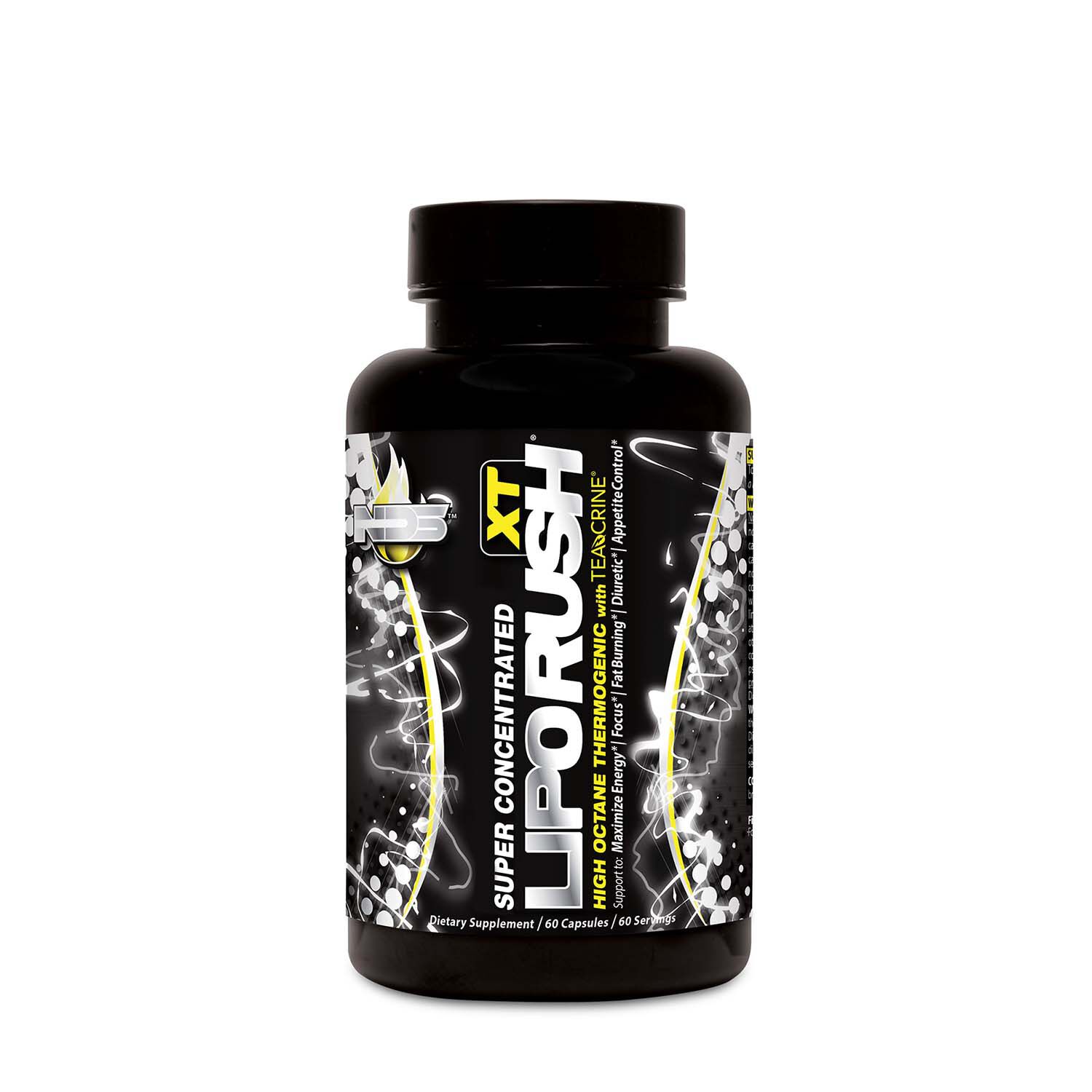
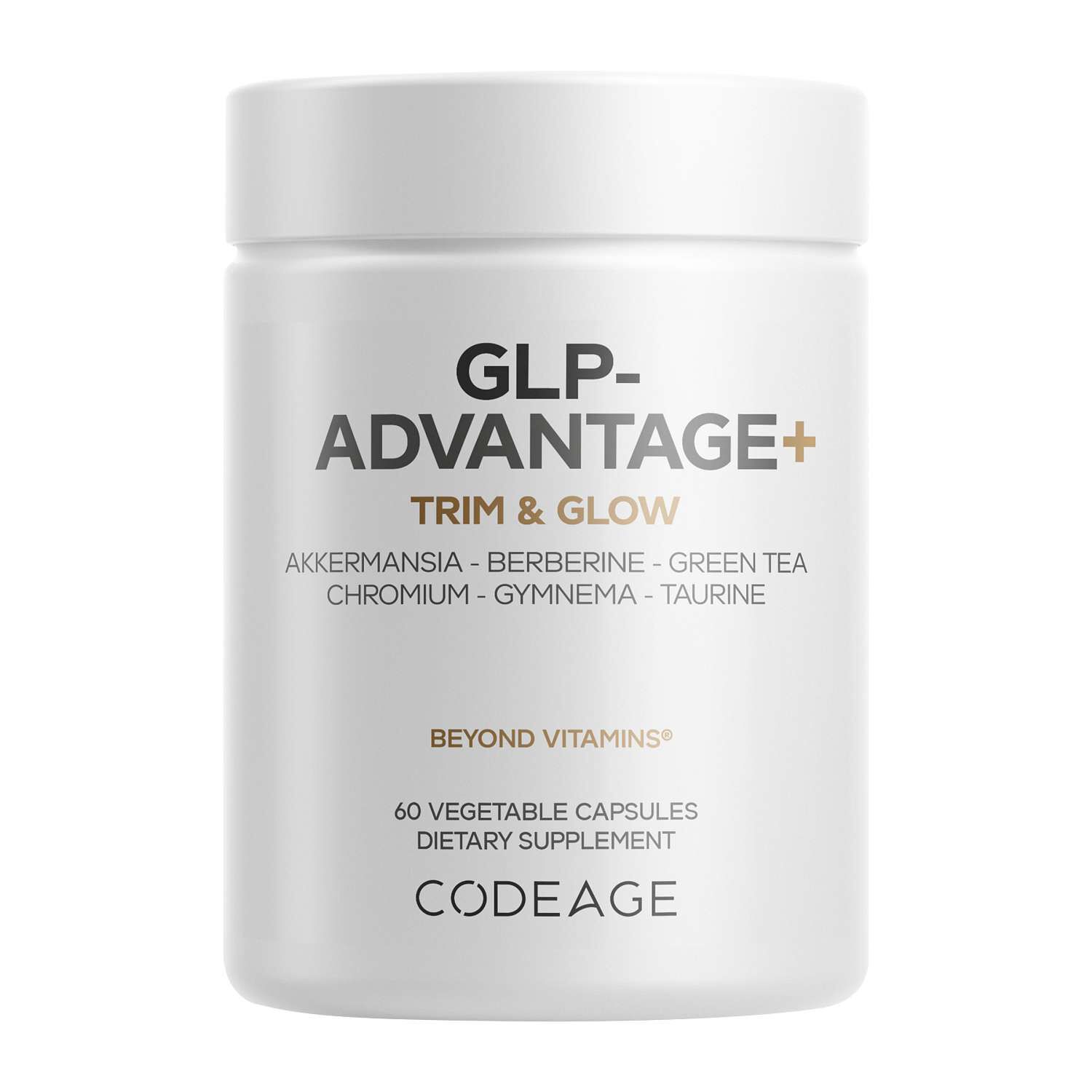
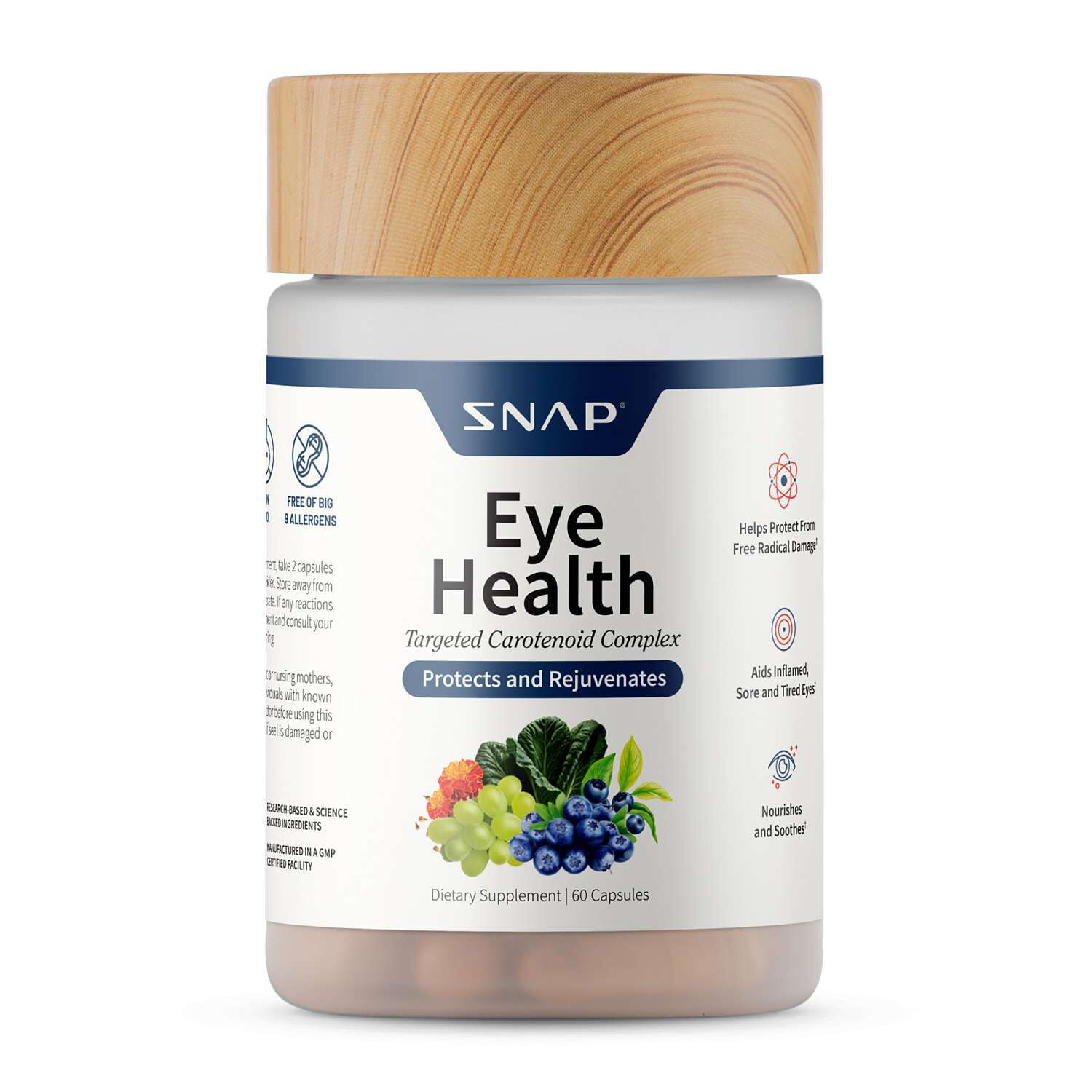
Capsules with tea extract are dietary supplements that contain concentrated material from tea leaves, most commonly green tea from the Camellia sinensis plant. Unlike loose leaves or tea bags intended for brewing, these supplements contain an extract enclosed in a capsule shell. The extract is generally a dried ingredient, with its composition described on the product label. Tea naturally contains several groups of plant compounds, including polyphenols and a subgroup called catechins. Epigallocatechin gallate, often abbreviated as EGCG, is one of the catechins associated with green tea. These terms describe different aspects of the ingredient rather than interchangeable names for the same thing: green tea extract identifies the source material, polyphenols describe a broader group of compounds, and EGCG identifies an individual compound within that group. That distinction matters when looking at capsules with similar names but different ingredient descriptions. Some formulations identify only the amount of tea extract, while others also state a percentage or amount of polyphenols, catechins, or EGCG. A larger extract amount does not, by itself, establish how much of any individual compound is present. The serving size also provides context, since an amount listed per serving may represent more than one capsule. For a closer look at this ingredient-focused category, Green Tea Polyphenol Capsules offers a related way to browse. Tea extract capsules are distinct from brewed tea in another important respect: extraction methods and ingredient specifications vary, so the amount in a capsule does not translate neatly into a fixed number of cups. A cup of tea also varies with the leaves, brewing time, and preparation method. Capsule labels therefore provide a more useful basis for understanding the supplement than comparisons with a favorite mug. The category centers on a measured supplement format, not the aroma, flavor, or ritual of drinking tea.
The details surrounding the extract are just as relevant as the ingredient name. Capsule shells commonly use gelatin or plant-derived materials such as cellulose, and the shell composition is usually identified among the other ingredients. A plant-derived tea extract does not automatically mean that the finished capsule is suitable for a vegetarian eating pattern; the shell and accompanying ingredients are separate considerations. Formulations may also include ingredients used during manufacturing, such as materials that help powders flow or maintain consistency inside the capsule. These are different from the featured tea extract and are listed separately on the label. Some capsules contain tea extract as the principal featured ingredient, while others combine it with additional botanical extracts, vitamins, or other supplement ingredients. A straightforward ingredient panel may appeal to adults who prefer a narrowly focused selection, while a blended formula presents a different set of ingredients to evaluate. Caffeine content is another meaningful distinction. Tea leaves naturally contain caffeine, but the amount remaining in an extract depends on the raw material and processing. Decaffeinated extracts are also part of the category, although that description does not necessarily mean that no caffeine remains. A clearly stated caffeine amount is more informative than assumptions based on the words “green tea.” Physical format matters, too. Capsule dimensions, shell texture, and the number of capsules in a labeled serving may influence how well a selection fits an established supplement routine. Bottle photographs do not always communicate capsule size accurately, and the amount of extract alone does not establish the capsule’s dimensions. Details supplied on the package offer a clearer picture. These distinctions give the category more variety than its simple name suggests: two bottles labeled with tea extract can differ in source description, constituent amounts, shell materials, caffeine content, serving size, and the presence of other ingredients.
For adults who already include dietary supplements in their routines, tea extract capsules may offer a format that fits alongside other labeled supplements without involving beverage preparation. Someone who enjoys the taste and ceremony of tea may still regard capsules as a separate purchase, since a capsule does not reproduce a brewed drink. Someone who dislikes tea’s flavor may be more interested in the enclosed format, though capsules can still have a botanical scent when the bottle is opened. Appearance, aroma, and powder color are not reliable substitutes for the ingredient information on the label. Packaging and storage deserve attention as well, particularly for a bottle that will be opened repeatedly. A securely closed container, readable label, and accessible lot and date markings are practical features for everyday handling. Storage directions vary, so the package remains the reference for where and how to keep the capsules. A steamy bathroom shelf, an open container beside a sink, or a bottle left in a parked car may not match those directions. Retaining the original container also preserves the ingredient list, serving information, and handling details in one place. When a travel organizer is part of a routine, keeping the original label accessible may make it easier to distinguish similar-looking capsules. For comparing package sizes, the capsule count and labeled serving size belong together: a bottle with more capsules does not necessarily contain more servings. Likewise, an extract ratio describes a relationship between source material and extract, rather than the amount of every compound in the finished capsule. Clearly described ingredients, understandable serving information, suitable capsule materials, and storage requirements are useful points of distinction across this category. The most relevant selection is one whose stated contents and format align with the shopper’s preferences, rather than one chosen solely for a large number on the front label or an assumed resemblance to brewed tea.
Best Sellers
Related Pages


Top Collections
- Top Rated Collagen | Shop Customer Favorites | GNC
- Cortisol Supplements
- Vitamins For Hair Loss
- NAD+ Supplement Tablets
- Peptide Supplements
- Best Brand of Magnesium Glycinate
- Vitamins That Help Support Weight Gain
- Protein Powders For Muscle Growth Support
- Spirulina Tablets
- Peptide Supplements for Muscle Growth