





Cellular Energy Production
(0 Results)
Cellular energy production plays a key role in supporting an active lifestyle and overall wellness. When daily demands increase, many people look for ways to help their bodies function at their best. Explore a variety of supplements that are thoughtfully formulated with ingredients that may support your body’s natural energy processes on a cellular level. Unlock potential support for vitality and well-being by finding options that fit your unique needs and goals.
-
-
-
-
-
-

-

-
 GNC Preventive Nutrition22$46.99
 -

-
-

-

-
-

-
 $15.99
 -
 Instant Hydration$19.99
 -
-

-
-
-

-
-

-

Cellular energy production describes the way cells turn nutrients from food into adenosine triphosphate, commonly known as ATP, a molecule used to power many everyday cellular activities. This process begins with nutrients such as carbohydrates, fats, and amino acids, which can be broken down and routed through several connected stages. Glycolysis takes place in the fluid portion of a cell and breaks glucose into smaller compounds while producing a modest amount of ATP without requiring oxygen. The resulting molecules may then enter the Krebs cycle, also called the citric acid cycle, within the mitochondria. During this stage, carbon-containing compounds are processed, carbon dioxide is released, and electron carriers such as NADH and FADH2 are formed. These carriers move to the electron transport chain along the inner mitochondrial membrane, where oxygen helps support a series of transfers that generate much of the cell’s ATP. This intricate system works quietly in the background while someone walks through a grocery store, carries a bag up a staircase, focuses on a morning task, or simply maintains the routine activity of the body’s cells. Cellular energy production products are selected by shoppers who want to explore nutrients associated with these natural pathways and build a supplement routine that fits their daily habits. A product in this category may be considered by active adults, people with demanding schedules, or anyone looking for nutritional support alongside balanced meals, regular movement, quality sleep, and hydration. Supplements could complement those habits, though they are not a substitute for varied food or individualized guidance from a qualified professional.
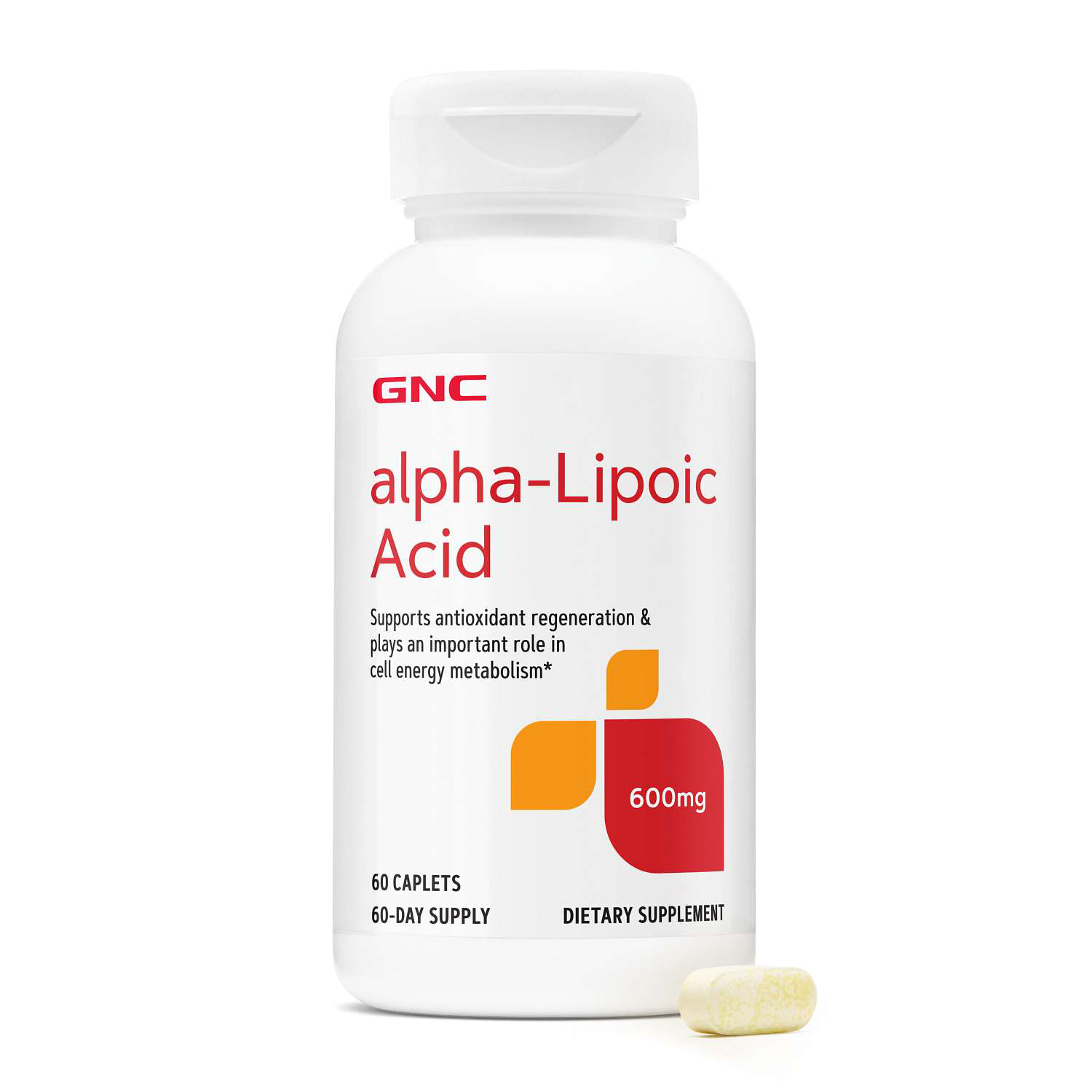
When comparing products, start by looking closely at the ingredient panel, serving size, and suggested use rather than relying only on front-label language. Formulas in this category may feature B vitamins, which participate in normal nutrient metabolism, or compounds associated with mitochondrial processes and the conversion of food into usable cellular fuel. Some shoppers may also look for ingredients such as coenzyme Q10, alpha-lipoic acid, creatine, or NAD-related nutrients, depending on their preferences and existing routine. The form can matter, too: capsules may suit someone who keeps a bottle beside a coffee mug or lunch bag, while powders may fit more naturally into a shaker used before a walk or after a workout. Flavor, portability, dietary preferences, allergen information, and the number of servings per container can all shape a practical choice. People who follow vegetarian or vegan eating patterns may wish to review source information, and shoppers avoiding particular ingredients may want to check the full label for sweeteners, color additives, or other components. It may also help to consider whether a product is intended for occasional use or a consistent routine, since a simple format that fits naturally into the day could be easier to maintain. Anyone taking prescriptions, managing a health concern, preparing for a procedure, pregnant or nursing, or making changes for a child should consider speaking with a qualified healthcare professional before selecting a supplement. Product labels provide serving directions, and using more than the suggested amount may not provide added value. Because nutritional needs differ from person to person, a thoughtful purchase usually begins with the shopper’s diet, activity pattern, preferences, and reason for exploring cellular energy production support.
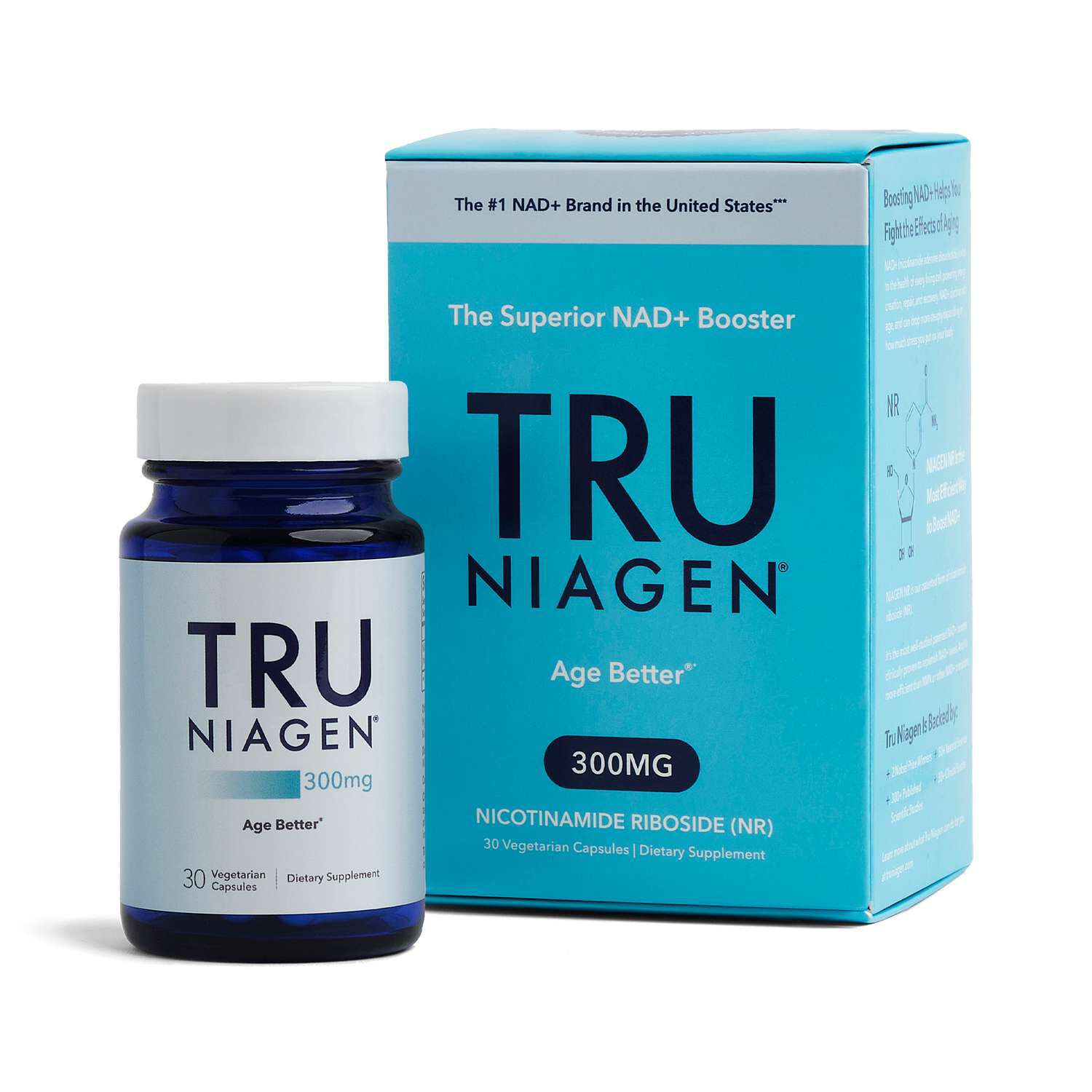
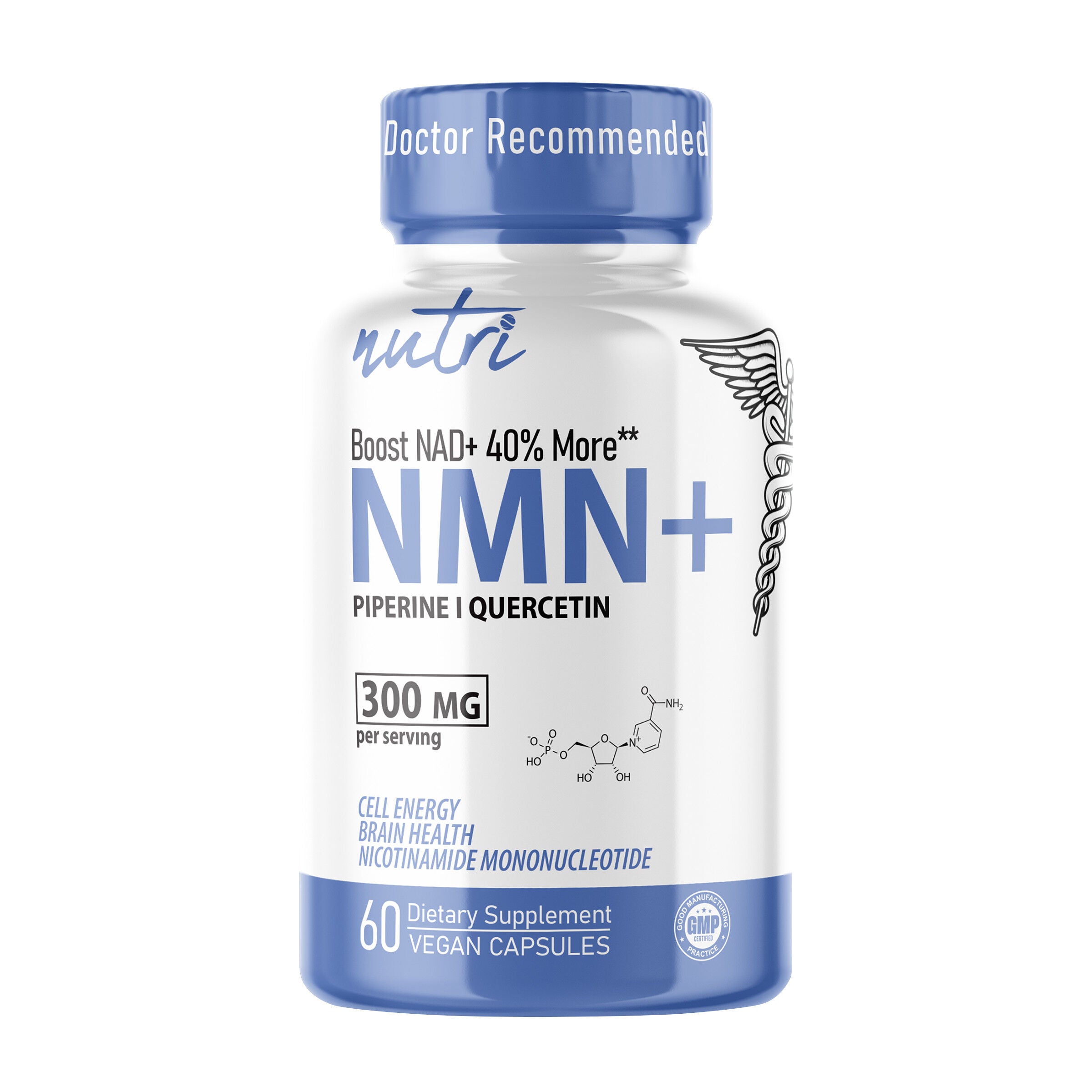
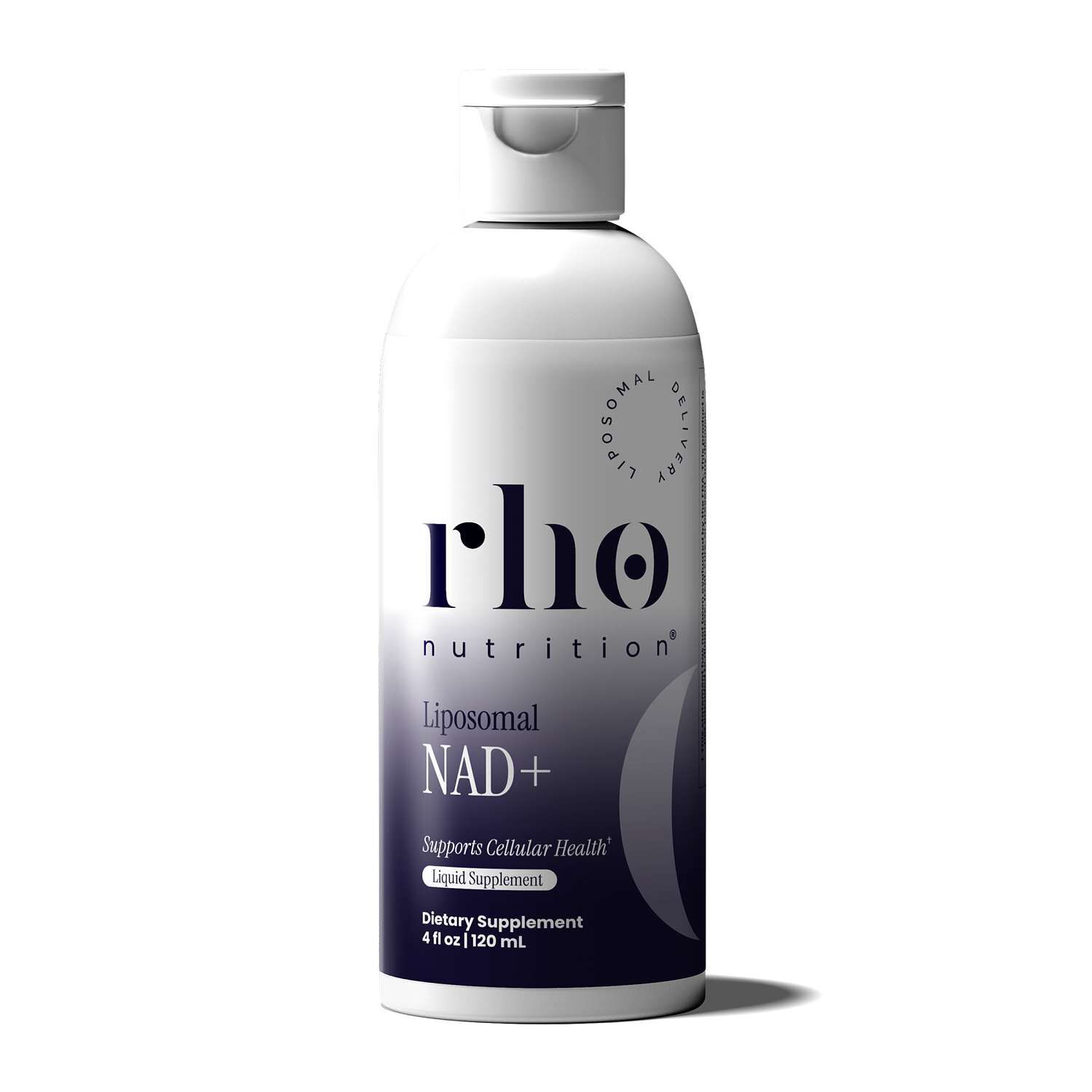
These products may also make considerate gifts for a person who enjoys fitness, meal planning, outdoor activities, or a well-organized wellness routine. A compact supplement container could fit neatly into a travel bag for a weekend away, while a powder format might appeal to someone who keeps a blender on the kitchen counter and starts cooler mornings with a prepared drink. For a friend returning to a regular walking routine, a family member with a busy workday, or a workout partner who pays close attention to nutrition, a cellular energy production product may show awareness of their interests without assuming a particular health goal. During the transition from warmer days to cooler weather, routines often shift: outdoor training may move indoors, long daylight hours may give way to earlier evenings, and packed schedules may call for convenient formats that are easy to store and use as directed. Shoppers interested in nicotinamide adenine dinucleotide, commonly abbreviated as NAD, can explore NAD Supplements For Energy Production Support for a focused selection. NAD functions as a coenzyme involved in cellular processes that transfer energy from nutrients, including steps connected with glycolysis, the Krebs cycle, and the electron transport chain. Products featuring NAD-related ingredients may support normal cellular energy pathways, although individual experiences can differ. Whether choosing a capsule, softgel, powder, or another format, the best match is usually one that aligns with label directions, personal preferences, dietary considerations, and a routine that feels realistic from one day to the next.
Best Sellers
-
Rho Nutrition
-
 Rho Nutrition
 -
 Doctors' Preferred
Related Pages



Top Collections
- Daily Collagen Supplements | Top Brands & Deals | GNC
- Cortisol Supplements
- Top Rated Collagen | Shop Customer Favorites | GNC
- Vitamins For Hair Loss
- NAD+ Supplement Tablets
- Peptide Supplements
- Best Brand of Magnesium Glycinate
- Protein Powders For Muscle Growth Support
- Vitamins That Help Support Weight Gain
- Peptide Supplements for Muscle Growth