Cellular Health Products
(0 Results)
Explore our extensive range of cellular health products designed to support your body's vital functions. From antioxidants to vitamins and minerals, these products are formulated to nourish and protect your cells, potentially contributing to overall wellness. Whether you're looking to maintain your current health or seeking additional support for your cellular functions, our selection offers a variety of options that may help you achieve your goals. Discover how cellular health products could be an integral part of your wellness routine.
-
-
-
 Nature's Fusions$14.99
-
-
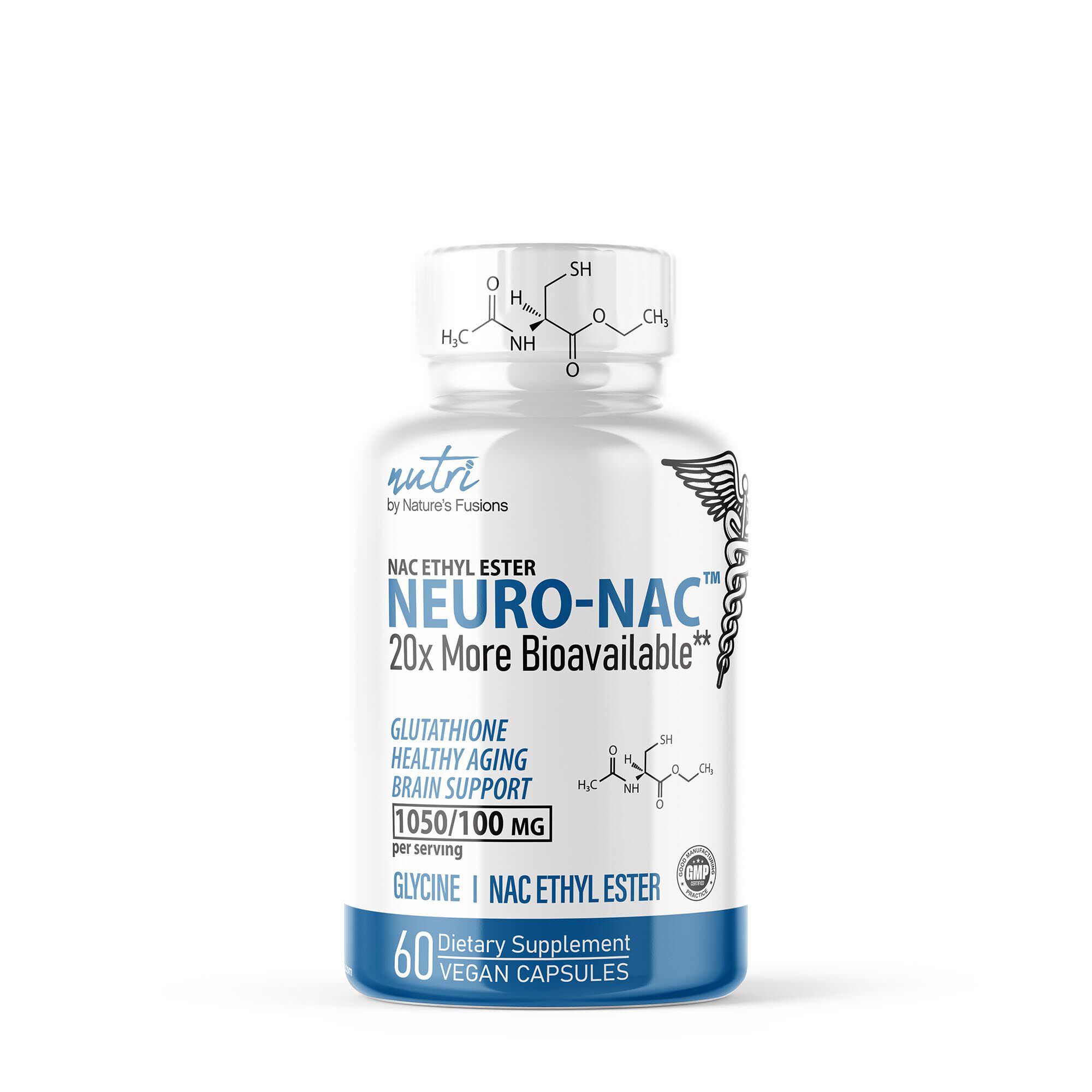
-
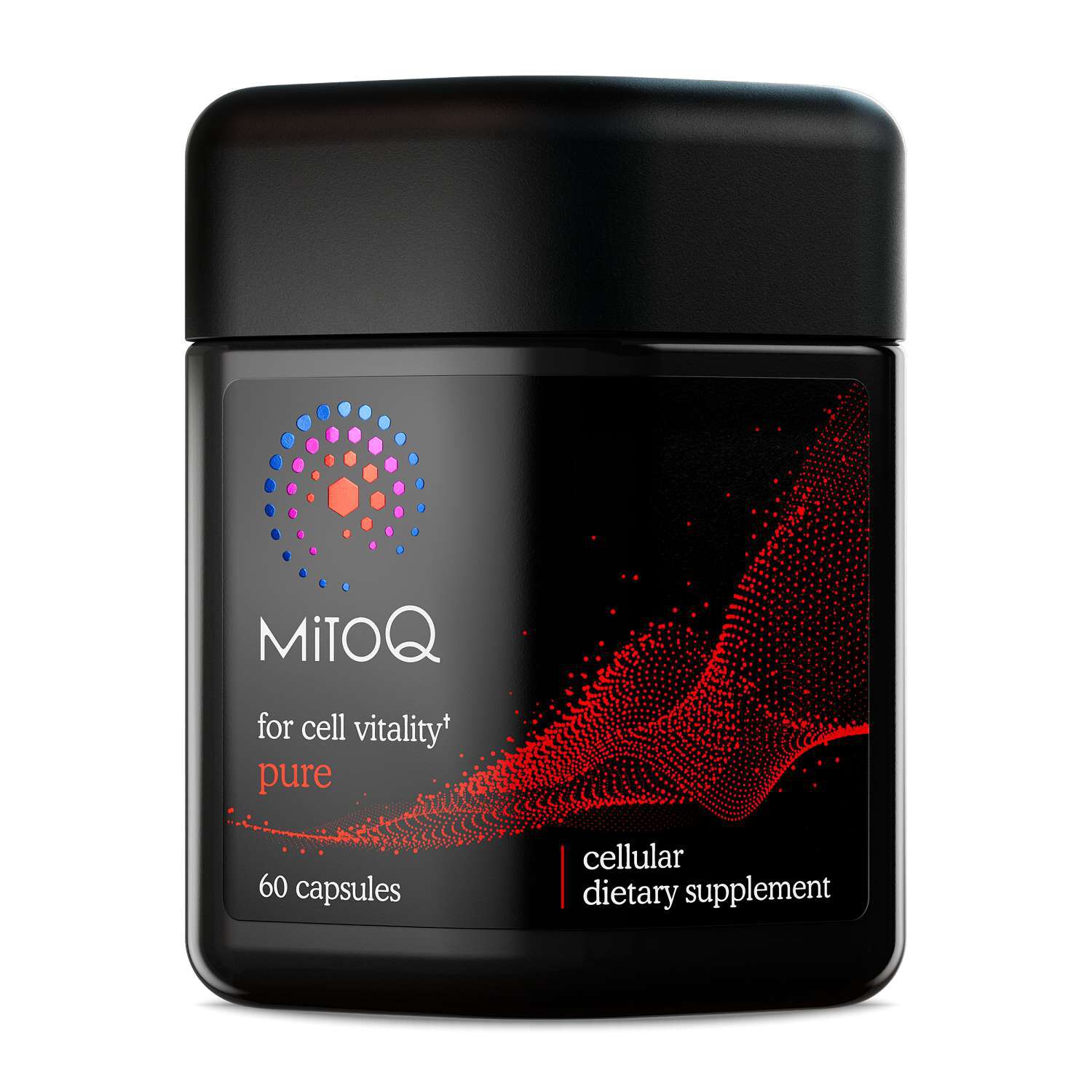
-
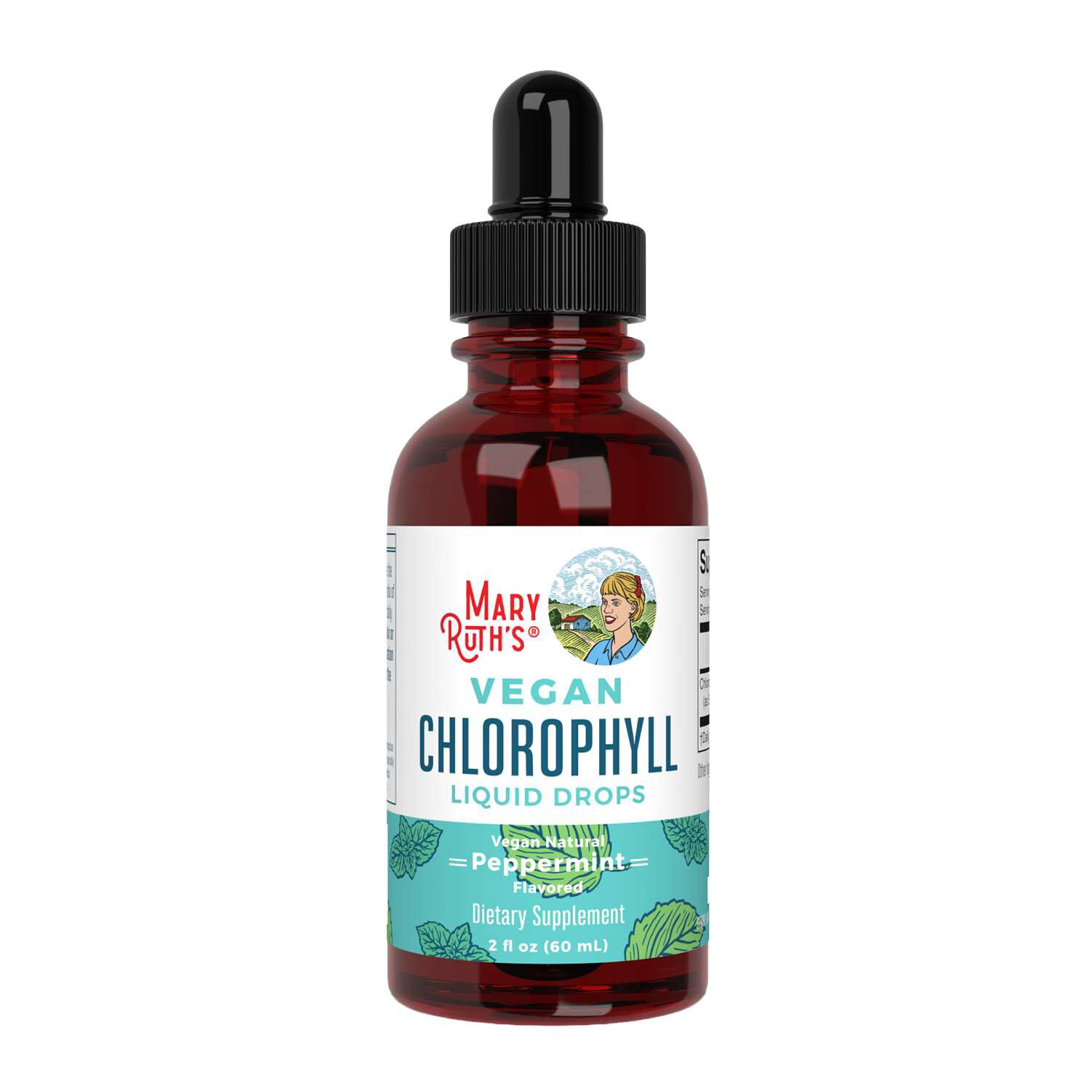 $14.99
-

-

-

-

-
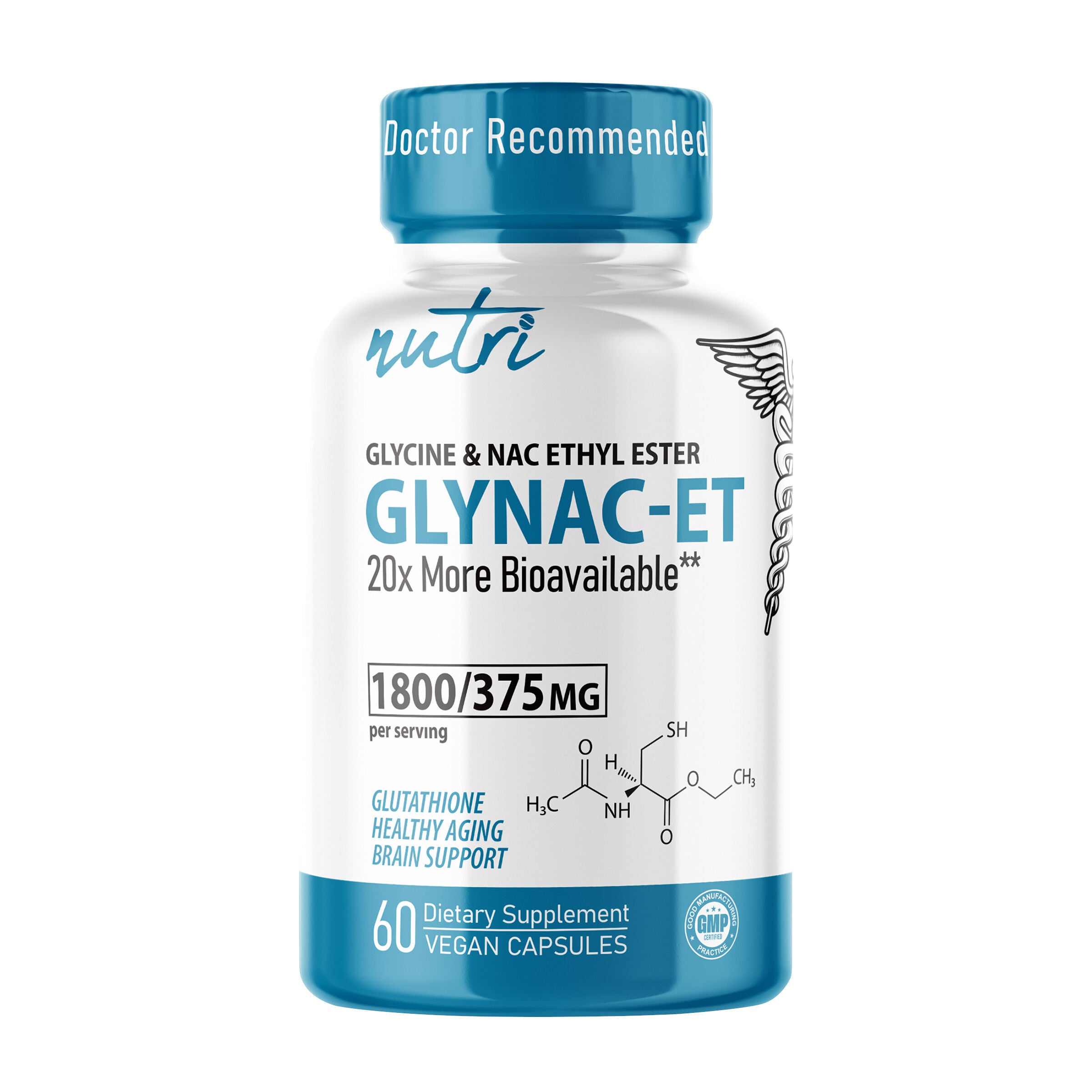 Nature's Fusions$39.99
-
-

-
 GNC Preventive Nutrition22$46.99
-

-

-
-
-
-

-
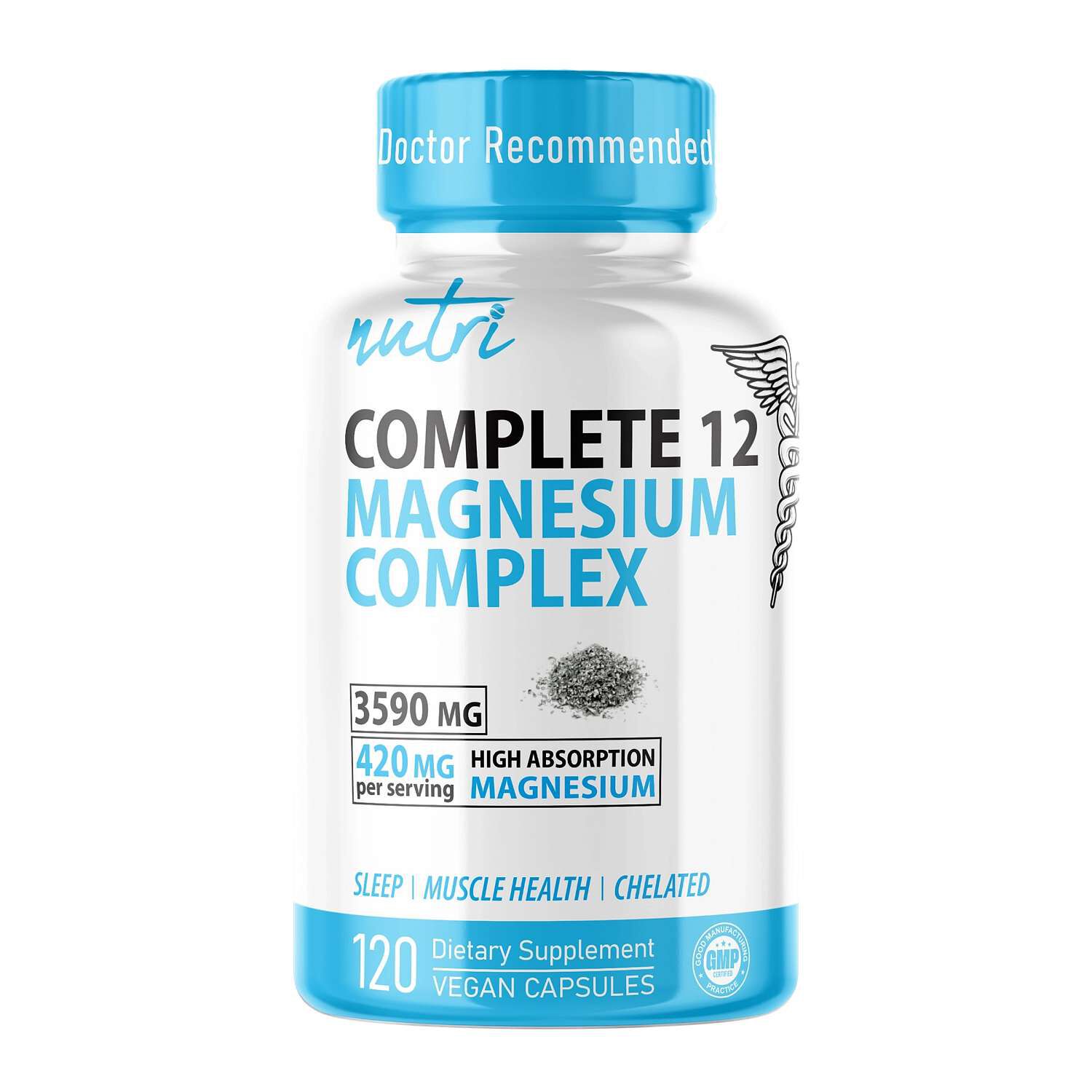 Nature's Fusions$31.99
-
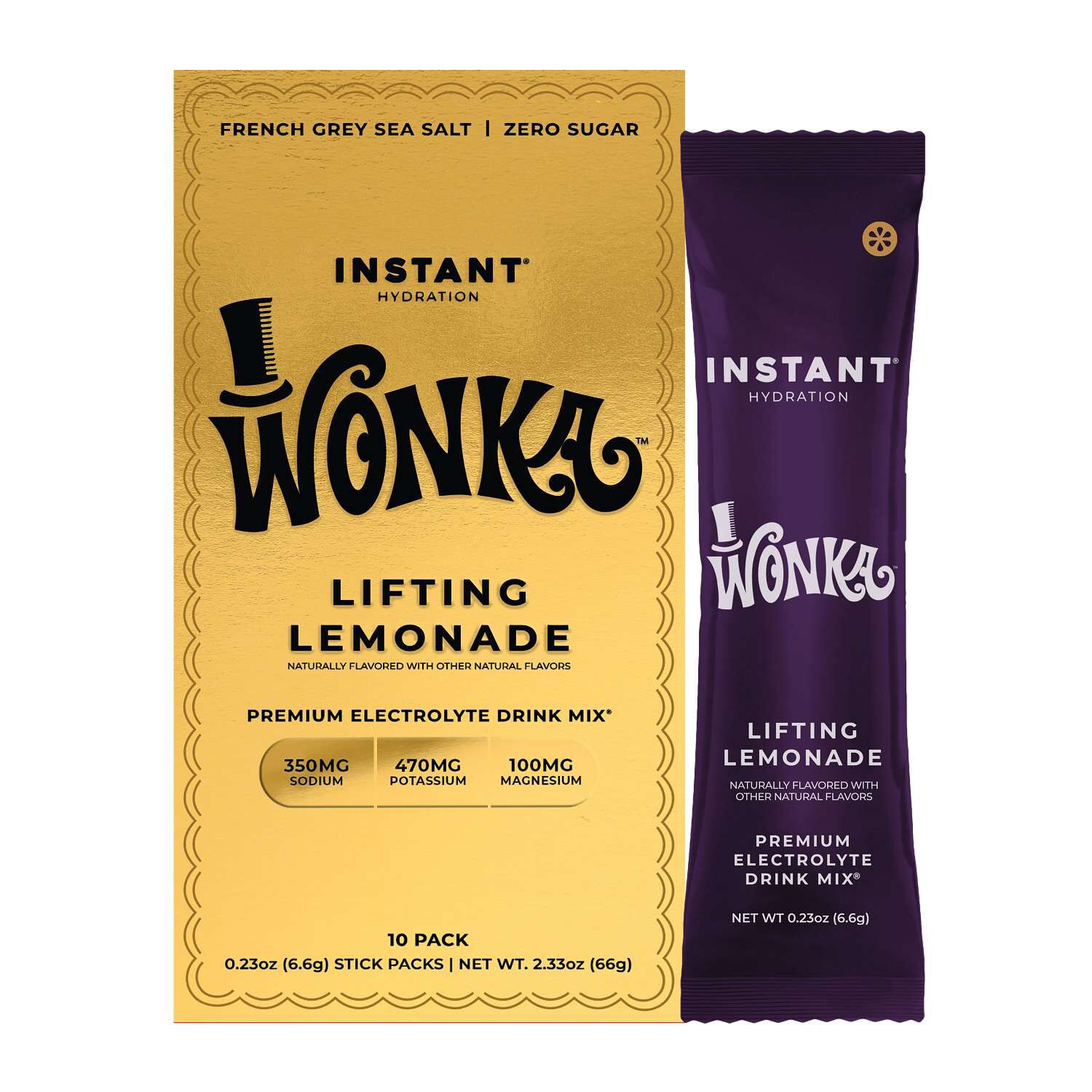 Instant Hydration$19.99
-
Cellular health products are dietary supplements that may support normal cell function through ingredients associated with cellular energy, antioxidant activity, or cell membrane structure. This is a broad category, not a single type of formula, so two supplements with similar descriptions can contain very different ingredients. Cells perform the everyday work of the body, and their structures include membranes that separate their contents from the surrounding environment and mitochondria involved in energy production. Supplements organized around cellular health often reflect one or more of these functions. Coenzyme Q10, commonly called CoQ10, along with certain B vitamins and acetyl-L-carnitine, frequently appears in formulas with a cellular energy focus. Glutathione, alpha-lipoic acid, and plant compounds such as resveratrol are common in antioxidant-focused formulas. Phospholipids, including phosphatidylcholine, appear in formulations centered on cell membrane nutrition. These ingredients are not interchangeable, and a longer ingredient list does not establish that a formula is a better match for an individual. A single-ingredient supplement offers a narrower composition, while a blend brings several ingredients together in one serving. Either approach may suit someone seeking a particular addition to an established nutrition routine, depending on the formula and personal circumstances. The distinction between cellular energy and a noticeable feeling of alertness also matters: a cellular energy description does not necessarily indicate caffeine or a stimulant-based formula. Likewise, antioxidant language describes an ingredient focus rather than a particular sensation someone should expect after taking a serving. Cellular health supplements may complement everyday nutrition, but they are not substitutes for varied meals, regular movement, or adequate sleep. Understanding the category starts with the actual contents of the container rather than broad language on the front label. The most useful comparisons connect a formula’s ingredient names, amounts, and serving instructions with its intended use, without assuming that every supplement in the category serves the same purpose.
Capsules, tablets, softgels, powders, and liquids offer different ways to fit cellular health supplements into an adult routine. The practical differences can be as familiar as carrying a labeled bottle in a work bag, measuring a liquid at home, or mixing a powder according to its directions. Capsules and tablets have a defined amount per unit, although one labeled serving may contain several units. Softgels often contain oil-based ingredients and may use gelatin or other materials in their outer shell. Powders and liquids involve measuring, and their flavor, texture, mixing instructions, and storage requirements deserve attention alongside the ingredient list. A format alone does not establish how well a supplement may work for a particular person. The Supplement Facts panel provides a more concrete basis for comparison, identifying serving size, dietary ingredient amounts, and the number of servings per container. A bottle containing many capsules may represent fewer daily servings than its capsule count suggests. Where a blend lists several ingredients together, the label may not disclose the amount of each component separately. Ingredient forms also vary, and similarly named compounds should not automatically be treated as equivalent. Beyond the dietary ingredients, the other-ingredients statement can identify capsule materials, oils, sweeteners, flavors, and substances used in manufacturing. These details matter to adults with dietary preferences or ingredient restrictions, including those seeking vegetarian or vegan options. Botanical ingredients may also identify the plant part used or provide information about the extract’s composition. Clear labeling, accessible manufacturer information, and a stated expiration date offer useful context when comparing formulas. Storage belongs in that comparison as well: some products require refrigeration after opening, while others specify a dry location away from direct light. A tightly closed original container keeps the label, lot information, and storage directions together. Leaving supplements in a parked car, a steamy bathroom, or an unmarked container can make their storage history harder to track.
The intended user and the shape of an existing routine are just as relevant as the supplement format. An adult who already takes a multivitamin may find that a cellular health blend repeats some of the same nutrients, while someone who prefers a shorter ingredient list may gravitate toward a formula centered on one compound. A person who eats breakfast at home may find a different format practical than someone whose morning begins with a commute. These everyday considerations concern convenience and consistency, not evidence that one routine produces better results. Directions can differ between formulas, including the suggested serving and whether the label specifies taking it with food. The amount used for one ingredient should not be carried over to a different compound or formulation simply because both appear in the cellular health category. Personal suitability also extends beyond the package: age, pregnancy or nursing, prescribed medicines, and other supplements can all be relevant to a discussion with a qualified healthcare professional. Cellular health language alone does not establish suitability for children or for sharing among household members. For adults exploring several nutrition priorities, Products For Health Goals offers a broader way to browse related supplement categories while keeping individual ingredient choices in view. Within cellular health, a useful comparison remains grounded in what can be verified: the formula, ingredient amounts, serving format, dietary attributes, and directions. Claims about rapid changes or dramatic transformations are not a substitute for those details, and an ingredient’s presence does not show that every formula containing it has been studied in the same way. Research involving one ingredient, amount, or formulation may not apply to another. A well-considered selection takes the whole label into account and leaves room for individual needs, rather than treating a category name as a one-size-fits-all answer. That perspective keeps cellular health supplements in context as possible additions to everyday nutrition, with practical differences worth considering from one formulation to another.
Best Sellers
-
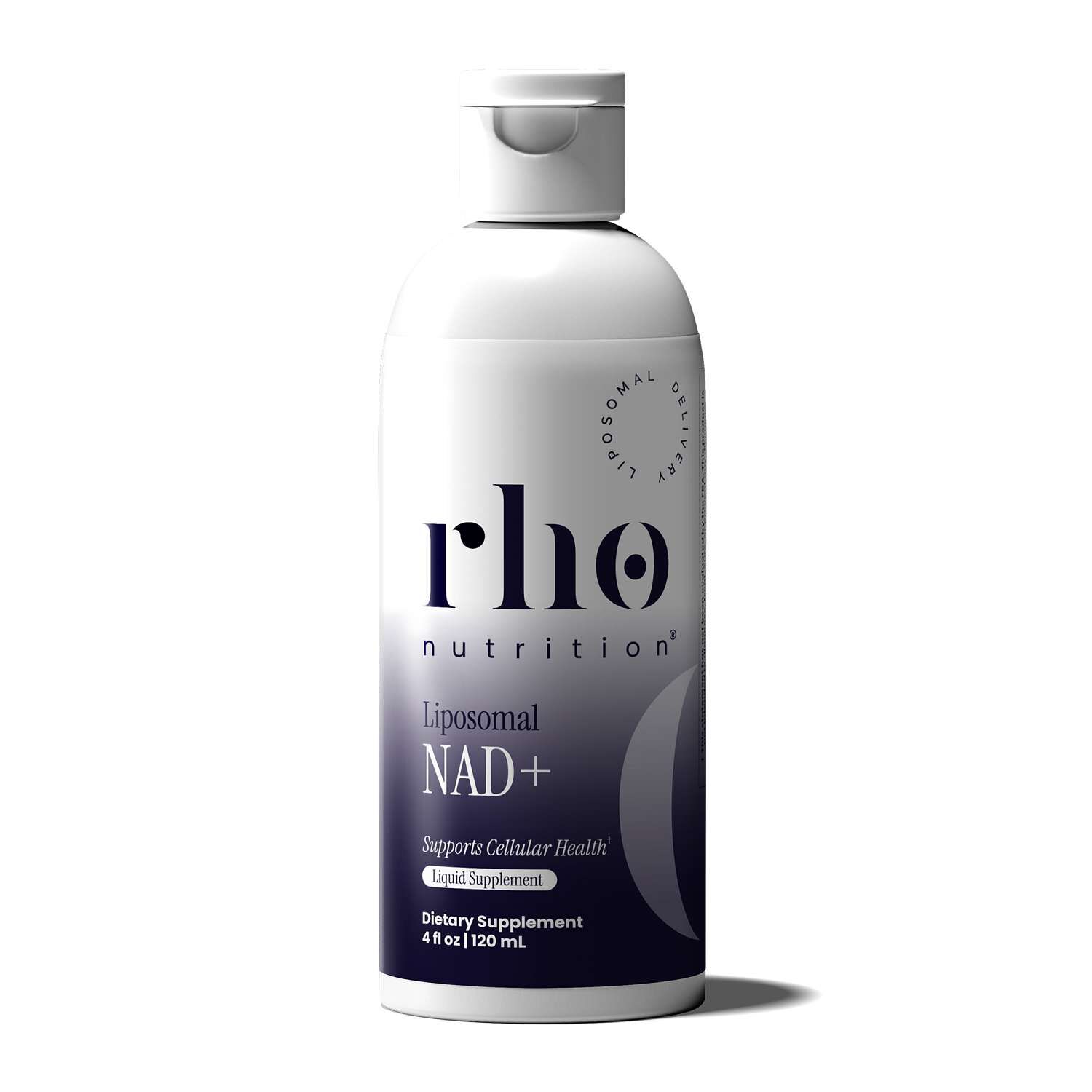 Rho Nutrition
-
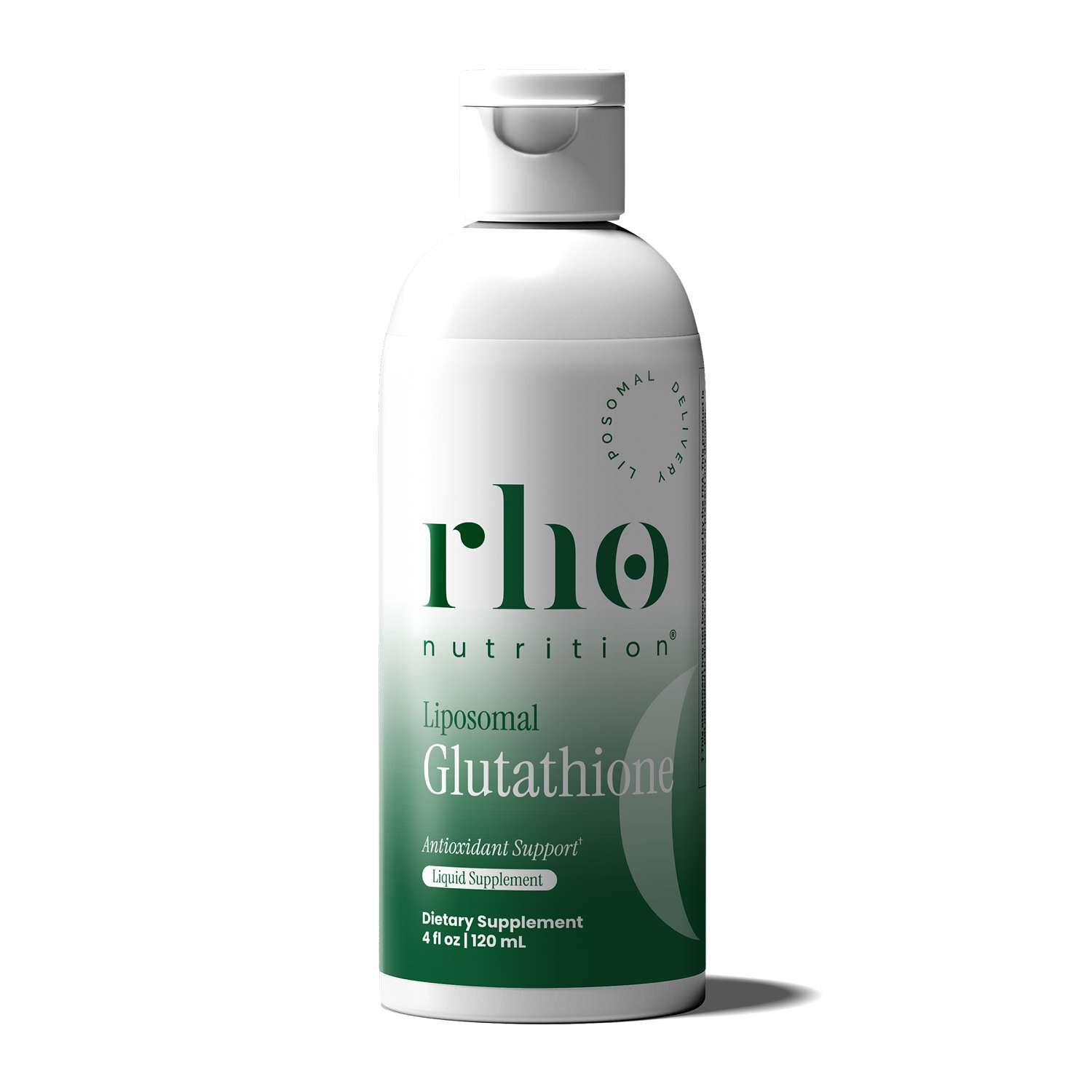 Rho Nutrition
-
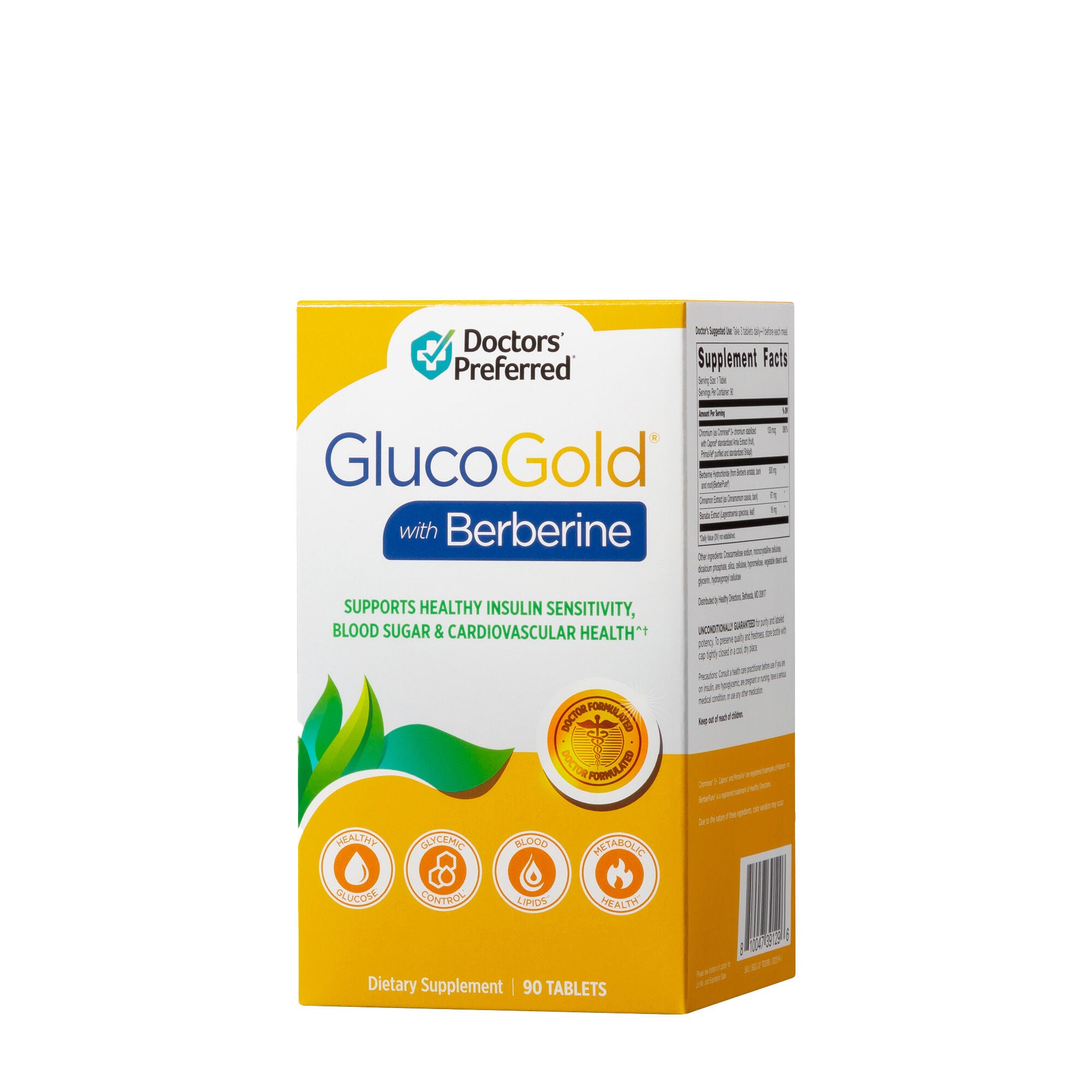 Doctors' Preferred