





Chelated Minerals
(0 Results)
Discover a wide selection of chelated minerals to support your overall health and well-being. Chelated minerals are known for their superior absorption, making them an excellent choice for ensuring you get maximum benefits from your supplements. From essential minerals like iron and zinc to trace minerals such as selenium and chromium, our range of chelated mineral supplements offers a convenient way to fill any nutritional gaps in your diet. Explore our collection and find just what you need to help maintain optimal health every day.
-

-

-

-

-

-

-

-
-
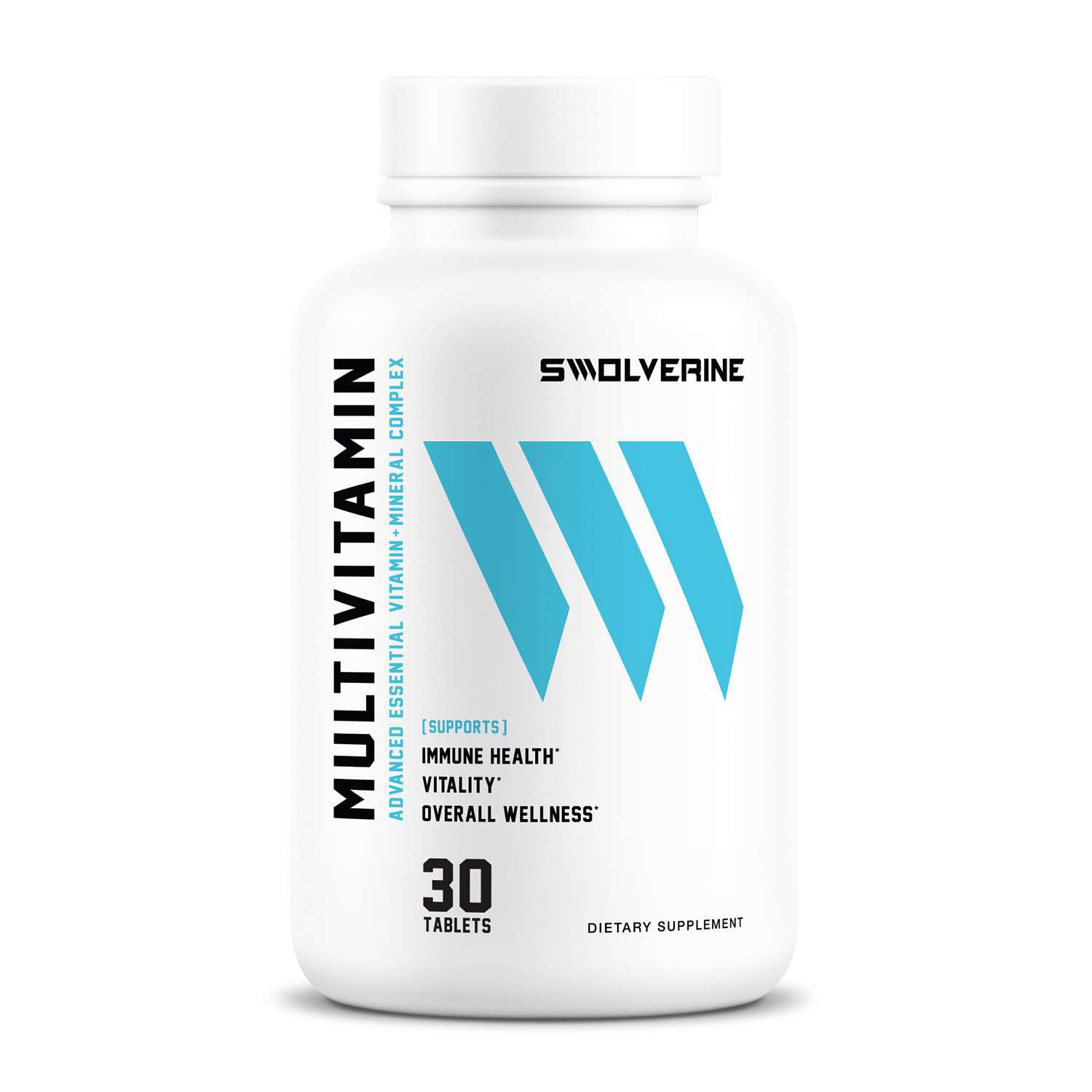 Swolverine$22.99
-

-
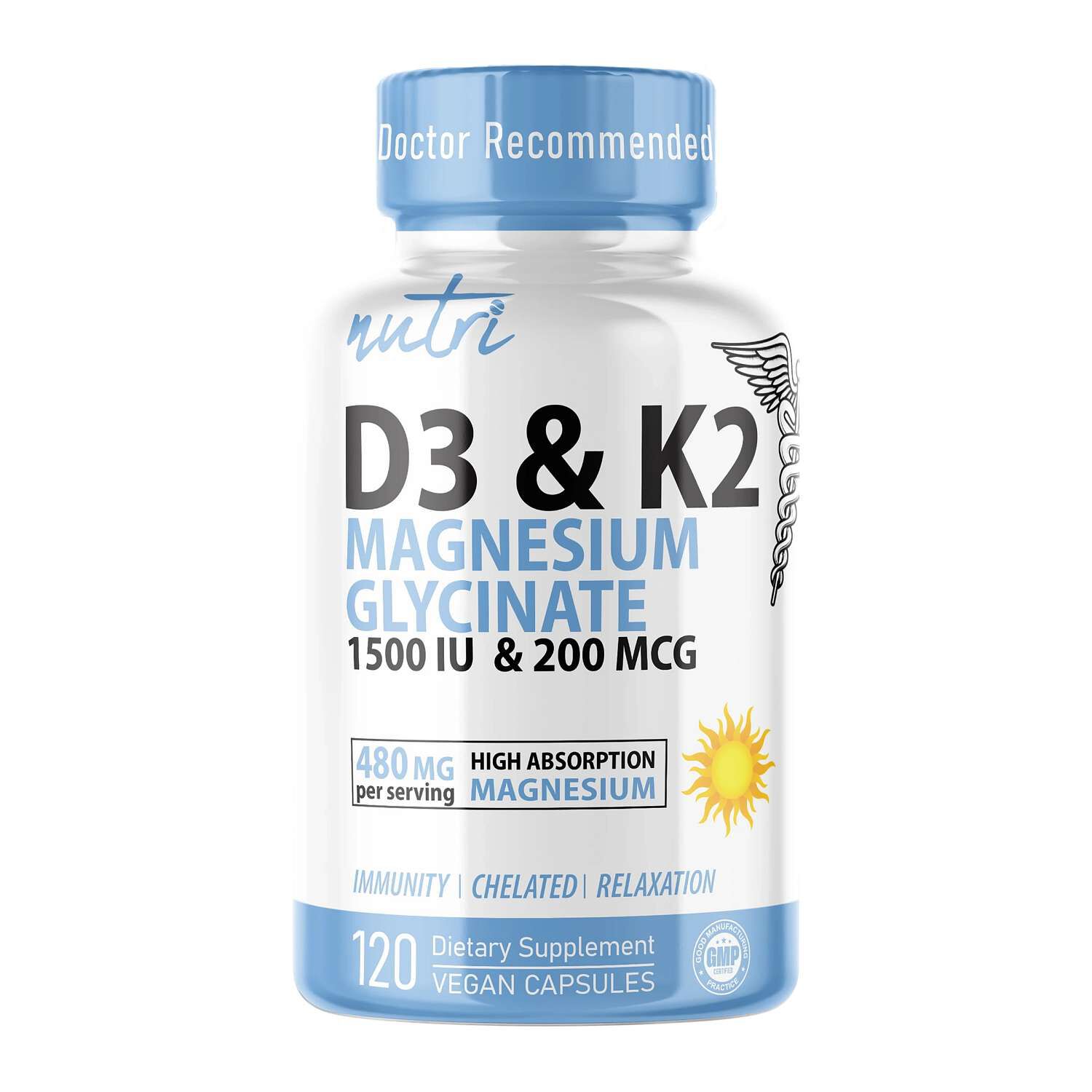 Nature's Fusions$29.99
-
-

-
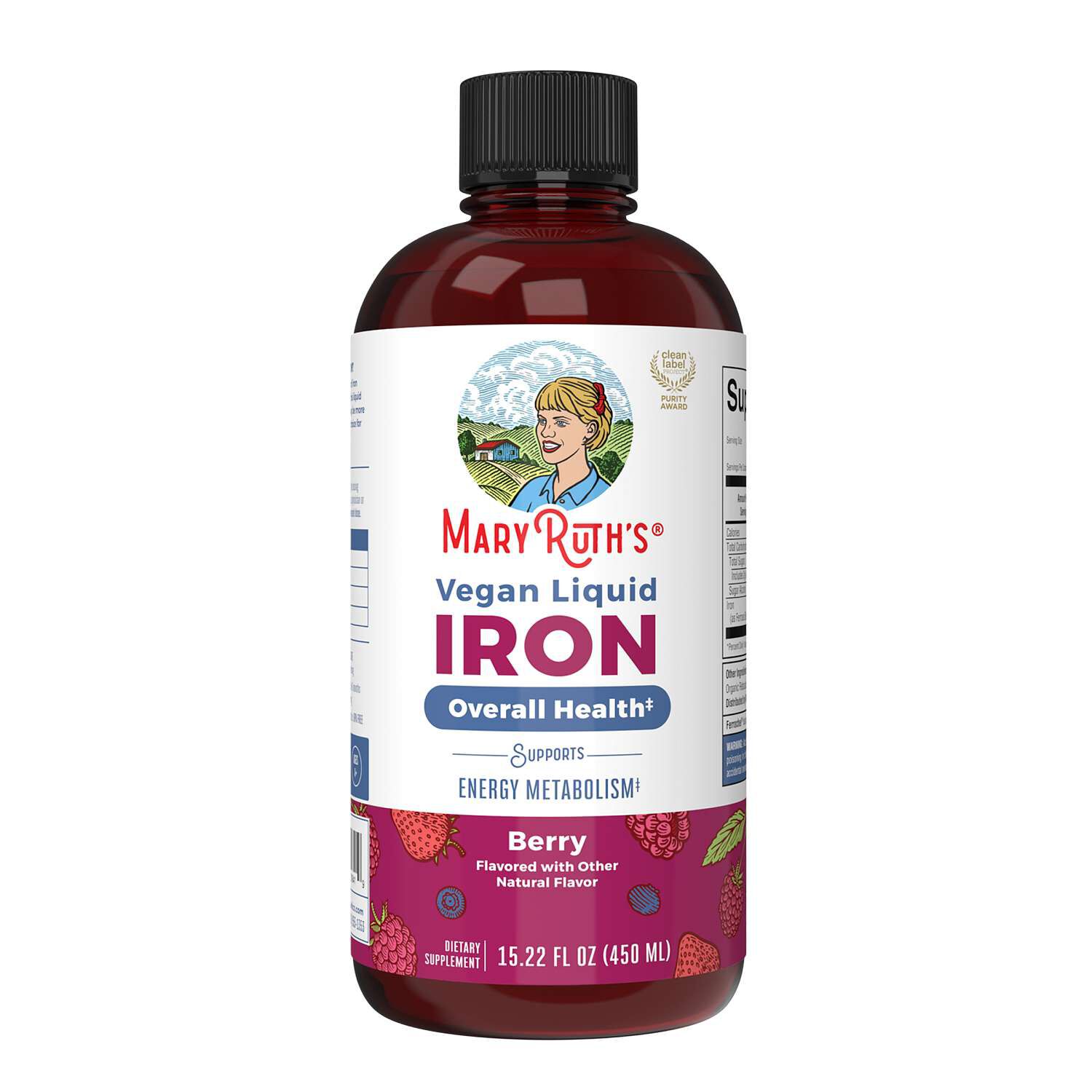
 Nature's Fusions$31.99
-

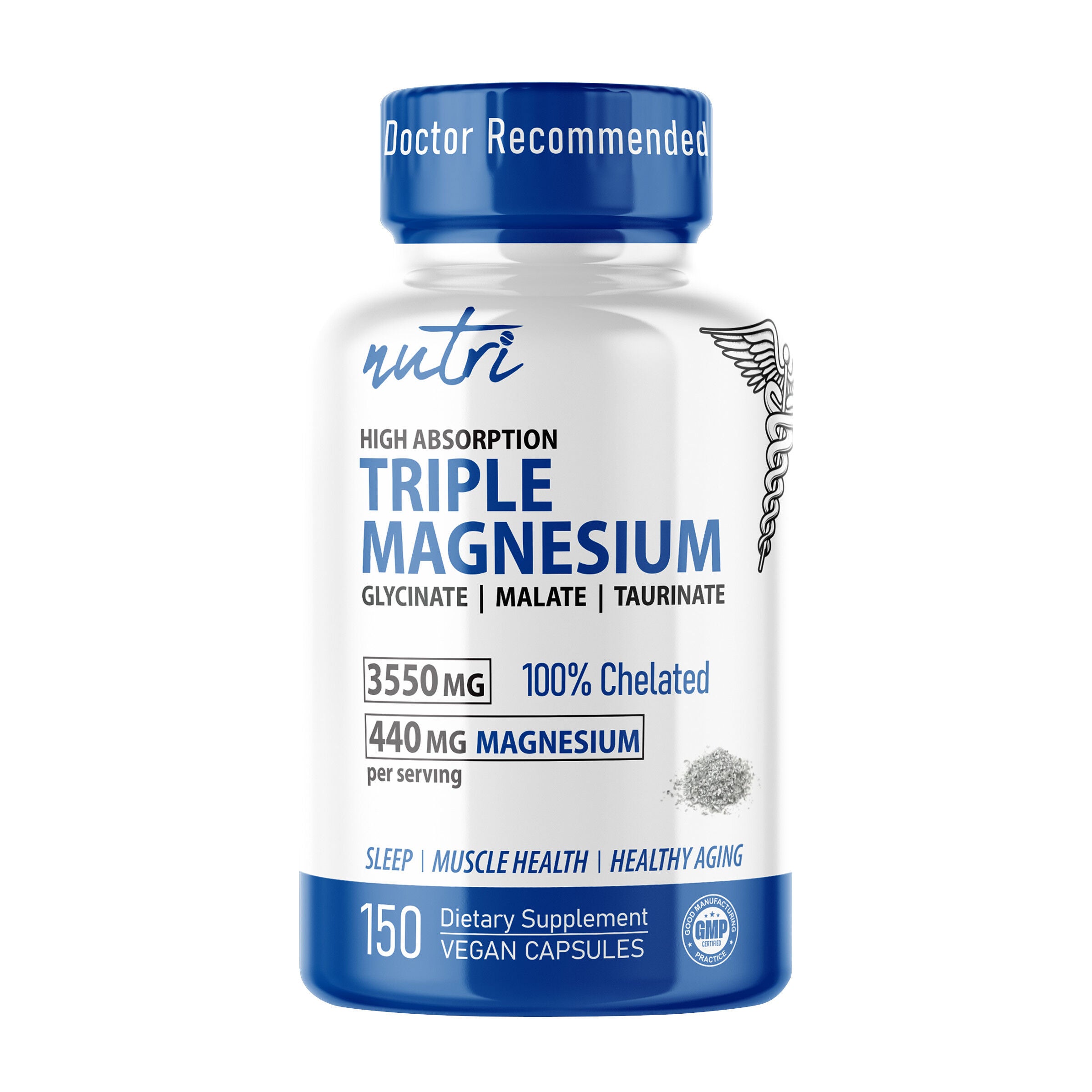
Chelated minerals are mineral nutrients chemically bound to organic molecules, often amino acids, through more than one attachment point to form a ring-like structure. The attached molecule, called a ligand, holds the mineral ion in a coordinated arrangement. In supplements, this terminology describes the mineral’s chemical form rather than a separate category of nutrients. Magnesium, calcium, zinc, iron, and copper are examples of minerals that may appear in chelated formulations. Glycine, an amino acid, is a common binding partner, and names such as magnesium bisglycinate or iron bisglycinate identify particular mineral compounds. The word organic in this context refers to molecular chemistry; it does not describe an agricultural certification. These details help distinguish what a supplement contains from broader language on the front of its package. A chelated form may differ from another mineral form in how it is absorbed, but the word chelated alone does not establish that a supplement is a better choice for every person. The particular mineral, its binding partner, the amount per serving, and the rest of the formula all provide useful context. On the Supplement Facts panel, the declared mineral amount refers to the mineral itself, rather than the combined weight of the mineral and its binding partner. That distinction matters when comparing packages with different compound names or serving sizes. A large number associated with a compound is not necessarily the amount of mineral supplied in a serving. The ingredient list may identify the source in parentheses after the mineral name, while other ingredients appear separately. Some formulas contain one mineral, while others combine several. A single-mineral formula centers on one nutrient; a multi-mineral formula brings several nutrients into the same serving. Neither format describes the chemical form of every ingredient by itself, so the individual mineral sources remain important parts of the label. Chelated mineral supplements are best understood through these concrete formulation details rather than through the term chelated in isolation.
Capsules, tablets, and powders offer different ways to incorporate chelated minerals into an established routine. Their differences are practical as well as compositional: capsule material, tablet dimensions, powder texture, flavoring, and serving size can all shape the experience of using a supplement. A bottle that lists one serving as several capsules is different from one that lists a single capsule, even when the mineral amounts look similar at first glance. The serving size and servings per container bring those details into focus. For someone who keeps supplements beside a breakfast plate, the physical format and label directions may matter more than the appearance of the package. For someone who carries a daily organizer, capsule or tablet dimensions may influence whether the format fits neatly into that routine. Powdered formulas involve a different set of considerations, including the measured serving, preparation directions, and any added flavors or sweeteners. A powder should not be assumed to mix clearly or taste neutral simply because its mineral source is chelated. Likewise, capsule shells may use gelatin or plant-derived materials, and tablets may include ingredients used for binding, coating, or manufacturing. These materials have roles separate from the mineral source and are worth distinguishing when comparing formulas against dietary preferences. Allergen statements and ingredient disclosures provide more specific information than broad front-label descriptions. Packaging also matters for everyday handling. A legible label, a securely closing container, and clear preparation instructions make the details easier to reference over time. Storage directions belong to each formula, with the original container preserving access to the ingredient list, lot information, and expiration date. A dry location away from direct sunlight may be specified on the label; a humid bathroom shelf may not match those directions. Keeping measuring tools clean and dry, where applicable, is another practical consideration. These details concern the format and care of a supplement, not evidence that one mineral form has a universal advantage over another.
Chelated mineral supplements may appeal to adults comparing nutrient sources, reviewing a multivitamin’s ingredient list, or looking for a particular mineral form identified in their existing nutrition plan. Intended use is an important distinction: an adult formula should not be assumed appropriate for children, and a multi-mineral supplement should not be treated as interchangeable with a single-mineral formula. Label directions and age-specific statements provide context without turning a general mineral category into a personalized recommendation. Daily Value percentages are labeling references, not individualized instructions, and a larger percentage does not by itself establish a better fit. Mineral intake also comes from food and beverages, so a supplement represents only one part of the broader picture. Dairy foods, beans, nuts, seeds, vegetables, and other foods contribute different minerals alongside other nutrients. A chelated supplement does not reproduce that variety simply by containing several minerals. When more than one supplement is part of a routine, repeated mineral names across labels are worth noting rather than evaluating each container in isolation. Someone comparing a stand-alone mineral with a multivitamin, for example, may find the same nutrient listed in both, even when the chemical forms differ. Clear naming helps keep those distinctions visible. It also separates chelated minerals from other mineral formats that use different terminology. Those exploring liquid presentations may encounter Colloidal Mineral Supplements, a related category with a different descriptive focus. Colloidal refers to particles dispersed in a medium, often a liquid, while chelated refers to chemical binding at the molecular level. The terms are not interchangeable, and neither term alone describes the mineral amount, serving directions, or suitability of a formula. Across these choices, the most informative details remain straightforward: which minerals are included, how their sources are identified, what each serving contains, and how the format fits its intended use. That combination gives chelated minerals a clear place within the broader range of mineral supplements without treating the label terminology as a substitute for the full formulation.
Best Sellers
-
 Rho Nutrition
-
 Qualia Life Sciences
Related Pages



Top Collections
- Joint Mobility Supplement Packs
- Daily Collagen Supplements | Top Brands & Deals | GNC
- GLP 1 Support For Adults
- Zinc Supplements | Top Brands at Great Prices | GNC
- Supplements For Yoga Joint Flexibility
- Supplements For Balance
- Capsule Supplements For Energy And Stamina
- Adult Mobility Supplements
- Chronic Fatigue Supplements
- Vitamins For Hair Loss