Chewable Vitamin C For Picky Eaters
(0 Results)
Chewing on daily vitamins could be a simple solution for those who struggle with traditional tablets or capsules. Chewy, flavorful options like chewable vitamin c for picky eaters might make it easier to add essential nutrients to your routine. With a variety of tasty choices available, supporting wellness goals could become a more enjoyable part of the day. Discover options designed with taste and convenience in mind, perfect for anyone looking to simplify their supplement experience.
-
 $15.99
-
-
 $16.99
-
 $17.99

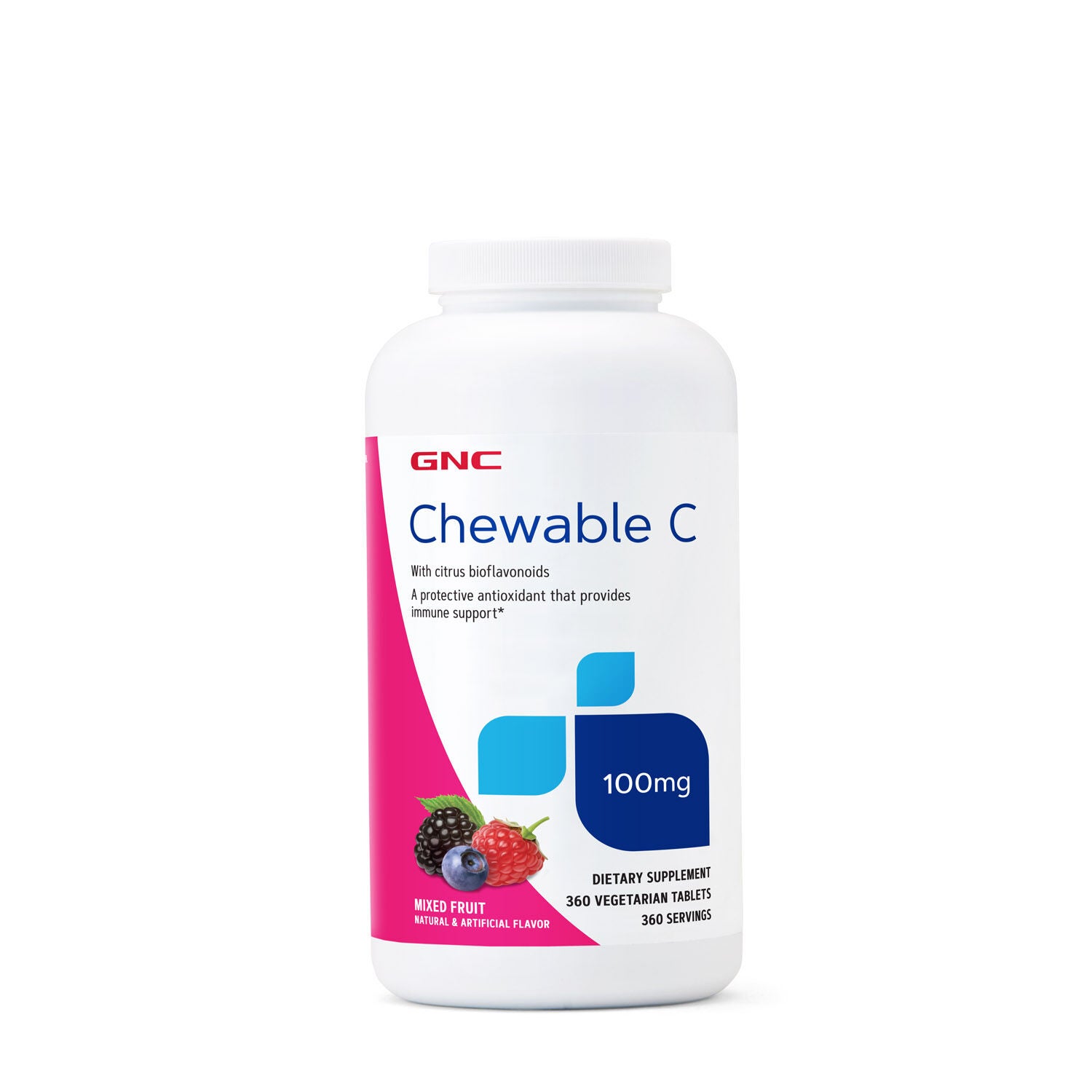
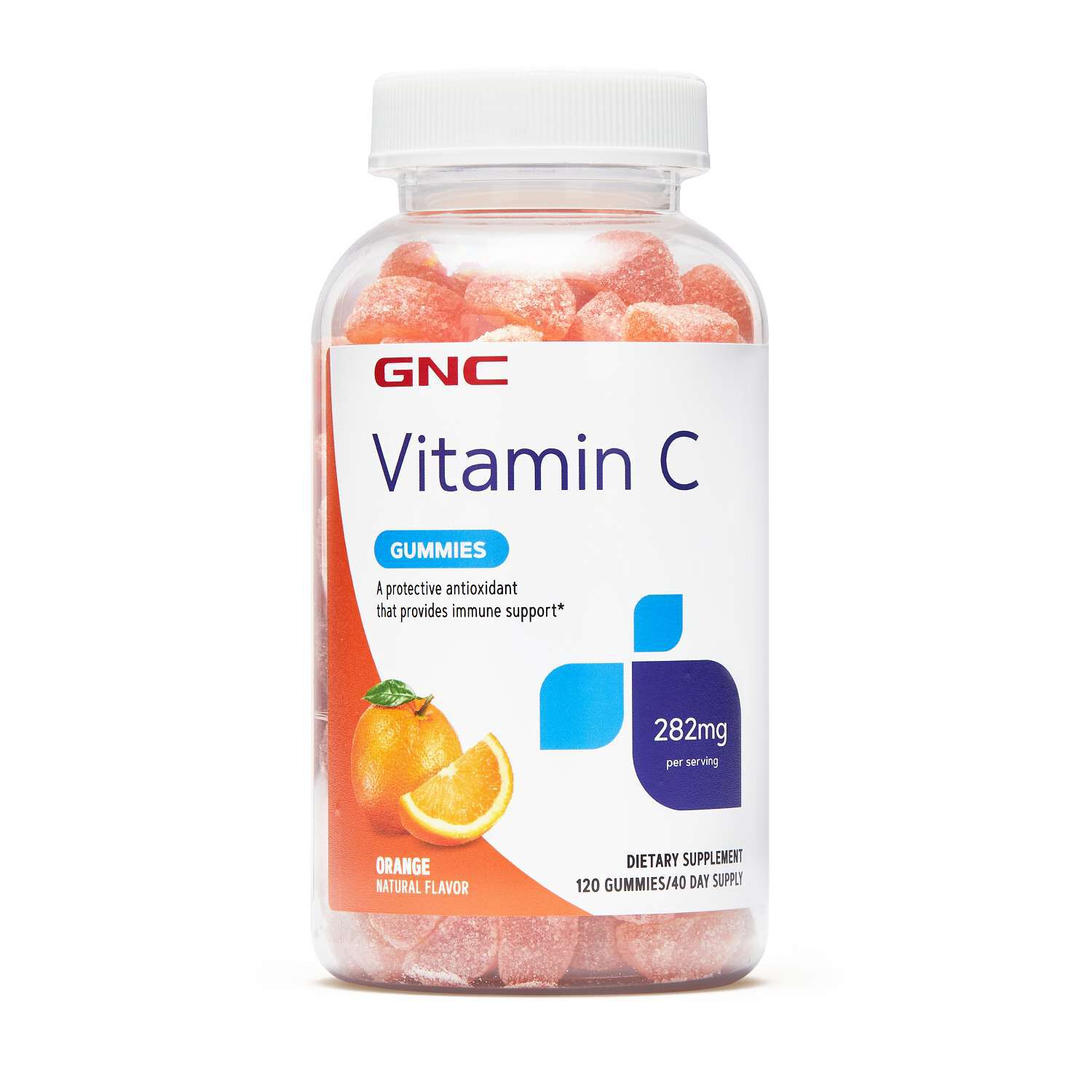
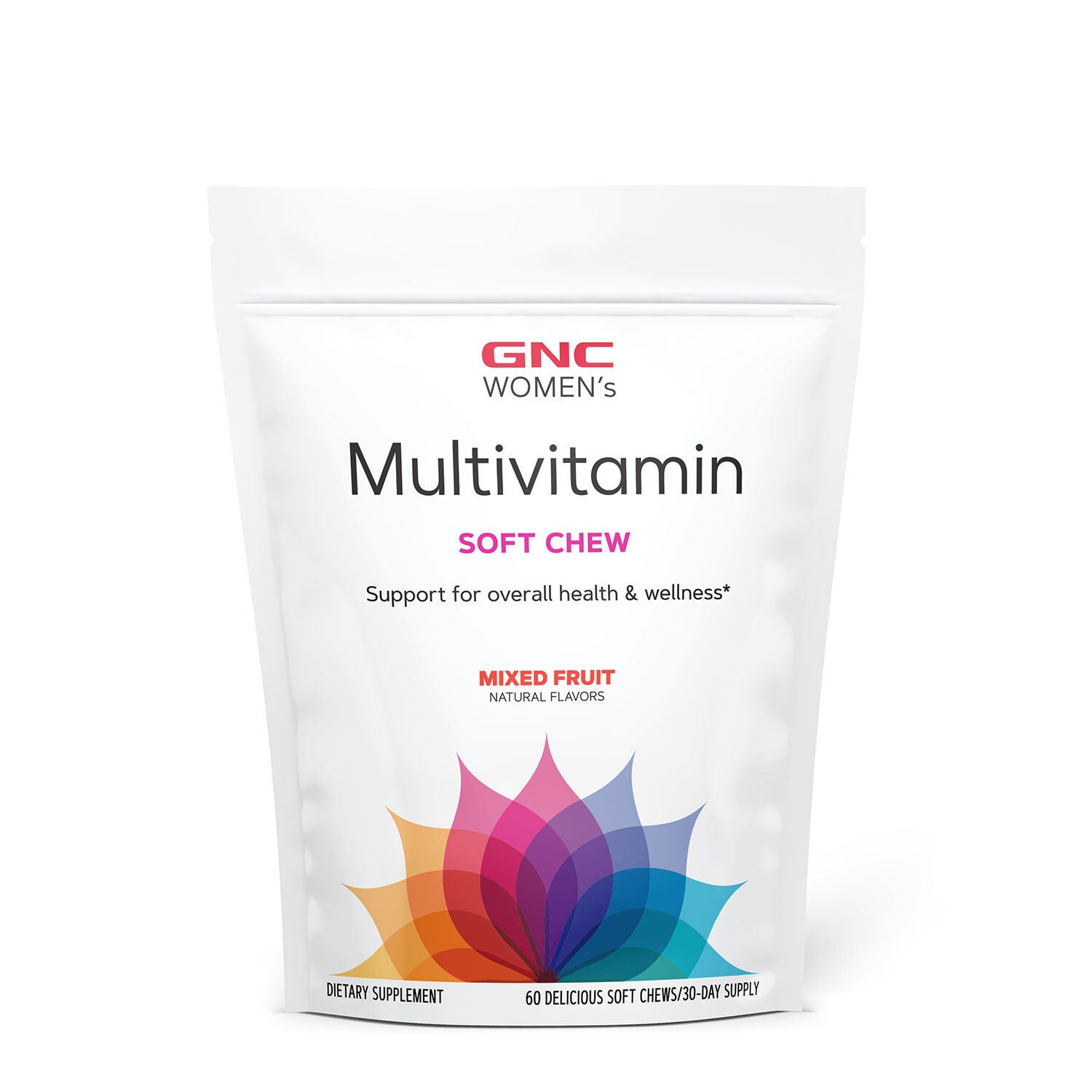
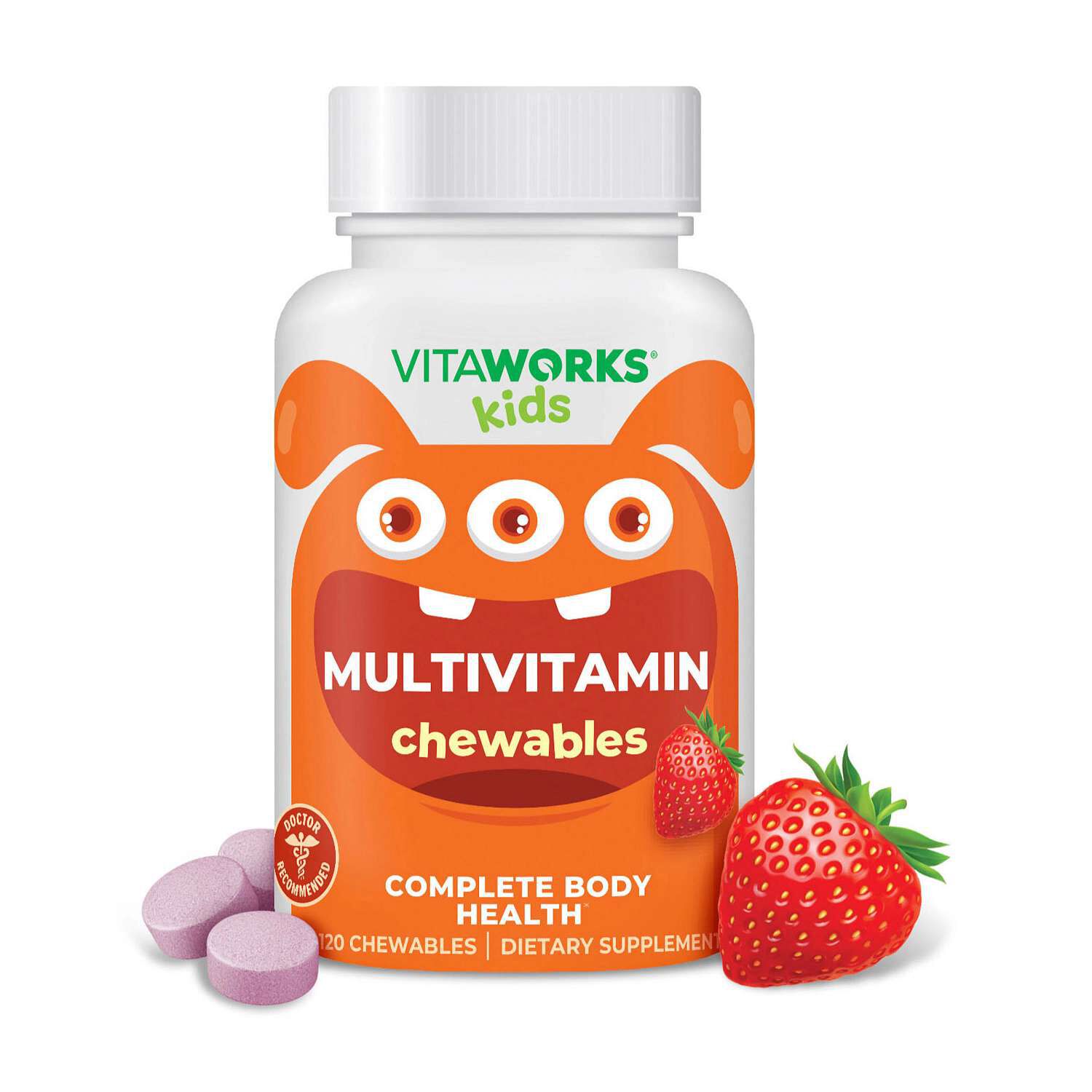
Chewable vitamin C for picky eaters pairs a familiar nutrient with a format made to be chewed rather than swallowed whole. For children or adults who are particular about flavors and textures, a fruit-flavored chewable may feel more approachable than a traditional tablet. The details matter, though: a sweet orange flavor and a sharply tart citrus flavor are different experiences, even when both packages feature an orange on the label. Berry flavors, mixed-fruit profiles, and milder citrus options offer other directions to explore. Texture deserves equal attention. Some chewable tablets have a firm bite and a powdery finish, while others have a softer, more crumbly consistency; gummy formats have a distinct springy texture and their own ingredient considerations. Someone who enjoys crisp foods but dislikes sticky textures may prefer a different format from someone who usually chooses soft fruit snacks. Aroma, tablet size, and the flavor that lingers afterward are also useful comparison points. Vitamin C occurs naturally in foods such as strawberries, oranges, bell peppers, and broccoli, and supplements are intended to complement eating habits rather than replace a varied diet. A person who regularly passes over citrus fruit may still enjoy other foods containing vitamin C, so food preferences do not tell the whole story about nutrient intake. Chewable vitamin C is not exclusively a children’s category, either. Adults who prefer flavored supplements may also be interested, provided the product’s labeled age range and directions fit its intended user. For a household with more than one picky eater, the most useful starting point is the individual: the flavors they recognize, the textures they accept, and the product format described on the package. A familiar taste may make a supplement routine feel less unfamiliar, but preferences remain personal, and a fruit pictured on a bottle does not describe every part of the tasting experience.
Label details provide a more dependable basis for comparison than package color or fruit imagery alone. The Supplement Facts panel identifies the amount of vitamin C in a serving, and the serving size shows whether that amount comes from one chewable or several. A large number on the front of a bottle does not necessarily describe the amount in a single piece. The number of servings per container is also different from the number of chewables inside, a distinction that matters when comparing packages with different serving directions. Age labeling is another important detail, since an adult formula and a children’s formula are not interchangeable simply because both have a sweet flavor. Directions, intended age group, and product format belong in the same comparison. Beyond vitamin C itself, ingredients shape the sensory experience. Sweeteners, flavorings, colors, and binding ingredients vary, and gummy formulas may include gelatin or pectin. These details are relevant to households with vegetarian preferences, ingredient restrictions, or particular expectations about texture. Sugar content and the presence of sugar alcohols are also listed on packaging where applicable; neither a fruit flavor nor a bright color reveals how a formula is sweetened. Allergen statements and other ingredient disclosures deserve attention rather than assumptions based on the category name. Some formulas contain vitamin C alone, while others combine it with additional vitamins or minerals, so the front label is only part of the description. When comparing a standalone vitamin C chewable with a broader formula, the full nutrient panel shows what each serving contains. Taste descriptions require a little interpretation as well. “Orange” describes a flavor family, not a fixed balance of sweetness and tartness, and “chewable” does not specify whether a piece feels dense, airy, smooth, or grainy. Package descriptions may help narrow those differences, especially when a shopper already knows that a particular texture is unwelcome.
Everyday use adds another set of practical considerations, from where a container is kept to how clearly its directions are understood. A compact bottle with a secure closure may suit a household routine, while clearly printed serving information may be especially useful when more than one adult handles the shopping. Original packaging keeps the ingredient list, directions, lot information, and expiration date together. Storage instructions deserve attention because different formulas have different requirements; a tightly closed container and storage as directed may help preserve the intended texture and flavor. A bottle left open on a busy counter is a different situation from one put away after use. Supplements belong out of children’s reach, and fruit-shaped or sweet-tasting chewables should not be presented as candy or used as a reward. For families, a clear distinction between snacks and supplements may make the routine easier to understand. For adults, the appeal may be as simple as preferring a chewable format over another type of supplement. In either case, the intended user’s preferences matter more than choosing the brightest package or the strongest flavor description. Shoppers interested in ingredient positioning across a broader assortment may also explore chewable vitamins, while continuing to compare the actual formulas and label details. The word “natural” alone does not describe the amount of vitamin C, the source of sweetness, the texture, or the intended age range. Those specifics remain central to finding a suitable match. A tart chewable may appeal to someone who enjoys tangy fruit, while a milder flavor may be more appealing to someone who prefers less intensity. A smaller piece is not necessarily the same serving as a larger one, and a softer texture does not mean the ingredient lists are alike. Thoughtful comparison brings these everyday details together: flavor, mouthfeel, serving size, ingredients, age labeling, and storage. For picky eaters, that combination may offer a more practical starting point than flavor alone.