Liquid Vitamin C For Picky Eaters
(0 Results)
Finding creative ways to support nutrition can be especially important for those with selective tastes. Liquid vitamin C for picky eaters offers a convenient option that may fit easily into daily routines. With a variety of flavors and easy-to-mix formulas, these supplements could make it simpler to add vitamin C to meals or beverages. Explore options that are designed with taste and convenience in mind, making it easier to help even the pickiest eaters enjoy their daily vitamin C.


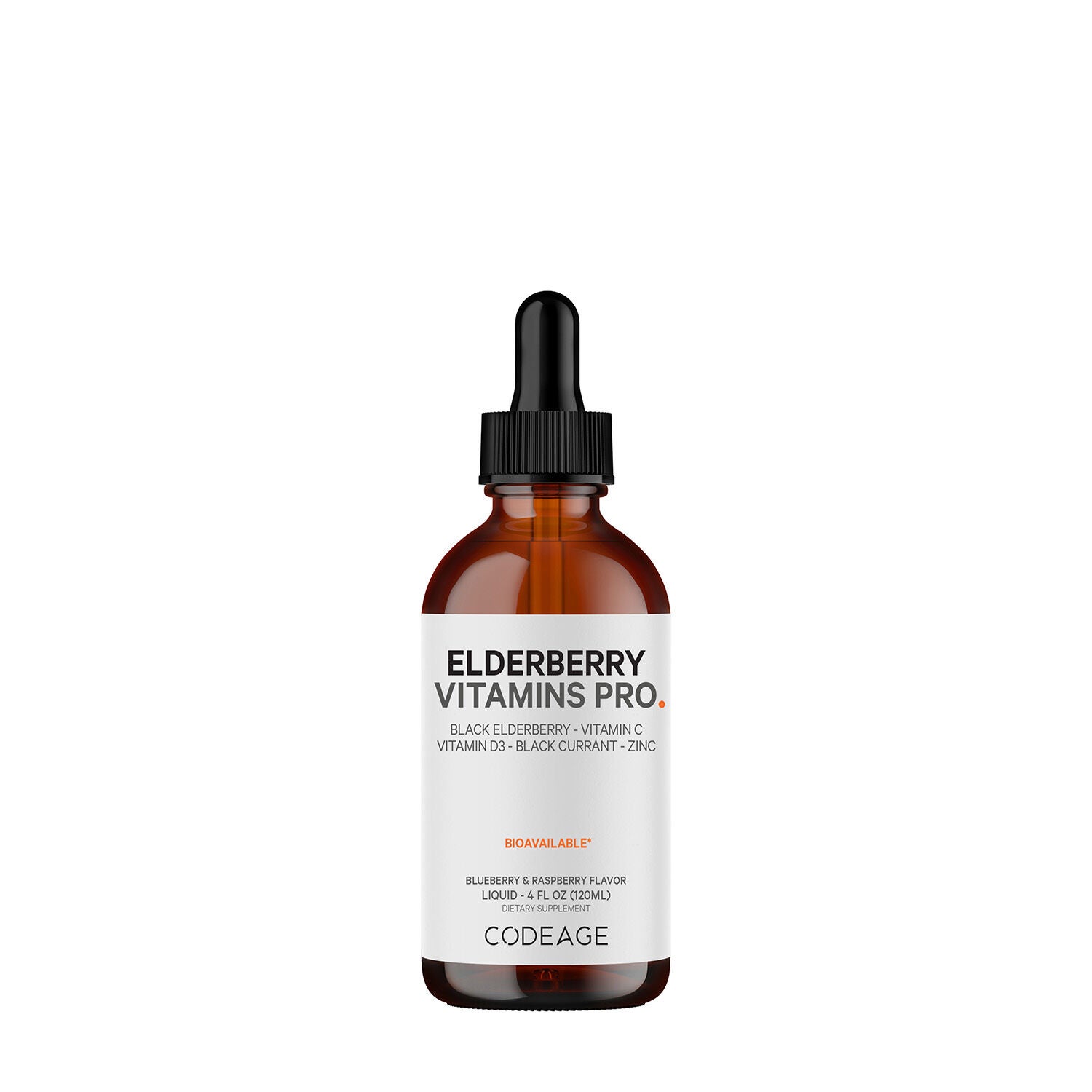
Liquid vitamin C for picky eaters may offer another option when a supplement’s flavor, texture, or format matters as much as its ingredient list. Selective eating can look different from one person to the next: a child who accepts orange juice but avoids citrus segments, a teenager who dislikes chalky chewables, or an adult who prefers something other than a capsule. Those preferences do not all point to the same formula. Vitamin C is found in foods such as citrus fruit, strawberries, bell peppers, and broccoli, while liquid supplements contain a labeled amount in a measured serving. A supplement is distinct from those foods, and a preference for liquid does not establish a person’s nutritional needs. Within the category, flavor descriptions, serving volume, and consistency are useful comparison points. An orange-flavored liquid might suit someone who already enjoys citrus, while a berry flavor could be more familiar to someone who prefers berry drinks. Familiar flavor names, however, do not describe every part of the tasting experience. Sweetness, tartness, aroma, thickness, and lingering flavor can all matter to a selective eater. A thin liquid and a syrupy formula have different textures, even when their flavor descriptions sound similar. Someone who notices a strong scent before the first sip may care about aroma just as much as sweetness. Another person may accept a tangy taste but dislike a coating texture. Product descriptions that address these details may be more useful than broad descriptions such as “great tasting.” For families, the intended age range also belongs near the beginning of the comparison, rather than becoming an afterthought once a flavor sounds appealing. The most relevant starting point is a formula labeled for its intended user, with directions and ingredient information that are easy to read.
When comparing Liquid Vitamin C Supplements, the Supplement Facts panel provides a more precise picture than bottle size alone. Serving volume and the amount of vitamin C per serving are separate pieces of information: milliliters describe the liquid volume, while milligrams describe the listed quantity of the nutrient. A larger bottle does not, by itself, describe the concentration or the number of labeled servings. Serving size, intended age range, and directions are formula-specific, so there is no single amount that applies to every liquid vitamin C supplement or every selective eater. The ingredient panel is equally relevant to the experience of using the product. Vitamin C may appear under names such as ascorbic acid or sodium ascorbate, while other ingredients may include water, glycerin, flavorings, sweeteners, or preservatives. These details describe the formula without establishing that one option is appropriate for every shopper. For someone who dislikes very sweet drinks, the sweetener ingredients may be worth comparing alongside the flavor description. For a household with dietary restrictions, the ingredient list and any clearly stated dietary designations deserve close attention. A fruit-flavored name is not a substitute for reading those details, and a familiar ingredient does not describe the entire formula. Some liquids contain vitamin C as the featured nutrient; others pair it with additional vitamins or minerals. That distinction matters when the goal is to compare vitamin C products rather than broader supplement blends. The measuring device is another practical detail: a marked dropper, dosing cup, or other supplied measure should correspond with the directions on the package. Clear markings and readable units may make the format more manageable for a caregiver who is already juggling breakfast dishes, lunch containers, and a busy household routine. A small serving volume may appeal to someone who prefers fewer sips, but volume alone is not a reason to depart from the labeled directions.
Everyday use is another part of choosing liquid vitamin C for picky eaters. Some formulas have directions for taking the liquid on its own, while others include instructions for mixing it with a beverage or food. Mixing should follow the individual label rather than an assumption that every liquid works the same way. Where mixing is permitted, a modest portion of a familiar drink may be more practical than a large glass that the person rarely finishes. The resulting flavor still matters: a tart liquid may taste different in water than in juice, and a thicker formula may change the texture of a smooth drink. For someone who notices even small changes to familiar foods, an openly discussed choice may fit better than an unexpected addition to a favorite snack. A predictable setup, with the same measuring device and a clearly understood serving routine, could also make the experience feel more familiar. Bottle design deserves attention beyond the first use. A secure closure, legible label, and measuring tool that can be cleaned according to its instructions are practical considerations for repeated handling. Liquid residue around a bottle opening can become sticky, so routine care should follow the package directions. Storage requirements also vary; the label is the reference for refrigeration after opening, placement, and any stated period for use once opened. Keeping the original packaging preserves access to the ingredient list, directions, and date information, while keeping the bottle out of children’s reach separates it from ordinary drinks. For households that divide care between adults, a clearly labeled bottle and its matching measure may be easier to organize than an unlabeled container. These details are less noticeable than a fruit illustration on the front, but they belong in a thoughtful comparison. Flavor preference, intended age, ingredient composition, serving information, and everyday handling together provide a grounded way to consider liquid vitamin C without treating the liquid format as a substitute for varied food choices or individualized nutritional guidance.