Liquid Vitamin C Supplements
(0 Results)
Boost your immune system and overall health with our selection of Liquid Vitamin C supplements. Packed with powerful antioxidants, Vitamin C is essential for supporting a healthy immune system, promoting collagen production for skin health, and aiding in iron absorption. Our liquid formulations offer a convenient and easy way to ensure you are getting your daily dose of this vital nutrient. Shop now to find a variety of options to suit your needs and lifestyle.
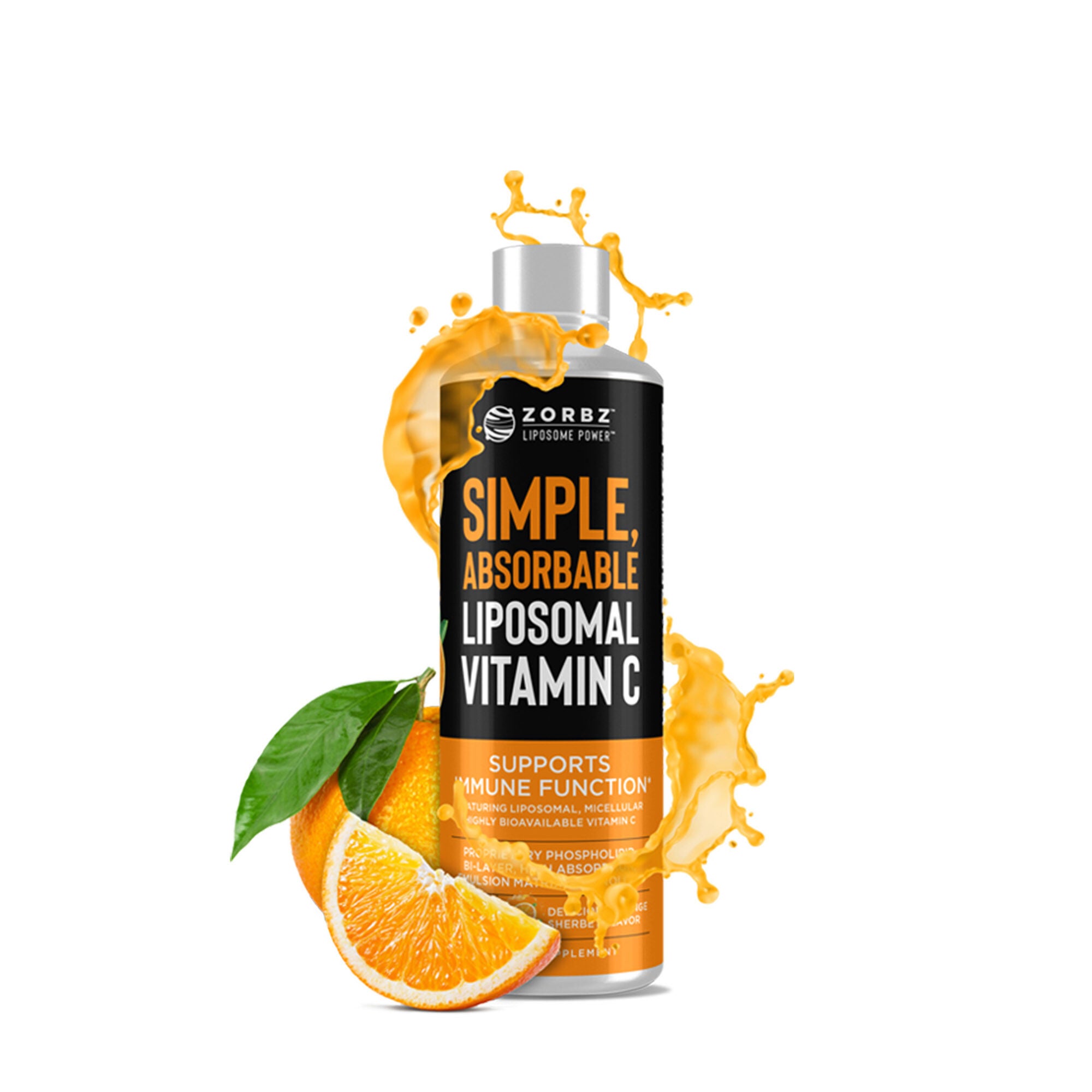

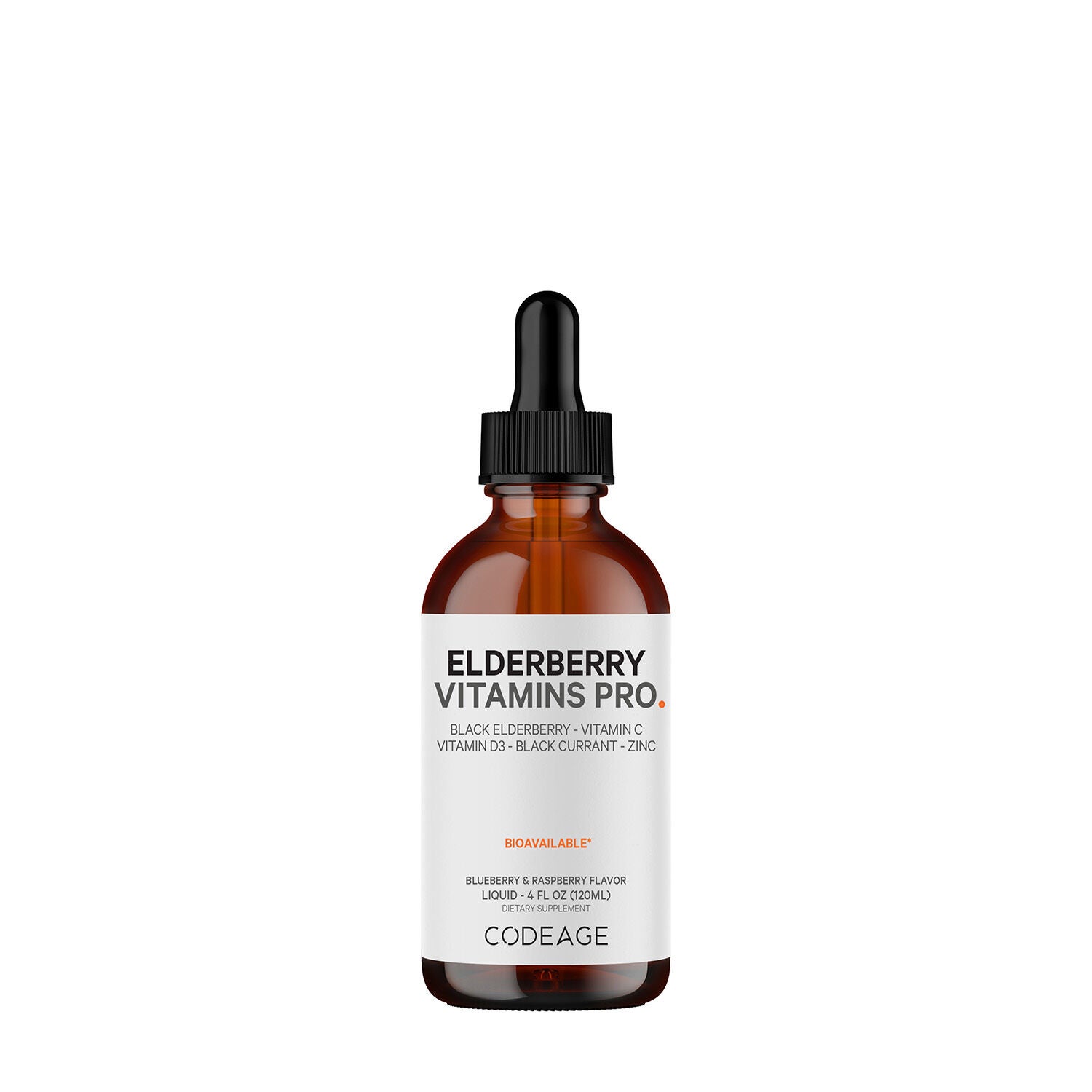
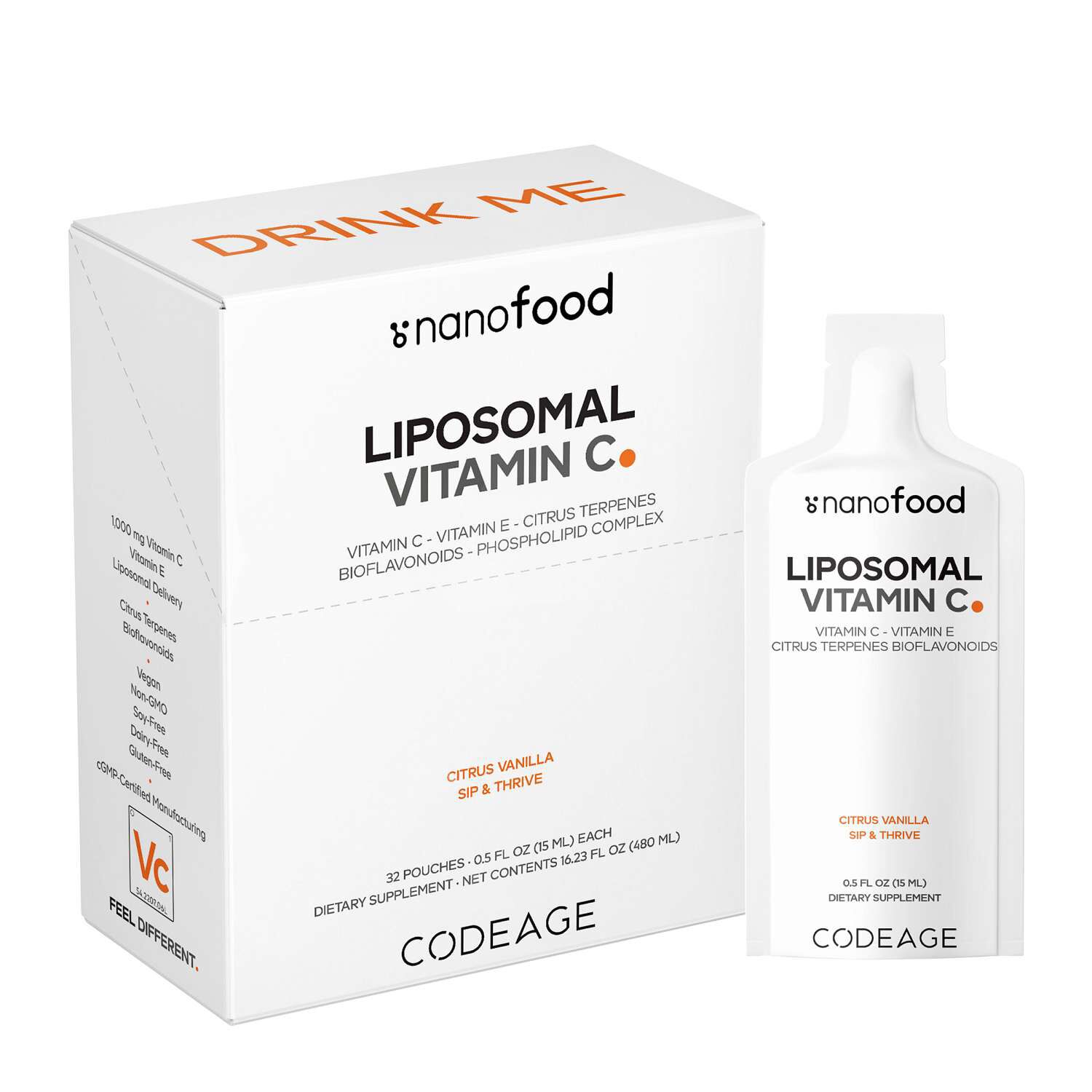

Liquid vitamin C supplements are oral supplements that supply vitamin C in a pourable or drop-based form rather than a tablet or capsule. Common formats include concentrated drops, syrup-style liquids, and liposomal formulas, with serving sizes and directions that vary by product. This format may suit adults who prefer a measured liquid to a solid supplement or want an option that can be mixed into a beverage when the label allows. Vitamin C is a water-soluble nutrient found naturally in foods such as oranges, strawberries, kiwi, bell peppers, and broccoli. A liquid supplement offers another way to include the nutrient in a daily routine, while fruits and vegetables contribute a wider variety of nutrients and food components. Within the liquid category, texture and flavor can differ considerably. Some formulas have a thin consistency that pours easily, while others are thicker or have a creamier mouthfeel. Liposomal vitamin C formulas use phospholipids as part of their formulation; that description alone does not establish the serving size, taste, or storage requirements. Citrus and berry flavors are common, but the flavor name does not identify the vitamin C source or tell the full ingredient story. Ascorbic acid, sodium ascorbate, and calcium ascorbate are examples of vitamin C sources that may appear on an ingredient label. The formula may also contain water, glycerin, sweeteners, flavorings, or ingredients used to maintain consistency. Someone who enjoys a tart citrus taste may have different preferences from someone who wants a milder flavor to accompany breakfast. For a beverage mixed according to package directions, the flavor of the liquid supplement and the flavor of the drink both matter. An orange-flavored formula in juice creates a different taste experience from an unflavored formula in water. These everyday details help distinguish liquid vitamin C supplements beyond the nutrient name on the front of the bottle.
The most useful comparison starts with the Supplement Facts panel, especially the amount of vitamin C per serving and the volume that defines that serving. A larger bottle does not necessarily contain more servings, and a smaller volume per serving does not necessarily mean a smaller amount of vitamin C. One formula might list a serving in milliliters, while another uses drops or teaspoons alongside a metric measurement. Reading those details together gives a clearer picture of how the bottle fits an existing routine. A marked dropper, measuring cup, or other device supplied with the product can make the intended portion easier to identify; an ordinary kitchen spoon is not a consistent measuring tool. A full dropper and a single squeeze of the bulb are not interchangeable unless the directions describe them that way. The ingredient list also helps separate vitamin C-only formulas from liquids that include other vitamins, minerals, or additional ingredients. For shoppers seeking a straightforward vitamin C supplement, that distinction matters more than a prominent fruit image or a familiar flavor description. Sweetener type, sugar content, serving volume, and dietary labeling can further narrow the selection. A fruit-flavored liquid may contain ingredients unrelated to the fruit pictured, so the label is a better reference than the packaging artwork. Allergen information and statements about dietary suitability deserve the same attention as taste and texture. Adults sharing a household may prefer different formulas, even when both choose the liquid format. One person might value a small measured portion, while another might prefer a larger serving that can be added to a permitted beverage. Product directions determine whether the liquid is intended to be taken directly, diluted, or used another way. A concentrated formula should not be treated as an ordinary drink simply because it comes in a bottle. The suggested use and any age-specific directions also matter; a product labeled for adults should not be assumed to suit every member of the household.
Packaging and care are especially relevant for liquid vitamin C because the bottle is opened and handled repeatedly. Containers may be made from glass or plastic, and closures can include screw caps, dispensing openings, or dropper assemblies. Glass can feel substantial on a shelf, while plastic may be more practical for someone carrying a bottle between home and another location. Neither material alone establishes product quality, and the closure, label instructions, and condition of the container all deserve consideration. A narrow opening may make a small portion easier to dispense, while a wider neck may work with a separate measuring cup. Clear measurement markings and an easy-to-read label can be helpful during a busy breakfast routine, when the bottle sits beside a glass and a few other daily items. Care instructions may include shaking before use, keeping the cap securely closed, or refrigerating after opening. Storage requirements should come from the individual label rather than assumptions about how other liquid supplements are handled. The printed expiration date and any separate instructions for use after opening are different details, and both can matter when choosing a bottle size. Keeping the measuring device clean and using it as directed helps maintain orderly handling, particularly when a bottle is used regularly. For travel, a secure closure and access to the required storage conditions are practical considerations; a liquid formula may require more planning than capsules. Shoppers comparing formats can also explore Large Bottle Vitamin C Capsules for a different approach to portioning and everyday storage. The choice between a liquid and a capsule often comes down to personal preference, label directions, and the setting in which the supplement will be used. A liquid kept at home for a measured serving with breakfast serves a different routine from a capsule carried in its original container. Flavor, serving volume, bottle design, and care requirements together provide a practical basis for choosing a liquid vitamin C format that fits comfortably into daily life.