Liquid Vitamin D Supplements
(0 Results)
Boost your daily dose of Vitamin D with our wide selection of liquid Vitamin D supplements. Known as "the sunshine vitamin," Vitamin D plays a crucial role in supporting overall health and well-being. Our liquid Vitamin D options offer a convenient and easy way to ensure you're getting an adequate amount of this essential nutrient, especially for those who may have difficulty absorbing traditional pill forms. Explore our range of liquid Vitamin D products to find a solution that fits seamlessly into your daily routine and helps you maintain optimal health.
-

-

-

-

-
 $24.99
-
 1$74.99
-


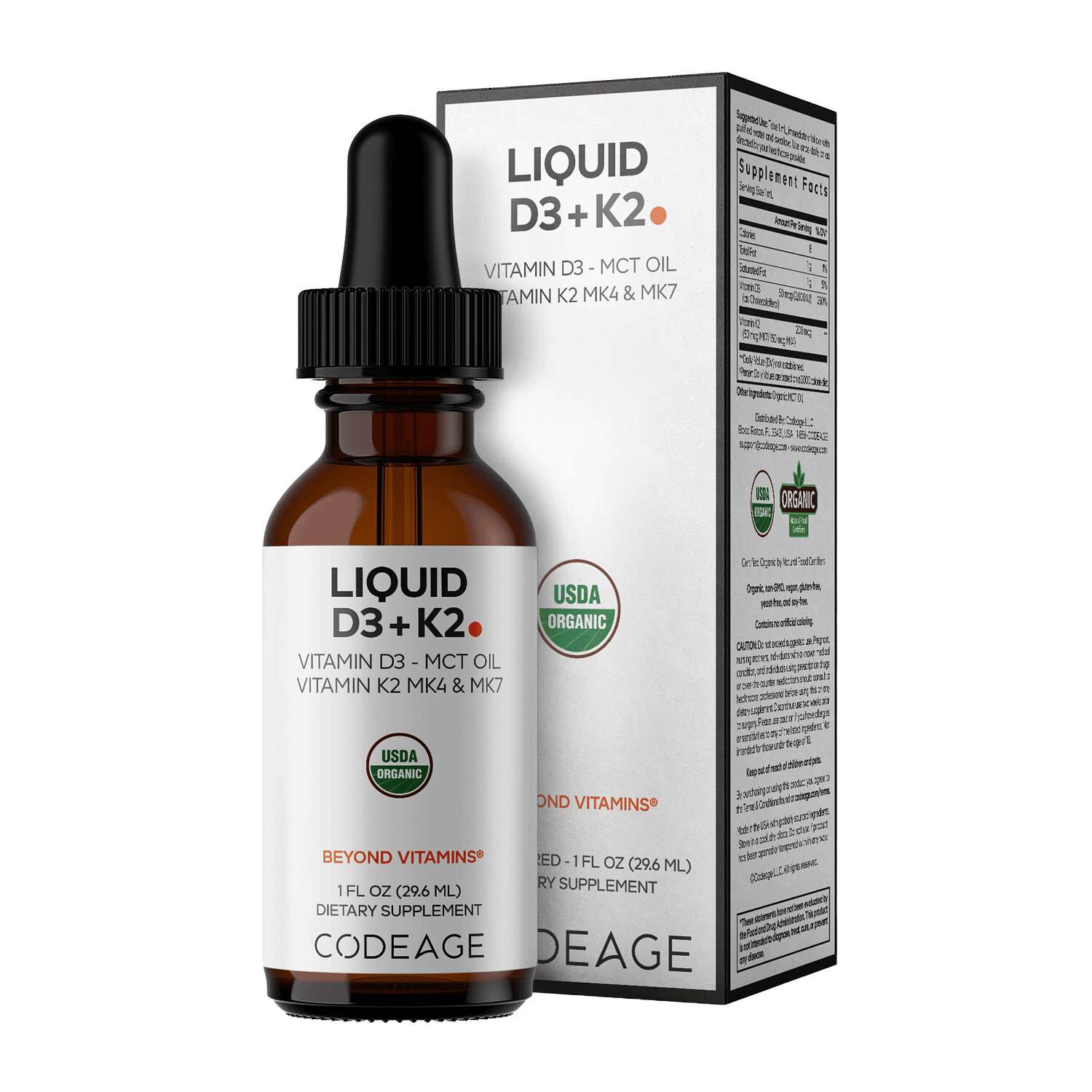
Liquid vitamin D supplements put vitamin D in a pourable or drop-based format rather than a tablet, capsule, or softgel. The category includes concentrated drops and liquids measured with a marked dropper or another measuring device, with differences in serving size, ingredients, flavor, and packaging. For someone who prefers a supplement without a pill format, those practical details are often the starting point for comparison. A small bottle with a drop-dispensing opening offers a different experience from a bottle whose serving is measured in milliliters, even when both contain the same form of vitamin D. Vitamin D is a fat-soluble vitamin, and many liquid formulas pair it with an oil base, such as coconut-derived medium-chain triglyceride oil or olive oil. Other formulas use a different blend of ingredients to create their texture and taste. The two forms commonly found on supplement labels are vitamin D2, also called ergocalciferol, and vitamin D3, also called cholecalciferol. D2 is generally sourced from fungi or yeast, while D3 can come from sources such as lanolin or lichen. That distinction matters to shoppers comparing animal-derived and plant-derived ingredients, since the words “vitamin D3” alone do not establish whether a formula is vegan. Liquid vitamin D3 supplements can therefore look similar on the front of the bottle while differing in ways that matter to a particular household. Adults who prefer measured liquids, people who dislike the texture of chewables, and shoppers looking for a format that fits an established routine may find this category appealing. Age labeling remains a separate consideration: an adult formula and a formula labeled for children are not interchangeable simply because both come as drops. The most useful product comparisons connect the amount per serving with the intended age group, ingredient source, and measuring method, rather than treating every small bottle as the same type of supplement.
Serving information is especially important when comparing liquid vitamin D drops because a drop, a full dropper, and a milliliter are different measurements. One formula may list its serving as a single drop, while another lists several drops or a measured volume. The amount of vitamin D should be read alongside that serving size, not separately from it. Labels commonly express vitamin D in micrograms, abbreviated mcg, and international units, abbreviated IU; 25 mcg of vitamin D equals 1,000 IU. These units describe the amount of vitamin D, not the volume of liquid in the bottle. A larger bottle does not necessarily contain more servings, and a more concentrated liquid is not automatically a better match for a shopper’s intended use. Reading the serving size and servings per container together gives a clearer picture of how the packaging relates to the formula inside. The measuring device also deserves attention. A drop-dispensing insert, a glass pipette with measurement markings, and a separate measuring cup each involve a different handling routine. Clear markings and an opening designed for controlled dispensing are practical features to compare, particularly for someone who values an orderly setup at the kitchen counter. Flavor adds another distinction. Unflavored oil-based drops may still have a subtle taste or oily texture, while flavored liquids may include sweeteners or flavoring ingredients. “Unflavored” describes the flavor approach, not an absence of every noticeable taste. Some labels provide directions for adding the liquid to a food or beverage; others describe a different method of use. Compatibility with yogurt, juice, or another familiar food should come from the individual label rather than an assumption about all liquid supplements. Likewise, being a liquid does not by itself establish an absorption advantage over another format. For browsing purposes, the meaningful differences are the formula, the amount in the labeled serving, and how the product is designed to be measured and used. Those details offer a more grounded comparison than bottle size or a prominent number on the front panel.
Ingredients and packaging help distinguish liquid vitamin D supplements beyond their vitamin content. A short ingredient list might contain vitamin D and a carrier oil, while a longer list may reflect added flavor, sweeteners, preservatives, or other nutrients. Neither list length nor a particular texture tells the whole story; the details matter in relation to personal preferences and the product’s labeled purpose. Shoppers following a vegan eating pattern can look for an explicit vegan designation and a stated vitamin source, while those comparing organic options can look for certification rather than relying on the appearance of the bottle. Allergen statements and the full ingredient list provide information that a front label may not show. Formulas containing vitamin D alone also differ from blends that include vitamin K or other nutrients, so the Supplement Facts panel is useful for distinguishing a single-nutrient purchase from a broader combination. Packaging considerations are equally concrete: a cap that closes securely, a bottle that sits steadily, and measurement markings that remain readable all contribute to everyday handling. Glass and plastic bottles have different handling characteristics, but neither material alone establishes the quality of the contents. Original packaging preserves access to directions, ingredient information, and the expiration date, while any storage instructions or after-opening directions belong in the comparison as well. A compact bottle may suit someone with limited cabinet space, although compact dimensions say little about its serving concentration. For a household with several supplement routines, an unmistakable label and a clearly identified intended user are more meaningful than matching bottle designs. Shoppers who also want to compare manufacturers can explore Best Vitamin D Supplement Brand alongside these format-specific considerations. A thoughtful selection brings the same details together: the labeled vitamin form, ingredient source, serving measurement, taste, packaging, and intended use. That combination keeps attention on what a liquid vitamin D supplement actually contains and how its design fits the person choosing it.