

Liquid Vitamin D For Adults
(0 Results)
Liquid vitamin D for adults offers a convenient way to support your daily wellness routine. With easy-to-take formulas, these supplements may fit seamlessly into a busy lifestyle. Whether you’re looking for an alternative to traditional capsules or simply prefer a liquid option, there are a variety of choices available to help meet your nutritional goals. Explore options that could make it easier to incorporate vitamin D into your everyday regimen.
-

-

-

-

-

-
 1$74.99
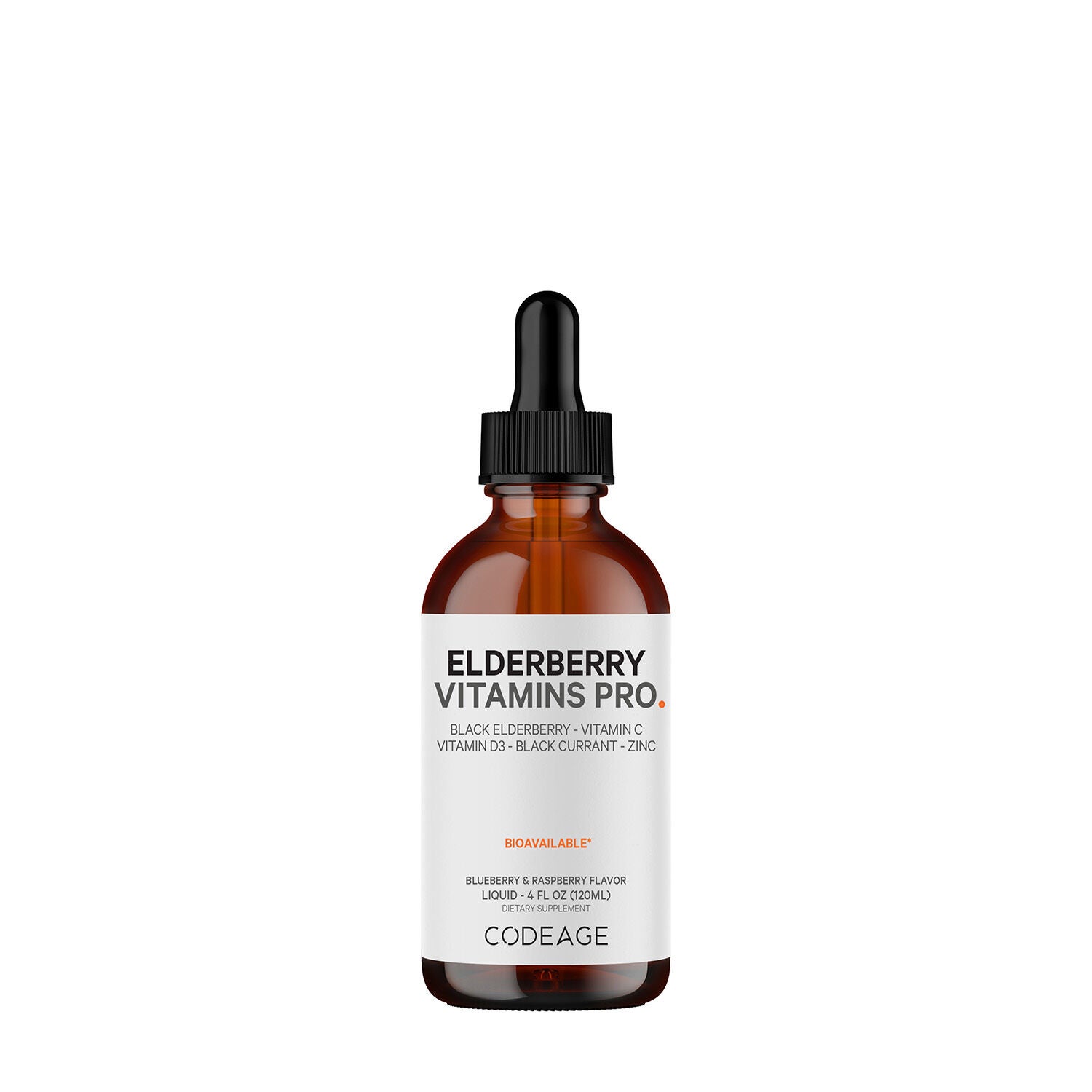

Liquid vitamin D for adults is a category of nutritional supplements that delivers vitamin D in a fluid rather than a tablet, capsule, or softgel. This format may appeal to adults who prefer measured drops, dislike taking pills, or want a supplement with a different texture. The defining features are the vitamin form, the amount listed per serving, the ingredients that carry it, and the way the bottle measures that serving. Vitamin D3, also called cholecalciferol, and vitamin D2, also called ergocalciferol, are two forms that may appear on ingredient labels. A liquid presentation does not, by itself, establish how a formula compares with another format; the label provides the meaningful details. Some adult liquid vitamin D formulas describe a serving as a single drop or several drops, while others use a measured portion of a milliliter. Those measurements are not interchangeable, and a small bottle may contain many labeled servings when the formula is concentrated. Vitamin D amounts may be expressed in micrograms, abbreviated mcg, and international units, abbreviated IU; one microgram of vitamin D equals 40 IU. Understanding that relationship may make it easier to compare labels that use different units without assuming that different numbers necessarily represent different amounts. Serving size, vitamin amount per serving, and servings per container each describe a separate aspect of the formula. For an adult comparing a dropper bottle with a bottle that dispenses individual drops, the most useful distinction is often how the serving is measured, not the bottle’s size. A familiar capsule routine may feel different from counting drops or checking a marked dropper, so the measuring format deserves as much attention as the nutrient panel. Adult liquid vitamin D products also have their own directions, which remain relevant even when the packaging resembles another supplement already in the cupboard.
Ingredients and taste are another part of comparing liquid vitamin D drops for adults. Vitamin D is classified as a fat-soluble vitamin, and liquid formulas may use an oil carrier such as medium-chain triglyceride oil, often abbreviated MCT oil. Other formulations may contain water and additional ingredients that create a different consistency. The carrier is part of the formula, not simply a packaging detail: it contributes to the texture and may influence how the liquid feels in the mouth. An oil-based formula may have a smooth, lingering texture, while another liquid format may feel lighter. Neither description establishes that one formula is more effective than another. Flavored and unflavored options also offer different sensory experiences. Mint or citrus flavoring may appeal to someone who prefers a distinct taste, while an unflavored formula may suit someone who wants fewer flavor notes. Unflavored does not necessarily mean tasteless, since the carrier ingredients can have a character of their own. For shoppers with dietary preferences, the vitamin’s source and the surrounding ingredients deserve separate attention. Vitamin D3 may come from lanolin or lichen, while vitamin D2 is commonly produced from yeast. The form name alone does not establish whether the finished supplement fits a vegan or vegetarian preference. Ingredient lists and any stated dietary designations provide more specific information about the finished formula. Sweeteners, flavorings, carrier oils, and other nutrients may also differ between bottles. Some formulas contain vitamin D alone as the featured nutrient, while others combine it with additional vitamins or minerals. That distinction matters when comparing a focused vitamin D supplement with a broader blend. Directions may also specify whether the liquid is intended for direct use or for mixing with food or a beverage. A formula labeled for mixing may fit a breakfast routine differently from one measured directly from the bottle, but the intended method belongs to that particular formula rather than to liquid supplements as a whole.
Packaging, everyday handling, and storage round out the practical differences between adult liquid vitamin D supplements. A narrow dispensing opening, a removable dropper, and a marked measuring device each create a different experience at the kitchen counter. Drop count and dropper markings describe different measurements; a full dropper is not automatically the labeled serving. Clearly printed markings and readable directions may make a bottle easier to work with, particularly when several supplements share the same shelf. Bottle material, closure design, and carton information are also worth comparing. Glass and plastic containers have different handling characteristics, and neither should be judged by appearance alone. A dark bottle may be part of the packaging design, but storage requirements still come from the manufacturer’s label. Instructions concerning closure, storage location, shaking, or use after opening can vary by formulation. An expiration date and any after-opening directions describe different parts of the product’s care requirements, so both deserve attention. For someone who travels regularly, a secure closure and packaging that protects the bottle may be practical considerations, along with whether the measuring accessory stays with the container. At home, an upright place in a cupboard may suit the bottle’s design when consistent with its storage directions. The best fit for a routine often comes down to straightforward details: a taste the shopper prefers, a clearly understood serving, compatible ingredients, and packaging that is comfortable to handle. Adults interested in another liquid vitamin category may also explore Liquid Vitamin C For Adults, while recognizing that each nutrient has its own formulation and labeled directions. Similar bottle shapes do not mean similar serving sizes or intended uses. Whether the preference is for individual drops or a measured liquid portion, a careful comparison centers on the adult-use label and the formula inside, rather than assumptions about the liquid format.