





Vitamin D Supplements For Older Adults
(0 Results)
Shop vitamin D supplements for older adults and compare options by the amount of vitamin D per serving, serving size, and ingredients. Review each product’s label and suggested use to find an option that fits your daily routine.
-

-
-

-

-
-

-

-
-

-

-
-

-

-

-

-
 Portions Master$24.99


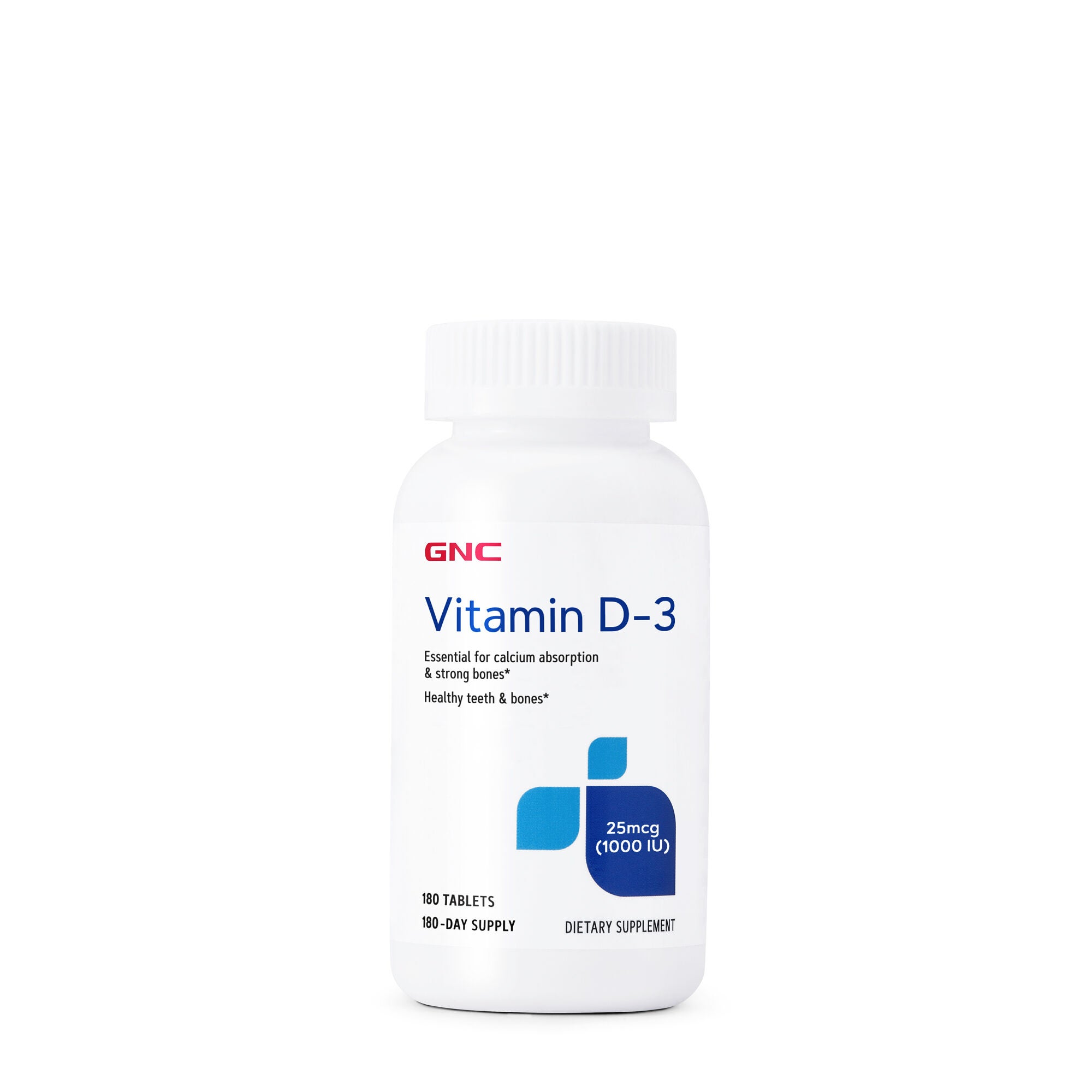

Vitamin D supplements for older adults include a range of formats, serving amounts, and ingredient combinations for different preferences and daily routines. Vitamin D is a fat-soluble nutrient found naturally in some foods, including fatty fish and egg yolks, and added to certain foods and beverages, such as milk and some plant-based drinks. Supplements provide another source of this nutrient, with single-nutrient formulas keeping the focus on vitamin D and combination formulas pairing it with ingredients such as calcium. An age-focused category can make browsing more convenient, but the details on each label remain important: two bottles with similar descriptions can differ in the form of vitamin D, the amount per serving, and the number of capsules or gummies in that serving. Vitamin D2, also called ergocalciferol, and vitamin D3, also called cholecalciferol, are two forms that appear on supplement labels. Ingredient sources vary, so the form name alone does not establish whether a formula fits a vegetarian or vegan preference. Vitamin D3, for example, can come from lanolin or lichen, depending on the formula. Amounts are commonly expressed in micrograms, abbreviated mcg, and International Units, abbreviated IU. One microgram of vitamin D equals 40 IU, meaning 20 mcg and 800 IU describe the same quantity. Those units help make comparisons clearer when one label emphasizes micrograms and another emphasizes IU. The amount per serving is separate from the bottle count, and the front label may not show every detail needed for a useful comparison. The Supplement Facts panel brings those details together, including serving size, vitamin D content, and percent Daily Value. That percentage is a standardized labeling reference, not a personalized intake recommendation. For older adults browsing this category, these distinctions provide useful context without assuming that everyone of a certain age has the same preferences, diet, or supplement routine.
Format is often the most tangible difference between vitamin D supplements. Softgels generally have a smooth outer shell surrounding a liquid fill, while tablets offer a solid format and capsules use a shell containing the formula. Gummies and chewables provide flavored alternatives, and liquids use a measured portion rather than an individual tablet or capsule. Each format has practical details worth comparing. A gummy serving may consist of more than one piece, a chewable can have a distinct texture, and liquid packaging can use different measuring devices. Flavor, aroma, capsule dimensions, and texture may shape whether a format feels comfortable and familiar in an everyday routine. Someone who prefers an unflavored capsule may shop differently from someone who enjoys a fruit-flavored chewable alongside breakfast. Neither preference depends on age alone. Ingredient lists also distinguish products that look similar from the outside. Softgel shells may contain gelatin, while other capsule materials may be plant-derived. Liquid fills can include carrier oils, and chewables or gummies can contain sweeteners, colors, and flavoring ingredients. Dietary preferences are therefore easier to evaluate through the full ingredient statement than through a broad description on the front of a bottle. Combination formulas deserve the same attention because their ingredient profiles extend beyond vitamin D. Packaging adds another layer of everyday usability. A clearly printed label, a bottle that fits comfortably in a cabinet, and a closure that suits the household can matter just as much as a preferred format. Product photographs do not always communicate the actual dimensions of a capsule or container, so written size information can add helpful context when provided. For an older adult choosing supplements independently, or a family member helping compare labels, these physical details keep the shopping process grounded in the experience of handling, measuring, and storing the product rather than relying only on a prominent number on the package.
Vitamin D supplements for seniors also fit into a variety of household routines, from a carefully organized collection of bottles to a simpler arrangement with only a few familiar products. An adult who already uses a multivitamin may encounter vitamin D in that formula as well as in a separate supplement, making the ingredient list relevant across the whole routine. A larger amount on a front label does not, by itself, establish a better fit. Clear serving information and an understandable ingredient list offer more useful points of comparison than a product name alone. Container count also needs context: a bottle containing 60 pieces represents a different number of servings when the labeled serving is one piece versus two. For households coordinating shopping for more than one adult, keeping track of the exact format and serving description can help distinguish similar-looking containers. Storage requirements are another practical consideration. Manufacturer directions identify appropriate conditions, and the printed expiration date provides a reference for the intended storage period. Keeping the original label with the product preserves access to its ingredient statement, serving information, and handling directions. A bottle’s durable appearance does not replace those instructions, particularly when the product is moved between a cabinet, a countertop, and a travel bag. Adults who prefer to compare vitamin D3 formats across a wider age range can also browse the vitamin D3 supplement for adults selection. Age-focused wording is one way to organize a category, while nutrient form, ingredient sources, and delivery format provide other useful ways to narrow a selection. Whether the shopper is an older adult managing a familiar routine or someone assisting a parent with an established shopping list, clear product details make the category easier to navigate. The most useful comparisons connect what appears on the label with practical preferences: a familiar texture, a manageable container, straightforward serving information, and ingredients that align with the household’s dietary choices.
- Q: What forms of vitamin D are found in supplements for older adults?
A: Vitamin D supplements commonly contain vitamin D2, also called ergocalciferol, or vitamin D3, also called cholecalciferol. D2 is typically sourced from yeast or mushrooms, while D3 commonly comes from lanolin or lichen. - Q: What vitamin D supplement formats are available for older adults?
A: Vitamin D supplements are available as tablets, capsules, softgels, gummies, and liquid drops. Ingredients, flavors, and preparation directions vary by format. - Q: How is vitamin D content shown on supplement labels?
A: The Supplement Facts panel lists vitamin D in micrograms, abbreviated as mcg, and may also show international units, abbreviated as IU. One microgram of vitamin D equals 40 IU. - Q: Are there vegetarian or vegan vitamin D supplements?
A: Some vitamin D supplements use sources suited to vegetarian or vegan diets, such as D2 from yeast or D3 from lichen. Capsule shells and other ingredients also vary, so dietary labels and ingredient lists provide useful details. - Q: How do standalone vitamin D supplements differ from multivitamins for older adults?
A: Standalone vitamin D supplements focus on vitamin D, while multivitamins contain a broader selection of vitamins and minerals. Some combination supplements pair vitamin D with nutrients such as calcium or vitamin K. The Supplement Facts panel identifies the nutrients included.
Best Sellers
Related Pages


Top Collections
- GLP 1 Support For Adults
- Supplements For Yoga Joint Flexibility
- Supplements For Balance
- Joint Mobility Supplement Packs
- Zinc Supplements | Top Brands at Great Prices | GNC
- Capsule Supplements For Energy And Stamina
- Supplements For Anxiety Relief Support
- Chronic Fatigue Supplements
- Zinc Supplements For Men
- Iron Supplements