





Vitamin D3 Supplements For Older Adults
(0 Results)
Shop vitamin D3 supplements for older adults and compare options by vitamin D amount per serving, serving size, and suggested use. Vitamin D3 may also appear on labels as cholecalciferol; check each product’s details to find an option that fits your daily routine.

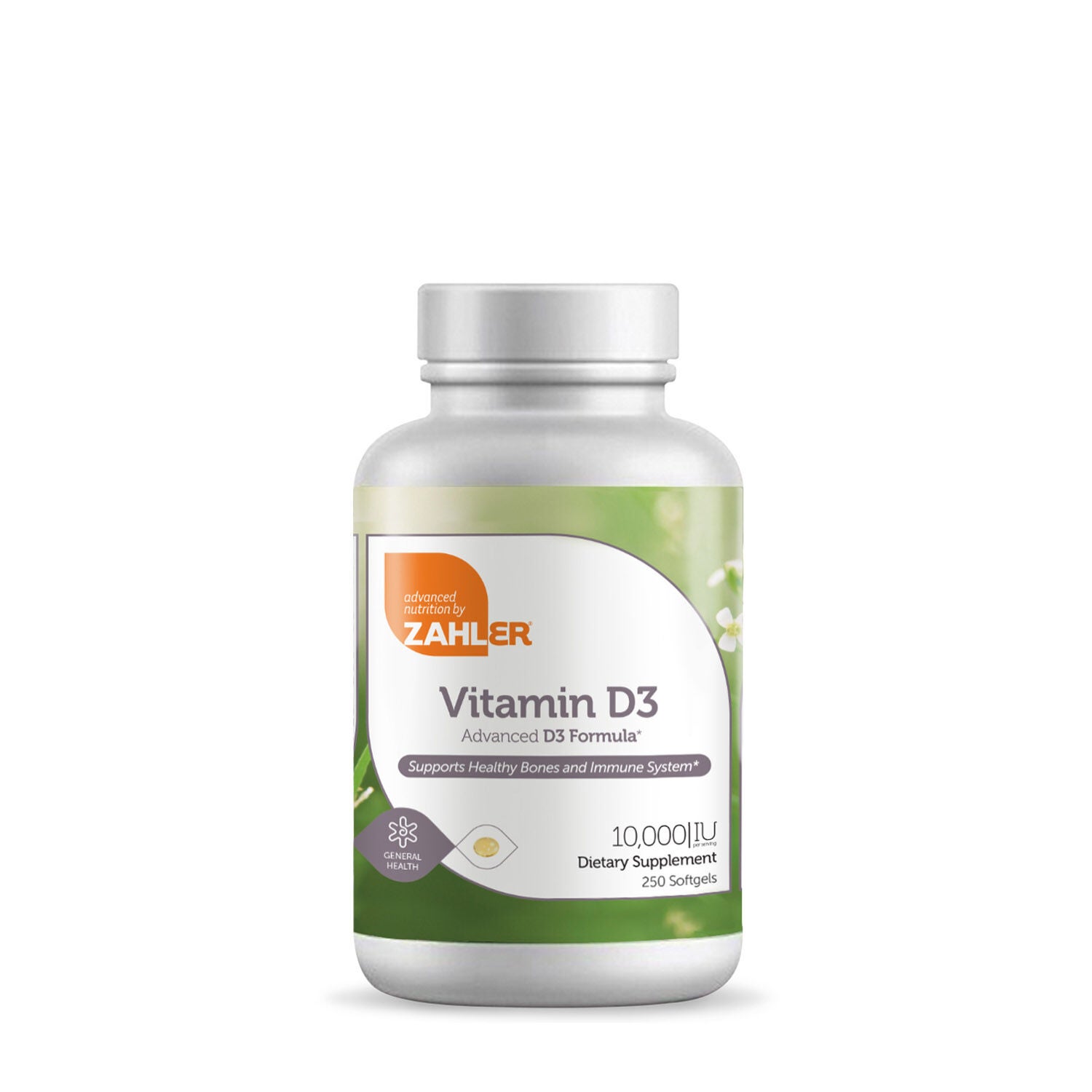


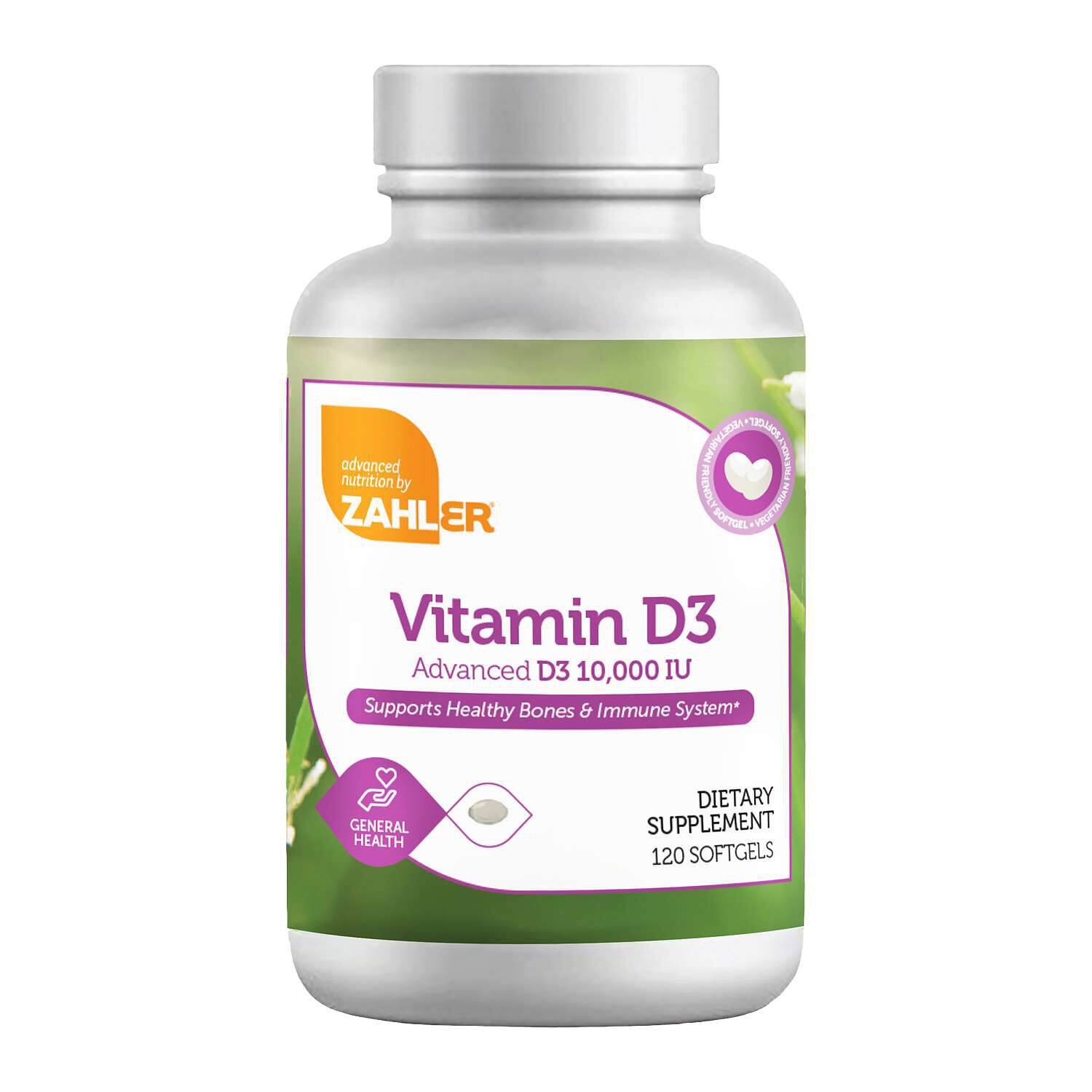


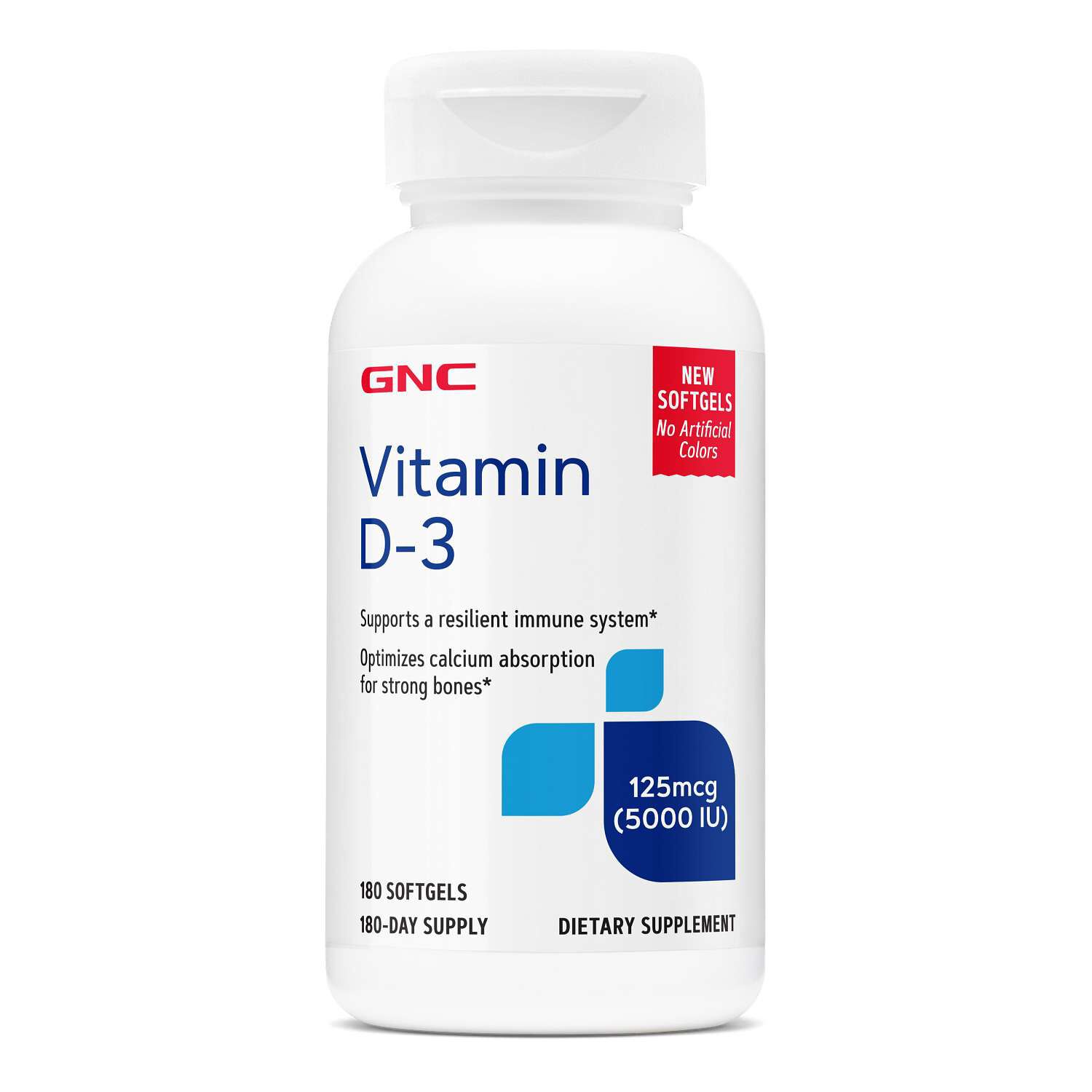


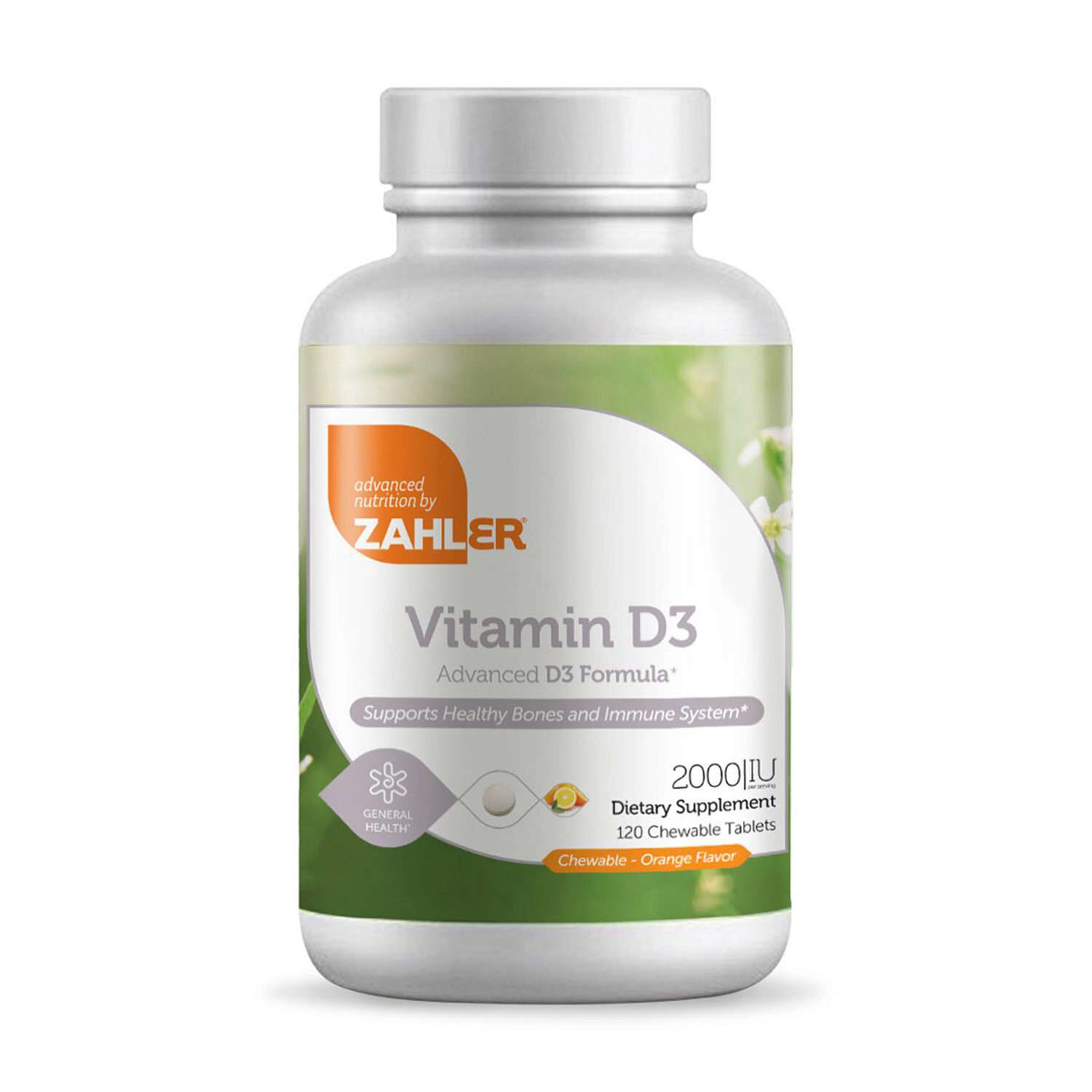


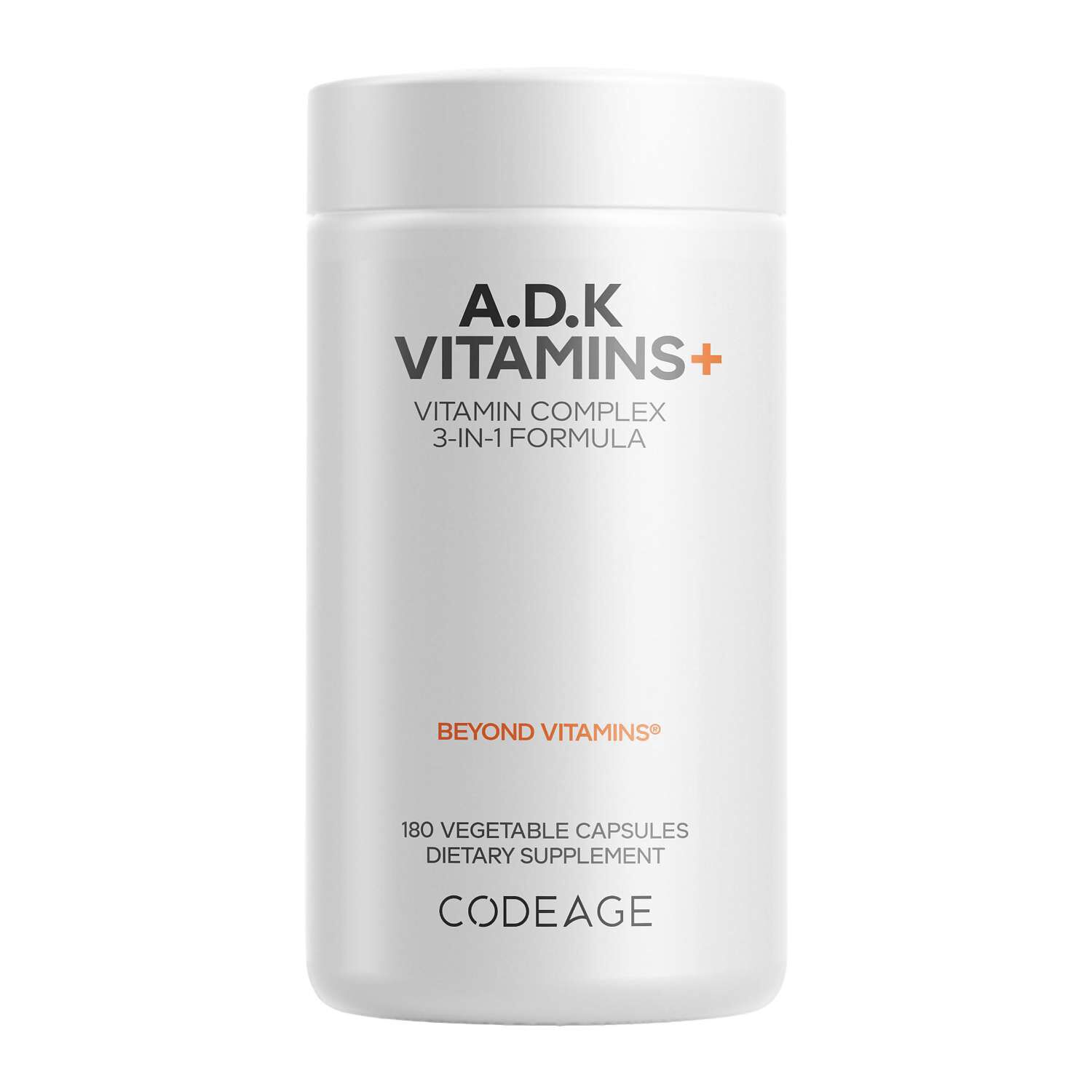

Vitamin D3 supplements for older adults may complement vitamin D obtained from food and beverages, with choices that differ in serving amount, format, ingredients, and packaging. Vitamin D3 is also called cholecalciferol, a name that often appears in the Supplement Facts panel or ingredient list. It is one form of vitamin D; vitamin D2, also called ergocalciferol, is another. Age-related nutrition reference values provide useful context when comparing labels, but they describe vitamin D intake across dietary sources rather than a required supplement serving. For adults ages 19 through 70, the U.S. recommended dietary allowance for vitamin D is 600 IU (15 mcg) per day. For adults older than 70, it is 800 IU (20 mcg) per day. These amounts include vitamin D from food, beverages, and supplements combined, not just vitamin D3 from a bottle. The adult tolerable upper intake limit is 4,000 IU (100 mcg) per day from those sources combined; that figure is a boundary, not a suggested daily serving. Individual nutrition recommendations are distinct from these population reference values. Labels may express vitamin D amounts in micrograms, abbreviated mcg, and international units, abbreviated IU. One microgram of vitamin D equals 40 IU, so different-looking numbers can describe the same amount. The serving size matters just as much as the number beside the nutrient name: an amount listed per serving may refer to one softgel, two gummies, or a measured portion of liquid. A larger number on the front of a bottle describes its labeled strength, not how well it matches a particular person’s routine. Reading the serving size alongside the amount per serving creates a clearer comparison between formats. Fortified milk, fortified plant-based beverages, certain fish, and other foods may also contribute vitamin D, which is why supplement labels represent only one part of the broader dietary picture.
Format is often the most noticeable difference when browsing vitamin D3 supplements for older adults. Softgels typically have a smooth outer shell and contain a liquid or oil-based filling, while tablets have a compressed, solid form. Capsules use a shell around their contents, and chewables and gummies bring flavor and texture into the comparison. Liquid vitamin D3 introduces another set of details, including the dispensing method, the labeled serving measurement, and the design of the bottle opening. A serving measured in drops is not necessarily equivalent to a serving measured with a dropper, so the wording on each label matters. For someone who prefers a compact addition to an established routine, the dimensions and number of tablets or softgels per serving may be useful distinctions. Someone who dislikes solid formats might prefer a chewable or liquid option, although taste, texture, and portion measurement remain personal considerations. Ingredients beyond vitamin D3 also vary. Vitamin D3 can come from lanolin derived from sheep’s wool or from lichen, and the source is relevant to vegetarian or vegan preferences. The outer shell is a separate consideration: gelatin and plant-derived shell materials are not interchangeable descriptions. Gummies may use gelatin or pectin, along with sweeteners, flavors, and coloring ingredients. Liquid and softgel formulations may include carrier oils, such as olive oil or medium-chain triglyceride oil. These ingredients describe how the supplement is made rather than establishing which format is the best match for every adult. The ingredient list and any dietary suitability statements provide more specific information than the format name alone. Added sugars, sugar alcohols, allergens, and other nutrients are additional label details that may matter to an individual shopper. A supplement containing vitamin D3 alone also differs from a combination formula that includes calcium or other nutrients. Comparing like formats and like serving amounts keeps those distinctions visible without assuming that a longer ingredient list makes a supplement more suitable.
Everyday handling deserves attention alongside the nutrition panel. A bottle that looks straightforward on a screen can involve several practical details at home: the size of the printed directions, the contrast between the lettering and background, the shape of the cap, and the amount of space available for storage. Clear serving information is especially useful in households where more than one adult keeps supplements in the same cabinet. Similar-looking containers can hold different strengths or ingredient combinations, making the original label an important point of reference. Bottle count and serving count are also different measurements. A container holding 60 pieces does not necessarily contain 60 servings, and liquid volume alone does not indicate how many labeled portions it holds. These distinctions help describe how a package fits into a routine without relying on its size or appearance. Storage and care information belong in the comparison as well. The labeled conditions, expiration date, closure instructions, and any directions specific to a liquid formulation describe how the manufacturer intends the supplement to be kept and handled. Locations exposed to steam, direct sunlight, or moisture may not match those directions, and packaging materials differ in their resistance to everyday handling. An intact container, a readable label, and a securely fitting closure are practical features to consider rather than decorative details. For an older adult managing their own shopping, these small distinctions may make the category easier to navigate; for a family member assisting with a requested purchase, an exact match to the intended format and labeled serving amount matters more than a familiar bottle shape. The Vitamin D3 Supplement For Adults collection provides a related browsing path beyond this age-focused category. Across either collection, the most useful comparison brings together the form of vitamin D, its amount per serving, the number of pieces or measured portions in that serving, the supporting ingredients, and the package’s handling requirements. Those concrete details distinguish vitamin D3 supplements for older adults without treating age alone as a reason to choose a particular strength or format.
- Q: What is vitamin D3?
A: Vitamin D3, also called cholecalciferol, is one of the two main forms of vitamin D. It is a fat-soluble vitamin found in certain foods and used in dietary supplements. - Q: What forms of vitamin D3 supplements are available for older adults?
A: Vitamin D3 supplements for older adults come in tablets, softgels, capsules, gummies, chewables, and liquid drops. Ingredients, flavors, and textures vary by format. - Q: What is the difference between vitamin D2 and vitamin D3?
A: Vitamin D2 is called ergocalciferol and is commonly sourced from yeast or mushrooms. Vitamin D3 is called cholecalciferol and is commonly sourced from lanolin or lichen. Supplement labels identify which form is included. - Q: Are plant-based vitamin D3 supplements available for older adults?
A: Yes. Some vitamin D3 supplements use lichen-derived D3 rather than lanolin-derived D3. For shoppers with vegan preferences, the label can also identify whether the capsule material and other ingredients are vegan. - Q: Is vitamin D3 sold on its own or with other nutrients?
A: Vitamin D3 is available as a standalone supplement and in combination formulas. It also appears in many multivitamins for older adults, calcium supplements, and vitamin D3 with vitamin K2 formulas.
Best Sellers
Related Pages

Top Collections
- GLP 1 Support For Adults
- Supplements For Yoga Joint Flexibility
- Supplements For Balance
- Joint Mobility Supplement Packs
- Zinc Supplements | Top Brands at Great Prices | GNC
- Capsule Supplements For Energy And Stamina
- Supplements For Anxiety Relief Support
- Chronic Fatigue Supplements
- Zinc Supplements For Men
- Iron Supplements