Chocolate Mocha Collagen Supplements
(0 Results)
Chocolate Mocha Collagen Supplements
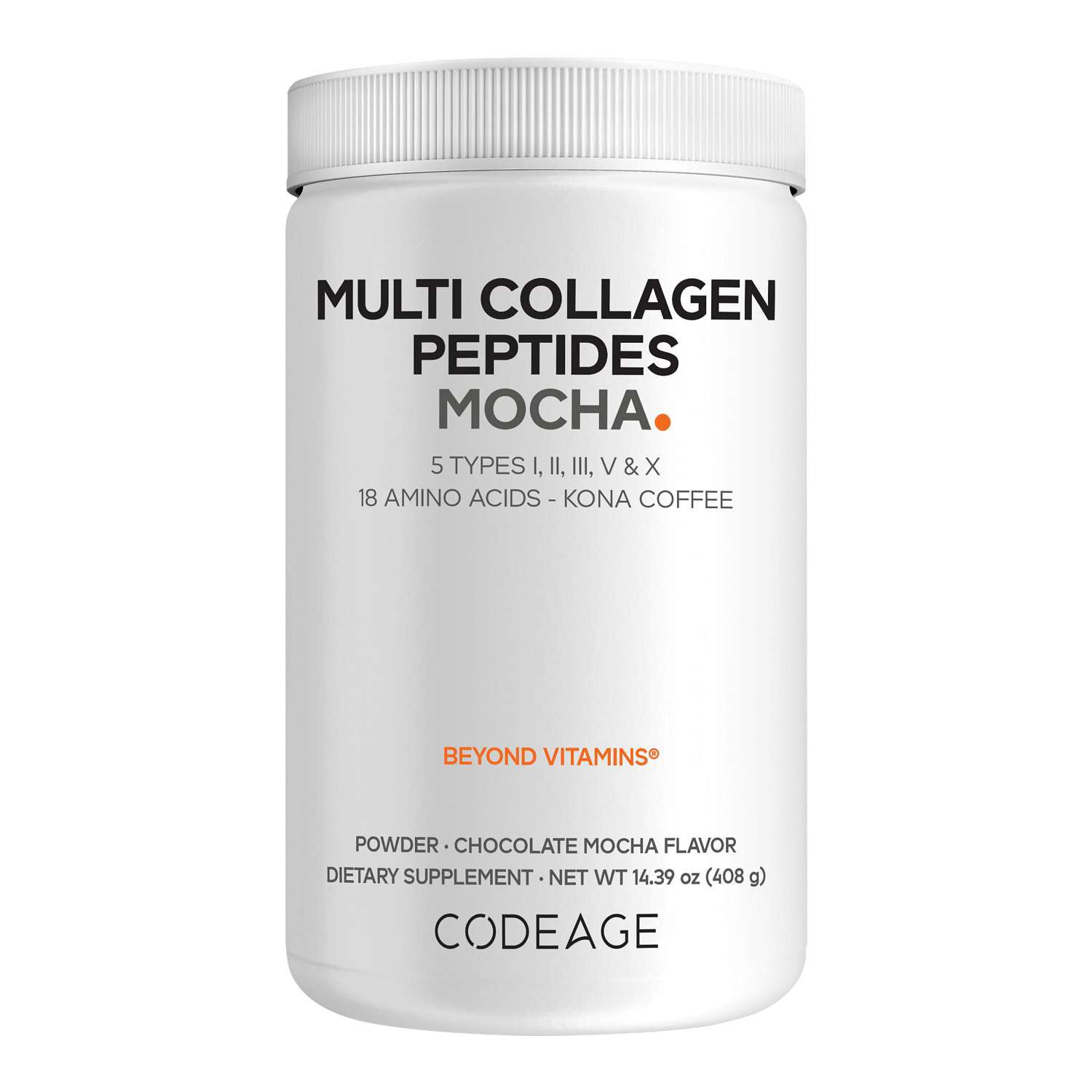
Chocolate mocha collagen supplements offer a delicious way to support your daily wellness routine. Combining rich chocolate and bold coffee flavors, these supplements may be an enjoyable addition to your day. Whether mixed into a morning beverage or blended into smoothies, chocolate mocha collagen supplements bring a satisfying taste experience to your supplement regimen. Explore options that could fit seamlessly into your lifestyle while delivering the classic combination of chocolate and mocha flavor you love.
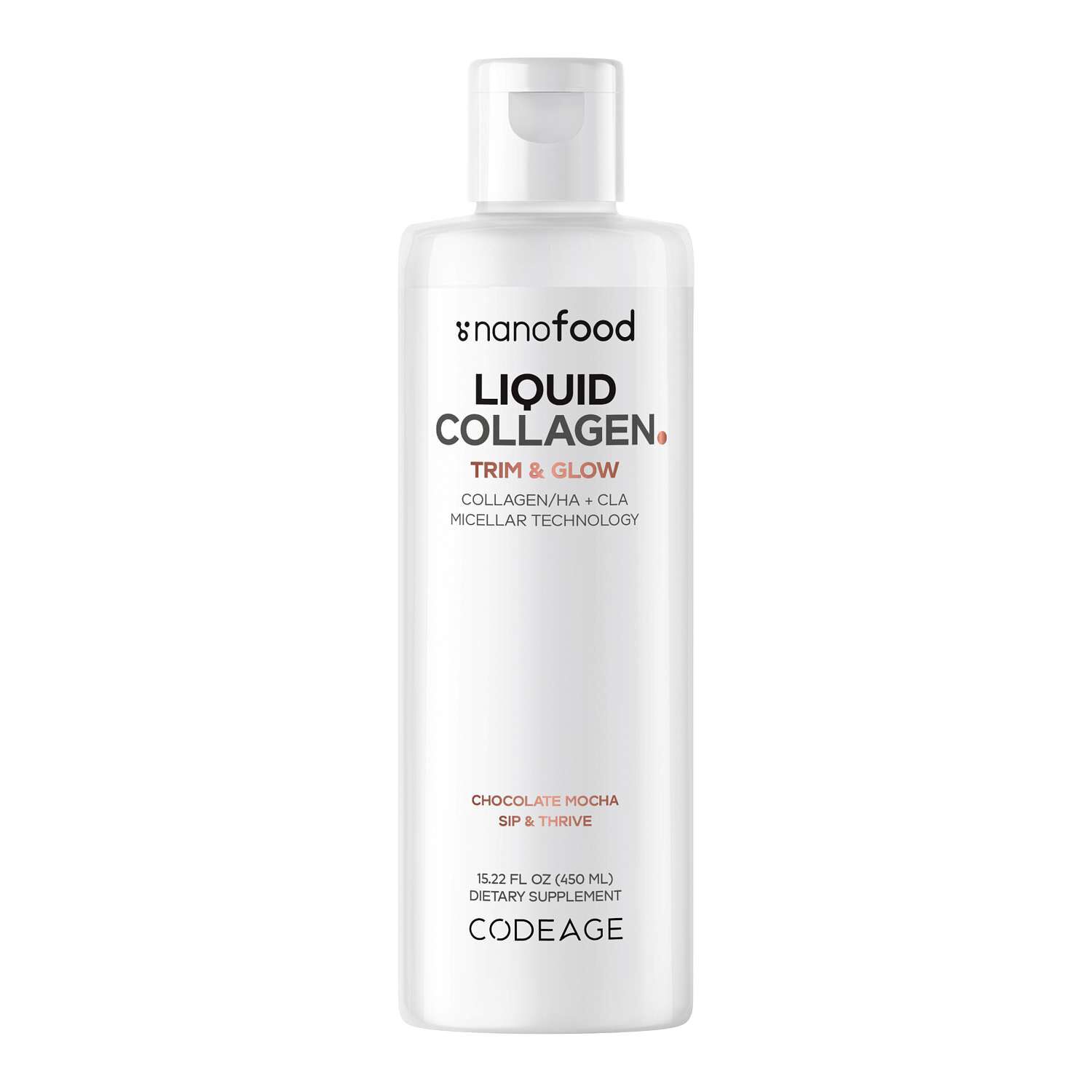


Chocolate mocha collagen supplements pair collagen protein with chocolate and coffee-inspired flavors in a format designed for everyday beverages and recipes. The category often centers on powders, with differences in collagen source, cocoa content, sweetness, coffee ingredients, and serving size. Collagen is an animal-derived protein, and hydrolyzed collagen has been processed into smaller pieces called peptides. A label might identify bovine collagen, marine collagen, or a blend of animal sources; those distinctions matter when comparing ingredients with personal eating preferences. Bovine formulas commonly contain types I and III collagen, while other sources can have different collagen profiles. The source and collagen types are separate considerations from flavor: a mocha description does not identify the animal source, the amount of protein, or whether a formula contains actual coffee. Some blends use coffee or coffee extract, while others rely on flavorings to create a similar character. Cocoa powder, chocolate flavorings, sweeteners, and creamer ingredients also vary, giving the category a range of compositions rather than one standard recipe. For adults who enjoy coffeehouse flavors, chocolate mocha offers an alternative to unflavored collagen or fruit-inspired powders without requiring a separate approach to preparation. The most useful comparison starts with what each serving contains, not simply how large the scoop looks. Serving weight includes every ingredient in the blend, so it is not necessarily the same as the amount of collagen or protein. Nutrition Facts and Supplement Facts panels, as applicable, provide the relevant amounts, while the ingredient list identifies the components behind the flavor. Collagen also has a different amino acid profile from whey, casein, soy, and other proteins, so matching protein grams does not make these ingredients interchangeable. That distinction is particularly relevant for shoppers comparing a flavored collagen supplement with a conventional protein shake. The chocolate mocha name describes the flavor direction; the rest of the label explains the formula, its intended use, and how it fits alongside other foods and beverages.
Much of the appeal of a chocolate mocha collagen powder comes down to how it fits a familiar kitchen routine. A coffee drinker might prefer a modest cocoa note that leaves room for the character of the coffee, while someone mixing a shake might want a more pronounced chocolate flavor. Neither preference requires the same formula. Sweetener choice, cocoa ingredients, and added creamers may influence the finished drink’s sweetness, body, and aftertaste. Stevia, monk fruit, sugar, and sugar alcohols have different flavor characteristics, and the ingredient panel shows which approach a blend takes. Water, milk, and plant-based beverages also provide different starting points: water has a neutral base, while milk or an oat beverage brings its own flavor, texture, and nutrients. Chocolate mocha collagen may also suit a banana smoothie, an oatmeal mixture, or a blended drink with nut butter when those uses align with package directions. In a banana smoothie, the finished flavor may lean toward chocolate; in brewed coffee, the roasted notes may be more noticeable. Preparation instructions deserve attention because powders differ in how they mix. Depending on the formula and directions, a spoon, shaker bottle, handheld frother, or blender may produce different textures. Adding powder gradually to liquid, or blending it with the other ingredients, may help with even mixing when consistent with the label. Cocoa-containing formulas may leave some sediment, so texture preferences are worth considering alongside taste. There is no single beverage-temperature rule that applies to every chocolate mocha collagen supplement; the manufacturer’s directions are the appropriate reference for mixing and recipe use. Coffee ingredients deserve a separate look as well. A coffee-flavored powder is not necessarily caffeinated, and a blend containing coffee may contribute caffeine to the finished beverage. When caffeine content is stated, consider that amount alongside any brewed coffee or espresso in the recipe. For someone choosing a drink for an afternoon break or an evening routine, that distinction may matter as much as chocolate intensity or sweetness.
Comparing chocolate mocha collagen supplements with neighboring flavor categories may help clarify which characteristics matter most. The broader selection of Chocolate Collagen Protein Powders offers a related point of comparison for shoppers interested in cocoa flavor without necessarily seeking a coffee-forward profile. Within either category, look at protein per serving, collagen amount when disclosed, serving size, added sugars, and the ingredients used for flavor and texture. A larger scoop is not automatically a more concentrated collagen serving, especially when a blend includes cocoa, creamers, or other ingredients. Formulas with coconut ingredients or MCT oil also differ from those built around collagen, cocoa, and flavorings alone; the ingredient list and nutrition information make those differences clearer than the flavor name does. Statements about sourcing, such as grass-fed or pasture-raised, describe a different attribute from collagen type or peptide content and should be evaluated on their own terms. Dietary preferences require the same attention to detail. Collagen is animal-derived, and a formula made without milk ingredients can still contain an animal-based collagen source. Allergen statements are relevant when comparing formulas containing fish, milk, soy, egg, or other declared allergens. Packaging and care matter, too, particularly for a powder that will be opened repeatedly. A securely closed container, dry scoop, and storage location consistent with label directions may help limit moisture exposure and preserve the powder’s intended texture. A single-serving packet may suit a bag or desk drawer, while a larger container may fit a home beverage station; preparation and storage directions still apply to either format. For shared kitchens, leaving the powder in its labeled packaging keeps serving instructions and ingredient information close at hand. The strongest match is a formula whose source, flavor, nutrition information, and preparation method align with an existing routine. Whether that routine involves a morning coffee, a blended shake, or an occasional cocoa-flavored recipe, chocolate mocha collagen offers a specific combination of flavor and protein ingredients to compare thoughtfully.