





Mocha Flavored Supplements
(0 Results)
Mocha flavored supplements bring together the rich taste of chocolate and coffee, offering a delicious way to enjoy your daily nutrition routine. With options designed to fit a variety of wellness goals, these supplements may provide a satisfying alternative to traditional flavors. Discover how mocha flavored supplements could add a touch of indulgence to your day while supporting your overall lifestyle choices.

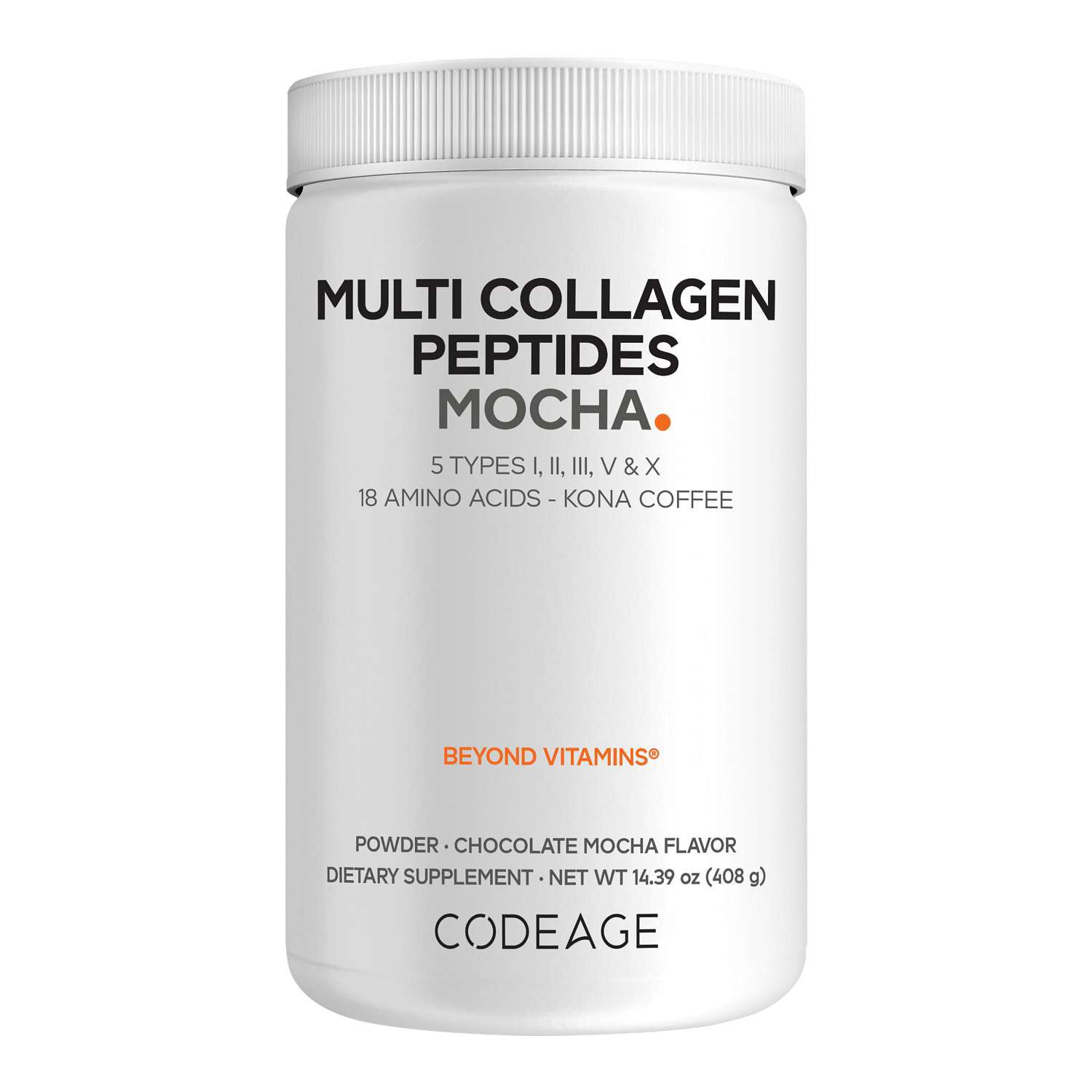

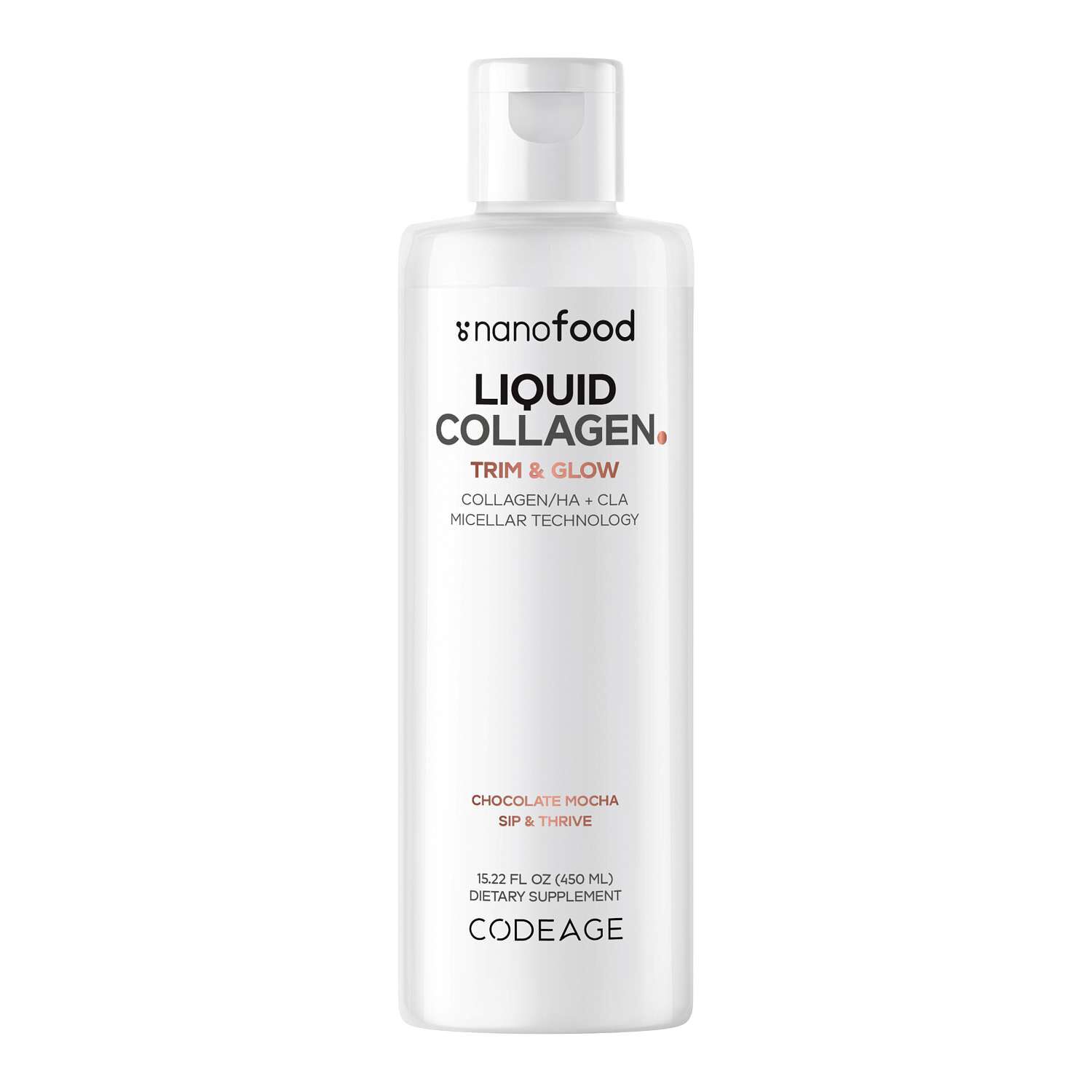

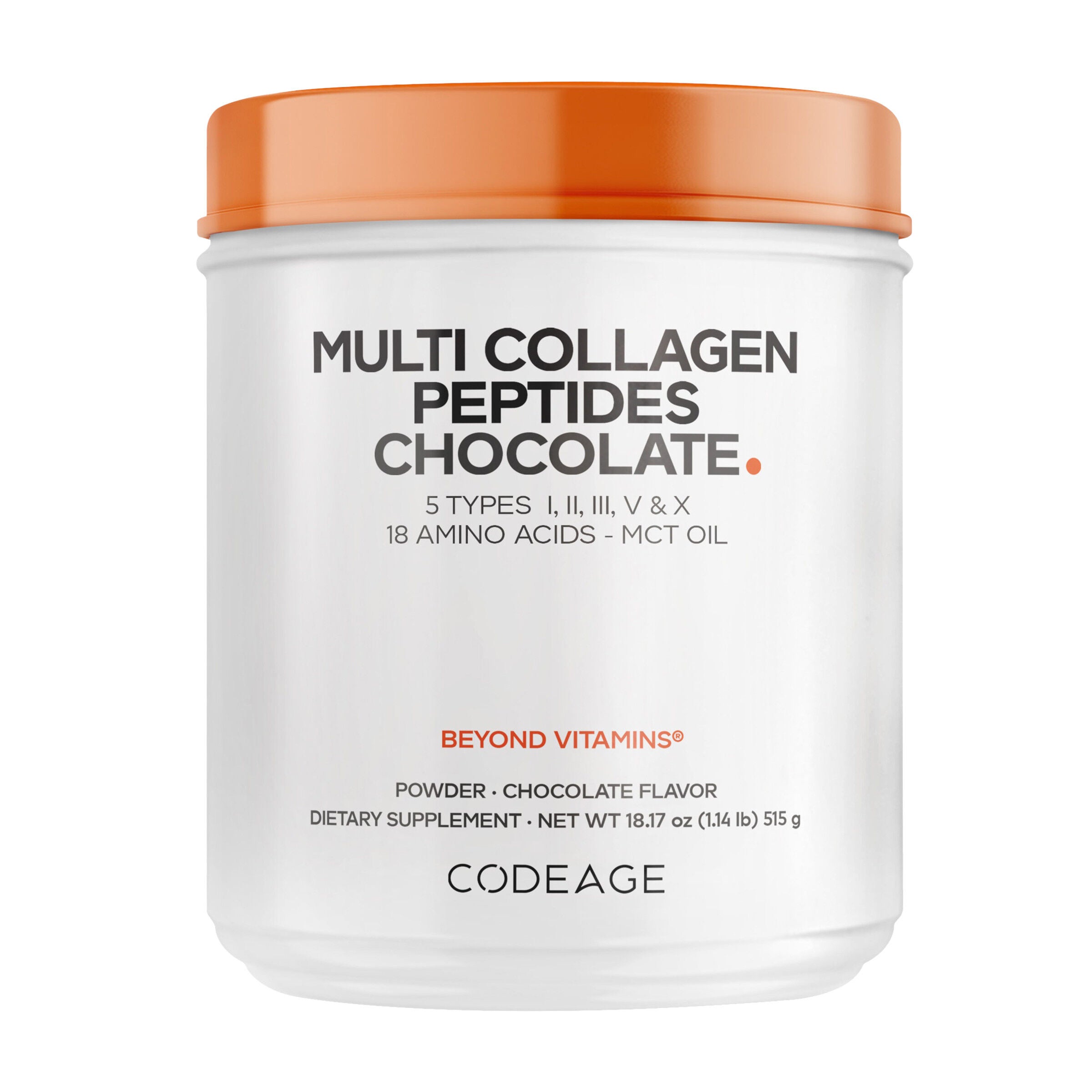


Mocha-flavored supplements pair chocolate and coffee notes in formats that fit a range of nutrition routines. The flavor takes its cue from a café mocha, but the balance varies: some formulas emphasize rounded cocoa and a creamy finish, while others have a more pronounced roasted-coffee character. That distinction matters for someone who enjoys bittersweet espresso as much as it does for someone who prefers a mellow chocolate shake. Mocha protein powders and ready-to-drink shakes are familiar expressions of the flavor, though the name describes taste rather than a particular ingredient profile or nutritional purpose. A mocha label alone does not tell you the protein source, caffeine content, sweetness, or serving size. Whey concentrate and whey isolate come from milk, while plant-based formulas may use pea, soy, rice, or seed proteins. Blends combine more than one source, and their proportions vary by formula. For someone looking to add protein to an eating routine, a mocha-flavored option may offer a coffee-inspired alternative to vanilla or plain chocolate. The relevant comparison is the amount of protein per labeled serving, not simply the size of the scoop or the intensity of the flavor. Powders allow the mixing liquid and portion to follow the preparation directions, while ready-to-drink formats offer a prepared serving with a consistent recipe. A shaker carried to the office, a shake packed alongside lunch, and a blended drink after a workout represent different uses, even when all three share the same mocha taste. Neither flavor nor format makes every formula suitable for the same purpose. Some are protein-focused, while others contain a broader mix of carbohydrates, fats, and additional ingredients. A shake described as a protein supplement is not necessarily intended to replace a meal. The package description and nutrition panel provide a clearer picture than coffeehouse-style flavor language, particularly when comparing a light, water-mixed drink with a richer shake prepared with milk.
Coffee flavor and caffeine content deserve separate consideration within this category. Mocha-flavored supplements do not necessarily contain brewed coffee or a substantial amount of caffeine. Their flavor may come from cocoa, coffee ingredients, flavorings, or a combination of these components. Formulas containing coffee extract or espresso powder may include caffeine, and decaffeinated coffee ingredients may still contain small amounts. Cocoa also naturally contains caffeine. For a morning shake, a drink alongside an existing coffee habit, or an option intended for later in the day, the ingredient list and any caffeine declaration are more useful than the word “mocha.” A stated amount may apply to one serving rather than an entire container, so serving information matters here as well. Ingredient preferences extend beyond coffee. Milk, soy, and other allergen declarations, sweetener choices, and the presence of animal-derived ingredients help distinguish formulas that otherwise sound similar. Plant-based does not describe every aspect of a formula, just as a rich chocolate taste does not establish its sugar content. Some recipes use sugar, others use alternative sweeteners, and some combine several sweetening ingredients. The resulting sweetness and aftertaste can differ, especially when the powder is mixed with an already sweetened beverage. Collagen is another distinct category within coffee-and-chocolate flavors. Chocolate Mocha Collagen Supplements share the flavor theme while using a protein source with a different amino acid profile from whey, soy, and many plant-protein blends. Collagen should not be treated as interchangeable with those sources solely because each contributes protein. Its source also matters for vegetarian or vegan preferences. Across categories, comparing labeled serving sizes, protein amounts, added sugars, and preparation directions provides context without assuming that similar flavor names mean similar formulas. A larger scoop, a darker color, or a more dessert-like description does not establish a particular nutritional composition. Each formula needs to be considered on its own terms.
Preparation shapes the mocha experience almost as much as the flavor recipe itself. Water generally leaves fewer competing flavors in the drink, while milk or a plant-based beverage adds its own taste, texture, and nutrients. Unsweetened almond beverage, oat beverage, and dairy milk each create a different backdrop for chocolate and roasted-coffee notes. The finished drink’s nutrition reflects both the supplement and anything mixed into it. For someone who prefers a thinner shake that is easy to sip between meetings, the labeled liquid range provides a useful starting point; a thicker blended version may suit someone who enjoys a spoonable texture with breakfast. A banana, oats, or nut butter changes both the consistency and the overall nutrition, so those additions are part of the serving rather than just flavor accents. Mixing performance varies by protein source and recipe, and not every powder behaves the same way in coffee. Where the label permits that use, stirring powder into a small amount of cool liquid before combining it with coffee may produce a smoother texture than adding dry powder directly to a hot mug. Gentle stirring and gradual mixing may also reduce dry pockets, although some formulas retain a fuller or slightly grainy texture. Package directions take priority over a preferred preparation method, particularly for formulas intended only for certain uses. Everyday care is straightforward: keep powder containers tightly closed, use a dry scoop, and follow storage directions concerning moisture and sunlight. Prepared shakes and opened ready-to-drink containers need handling according to their labels, including refrigeration when directed. For a shared household, clear ingredient preferences and a familiar flavor profile matter more than assuming everyone wants the same coffee intensity. The most relevant distinctions remain practical ones: the protein source, the labeled nutrition, the presence or absence of coffee-derived ingredients, and how the formula fits an established routine. Mocha brings the recognizable chocolate-and-coffee character; those other details determine which type belongs in the shaker or mug.
Best Sellers
-
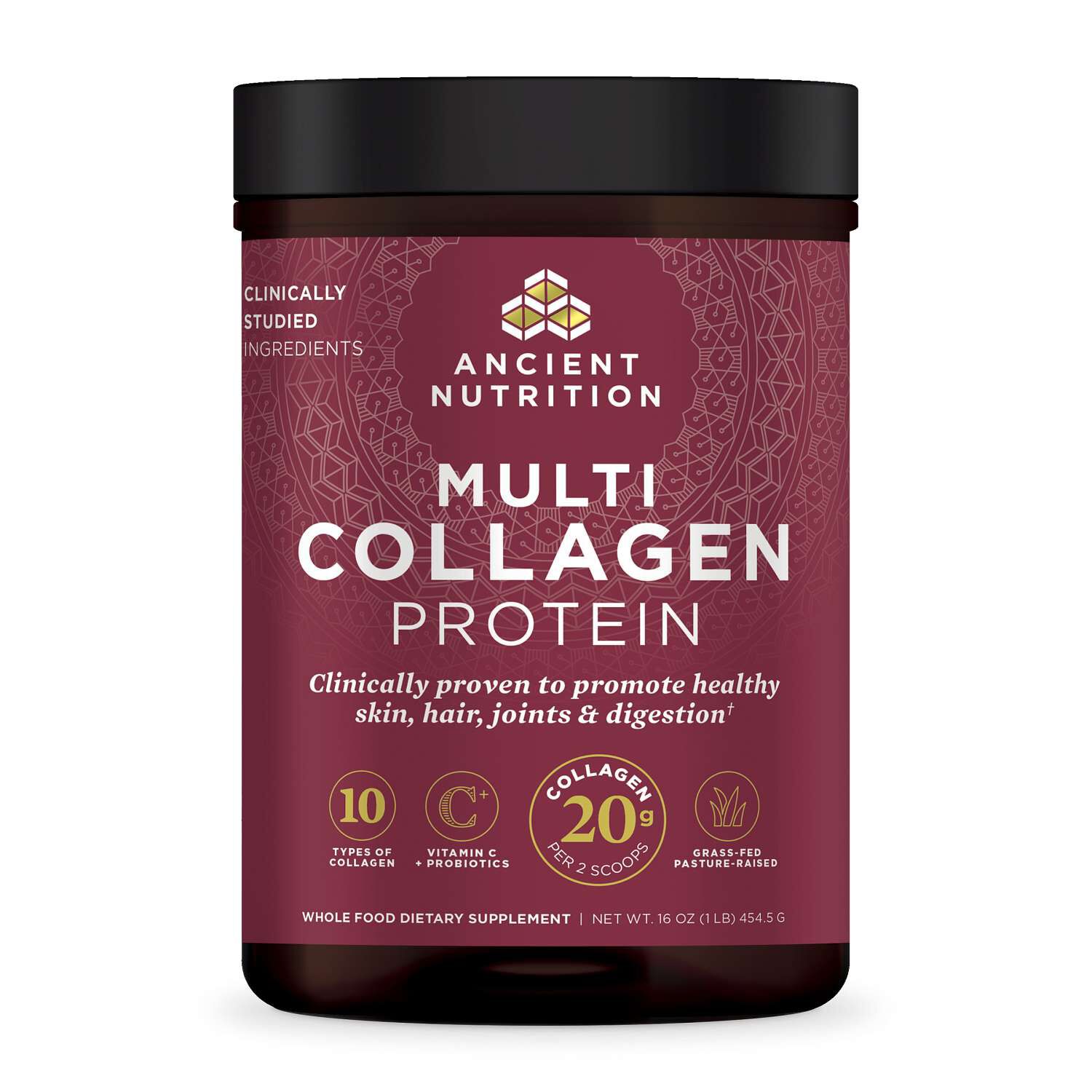 Ancient Nutrition
-
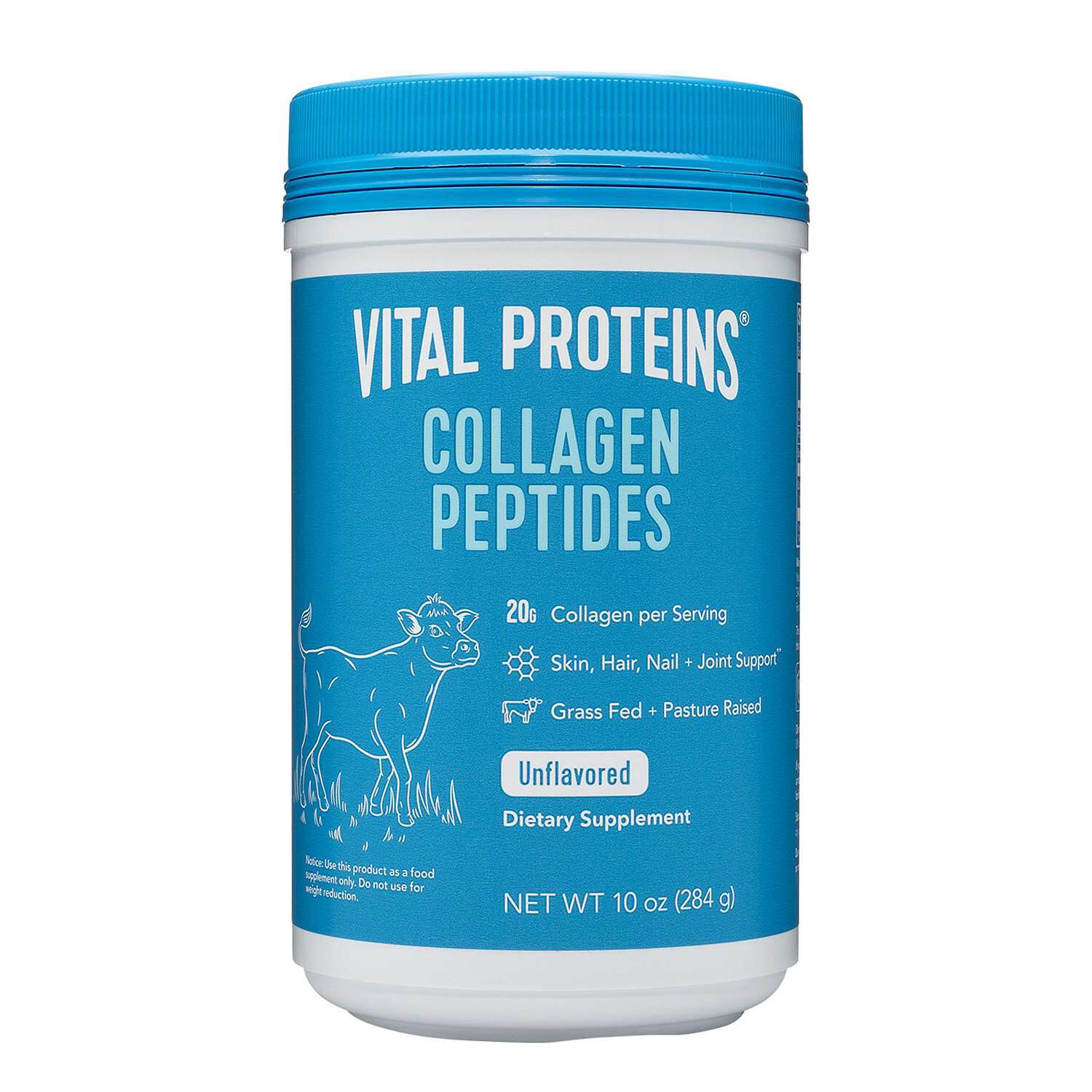 Vital Proteins
Related Pages

Top Collections
- Supplements For Yoga Joint Flexibility
- GLP 1 Support For Adults
- Joint Mobility Supplement Packs
- Chronic Fatigue Supplements
- Adult Mobility Supplements
- Supplements For Balance
- Supplements For Anxiety Relief Support
- Capsule Supplements For Energy And Stamina
- Zinc Supplements | Top Brands at Great Prices | GNC
- Anti Aging Supplements For Women