Chocolate Protein Shakes For Summer Fitness
(0 Results)
Chocolate protein shakes for summer fitness offer a delicious way to support your warm-weather wellness goals. With a rich cocoa flavor and smooth texture, these shakes can be enjoyed as a refreshing post-workout treat or a convenient snack on busy days. Whether blended with ice or mixed into your favorite recipes, chocolate protein shakes for summer fitness might help you stay motivated and satisfied all season long. Explore options that may fit seamlessly into your active lifestyle while indulging your love for chocolate.


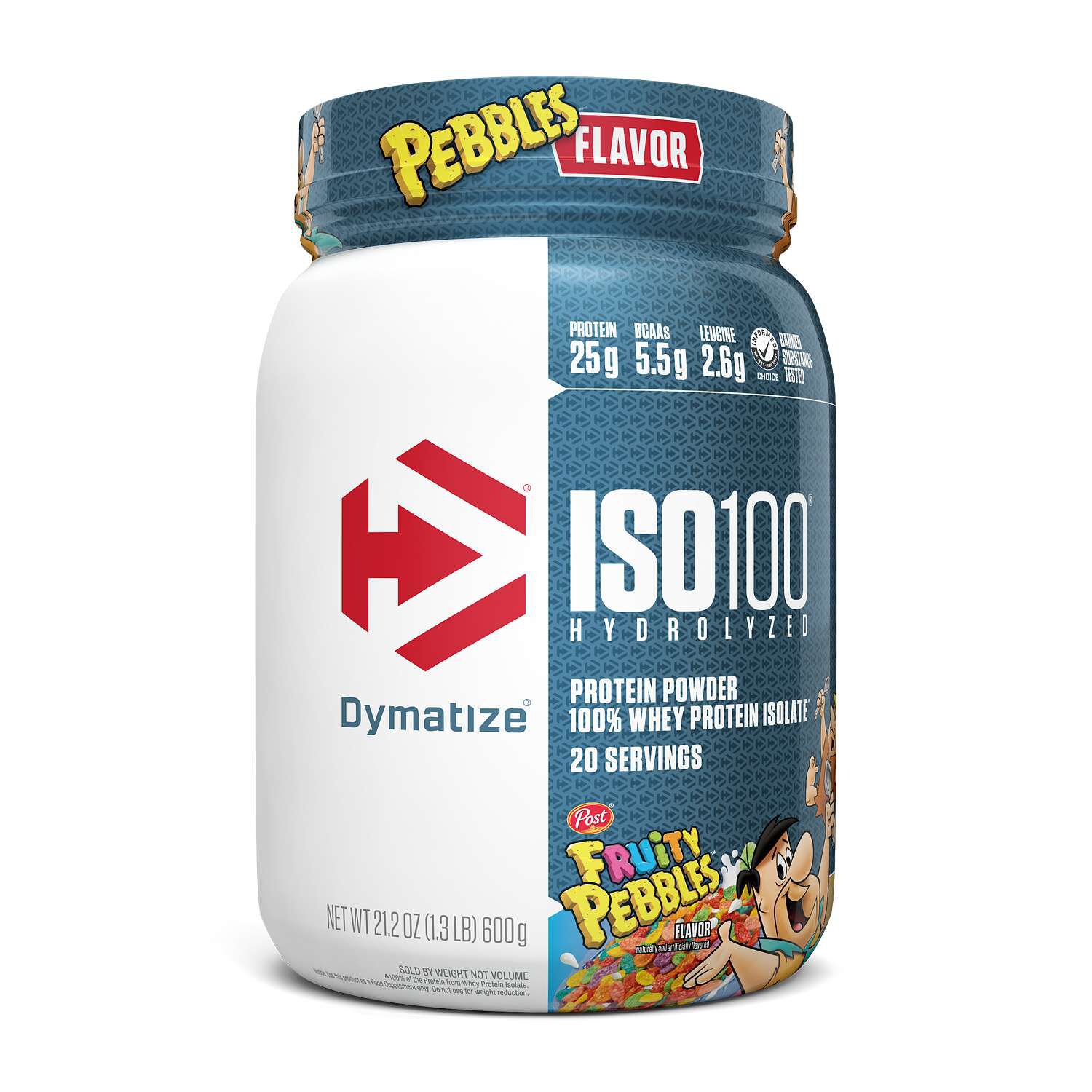

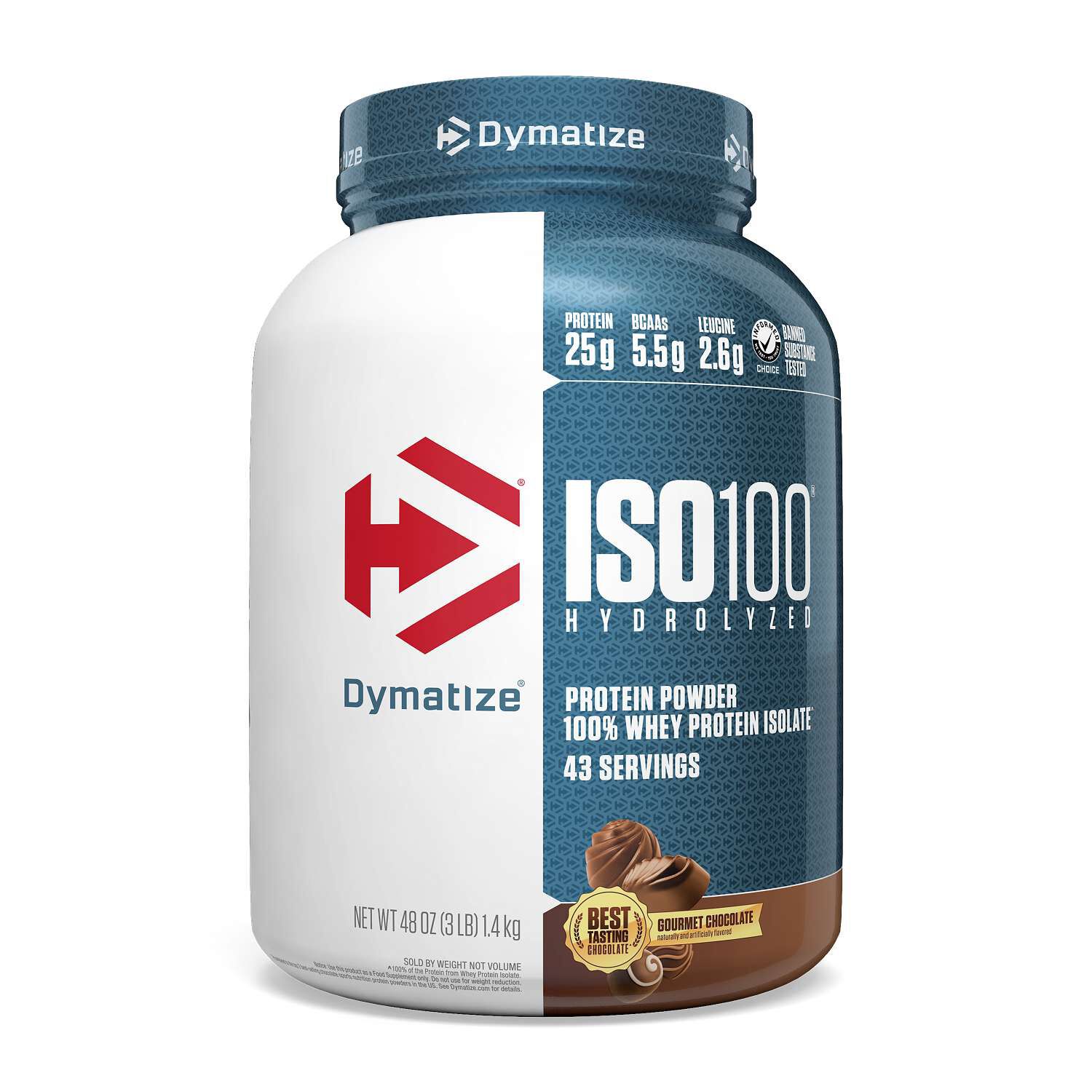


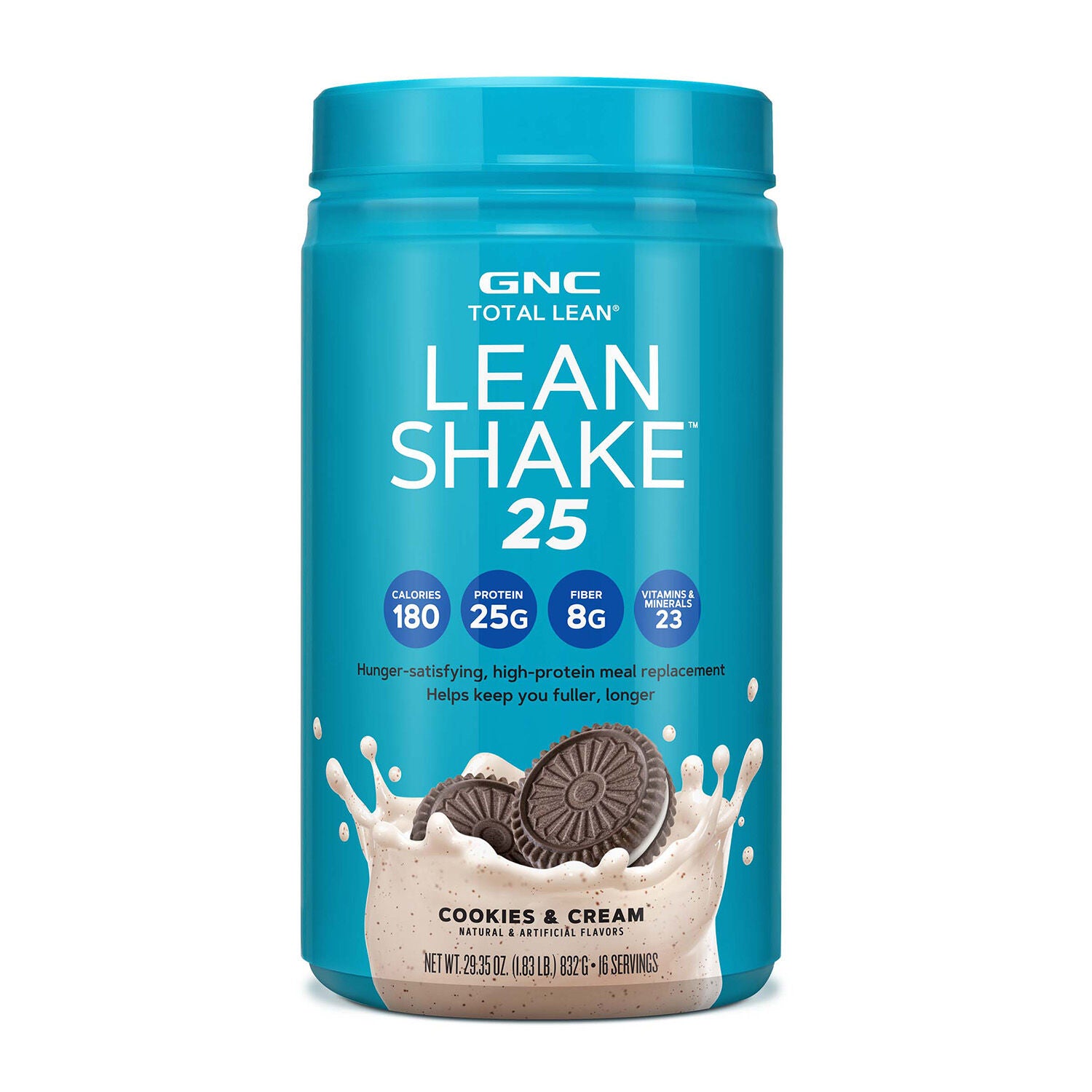
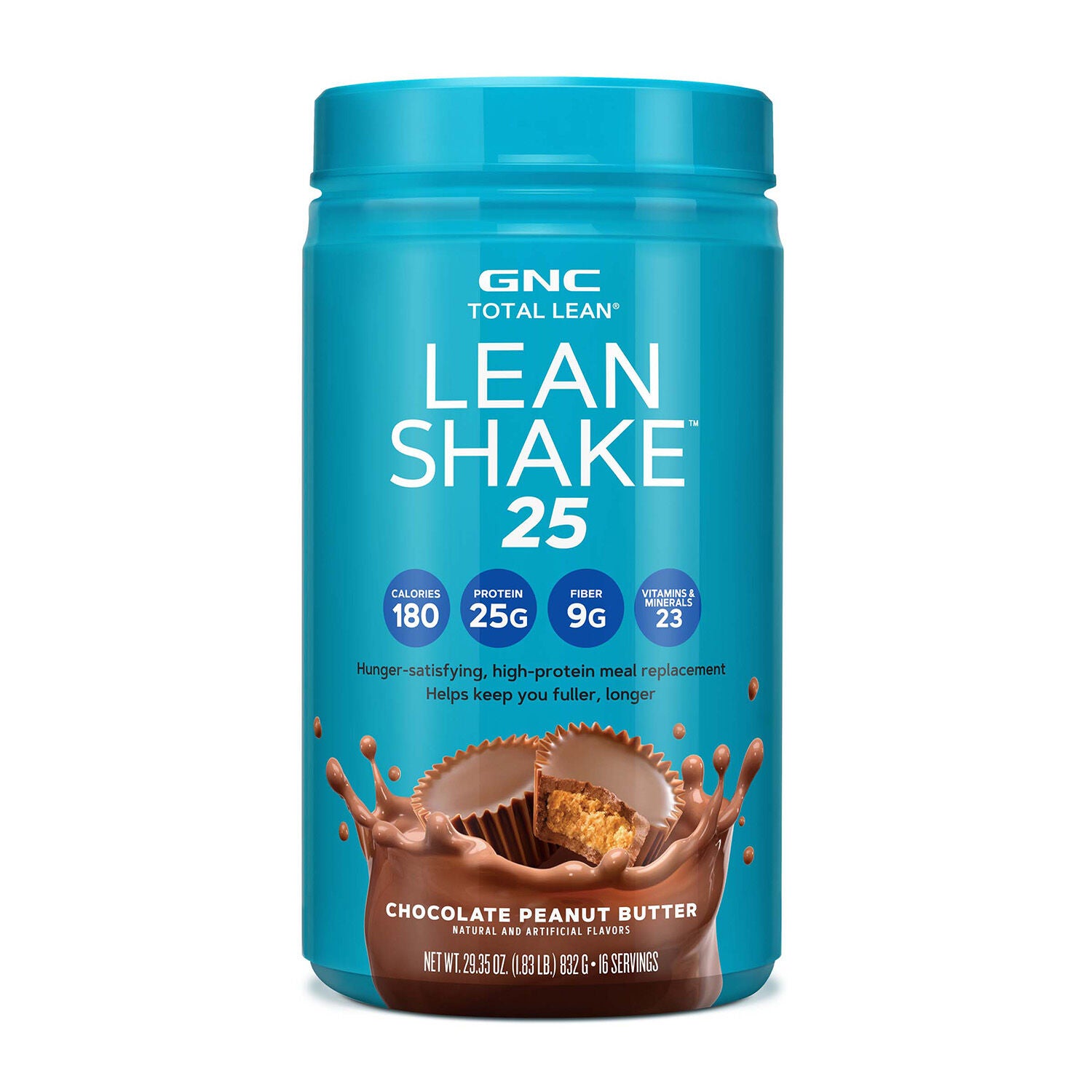
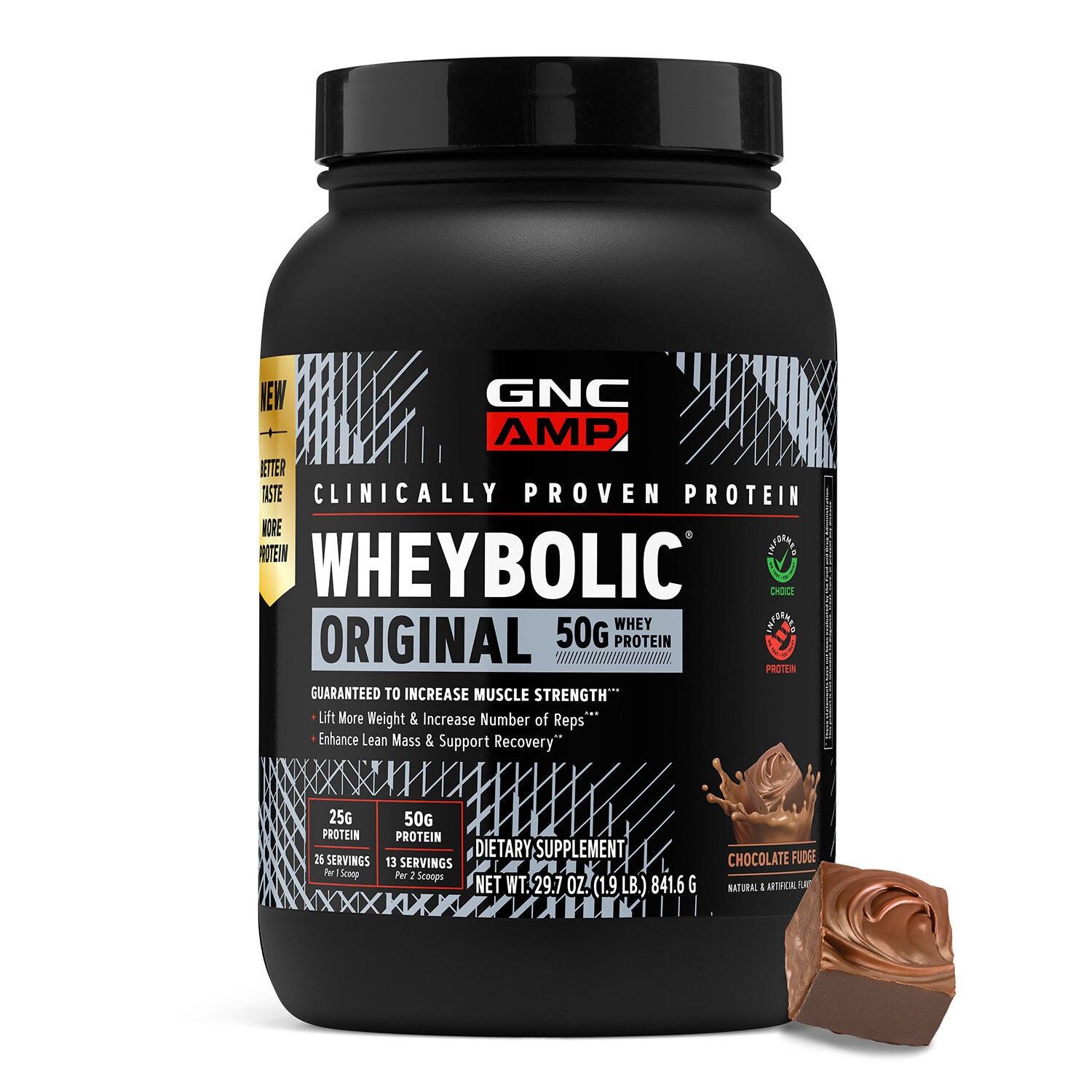
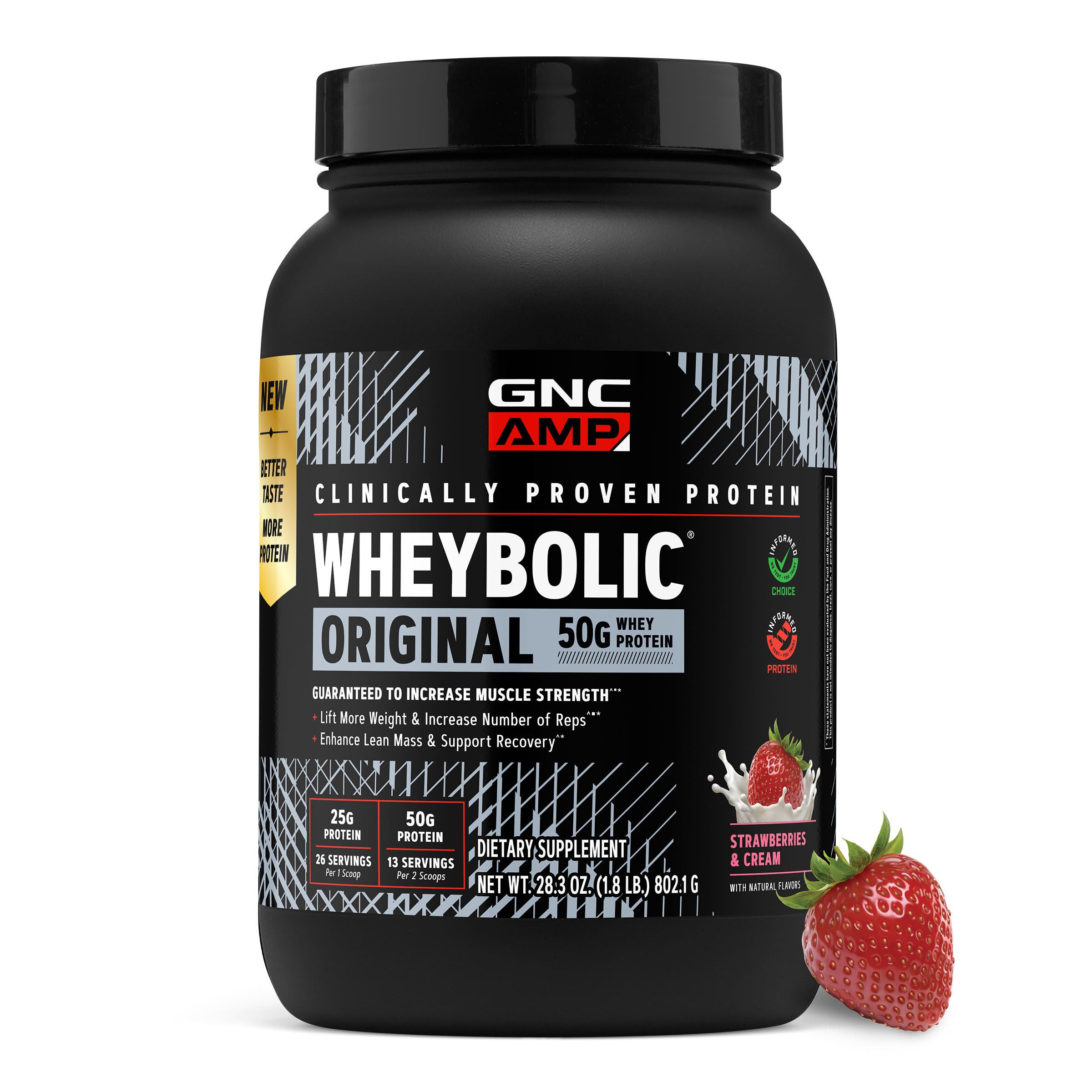


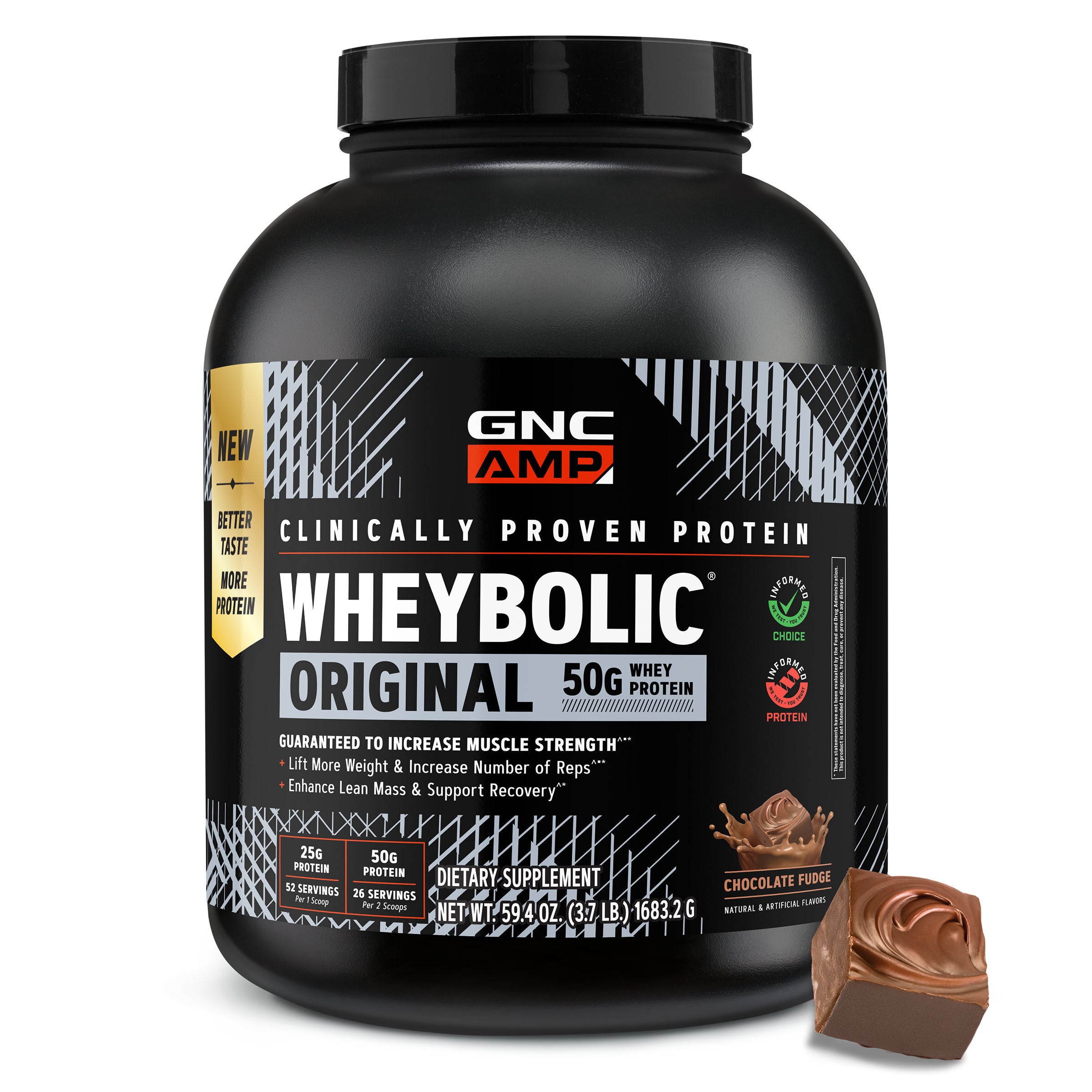


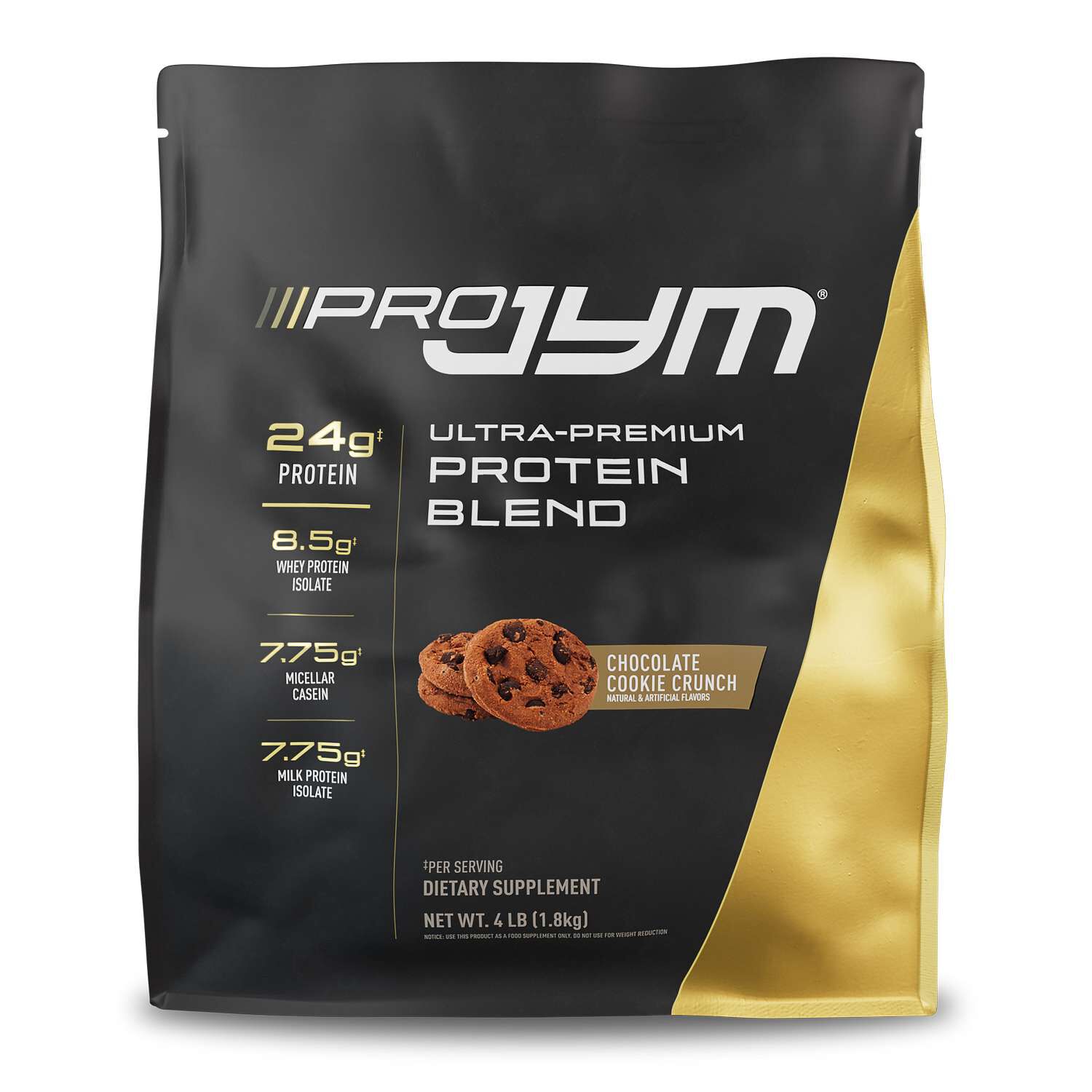
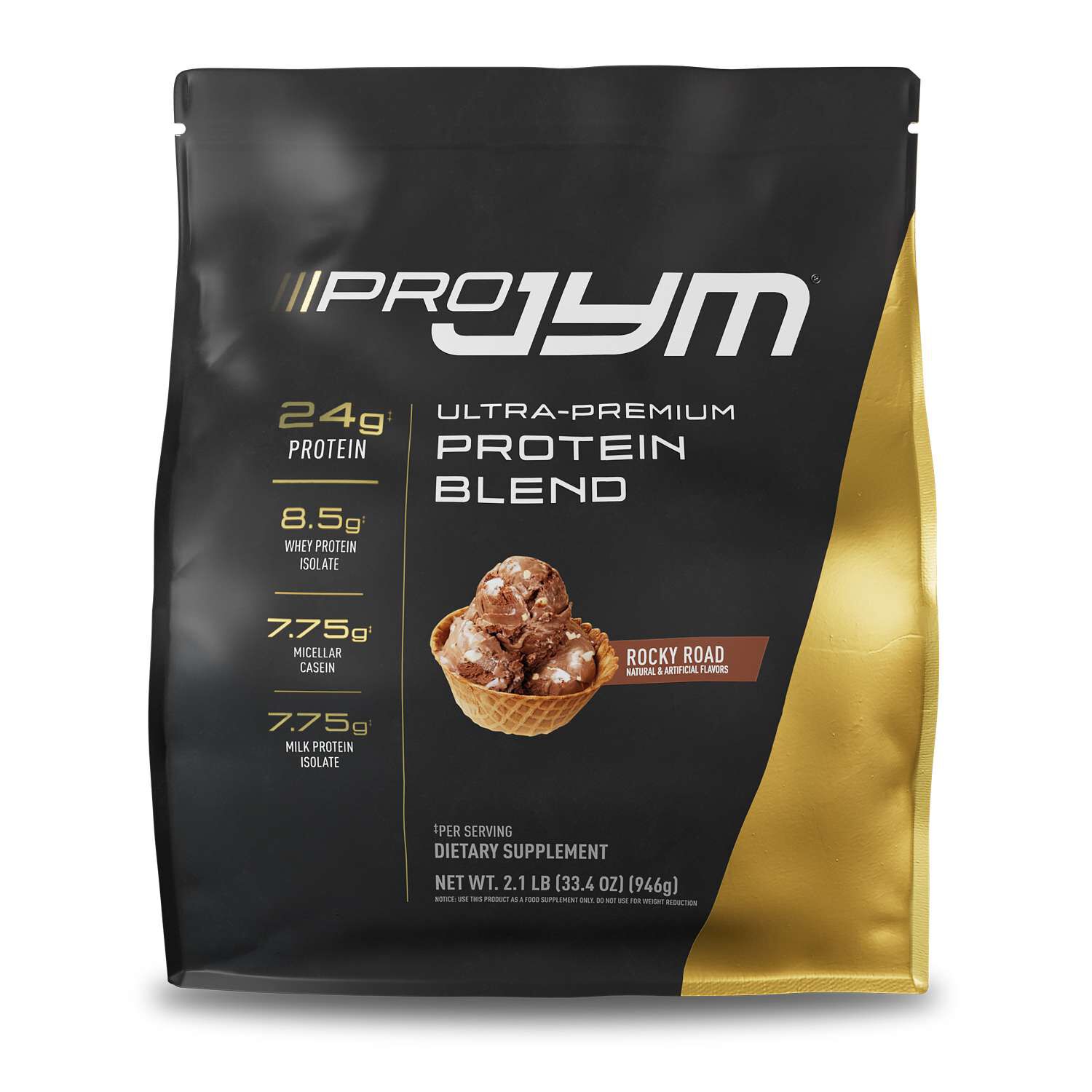
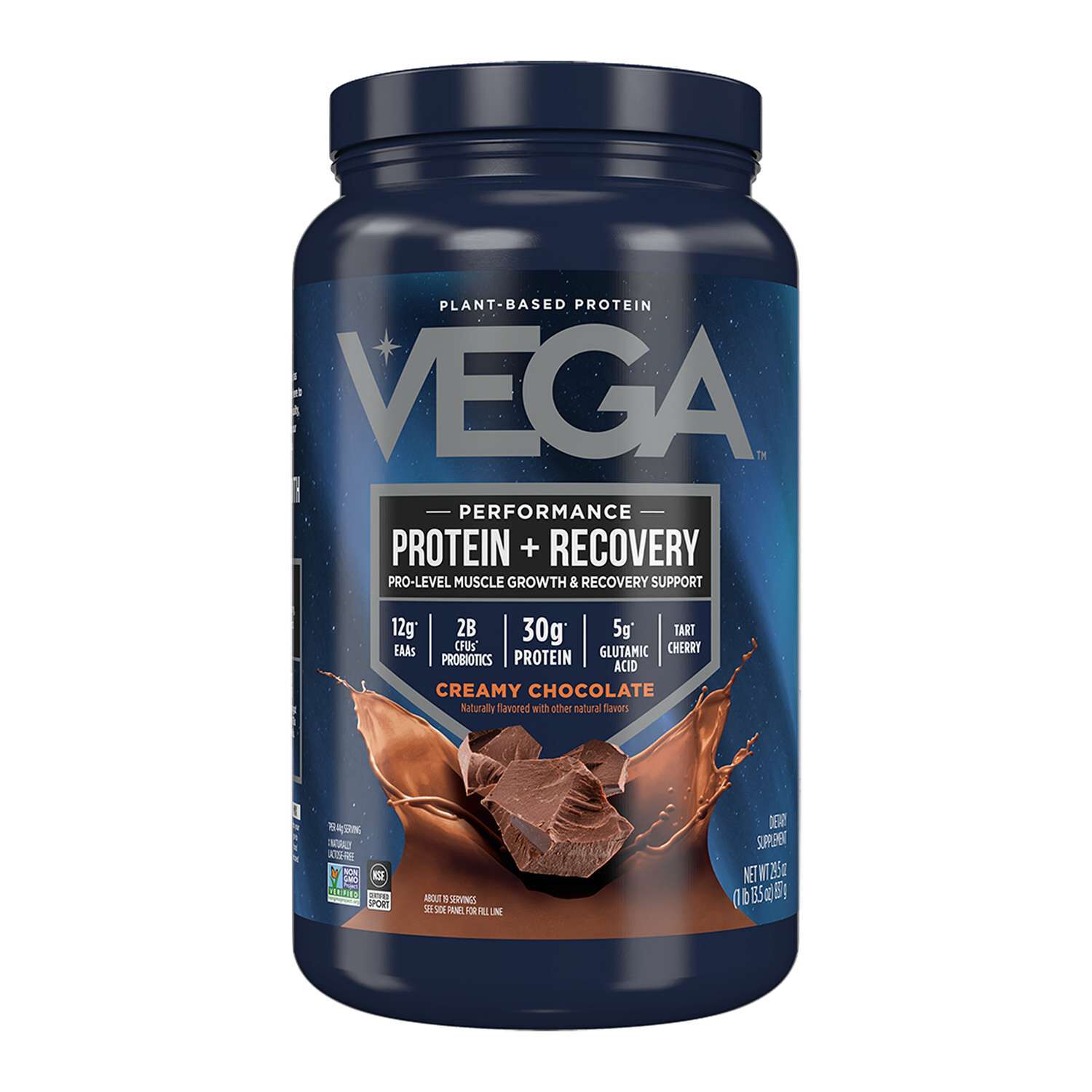
Chocolate protein shakes for summer fitness bring a familiar cocoa flavor to a format that suits everything from a kitchen blender to a packed gym bag. The category includes ready-to-drink shakes and chocolate protein powders mixed with water, milk, or a preferred plant-based beverage. Ready-to-drink formats emphasize convenience and a consistent texture, while powders offer more flexibility over portion size, liquid choice, and thickness. For someone heading home after a strength session or settling onto the porch after a summer walk, a chilled chocolate shake may be an appealing way to include protein in an everyday eating routine. Protein may support muscle recovery after exercise, though the amount in a shake varies by formula and serving size. The nutrition panel gives a clearer picture than the chocolate description alone: protein grams, calories, carbohydrates, fat, and added sugars all matter when comparing options for different routines. A shake enjoyed alongside breakfast serves a different purpose from one packed for the drive home after an afternoon workout. Chocolate flavors also cover a broad range, from mellow milk-chocolate profiles to darker cocoa notes with a less sweet finish. Some textures resemble chocolate milk, while others are thicker and closer to a blended dessert. That distinction matters on a hot day, when a lighter consistency might feel more appealing than a dense shake. Sweetener type, protein source, and the mixing liquid can influence both taste and mouthfeel, so two shakes with similar protein amounts may offer noticeably different drinking experiences. For summer fitness routines, the strongest match is not necessarily the shake with the largest protein number; flavor preferences, serving size, preparation, and storage all deserve consideration. A smaller serving alongside a meal, a bottle tucked into an insulated lunch bag, and a powder blended at home each represent a different approach to the same category. The common thread is chocolate flavor in a practical format, with enough variety to suit casual movement, regular gym visits, and active weekends.
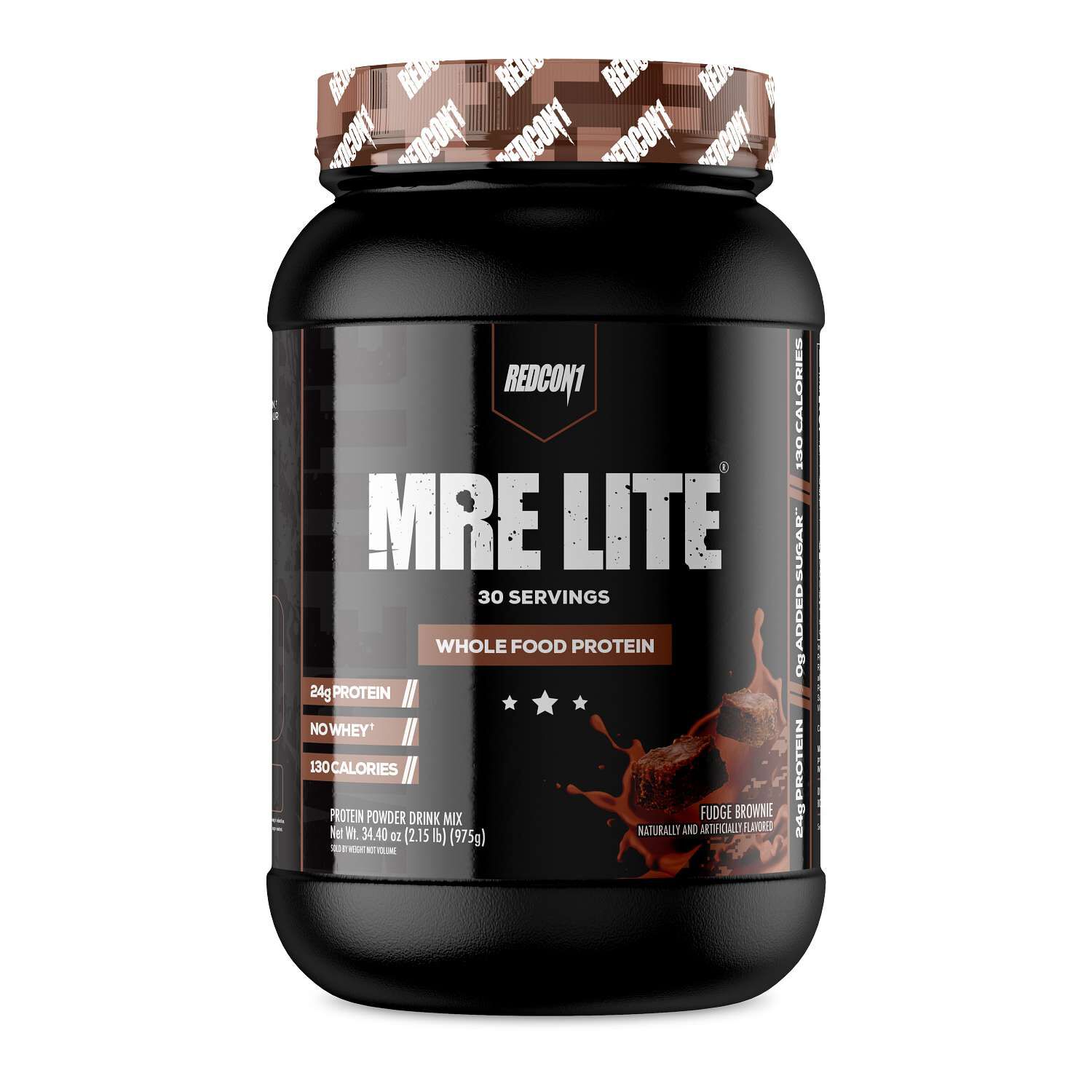
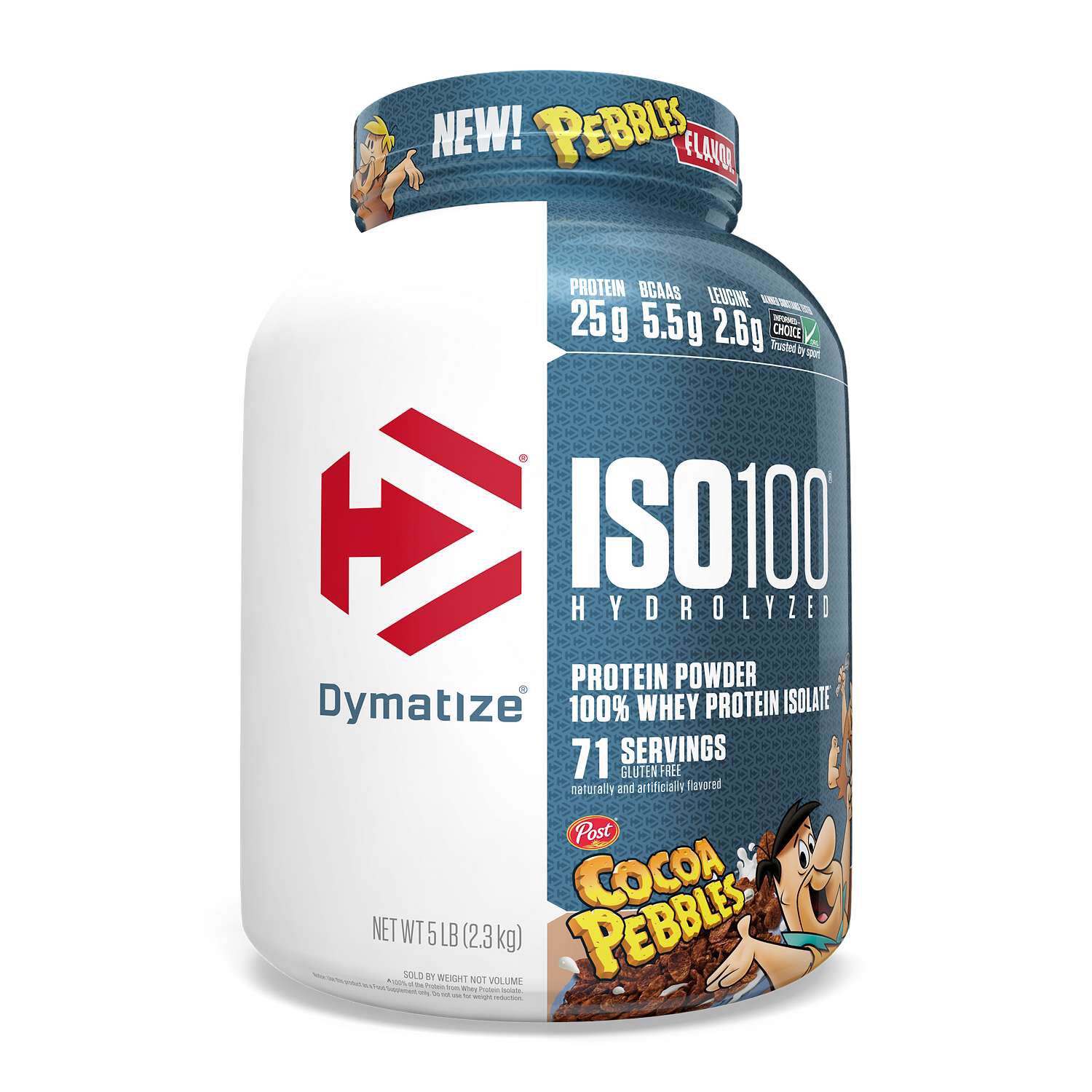
The protein source is one of the most useful distinctions among chocolate shakes. Whey and casein come from milk, while plant-based formulas may use pea, soy, rice, or a blend of protein sources. Milk-derived formulas contain milk ingredients, and plant-based labeling does not by itself address every ingredient concern; the ingredient list and allergen statement provide the relevant details. Someone who avoids milk ingredients may prefer a plant-based formula, while another shopper may prioritize the creamy character of a milk-based shake. Neither description alone determines sweetness, thickness, or how smoothly a powder mixes. Cocoa, flavorings, sweeteners, and other ingredients also shape the finished drink. For chocolate protein powder, the preparation directions establish the intended serving and liquid amount, with the choice of liquid adding another layer of variation. Water leaves the chocolate formula more prominent, while milk or a plant-based beverage brings its own flavor and nutritional contribution. Ice creates a colder, more diluted drink as it melts; blending with frozen banana produces a thicker texture and a chocolate-banana flavor. Nut butter adds a roasted note and a richer mouthfeel, while strawberries or cherries create a chocolate-and-fruit combination. Those additions change the nutrition of the finished shake, so the powder label describes only one part of a blended serving. These differences are especially relevant for shoppers who alternate between a quick shaker-bottle drink after a gym visit and a more substantial blend served with breakfast. Equipment matters, too: a shaker bottle is intended for liquids and powders, whereas frozen fruit and ice call for a suitable blender. Fine powders and formulas with added thickeners can behave differently when mixed, making the label directions useful for understanding the intended consistency. Chocolate shakes do not need elaborate preparation to fit a summer routine, but matching the format to the setting makes the experience more practical. A bottle requires no measuring, a single-serving powder packet takes up little room, and a larger powder container suits repeated preparation at home.
Summer use also brings packaging, storage, and cleanup into the comparison. Ready-to-drink shakes may come in cartons or bottles, and their storage requirements vary: some unopened formats are designed for shelf storage, while others require refrigeration. The package directions determine how each should be stored before and after opening. Shelf-stable packaging is not permission to leave a shake in a sunlit vehicle or a gym bag sitting on hot pavement. For a day that includes an outdoor workout and several stops afterward, an insulated bag with cold packs may be a practical part of carrying a drink that needs to stay chilled. Powder has a different set of care considerations, including a dry storage location, a securely closed container, and a clean, dry scoop. Once mixed, the finished drink needs handling appropriate to its ingredients and label directions. Reusable bottles add their own everyday details: a secure lid, manageable size, accessible opening, and parts that can be cleaned according to the manufacturer's instructions. A narrow bottle might fit a cup holder neatly, while a wider opening makes mixing and washing more convenient. Durable construction is useful for repeated trips between home and the gym, but no container replaces the storage directions on the shake itself. Shoppers planning park workouts, recreational sports, or afternoons away from the kitchen can also explore Chocolate Protein Shakes For Outdoor Activities for a related setting. Across these routines, a chocolate protein shake works best as a considered addition to ordinary meals and beverages rather than an assumed substitute for either. For a college student with summer classes, a commuter fitting in an early workout, or someone who enjoys weekend walks, the practical details are often decisive. A flavor worth returning to, a texture that suits the occasion, and packaging that fits the day's plans give this category its everyday appeal. Chocolate keeps the experience familiar, while the choice of format leaves room for different schedules and preferences.