





Cold Protein Drinks
(0 Results)
Cold protein drinks may offer a convenient and refreshing way to support your nutrition goals throughout the day. Perfect for busy lifestyles or post-workout routines, these beverages may help you stay energized and satisfied. Whether you’re looking for a quick option after the gym or an easy addition to your daily routine, cold protein drinks may provide a simple solution for those seeking on-the-go nourishment. Explore a variety of flavors and formats to find the perfect fit for your needs.
-
-

-
.jpg?sw=305&sh=305&sm=fit "Clear Whey Isolate Protein Drink - Lemonade (12 Count) | GNC")
-
-
 $12.99
-
-

-
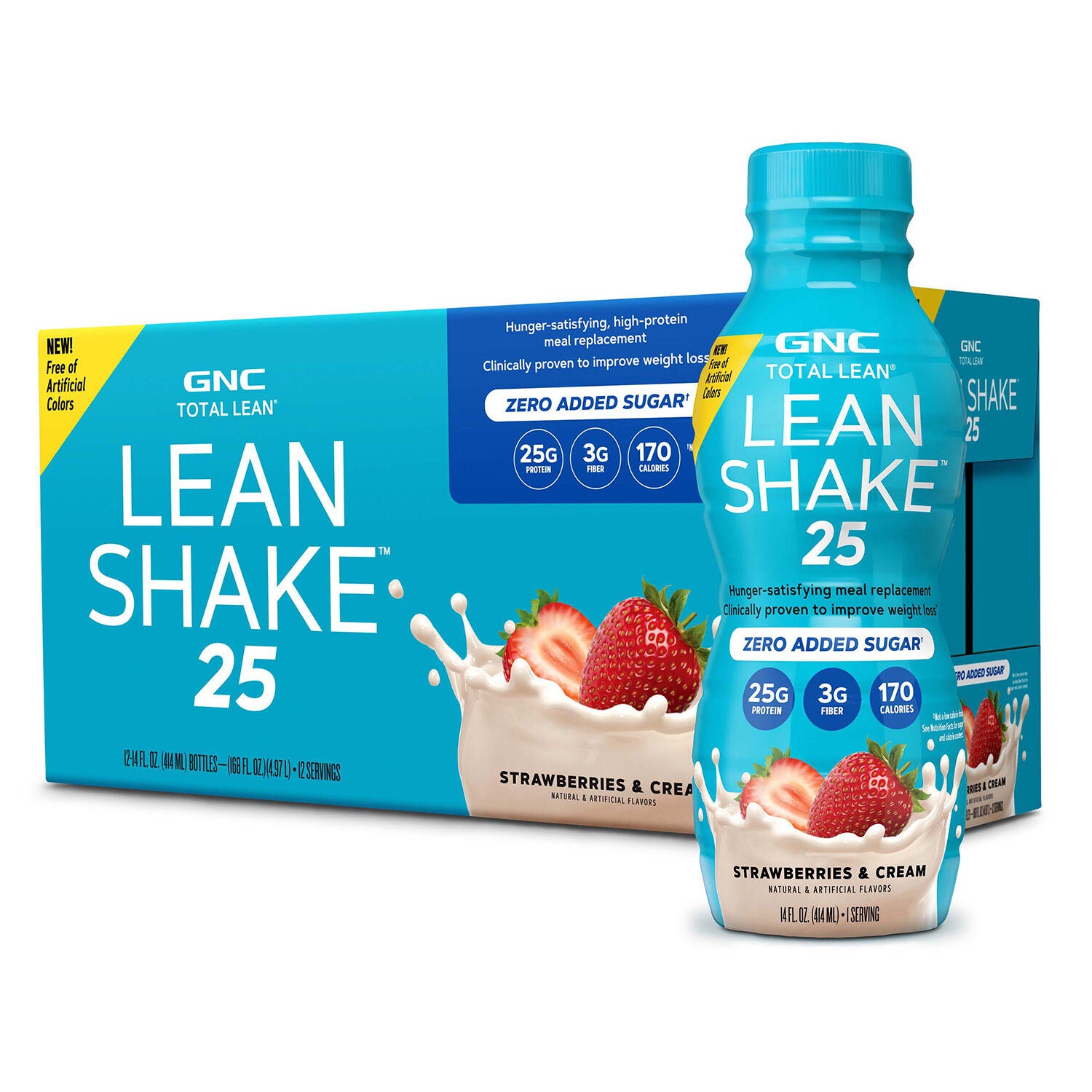
-
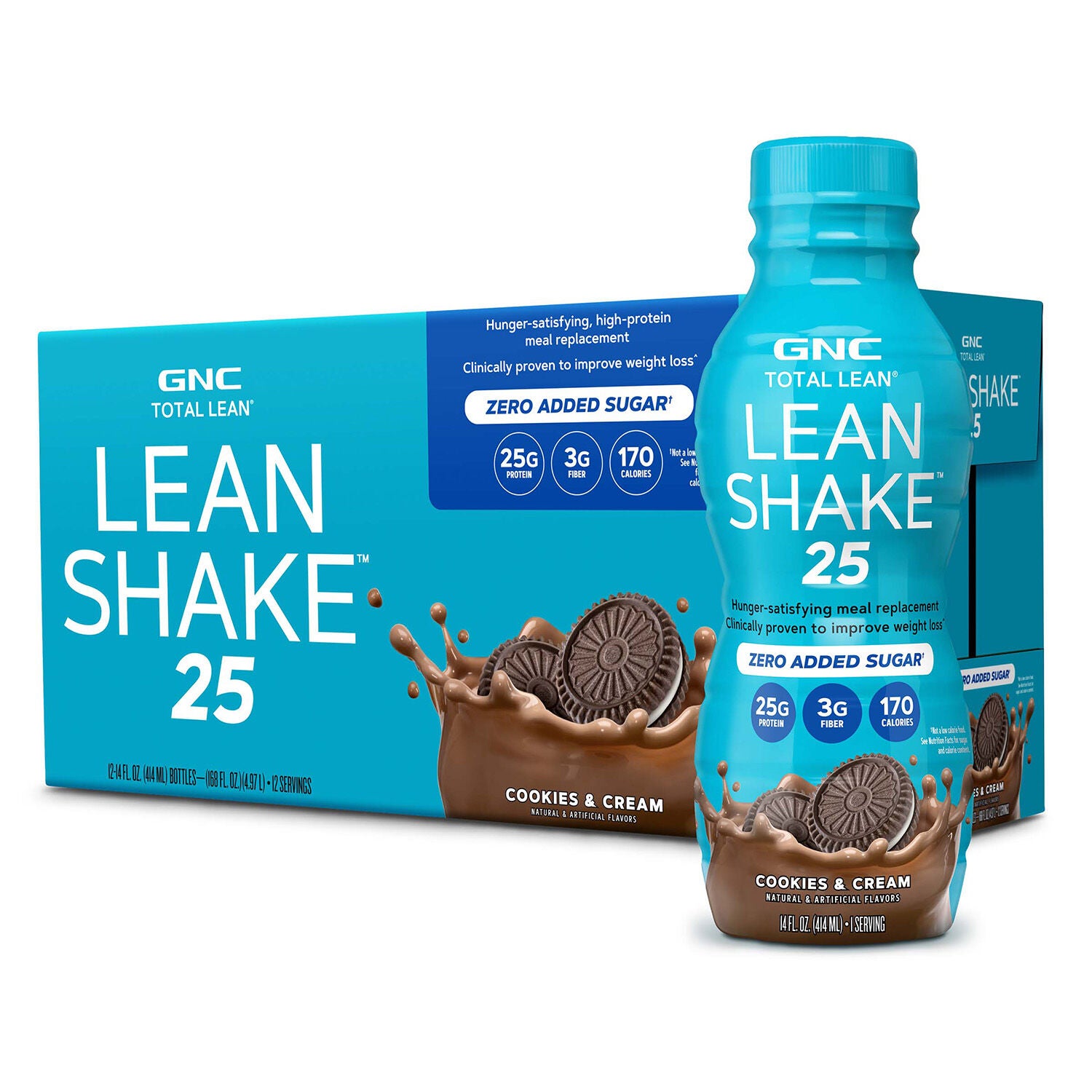
-
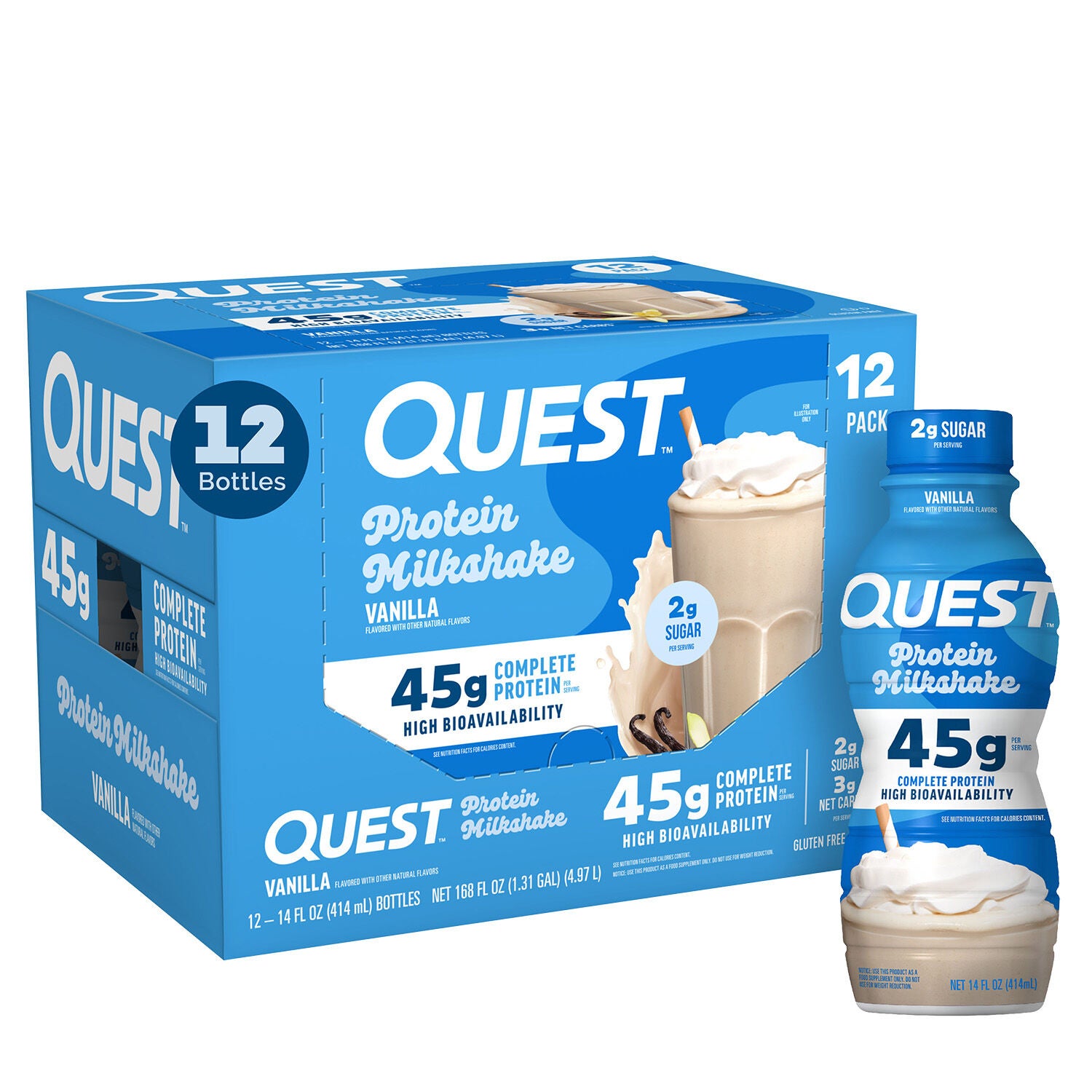
-
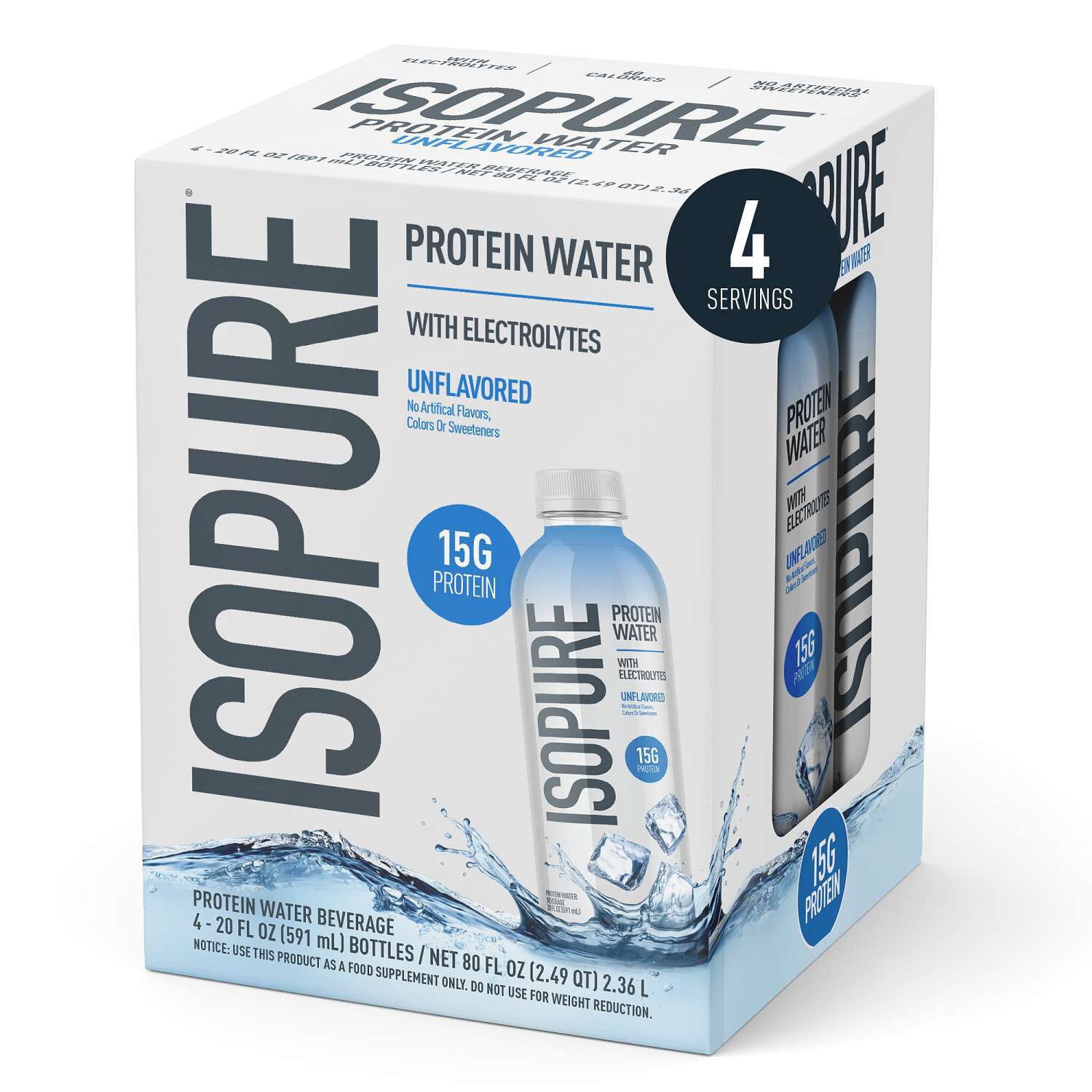
-

-
-
-
-

-
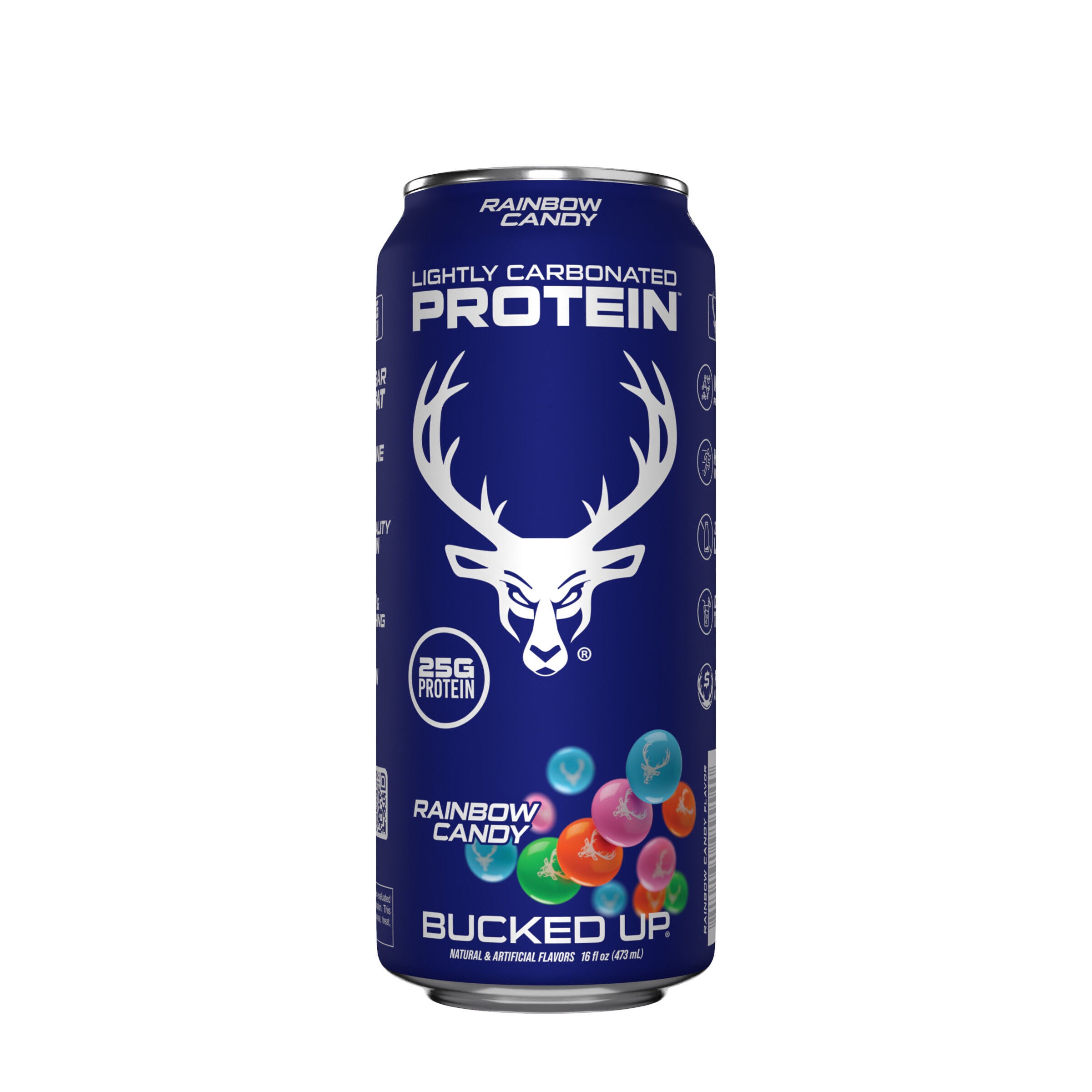
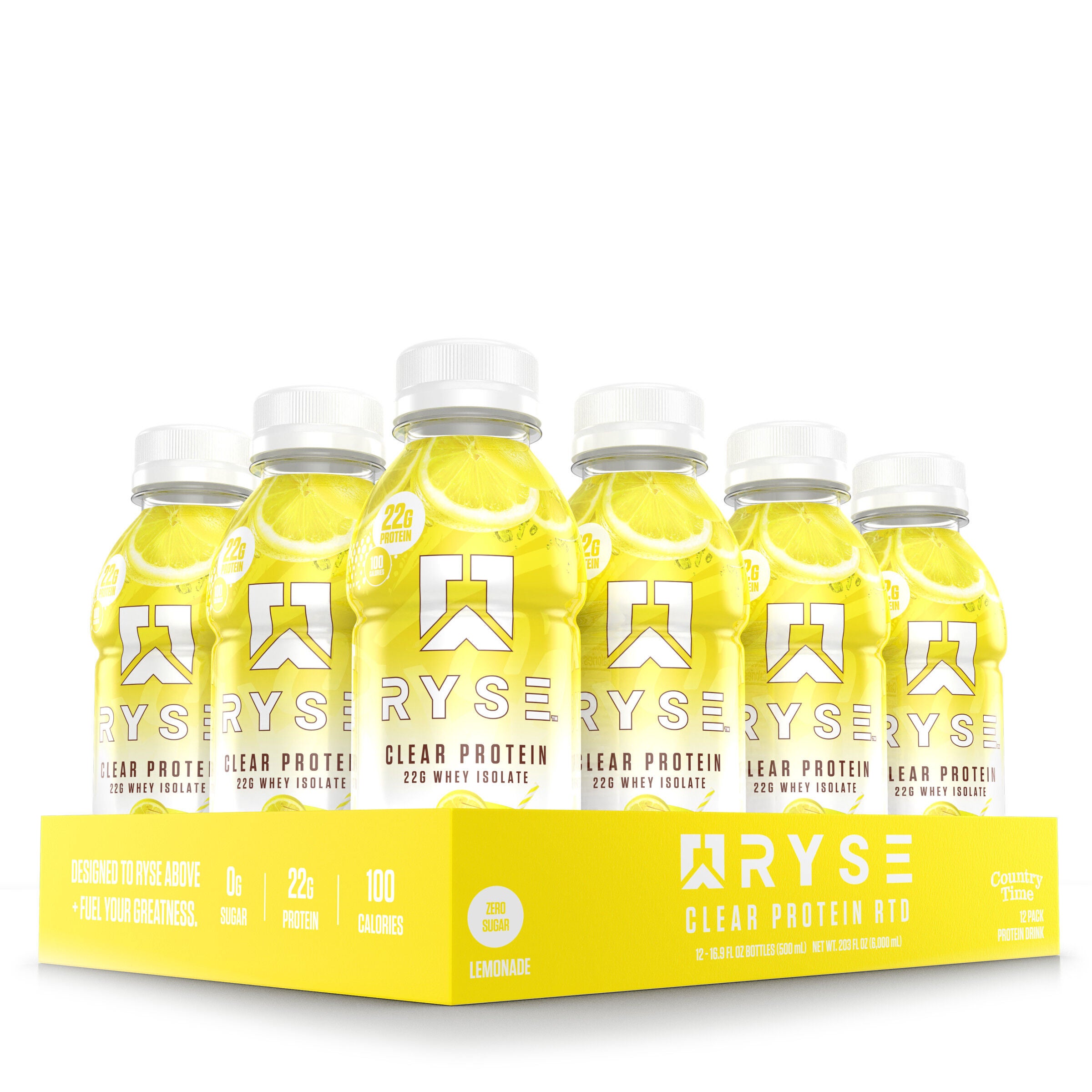
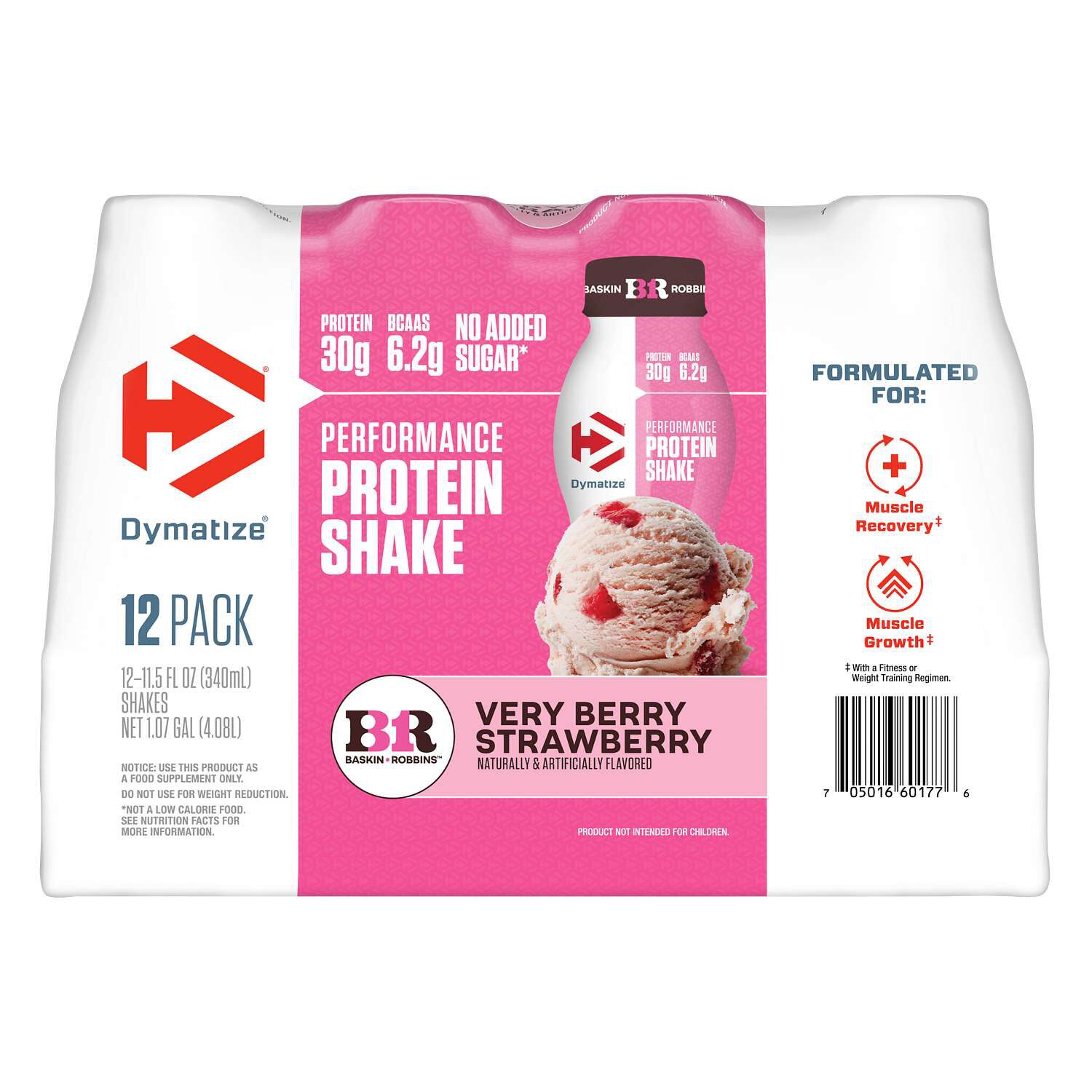
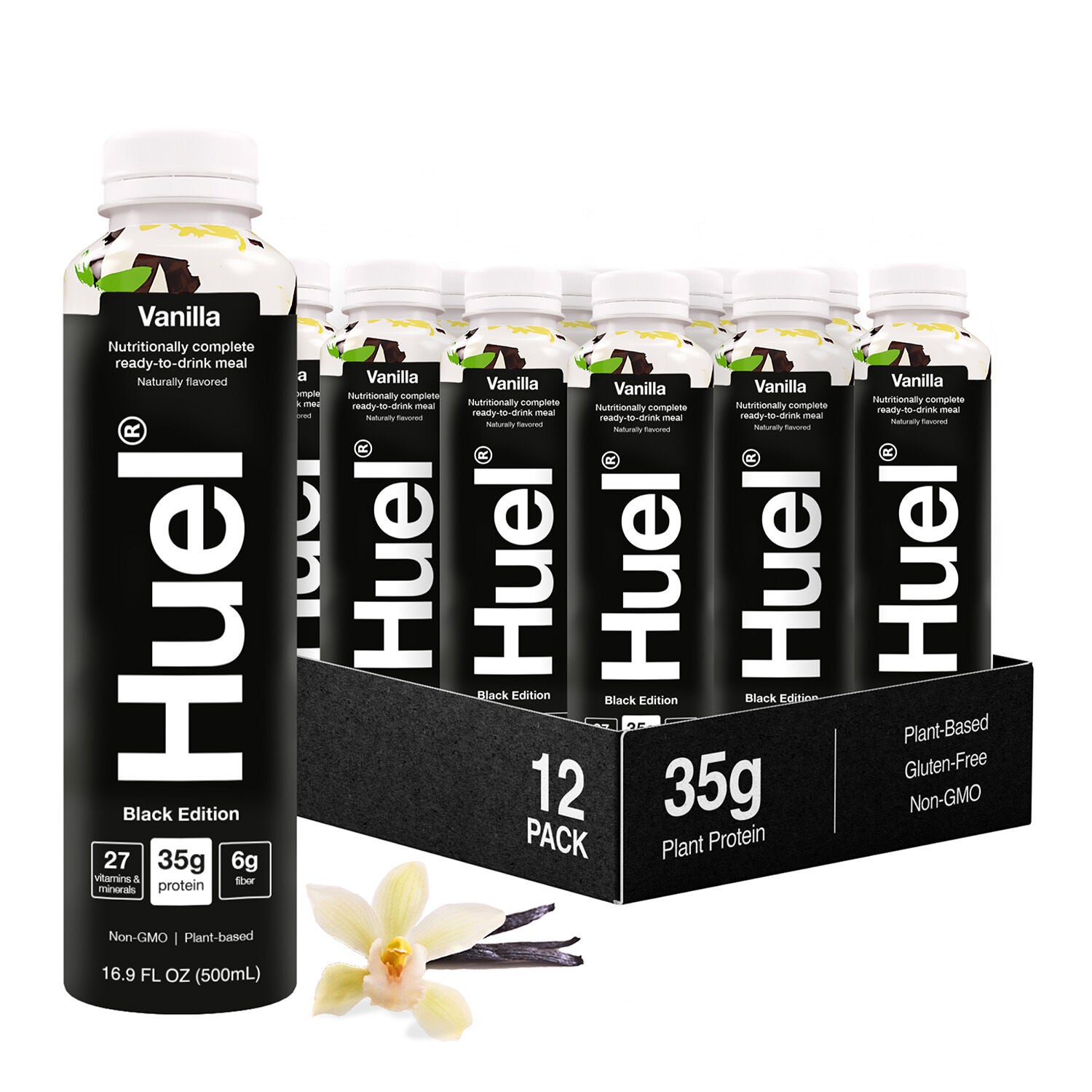
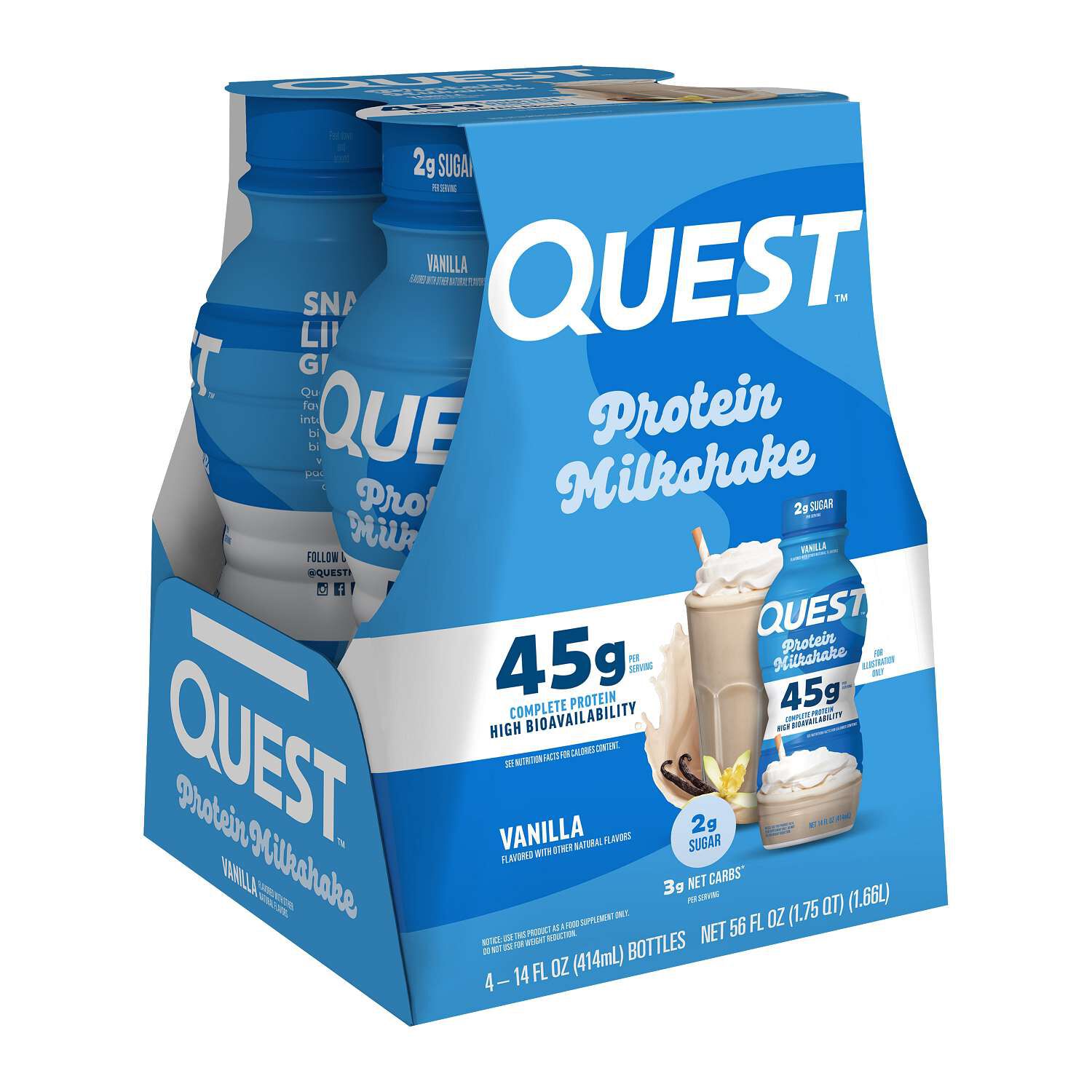
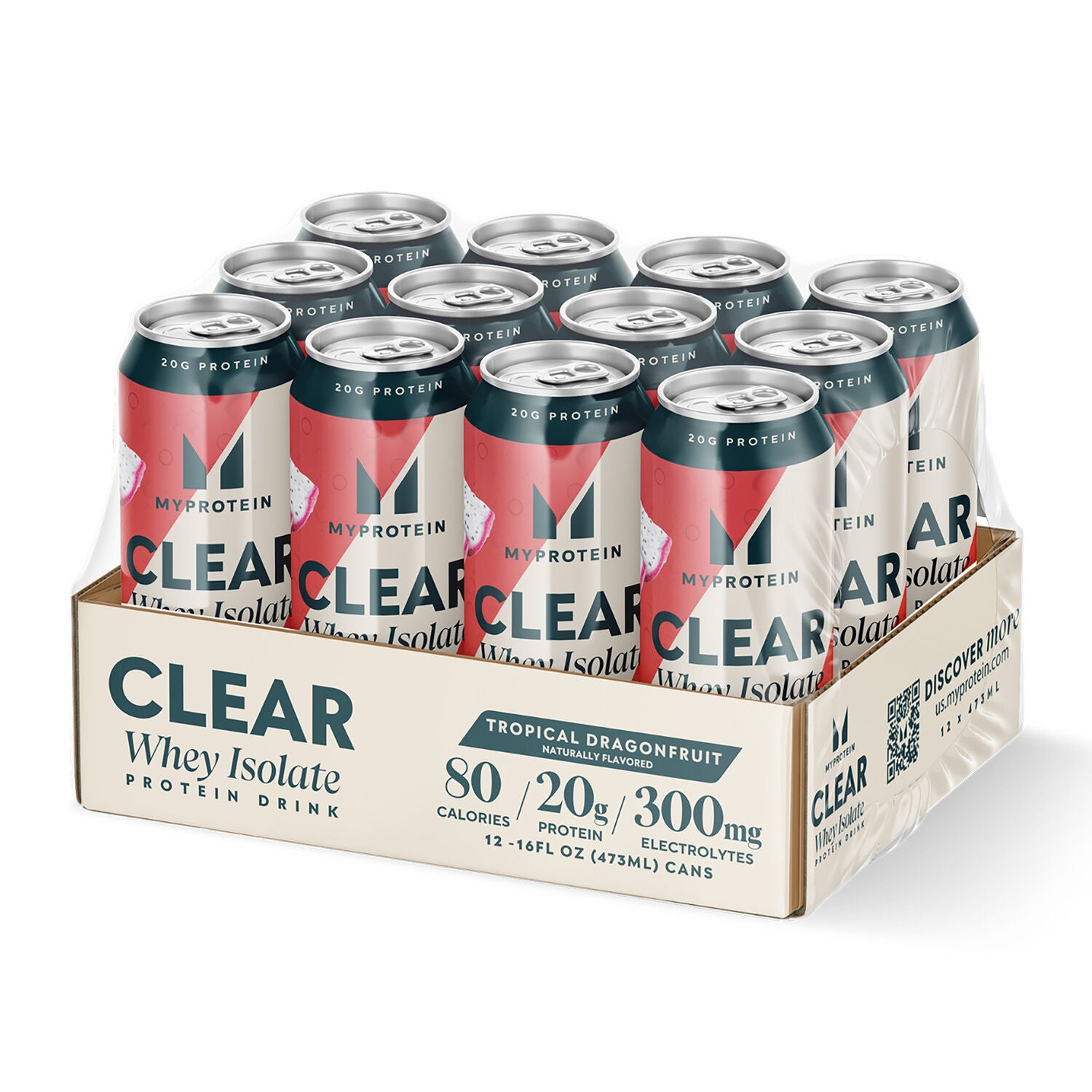
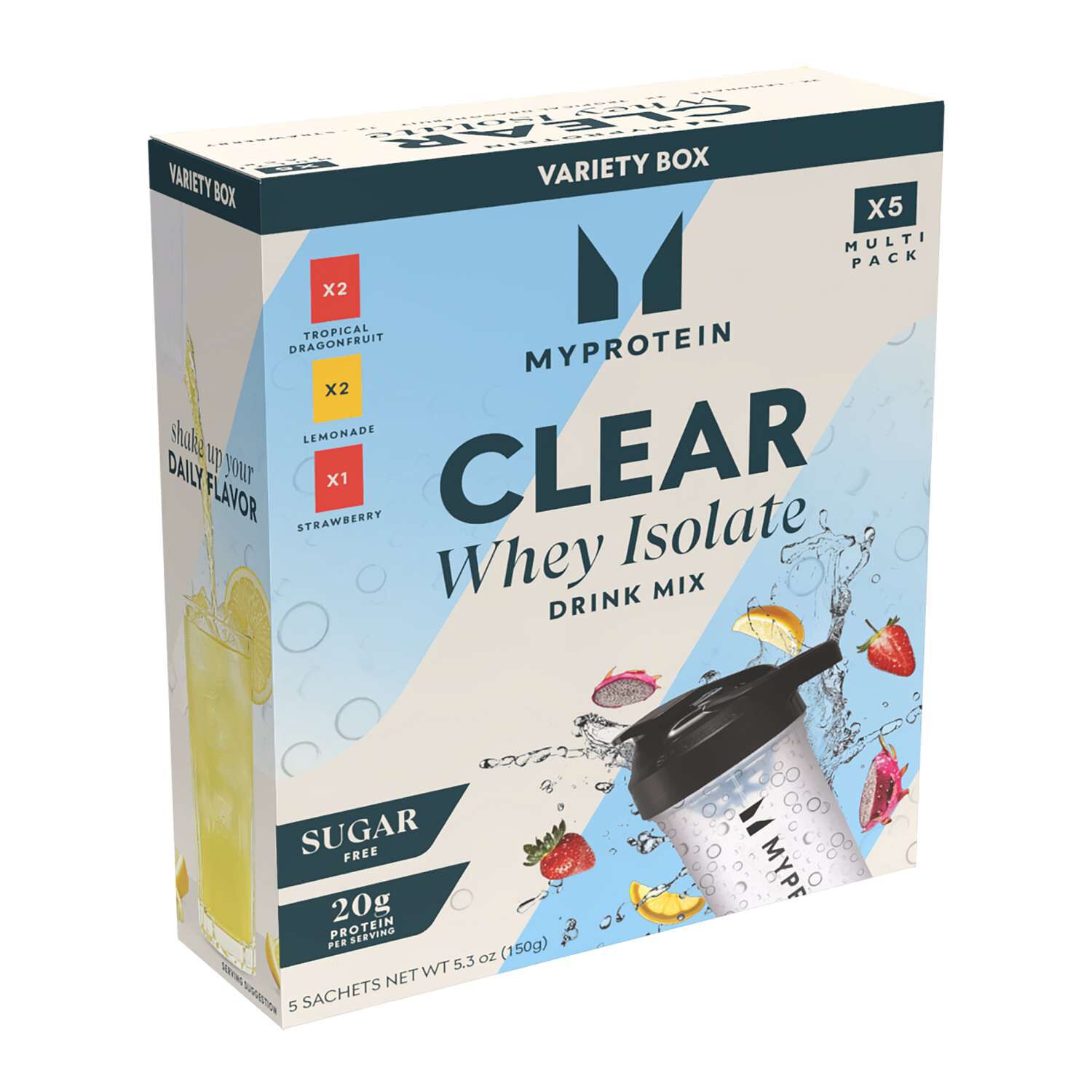
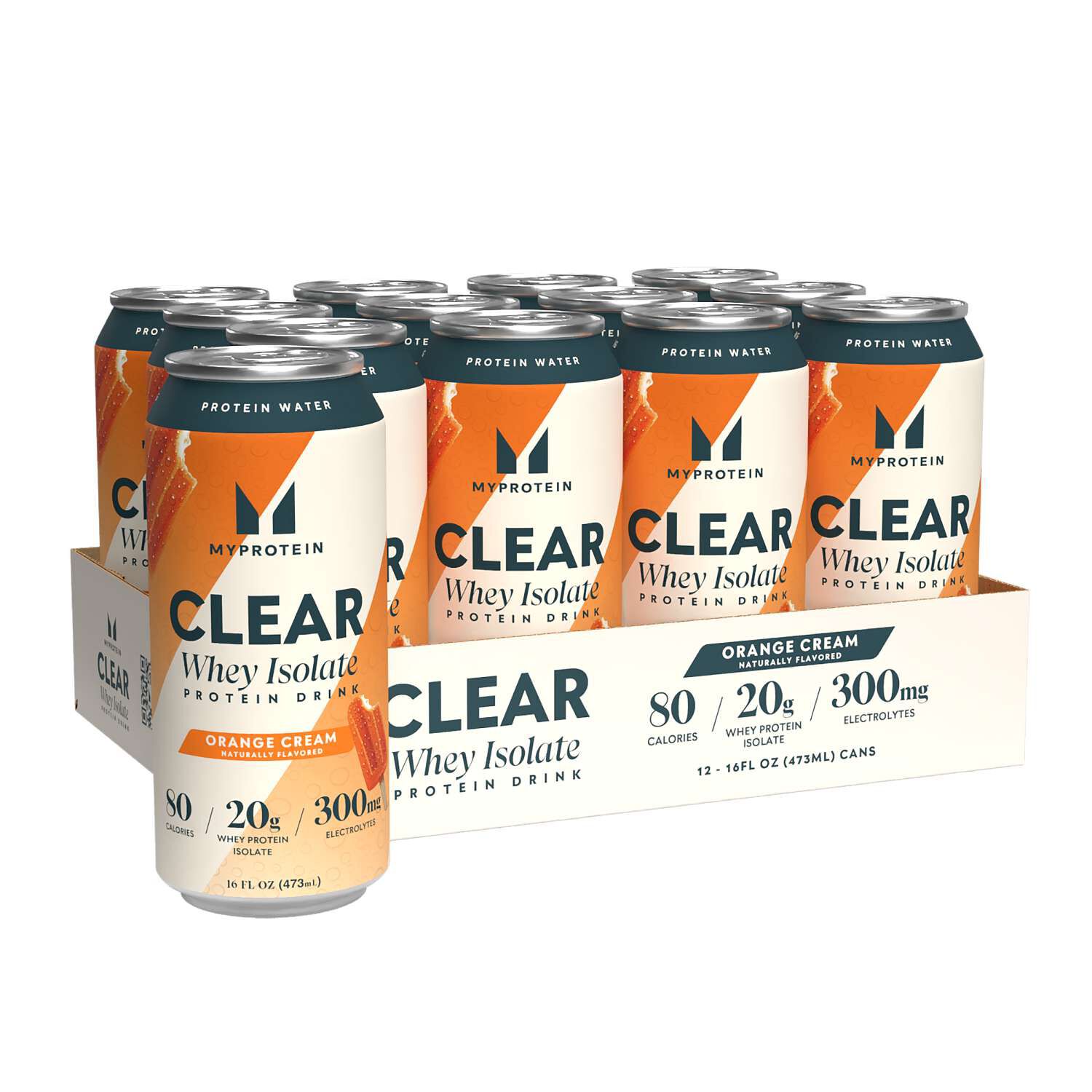
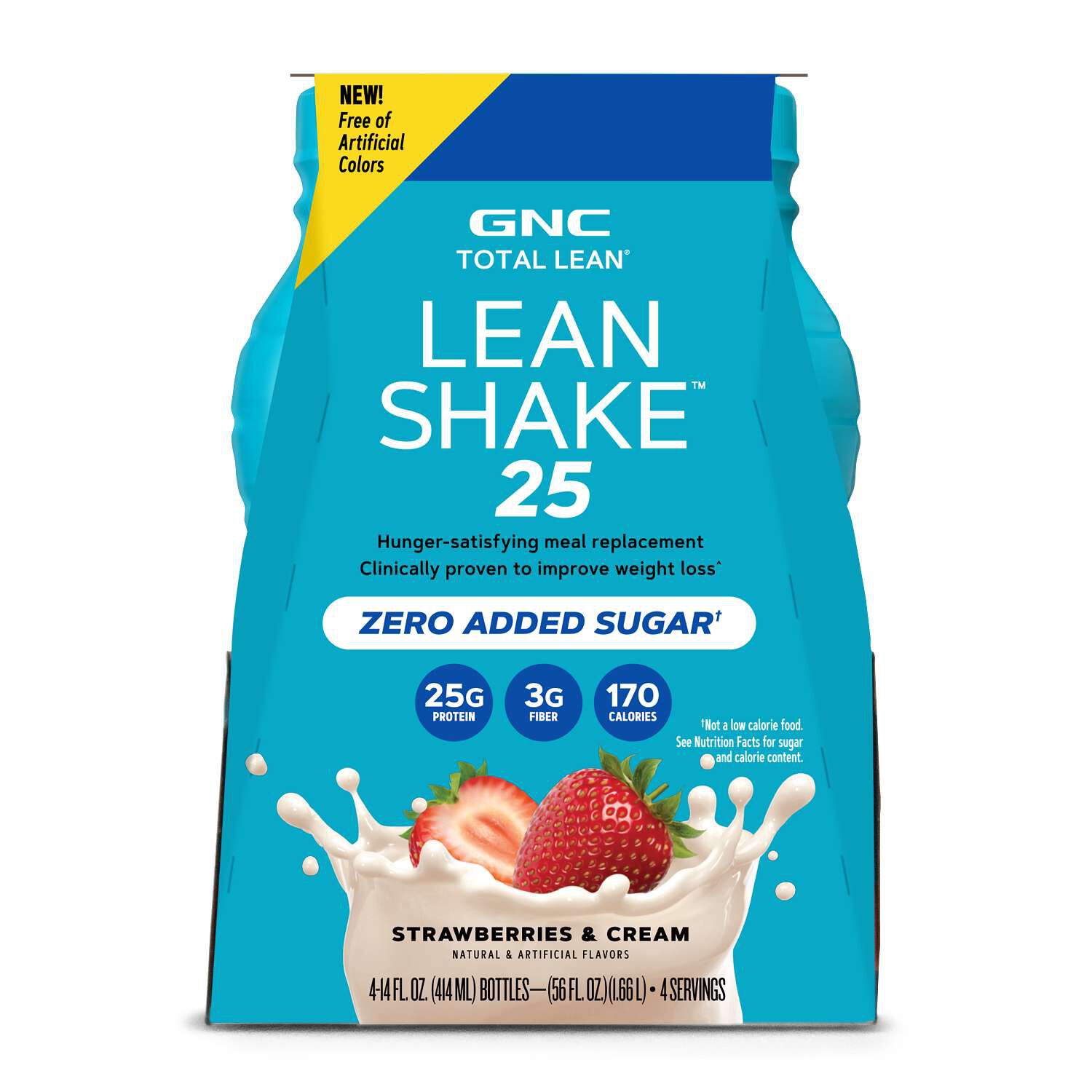
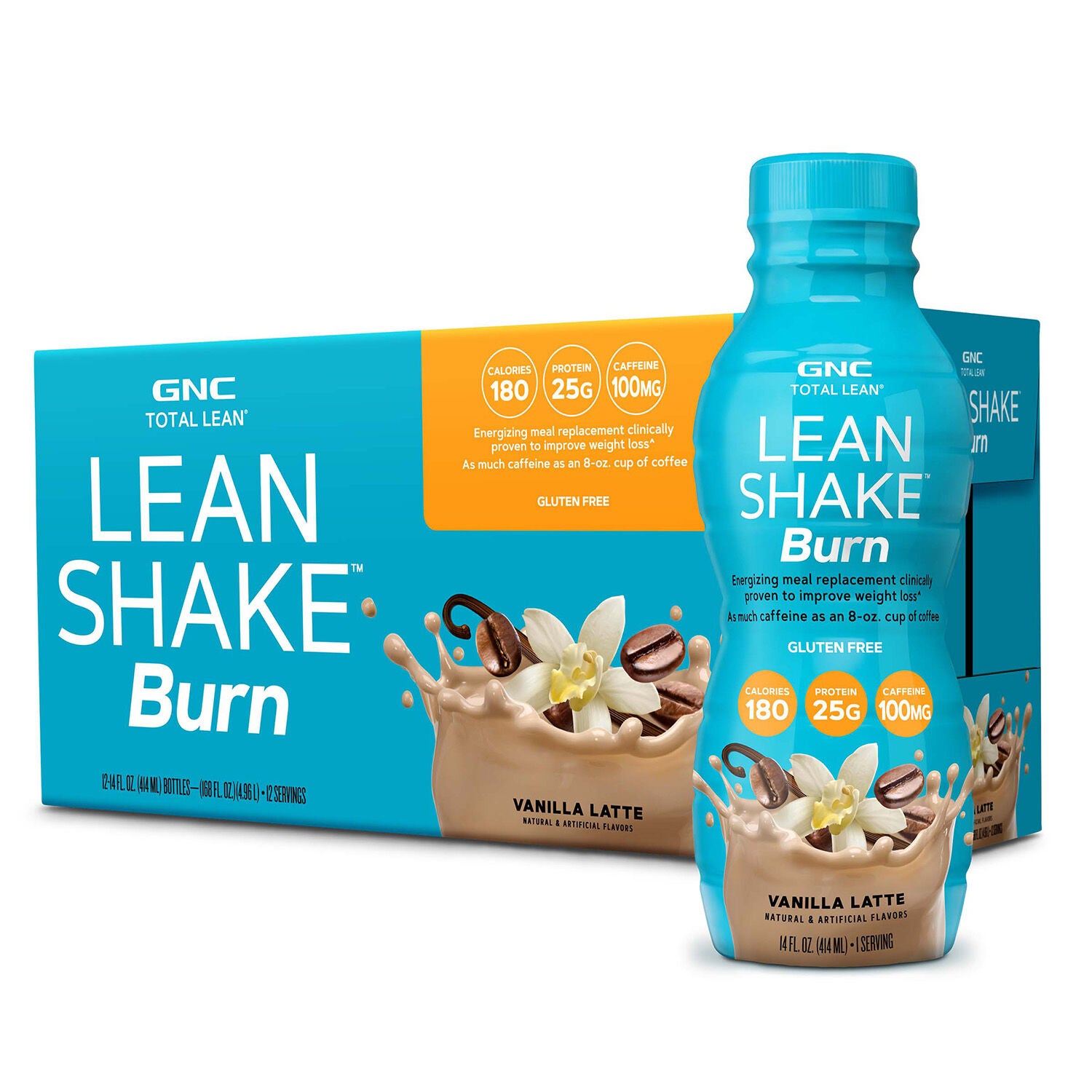
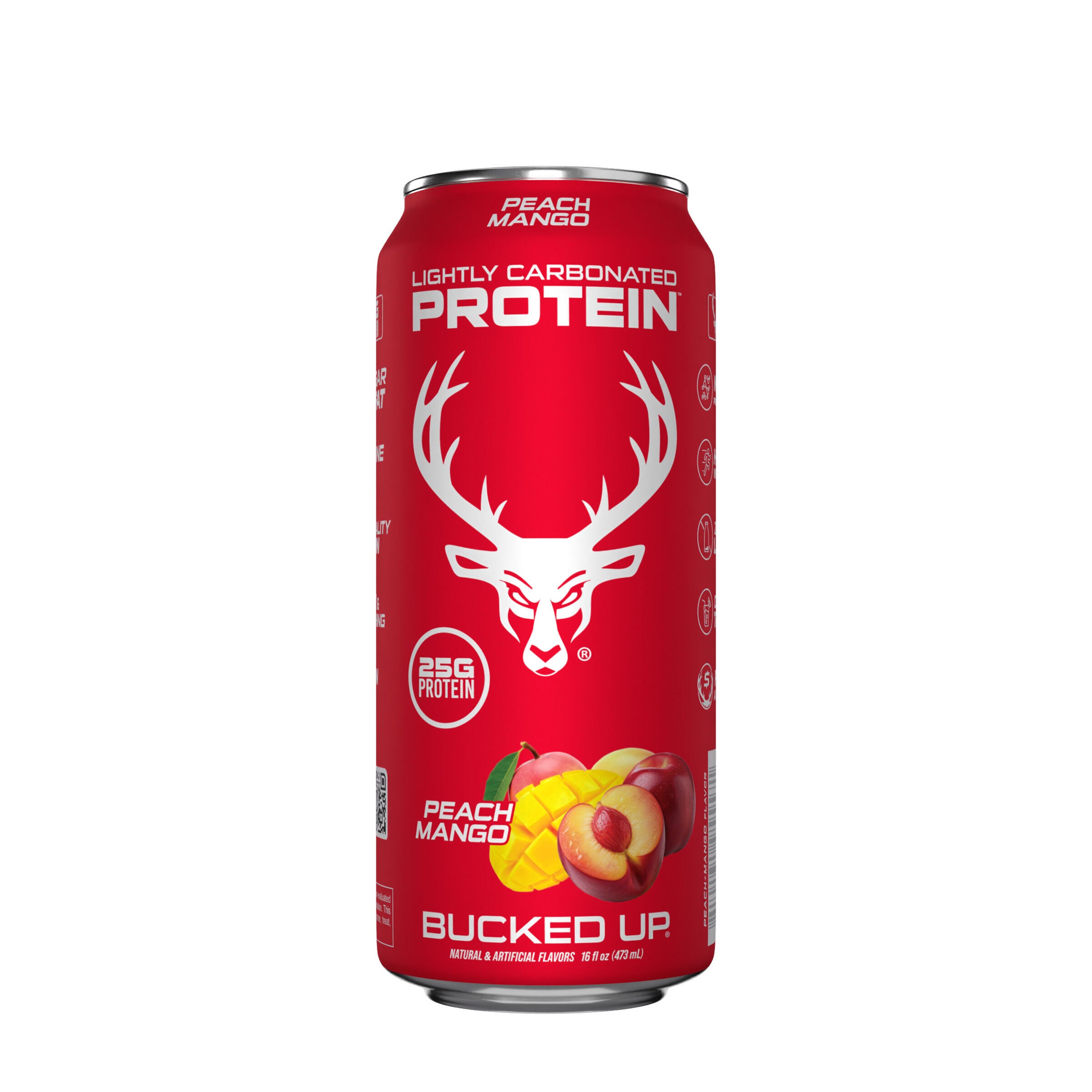
Cold protein drinks are chilled beverages made with protein sources such as whey, milk, soy, or peas. The category includes ready-to-drink shakes, clear fruit-flavored beverages, and protein powders intended for mixing with cold water, milk, or a plant-based beverage. These formats suit different routines: a sealed bottle belongs in a lunch bag, while a tub of powder offers flexibility over serving size, liquid choice, and consistency. Creamy shakes generally have a milkshake-like character, with familiar flavors such as chocolate, vanilla, and coffee. Clear protein drinks lean toward a lighter, juice-like style, often with citrus, berry, or tropical fruit flavors. The distinction matters for anyone who enjoys protein beverages but does not always want a thick, dessert-inspired drink. A rich chocolate shake alongside an afternoon snack and a fruit-flavored drink packed for after a workout offer different drinking experiences within the same category. Coffee-inspired options also deserve a closer look at the label, since some contain caffeine and others simply feature coffee flavor. Ready-to-drink formats arrive with the liquid and protein already combined, while powders require a separate container and mixing. For powders, the choice of liquid may influence everything from sweetness to mouthfeel. Cold water may produce a lighter result, while milk or a plant-based beverage might create a creamier texture and change the nutritional profile of the prepared serving. Ice may dilute the flavor as it melts, especially during a long commute or an extended stretch at a desk. Flavor intensity, thickness, and portion size are useful points of comparison because the best fit for a quick drink between errands may differ from the preferred choice for a leisurely breakfast. Some shoppers favor a familiar flavor they enjoy repeatedly; others prefer a mix of creamy and fruit-forward options for different occasions. Cold protein drinks encompass both approaches without requiring every serving to look or taste alike.
Protein source and the Nutrition Facts panel provide more meaningful distinctions than flavor names alone. Whey and milk proteins come from dairy, while plant-based formulas may feature pea, soy, rice, or a blend of sources. A clear appearance does not necessarily mean a drink contains no dairy ingredients; some clear protein beverages use whey protein isolate. Ingredient lists and allergen statements remain important for shoppers choosing around food allergies or dietary preferences. Similarly, a plant-based label does not describe every ingredient or establish that two drinks have matching nutrition. Protein grams, calories, carbohydrates, added sugars, and fat vary by formula and serving size. A small bottle and a larger carton may look similar in a product photo yet represent different portions, making the labeled serving size a useful reference. Powder labels also distinguish between the powder itself and any preparation made with an additional beverage. Mixing with milk, for example, changes the finished drink beyond what water would contribute. Sweetness deserves its own consideration. Some formulas use sugar, some use alternative sweeteners, and others combine several ingredients to create their flavor profile. Cocoa, fruit flavorings, salt, and sweeteners all contribute to the drinking experience, so two chocolate shakes with similar protein amounts may still taste quite different. Texture varies as well, from a thin, smooth drink to a more substantial shake. For someone who prefers sipping through a straw, a lighter consistency might be more appealing; someone who enjoys a dessert-like drink may prefer a thicker preparation. The amount of liquid used with powder is another practical distinction, with the package directions providing a starting point for the intended preparation. Drinks containing caffeine belong in a separate comparison from those without it, particularly when the intended occasion is later in the day. These details make room for personal preferences without assuming that one protein source, flavor, or beverage style suits every shopper.
Packaging, storage, and preparation are part of how cold protein drinks fit into everyday life. Ready-to-drink bottles and cartons offer a measured portion without a scoop or mixing step, making them a practical format for a work bag, a gym bag, or a packed lunch. Resealable packaging is useful when a drink is enjoyed over more than one sitting, although refrigeration and storage directions still apply after opening. Some unopened beverages are shelf-stable, while others require refrigeration from the start; the package label establishes the appropriate handling for each formula. An insulated lunch bag with a cold pack may help maintain a chilled serving during transport, but it does not replace the stated storage instructions. Packaging condition matters, too, including an intact seal and a secure cap before a bottle goes into a bag. Powders bring different considerations: a dry storage area, a tightly closed container, and a clean, dry scoop are relevant to everyday care. A shaker bottle with a mixing insert offers a convenient preparation method, while a blender is another option when the package directions allow additional ingredients. Wide openings and removable components are useful features for washing a reusable bottle, especially around lid threads and drinking spouts. Prepared drinks should be stored and used according to their labeling rather than treated like dry powder. For shoppers drawn to a lighter texture, Clear Protein Drinks For Summer provides a related selection centered on clear protein beverages. Across the broader category, intended use often shapes the most practical choice: a sealed shake for the office refrigerator, powder portioned for preparation at a destination, or a fruit-flavored beverage alongside a packed meal. Matching the format to the setting leaves room for the details that matter during ordinary use, including how the container travels, where it will be stored, how much preparation is involved, and whether the flavor remains enjoyable from the first sip to the last.
- Q: What are cold protein drinks?
A: Cold protein drinks are ready-to-drink beverages or mixes that provide a convenient way to enjoy protein in a chilled format, often used after workouts or as a quick snack. - Q: How can cold protein drinks fit into my daily routine?
A: Cold protein drinks may be enjoyed as a post-workout refreshment, a midday snack, or an on-the-go option for those with busy schedules. - Q: What types of protein are commonly found in cold protein drinks?
A: Common sources of protein in these drinks include whey, casein, soy, pea, and other plant-based proteins. - Q: Can cold protein drinks be mixed with other ingredients?
A: Many people like to blend cold protein drinks with fruits, nut butters, or greens for added flavor and variety. - Q: Are there different flavors available for cold protein drinks?
A: Yes, cold protein drinks are offered in a wide range of flavors such as chocolate, vanilla, strawberry, and more to suit different taste preferences.
Best Sellers


Related Pages


Top Collections
- Joint Mobility Supplement Packs
- Daily Collagen Supplements | Top Brands & Deals | GNC
- GLP 1 Support For Adults
- Zinc Supplements | Top Brands at Great Prices | GNC
- Supplements For Yoga Joint Flexibility
- Supplements For Balance
- Capsule Supplements For Energy And Stamina
- Adult Mobility Supplements
- Chronic Fatigue Supplements
- Vitamins For Hair Loss