Collagen Peptides For Marathon Training
(0 Results)
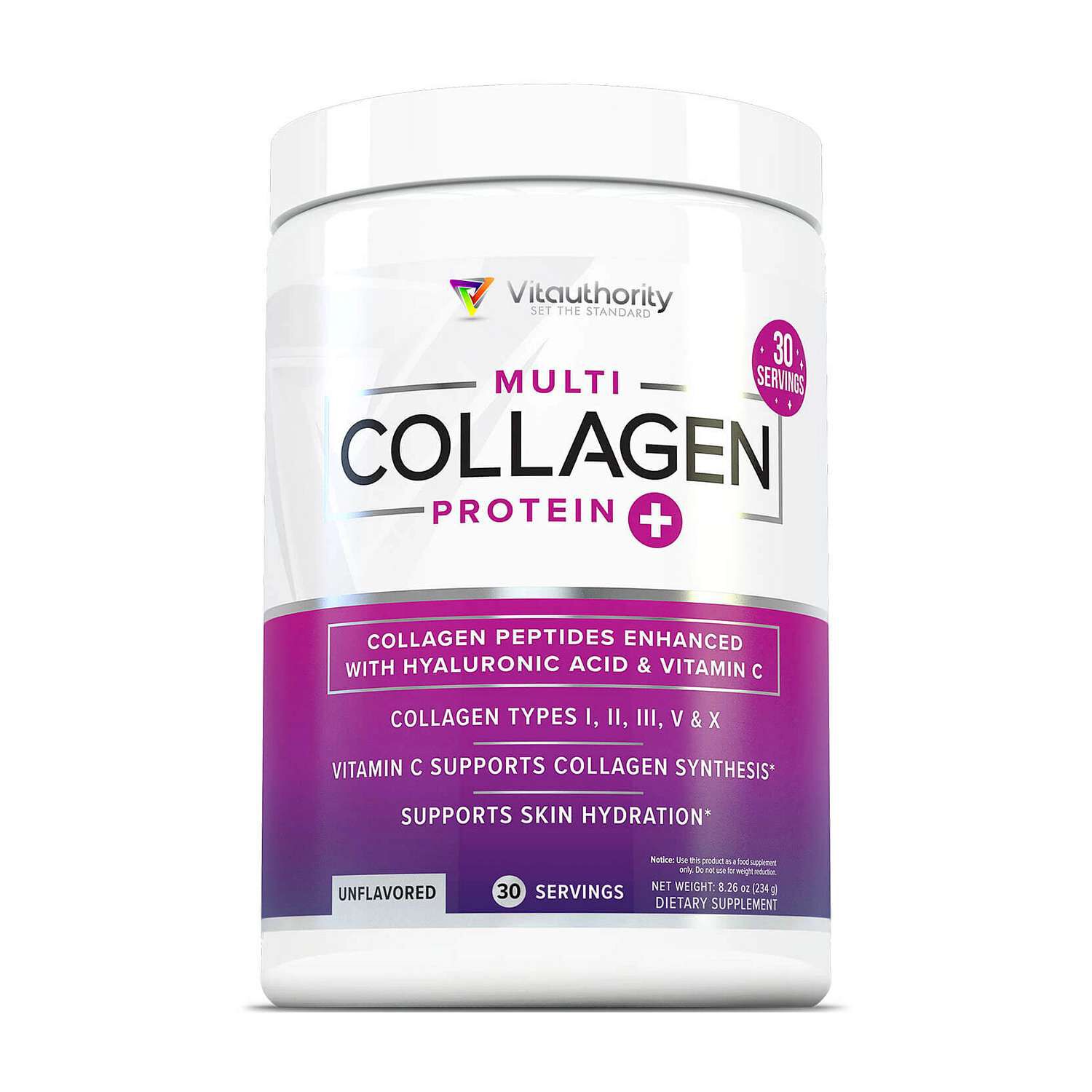
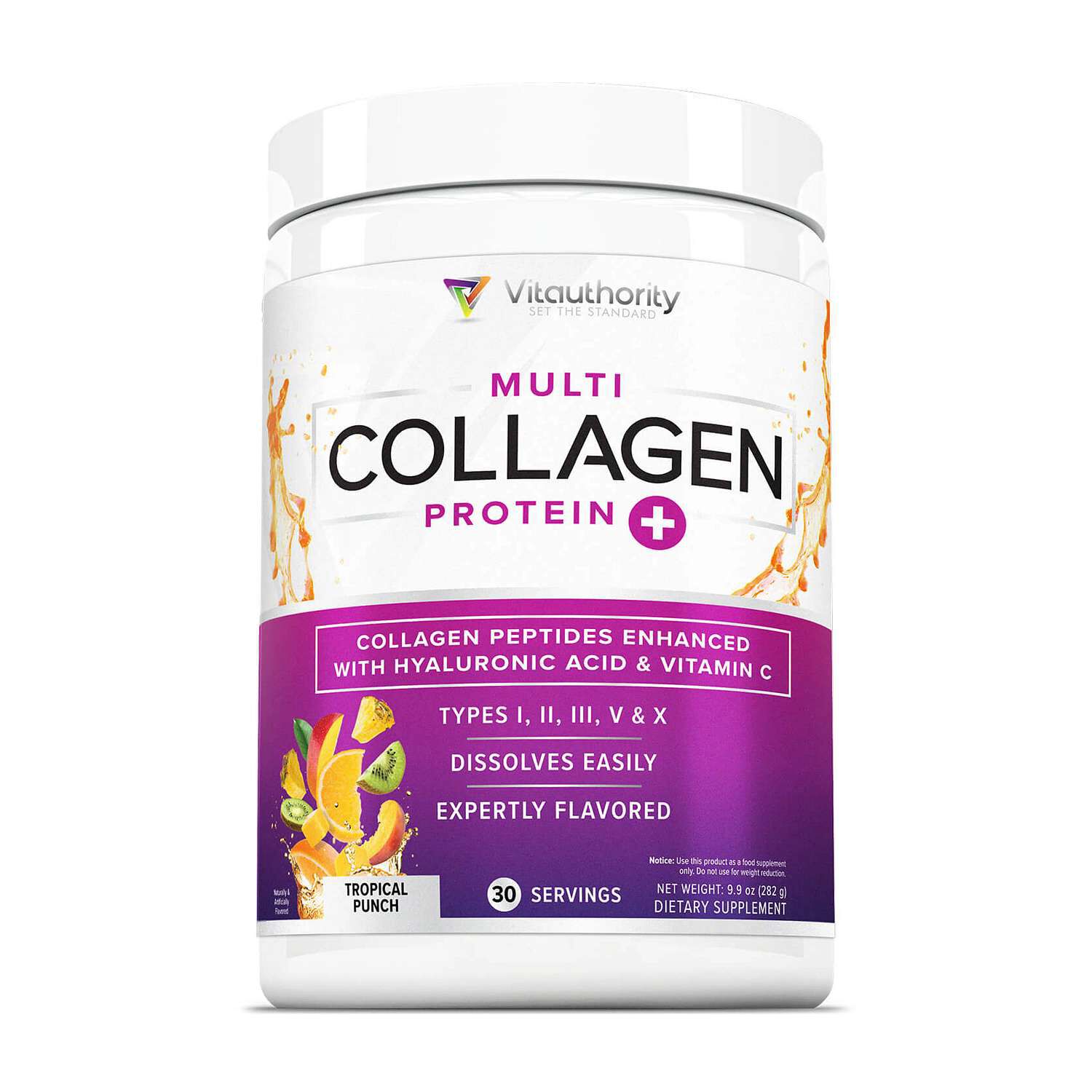
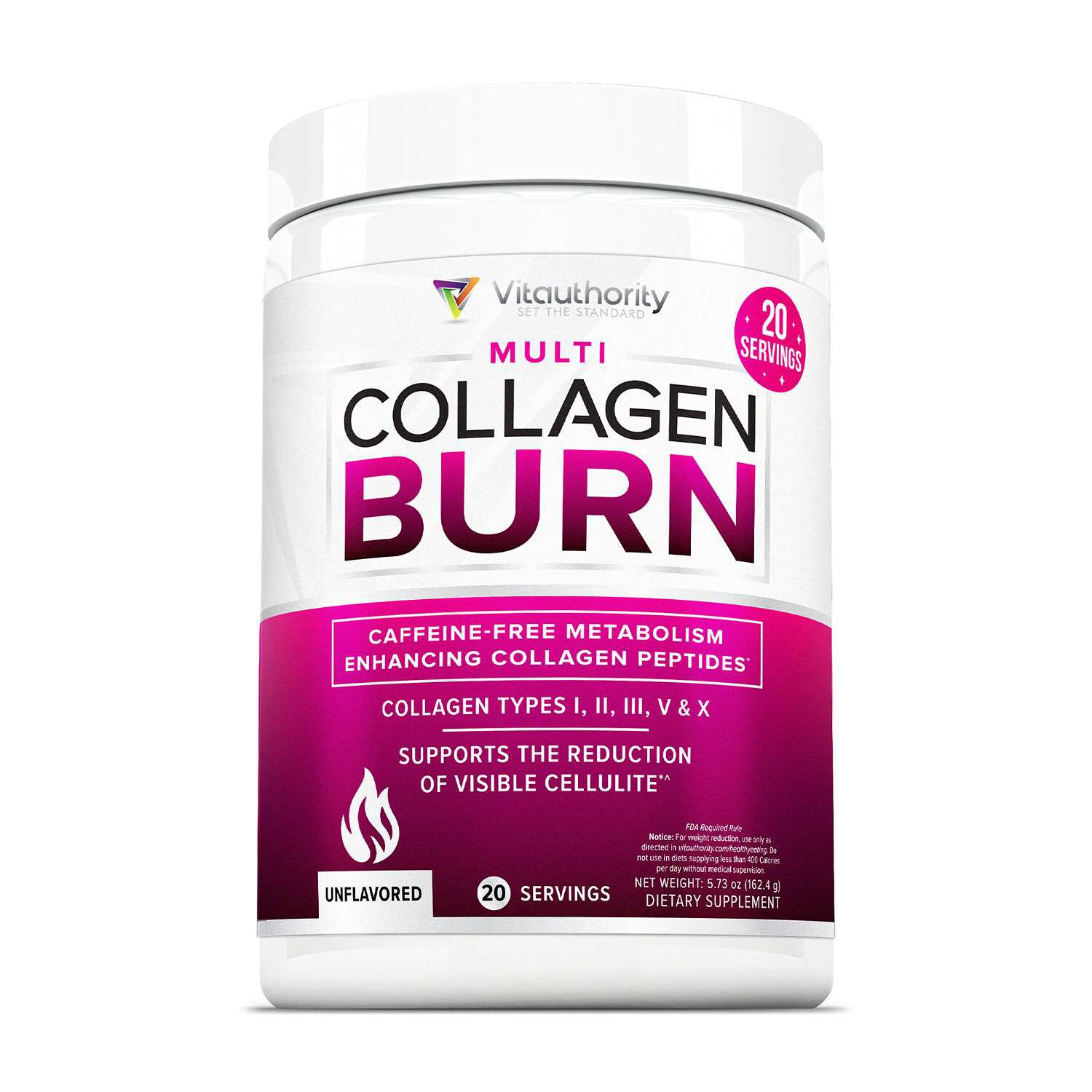
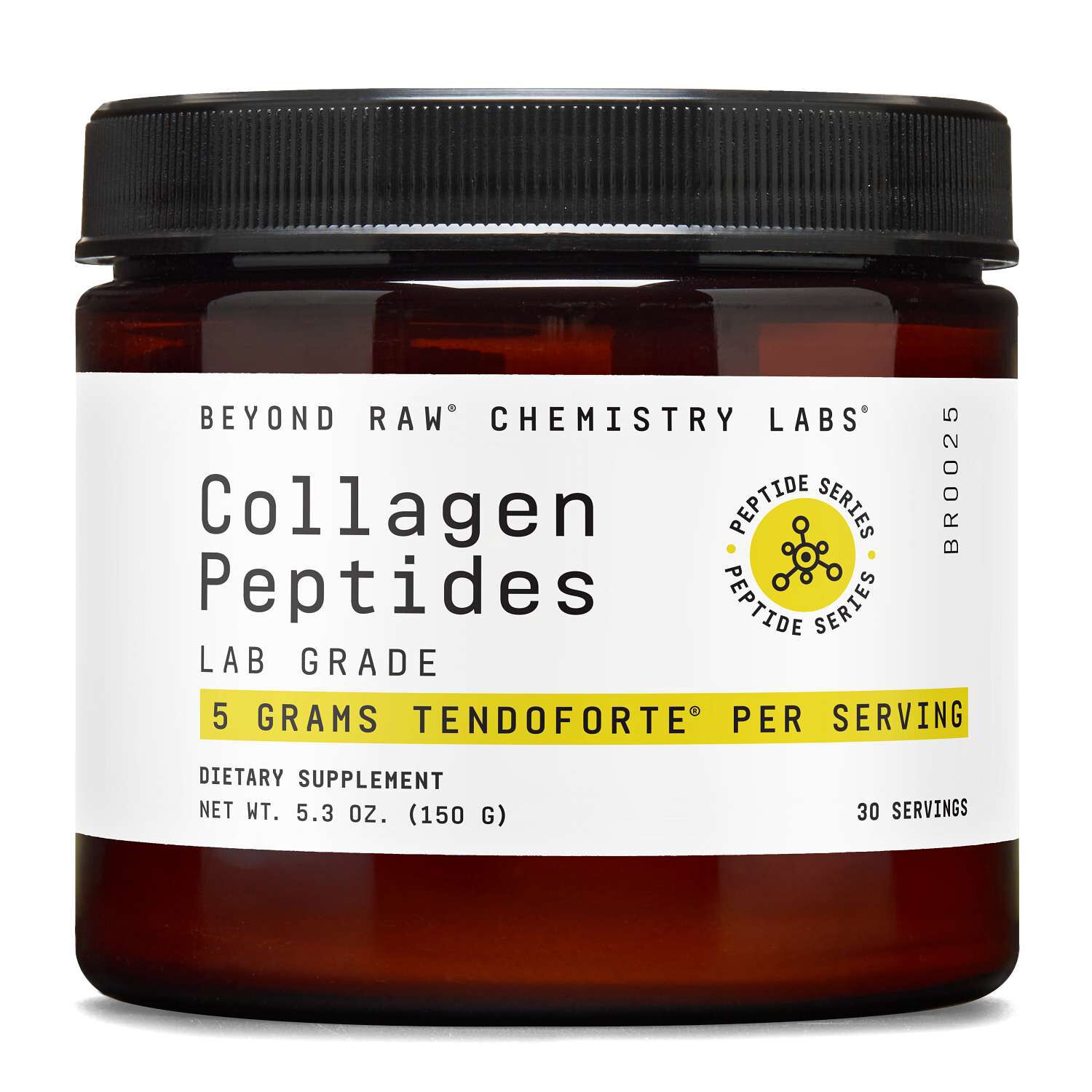
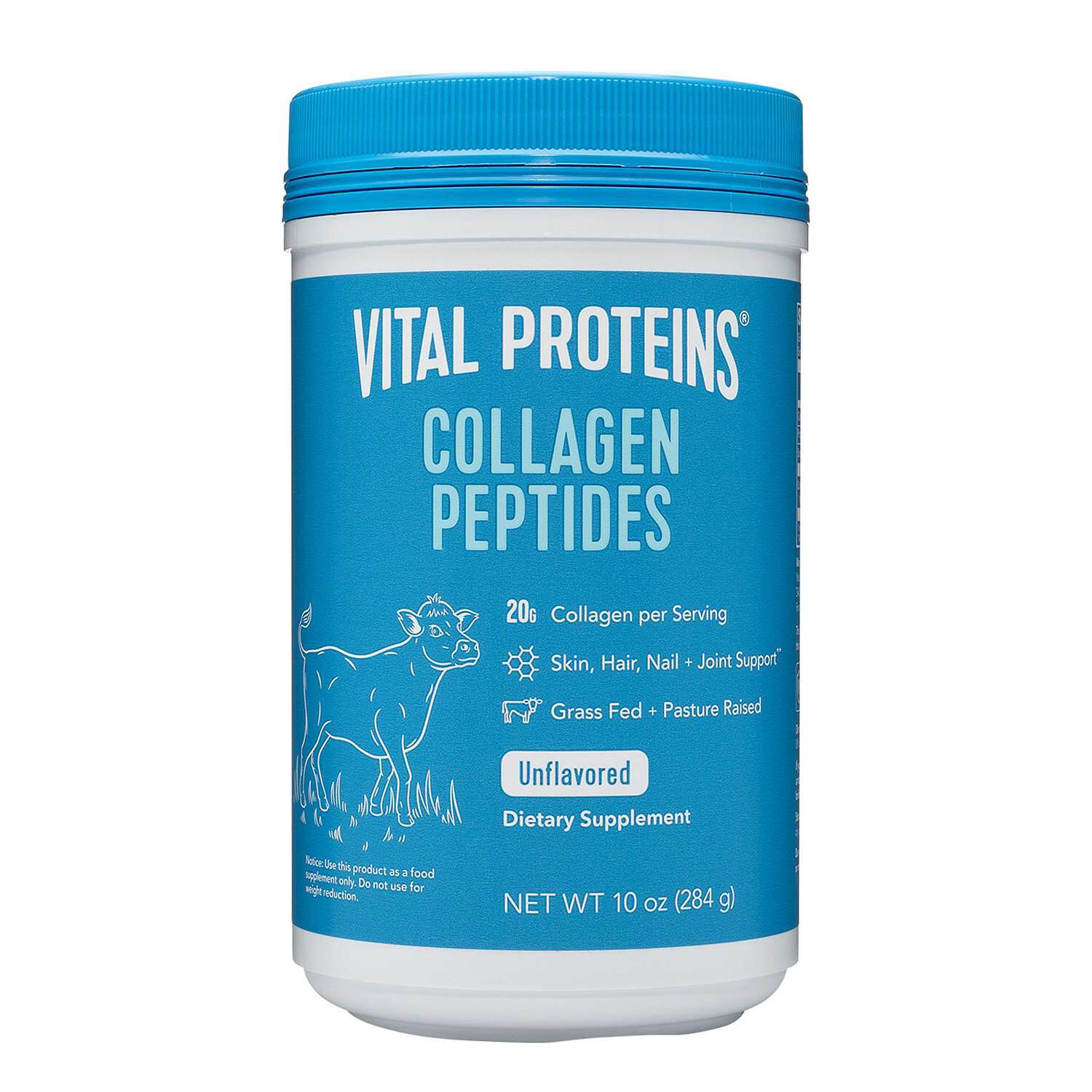
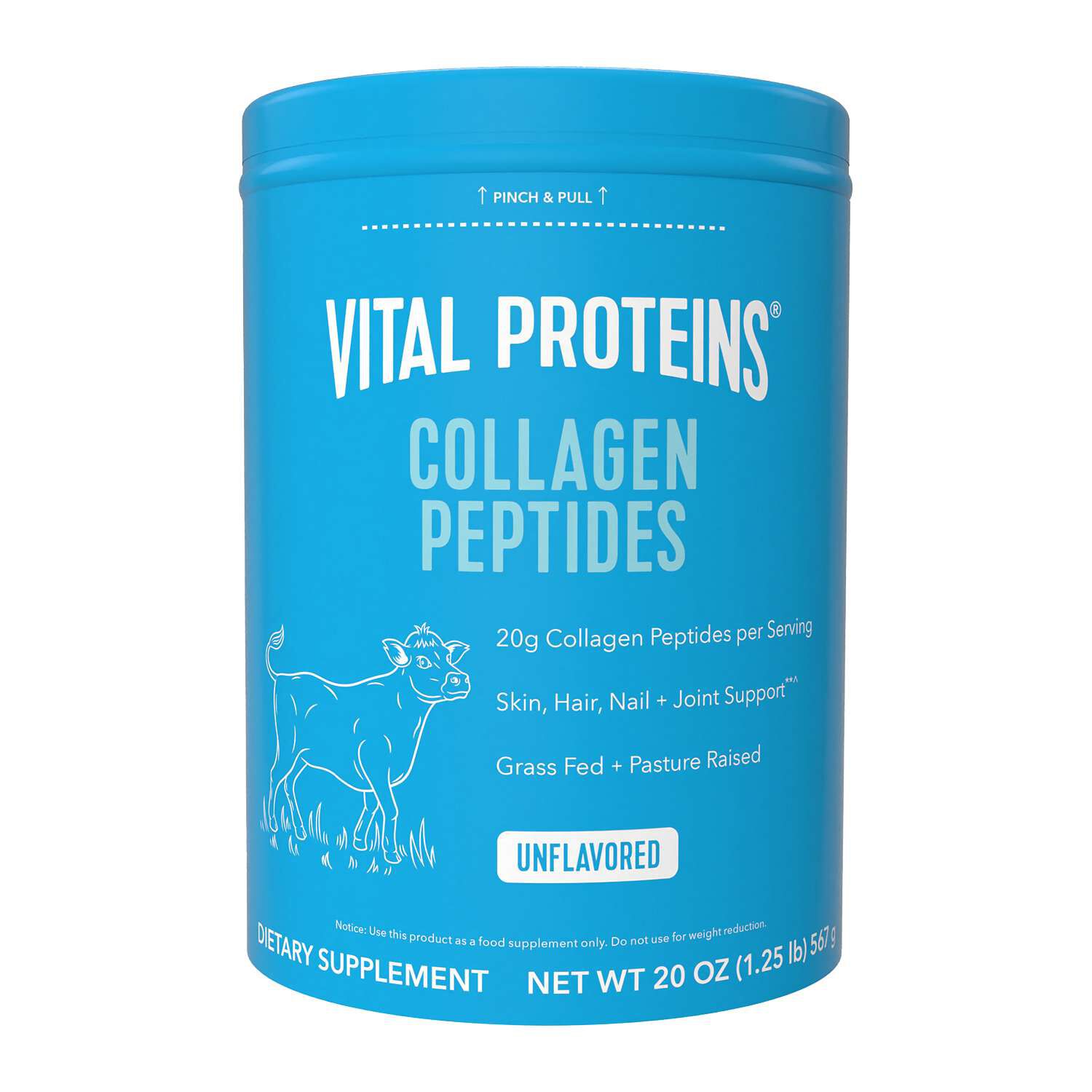
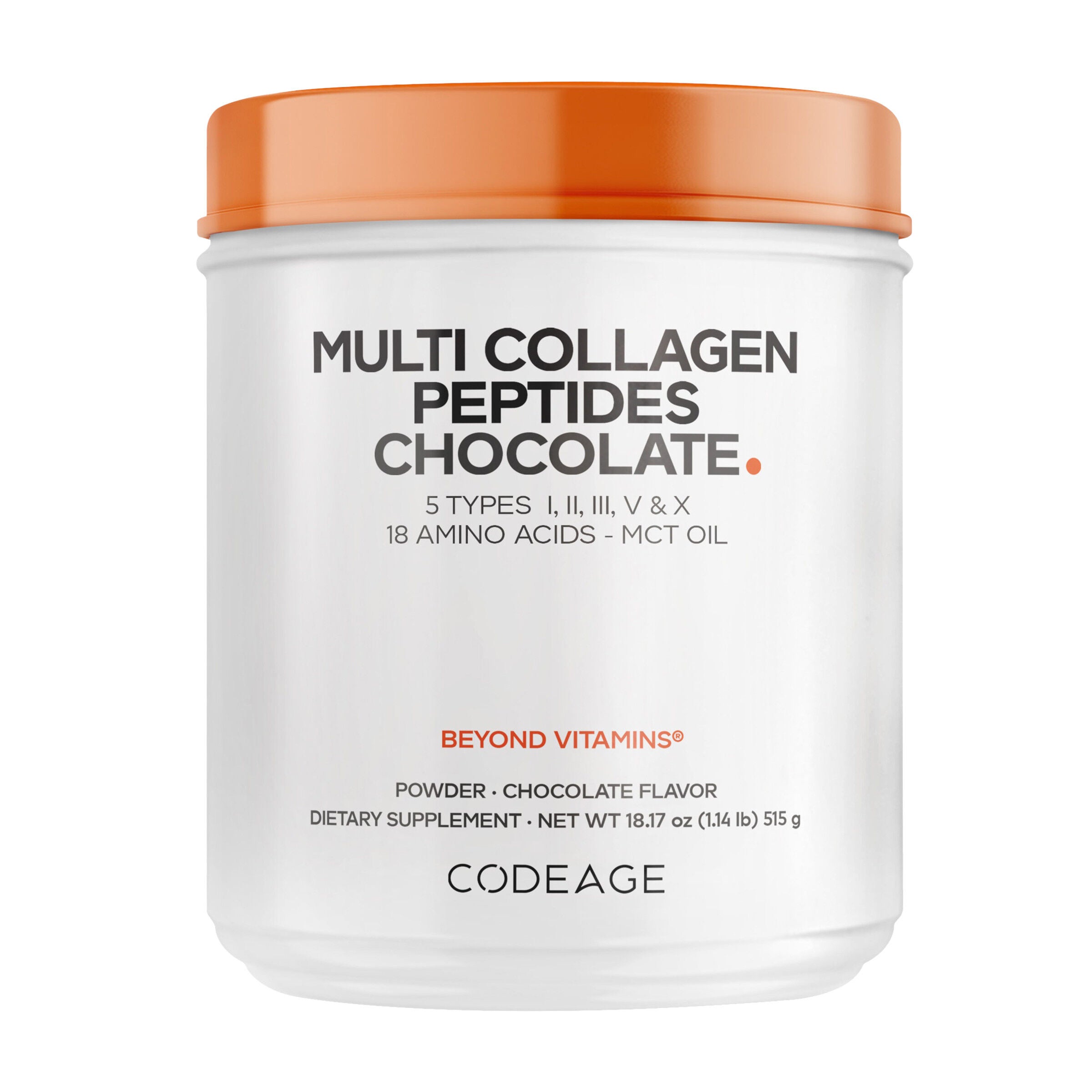
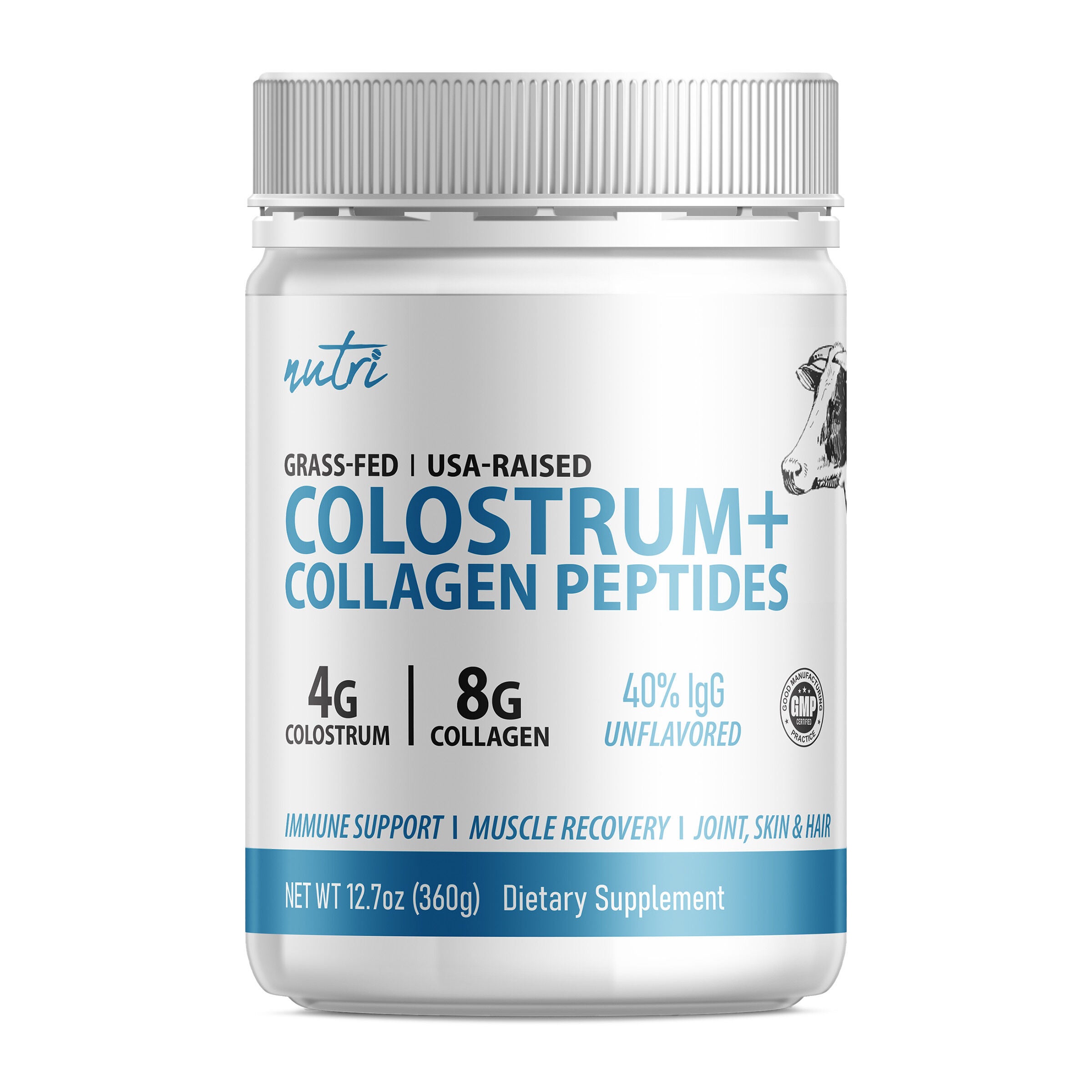
Collagen peptides for marathon training could be a supportive addition to your fitness routine as you prepare for race day. Many runners look for ways to support their bodies during intense training, and collagen peptides might fit into that journey. Explore a variety of options designed to fit different preferences and lifestyles, so you can find what works best for your marathon training goals.
-
 $24.99
-
-

-
-
-

-

-

-
-
-
-

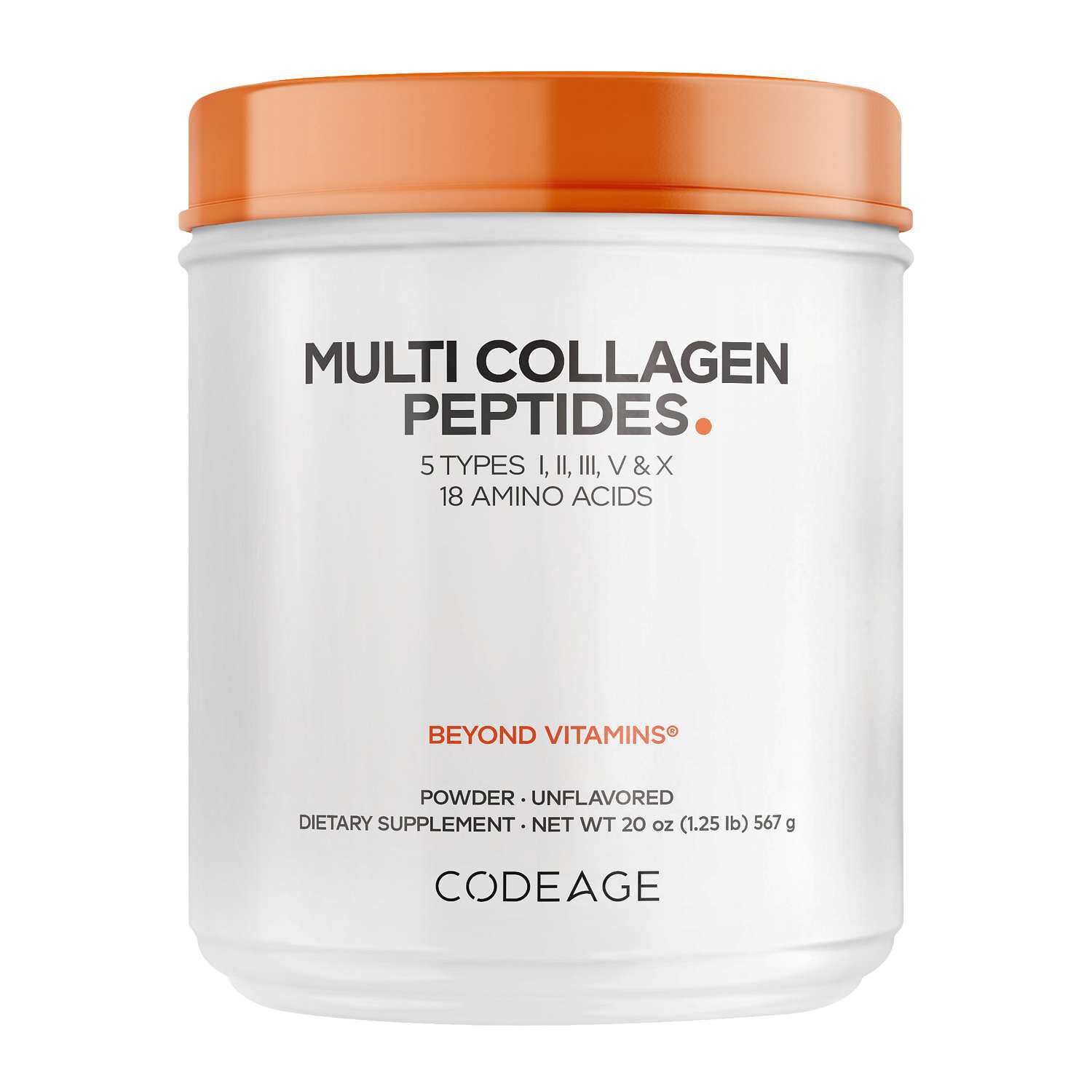
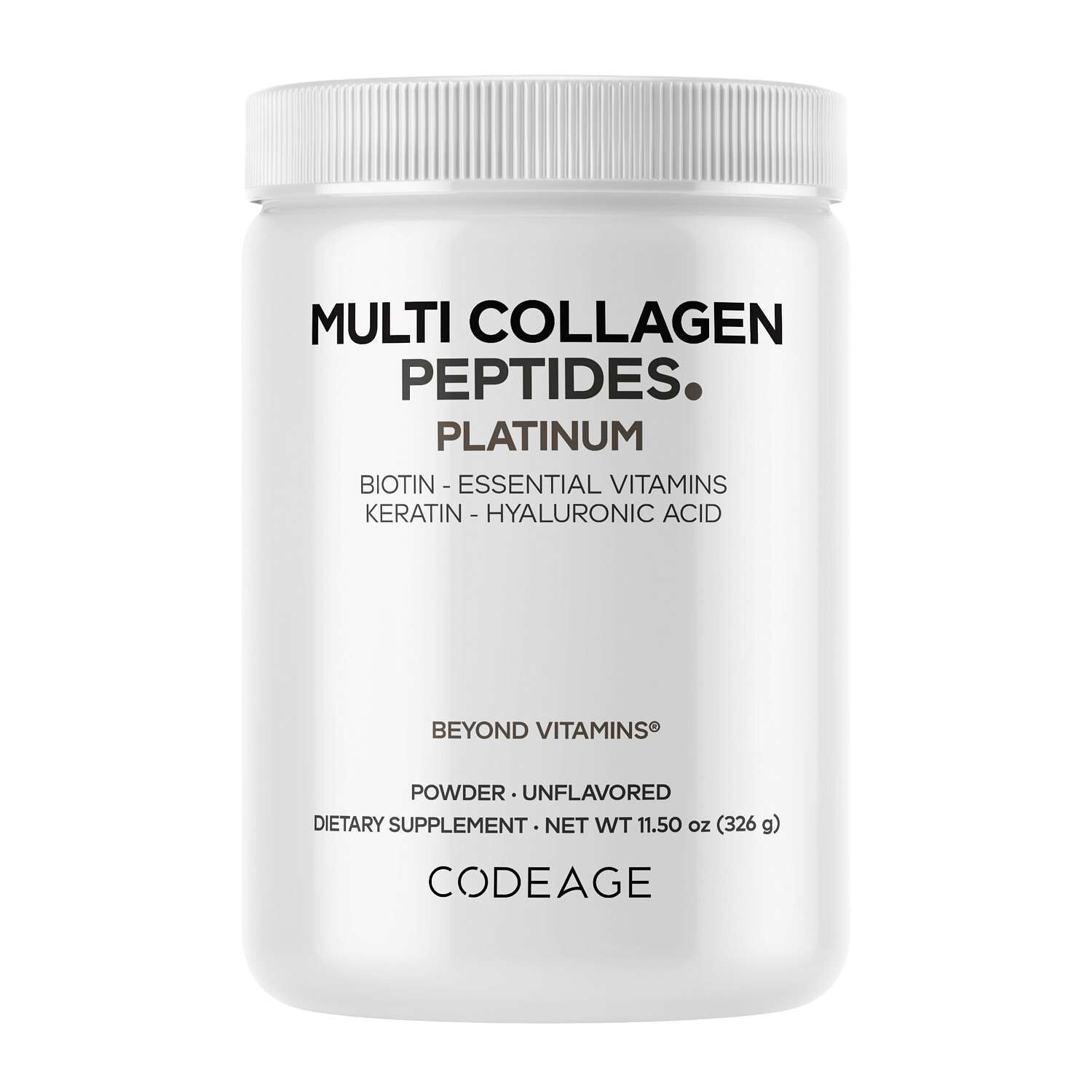
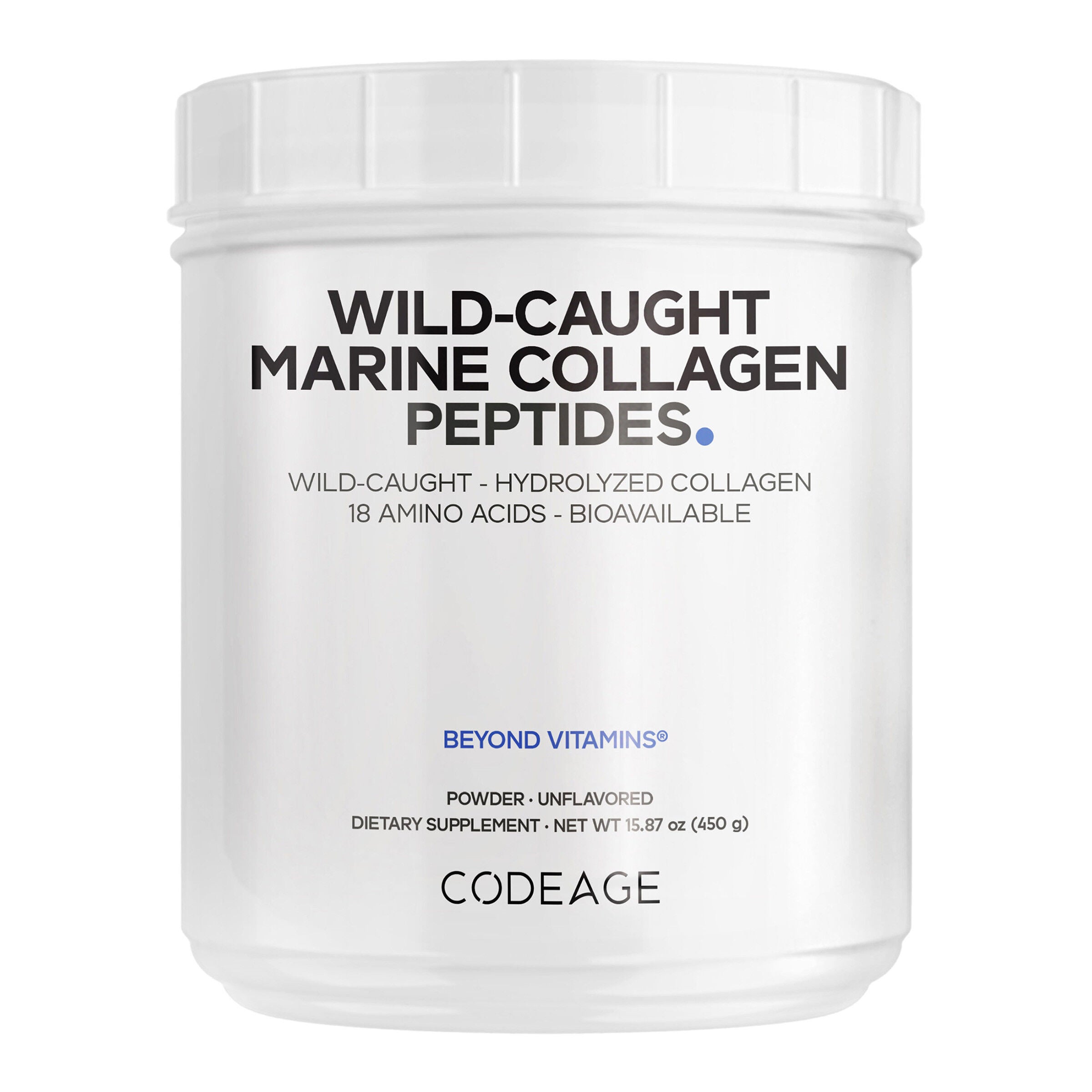

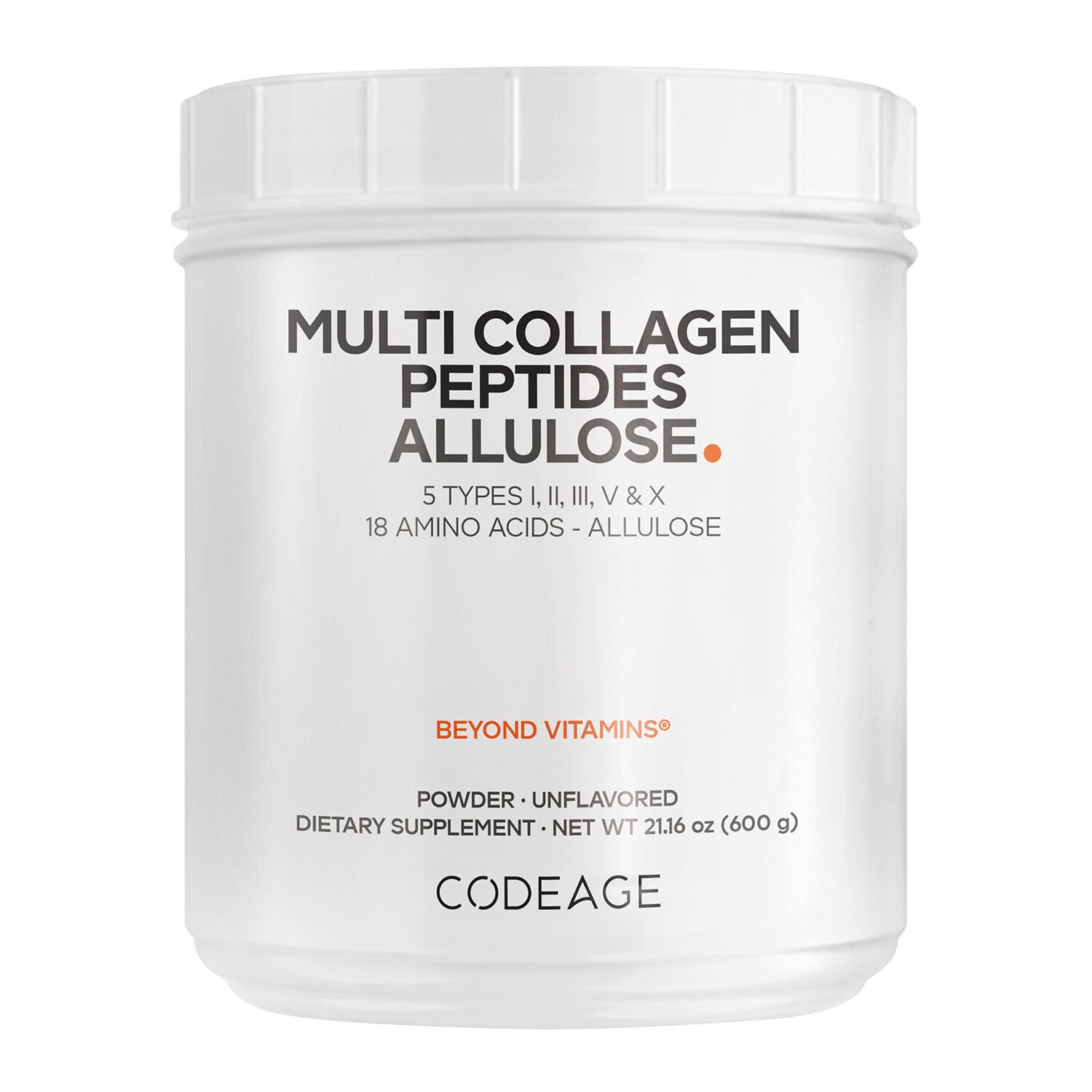

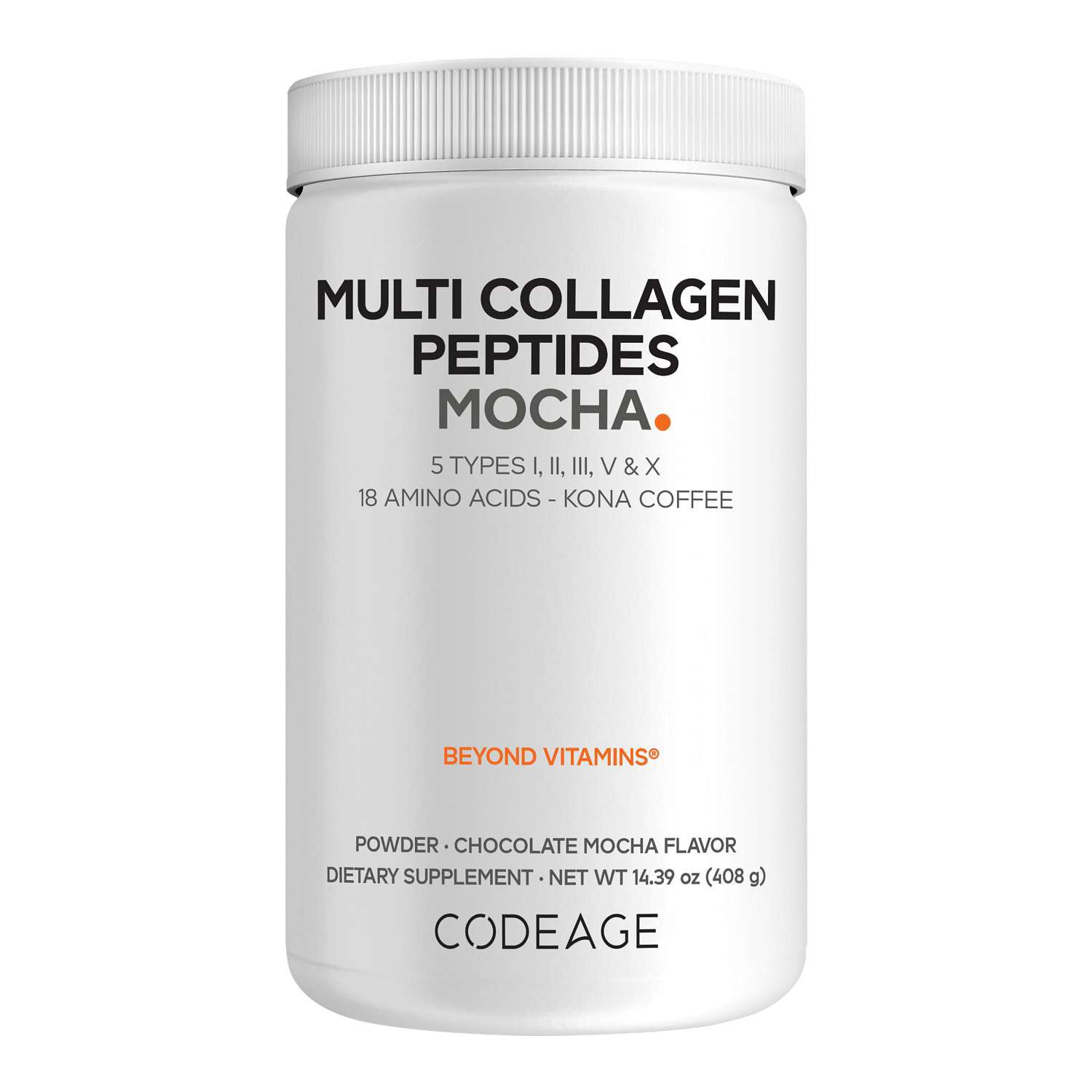
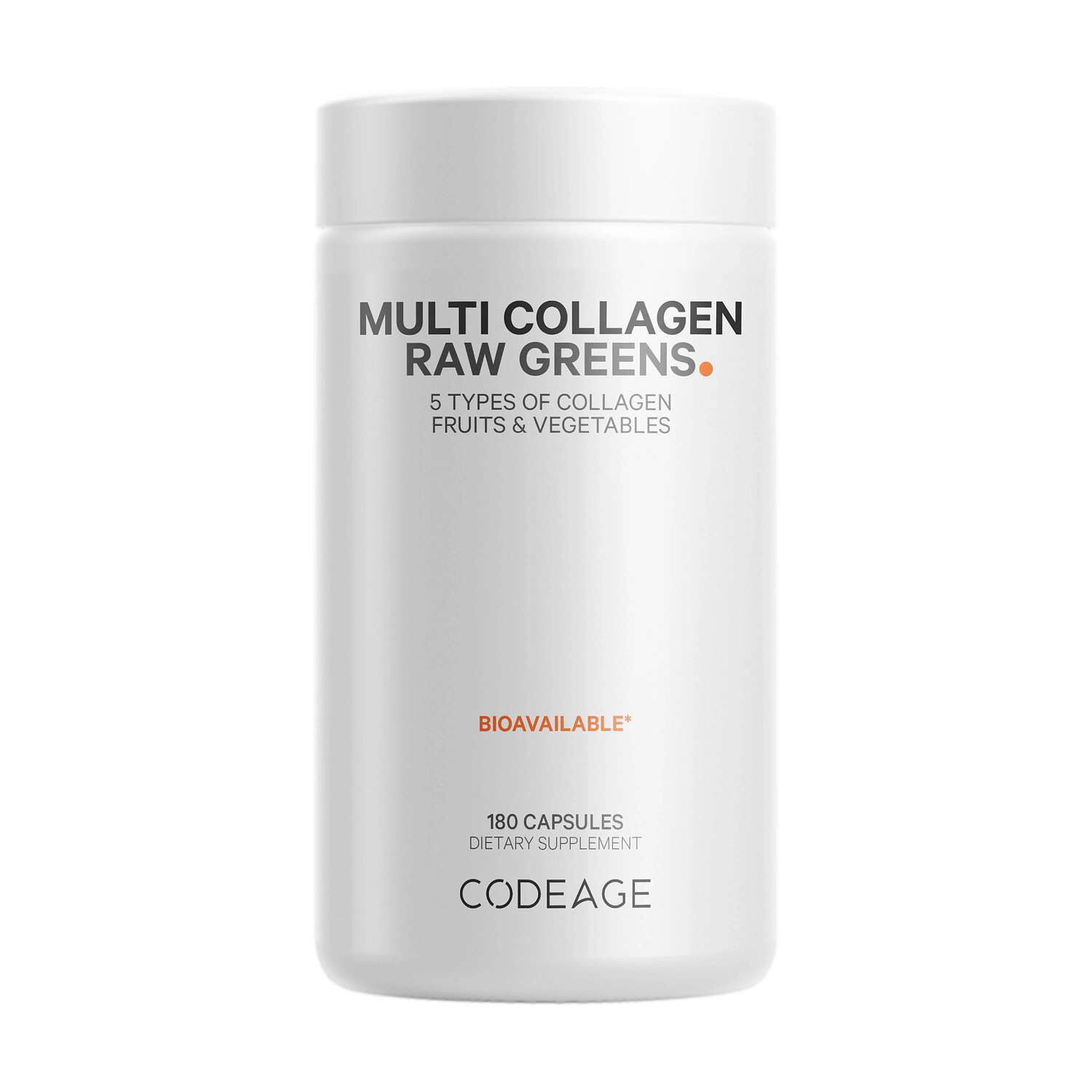
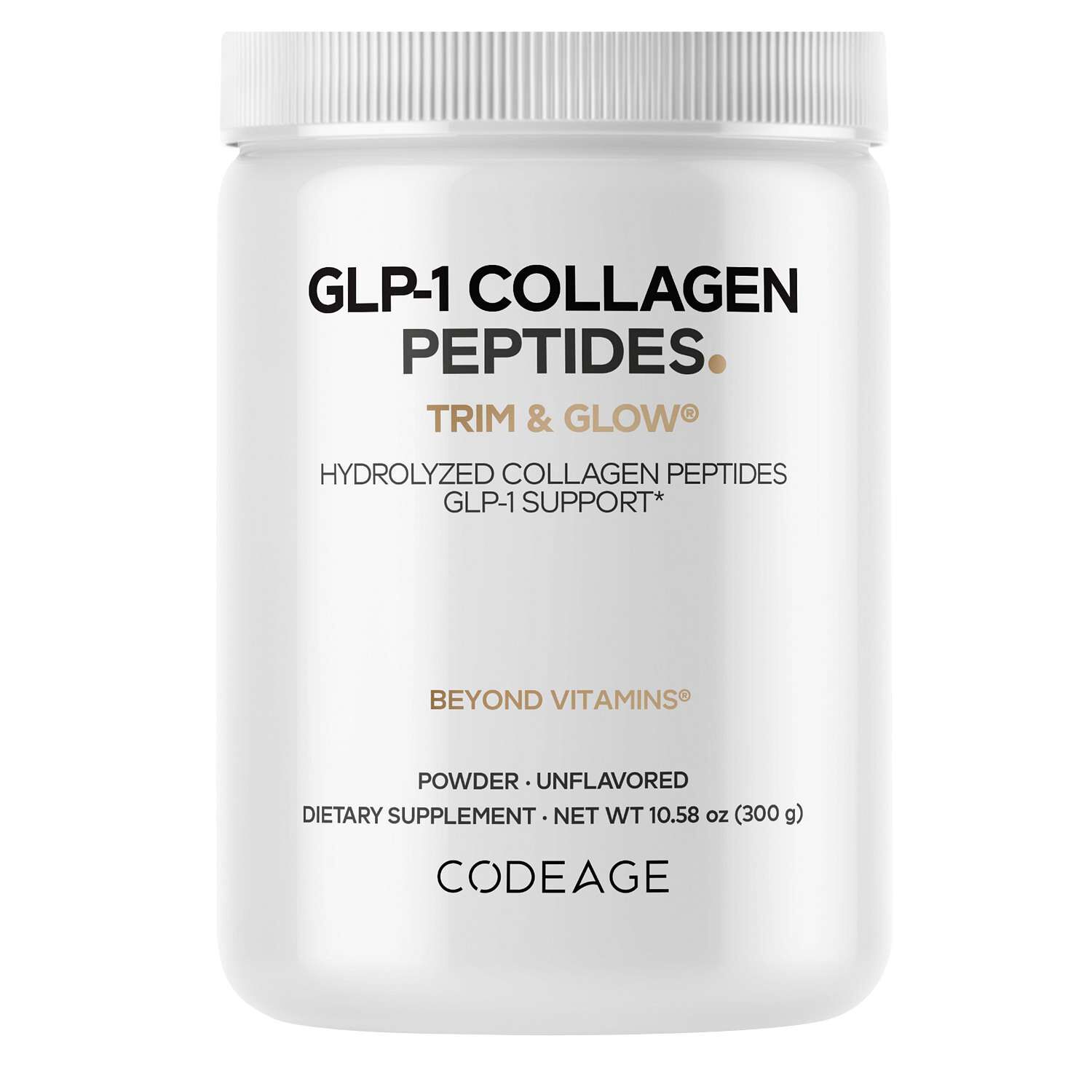
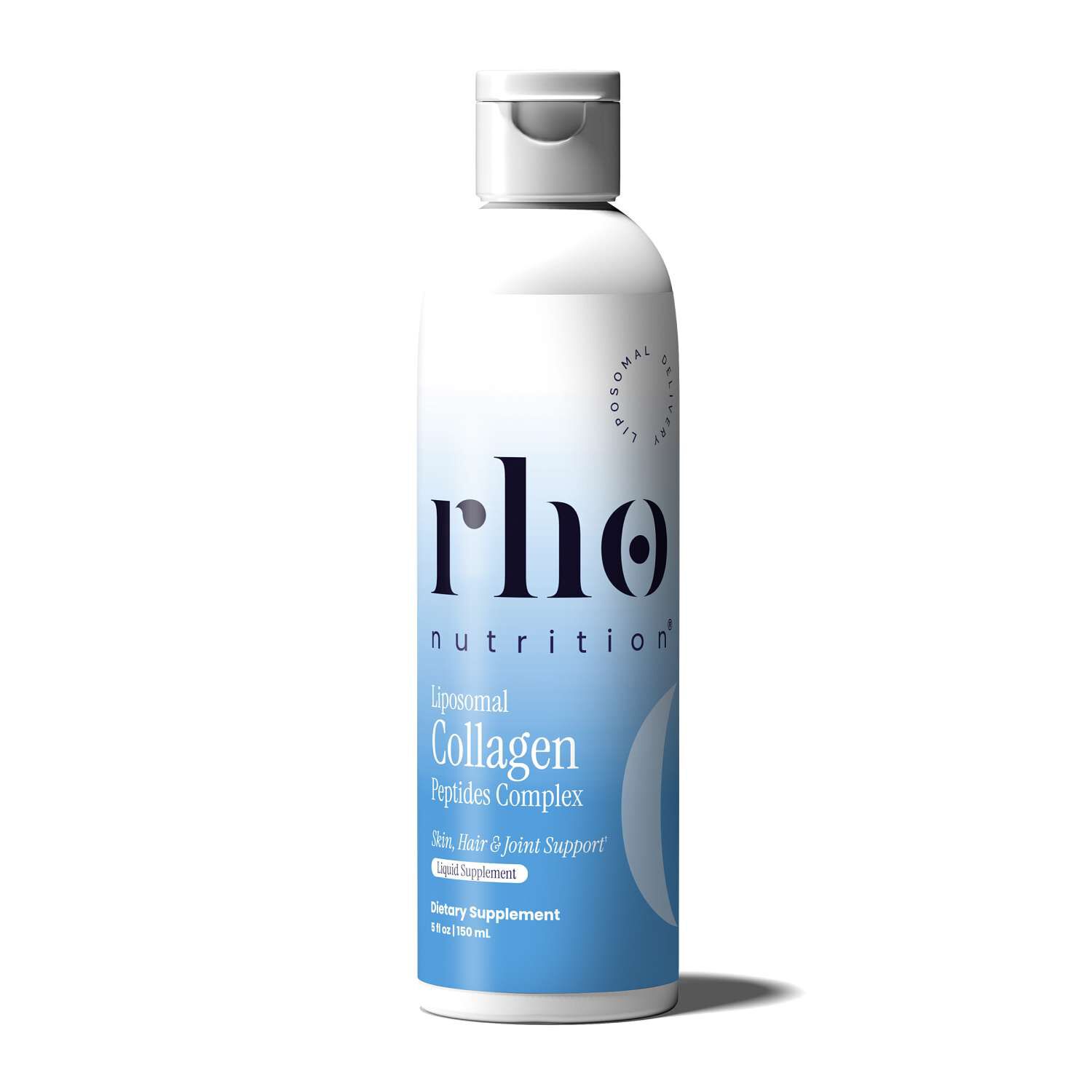
Collagen peptides for marathon training bring a specific type of protein supplement into the broader conversation about distance-running nutrition. Collagen is a structural protein found in connective tissues, including tendons, ligaments, and cartilage. Collagen peptides are made by breaking collagen into smaller protein fragments through a process called hydrolysis. That connection to connective tissue explains much of the interest among runners, although the presence of collagen in the body does not establish what a supplement will do for an individual athlete. These products are intended to complement an eating pattern, not replace meals, running fuel, or the other foods that make up an endurance runner’s day. For someone balancing early runs, work, and preparation for a first marathon, a collagen powder may offer a convenient addition to a familiar beverage or snack. More experienced runners may prefer a format that fits into an established routine without adding much preparation. The differences between products begin with their source: many collagen peptides come from bovine or marine materials, with source statements providing useful context for dietary preferences and ingredient restrictions. Marine collagen commonly comes from fish, making the allergen statement an important part of the label. Animal-derived collagen also differs from plant-based protein powders, even when both appear in the same supplement category. Labels may identify collagen types, such as type I or type III; these describe collagen classifications rather than a ranking of product quality or suitability for a particular race distance. Serving size, protein content, ingredient simplicity, and preparation requirements provide more practical points of comparison. A runner browsing collagen peptides for marathon training may be looking for an unflavored powder for breakfast, a flavored option for an afternoon drink, or a capsule format that avoids mixing. Those preferences shape the everyday experience of using a supplement, while the nutrition panel explains what each serving actually contributes. The category makes the most sense alongside the ordinary details of a training schedule: meals packed before work, snacks between commitments, and the familiar breakfast served after a weekend long run.
Powder texture, taste, and mixing instructions often matter as much as the front-label description when comparing collagen peptide supplements. Unflavored does not necessarily mean undetectable; the source and formulation may influence aroma, mouthfeel, and how noticeable the powder is in a lightly flavored drink. A smoothie with yogurt and fruit presents a different setting from plain water or black coffee, and each leaves a different amount of room for subtle flavor. Hydrolyzed collagen powders may disperse more readily than some other collagen formats, but preparation directions still vary. Some labels describe mixing into hot or cold liquids, while others specify a preferred method or serving amount. A shaker bottle, spoon, or blender creates a different mixing experience, and a powder intended for stirring may not behave the same way when sprinkled over a finished meal. Flavored formulas bring another set of considerations, including sweeteners, added ingredients, and whether the flavor works with the beverage a runner already enjoys. Capsules remove the need to mix a drink, although the serving may involve several capsules and a different amount of collagen than a scoop of powder. Individual packets may suit a gym bag or a trip to a race, while a resealable container may fit more naturally beside breakfast ingredients at home. Packaging details also deserve attention: a secure lid, a readable serving label, and a scoop that is easy to locate all affect repeated use. Storage directions describe the conditions intended for the product, and keeping the container closed between uses may help limit contact with moisture. A dry scoop and an intact packet are practical details for runners whose nutrition supplies move between a kitchen counter, an office drawer, and a training bag. The serving count on a package is also distinct from its weight; comparing grams of collagen and grams of protein per labeled serving offers a clearer picture than judging by container size alone. Added vitamins, minerals, or other ingredients change the formula and belong in that same comparison rather than being treated as interchangeable extras.
Marathon training gives supplement shopping a particular context, but collagen peptides occupy a different role from carbohydrate drinks, gels, electrolyte products, or broader dietary protein sources. Collagen has a distinctive amino acid profile, so equal protein amounts do not make every protein supplement nutritionally identical. A serving of collagen also does not describe the carbohydrate content of the meal or drink around it. For a runner eating oatmeal before heading out, blending a smoothie after returning, or packing lunch for a busy afternoon, those distinctions keep product descriptions grounded in intended use. Products with several added ingredients call for a closer look at serving information and allergen statements, especially when other supplements are already part of the routine. Runners who participate in organized competition may also value an identifiable third-party sport certification. Certification programs differ in scope, and the named program provides more useful information than a broad quality statement without supporting details. Product selection remains separate from claims about race performance: a particular source, collagen type, or serving format does not establish faster finishing times or a specific experience after a long run. For shoppers comparing this category with options for other training routines, Collagen Peptide Supplements for Fitness Goals offers a related perspective beyond marathon preparation. Within a distance-running routine, the most relevant distinctions are often straightforward: a source that matches dietary preferences, a flavor that works with familiar foods, a serving format that fits the day, and labeling that makes ingredient amounts easy to understand. A compact packet tucked beside a shaker bottle serves a different practical purpose from a larger container kept near the blender. Neither format determines an athletic outcome, but each may suit a different pattern of use. That everyday fit gives collagen peptide supplements their place in a thoughtfully assembled nutrition routine, without turning a supplement into the centerpiece of marathon preparation.
Best Sellers
-
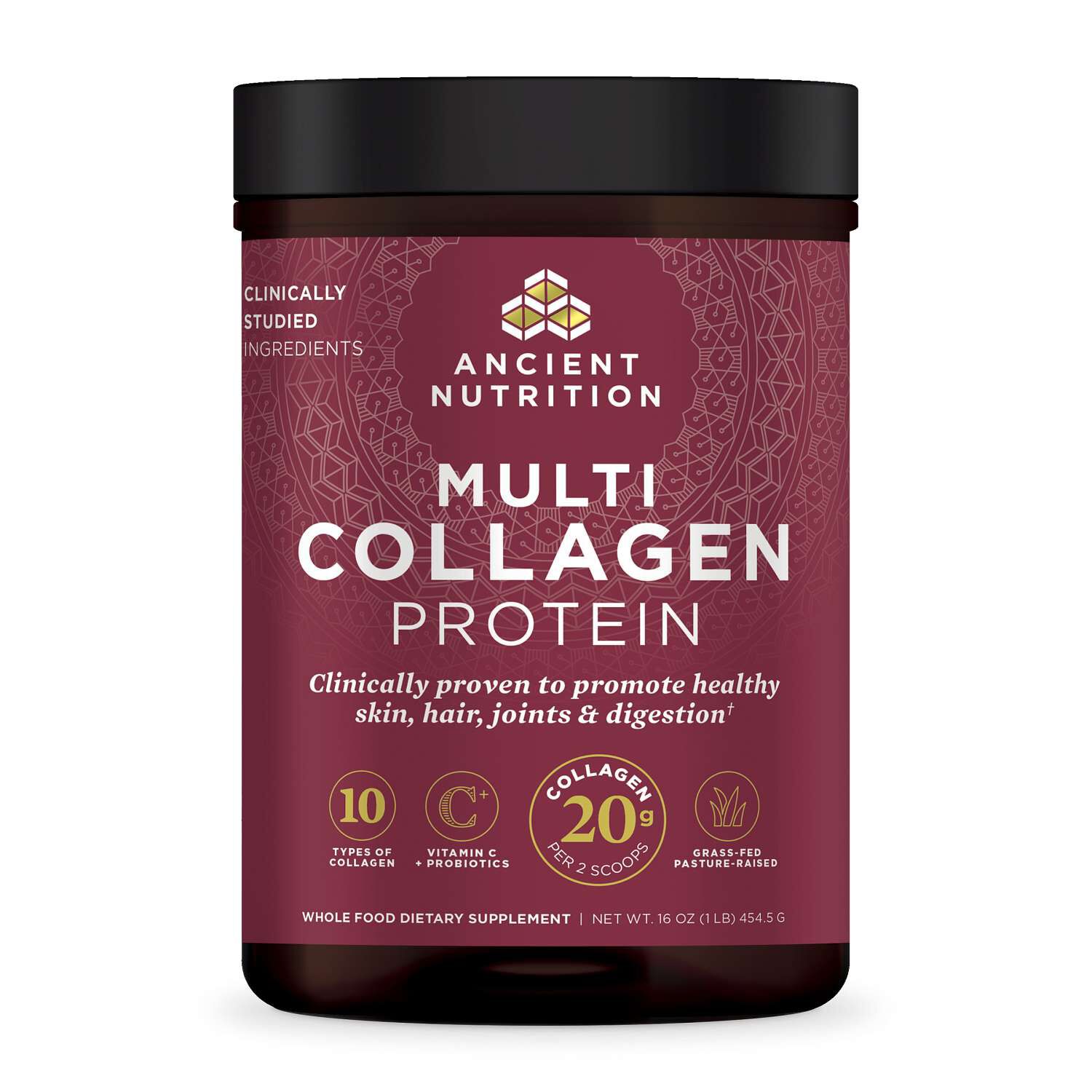 Ancient Nutrition
-
Vital Proteins